

Image of 1962 Pontiac Bonneville, Note: These illustrations use artistic license and may differ from actual historical models.
Performance Metrics
Fundamental Metrics
Emotional Appeal
MMP Rating
| Engine Specifications | |
|---|---|
| Engine Options: | 389 CID V8, 421 CID V8 |
| Displacement Range: | 389-421 cu in. |
| Horsepower Range: | 303-370 hp |
| Torque: | 420-460 lb-ft |
| Compression Ratio: | 10.75:1 |
| Ignition System: | Conventional breaker-point ignition system |
| Cooling System: | Liquid-cooled |
| Performance Specifications | |
| 0-60 Time: | 7.7 seconds |
| 1/4 Mile Time: | 15.8 seconds |
| Top Speed: | 115 mph |
| Transmission and Drive | |
| Drive Type: | Rear-wheel drive |
| Transmission Type: | 3-speed automatic, 4-speed manual |
| Fuel and Efficiency | |
| Fuel System Type: | Carburetor |
| MPG: | 10-12 mpg |
| Dimensions and Brakes | |
| Brakes: | Drum brakes |
| Wheelbase: | 123 inches |
| Weight: | 3,900 lbs |
Note: Specifications for classic cars are given to the best of our ability, considering the limited and variant data available.
1962 Pontiac Bonneville: Big-Body American Luxury
The 1962 Pontiac Bonneville brought V8 muscle, upscale appointments, and an unmistakable wide-track stance together in one thoroughly American package. Built by Pontiac, a division of General Motors, the Bonneville sat near the top of the brand’s lineup as a full-size car for buyers who wanted more style and comfort than a Catalina, without giving up the performance Pontiac was famous for.
Its roots reach back to the late 1950s, when Pontiac began building a reputation for combining performance with tasteful, increasingly refined design. By 1962, the Bonneville was a well-established flagship. One especially intriguing version could be ordered with Pontiac’s 421-cubic-inch Super Duty V8, a race-bred engine with a factory-rated 405 horsepower. That option connected a luxurious road car to the intense factory-versus-factory performance contests of the era.
Wide-Track Style and Bonneville Comfort
The 1962 Bonneville looks substantial without relying on the towering tailfins that had dominated some late-1950s cars. Its long hood, broad shoulders, and relatively clean flanks give it a confident profile. Up front, a wide grille and quad headlamps create a strong, horizontal face, while restrained sculpting along the rear fenders adds motion without overwhelming the design. Pontiac’s wide-track stance, made possible by placing the wheels farther apart, gives the car a planted look that became a defining part of the brand’s identity.
Inside, the Bonneville offered a more polished environment than a basic full-size car. Depending on body style and equipment, buyers could find broad bench seating, patterned cloth and vinyl upholstery, carpeting, bright metal trim, and a carefully styled instrument panel. The cabin was spacious enough for adults in both rows, with the front bench encouraging the relaxed, open seating arrangement typical of the period. Power accessories, including power windows and a power seat, were available, as were air conditioning and other comfort options.
Color choices varied by paint and interior combination. Period palettes included classic whites, blacks, reds, blues, greens, and metallic shades. Cameo Ivory and Starlight Black suited the Bonneville’s formal, premium character, while brighter reds and blues gave it a more sporting presence. Two-tone treatments and coordinated interior colors could make an already distinctive car feel even more personal.
Bonneville body styles included a two-door hardtop, a four-door hardtop, a convertible, and a Safari station wagon. The pillarless hardtops are among the most recognizable today: with their side windows lowered, they offer an airy, open look without a fixed center pillar. The convertible is a natural favorite for collectors, while the Safari combines the Bonneville’s upscale trim with useful wagon practicality.
Technology in a Performance-Minded Package
The Bonneville was not a technology showcase in the modern electronic sense, but it offered equipment that made a large car easier and more comfortable to use. Automatic transmissions were available alongside manual gearboxes, and buyers could add power steering, power brakes, air conditioning, power windows, and power-operated seating. Pontiac’s focus on wide-track engineering also had a practical effect: the car’s stance contributed to stable road manners and helped distinguish its handling from that of some narrower-tracked rivals.
Engine choice was a major part of the appeal. The standard V8 was a 389-cubic-inch Pontiac engine, commonly listed at 303 horsepower in four-barrel form. Higher-output 389s, including Tri-Power versions with three two-barrel carburetors, were available. For buyers seeking serious performance, Pontiac offered 421-cubic-inch engines, including the rare Super Duty specification. Exact equipment and ratings depended on the engine and factory configuration, so original documentation matters when evaluating a particular car.
Why the 1962 Bonneville Matters
The Bonneville helped establish the idea that a full-size American car could be both genuinely comfortable and performance-oriented. It was not a stripped-down muscle car, nor was it simply a plush boulevard cruiser. Instead, it offered a broad range of engines and equipment in a refined package, a formula that suited Pontiac’s ambition to occupy a sporty, near-luxury position within General Motors.
Its visual identity also reflected a broader design shift. The 1962 Bonneville traded excess ornament and dramatic fins for cleaner, more controlled lines, while retaining the scale and presence buyers expected from a premium American car. The wide-track stance became more than a marketing phrase: it was a recognizable visual signature and part of Pontiac’s effort to communicate confident handling as well as straight-line power.
What set the Bonneville apart from many contemporaries was the way it blended those qualities. A buyer could choose a quiet, well-equipped cruiser or specify a big V8 and performance options. That combination helped shape Pontiac’s image through the 1960s and contributed to the later popularity of large, powerful American performance cars.
389 Power, 421 Muscle, and Road Manners
Performance varied considerably with the engine, transmission, axle ratio, and body style. A 389-powered Bonneville was a brisk car for its size, with period-style estimates generally placing 0-to-60-mph acceleration in the neighborhood of 8 to 10 seconds. Top speed for a healthy, appropriately geared example is often estimated around 115 to 120 mph. These are broad estimates rather than guaranteed figures, and a high-output 421 car can perform differently from a standard-engine model.
On the road, the Bonneville feels substantial and composed. Its long wheelbase helps it smooth over expansion joints and ordinary pavement imperfections, while the wide track gives it a reassuring stance through sweeping bends. It is still a large early-1960s car, not a modern sports sedan: tight, winding roads call for measured inputs, and its size is apparent in parking lots and narrow streets. A well-maintained suspension and correctly sized tires make a considerable difference to how confidently it drives.
The V8 supplies the soundtrack. At light throttle, the engine has the relaxed burble expected of a large American motor. Push harder and the exhaust note deepens, with the 389 delivering strong, easy torque. A Tri-Power or 421-equipped car adds a more urgent response, especially when the carburetors open under acceleration. The steering is typically light with power assistance, and the automatic transmission encourages a smooth, unhurried rhythm. The result is less about darting through corners and more about covering distance with authority and comfort.
Living With a Classic Bonneville
Today, the Bonneville is most often used as a weekend cruiser, show car, or touring classic. Its roomy cabin and highway-friendly character make it well suited to club drives and relaxed road trips. A well-sorted example can be driven regularly, but its fuel consumption, age, and full-size dimensions make it a less convenient daily driver than a modern car.
Mechanical work is generally approachable for an owner with classic-car experience. The carbureted V8, conventional rear-wheel-drive layout, and period mechanical systems are familiar to many restoration shops. Parts availability is reasonable for common service items and major mechanical components, though specific trim pieces, body panels, interior details, and correct date-coded parts can take more searching. Cars with complex power accessories or rare performance equipment may require specialist knowledge.
As with any 60-plus-year-old car, condition matters more than a seller’s description. Check the frame, floors, body mounts, trunk, and lower body areas for rust. Inspect the transmission, cooling system, brakes, steering, and electrical accessories. A car that has been maintained and restored with good documentation can be a rewarding driver; a neglected project can quickly become expensive, especially if it needs scarce trim or extensive metalwork.
Bonneville Facts Worth Knowing
The 421 Super Duty is the headline engine for performance-minded collectors. Factory-rated at 405 horsepower, it was intended for serious competition use as well as road-going performance. Pontiac’s Super Duty program became part of the brand’s racing legacy, although these engines and the cars equipped with them are exceptionally rare compared with ordinary Bonnevilles.
The Bonneville also reflects Pontiac’s wider motorsport reputation during an era when manufacturers used racing success to strengthen their showroom image. Its combination of full-size comfort and potent V8 options made it a natural member of the performance conversation, even though most Bonnevilles were sold as comfortable road cars rather than dedicated competition machines.
There is no single 1962 Bonneville production record that defines the model’s story, and production totals are best treated as approximate unless tied to a specific body style or engine. A reasonable working estimate for total 1962 Bonneville production is around 80,000 cars across the range. That makes the model findable, but surviving examples vary widely in condition and specification. A standard hardtop is far easier to locate than a correctly documented Super Duty car.
One common criticism is simply the Bonneville’s size. It is heavy, thirsty by modern standards, and less agile than a smaller car on tight roads. Buyers should also expect old-car realities such as aging wiring, worn suspension parts, and the occasional hard-to-source piece of trim. Those drawbacks are balanced by its comfort, presence, and the satisfying character of its Pontiac V8.
Collector Values and Market Outlook
Values depend heavily on body style, condition, originality, documentation, and engine. As a broad current-market estimate, a project car might sell for roughly $10,000 to $25,000. A sound driver or older restoration could fall around $25,000 to $50,000, while a high-quality restored example may bring approximately $50,000 to $85,000 or more. Convertibles, particularly well-restored and correctly equipped examples, generally command a premium.
Rare, documented performance cars occupy a different market. A genuine 421 Super Duty Bonneville, if correctly authenticated and presented, could be worth well into six figures, with the final price shaped by provenance, condition, and originality. Buyers should be cautious with claims about rare engines: factory paperwork, identification numbers, and expert inspection are essential before paying a premium.
The Bonneville market has been more selective than the market for the most famous muscle cars. Ordinary examples have tended to move at a steadier pace, while exceptional convertibles and rare performance configurations attract stronger interest. Well-preserved cars are becoming harder to find, which supports long-term appeal, but values are not guaranteed to rise. Condition, quality of restoration, and authenticity remain the strongest drivers of price.
A Full-Size Pontiac With Lasting Presence
The 1962 Pontiac Bonneville brought together clean-lined styling, a spacious and well-appointed cabin, wide-track road manners, and a range of powerful V8 engines. It could serve as an elegant cruiser, a comfortable family car, or, in rare high-performance form, a surprisingly serious piece of Pontiac muscle.
More than a big car with a big engine, the Bonneville represents Pontiac at a confident moment in its history: ambitious in design, proud of its engineering, and willing to put real performance beneath a layer of comfort. That balance is what keeps the 1962 Bonneville memorable, and why it still turns an ordinary cruise into an occasion.
1962 Pontiac Bonneville Catalog of Parts
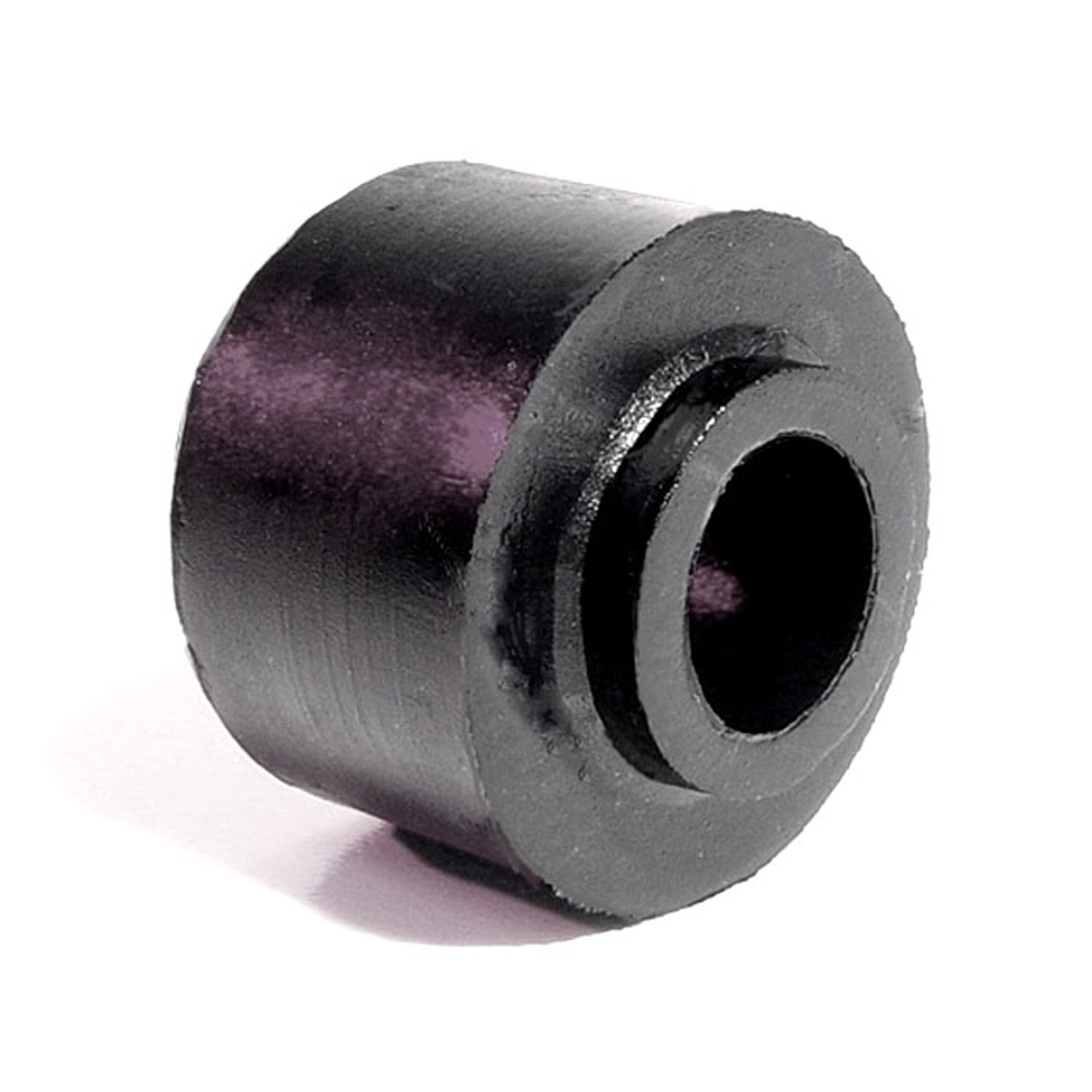 1962 Pontiac Bonneville Shock Absorber Grommet. 1" bottom O.D., 3/4" high-BN 1Shock Absorber Grommet. 1" bottom O.D., 3/4" high., with 7/16" I.D. Each
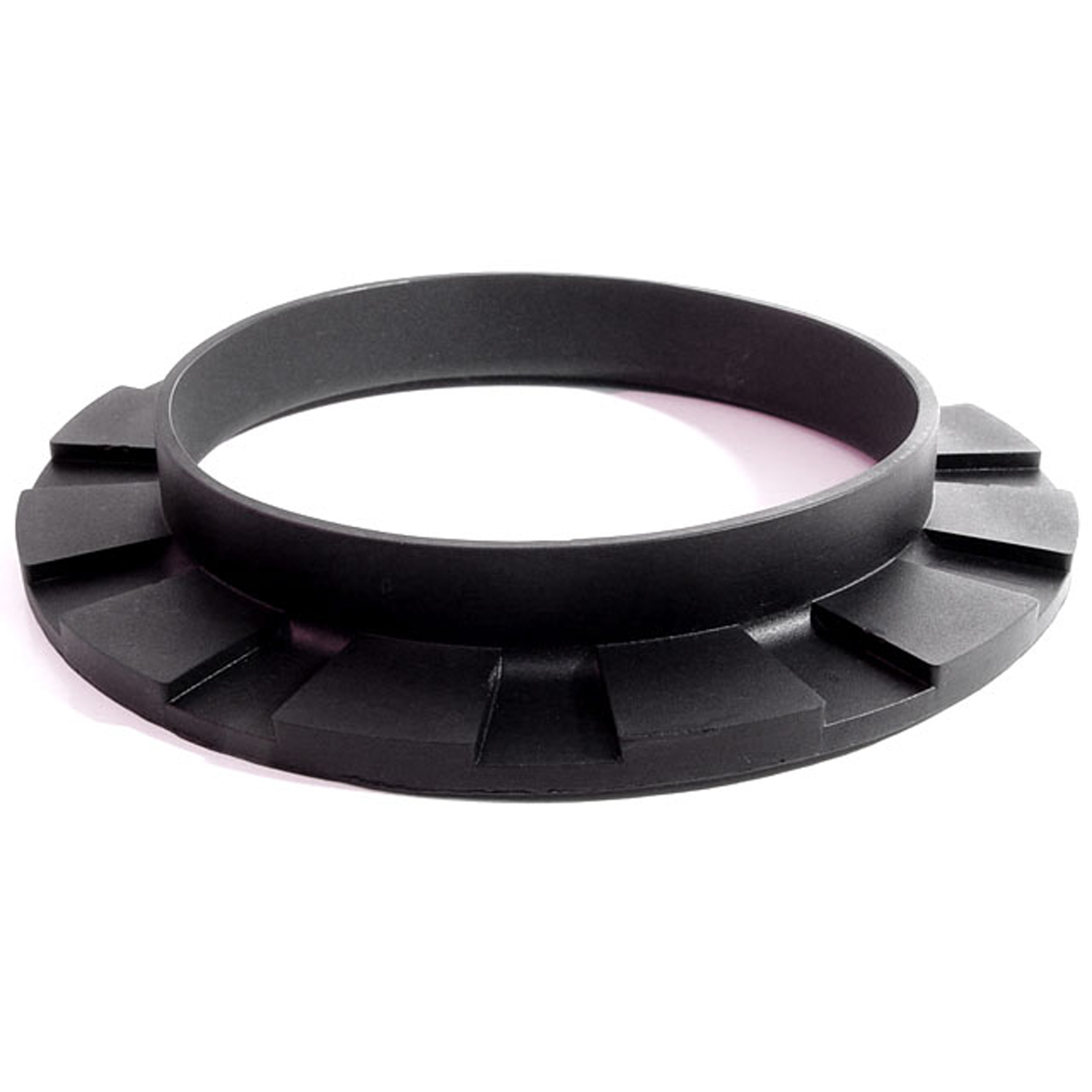 1962 Pontiac Bonneville Front coil-spring insulator-BN 110Front coil-spring insulator. Fits '41-'60 Oldsmobile and '50-'83 GM passenger models. 5-3/8 in. OD x 3-3/4 in. ID x 3/4 in. high with 13/16 in. wide bottom flange 1/4" thick, 12 flutes. Each.
 1962 Pontiac Bonneville Rear coil-spring insulator 1961-72 GM A-Body-BN 111Coil spring insulators are a great way to prevent metal-on-metal contact and noise. Manufactured to OEM specifications for a precise fit, these coil spring insulators are made of rubber and are used between the coil spring and the frame of your ride. 3-3/4 in. OD, 2-1/8 in. ID, 5/8 in. high with 3/16 in. , wide bottom flange 1/4 in. thick.
 1962 Pontiac Bonneville Front Stabilizer End Repair Kit-BNK 25Front Stabilizer End Repair Kit. 22-piece set for two stabilizer bars. Contains all rubber bushings, washers, bolts and nuts, enough for one front end. Set
 1962 Pontiac Bonneville Clutch and Brake Pedal Pads. 2" wide X 3" long. Pair-CB 15Clutch and Brake Pedal Pads. 2" wide X 3" long. Pair
 1962 Pontiac Bonneville Windshield Pillar Post Seals for Convertibles-CZ 8110Windshield Pillar Post Seals for Convertibles. Nice reproduction. 21" long. Pair
 1962 Pontiac Bonneville Door Bumper. 1-3/16" high X 5/8" wide X 1" long. Each-DB 33-BDoor Bumper. 1-3/16" high X 5/8" wide X 1" long. Each
 1962 Pontiac Bonneville Header Seal for Convertibles. 59-1/4" Long. Each-HD 701Header Seal for Convertibles. 59-1/4" Long. Each
 1962 Pontiac Bonneville Hood Bumper. 1-5/16" long, 15/16" wide, 7/16" thick. Each-HF 37Hood Bumper. 1-5/16" long, 15/16" wide, 7/16" thick. Each
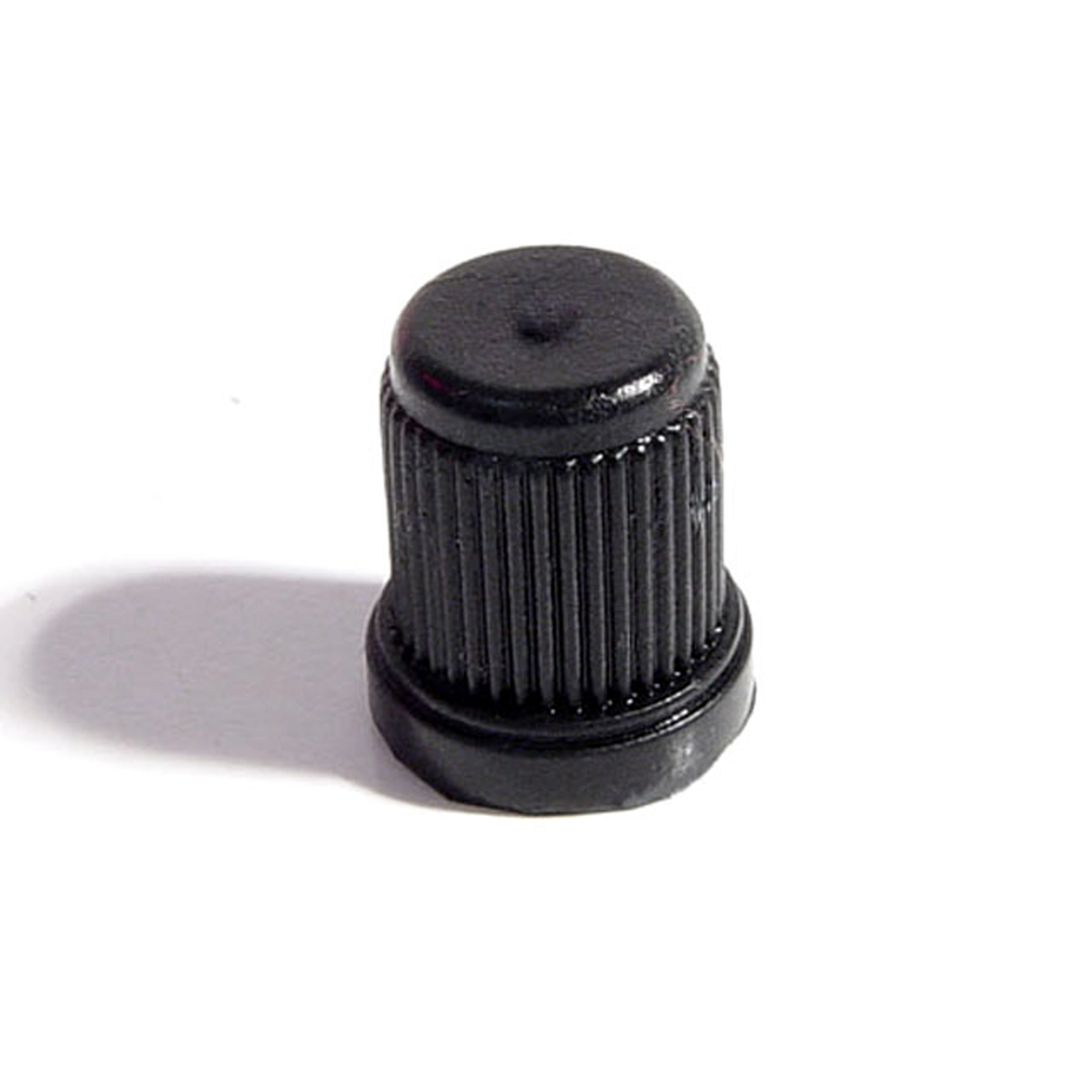 1962 Pontiac Bonneville Trip Meter Reset Knob. Made of black rubber-KN 10Trip Meter Reset Knob. Made of black rubber. Compare to measurements: 1/8" I.D., 7/16" O.D. X 1/2" tall. Each
 1962 Pontiac Bonneville Molded Door Seals, with Clips-LM 21Molded Door Seals, with Clips. For 2-Door Hardtop and Convertible. Pair R&L
 1962 Pontiac Bonneville Rear Molded Door Seals with Clips. For 4-Hardtop Only, Pair-LM 21-L/RRear Molded Door Seals with Clips. For 4-HARDTOP Only 1961-1964 GM B-Body, , Left and Right Hand, 2 Piece Kit
 1962 Pontiac Bonneville Door Handle Pads. 2-5/8" long & 1-1/8" long. Set R&L-MP 989-DDoor Handle Pads. 2-5/8" long & 1-1/8" long. Set R&L
 1962 Pontiac Bonneville Remote Mirror Pad. 1-1/4" wide X 5-1/4" long. Each-MP 989-KRemote Mirror Pad. 1-1/4" wide X 5-1/4" long. Each
 1962 Pontiac Bonneville Windshield Wiper Transmission Pad. 2-3/8" O.D. Each-MP 989-LWindshield Wiper Transmission Pad. 2-3/8" O.D. Each
 1962 Pontiac Bonneville Basic Kit for 2-Door Hardtop-RKB 2007-102Basic Kit for 2-Door Hardtop. Door (LM 21), Roof Rail (RR 8120) and Trunk (TK 46-18) Seals.
 1962 Pontiac Bonneville Basic Kit for 2-Door Convertible-RKB 2007-103Basic Kit for 2-Door Convertible. Door (LM 21), Roof Rail (RR 1812) and Trunk (TK 46-18) Seals.
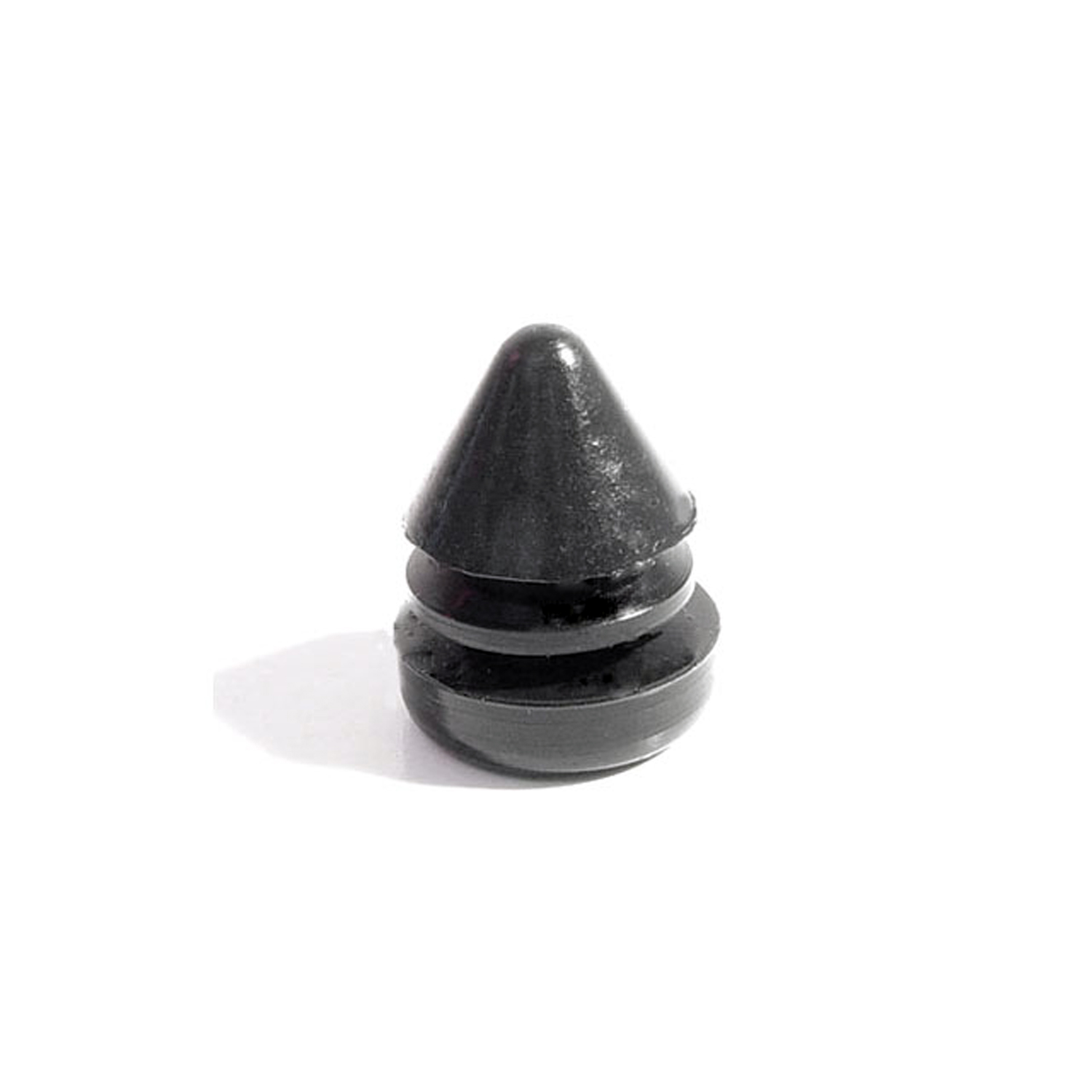 1962 Pontiac Bonneville Hydro-Electric Power Unit Mounting Cushion-RP 710Hydro-Electric Power Unit Mounting Cushion. For convertibles only. Each
 1962 Pontiac Bonneville Convertible Top Roof Rail Kit-RR 1812Convertible Top Roof Rail Kit. 7-Piece set includes all right and left side top rail seals and windshield top header seal. Made with full steel cores and threaded studs. Middle section is 13-3/4" long. Note: '61 model year may need some modifications.
 1962 Pontiac Bonneville Roof-rail seals. Fits '61-'62 GM B-body 4-door hardtop-RR 8120-ARoof-rail seals. Fits '61-'62 GM B-body 4-door hardtop. 96 in. long. Pair. R&L.
 1962 Pontiac Bonneville Roof rail seals-RR 8120-DRoof rail seals, '62 GM 'B' body 2 door hardtop models except Chevrolet Bel Air, pair. Replaces OEM #'s 4852927/4852928.
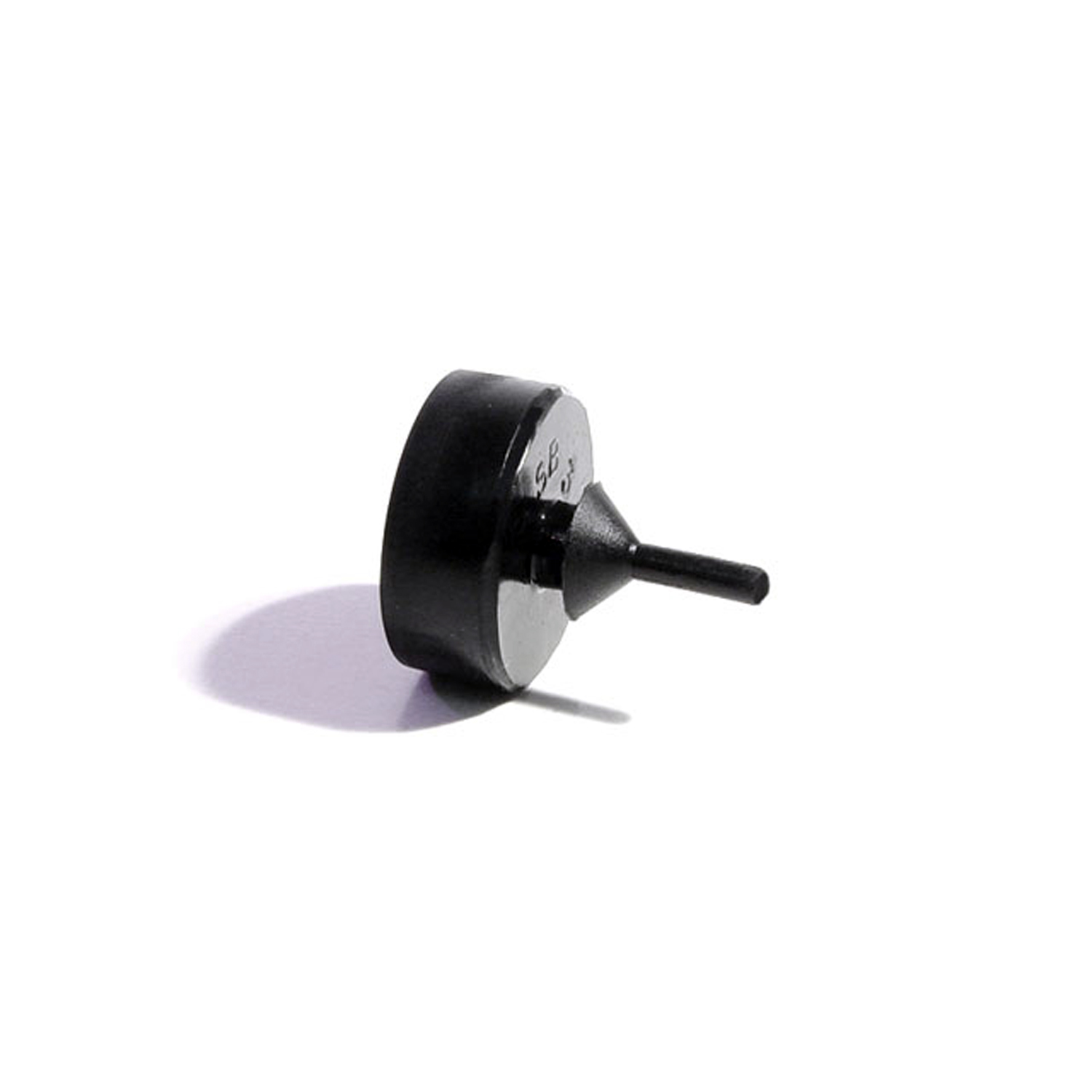 1962 Pontiac Bonneville Trunk Bumper. Fits lower corner on decklid. 15/16" O.D-SB 34Trunk Bumper. Fits lower corner on decklid. 15/16" O.D., 11/16" high. Each
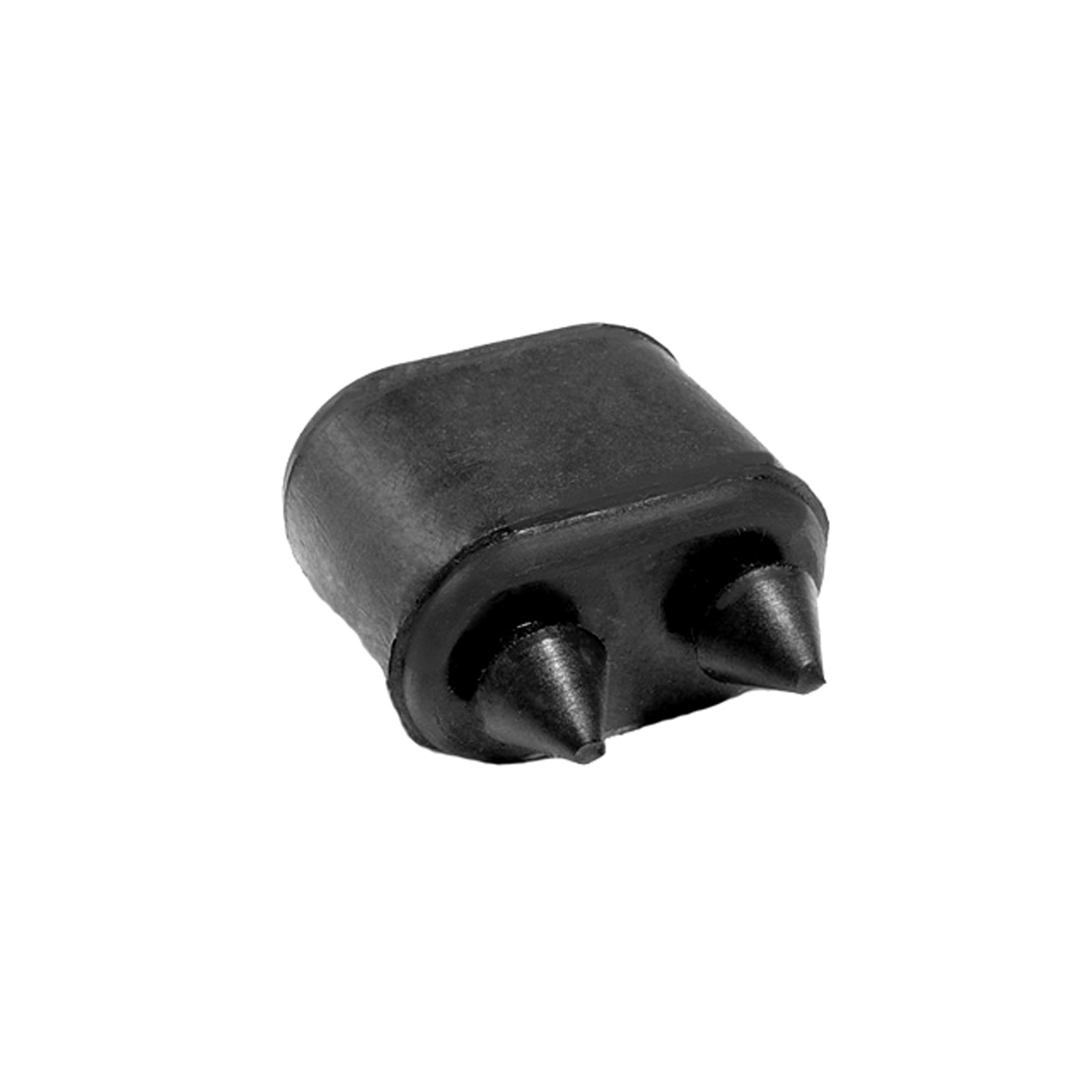 1962 Pontiac Bonneville Door Bumper, 57-74 GM Cars, Made with Twin Retainers, Each-SB 35Door Bumper, 57-74 GM Cars, made with twin retainers, Each. Measure 1-1/16" high X 19/32" wide X 1-1/32" long.
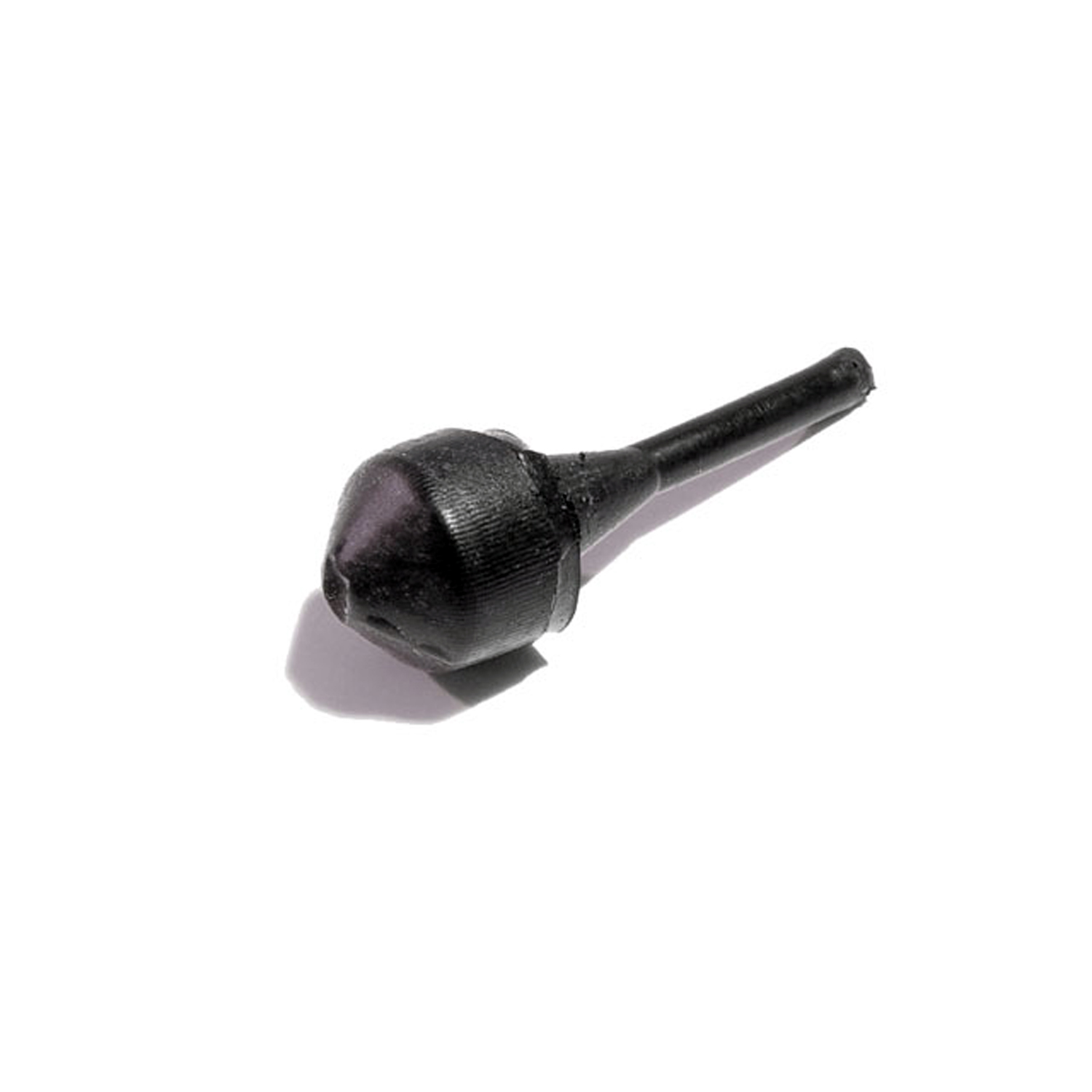 1962 Pontiac Bonneville Glove Box and Fuel Door Bumper. Fits 3/16" hole. Each-SB 78Glove Box and Fuel Door Bumper. Fits 3/16" hole. Each
 1962 Pontiac Bonneville Tailgate seal. Fits '61-'64 GM B-body 4-door station wagons-TG 11Tailgate seal. Fits '61-'64 GM B-body 4-door station wagons. Replaces OEM#'s 4401283 and 4401284. Each.
 1962 Pontiac Bonneville Trunk Seal. 18 feet long. Each-TK 46-18Trunk Seal. 18 feet long. Each
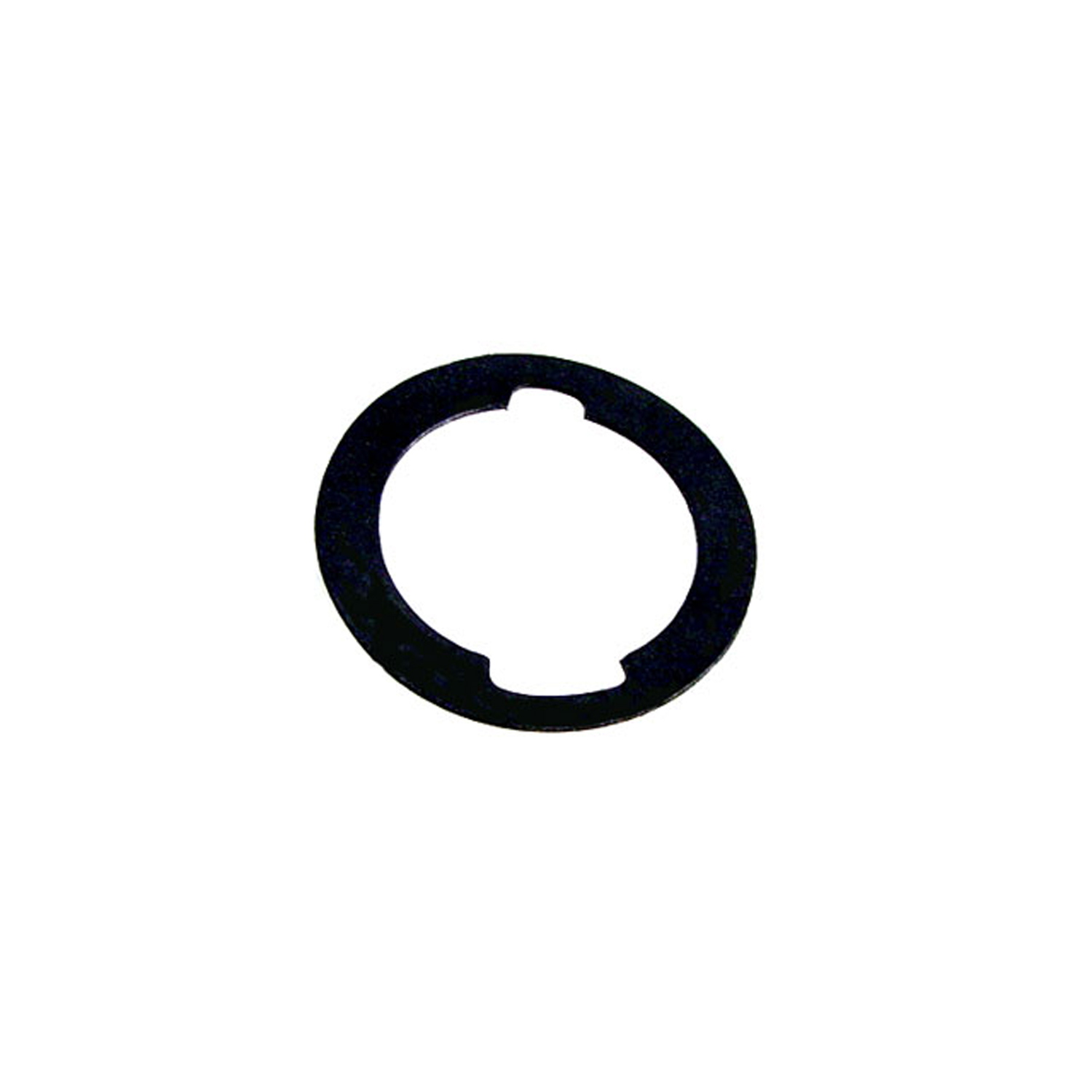 1962 Pontiac Bonneville Unbeaded Door and Trunk Lock Gasket. 1-3/16" O.D., 7/8" I.D-UM 1600-100Unbeaded Door and Trunk Lock Gasket. 1-3/16" O.D., 7/8" I.D. Each
 1962 Pontiac Bonneville Quarter Window Seals, for 4-Door Hardtops-VS 4-DQuarter Window Seals, for 4-Door Hardtops. For leading edge of rear quarter windows. 14" long. Pair
 1962 Pontiac Bonneville Vulcanized Windshield Seal fits Convertibles. Each-VWS 0608Vulcanized Windshield Seal fits Convertibles. Each
 1962 Pontiac Bonneville Windshield Seal Fits GM B And C-Body 2 & 4 Door Hardtops-VWS 0608-AWindshield seal is for the 2 & 4 door hardtop models only. This gasket works with chrome trim.
 1962 Pontiac Bonneville Vulcanized Rear Windshield Seal, for 2-Door Hardtop-VWS 3129-RVulcanized Rear Windshield Seal, for 2-Door Hardtop. (Also fits '62 Impala 2-door hardtop sport coupe). Each
 1962 Pontiac Bonneville Vent window and rear division channel seals-WR 2002-CVent window and rear division channel seals. Fits '61-'62 GM B-body and C-body 2-door and 4-door hardtops and convertibles.
Why Choose Metro?
For over 100 years, Metro Moulded Parts has been the pinnacle of quality in classic car restoration parts. Our commitment to precision and authenticity in every component ensures a perfect fit and an OEM-level appearance.
- Expert Craftsmanship & Quality: Each part is a testament to our dedication to reliability and perfection, crafted from original designs and thoroughly tested.
- Advanced Technology: We use cutting-edge techniques to create flawless, long-lasting parts that surpass others in performance.
- SuperSoft Sponge – The Ultimate Door Seal: Not only are our door seals 30% softer than competitors', but they're also guaranteed to never leak. They effectively reduce wind and road noise, enhancing your classic car's comfort and driving experience.
- Proudly American: Our parts are a product of American craftsmanship, made in the USA with a spirit of excellence and heritage.
- Unrivaled Warranty: We back our products with a 30-year industry-leading warranty, a testament to our confidence in their quality.
Join us in preserving the legacy of classic cars with parts that are crafted for perfection, not just made.