

Image of 1963 Pontiac Grand Prix, Note: These illustrations use artistic license and may differ from actual historical models.
Performance Metrics
Fundamental Metrics
Emotional Appeal
MMP Rating
| Engine Specifications | |
|---|---|
| Engine: | 389 CID V8, 421 CID V8 |
| Displacement: | 389-421 cu in. |
| Horsepower: | 230-370 hp |
| Torque: | 330-460 lb-ft |
| Compression Ratio: | 10.5:1 for 389 CID V8, 10.75:1 for 421 CID V8 |
| Ignition System: | Conventional breaker-point ignition system |
| Cooling System: | Liquid-cooled |
| Performance Specifications | |
| 0-60 Time: | 7.5-8.5 seconds |
| 1/4 Mile Time: | 15.5-16.5 seconds |
| Top Speed: | 115-125 mph |
| Transmission and Drive | |
| Drive Type: | Rear-wheel drive |
| Transmission Type: | 3-speed manual, 4-speed manual, 3-speed automatic |
| Fuel and Efficiency | |
| Fuel System Type: | Carburetor |
| MPG: | 10-12 mpg |
| Dimensions and Brakes | |
| Brakes: | Drum brakes |
| Wheelbase: | 120 inches |
| Weight: | 3,900-4,100 lbs |
Note: Specifications for classic cars are given to the best of our ability, considering the limited and variant data available.
1963 Pontiac Grand Prix: A Full-Size Coupe with a Personal Side
The 1963 Pontiac Grand Prix paired big-car V8 power with the close-coupled look and driver-focused cabin of a personal luxury coupe. Built by Pontiac, a division of General Motors, it was the second model year of a nameplate introduced in 1962 to give buyers something more distinctive than a conventional full-size car.
The Grand Prix arrived during a period when American manufacturers were finding new ways to make large cars feel sporty and individual. Pontiac gave its coupe bucket seats, a floor console and a performance-minded engine lineup, while keeping the generous dimensions and smooth-road manners expected of a full-size automobile. Its 1963 production is commonly listed at about 72,959 cars, a strong showing for a model that still felt exclusive within Pontiac’s range.
One especially appealing detail is that the Grand Prix was not a separate sports-car platform. It used Pontiac’s full-size underpinnings, then combined them with a sleek two-door hardtop body and a cockpit-like interior. The result was a car with genuine V8 muscle and room for a comfortable cruise, rather than a stripped-down racer.
Clean Hardtop Styling and a Driver-Focused Cabin
The 1963 Grand Prix has the long hood, short rear deck and low roofline that define the classic American personal coupe. Its pillarless hardtop profile looks especially clean with the windows lowered, while the broad front end and crisp body lines give it a more restrained appearance than some of the heavily ornamented cars of the era. Pontiac’s distinctive grille and carefully placed brightwork provide character without overwhelming the shape.
Inside, the Grand Prix made a stronger statement than an ordinary Catalina. Front bucket seats and a floor console helped create a more intimate, driver-oriented layout. The dashboard’s engine-turned aluminum trim added a distinctly mechanical touch, setting it apart from the wood-grain look used in some luxury cars. Upholstery and trim were appropriate to an upscale Pontiac of the period, with vinyl and other available interior finishes depending on the chosen configuration.
It was well equipped for its time, though not modern by today’s standards. Buyers could order conveniences such as power steering, power brakes, air conditioning and power windows. A tachometer and other performance-oriented instruments were available, and a console-mounted shifter helped reinforce the sporty atmosphere. The car still relied on traditional drum brakes, and it had none of the electronic driver aids now taken for granted.
The Grand Prix was offered in a broad factory color palette, with choices spanning restrained neutrals, blues, greens, reds and metallic shades. Exact names and availability depended on the production details and trim. Pale colors such as Cameo Ivory and stronger shades such as Palomar Red are often associated with period Pontiacs, while metallic finishes suit the Grand Prix’s bright trim particularly well. As with any survivor, verify a car’s original paint code rather than relying on a seller’s description.
There was just one body style: a two-door hardtop coupe. Pontiac did not offer a Grand Prix sedan or convertible for 1963. That single-body approach is part of the model’s identity, and the pillarless hardtop is the configuration collectors picture when they think of this year’s Grand Prix.
Why the Grand Prix Mattered
The Grand Prix helped define a growing market for American cars that emphasized personal style and performance over maximum passenger capacity. It was based on a full-size Pontiac, but its bucket-seat interior, center console, distinctive trim and potent V8 options gave it a more individual character. This formula put it in conversation with cars such as the Ford Thunderbird and, from 1963, Buick’s Riviera.
What set the Pontiac apart was the balance between an upscale presentation and a strong performance identity. It was not a small European-style sports car, nor was it simply a luxury sedan with two doors. Its roomy chassis made long-distance travel comfortable, while the available big-block engines and manual transmissions gave enthusiastic drivers real powertrain choices.
The Grand Prix also helped establish a durable Pontiac theme: full-size comfort paired with a performance-minded image. Later generations changed considerably, but the basic idea of a stylish, powerful Pontiac coupe remained central to the nameplate. The 1963 model is an early expression of that approach, before the category grew more crowded and more specialized.
389 and 421 V8 Performance
A 389-cubic-inch V8 was the standard powerplant, with a four-barrel carburetor and a period-rated output commonly listed at about 303 horsepower. Buyers could move up to more powerful 389 configurations, including Tri-Power versions with three two-barrel carburetors. The optional 421-cubic-inch V8s took performance further, with the high-output 421 rated as high as 370 horsepower in the most potent factory configuration. These are original gross horsepower ratings, measured under standards that differ from modern net ratings.
Depending on engine, transmission, axle ratio and condition, a 1963 Grand Prix could run from 0 to 60 mph in roughly the eight-second range with a standard 389. A strong 421-equipped car could do it in around six to seven seconds. Period specifications and road-test figures vary, and a fifty-plus-year-old car’s actual acceleration depends heavily on its state of tune, tires and drivetrain. Top speed is similarly configuration-dependent, but estimates commonly fall around 120 to 130 mph for the stronger versions. Those figures should be treated as period-performance estimates, not a recommendation to test an unrestored car at speed.
Transmission choices included manual gearboxes and an automatic, with availability depending on engine and equipment. A four-speed manual makes the most of the car’s performance character, while an automatic suits its relaxed touring personality. The 421 and Tri-Power combinations are especially desirable, but they also require careful inspection for correct parts and proper setup.
On the road, the Grand Prix feels substantial. Its full-size chassis and long wheelbase help it settle over broad, uneven pavement, although worn suspension components can make an old example float or wander. It is not as nimble on a tight, windy road as a smaller car. Power steering, when fitted, makes low-speed maneuvering easier, but the car’s size and weight remain part of the experience.
The sound is a major part of the appeal. A healthy Pontiac V8 delivers a deep, even rumble at idle and a more urgent roar as the throttle opens. The driving position puts the driver close to the shifter and instruments, while the long hood makes the car feel imposing from behind the wheel. A good Grand Prix is more grand-touring coupe than corner-carver: quick in a straight line, composed on the highway and happiest when given room to stretch its legs.
Living with a 1963 Grand Prix
Today, most examples serve as weekend cruisers, show cars or occasional-use classics. A well-sorted car can handle local trips and relaxed highway drives, but using one as a daily driver means accepting period limitations in braking, fuel economy, visibility and safety equipment. Modern traffic can also make a large, drum-braked classic feel less relaxed than it does on an open road.
Mechanical repairs are generally approachable for an owner with traditional-car experience. Pontiac V8s are well understood, and many routine service procedures are straightforward. The bigger challenges are often finding correct trim, interior pieces, model-specific components and high-performance engine parts. A car advertised as having a 421 or Tri-Power setup deserves a close inspection: engine codes, casting numbers and component details can help establish whether the equipment is original or a later addition.
Before buying, check the frame and body for rust, especially in structural areas and around floors, lower panels and trunk sections. Inspect the engine for oil pressure, smoke and overheating, and test the transmission, steering and brakes. Electrical accessories, power equipment and hidden corrosion can turn an apparently inexpensive project into a costly restoration. A sound, complete car is usually a better starting point than a neglected example with attractive paint but major mechanical needs.
Grand Prix Trivia and Common Criticisms
The name “Grand Prix” sounds like a promise of competition, but the 1963 model was a road-going personal coupe, not a purpose-built racing car. Its performance credentials came from Pontiac’s powerful V8s and optional manual gearboxes. Individual owners and teams could race or modify these cars, but the name alone does not mean a particular example has a factory competition history.
Another point that surprises newcomers is the lack of body-style variety. Unlike some full-size lines, the 1963 Grand Prix was exclusively a two-door hardtop. Its focused identity helped distinguish it, though it also means collectors searching for a convertible version will not find a factory-built one.
Common criticisms are familiar to anyone considering a large early-1960s American car: fuel consumption is high, the footprint is substantial, and the handling and braking cannot match a modern vehicle. The Grand Prix also rides on technology from an era before widespread seat-belt use and contemporary crash protection. Its appeal lies in period character and presence, not modern efficiency or safety.
1963 Pontiac Grand Prix Values and Availability
With production commonly estimated at about 72,959, the 1963 Grand Prix is not a one-off rarity, but clean, original examples are far less common than the production total suggests. Restored cars, especially those with well-documented high-performance engines, attract the most attention. The exact number of surviving cars is not known, and condition, originality and paperwork matter more than a broad production figure.
As a general 2026 market guide in the United States, a project car may fall around $10,000 to $20,000. A usable driver in decent condition might bring roughly $25,000 to $45,000, while a very good restored or highly original example can reach about $50,000 to $75,000. Exceptional cars, particularly documented 421 high-output examples or top-quality restorations, may sell for $80,000 to $100,000 or more. These are broad estimates, not a formal appraisal; location, provenance, originality and the quality of the restoration can move a price substantially.
Values have generally been steady to moderately stronger for well-presented cars, with the best examples benefiting from interest in early Pontiac performance and stylish American coupes. Projects can be harder to sell because restoration costs are substantial, and a modified or incorrectly represented car may bring less than a sound, documented original. For buyers, a thorough inspection and verification of the drivetrain are more useful than relying on a single price guide.
A Pontiac with Lasting Presence
The 1963 Pontiac Grand Prix brought together a bold hardtop shape, a distinctive bucket-seat cockpit and the kind of V8 performance that made Pontiac famous. It was comfortable enough for long-distance cruising yet offered serious engine options for drivers who wanted more than good looks. Its mix of full-size ease and personal-coupe style helped shape a lasting corner of the American car market.
More than six decades later, the Grand Prix still makes its case in the same way it did when new: with a long hood, a commanding V8 and an interior built around the person behind the wheel. It is not subtle on the road, and that is precisely the point.
1963 Pontiac Grand Prix Catalog of Parts
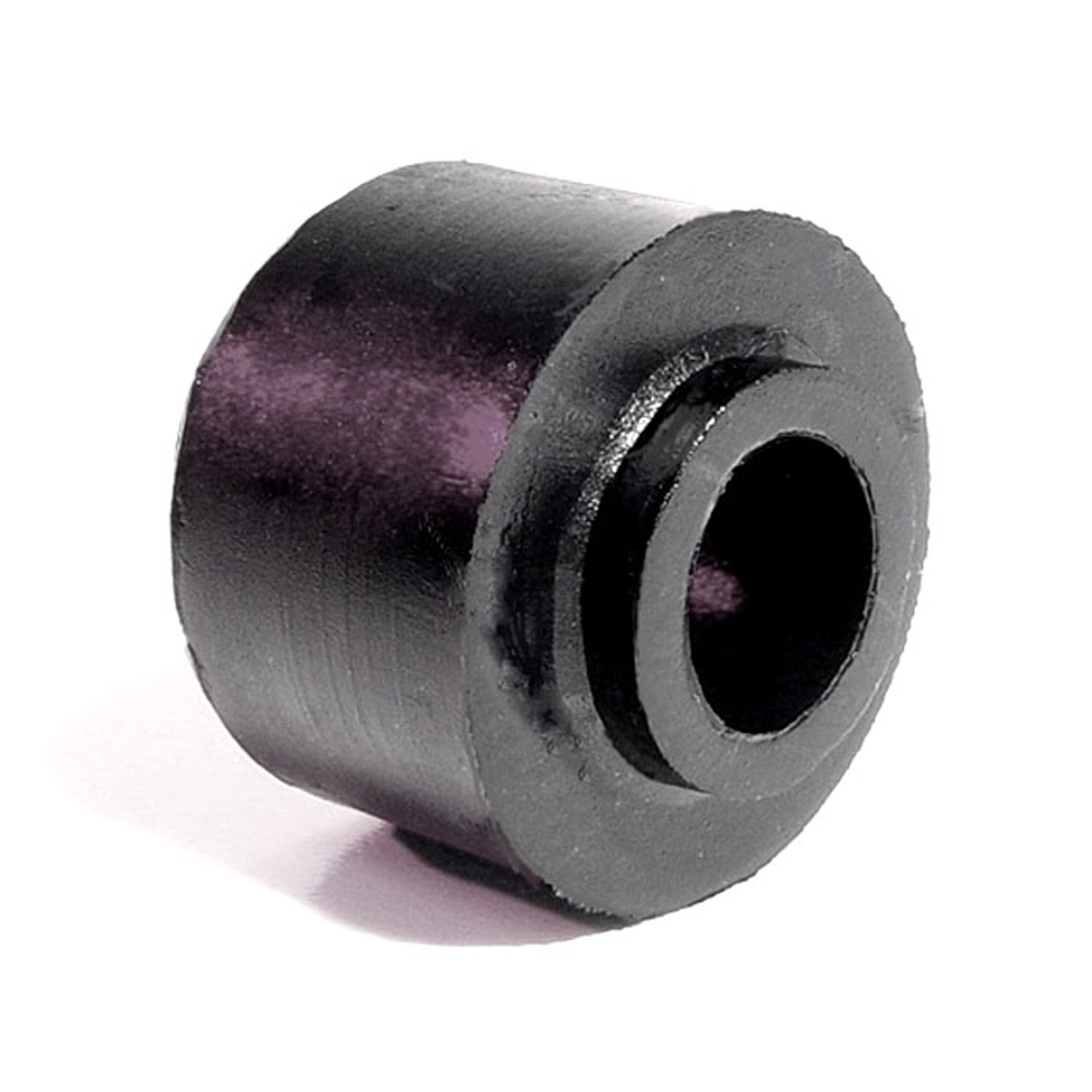 1963 Pontiac Grand Prix Shock Absorber Grommet. 1" bottom O.D., 3/4" high-BN 1Shock Absorber Grommet. 1" bottom O.D., 3/4" high., with 7/16" I.D. Each
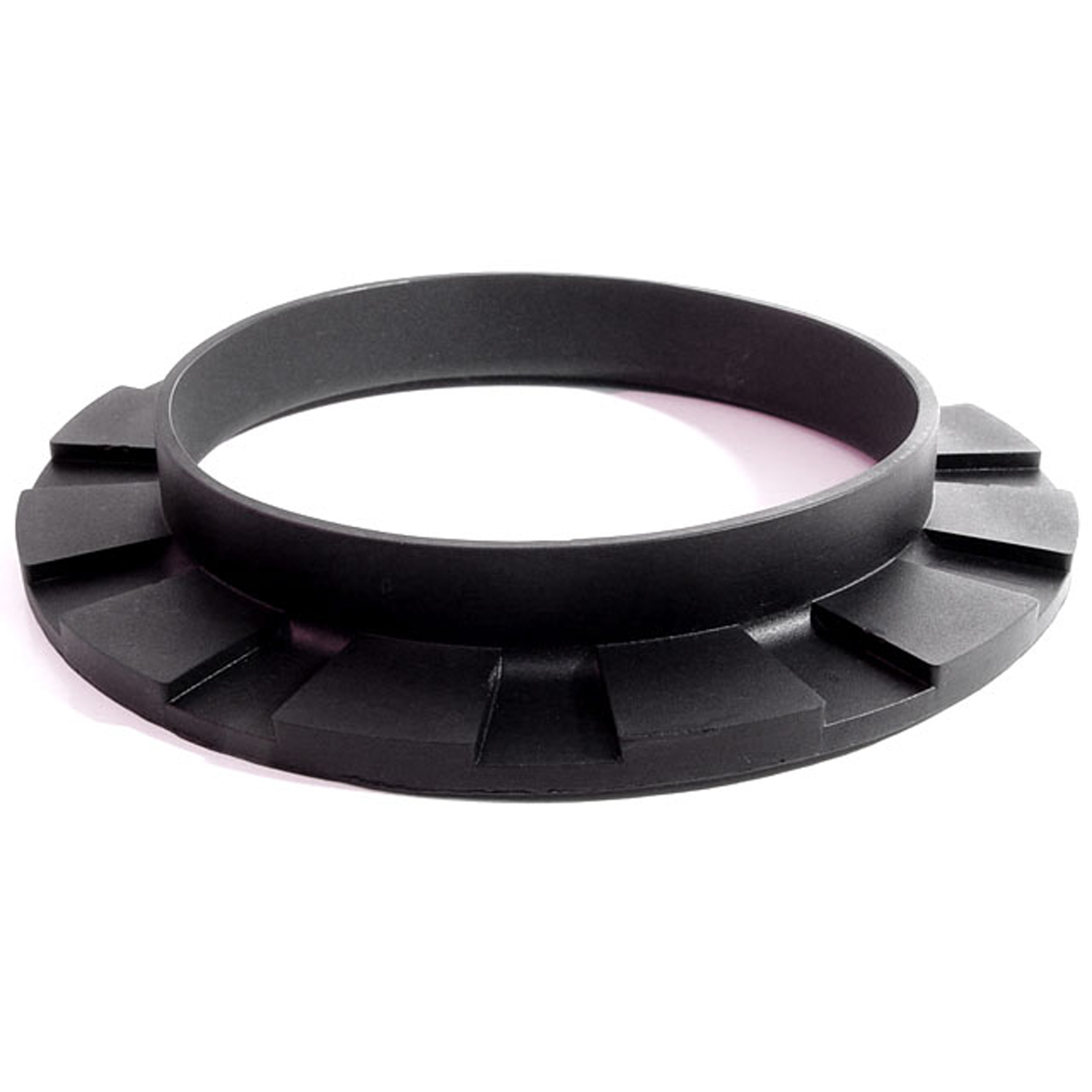 1963 Pontiac Grand Prix Front coil-spring insulator-BN 110Front coil-spring insulator. Fits '41-'60 Oldsmobile and '50-'83 GM passenger models. 5-3/8 in. OD x 3-3/4 in. ID x 3/4 in. high with 13/16 in. wide bottom flange 1/4" thick, 12 flutes. Each.
 1963 Pontiac Grand Prix Rear coil-spring insulator 1961-72 GM A-Body-BN 111Coil spring insulators are a great way to prevent metal-on-metal contact and noise. Manufactured to OEM specifications for a precise fit, these coil spring insulators are made of rubber and are used between the coil spring and the frame of your ride. 3-3/4 in. OD, 2-1/8 in. ID, 5/8 in. high with 3/16 in. , wide bottom flange 1/4 in. thick.
 1963 Pontiac Grand Prix Door Bumper. 1-3/16" high X 5/8" wide X 1" long. Each-DB 33-BDoor Bumper. 1-3/16" high X 5/8" wide X 1" long. Each
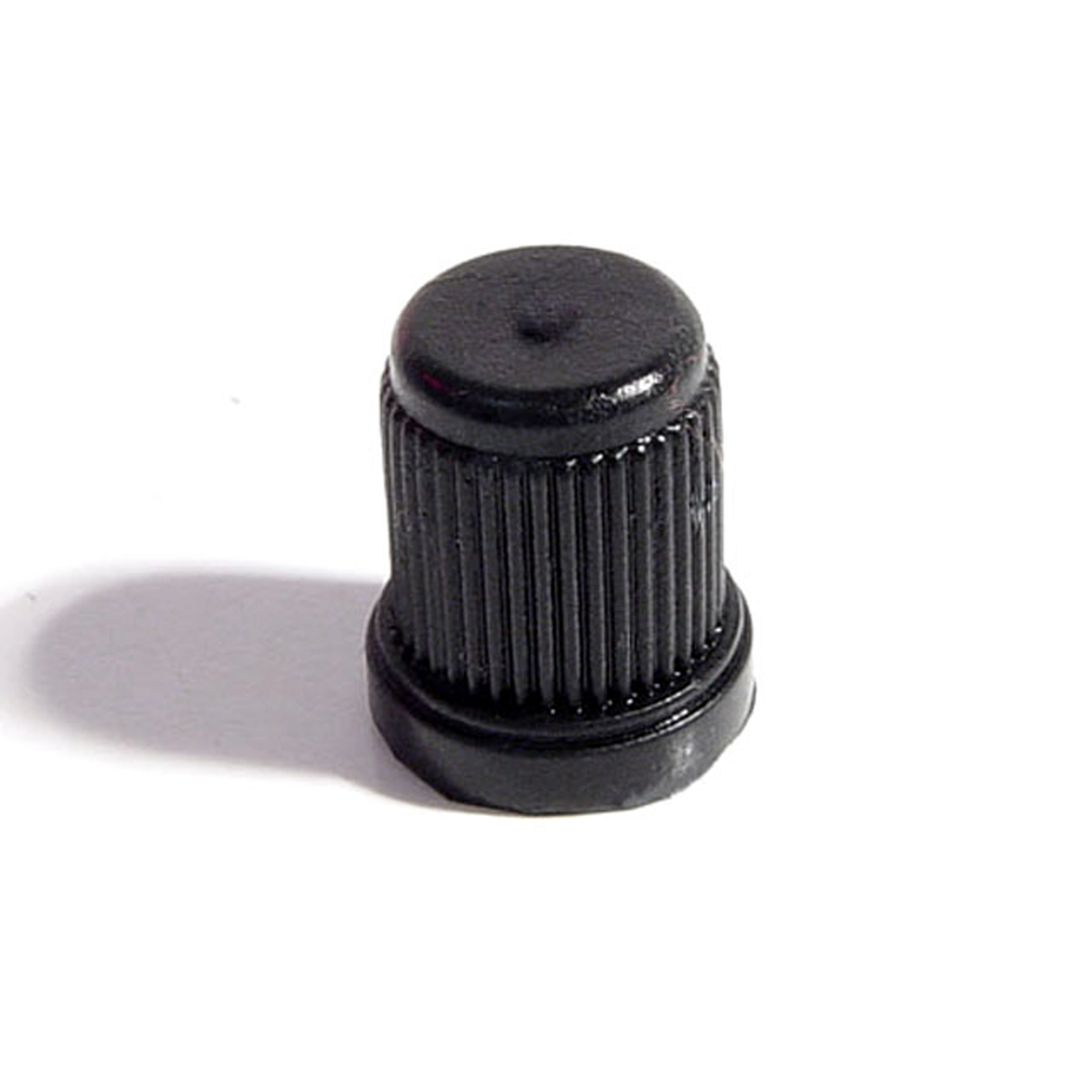 1963 Pontiac Grand Prix Trip Meter Reset Knob. Made of black rubber-KN 10Trip Meter Reset Knob. Made of black rubber. Compare to measurements: 1/8" I.D., 7/16" O.D. X 1/2" tall. Each
 1963 Pontiac Grand Prix Door Seals, with Clips and Molded Ends-LM 20-ADoor Seals, with Clips and Molded Ends. For 2-Door Hardtops and Convertibles. Replaces OEM #4474550/1. Pair R&L
 1963 Pontiac Grand Prix Door Handle Pads. 2-5/8" long & 1-1/8" long. Set R&L-MP 989-DDoor Handle Pads. 2-5/8" long & 1-1/8" long. Set R&L
 1963 Pontiac Grand Prix Remote Mirror Pad. 1-1/4" wide X 5-1/4" long. Each-MP 989-KRemote Mirror Pad. 1-1/4" wide X 5-1/4" long. Each
 1963 Pontiac Grand Prix Basic Kit, for 2-Door Hardtop-RKB 2009-106Basic Kit, for 2-Door Hardtop. Door (LM 20-A) Roof Rail (RR 5005) Trunk (TK 46-18), Seals.
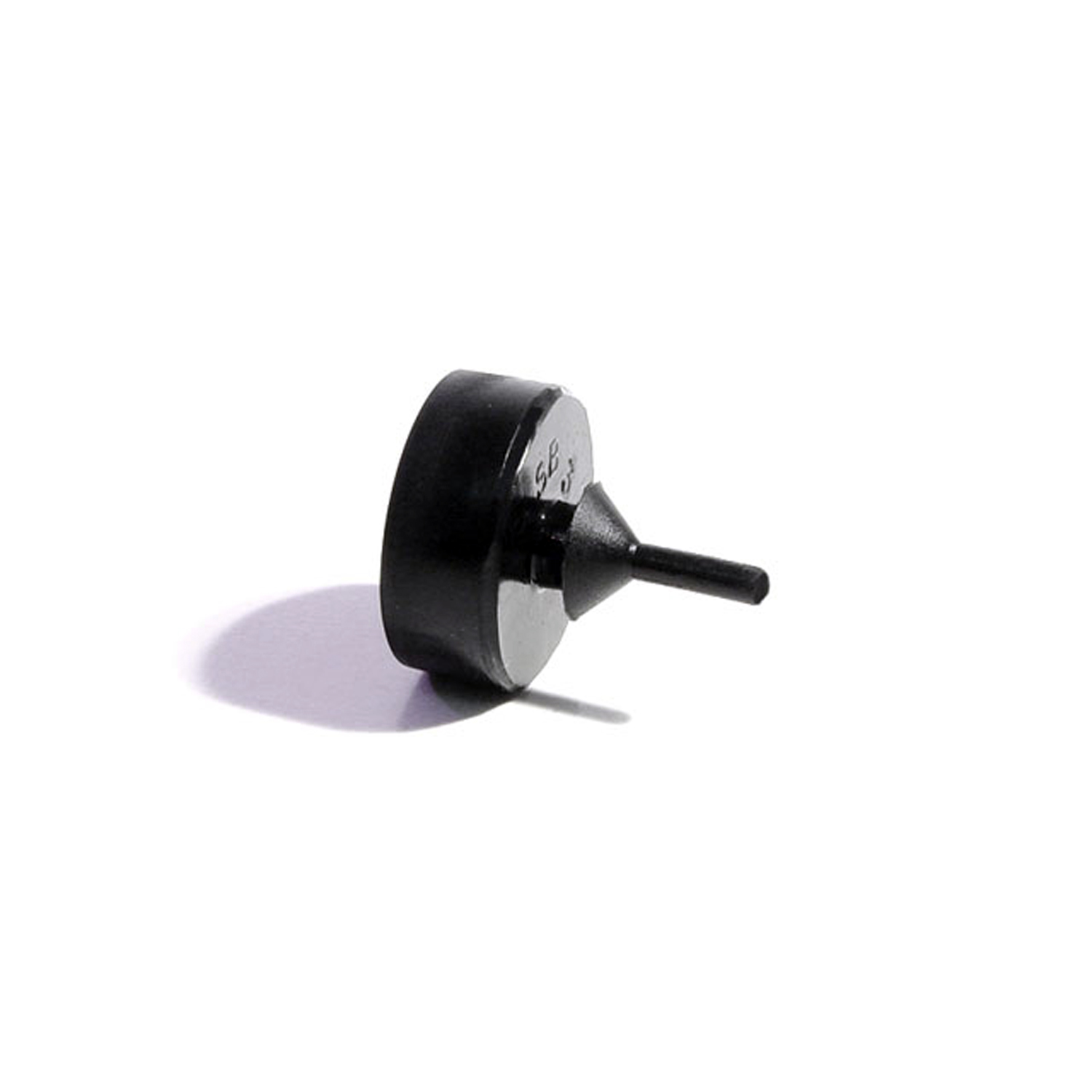 1963 Pontiac Grand Prix Trunk Bumper. Fits lower corner on decklid. 15/16" O.D-SB 34Trunk Bumper. Fits lower corner on decklid. 15/16" O.D., 11/16" high. Each
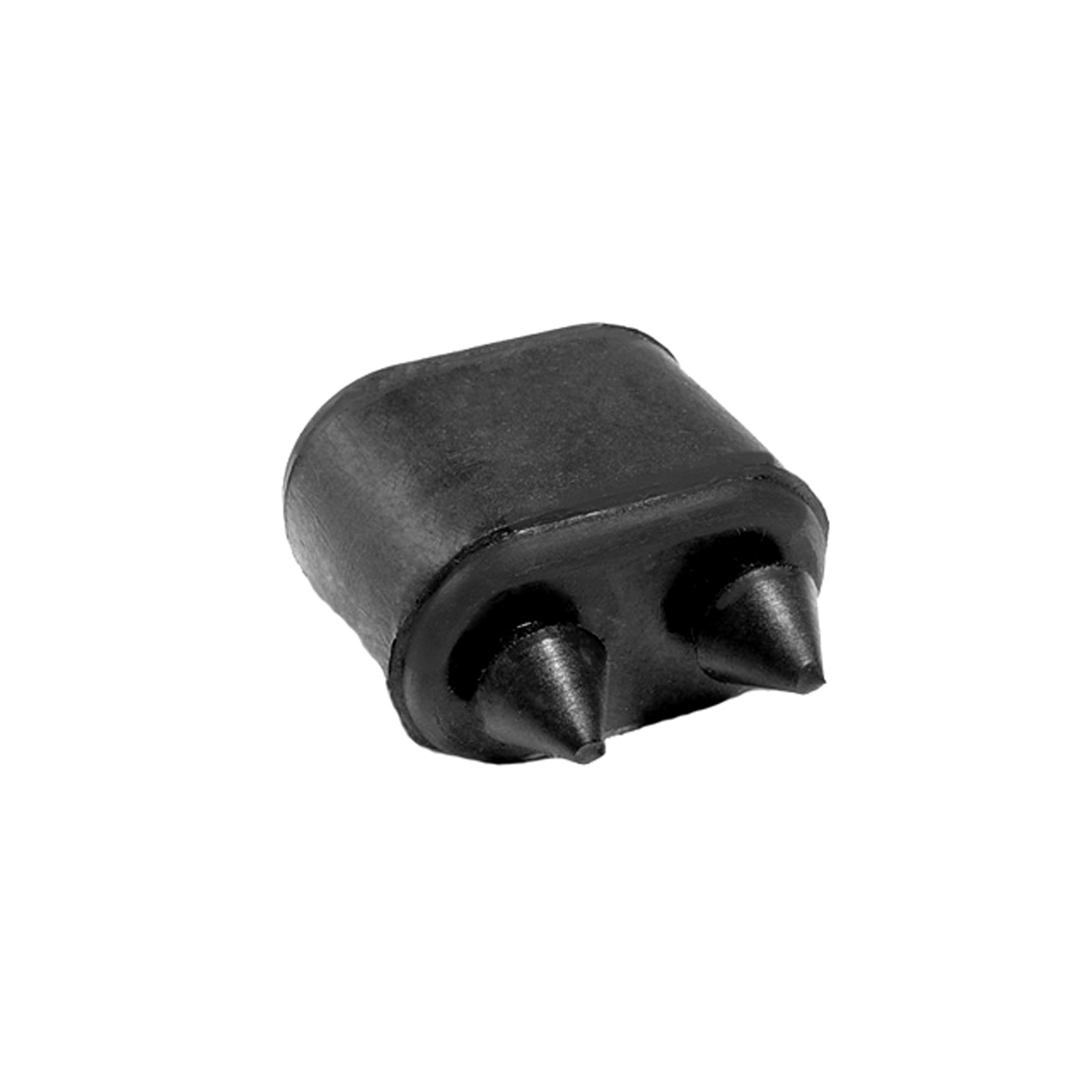 1963 Pontiac Grand Prix Door Bumper, 57-74 GM Cars, Made with Twin Retainers, Each-SB 35Door Bumper, 57-74 GM Cars, made with twin retainers, Each. Measure 1-1/16" high X 19/32" wide X 1-1/32" long.
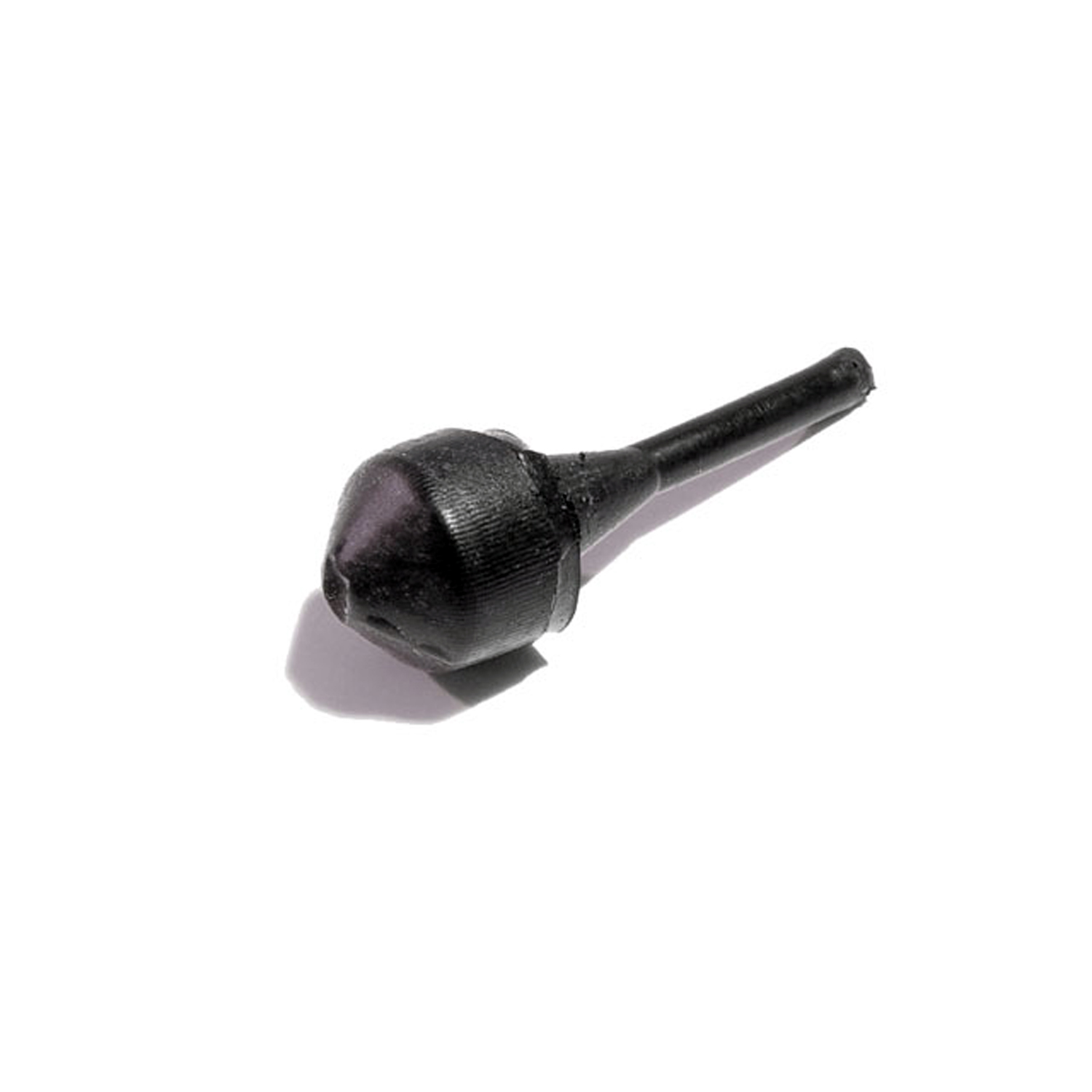 1963 Pontiac Grand Prix Glove Box and Fuel Door Bumper. Fits 3/16" hole. Each-SB 78Glove Box and Fuel Door Bumper. Fits 3/16" hole. Each
 1963 Pontiac Grand Prix Trunk Seal. 18 feet long. Each-TK 46-18Trunk Seal. 18 feet long. Each
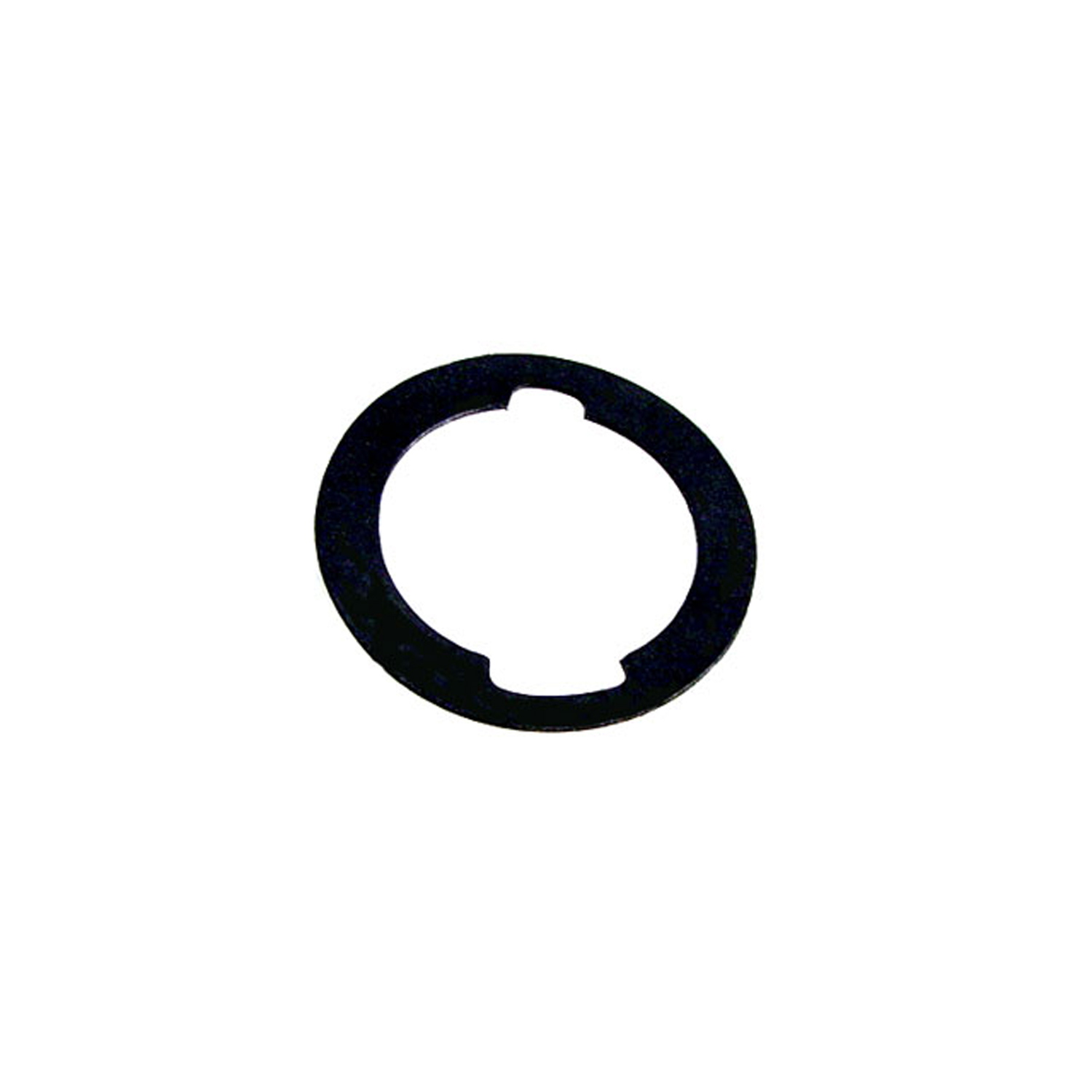 1963 Pontiac Grand Prix Unbeaded Door and Trunk Lock Gasket. 1-3/16" O.D., 7/8" I.D-UM 1600-100Unbeaded Door and Trunk Lock Gasket. 1-3/16" O.D., 7/8" I.D. Each
 1963 Pontiac Grand Prix Vulcanized Windshield Seal,for 4-Door Hardtop. Each-VWS 0628Vulcanized Windshield Seal,for 4-Door Hardtop. Each
 1963 Pontiac Grand Prix Vent window with rear division channel seals-WR 2002-FVent window with rear division channel seals - left and right, '63-'64 GM 'B' & 'C' body 2 & 4 door hardtop and convertible models, four piece set. R&L. Main seals replace OEM #'s 5715584/5715585.
Why Choose Metro?
For over 100 years, Metro Moulded Parts has been the pinnacle of quality in classic car restoration parts. Our commitment to precision and authenticity in every component ensures a perfect fit and an OEM-level appearance.
- Expert Craftsmanship & Quality: Each part is a testament to our dedication to reliability and perfection, crafted from original designs and thoroughly tested.
- Advanced Technology: We use cutting-edge techniques to create flawless, long-lasting parts that surpass others in performance.
- SuperSoft Sponge – The Ultimate Door Seal: Not only are our door seals 30% softer than competitors', but they're also guaranteed to never leak. They effectively reduce wind and road noise, enhancing your classic car's comfort and driving experience.
- Proudly American: Our parts are a product of American craftsmanship, made in the USA with a spirit of excellence and heritage.
- Unrivaled Warranty: We back our products with a 30-year industry-leading warranty, a testament to our confidence in their quality.
Join us in preserving the legacy of classic cars with parts that are crafted for perfection, not just made.