

Image of 1964 Pontiac Bonneville, Note: These illustrations use artistic license and may differ from actual historical models.
Performance Metrics
Fundamental Metrics
Emotional Appeal
MMP Rating
| Engine Specifications | |
|---|---|
| Engine Options: | 389 CID V8, 421 CID V8 |
| Displacement Range: | 389-421 cu in. |
| Horsepower Range: | 230-370 hp |
| Torque: | 425-470 lb-ft |
| Compression Ratio: | 10.5:1 |
| Ignition System: | Conventional distributor ignition |
| Cooling System: | Liquid-cooled |
| Performance Specifications | |
| 0-60 Time: | 8.0 seconds |
| 1/4 Mile Time: | 16.0 seconds |
| Top Speed: | 120 mph |
| Transmission and Drive | |
| Drive Type: | Rear-wheel drive |
| Transmission Type: | 3-speed automatic, 4-speed manual |
| Fuel and Efficiency | |
| Fuel System Type: | Carburetor |
| MPG: | 10-12 mpg |
| Dimensions and Brakes | |
| Brakes: | Drum brakes |
| Wheelbase: | 123 inches |
| Weight: | 4200 lbs |
Note: Specifications for classic cars are given to the best of our ability, considering the limited and variant data available.
1964 Pontiac Bonneville: Big-Car Style With a Performance Edge
The 1964 Pontiac Bonneville brought together the two things Pontiac did especially well: handsome, wide-shouldered styling and V8 performance. Built by the Pontiac Motor Division of General Motors, the Bonneville sat near the top of Pontiac’s full-size lineup, offering a more luxurious take on the brand’s increasingly sporty image.
The Bonneville name had debuted in 1957, inspired by Utah’s Bonneville Salt Flats, where speed records were made. The 1964 model was part of a fresh generation of full-size Pontiacs, with updated styling and the brand’s trademark “Wide-Track” stance. A memorable detail for enthusiasts is that the Bonneville could be ordered with Pontiac’s potent 421-cubic-inch V8, making this elegant cruiser a serious performer as well as a long-distance comfort car.
Wide-Track Styling and a Well-Dressed Cabin
The 1964 Bonneville looks substantial without appearing clumsy. Its long hood, low roofline, and broad body sides give it a confident profile, while the wide stance makes the wheels appear pushed toward the corners. Up front, four headlights frame Pontiac’s split grille. Bright trim, sculpted side panels, and crisp rear-end detailing add the kind of visual polish expected from a premium full-size model of the era.
Inside, the Bonneville prioritized room and comfort. The broad bench seats were available in cloth and vinyl or more upscale vinyl trim, including Pontiac’s Morrokide material. Buyers could also choose front bucket seats and a center console on certain configurations. Chrome details, an expansive instrument panel, and available woodgrain accents gave the cabin a more upscale feel than a basic family sedan. It was a spacious place to spend a long day on the highway, with generous room for passengers in both rows.
Available equipment reflected the growing appetite for convenience. Depending on the car’s configuration, buyers could specify power steering, power brakes, power windows, air conditioning, a power-adjustable seat, and an AM radio. Automatic transmission was a popular choice, while a manual gearbox appealed to buyers who wanted more direct control. Safety equipment was also evolving: front seat belts were part of the new-car landscape by this period, although details and equipment could vary by vehicle and market.
Pontiac offered a broad range of paint colors, from traditional white, black, and silver to shades of blue, green, red, and gold. Exact names varied across the palette, but lighter colors showed off the Bonneville’s chrome, while deep blues and reds gave it a more dramatic presence. The most recognizable body styles were the two-door hardtop, four-door hardtop, and convertible. The pillarless hardtops are especially popular today because their clean rooflines look open and elegant with the windows lowered.
Why the 1964 Bonneville Mattered
The Bonneville helped establish a formula that became central to Pontiac’s identity: full-size comfort paired with engines and styling that suggested genuine performance. Pontiac was building a reputation for cars that felt more engaging than conventional family transportation, and the Bonneville carried that message into the premium end of the lineup.
Its 1964 redesign also arrived during a period when American manufacturers were refining the proportions and engineering of their full-size cars. Pontiac’s Wide-Track stance was more than a slogan. The wheels sat farther apart than on many competing cars, contributing to a planted appearance and a stable feel on the road. The Bonneville was not a sports car, but it offered a more purposeful look and driving character than many traditional luxury cruisers.
The Bonneville also belongs to the same broader Pontiac story that produced the 1964 GTO. The GTO captured attention as a new kind of intermediate performance car, while the Bonneville showed that Pontiac’s performance-minded approach could also work in a large, luxurious package. That combination helped shape the brand’s image through the muscle-car era and beyond.
389 and 421 V8 Performance
A 389-cubic-inch V8 was the familiar starting point for Bonneville power, with output depending on the carburetion and configuration ordered. Higher-output choices included Pontiac’s Tri-Power setup, which used three two-barrel carburetors, and the larger 421-cubic-inch V8. Output figures varied by engine and equipment, with the stronger factory combinations reaching roughly 350 to 370 horsepower.
Performance figures depend heavily on engine, transmission, axle ratio, vehicle condition, and testing method. A healthy 389-powered car could generally reach 60 mph in roughly 9 to 11 seconds, while a 421-equipped example could do it in about 7 to 9 seconds. Approximate top speed ranges from around 110 mph for many standard setups to roughly 120 mph for stronger combinations. These are estimates, not guarantees, especially for a car that is more than six decades old.
On the road, the Bonneville feels like a big, confident American car. The V8 produces a deep, smooth rumble at idle and a stronger, more purposeful roar under acceleration. The long wheelbase helps it settle into a relaxed highway rhythm, and the suspension is tuned for comfort rather than sharp cornering. It absorbs ordinary road bumps well, but its size and softer suspension mean it leans through winding roads and takes more planning to place accurately than a modern sedan.
Steering effort is light on cars equipped with power steering, and the car feels at its best cruising on open roads. Braking and handling should be judged by period standards, not modern ones. A well-maintained Bonneville can be enjoyable and reassuring, but it still has the weight, stopping distances, and body motion of a full-size 1960s car.
Living With a Classic Bonneville
Today, most 1964 Bonnevilles are used as weekend cruisers, show cars, or occasional touring cars rather than daily transportation. Their roomy cabins, smooth V8s, and relaxed ride make them well suited to local events and highway trips. A convertible or hardtop can also make a memorable centerpiece at a classic-car gathering.
Routine mechanical work is generally approachable for an owner with basic tools and experience. Pontiac V8s are well understood by classic-car specialists, and many wear items can be sourced through restoration suppliers. The bigger challenges are often body and interior condition. Rust can affect floors, trunk panels, lower body sections, and structural areas, while trim, glass, and model-specific interior pieces may take more effort to find than common engine parts.
As with any old car, inspect the brakes, steering, suspension, cooling system, and electrical wiring before regular use. A car that has sat for years may need a full recommissioning, even if it starts and runs. Originality also matters to collectors, so keep track of engine and drivetrain details before making major changes.
Bonneville Facts and Misconceptions
The Bonneville’s name points directly to the Bonneville Salt Flats, but the production car should not be confused with a dedicated land-speed-record machine. The name was chosen to evoke speed and achievement, and it suited Pontiac’s performance-oriented marketing particularly well.
The 1964 model was available in multiple full-size body styles, with the pillarless hardtops and convertible among the most sought-after today. Exact production totals can be difficult to summarize because figures are divided by body style and model series. A reasonable broad estimate for combined 1964 Bonneville production is roughly 100,000 to 120,000 cars, though that should be treated as an approximation rather than a definitive factory total.
A common criticism is that the Bonneville is large, thirsty, and less nimble than a smaller classic. That is fair: fuel economy is modest by modern standards, and narrow streets or crowded parking lots can make the car feel enormous. Its size is also part of the appeal. The Bonneville delivers the space, presence, and unhurried ride that smaller cars cannot replicate.
1964 Pontiac Bonneville Values
Collector values vary widely with body style, originality, rust, trim, and engine. As a general market estimate, a project car may sell for about $5,000 to $12,000. A usable driver often falls around $12,000 to $25,000, while a clean, well-presented example may bring approximately $25,000 to $45,000. Excellent restorations, especially convertibles or cars with desirable 421 engines, can reach $45,000 to $80,000 or more. Exceptional examples may exceed that range, but they are the exception rather than the rule.
Bonnevilles are available on the classic-car market, though the best-preserved cars and desirable engine combinations take more searching. Compared with headline muscle cars, full-size Pontiacs have often been relatively affordable. Values have generally strengthened for original, high-quality cars, while ordinary drivers have tended to appreciate more slowly. Condition and documentation usually matter more than ambitious claims about rarity.
A Full-Size Pontiac With Lasting Presence
The 1964 Pontiac Bonneville combined spacious comfort, polished styling, and authentic V8 performance in a package that captured Pontiac’s confident personality. Its Wide-Track stance, upscale cabin, and available 389 and 421 engines set it apart from more ordinary full-size cars of its day.
More than sixty years later, the Bonneville remains a rewarding classic for drivers who appreciate presence as much as speed. It is not subtle, frugal, or especially small, and that is precisely the point: the 1964 Bonneville turns every ordinary drive into a reminder of when American motoring was built wide, comfortable, and unapologetically bold.
1964 Pontiac Bonneville Catalog of Parts
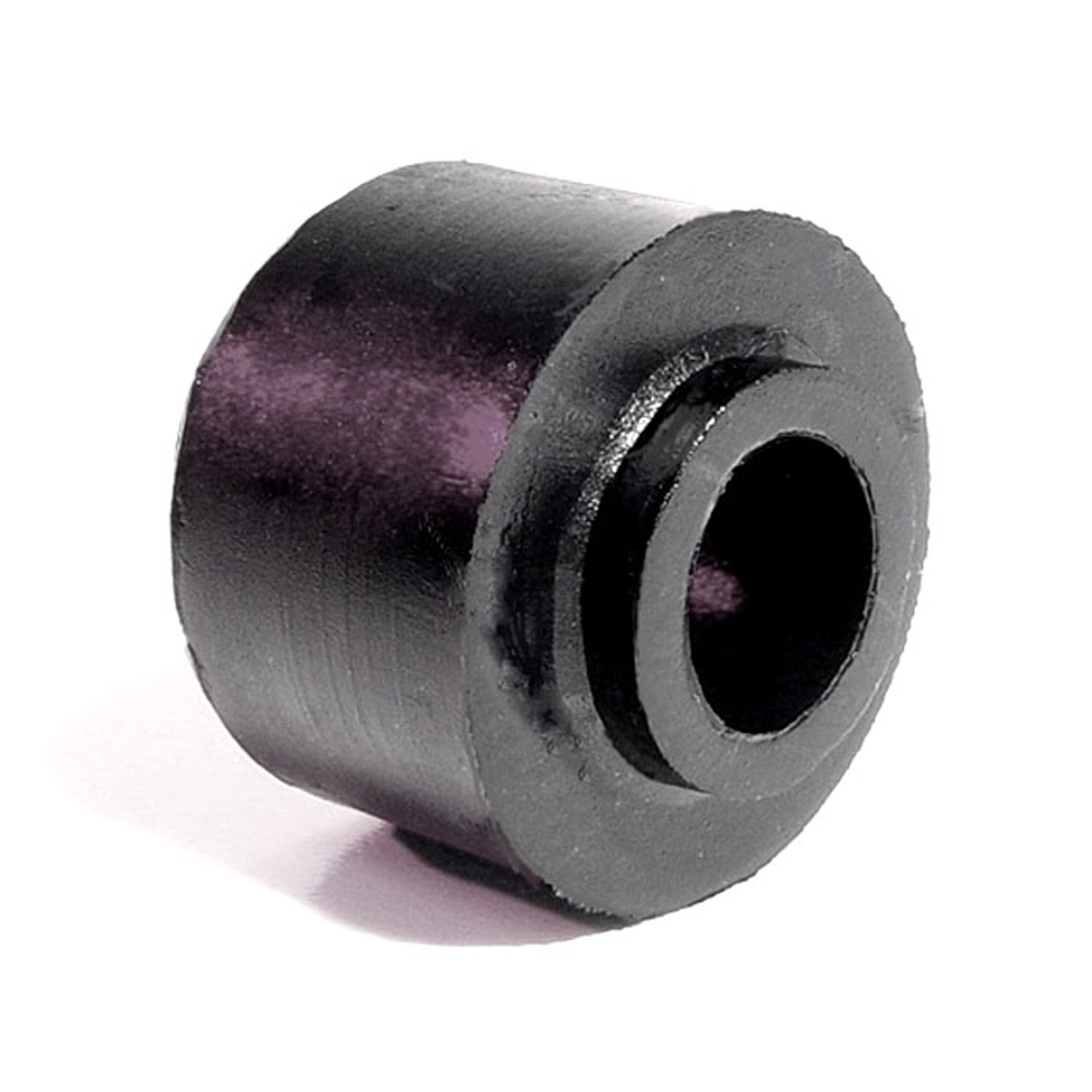 1964 Pontiac Bonneville Shock Absorber Grommet. 1" bottom O.D., 3/4" high-BN 1Shock Absorber Grommet. 1" bottom O.D., 3/4" high., with 7/16" I.D. Each
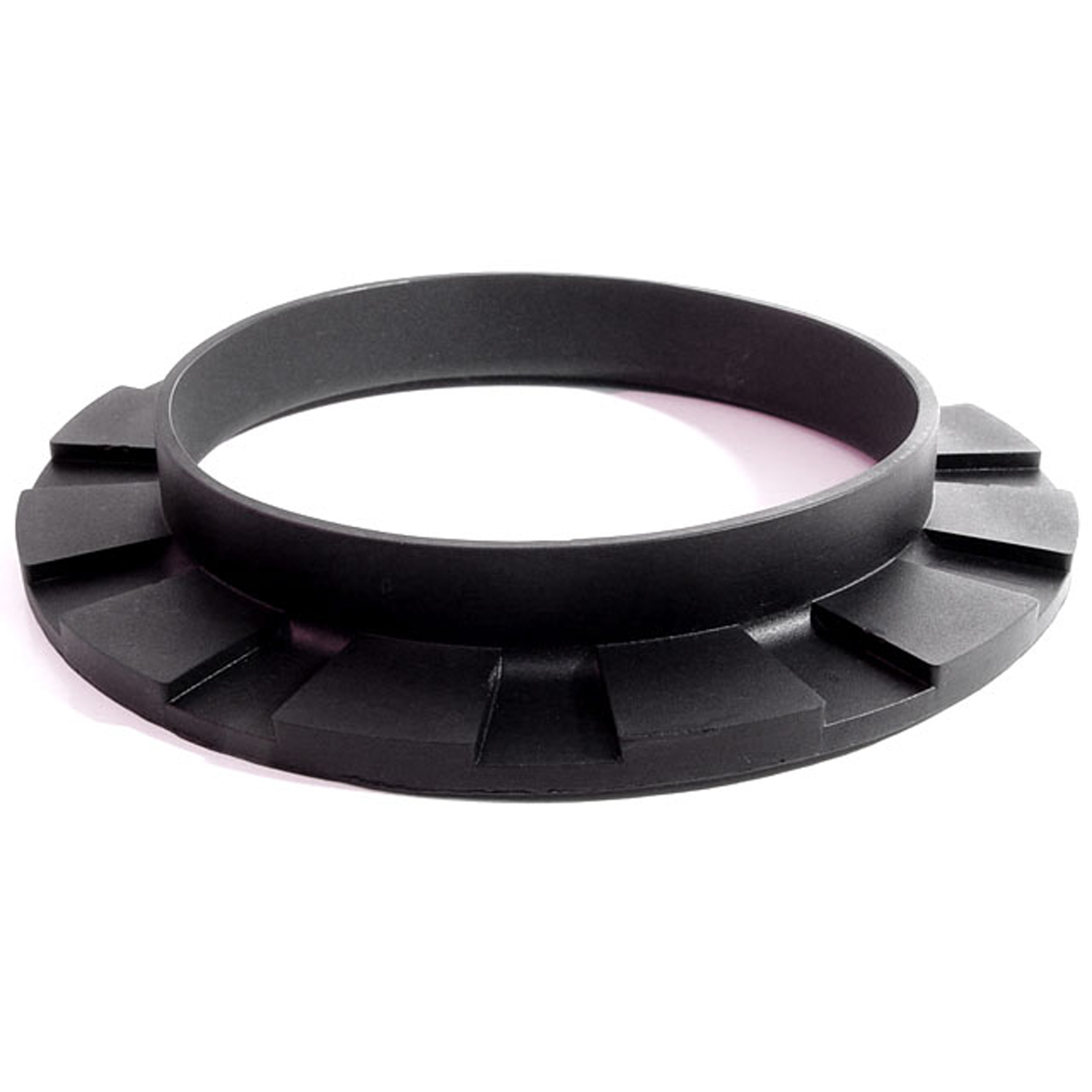 1964 Pontiac Bonneville Front coil-spring insulator-BN 110Front coil-spring insulator. Fits '41-'60 Oldsmobile and '50-'83 GM passenger models. 5-3/8 in. OD x 3-3/4 in. ID x 3/4 in. high with 13/16 in. wide bottom flange 1/4" thick, 12 flutes. Each.
 1964 Pontiac Bonneville Rear coil-spring insulator 1961-72 GM A-Body-BN 111Coil spring insulators are a great way to prevent metal-on-metal contact and noise. Manufactured to OEM specifications for a precise fit, these coil spring insulators are made of rubber and are used between the coil spring and the frame of your ride. 3-3/4 in. OD, 2-1/8 in. ID, 5/8 in. high with 3/16 in. , wide bottom flange 1/4 in. thick.
 1964 Pontiac Bonneville Front Stabilizer End Repair Kit-BNK 25Front Stabilizer End Repair Kit. 22-piece set for two stabilizer bars. Contains all rubber bushings, washers, bolts and nuts, enough for one front end. Set
 1964 Pontiac Bonneville Park Brake Pedal Pad. 2-9/16" wide. Each-CB 99-APark Brake Pedal Pad. 2-9/16" wide. Each
 1964 Pontiac Bonneville Auto Brake Pedal Pad. 5-7/8" wide. Each-CB 99-BAuto Brake Pedal Pad. 5-7/8" wide. Each
 1964 Pontiac Bonneville Windshield Pillar Post Seals for Convertibles-CZ 8109Windshield Pillar Post Seals for Convertibles. Nice reproduction. 22-1/2" long. Pair
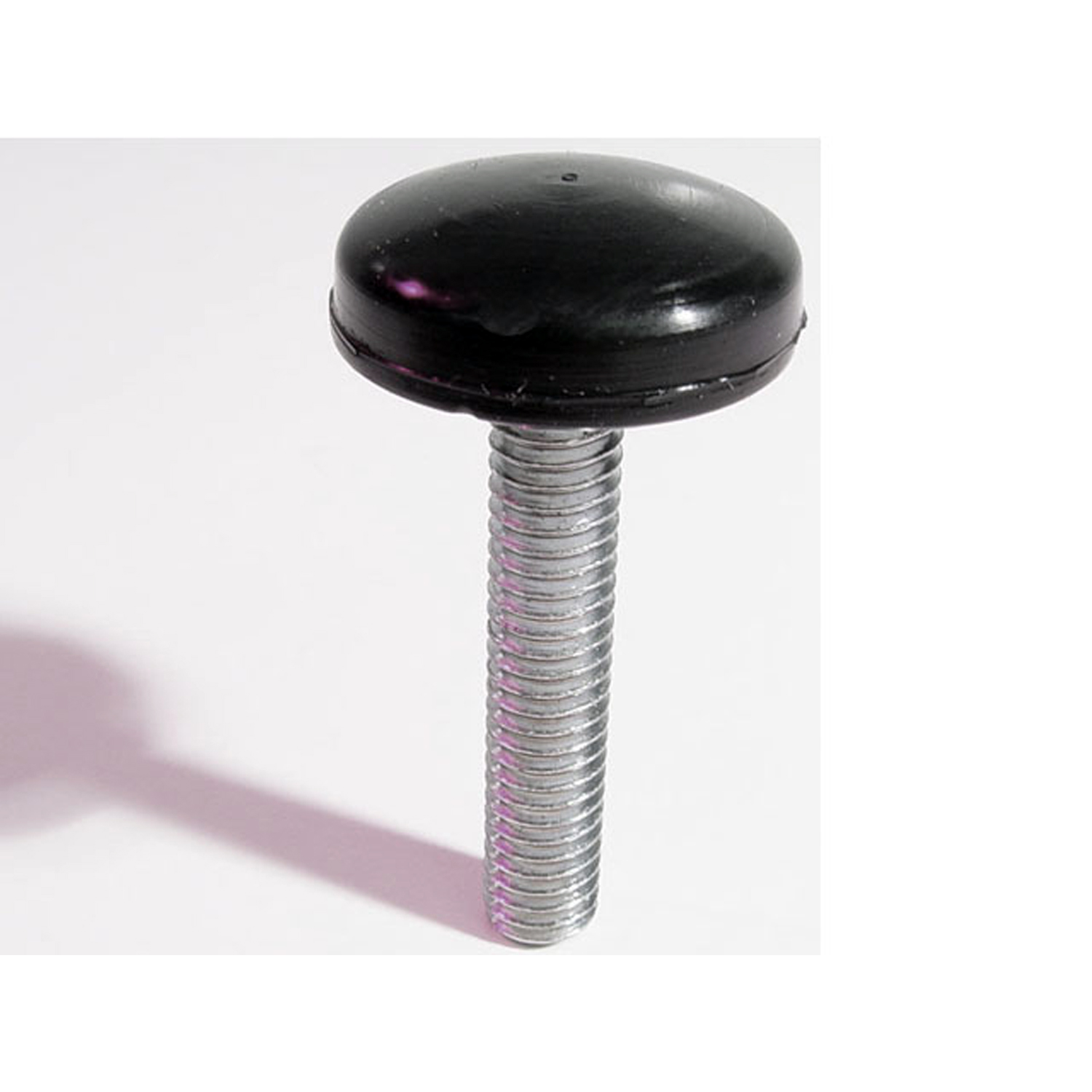 1964 Pontiac Bonneville Hood Adjustment Bolt and Bumper. 1" diameter rubber head-HA 2Hood Adjustment Bolt and Bumper. 1" diameter rubber head. 5/16" thick X 18 threads/inch X 1-3/4" long bolt. Each
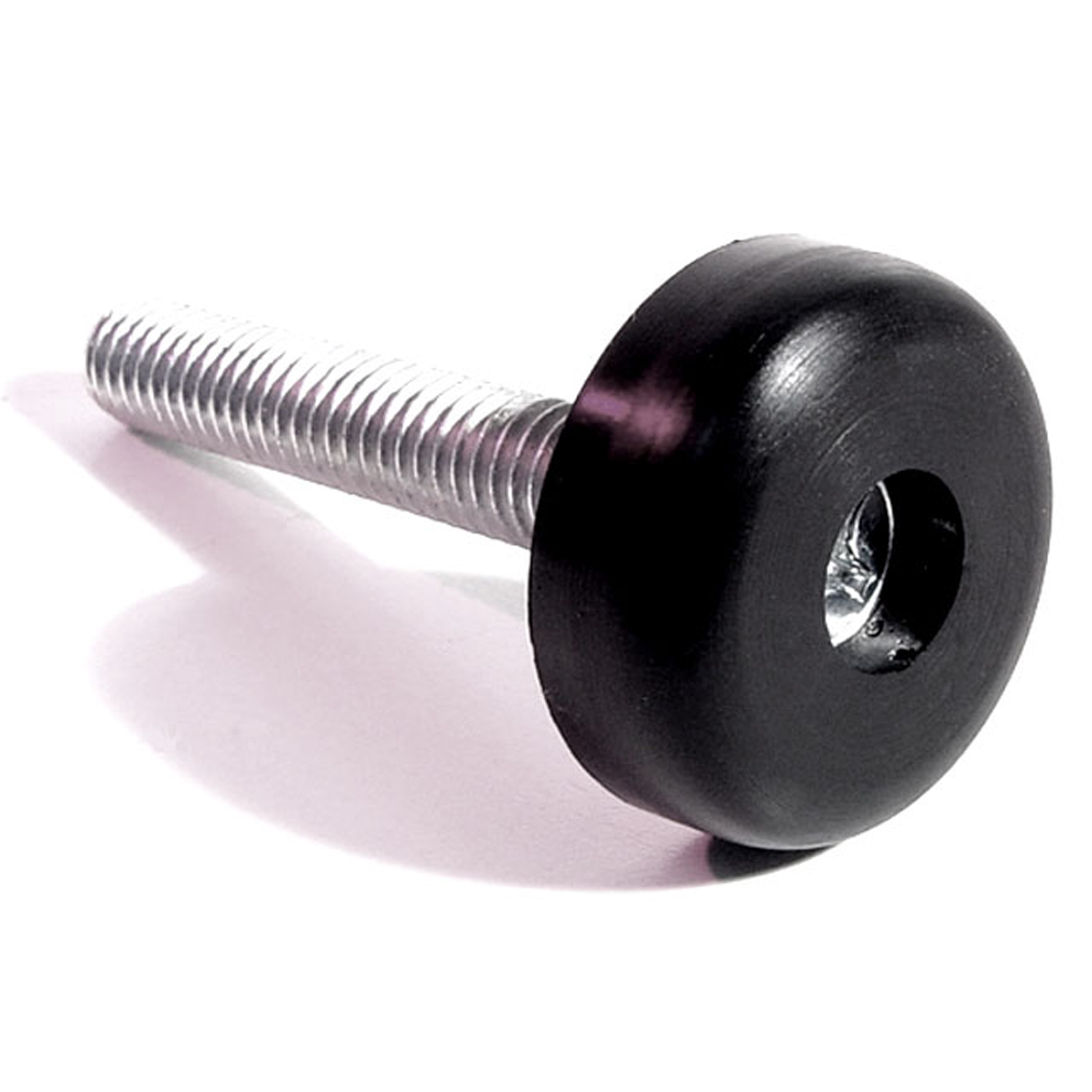 1964 Pontiac Bonneville Hood Adjustment Bolt and Bumper-HA 3Hood Adjustment Bolt and Bumper. 1-1/8" diameter rubber head. 5/16" thick X 18 threads/inch X 2-1/8" long bolt. Each
 1964 Pontiac Bonneville Header Seal for Convertibles. 59-1/4" Long. Each-HD 701Header Seal for Convertibles. 59-1/4" Long. Each
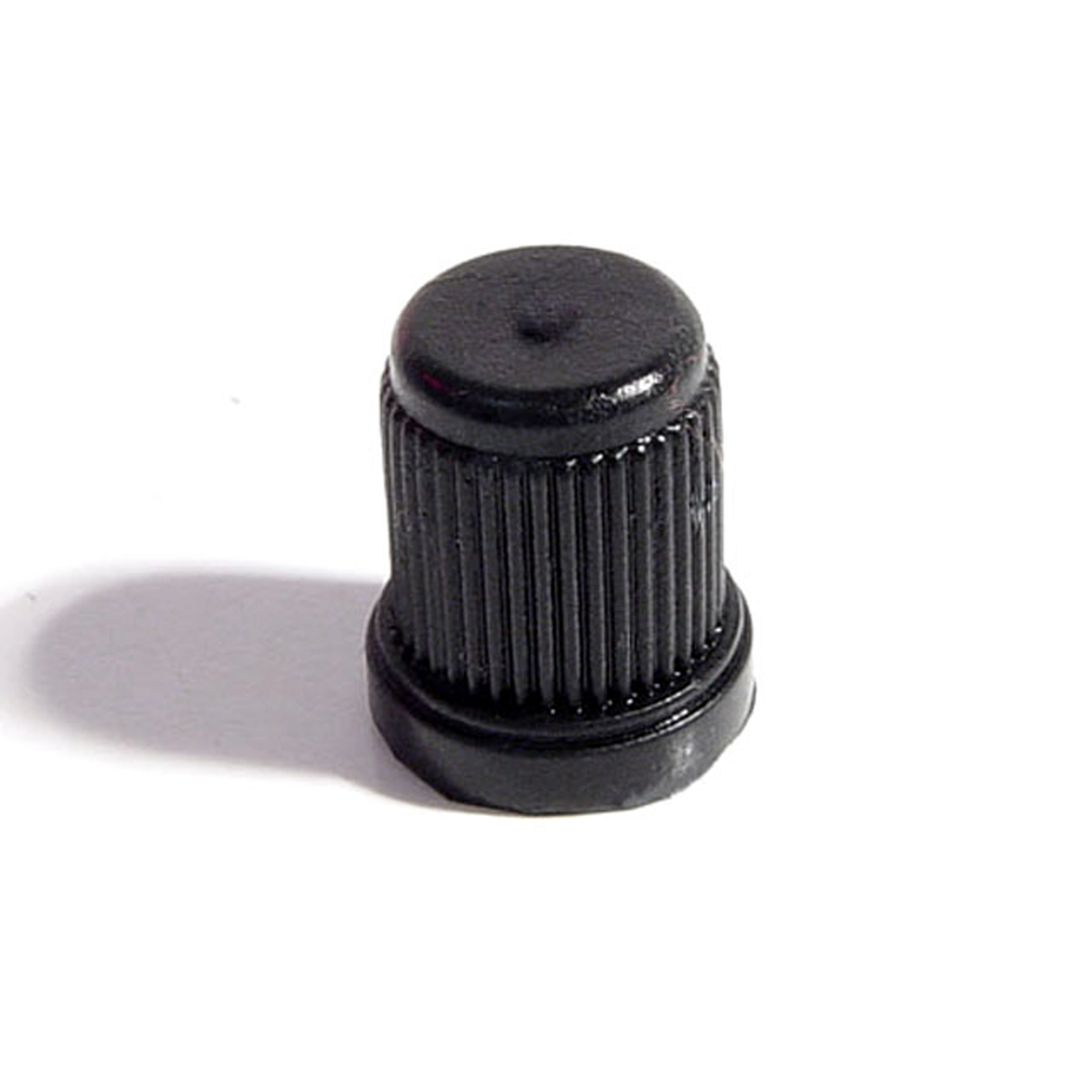 1964 Pontiac Bonneville Trip Meter Reset Knob. Made of black rubber-KN 10Trip Meter Reset Knob. Made of black rubber. Compare to measurements: 1/8" I.D., 7/16" O.D. X 1/2" tall. Each
 1964 Pontiac Bonneville Door Seals, with Clips and Molded Ends-LM 20-ADoor Seals, with Clips and Molded Ends. For 2-Door Hardtops and Convertibles. Replaces OEM #4474550/1. Pair R&L
 1964 Pontiac Bonneville Front Molded Door Seals with Clips. For 4-Door Hardtop Only-LM 21-L1963-1964 GM C-Body, 4 Door Hardtop - Door Weatherstrip Seal Kit, Left and Right Hand, 2 Piece Kit
 1964 Pontiac Bonneville Rear Molded Door Seals with Clips. For 4-Hardtop Only, Pair-LM 21-L/RRear Molded Door Seals with Clips. For 4-HARDTOP Only 1961-1964 GM B-Body, , Left and Right Hand, 2 Piece Kit
 1964 Pontiac Bonneville Door Handle Pads. 2-5/8" long & 1-1/8" long. Set R&L-MP 989-DDoor Handle Pads. 2-5/8" long & 1-1/8" long. Set R&L
 1964 Pontiac Bonneville Remote Mirror Pad. 1-1/4" wide X 5-1/4" long. Each-MP 989-KRemote Mirror Pad. 1-1/4" wide X 5-1/4" long. Each
 1964 Pontiac Bonneville Basic Kit, for Convertibles-RKB 2007-107Basic Kit, for Convertibles. Door (LM 20-A) Roof Rail (RR 1812) Trunk (TK 46-18), Seals.
 1964 Pontiac Bonneville Basic Kit, for 2-Door Hardtop-RKB 2009-106Basic Kit, for 2-Door Hardtop. Door (LM 20-A) Roof Rail (RR 5005) Trunk (TK 46-18), Seals.
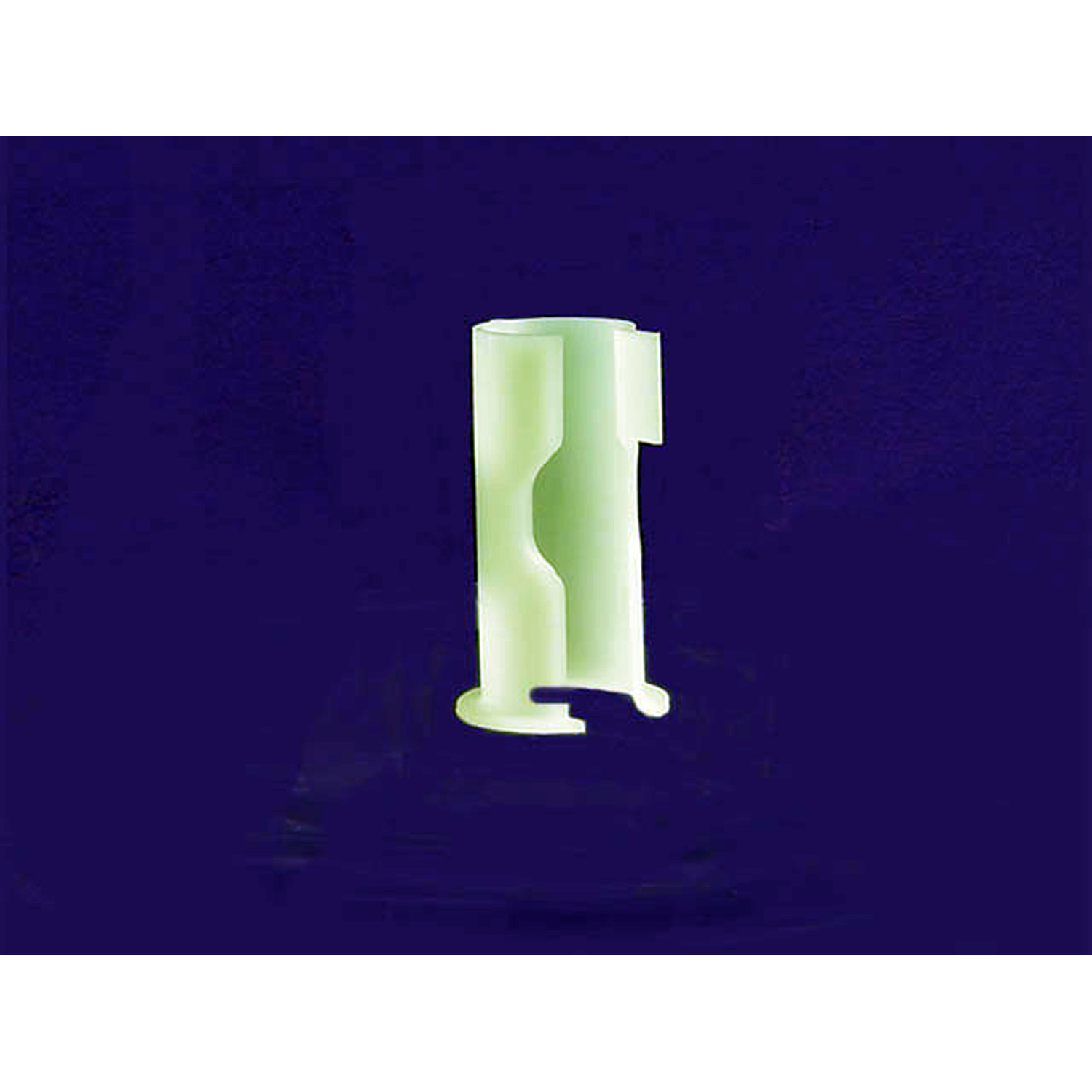 1964 Pontiac Bonneville Sun Visor Support Sleeve. Clear plastic. Each-RP 303-ASun Visor Support Sleeve. Clear plastic. Each
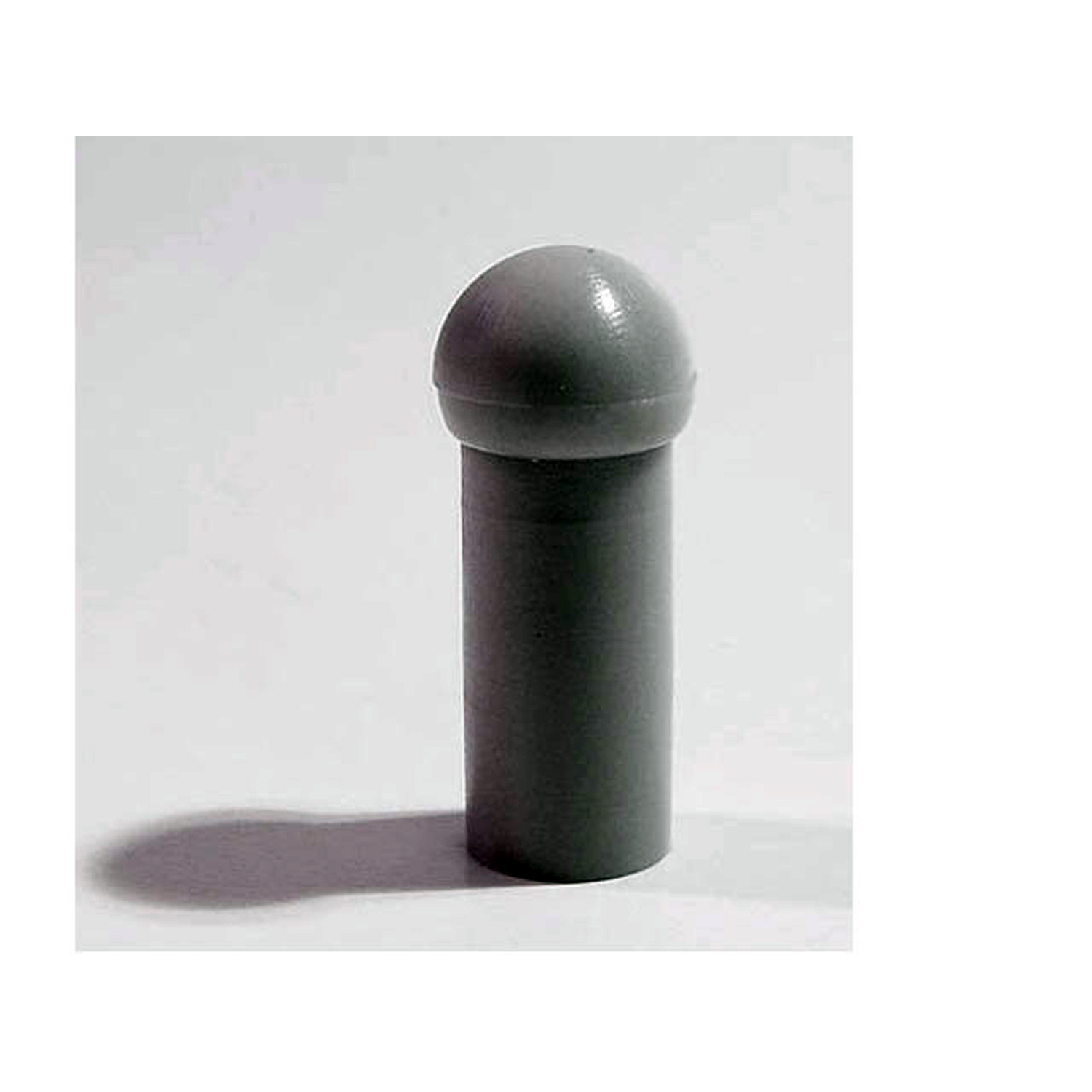 1964 Pontiac Bonneville Sun Visor Rod Rubber Grommet. 3/4" long. Gray. Each-RP 303-CSun Visor Rod Rubber Grommet. 3/4" long. Gray. Each
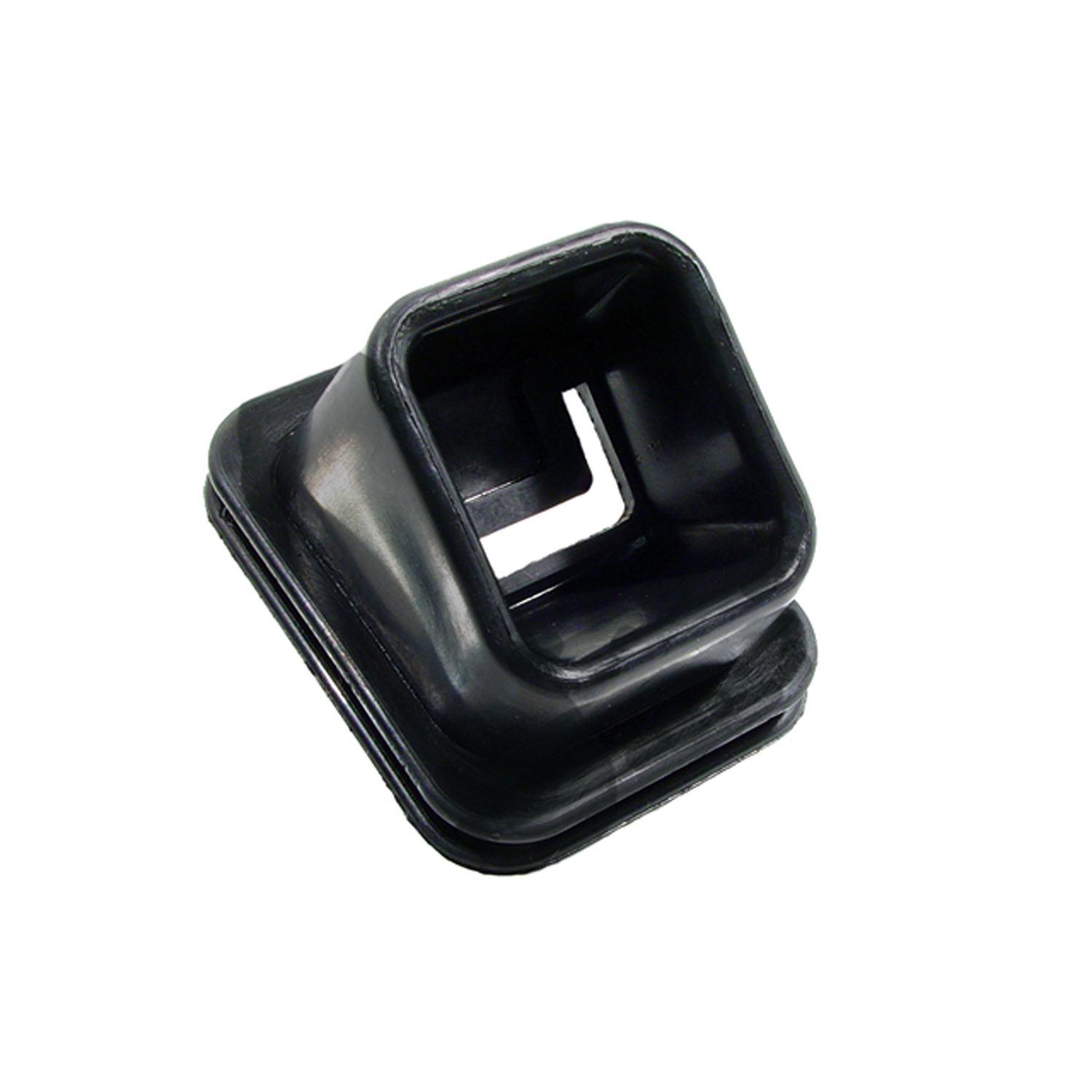 1964 Pontiac Bonneville Clutch Arm Fork Boot. Fits on bell housing to keep dirt out-RP 31-DClutch Arm Fork Boot. Fits on bell housing to keep dirt out. Each
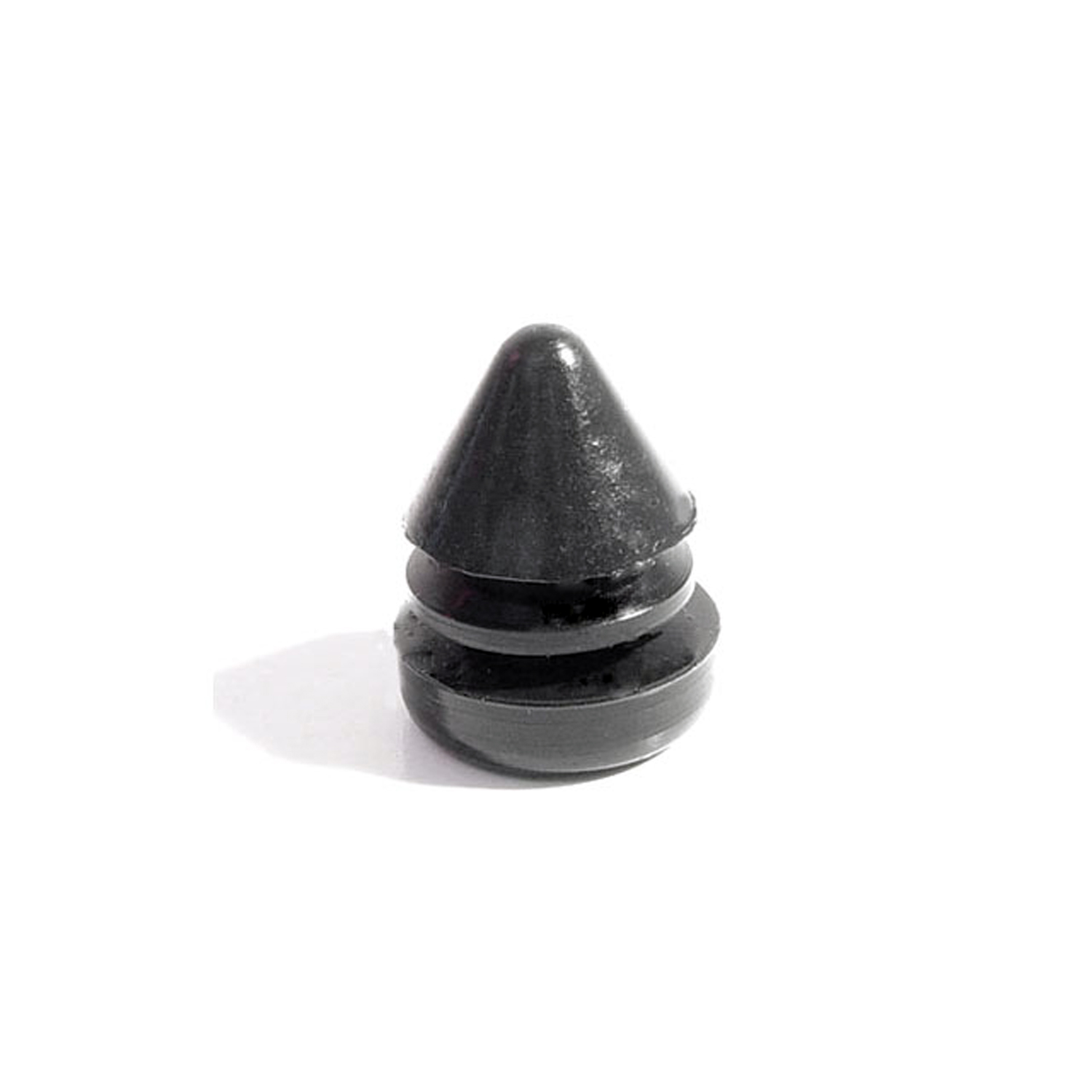 1964 Pontiac Bonneville Hydro-Electric Power Unit Mounting Cushion-RP 710Hydro-Electric Power Unit Mounting Cushion. For convertibles only. Each
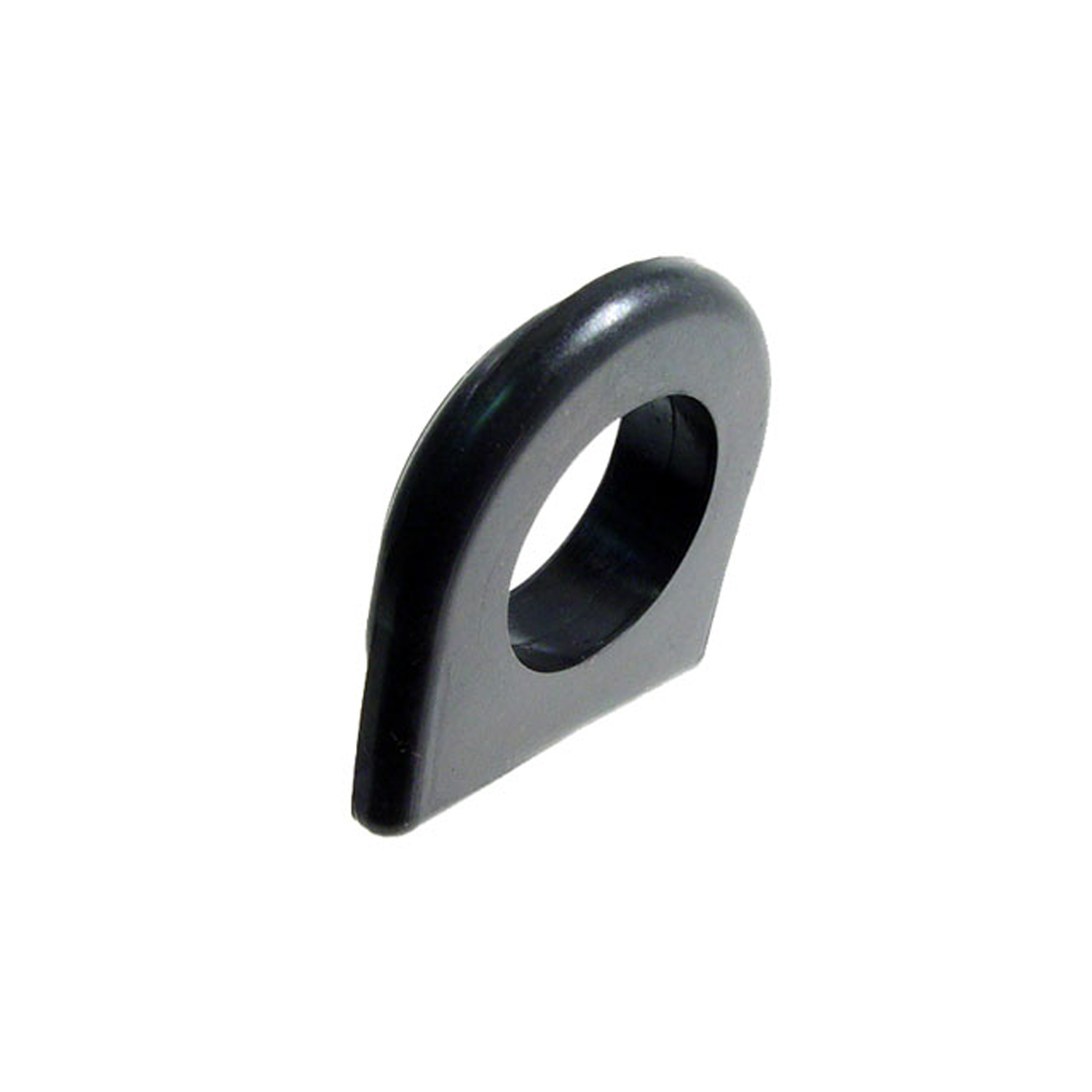 1964 Pontiac Bonneville Positive Crankcase Ventilation Grommet-RP 9Positive Crankcase Ventilation Grommet. 11/16" wide X 1-5/8" long, with 15/16" I.D. (Fits some models) Each
 1964 Pontiac Bonneville Convertible Top Roof Rail Kit-RR 1812Convertible Top Roof Rail Kit. 7-Piece set includes all right and left side top rail seals and windshield top header seal. Made with full steel cores and threaded studs. Middle section is 13-3/4" long. Note: '61 model year may need some modifications.
 1964 Pontiac Bonneville Molded Roof Rail Seals for 2-Door Hardtop. Pair R&L-RR 5005Molded Roof Rail Seals for 2-Door Hardtop. Pair R&L
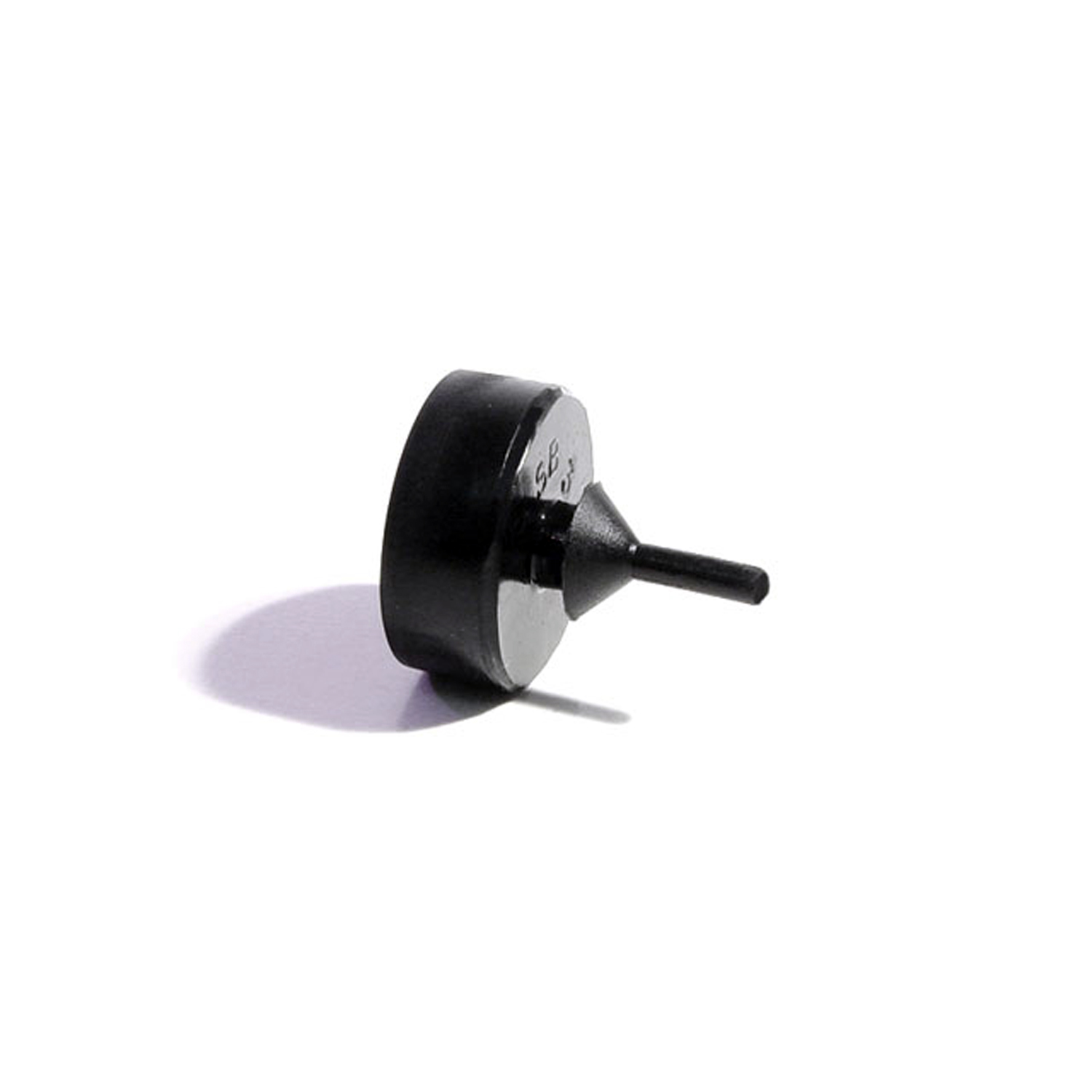 1964 Pontiac Bonneville Trunk Bumper. Fits lower corner on decklid. 15/16" O.D-SB 34Trunk Bumper. Fits lower corner on decklid. 15/16" O.D., 11/16" high. Each
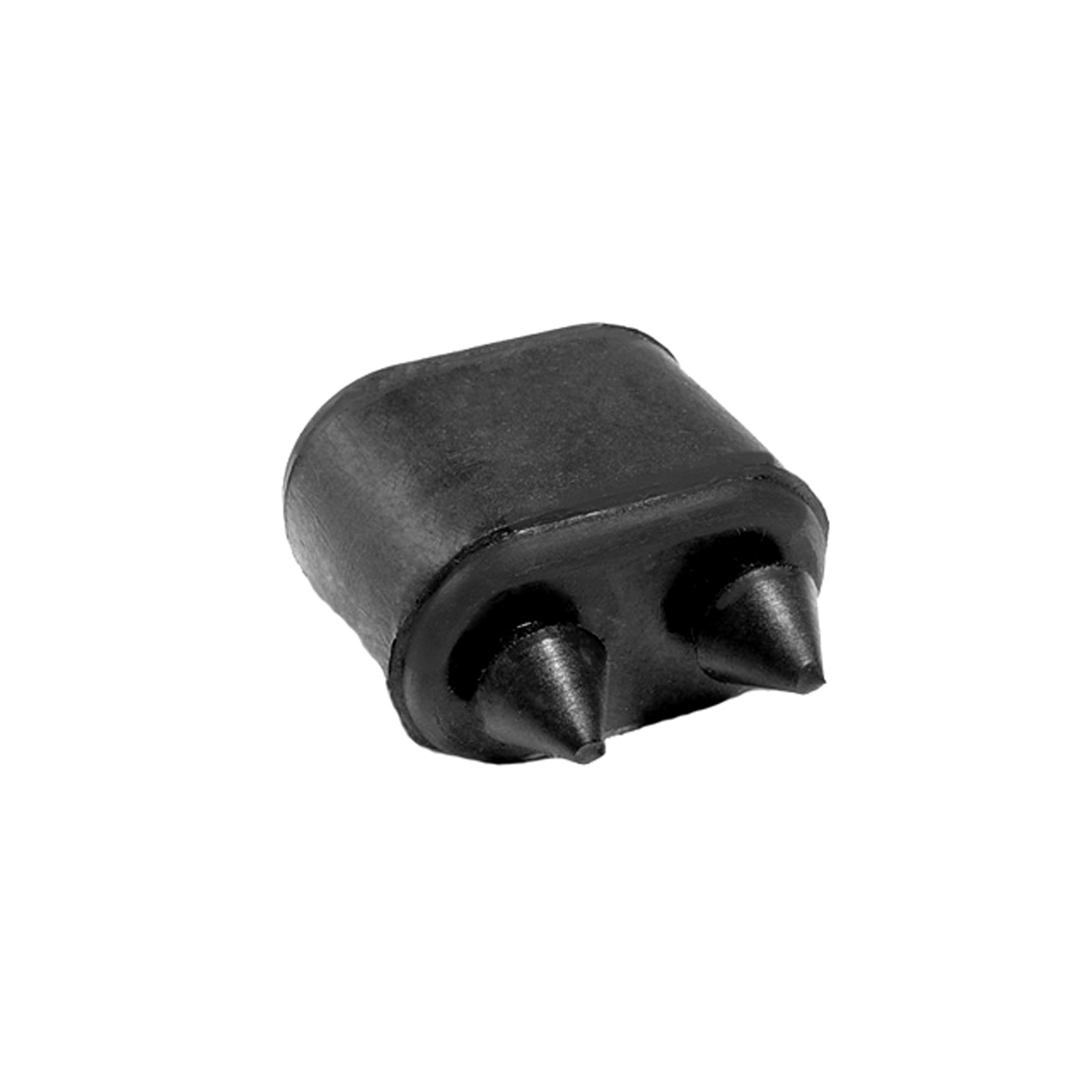 1964 Pontiac Bonneville Door Bumper, 57-74 GM Cars, Made with Twin Retainers, Each-SB 35Door Bumper, 57-74 GM Cars, made with twin retainers, Each. Measure 1-1/16" high X 19/32" wide X 1-1/32" long.
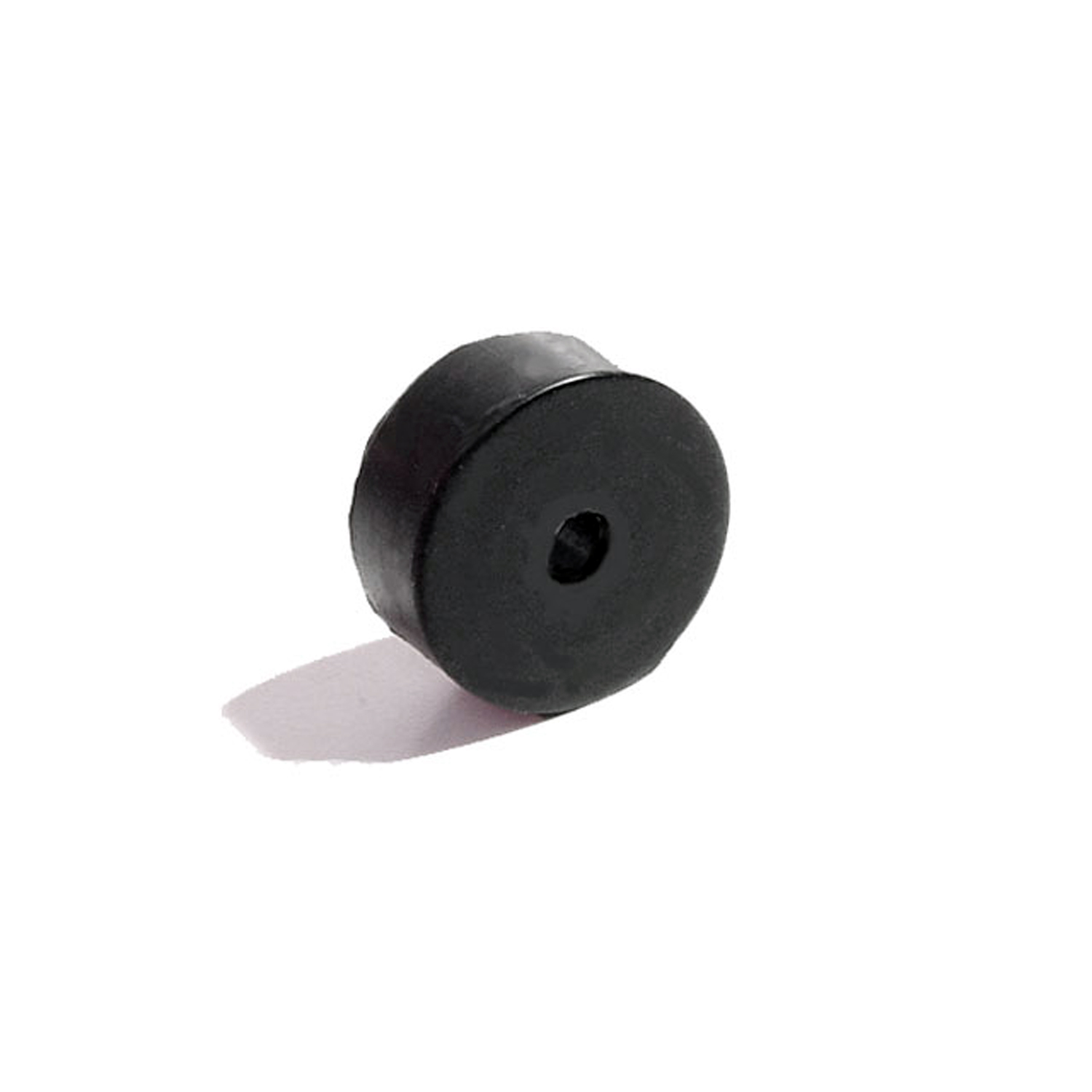 1964 Pontiac Bonneville Door, Trunk and Seat Bumper-SB 62Door, Trunk and Seat Bumper. Made with steel core, like original. 7/8" Diameter X 3/8" High. Each
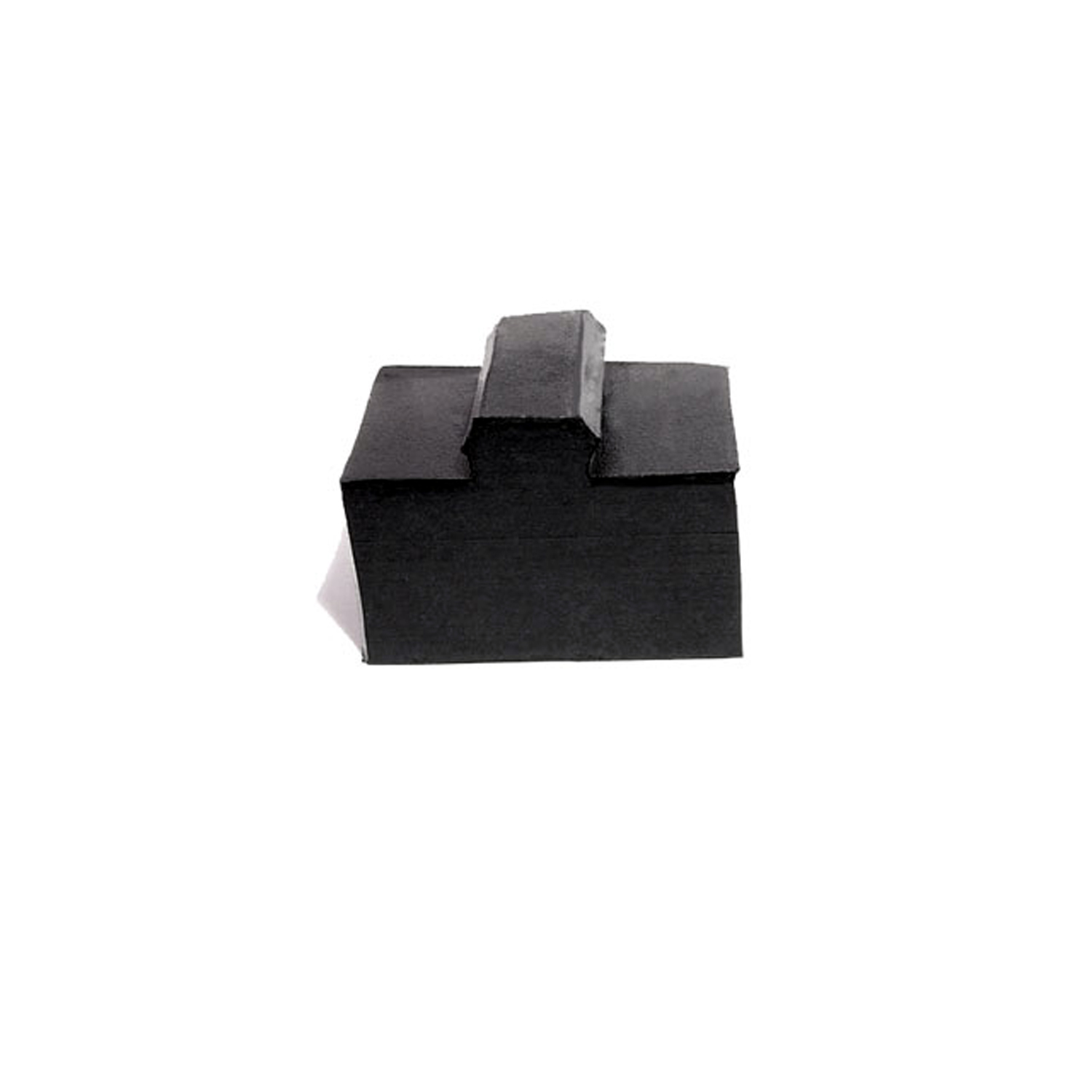 1964 Pontiac Bonneville Clutch Pedal Return Bumper-SB 64Clutch Pedal Return Bumper. 1-13/16" long X 13/16" wide X 7/8" high (center). Each
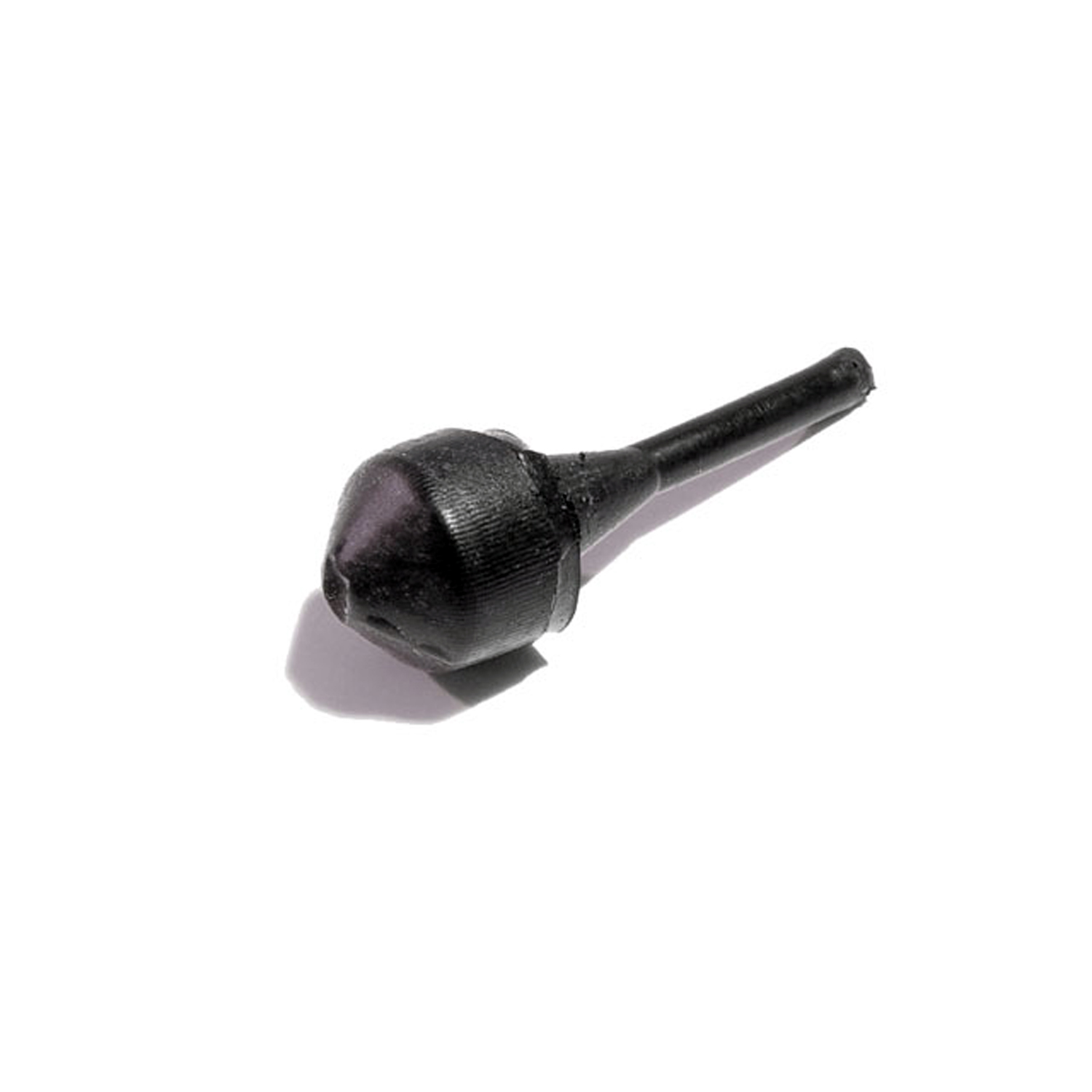 1964 Pontiac Bonneville Glove Box and Fuel Door Bumper. Fits 3/16" hole. Each-SB 78Glove Box and Fuel Door Bumper. Fits 3/16" hole. Each
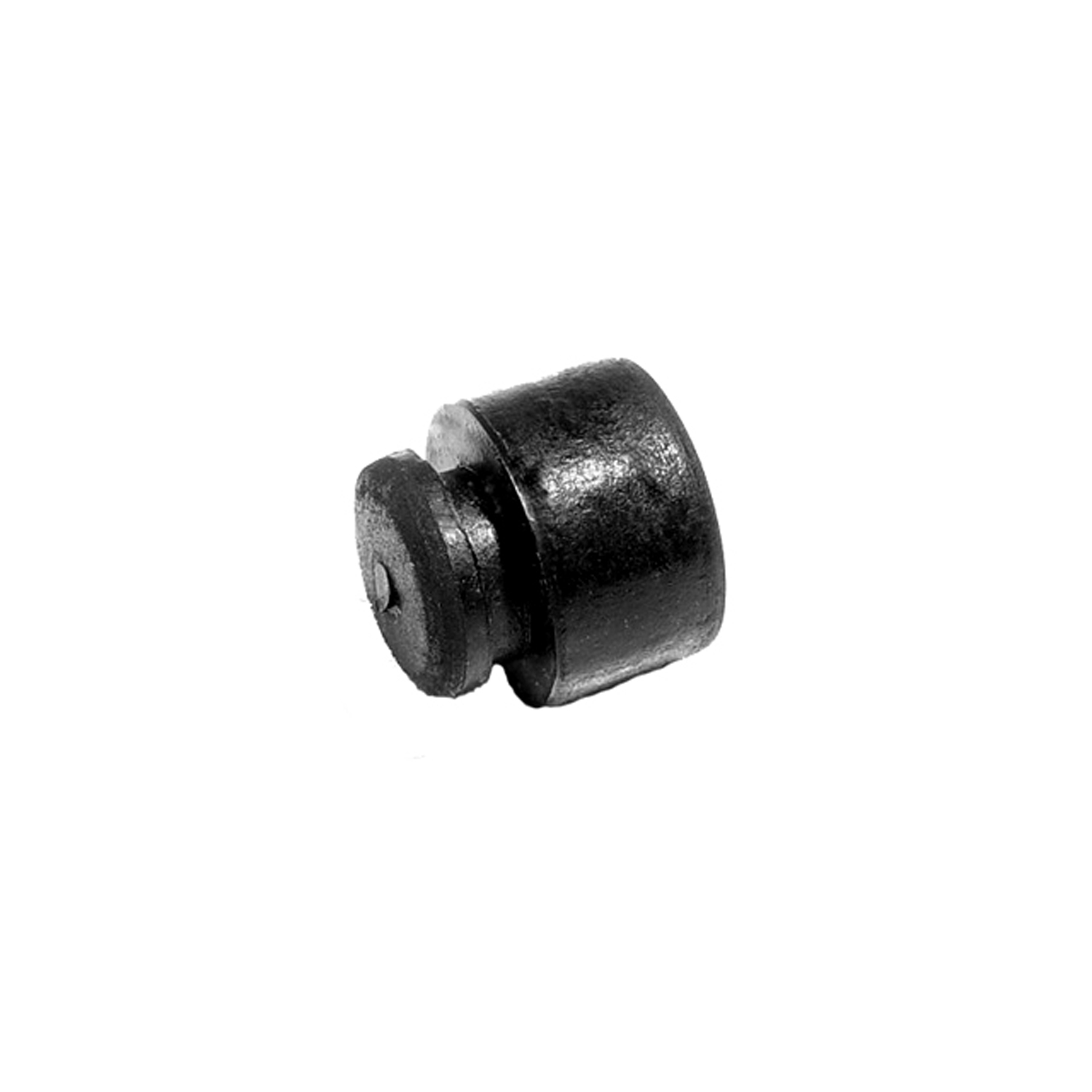 1964 Pontiac Bonneville License Plate Bumper. Fits a 1/4" hole. Each-SB 82License Plate Bumper. Fits a 1/4" hole. Each
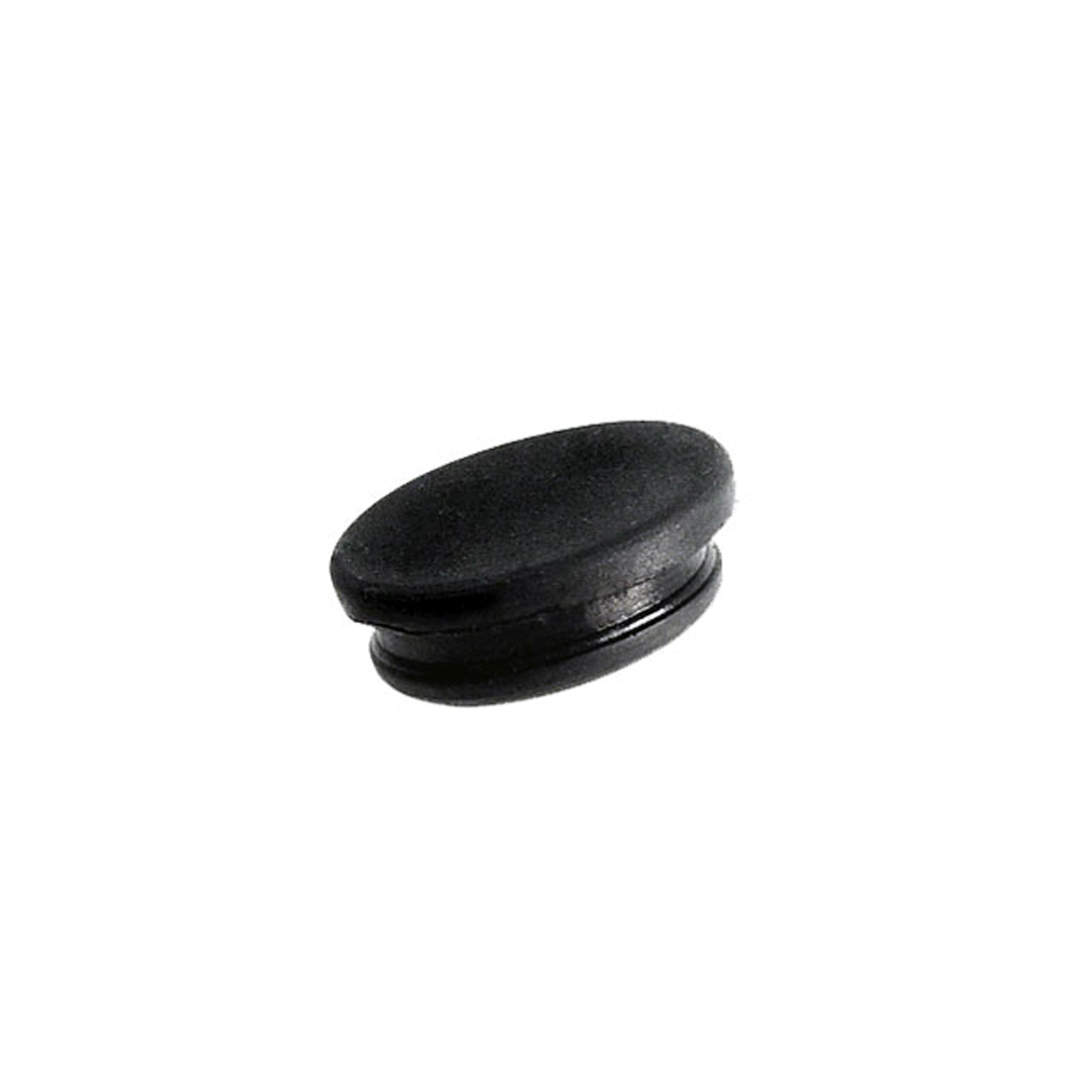 1964 Pontiac Bonneville Rocker Arm Cover. Neoprene plug. Fits 1" hole. Each-SM 66Rocker Arm Cover. Neoprene plug. Fits 1" hole. Each
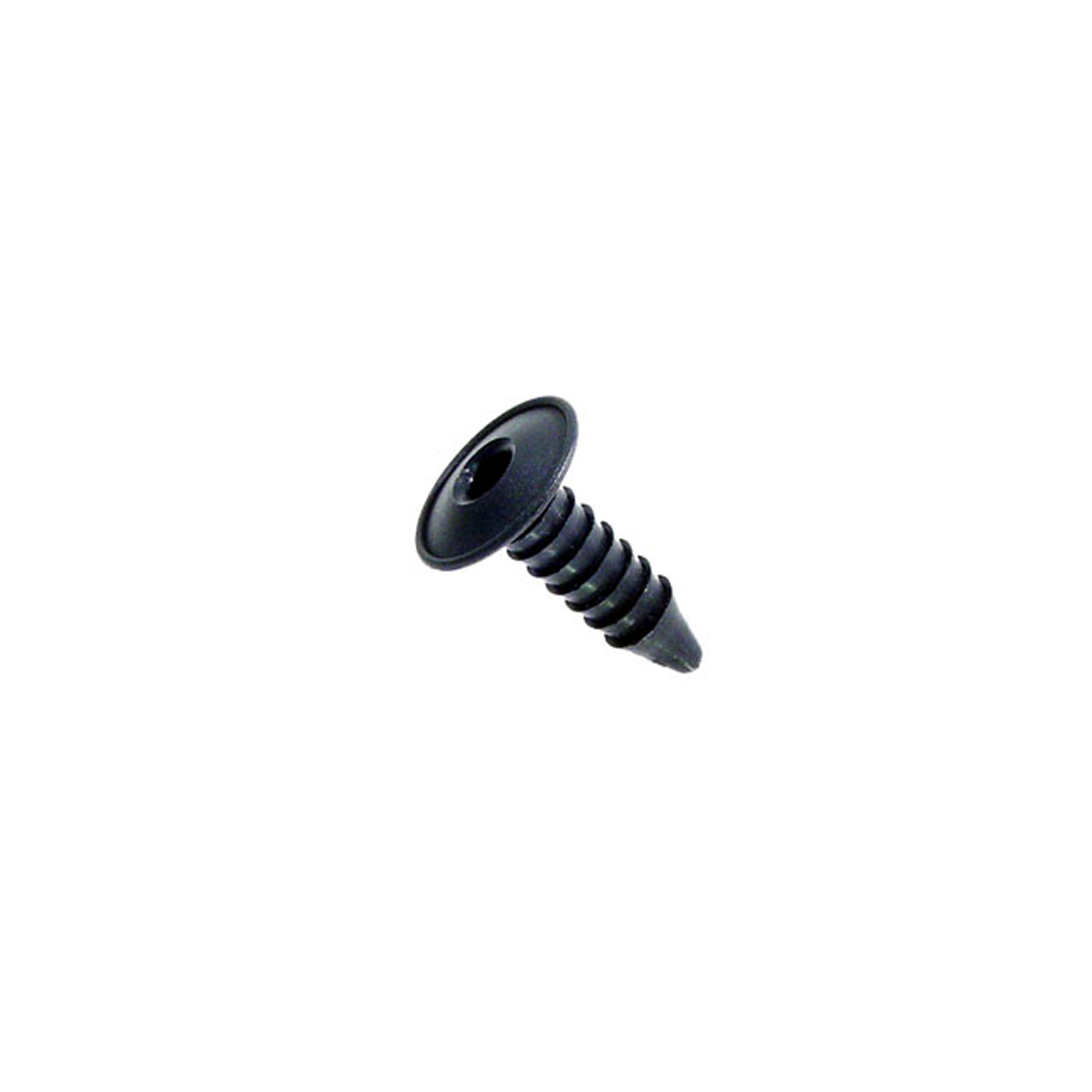 1964 Pontiac Bonneville Firewall insulation fastener. 1 in. dia. W head. 1-1/2 in. L-SM 80-AFirewall insulation fastener. 1 in. dia. W head. 1-1/2 in. L. Replaces OEM#'s (GM) 7642589 and (AMC) 4001934. Black. Each.
 1964 Pontiac Bonneville Tailgate seal. Fits '61-'64 GM B-body 4-door station wagons-TG 11Tailgate seal. Fits '61-'64 GM B-body 4-door station wagons. Replaces OEM#'s 4401283 and 4401284. Each.
 1964 Pontiac Bonneville Trunk Seal. 18 feet long. Each-TK 46-18Trunk Seal. 18 feet long. Each
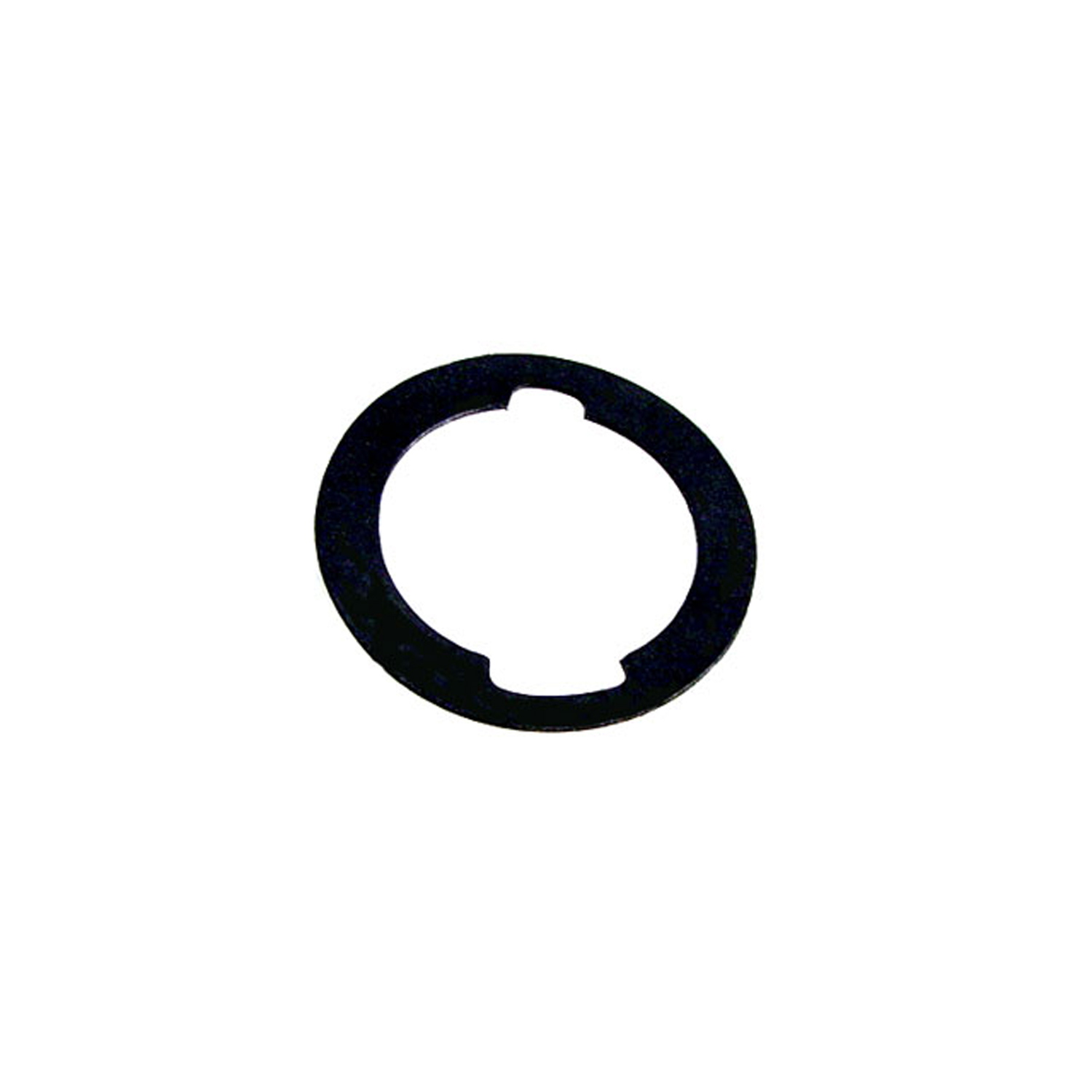 1964 Pontiac Bonneville Unbeaded Door and Trunk Lock Gasket. 1-3/16" O.D., 7/8" I.D-UM 1600-100Unbeaded Door and Trunk Lock Gasket. 1-3/16" O.D., 7/8" I.D. Each
 1964 Pontiac Bonneville Air Conditioning Evaporation Drain Tube. 6-7/8" long-VH 102-GAir Conditioning Evaporation Drain Tube. 6-7/8" long. Each
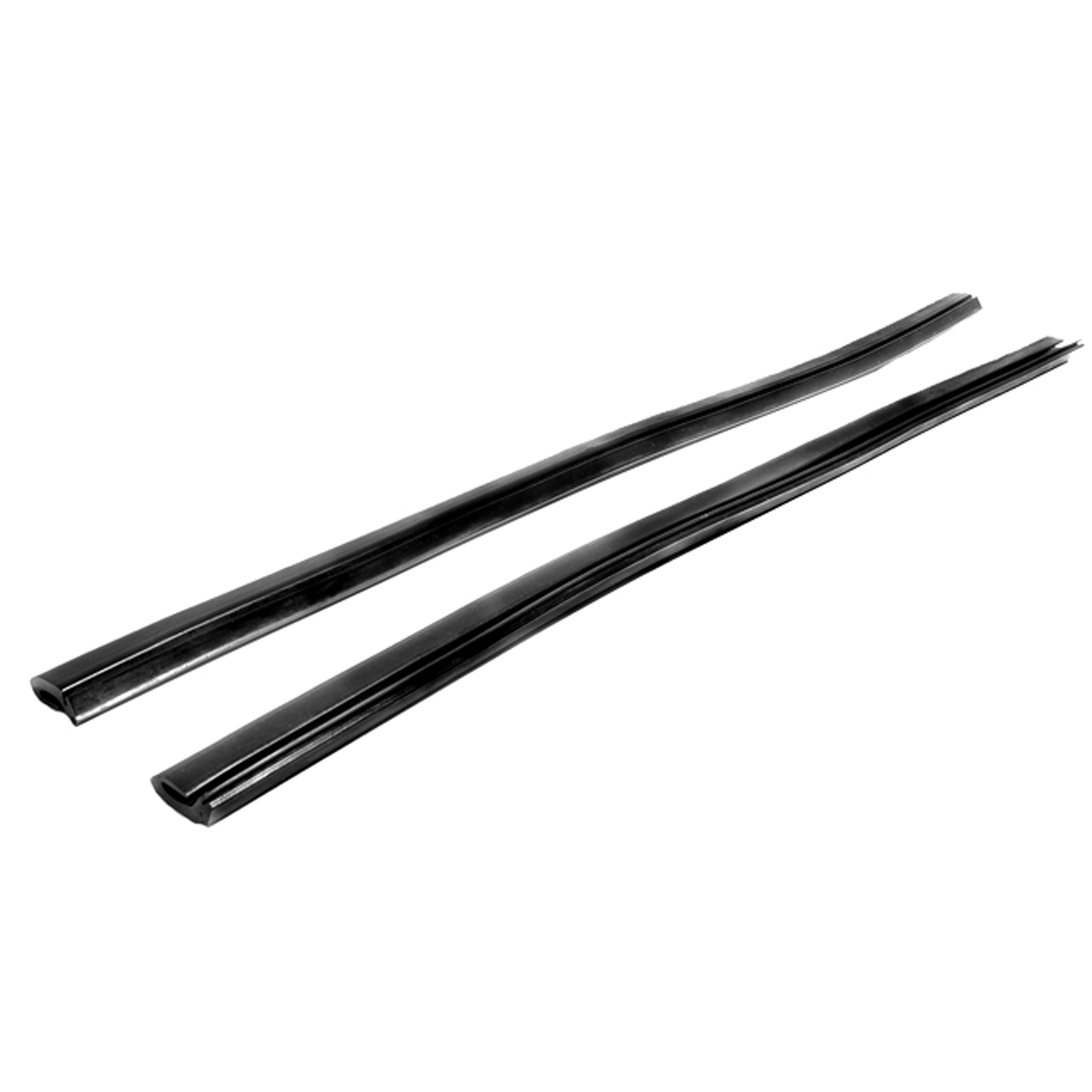 1964 Pontiac Bonneville Rear Side Roll-Up Window Seal, for Hardtops and Convertibles-VS 3Rear Side Roll-Up Window Seal, for Hardtops and Convertibles. Two 20" sections slide into metal track. No steel insert. Pair
 1964 Pontiac Bonneville Quarter Window Seals, for 4-Door Hardtops-VS 4-DQuarter Window Seals, for 4-Door Hardtops. For leading edge of rear quarter windows. 14" long. Pair
 1964 Pontiac Bonneville Vulcanized Windshield Seal, for 2-Door Hardtop. Each-VWS 0626Vulcanized Windshield Seal, for 2-Door Hardtop. Each
 1964 Pontiac Bonneville Vulcanized Windshield Seal, for 2-Door Convertible. Each-VWS 0627Vulcanized Windshield Seal, for 2-Door Convertible. Each
 1964 Pontiac Bonneville Vulcanized Windshield Seal,for 4-Door Hardtop. Each-VWS 0628Vulcanized Windshield Seal,for 4-Door Hardtop. Each
 1964 Pontiac Bonneville Vulcanized Windshield Seal, for 4-Door Sedan. Each-VWS 0631Vulcanized Windshield Seal, for 4-Door Sedan. Each
 1964 Pontiac Bonneville Vulcanized Rear Windshield Seal, for 2-Door Hardtop-VWS 3129-RVulcanized Rear Windshield Seal, for 2-Door Hardtop. (Also fits '62 Impala 2-door hardtop sport coupe). Each
 1964 Pontiac Bonneville Vulcanized Rear Windshield Seal, for 4-Door Hardtop. Each-VWS 3163-RVulcanized Rear Windshield Seal for 63-64 GM B Body 4-Door Hardtop. Each. Replaces OEM #4877006.
 1964 Pontiac Bonneville Vent window and rear division channel seals-WR 2002-DVent window and rear division channel seals. Fits most '63-'64 GM B-body and C-body 2-door and 4-door hardtops and convertibles, 4-piece set. R&L. Main seals replace OEM #'s 5715466/5715467 only.
 1964 Pontiac Bonneville Vent window with rear division channel seals-WR 2002-FVent window with rear division channel seals - left and right, '63-'64 GM 'B' & 'C' body 2 & 4 door hardtop and convertible models, four piece set. R&L. Main seals replace OEM #'s 5715584/5715585.
Why Choose Metro?
For over 100 years, Metro Moulded Parts has been the pinnacle of quality in classic car restoration parts. Our commitment to precision and authenticity in every component ensures a perfect fit and an OEM-level appearance.
- Expert Craftsmanship & Quality: Each part is a testament to our dedication to reliability and perfection, crafted from original designs and thoroughly tested.
- Advanced Technology: We use cutting-edge techniques to create flawless, long-lasting parts that surpass others in performance.
- SuperSoft Sponge – The Ultimate Door Seal: Not only are our door seals 30% softer than competitors', but they're also guaranteed to never leak. They effectively reduce wind and road noise, enhancing your classic car's comfort and driving experience.
- Proudly American: Our parts are a product of American craftsmanship, made in the USA with a spirit of excellence and heritage.
- Unrivaled Warranty: We back our products with a 30-year industry-leading warranty, a testament to our confidence in their quality.
Join us in preserving the legacy of classic cars with parts that are crafted for perfection, not just made.