

Image of 1966 Pontiac Grand Prix, Note: These illustrations use artistic license and may differ from actual historical models.
Performance Metrics
Fundamental Metrics
Emotional Appeal
MMP Rating
| Engine Specifications | |
|---|---|
| Engine Options: | 389 CID V8, 421 CID V8 |
| Displacement Range: | 389-421 cu in. |
| Horsepower Range: | 325-376 hp |
| Torque: | 429-461 lb-ft |
| Compression Ratio: | 10.5:1 |
| Ignition System: | Conventional breaker-point ignition system |
| Cooling System: | Liquid-cooled |
| Performance Specifications | |
| 0-60 Time: | 7.5 seconds |
| 1/4 Mile Time: | 15.5 seconds |
| Top Speed: | 130 mph |
| Transmission and Drive | |
| Drive Type: | Rear-wheel drive |
| Transmission Type: | 3-speed automatic, 4-speed manual |
| Fuel and Efficiency | |
| Fuel System Type: | Carburetor |
| MPG: | 10-12 mpg |
| Dimensions and Brakes | |
| Brakes: | Power-assisted drum brakes |
| Wheelbase: | 121 inches |
| Weight: | 3,900 lbs |
Note: Specifications for classic cars are given to the best of our ability, considering the limited and variant data available.
1966 Pontiac Grand Prix: A Personal-Luxury Icon
The 1966 Pontiac Grand Prix made a strong case that a big American car could be both a comfortable cruiser and a serious performer. Built by Pontiac Motor Division of General Motors, it combined full-size dimensions and V8 power with a distinctive two-door profile, a driver-focused cockpit, and upscale trim. It was part of the Grand Prix’s second generation, introduced for 1965, and carried forward the nameplate’s mission: give buyers luxury and performance without the formality of a traditional four-door sedan.
The Grand Prix story began with the 1962 model, when Pontiac created a more sporting, better-trimmed version of its full-size Catalina. By 1966, the idea had become an established formula. One intriguing detail is that the Grand Prix was not a separate luxury marque or a radically different platform. It used Pontiac’s full-size architecture, then added distinctive styling, bucket seats, a center console, and powerful engine options to make the car feel like its own category.
Long Hood, Clean Lines, Driver-Focused Cabin
The 1966 Grand Prix is a long, low hardtop with the proportions classic-car fans expect: a stretched hood, a short-looking rear deck, and a roofline that flows smoothly into the rear quarters. Its wide grille and sculpted bodywork give it a confident presence without relying on excessive ornament. The thin hardtop roof pillars also leave the cabin feeling open when the windows are down, a popular feature of mid-1960s American coupes.
Inside, the Grand Prix leaned into its personal-luxury character. Bucket seats and a center console helped distinguish it from a conventional bench-seat family car. The instrument panel was arranged around the driver, with woodgrain-style trim adding a more tailored look. Pontiac used quality vinyl and cloth upholstery depending on the trim and equipment selected, while leather-like Morrokide upholstery was also available. Options such as air conditioning, power windows, power seats, and a tachometer could make the cabin considerably more luxurious.
For its time, the Grand Prix offered a useful blend of comfort and convenience rather than futuristic electronics. Buyers could choose power steering, power brakes, an automatic transmission, and other equipment that made a large car easier to live with. Period paint choices covered a broad palette of solid and metallic colors, including whites, reds, blues, greens, and darker shades. Red, black, white, and blue cars are especially familiar favorites today, though originality and condition matter more to collectors than any single color.
The 1966 Grand Prix was offered as a two-door hardtop coupe, not as a convertible or four-door. That single body style is central to its identity. It kept the model focused on the personal-coupe market and gave the car its elegant, uninterrupted roofline.
Why the Grand Prix Mattered
Pontiac helped define the American personal-luxury performance car: a roomy, well-equipped coupe with genuine V8 muscle. The 1966 Grand Prix sat between ordinary full-size models and more expensive luxury cars, offering buyers a distinctive image without requiring them to move to a separate luxury brand. Its formula also reflected Pontiac’s performance-minded reputation under the leadership of the division’s influential management team.
What set the Grand Prix apart from many contemporaries was the way it made the driver feel like the car’s priority. The cockpit-style dash, bucket seats, console, and available high-output engines gave it a sportier character than a typical large coupe. It was still substantial and comfortable, but it did not feel like a plain family car dressed up with extra chrome.
The model helped establish a template that many American manufacturers pursued: combine a full-size platform, upscale appointments, and strong engine choices in a stylish two-door. The personal-luxury category evolved over the years, but the Grand Prix’s blend of space, comfort, and performance remained a key part of its appeal.
Pontiac V8 Power and Road Manners
The 1966 Grand Prix came with a range of Pontiac V8 engines. A 389-cubic-inch V8 was a common choice, while buyers seeking more performance could select a 421-cubic-inch engine. Depending on specification, the 421 was rated at roughly 338 horsepower in standard form, with high-output versions advertised at up to 376 horsepower. Actual equipment and ratings can vary by engine package, so a car’s original build sheet or factory documentation is valuable when identifying a performance model.
Transmission choices included a manual gearbox and Pontiac’s three-speed Turbo Hydra-Matic automatic, depending on configuration. The automatic was a natural match for the Grand Prix’s relaxed cruising character, while a four-speed manual made the car a more engaging choice for drivers who wanted to work the engine themselves.
Performance depends heavily on engine, transmission, axle ratio, condition, and tire choice. A healthy 421-powered car could reach 60 mph in roughly seven to eight seconds, while a 389 car would generally take longer. Period test results and modern estimates vary, but a high-output example could run the quarter-mile in the mid-15-second range. Top speed is similarly setup-dependent; roughly 120 mph is a reasonable broad estimate for a strong car, not a guaranteed figure for every Grand Prix.
On the road, the Grand Prix feels like a powerful, substantial American coupe. The V8 produces a deep, smooth rumble at cruising speed and a much more forceful growl when the throttle opens. Its wide-track stance and long wheelbase help it settle comfortably on the highway, while the suspension is tuned more for a composed ride than sharp cornering. It can handle winding roads confidently for a car of its size, but it is not a modern sports coupe. Expect body roll, a broad turning circle, and more weight transfer than you would find in a smaller performance car.
Over bumps, the Grand Prix’s suspension and generous proportions deliver the soft, relaxed ride many buyers wanted in the 1960s. Strong crosswinds and uneven pavement remind the driver that this is a large, body-on-frame car. The steering and brakes also feel more traditional than modern systems, so a driver must plan ahead and use smooth inputs. In return, the car offers an involving, mechanical experience, especially with a manual transmission and a high-output V8.
Living With a 1966 Grand Prix
Today, most 1966 Grand Prix owners use their cars for weekend drives, classic-car shows, and occasional road trips. A well-maintained example can be driven regularly, but its age, fuel consumption, size, and lack of modern safety and convenience features make it less practical as a daily driver than a contemporary car. High-performance examples are often preserved more carefully, while standard-engine cars can make enjoyable touring classics.
Mechanical repairs are generally approachable for an experienced home mechanic. Pontiac V8s are well understood, and many service parts are available through classic-car suppliers. The car’s body and trim can be a different matter. Rust in floors, body mounts, lower quarters, and other structural areas can turn a seemingly simple project into an expensive restoration. Interior pieces, specific Grand Prix trim, and correctly matched components may also take time to source.
Before buying, check for rust, inspect the frame and body mounts, and verify that the engine and transmission match the seller’s claims. Pay particular attention to documentation on a claimed 421 or high-output car. A powerful engine can be installed in a standard car, so casting numbers, invoices, and factory records help establish what the car actually left the factory with.
Production, Trivia, and Common Criticisms
Pontiac produced approximately 36,757 Grand Prix models for 1966. That figure makes the car far from a one-off rarity, but it is not so common that every example is easy to find in good condition. The two-door-only body style, distinctive interior, and range of potent engines give the model a clear identity among full-size Pontiacs.
There was no separate, widely produced 1966 Grand Prix “special edition” that defines the year. The most sought-after cars are generally well-documented examples with the 421 high-output engine, especially when they retain their original drivetrain and performance equipment. Since engine swaps and reproduction parts are common in the classic-car world, documentation is essential before paying a premium.
Common criticisms are practical rather than surprising: the Grand Prix is thirsty, large in tight parking spaces, and not especially nimble on twisty roads. Its ride is comfortable, but the car’s mass is always apparent when braking or changing direction. Some owners also find that original trim and restoration-quality body parts are harder to locate than routine engine service items.
The Grand Prix is not chiefly remembered for a single speed record or endurance victory. Its significance lies in its successful blend of style, comfort, and V8 performance. The 1966 model captures that formula at a time when American manufacturers were competing intensely to make their full-size coupes feel more personal and more exciting.
Collector Values and Market Outlook
Values vary widely with condition, originality, engine, and documentation. As a broad 2026 estimate in the U.S. market, a project car may sell for around $5,000 to $12,000. A usable driver might bring roughly $15,000 to $30,000, while a nicely restored or exceptionally preserved standard car can fall in the $30,000 to $50,000 range. A genuine, well-documented 421 high-output example can command approximately $50,000 to $90,000 or more, with exceptional cars potentially exceeding that range.
These are general estimates, not appraisals. Regional demand, restoration quality, originality, and proof of factory equipment can move a sale considerably. The model is available often enough that buyers can be selective, but clean, unmodified cars are much less common than rough projects or cars with uncertain histories.
Over the long term, the 1966 Grand Prix has tended to be a steady, gradually appreciating classic rather than a fast-moving investment car. Strong 421 cars and top-quality restorations are likely to attract the greatest interest. For buyers who value usable vintage style as much as resale potential, a sound 389-powered car can offer a rewarding entry point.
A Classic That Balanced Comfort and Muscle
The 1966 Pontiac Grand Prix brought together a distinctive hardtop shape, a driver-oriented interior, comfortable full-size road manners, and the unmistakable sound of a Pontiac V8. Its single coupe body style kept the design focused, while the available 421 engines gave it genuine performance credibility. It may not be light or economical, but that is part of its character: the Grand Prix is a confident, comfortable American cruiser with enough muscle to make every open stretch of road feel inviting.
1966 Pontiac Grand Prix Catalog of Parts
 1966 Pontiac Grand Prix Rear Quarter Window Door Lock Pillar Seal (upper)-ALP 5052Rear Quarter Window Door Lock Pillar Seal (upper). Made with steel cores. Pair R&L
 1966 Pontiac Grand Prix Body Mount Cushion-BC 50-ABody Mount Cushion. Made with hollow back to accommodate steel sleeve. 2"O.D., 3/8" I.D., 3/8" Thick. Up to four used per car. Each
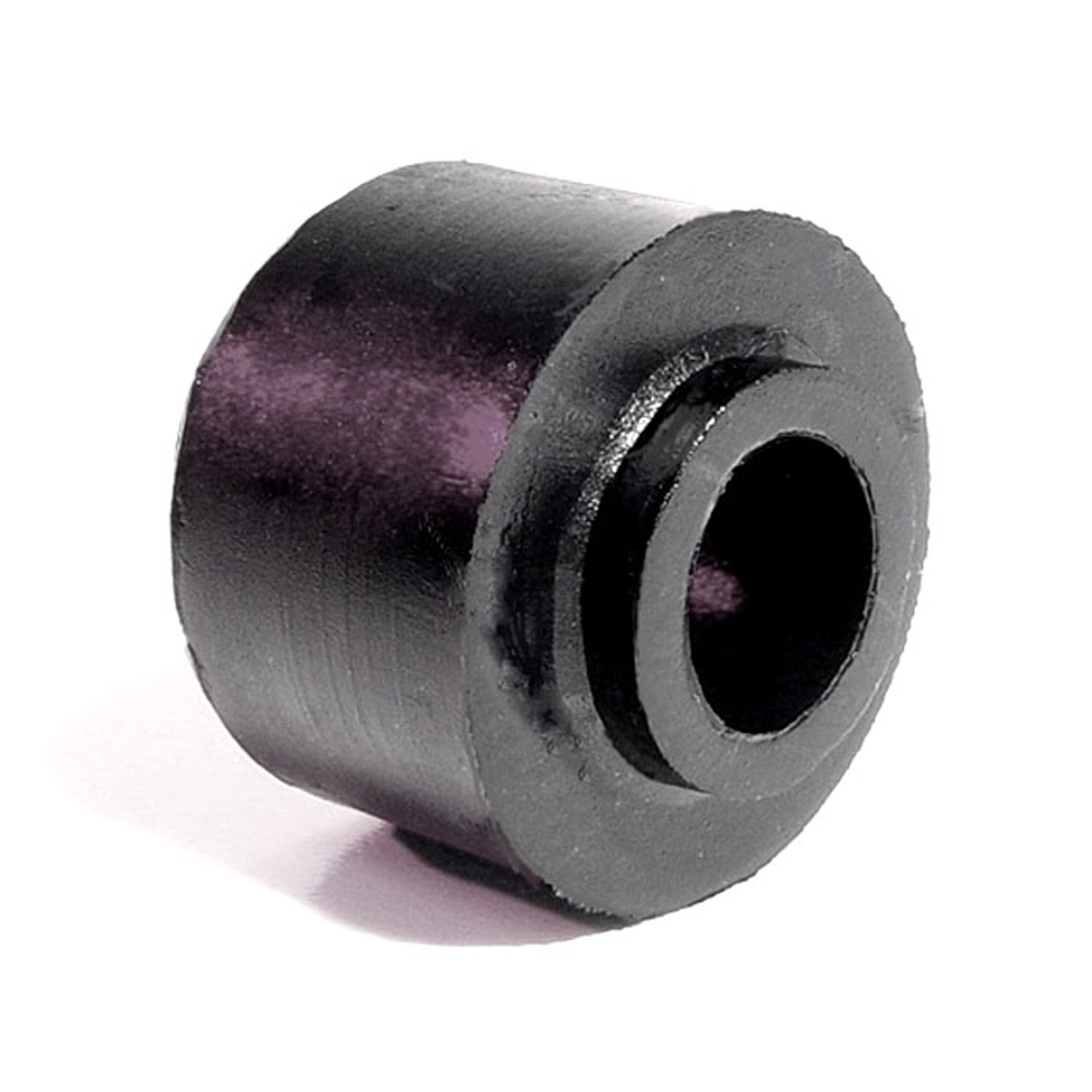 1966 Pontiac Grand Prix Shock Absorber Grommet. 1" bottom O.D., 3/4" high-BN 1Shock Absorber Grommet. 1" bottom O.D., 3/4" high., with 7/16" I.D. Each
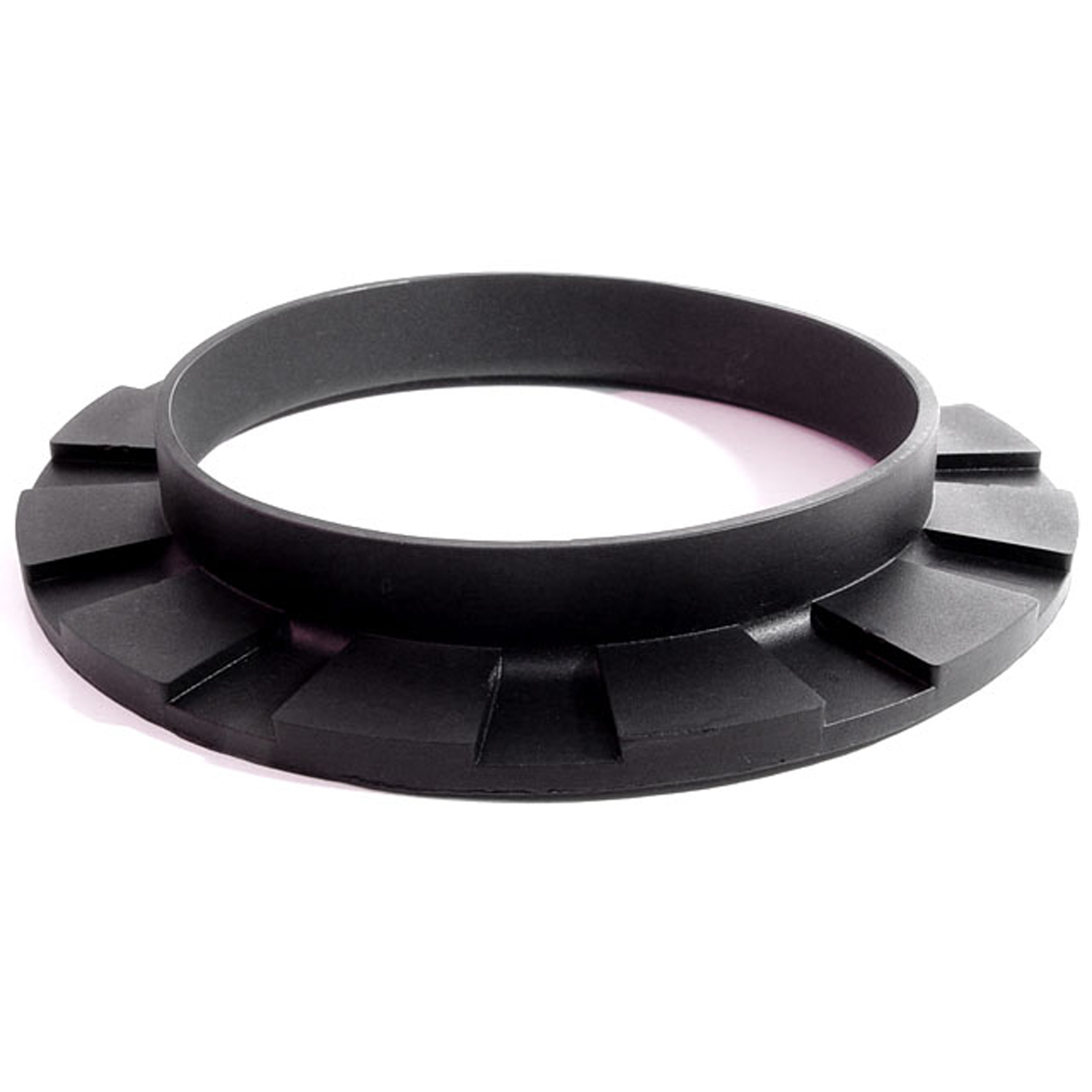 1966 Pontiac Grand Prix Front coil-spring insulator-BN 110Front coil-spring insulator. Fits '41-'60 Oldsmobile and '50-'83 GM passenger models. 5-3/8 in. OD x 3-3/4 in. ID x 3/4 in. high with 13/16 in. wide bottom flange 1/4" thick, 12 flutes. Each.
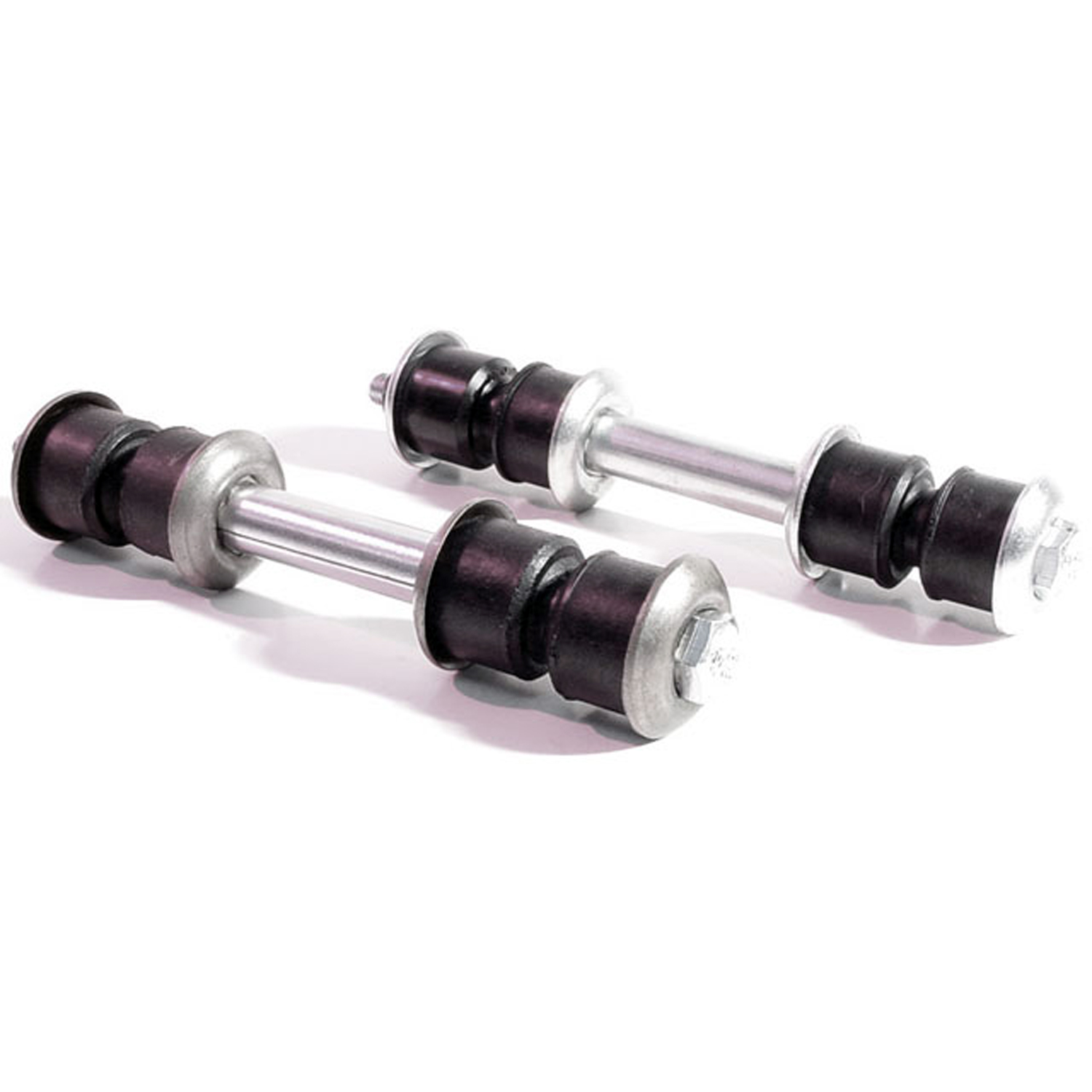 1966 Pontiac Grand Prix Front Stabilizer End Repair Kit-BNK 24Front Stabilizer End Repair Kit. 22-piece set for two stabilizer bars. Contains all rubber bushings, washers, bolts and nuts, enough for one front end. Set
 1966 Pontiac Grand Prix Butyl Glass Setting Tape-BT 1Butyl Glass Setting Tape. Used to install windshields and backlights. Superior sealing properties. 5/16" wide X 15' long. Each
 1966 Pontiac Grand Prix Clutch and Brake Pedal Pads. Exact reproduction-CB 99Clutch and Brake Pedal Pads. Exact reproduction. 3-1/2" wide. Pair
 1966 Pontiac Grand Prix Park Brake Pedal Pad. 2-9/16" wide. Each-CB 99-APark Brake Pedal Pad. 2-9/16" wide. Each
 1966 Pontiac Grand Prix Auto Brake Pedal Pad. 5-7/8" wide. Each-CB 99-BAuto Brake Pedal Pad. 5-7/8" wide. Each
 1966 Pontiac Grand Prix Cowl and Hood Seal. 64-1/2" long. Each-CS 6-ACowl and Hood Seal. 64-1/2" long. Each
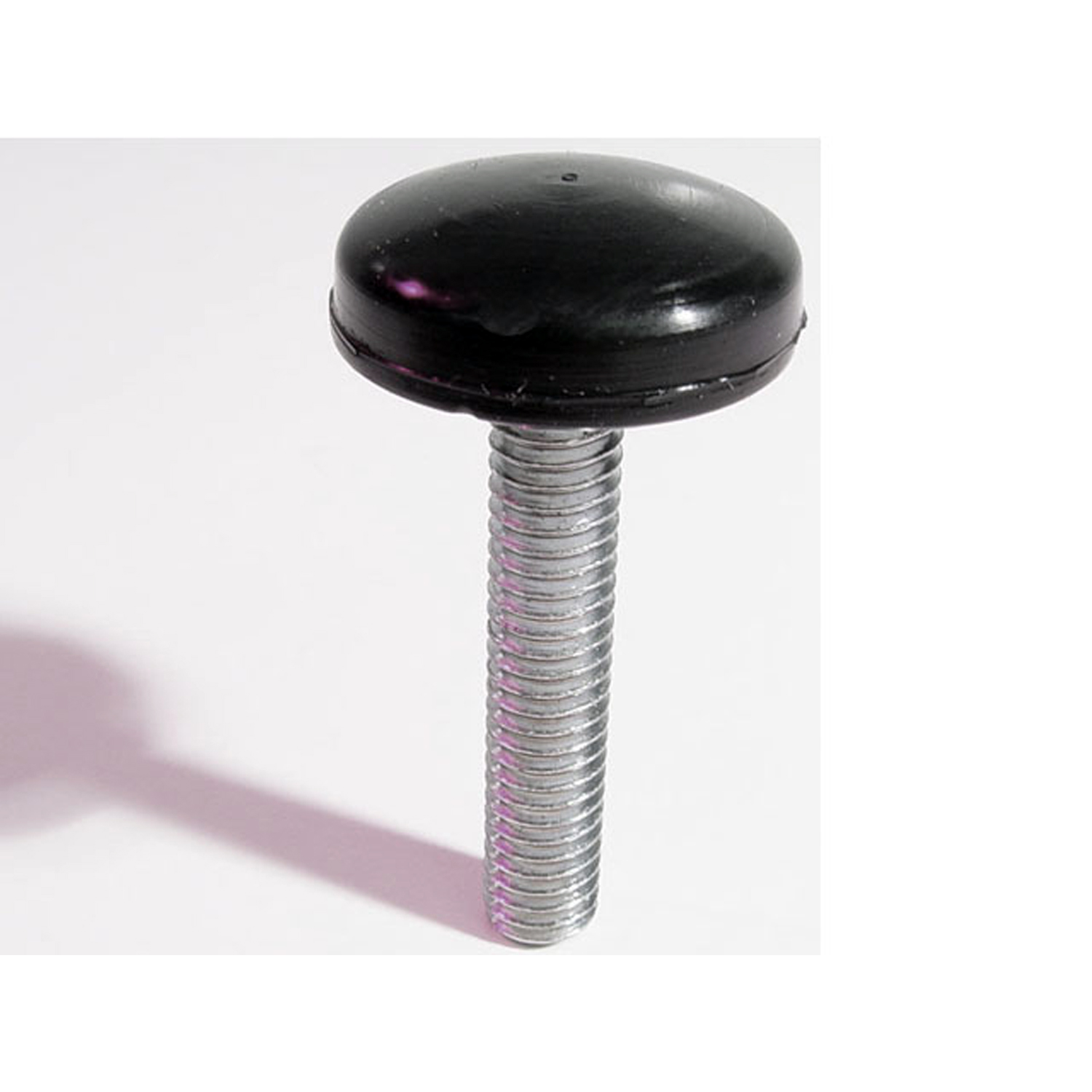 1966 Pontiac Grand Prix Hood Adjustment Bolt and Bumper. 1" diameter rubber head-HA 2Hood Adjustment Bolt and Bumper. 1" diameter rubber head. 5/16" thick X 18 threads/inch X 1-3/4" long bolt. Each
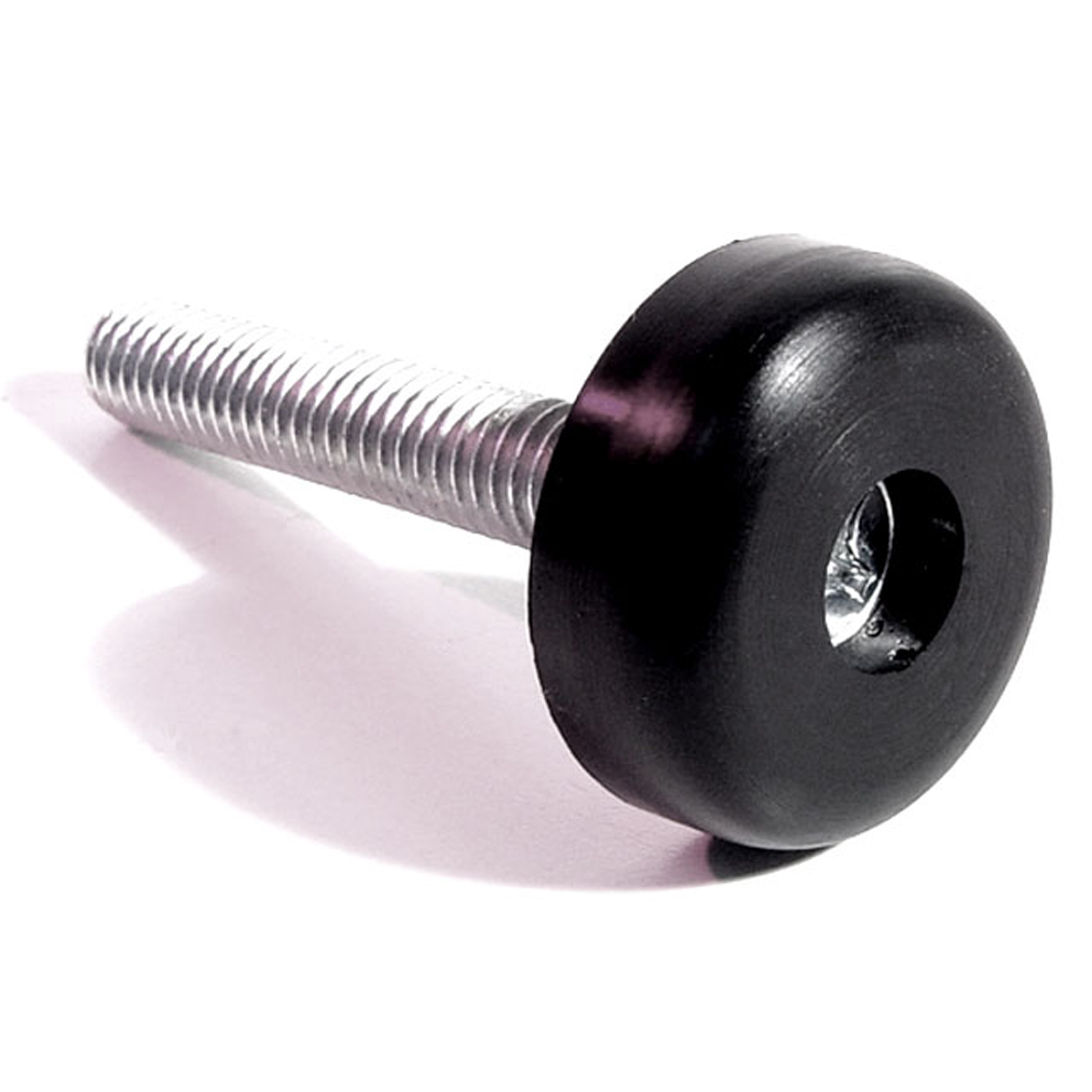 1966 Pontiac Grand Prix Hood Adjustment Bolt and Bumper-HA 3Hood Adjustment Bolt and Bumper. 1-1/8" diameter rubber head. 5/16" thick X 18 threads/inch X 2-1/8" long bolt. Each
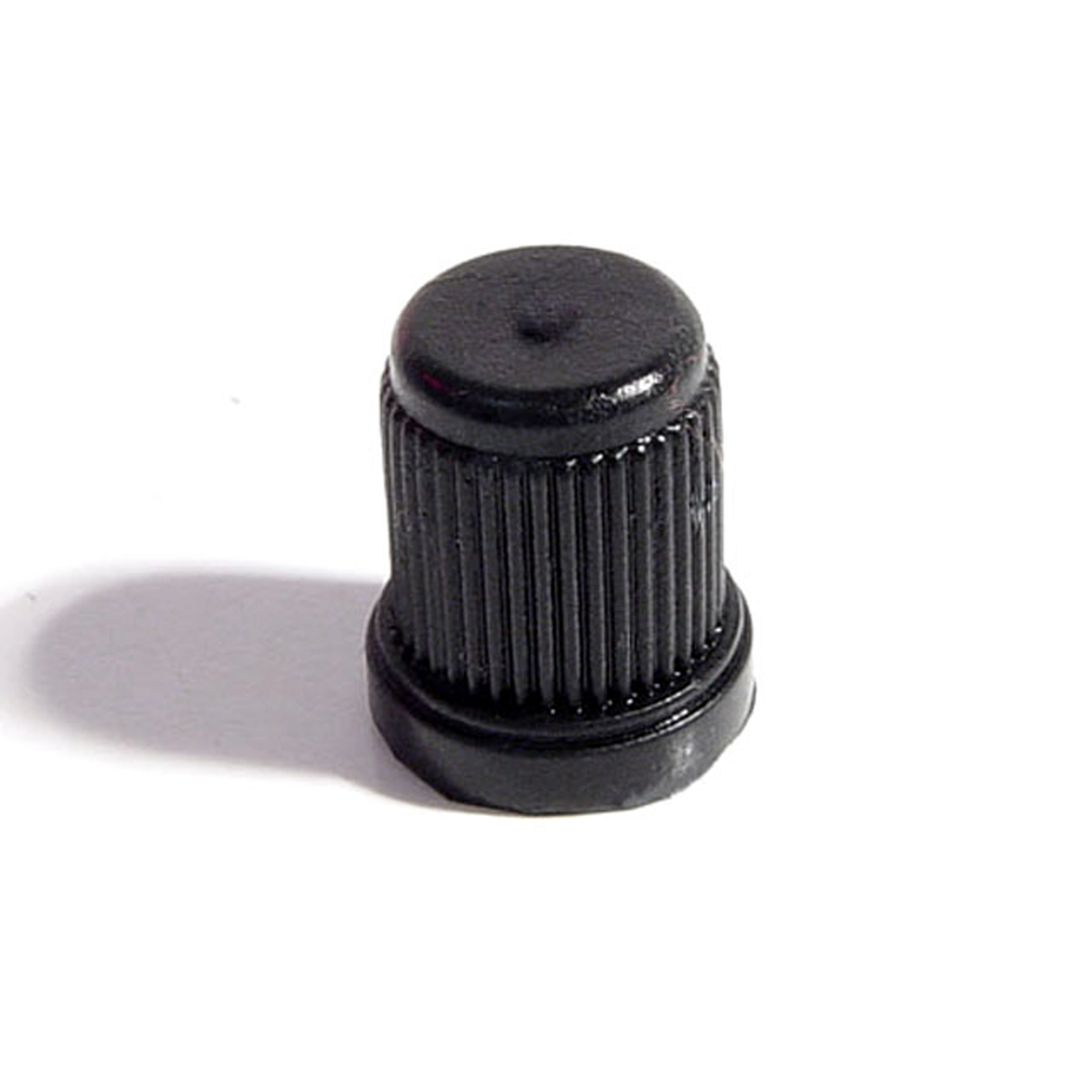 1966 Pontiac Grand Prix Trip Meter Reset Knob. Made of black rubber-KN 10Trip Meter Reset Knob. Made of black rubber. Compare to measurements: 1/8" I.D., 7/16" O.D. X 1/2" tall. Each
 1966 Pontiac Grand Prix Door Seals, with Clips and Molded Ends-LM 20Door Seals, with Clips and Molded Ends. For 2-Door Hardtops and Convertibles. Replaces OEM #4456006/7. Pair R&L
 1966 Pontiac Grand Prix Molded Door Seals-LM 21-IMolded Door Seals. For 2-Door Hardtop and Convertibles (does not fit Grand Prix hardtop or formal top cars). Pair R&L. Original part numbers #7648132 and 7648133.
 1966 Pontiac Grand Prix Door Handle Pads. 2-5/8" long & 1-1/8" long. Set R&L-MP 989-DDoor Handle Pads. 2-5/8" long & 1-1/8" long. Set R&L
 1966 Pontiac Grand Prix Basic Kit, for 2-Door Hardtop-RKB 2009-108Basic Kit, for 2-Door Hardtop. Door (LM 20) Roof Rail (RR 5016) Trunk (TK 46-18), Seals.
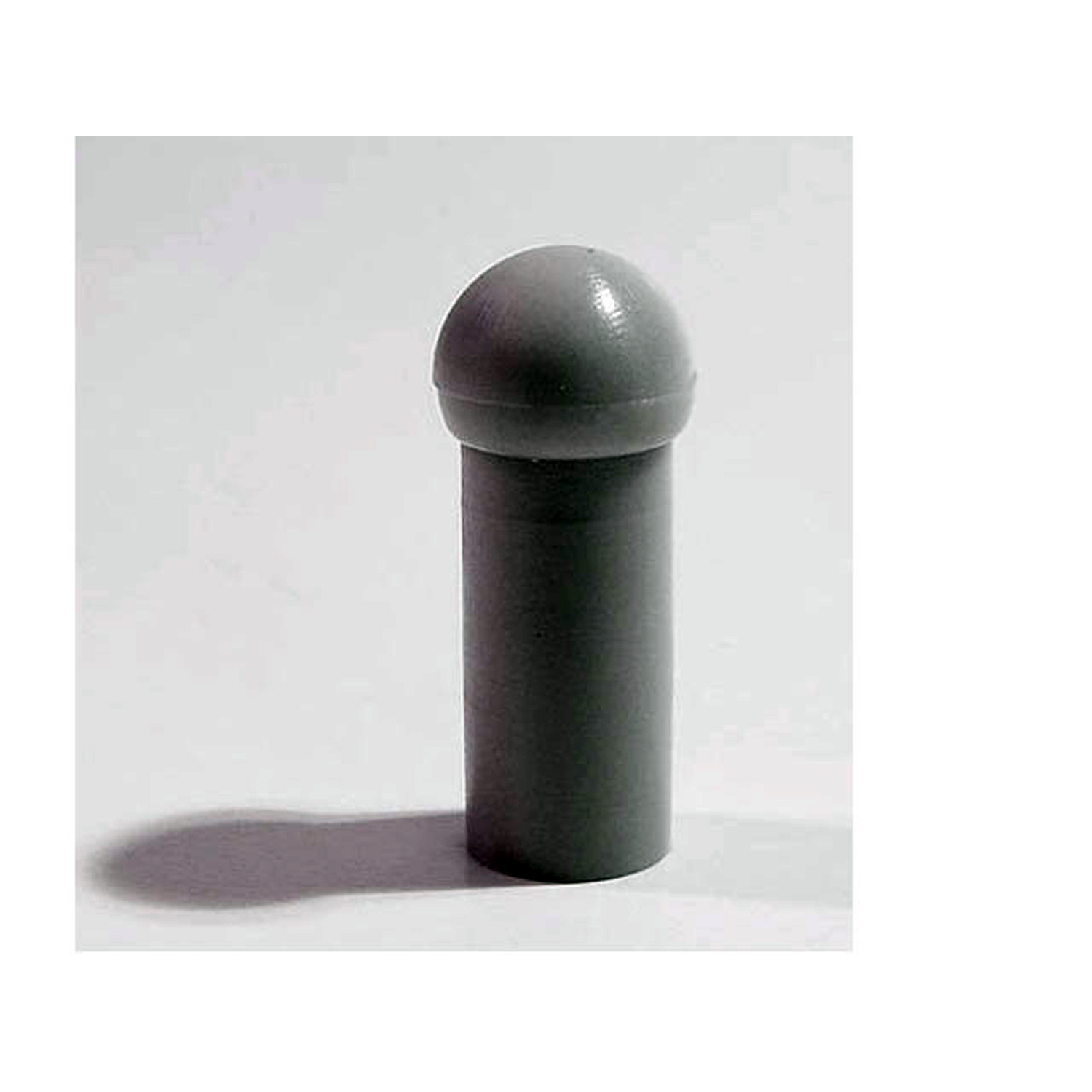 1966 Pontiac Grand Prix Sun Visor Rod Rubber Grommet. 3/4" long. Gray. Each-RP 303-CSun Visor Rod Rubber Grommet. 3/4" long. Gray. Each
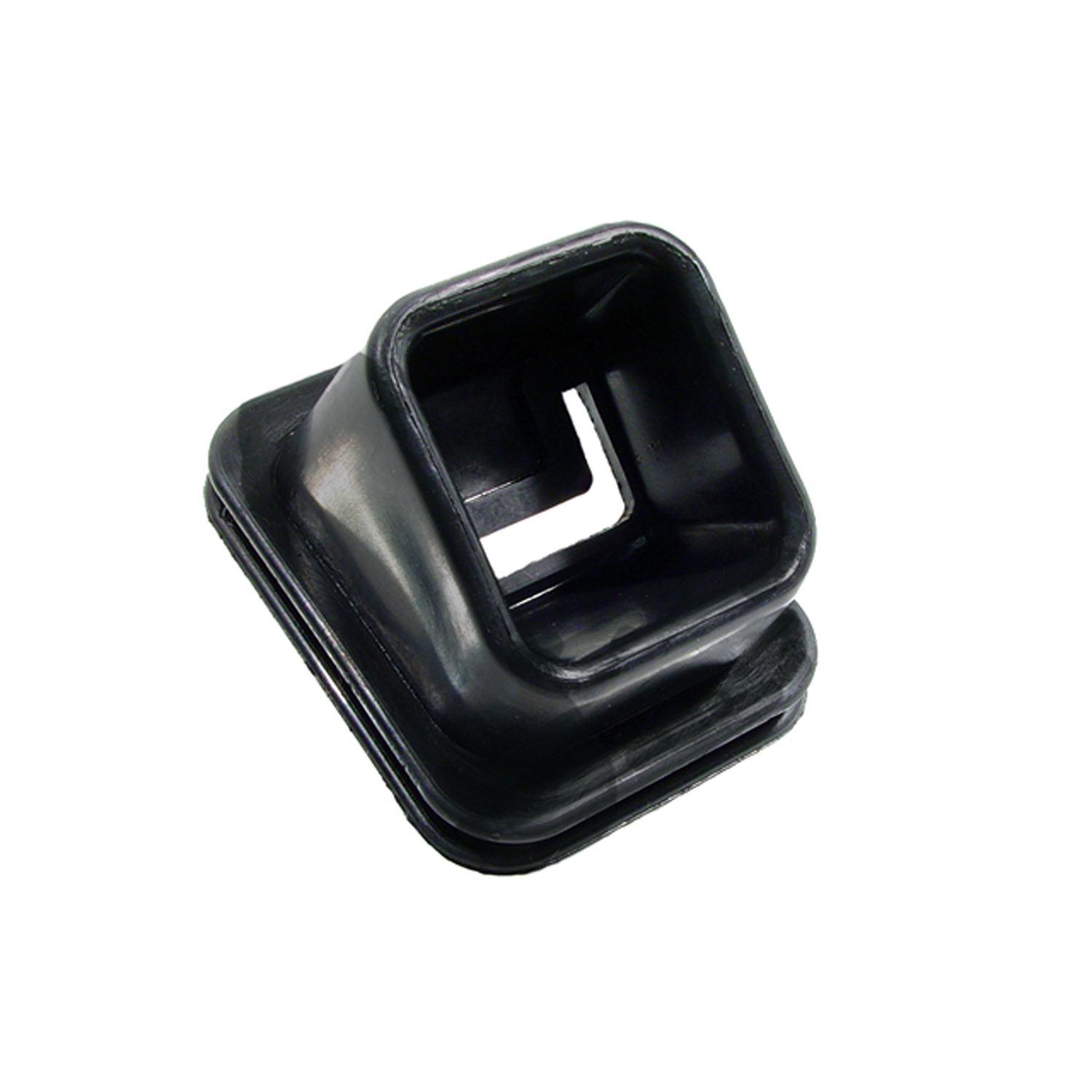 1966 Pontiac Grand Prix Clutch Arm Fork Boot. Fits on bell housing to keep dirt out-RP 31-DClutch Arm Fork Boot. Fits on bell housing to keep dirt out. Each
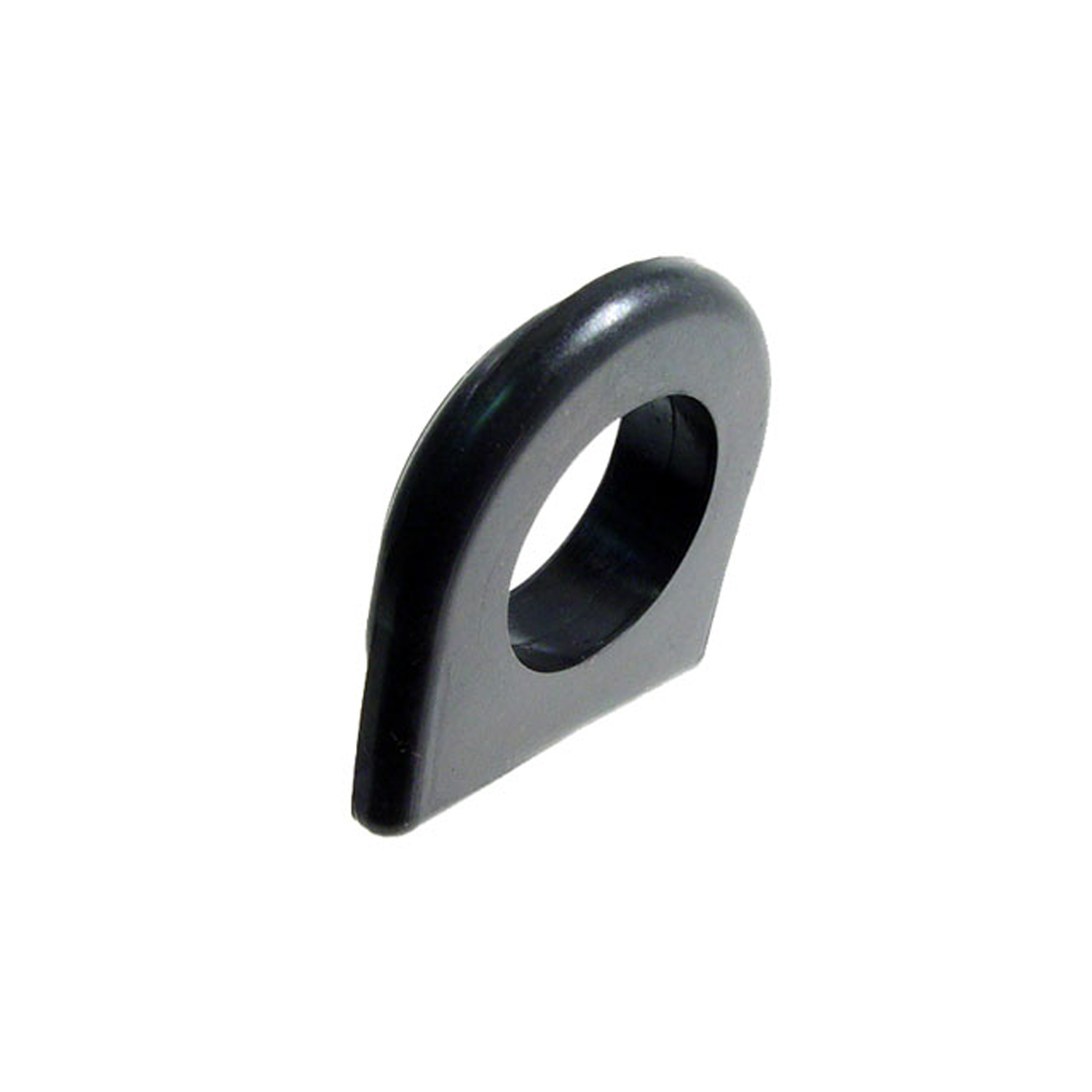 1966 Pontiac Grand Prix Positive Crankcase Ventilation Grommet-RP 9Positive Crankcase Ventilation Grommet. 11/16" wide X 1-5/8" long, with 15/16" I.D. (Fits some models) Each
 1966 Pontiac Grand Prix Molded Roof Rail Seals. For 2-door hardtops. Pair R&L-RR 5016Molded Roof Rail Seals. For 2-door hardtops. Pair R&L
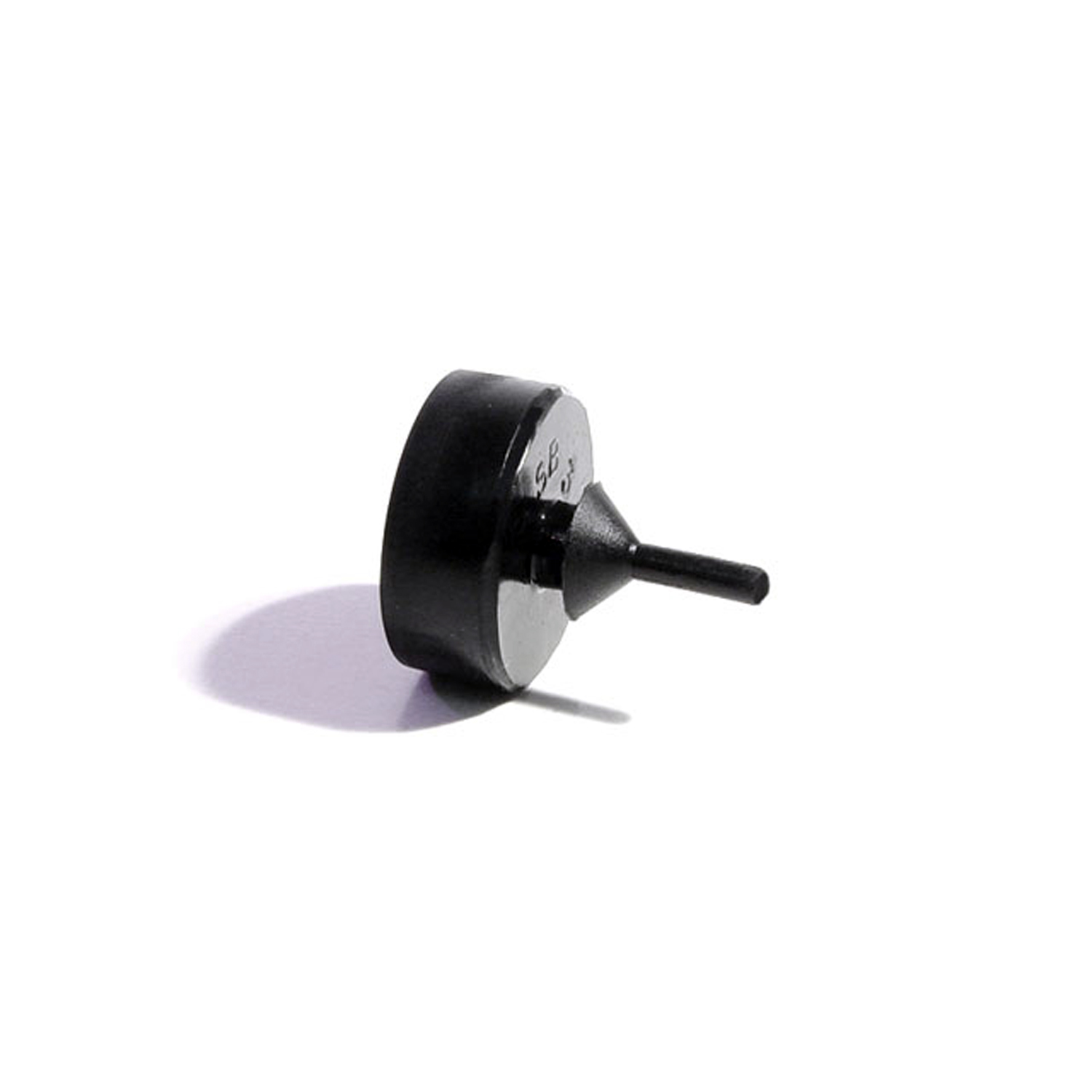 1966 Pontiac Grand Prix Trunk Bumper. Fits lower corner on decklid. 15/16" O.D-SB 34Trunk Bumper. Fits lower corner on decklid. 15/16" O.D., 11/16" high. Each
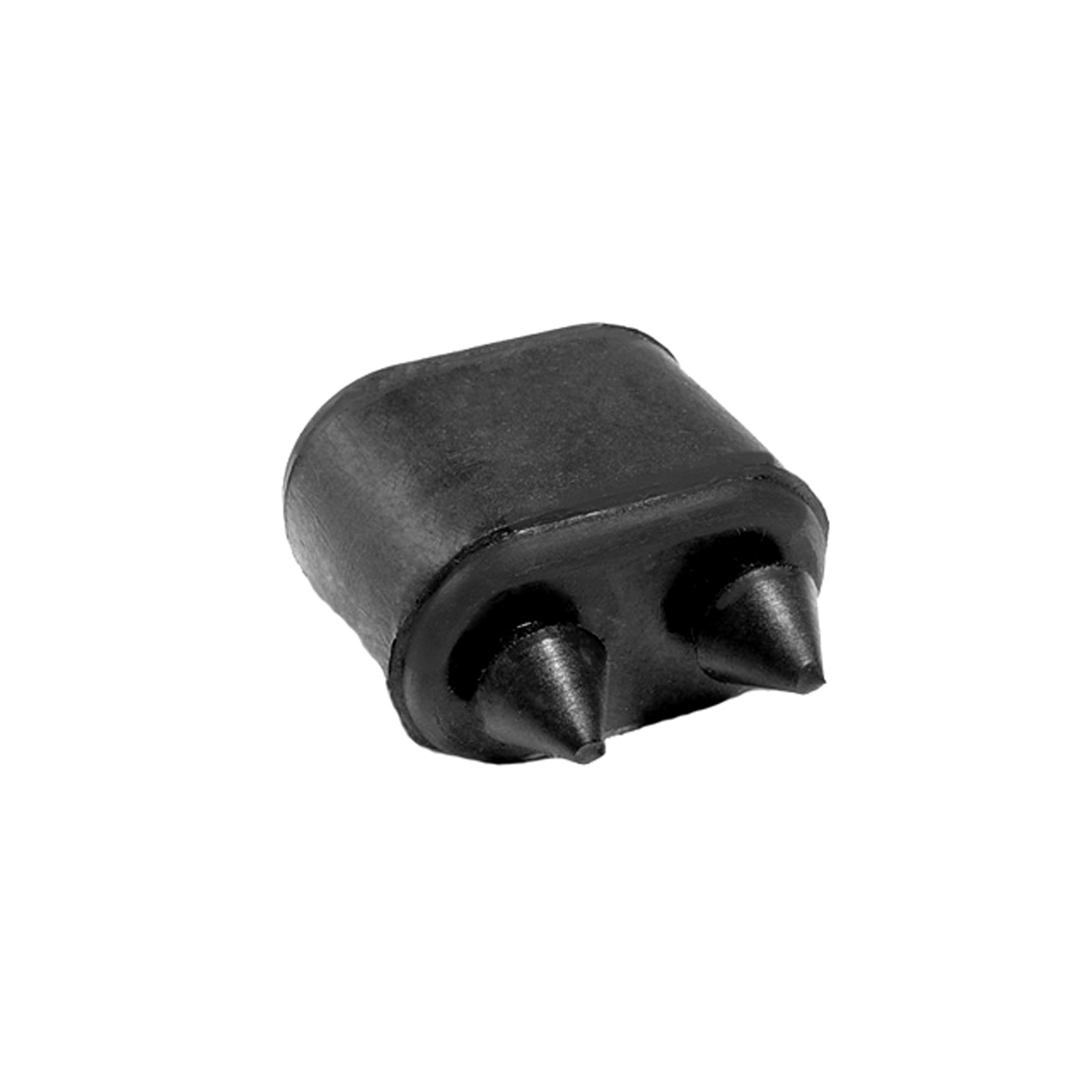 1966 Pontiac Grand Prix Door Bumper, 57-74 GM Cars, Made with Twin Retainers, Each-SB 35Door Bumper, 57-74 GM Cars, made with twin retainers, Each. Measure 1-1/16" high X 19/32" wide X 1-1/32" long.
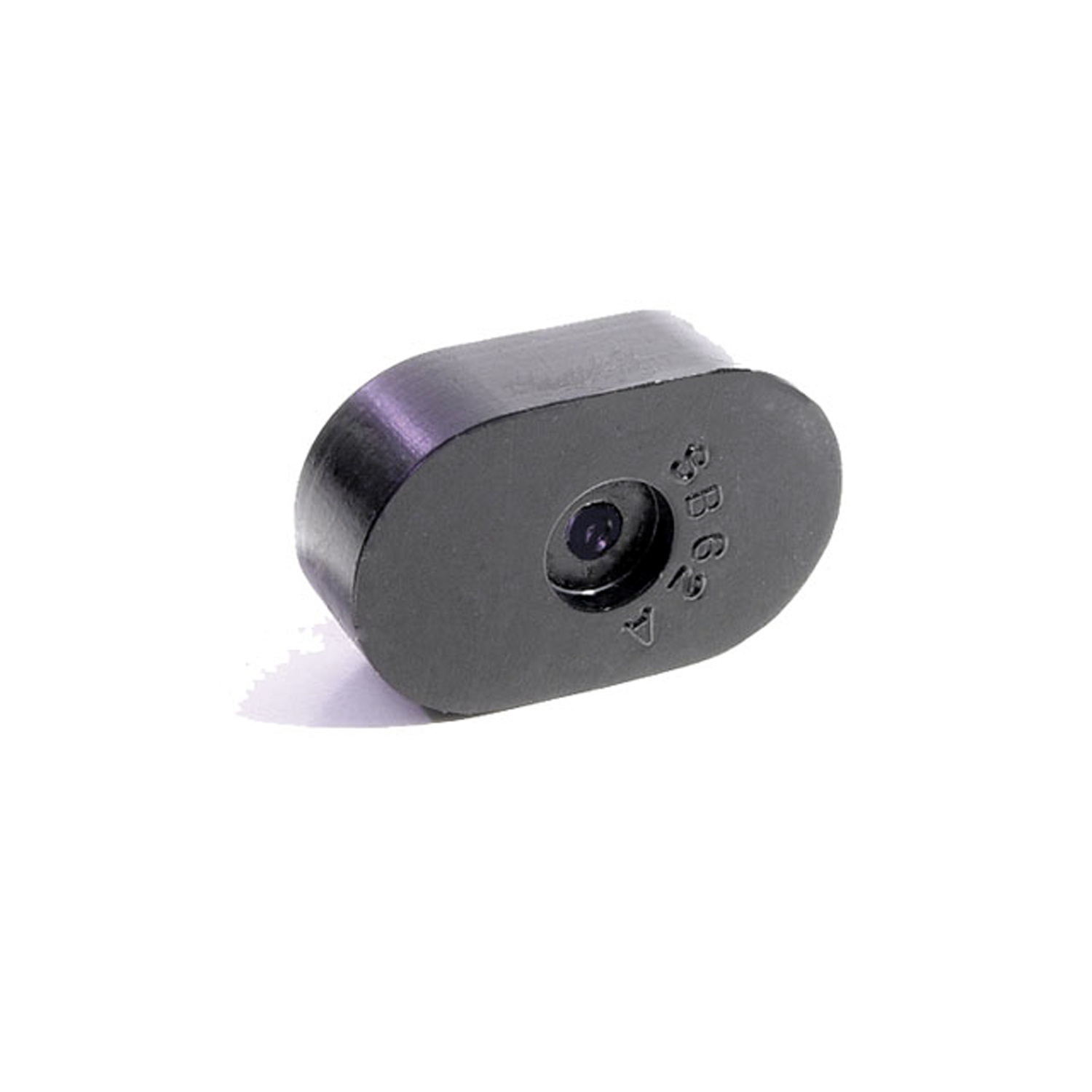 1966 Pontiac Grand Prix Seat Bumper. Made with steel core like original-SB 62-ASeat Bumper. Made with steel core like original. 1-1/2" long, 7/16" thick. Two used per car. Each
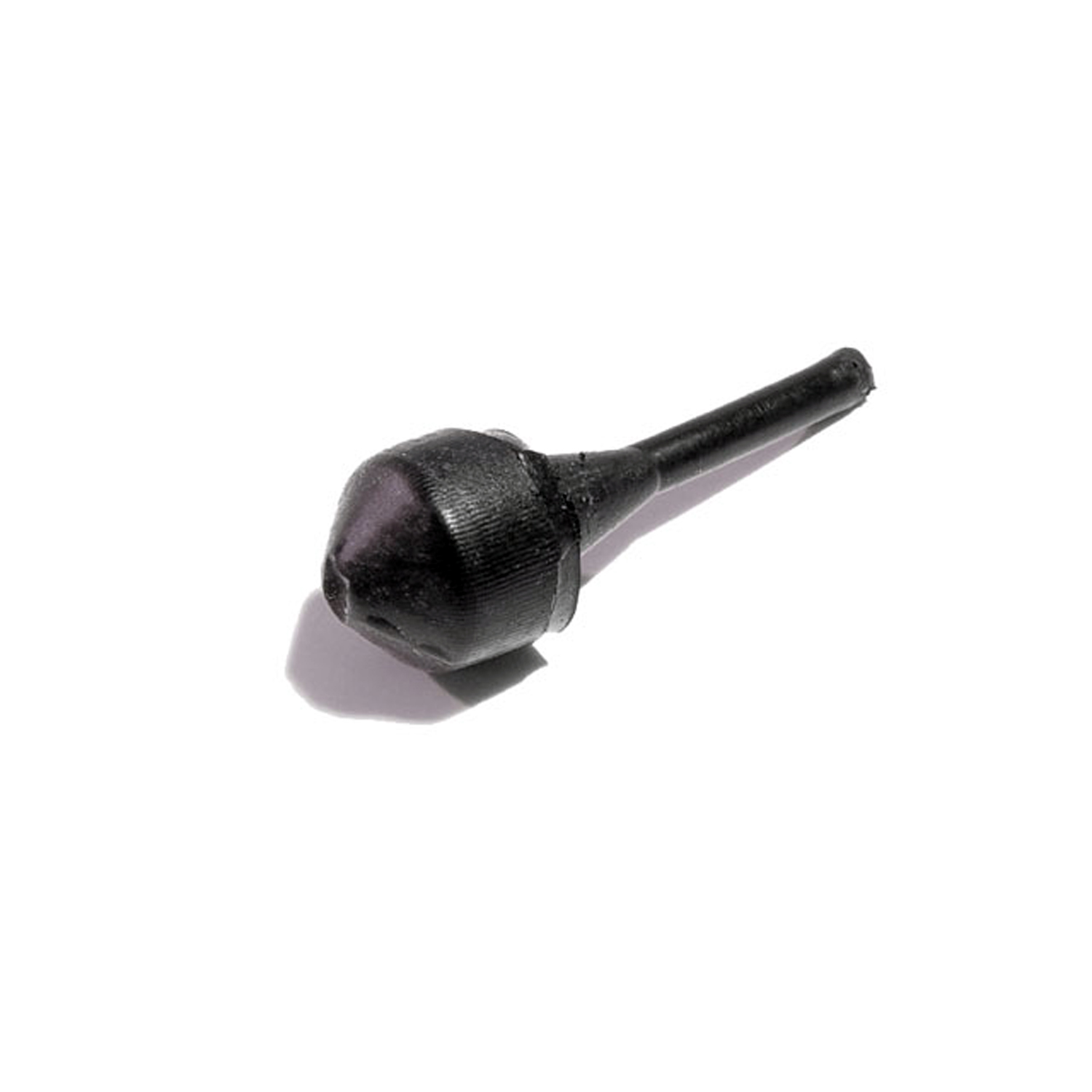 1966 Pontiac Grand Prix Glove Box and Fuel Door Bumper. Fits 3/16" hole. Each-SB 78Glove Box and Fuel Door Bumper. Fits 3/16" hole. Each
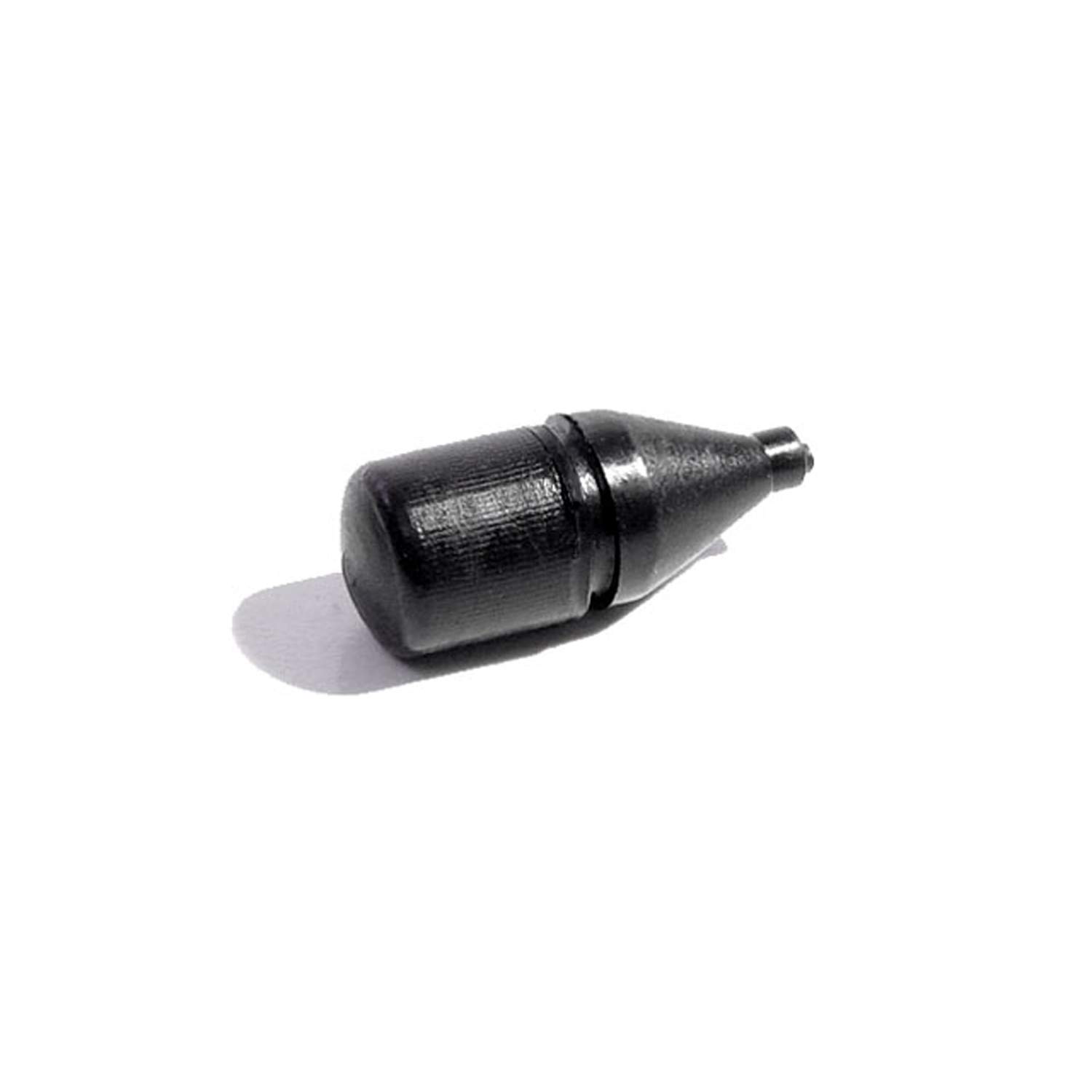 1966 Pontiac Grand Prix Fuel Door Bumper. 7/8" high, 5/16" O.D. Each-SB 81Fuel Door Bumper. 7/8" high, 5/16" O.D. Each
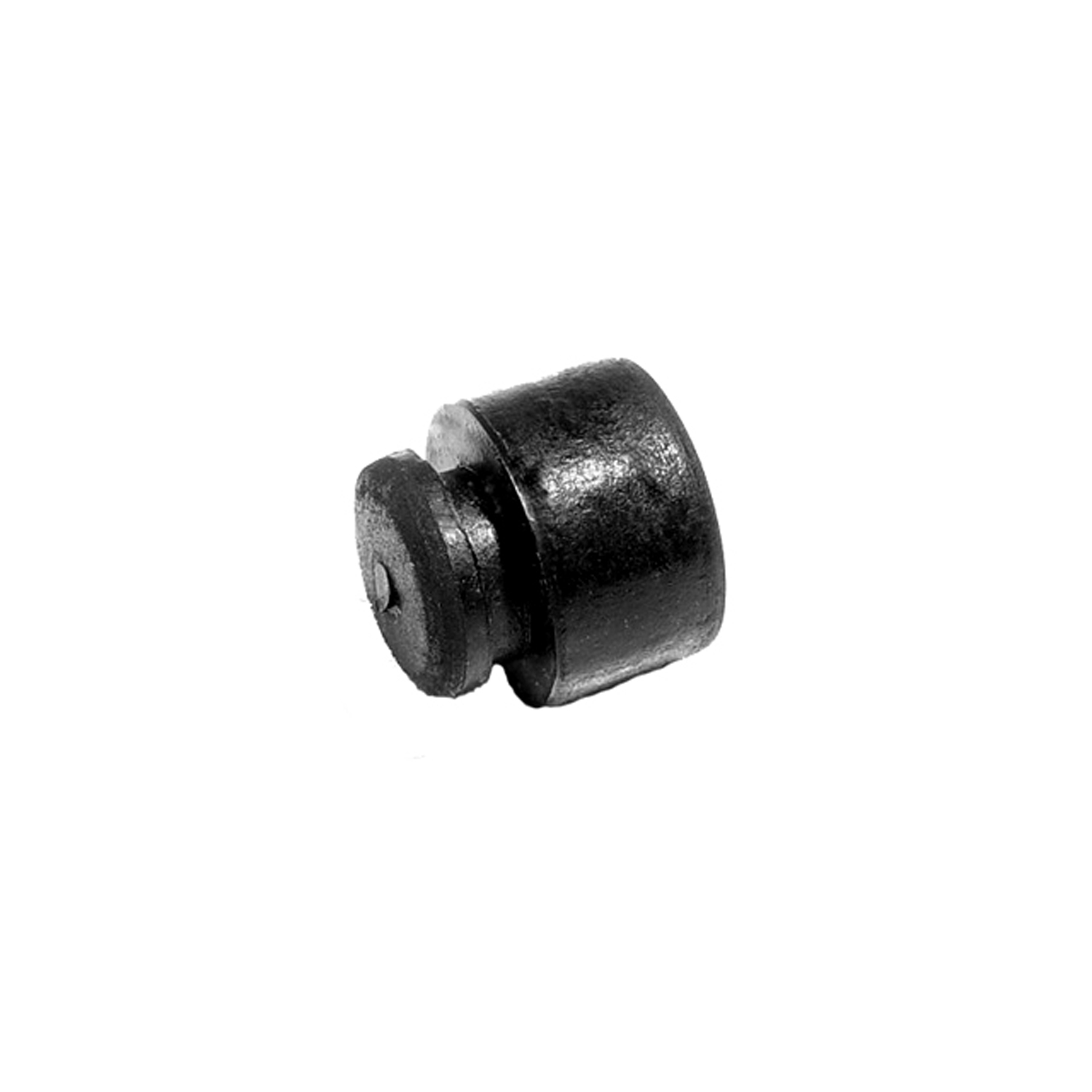 1966 Pontiac Grand Prix License Plate Bumper. Fits a 1/4" hole. Each-SB 82License Plate Bumper. Fits a 1/4" hole. Each
 1966 Pontiac Grand Prix A-Arm Dust Shields, 65-70 Pontiac "B" Body Models, Pair-SI 2007-105A-Arm Dust Shields, 65-70 Pontiac "B" Body Models, Pair. R&L. Installation staples included.
 1966 Pontiac Grand Prix Dash and Firewall Grommet. Two hole type. Each-SM 101-ADash and Firewall Grommet. Two hole type. Each
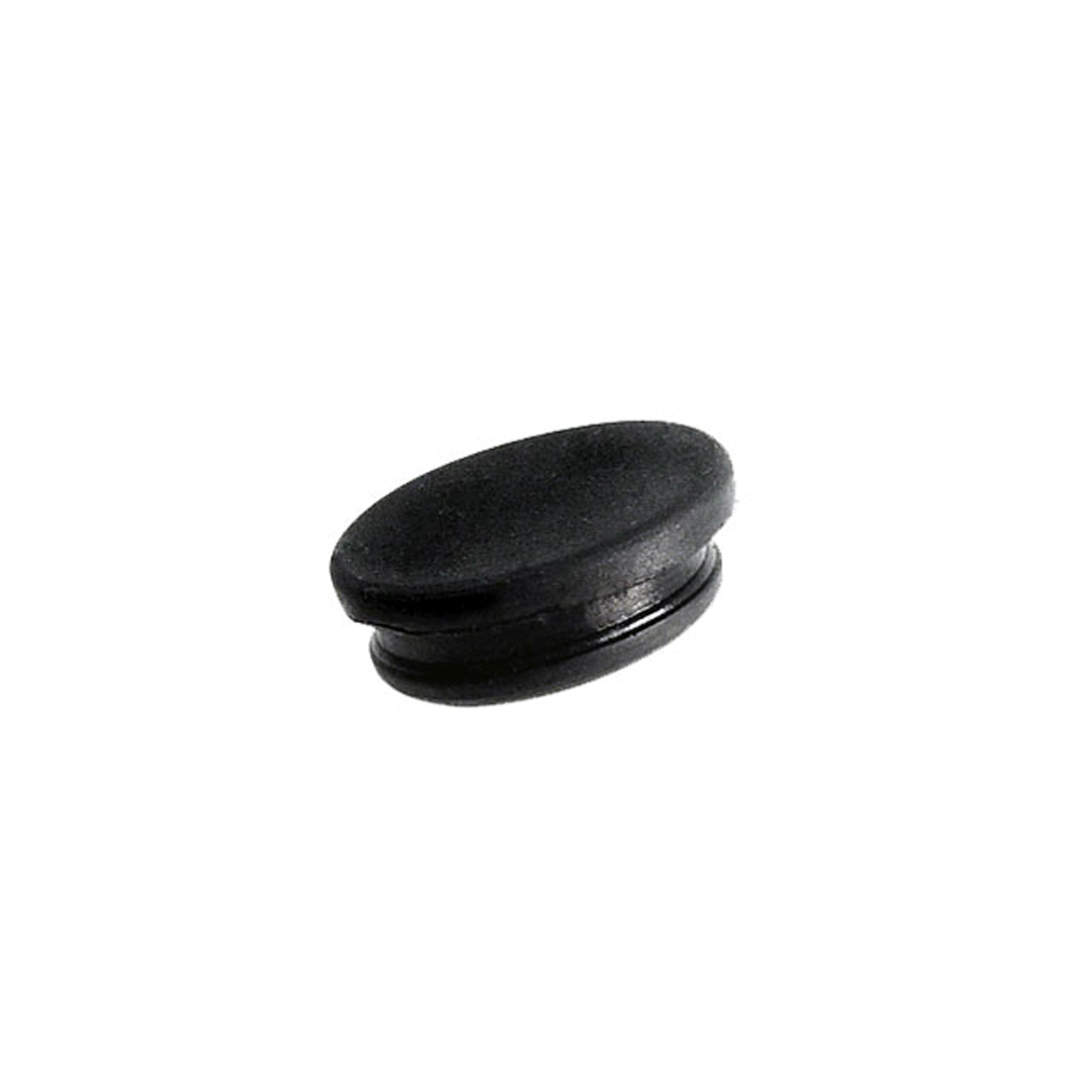 1966 Pontiac Grand Prix Rocker Arm Cover. Neoprene plug. Fits 1" hole. Each-SM 66Rocker Arm Cover. Neoprene plug. Fits 1" hole. Each
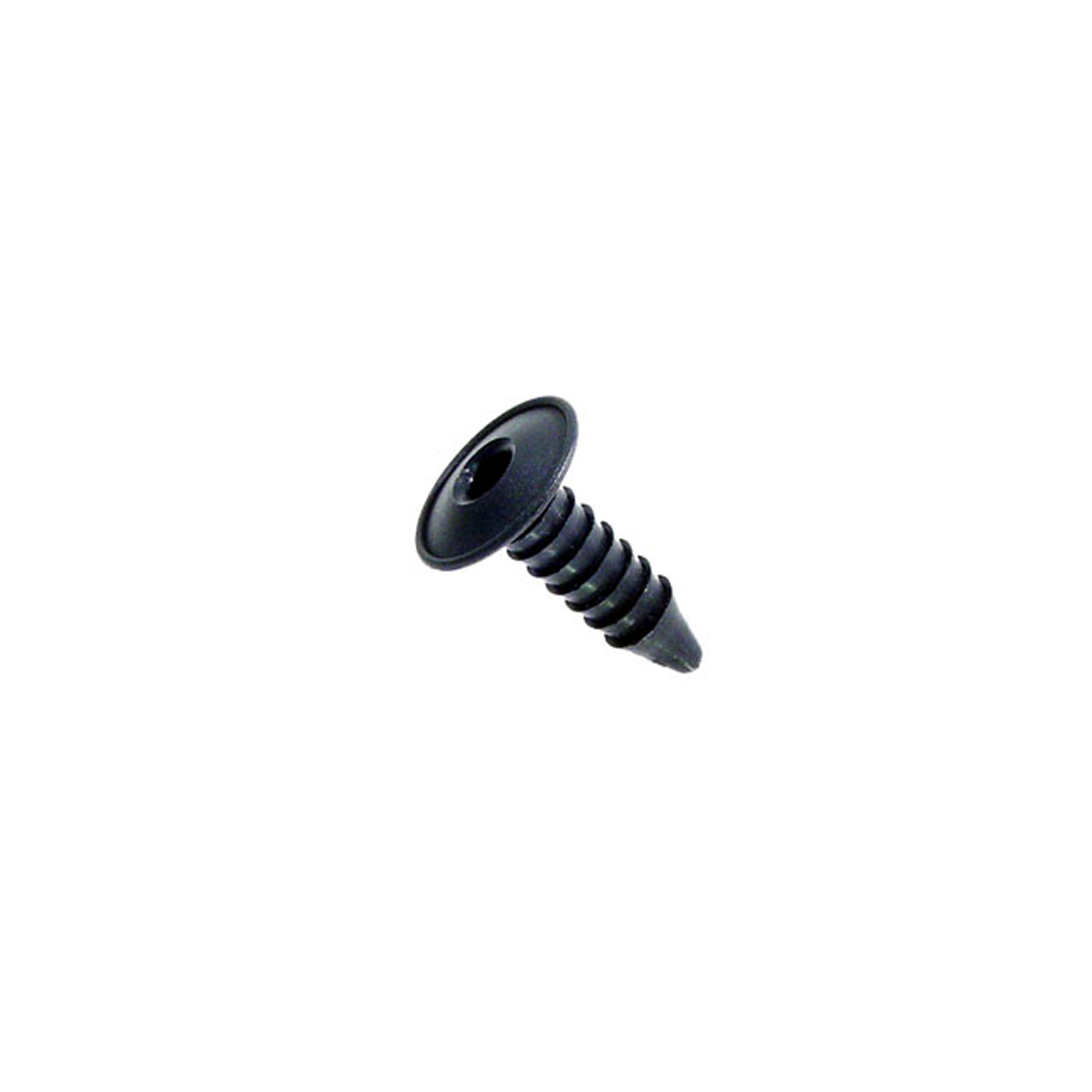 1966 Pontiac Grand Prix Firewall insulation fastener. 1 in. dia. W head. 1-1/2 in. L-SM 80-AFirewall insulation fastener. 1 in. dia. W head. 1-1/2 in. L. Replaces OEM#'s (GM) 7642589 and (AMC) 4001934. Black. Each.
 1966 Pontiac Grand Prix Trunk Seal. 18 feet long. Each-TK 46-18Trunk Seal. 18 feet long. Each
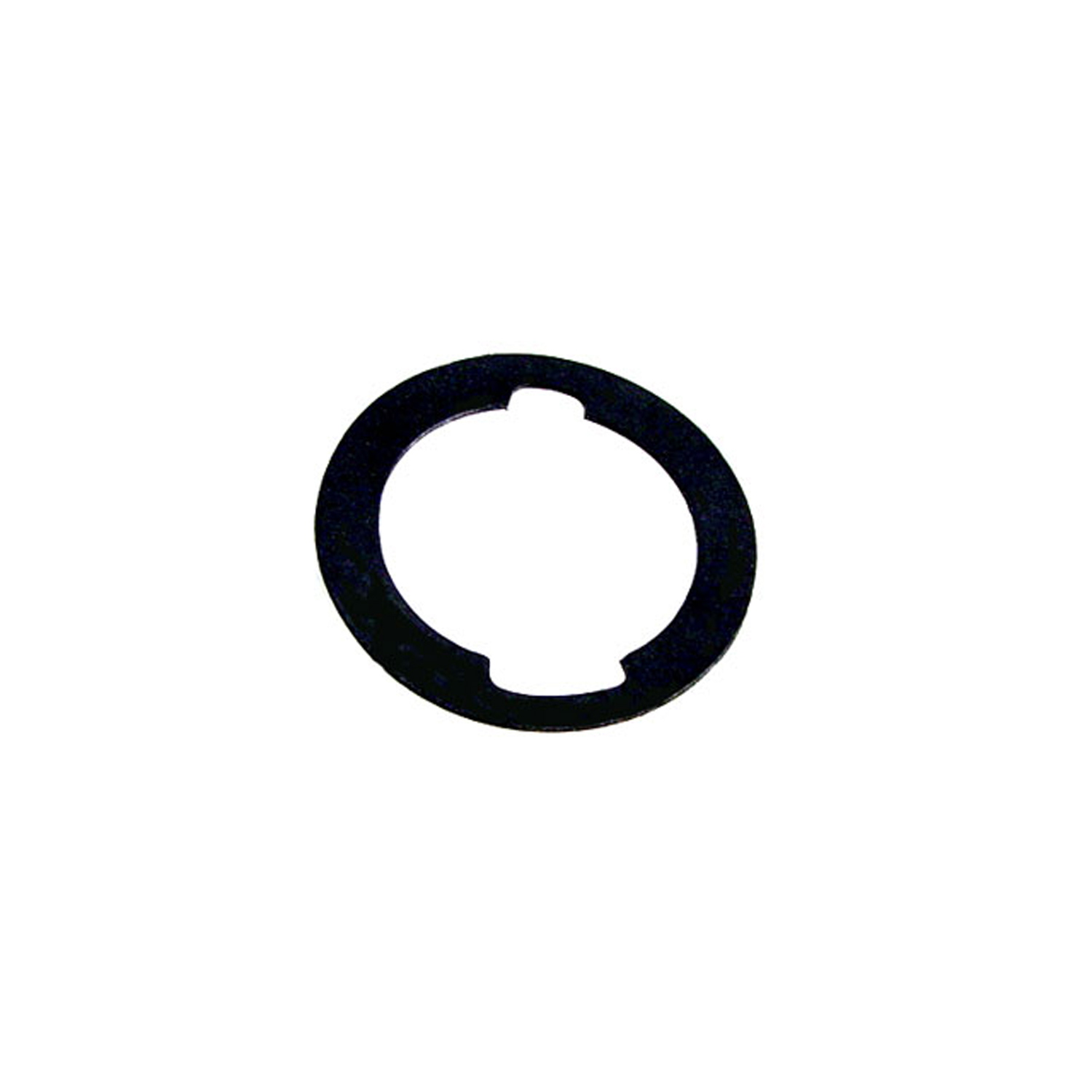 1966 Pontiac Grand Prix Unbeaded Door and Trunk Lock Gasket. 1-3/16" O.D., 7/8" I.D-UM 1600-100Unbeaded Door and Trunk Lock Gasket. 1-3/16" O.D., 7/8" I.D. Each
 1966 Pontiac Grand Prix Air Conditioning Evaporation Drain Tube. 6-7/8" long-VH 102-GAir Conditioning Evaporation Drain Tube. 6-7/8" long. Each
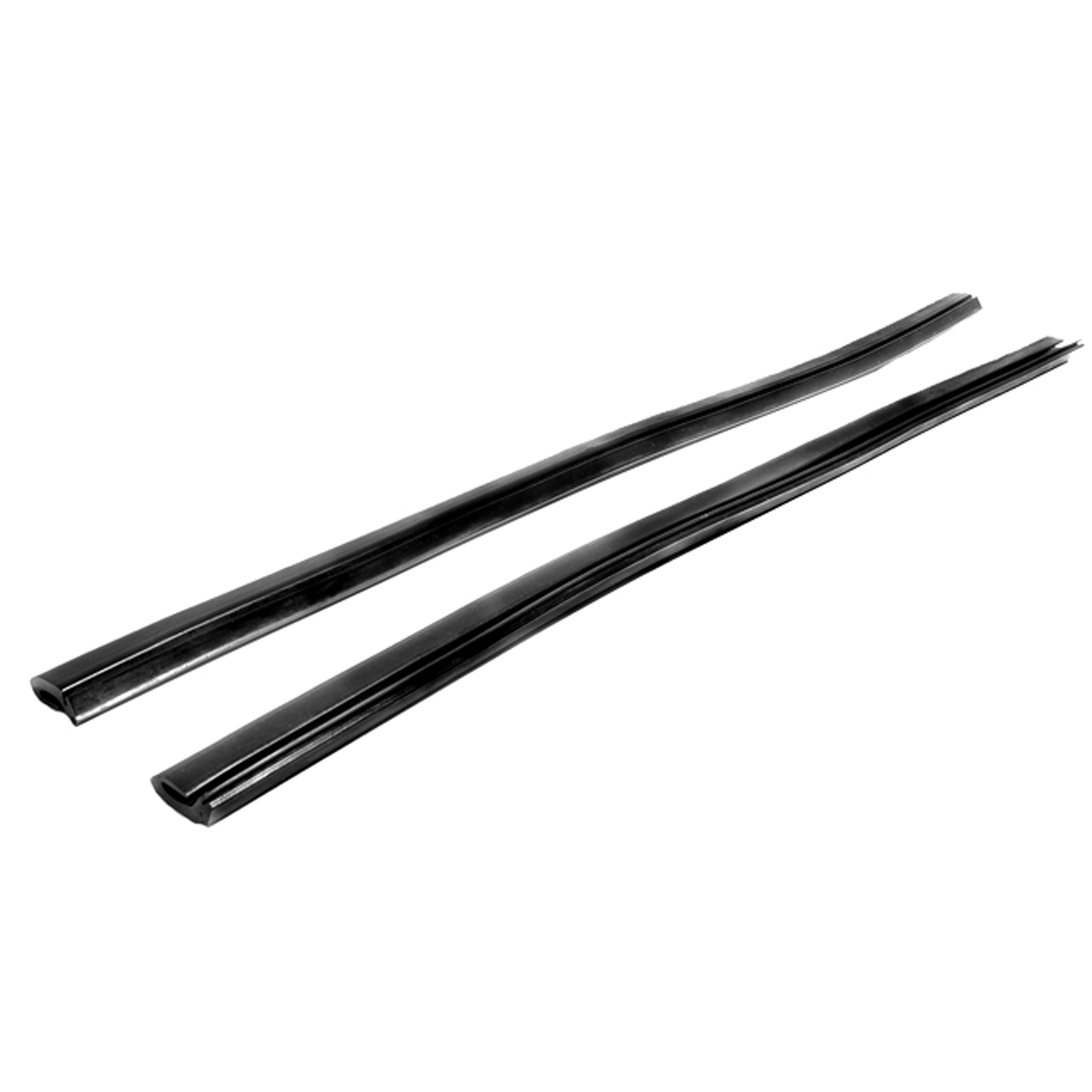 1966 Pontiac Grand Prix Rear Side Roll-Up Window Seal, for Hardtops and Convertibles-VS 3Rear Side Roll-Up Window Seal, for Hardtops and Convertibles. Two 20" sections slide into metal track. No steel insert. Pair
 1966 Pontiac Grand Prix Rear Roll-up Quarter Window Seals, for 2-Door Hardtops-VS 3-GRear Roll-up Quarter Window Seals, for 2-Door Hardtops. For leading edge of rear roll-up quarter window. Made with steel cores. 16-3/4" long. Pair R&L
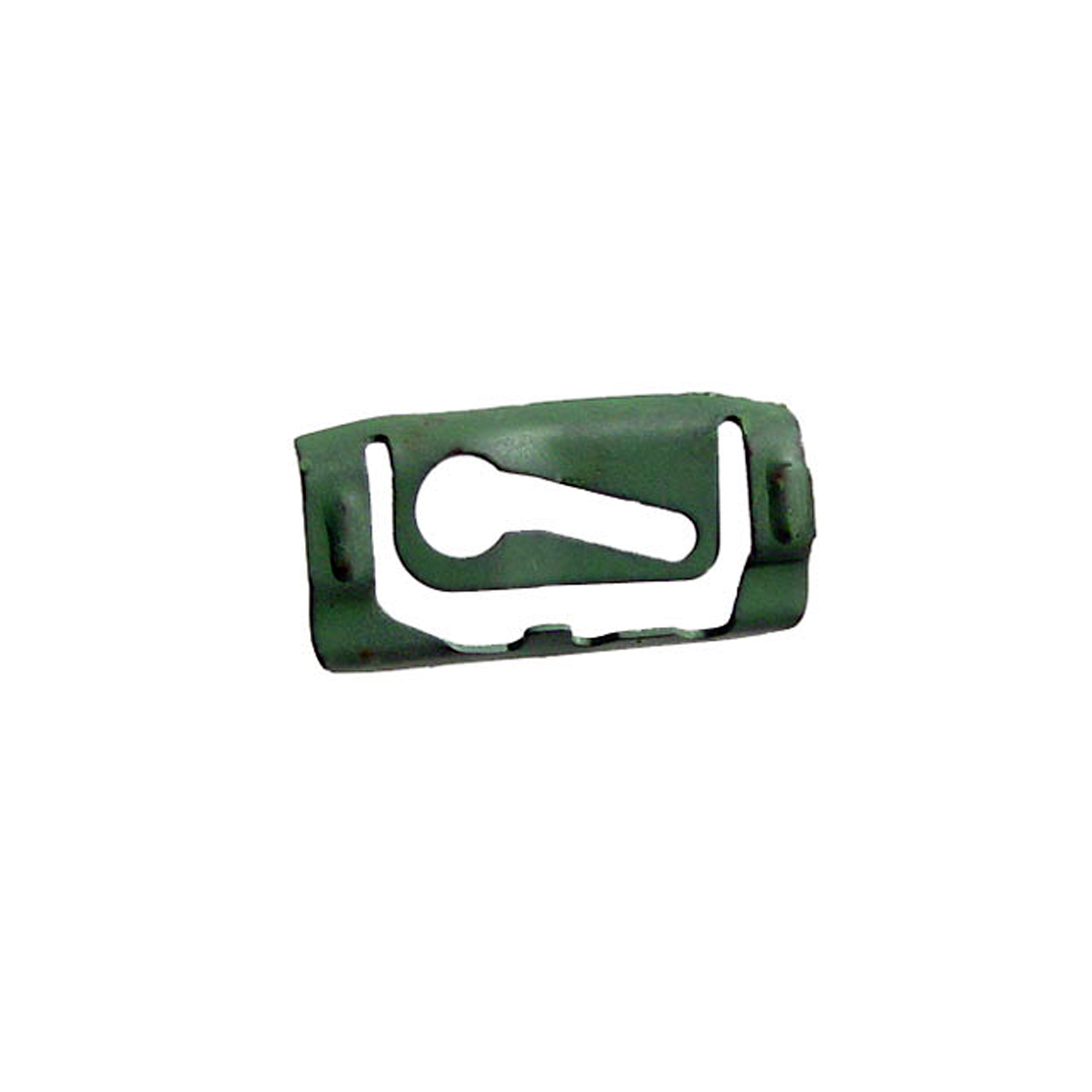 1966 Pontiac Grand Prix Quarter Window Reveal Molding Clip. Made of Steel-WF 205Quarter Window Reveal Molding Clip. Made of Steel. 1-3/8" X 11/16". Each
 1966 Pontiac Grand Prix Vent window and rear division channel seals-WR 2002-EVent window and rear division channel seals. Fits '65-'68 GM B-body and C-body 2-door and 4-door hardtops and convertibles. Top quality EPDM dense rubber. 4-piece set. R&L.
Why Choose Metro?
For over 100 years, Metro Moulded Parts has been the pinnacle of quality in classic car restoration parts. Our commitment to precision and authenticity in every component ensures a perfect fit and an OEM-level appearance.
- Expert Craftsmanship & Quality: Each part is a testament to our dedication to reliability and perfection, crafted from original designs and thoroughly tested.
- Advanced Technology: We use cutting-edge techniques to create flawless, long-lasting parts that surpass others in performance.
- SuperSoft Sponge – The Ultimate Door Seal: Not only are our door seals 30% softer than competitors', but they're also guaranteed to never leak. They effectively reduce wind and road noise, enhancing your classic car's comfort and driving experience.
- Proudly American: Our parts are a product of American craftsmanship, made in the USA with a spirit of excellence and heritage.
- Unrivaled Warranty: We back our products with a 30-year industry-leading warranty, a testament to our confidence in their quality.
Join us in preserving the legacy of classic cars with parts that are crafted for perfection, not just made.