

Image of 1968 Pontiac Executive, Note: These illustrations use artistic license and may differ from actual historical models.
Performance Metrics
Fundamental Metrics
Emotional Appeal
MMP Rating
| Engine Specifications | |
|---|---|
| Engine: | 400 cu in (6.6 L) V8, 428 cu in (7.0 L) V8 |
| Displacement: | 400-428 cu in |
| Horsepower: | 265-375 hp |
| Torque: | 397-472 lb-ft |
| Compression Ratio: | 10.5:1 |
| Ignition System: | Conventional breaker-point ignition system |
| Cooling System: | Liquid-cooled |
| Performance Specifications | |
| 0-60 Time: | Estimated 7-8 seconds |
| 1/4 Mile Time: | Estimated 15-16 seconds |
| Top Speed: | 120 mph |
| Transmission and Drive | |
| Drive Type: | Rear-wheel drive |
| Transmission Type: | 3-speed automatic, 4-speed manual |
| Fuel and Efficiency | |
| Fuel System Type: | Carburetor |
| MPG: | Estimated 10-12 mpg |
| Dimensions and Brakes | |
| Brakes: | Front disc and rear drum brakes |
| Wheelbase: | 121 inches |
| Weight: | 3,900-4,200 lbs |
Note: Specifications for classic cars are given to the best of our ability, considering the limited and variant data available.
1968 Pontiac Executive: Pontiac’s Full-Size Middle Ground
The 1968 Pontiac Executive offered a generous slice of Pontiac luxury without moving all the way up to the flagship Bonneville. Built by Pontiac, a division of General Motors, it was a full-size American car with roomy proportions, V8 power and a more polished feel than the entry-level Catalina.
The Executive arrived for 1967, taking over the place in Pontiac’s lineup once occupied by the Star Chief. For 1968, it continued as the brand’s well-equipped middle tier: above the Catalina, below the Bonneville and aimed at buyers who wanted comfort and presence without paying for every flagship flourish. One intriguing detail is how little its name tells you about its range. The Executive could be a stately four-door sedan, a hardtop with no fixed center pillar, or a family-sized Safari wagon.
Wide-Track Style and Full-Size Comfort
Pontiac’s 1968 full-size cars wore long, low bodies with a pronounced horizontal emphasis. The Executive’s broad grille, quad headlamps and substantial chrome bumpers gave it a confident face, while sculpted side panels and crisp character lines kept the long flanks from looking plain. Its roofline and rear styling varied by body style, but the overall effect was unmistakably late-1960s Pontiac: clean, imposing and deliberately wide-looking.
The Executive rode on a 124-inch wheelbase and measured roughly 215 inches overall, depending on body style. Pontiac promoted its wide-track stance as a source of both visual stability and confident road manners. The car shared its basic full-size platform with other Pontiacs, but Executive trim and equipment gave it a distinct place in the range.
Inside, the emphasis was on space and comfort. Buyers found broad bench seats, carpeting and a generously sized dashboard, with upholstery choices that included cloth and vinyl combinations as well as all-vinyl trim. The cabin was finished more richly than a basic Catalina, though it did not aim for the same top-of-the-line presentation as a Bonneville. Depending on equipment, the Executive could be ordered with conveniences such as power windows, power seats, air conditioning, a tilt steering wheel, cruise control and an upgraded radio. A padded dashboard and safety-conscious steering column reflected the period’s growing attention to occupant protection.
Exterior paint choices followed Pontiac’s bright, expressive late-1960s palette. Buyers could choose from shades such as Verdoro Green, Tyrol Blue, Cameo White and Starlight Black, among other colors. Verdoro Green was a particularly recognizable Pontiac choice of the era, while white, blue and black remained popular for buyers after a more restrained look. Exact availability depended on body style and order details.
The 1968 Executive was offered as a two-door hardtop, four-door hardtop, four-door sedan and Safari station wagon. The hardtops had no fixed center post between the side windows, giving them a more open appearance with the windows lowered. The four-door hardtop was a natural fit for buyers who wanted easier rear-seat access without giving up that pillarless profile. The Safari wagon, meanwhile, brought the Executive’s trim and comfort to family and cargo duty.
Where the Executive Fit in Pontiac History
The Executive was not a radical engineering breakthrough, and that was part of its appeal. It applied Pontiac’s familiar recipe of V8 power, expansive interiors and distinctive styling to a broad range of practical body styles. Its role was to bridge the gap between the Catalina and Bonneville, giving shoppers an upscale option without requiring them to buy Pontiac’s most expensive full-size model.
That middle position is also what makes the Executive interesting today. It reflects a period when American manufacturers could support several distinct full-size nameplates, each with its own trim and customer profile. The Executive shared important underpinnings with its Pontiac relatives, but its combination of size, equipment and price gave it a character of its own. It was a comfortable, capable everyday car rather than a specialized muscle car, even though some available engines delivered plenty of punch.
Pontiac’s wide-track styling and strong V8 identity helped define the brand through the 1960s. The Executive carried those cues into a family-oriented package. Its long, pillarless hardtops also captured a design fashion that would become less common as changing safety requirements and market tastes reshaped American car bodies.
400 and 428 V8 Performance
A 400-cubic-inch V8 was the Executive’s central engine choice. In period gross-horsepower ratings, the two-barrel version was commonly rated at about 265 horsepower, while a four-barrel 400 was rated around 330 horsepower. Buyers seeking more performance could select a 428-cubic-inch V8; high-output versions were rated as high as 390 gross horsepower. Those figures are period ratings measured under a different standard from today’s net-horsepower figures, so they should not be compared directly with modern engine ratings.
Transmission and axle choices affected how each car performed. Depending on configuration, an Executive could have a manual transmission or Pontiac’s three-speed Turbo Hydra-Matic automatic. The automatic suited the car’s relaxed touring character, while a manual transmission made the large Pontiac feel more directly connected to its driver.
There is no single dependable 0-to-60 mph or top-speed figure for every 1968 Executive. Performance varied with engine, transmission, axle ratio, body style and vehicle condition. As a broad period-car estimate, a 400-powered car might reach 60 mph in roughly 9 to 11 seconds, with stronger 400 or 428 combinations potentially dropping into the high-seven-to-eight-second range. A well-equipped car with a suitable axle ratio could approach roughly 110 to 125 mph, though that is an estimate rather than a universal factory specification. These are large, heavy cars, and gearing mattered as much as the engine badge.
On the road, the Executive feels substantial. Its coil-spring front suspension, live rear axle and full-size chassis favor a smooth, unhurried ride over sharp, sports-car responses. It absorbs ordinary pavement imperfections comfortably, while its length and weight become more apparent on tight, winding roads. Period tires, recirculating-ball steering and drum brakes on many examples also mean owners should leave more room for cornering and stopping than they would in a modern car. Front disc brakes were available as an option.
The engine is part of the experience. A healthy Pontiac V8 produces a deep, relaxed rumble at idle and a fuller roar when the throttle opens. The steering is not especially quick by modern standards, but it communicates the car’s size and encourages a smooth driving style. The Executive is most at home cruising on open roads, where its long wheelbase, soft ride and roomy cabin make sense.
Living With a 1968 Executive
Today, owners commonly use the Executive as a weekend cruiser, local show car or occasional tourer. A well-sorted example can handle regular use, but its age, fuel consumption and full-size dimensions make it a less convenient daily driver for many people. Expect a thirstier, less refined experience than a modern car, especially in stop-and-go traffic.
Mechanical repairs are generally approachable for a competent home mechanic. Pontiac V8s are well understood, and many service parts are available through classic-car suppliers. The shared GM and Pontiac components can also make routine work less daunting than the car’s size suggests. However, good replacement parts are not a cure-all: correct trim, body panels, glass and Executive-specific details can take time to find. Rust deserves careful inspection around the floors, trunk, lower body panels, frame and suspension mounting areas. As with any classic, condition and maintenance history matter more than a shiny paint job.
Executive Facts and Common Criticisms
The Executive’s most notable distinction is its position as Pontiac’s midrange full-size model, introduced in 1967 to replace the Star Chief in the lineup. It was not a limited-production performance special, and it is not associated with a widely documented speed or endurance record. Its appeal is more representative: it shows how Pontiac served buyers who wanted an upscale V8 car in several practical body styles.
There is no single famous celebrity ownership story or major historical event that defines the 1968 Executive. It is better known as part of the everyday landscape of late-1960s American motoring. That ordinary role is historically valuable in its own way: the Executive was designed for families and travelers, not just for racetracks or collectors’ garages.
Common criticisms are familiar for a full-size car of the era. The Executive is large, thirsty and not especially nimble on narrow roads. Its brakes and steering feel dated by modern standards, and some examples have spent decades exposed to rust or incomplete repairs. It also lives in the shadow of more collectible Pontiacs, especially the GTO, which tends to attract buyers seeking a celebrated muscle car.
Collector Values and Rarity
Executives are less common in today’s collector market than the best-known Pontiac nameplates, but they are not all rare in the same way. The two-door hardtop and Safari wagon often attract extra interest because of their shape and usefulness. Engine, body style, originality, rust condition and documentation can all shift a car’s value substantially.
As a broad U.S. market estimate in 2026, a project car might sell for about $3,000 to $8,000. A running, presentable driver could fall around $10,000 to $20,000, while a clean, well-restored example may bring roughly $25,000 to $40,000. Exceptional cars, especially desirable wagons or examples with a documented 428 and high-quality restoration, may exceed that range. These are general estimates, not guaranteed sale prices; regional demand and the car’s actual condition make a major difference.
Production totals are not consistently presented across all secondary references, so a useful working estimate is roughly 45,000 1968 Executives across the body styles. That is a best-guess figure, not a verified total for every configuration. Survivors are harder to count, and the number of well-preserved cars is much smaller than original production suggests.
Values have generally been steadier than those of high-profile muscle cars. The Executive’s appeal to Pontiac enthusiasts, wagon collectors and buyers seeking a distinctive cruiser supports demand, but its size and fuel economy limit the pool of shoppers. Clean, original cars have the best chance of holding value or appreciating modestly; neglected projects can remain difficult to justify financially because restoration costs add up quickly.
Why the 1968 Pontiac Executive Still Matters
The 1968 Pontiac Executive combined full-size comfort, unmistakable Pontiac styling and a choice of V8 power in a lineup that ranged from hardtop to family wagon. It was not the flashiest Pontiac of its era, nor the rarest, but it offered a compelling balance between the Catalina and Bonneville. For classic-car fans, it is a reminder that Pontiac’s history was built not only on muscle cars, but also on roomy, confident cruisers made for the long road home.
Put a well-kept Executive on the highway and its purpose becomes clear: this was a car designed to make distance feel easy, with a Pontiac V8 leading the way.
1968 Pontiac Executive Catalog of Parts
 1968 Pontiac Executive Upper door-lock pillar seal. 2-door hardtop and convertible-ALP 5053Upper door-lock pillar seal. 2-door hardtop and convertible. Does not fit Fastback models. Made with all details and galvanized steel cores. 2-3/16 in. W x 4-11/16 in. L. Pair. R&L.
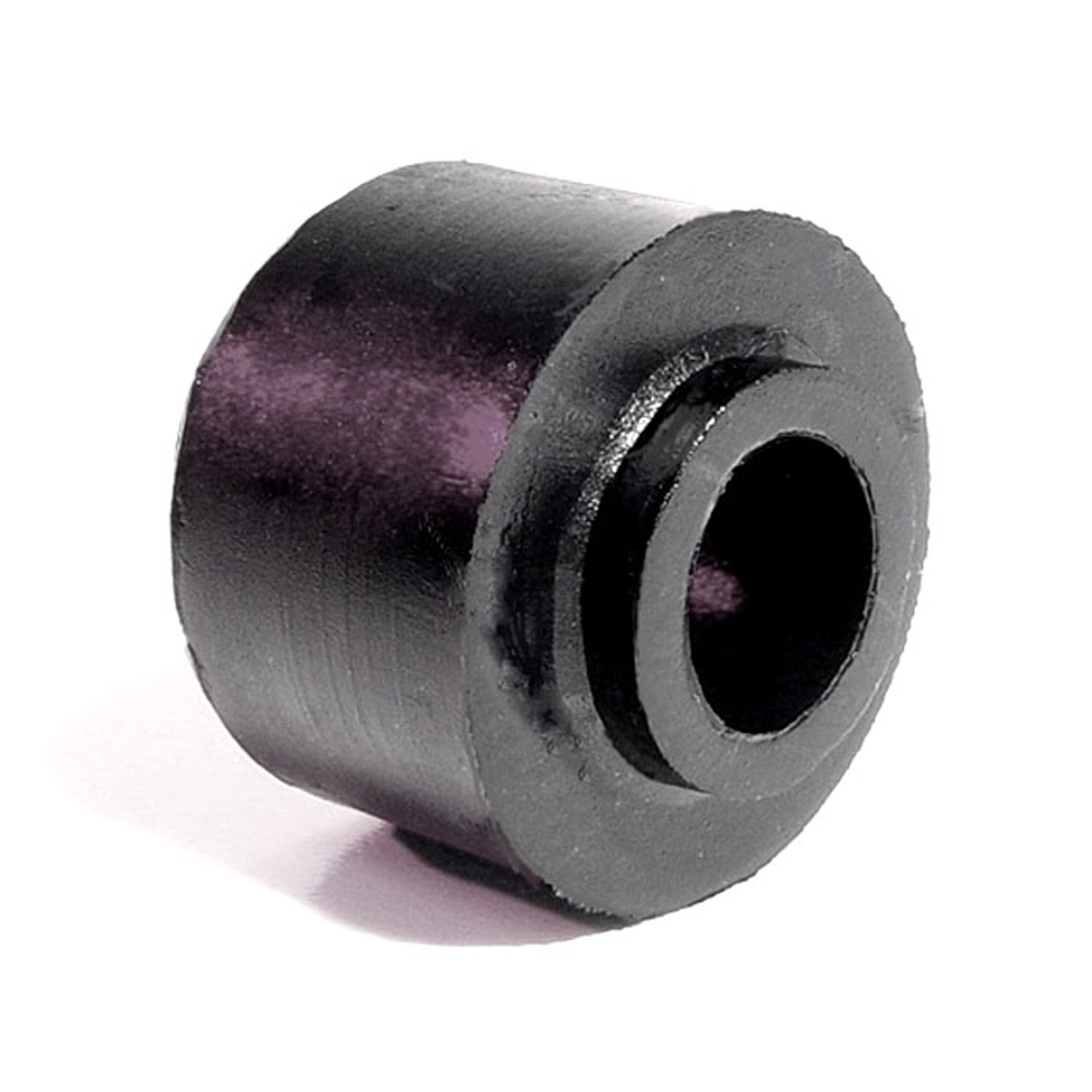 1968 Pontiac Executive Shock Absorber Grommet. 1" bottom O.D., 3/4" high-BN 1Shock Absorber Grommet. 1" bottom O.D., 3/4" high., with 7/16" I.D. Each
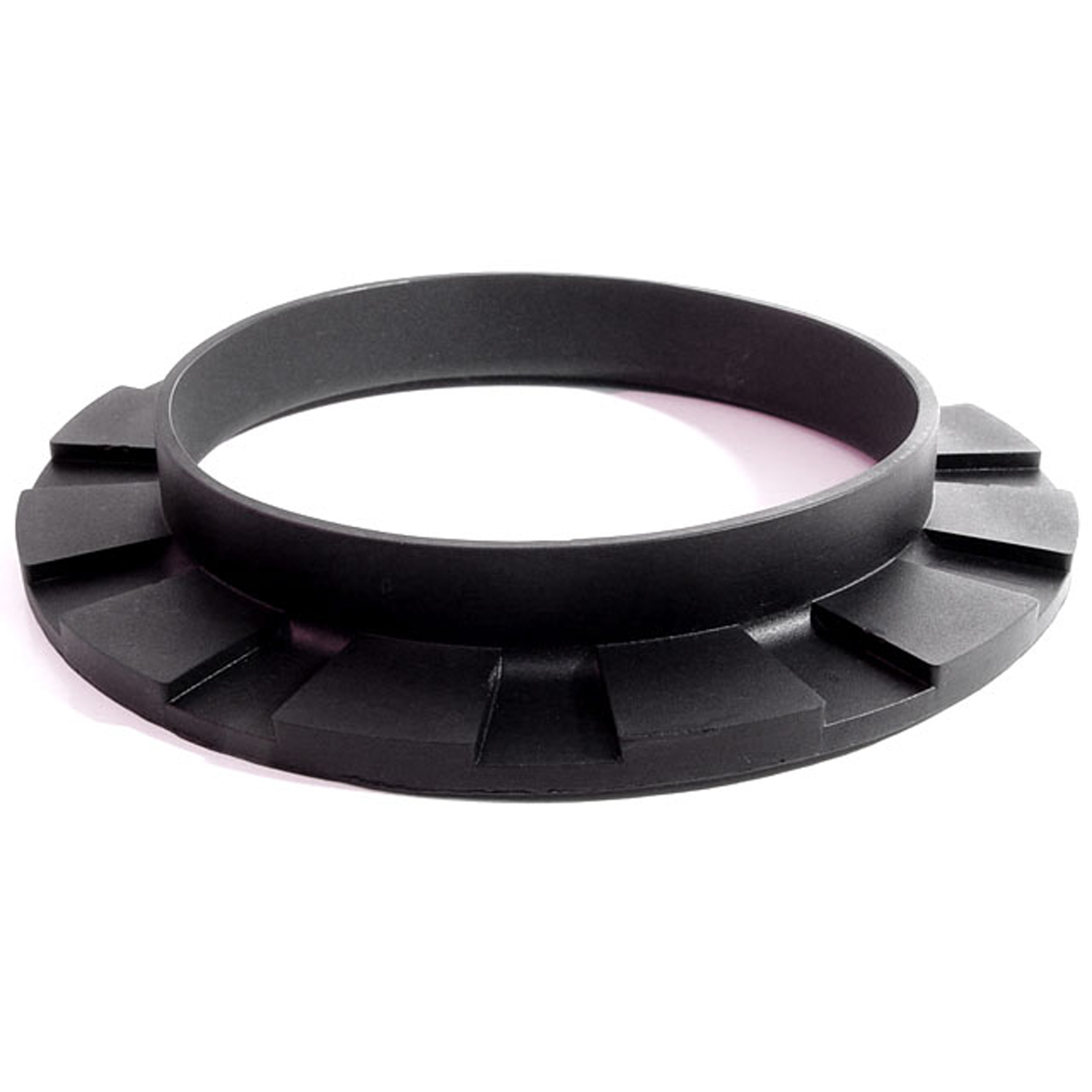 1968 Pontiac Executive Front coil-spring insulator-BN 110Front coil-spring insulator. Fits '41-'60 Oldsmobile and '50-'83 GM passenger models. 5-3/8 in. OD x 3-3/4 in. ID x 3/4 in. high with 13/16 in. wide bottom flange 1/4" thick, 12 flutes. Each.
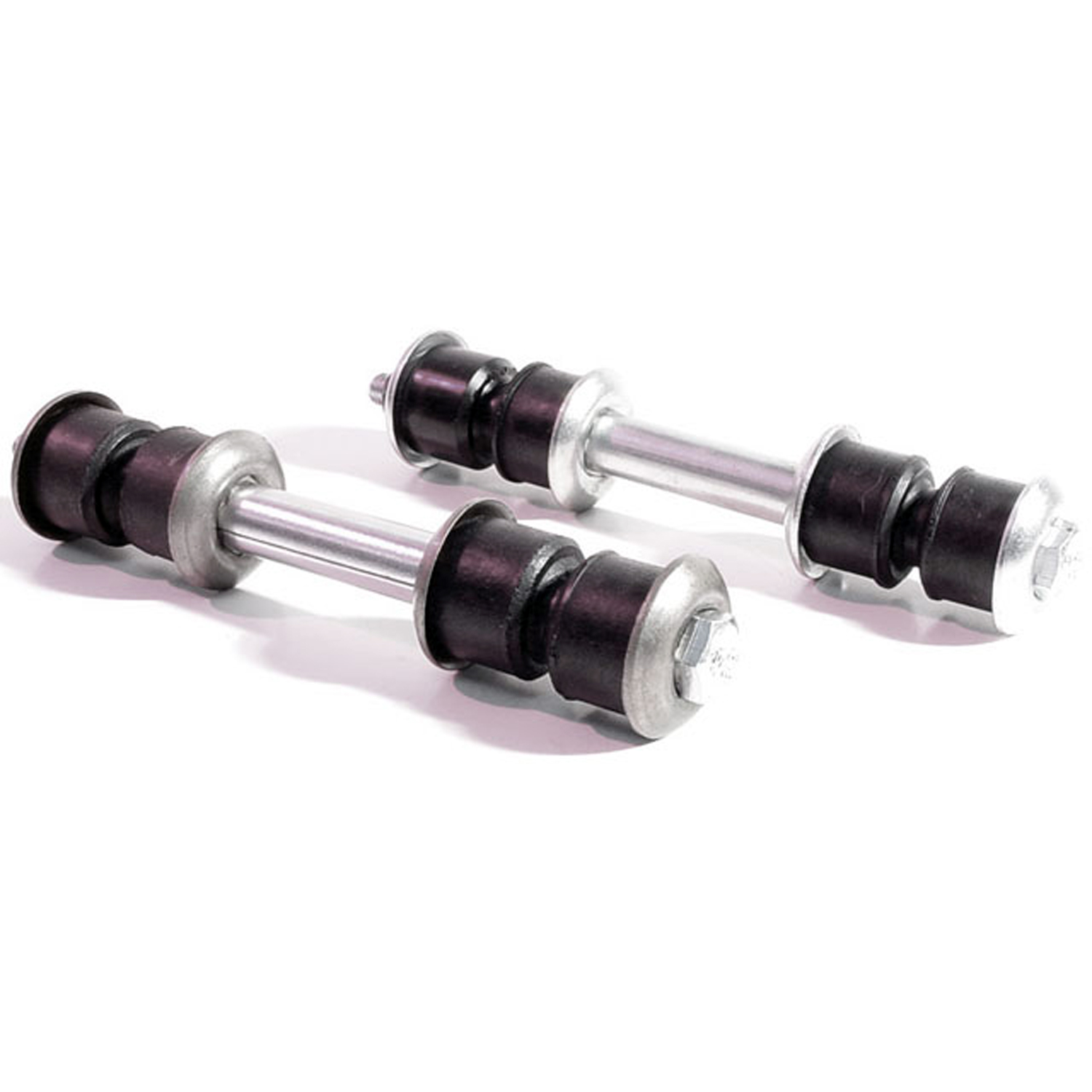 1968 Pontiac Executive Front Stabilizer End Repair Kit-BNK 24Front Stabilizer End Repair Kit. 22-piece set for two stabilizer bars. Contains all rubber bushings, washers, bolts and nuts, enough for one front end. Set
 1968 Pontiac Executive Butyl Glass Setting Tape-BT 1Butyl Glass Setting Tape. Used to install windshields and backlights. Superior sealing properties. 5/16" wide X 15' long. Each
 1968 Pontiac Executive Clutch and Brake Pedal Pads. Exact reproduction-CB 99Clutch and Brake Pedal Pads. Exact reproduction. 3-1/2" wide. Pair
 1968 Pontiac Executive Park Brake Pedal Pad. 2-9/16" wide. Each-CB 99-APark Brake Pedal Pad. 2-9/16" wide. Each
 1968 Pontiac Executive Auto Brake Pedal Pad. 5-7/8" wide. Each-CB 99-BAuto Brake Pedal Pad. 5-7/8" wide. Each
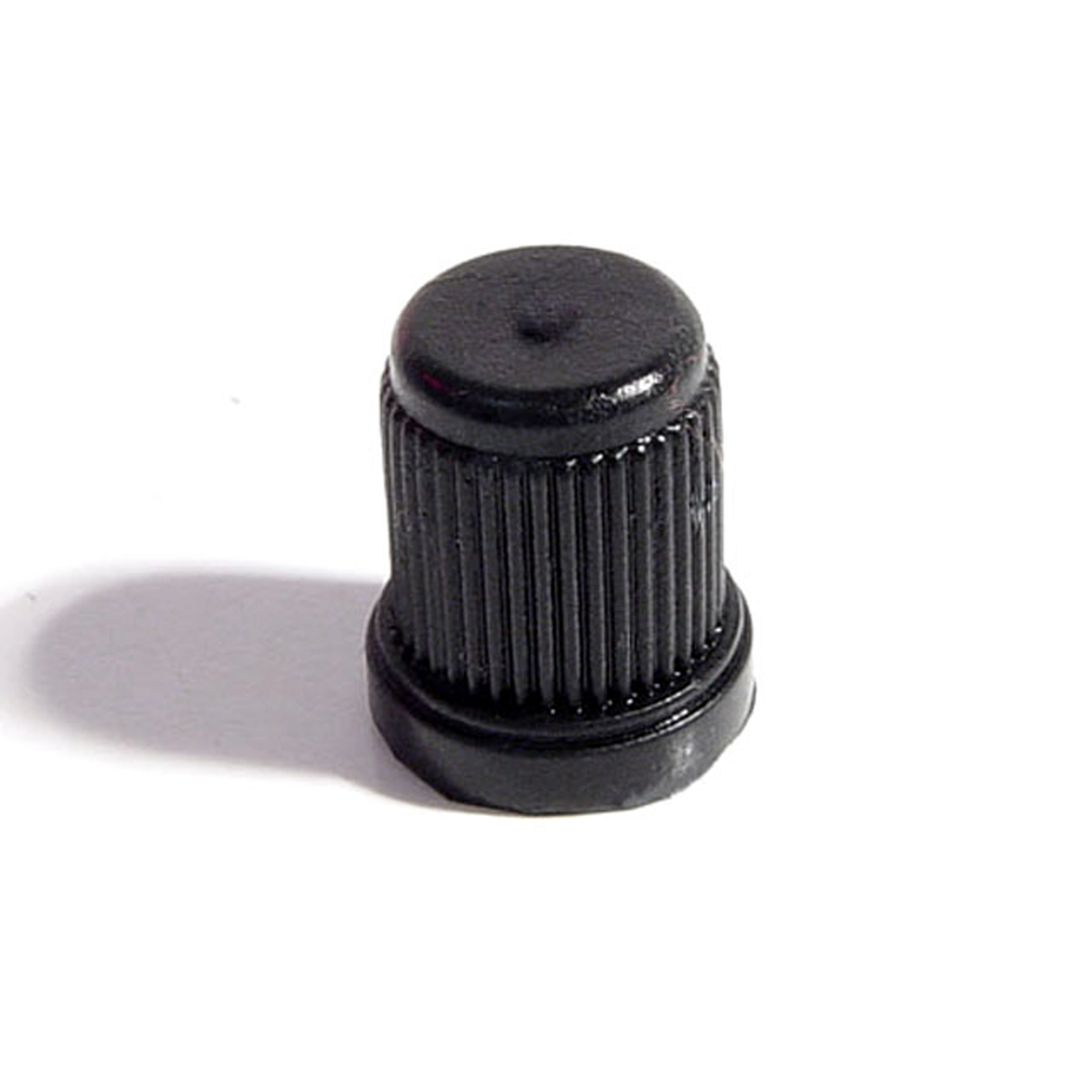 1968 Pontiac Executive Trip Meter Reset Knob. Made of black rubber-KN 10Trip Meter Reset Knob. Made of black rubber. Compare to measurements: 1/8" I.D., 7/16" O.D. X 1/2" tall. Each
 1968 Pontiac Executive Front Molded Door Seals with Clips. For 4-Door Sedan Only-LM 21-FFront Molded Door Seals with Clips. For 4-Door Sedan Only. Pair R&L
 1968 Pontiac Executive Rear Molded Door Seals with Clips. For 4-Door Sedan Only-LM 21-F/RRear Molded Door Seals with Clips. For 4-Door Sedan Only. Pair R&L
 1968 Pontiac Executive Front door seals-LM 21-JFront door seals. Fits '65-'66 GM B- and C-body 4-door hardtop (also called 'Sports Sedan') models. Replaces OEM#'s 4455994/5. Pair. R&L.
 1968 Pontiac Executive Door Handle Pads. 2-5/8" long & 1-1/8" long. Set R&L-MP 989-DDoor Handle Pads. 2-5/8" long & 1-1/8" long. Set R&L
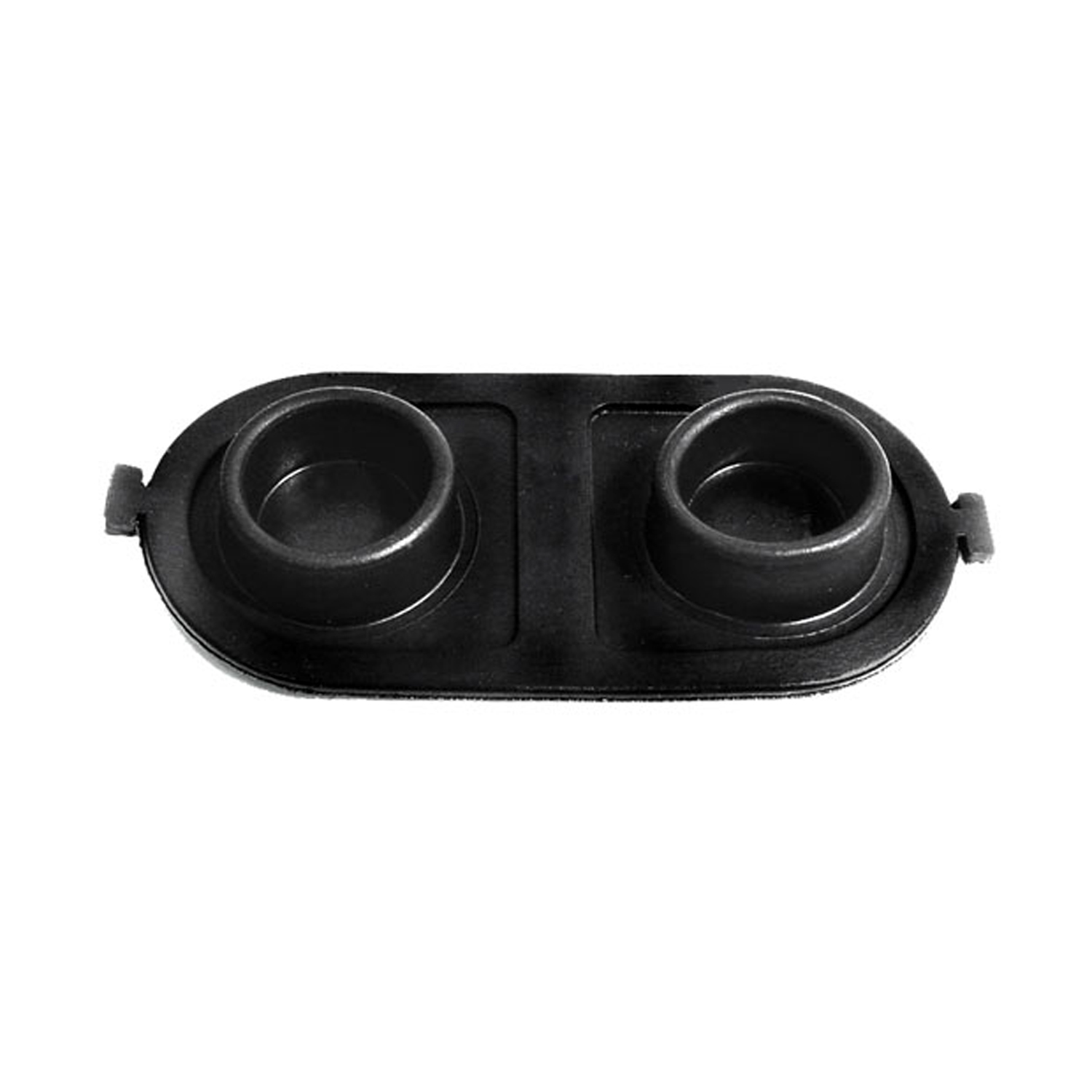 1968 Pontiac Executive Brake Master Cylinder Cover Seal. Replaces OEM #5470861-RP 2-EBrake Master Cylinder Cover Seal. Replaces OEM #5470861. 5" X 2-1/2". Each
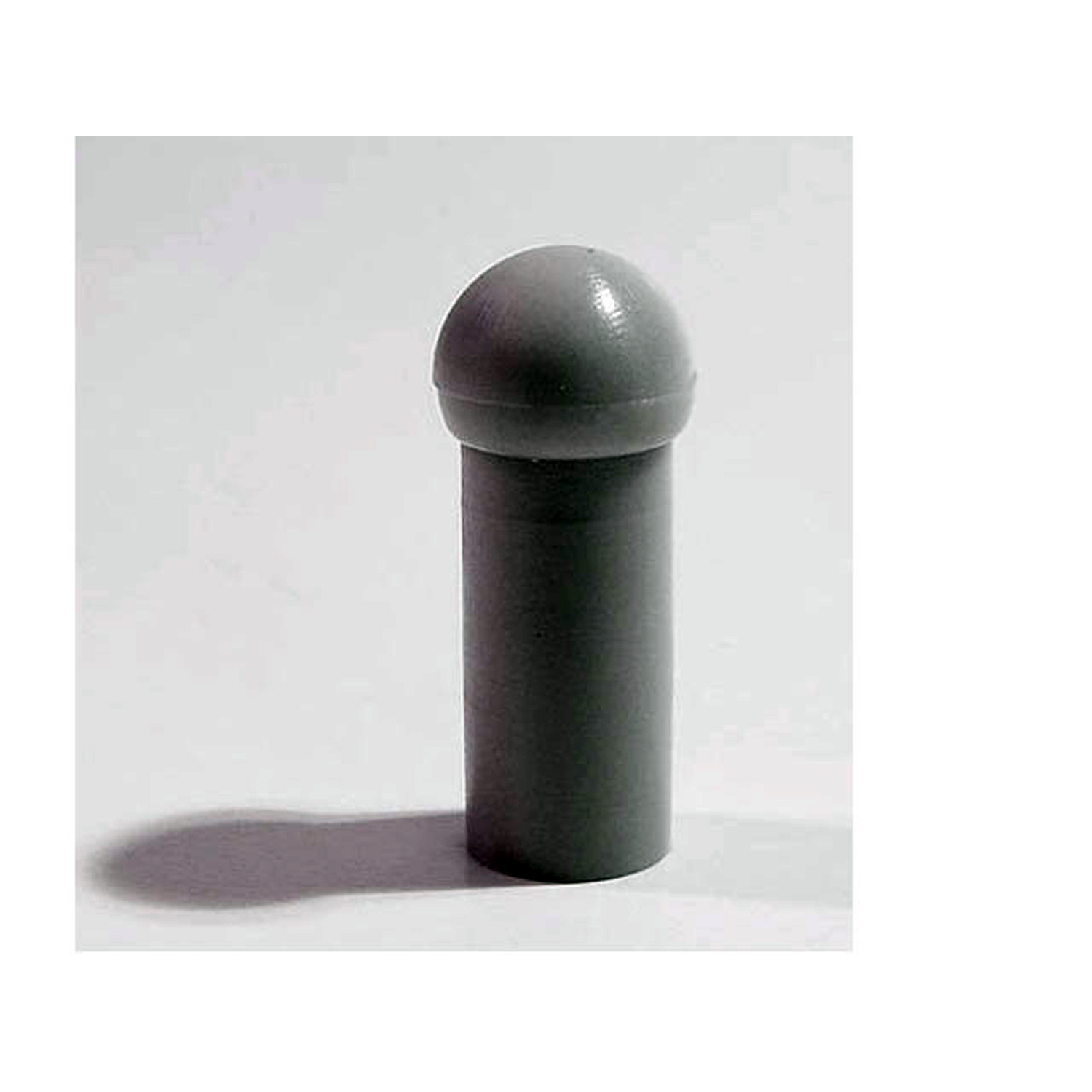 1968 Pontiac Executive Sun Visor Rod Rubber Grommet. 3/4" long. Gray. Each-RP 303-CSun Visor Rod Rubber Grommet. 3/4" long. Gray. Each
 1968 Pontiac Executive Molded Roof Rail Seals for 4-Door Hardtop. Pair-RR 5015-BMolded Roof Rail Seals for 4-Door Hardtop. Pair
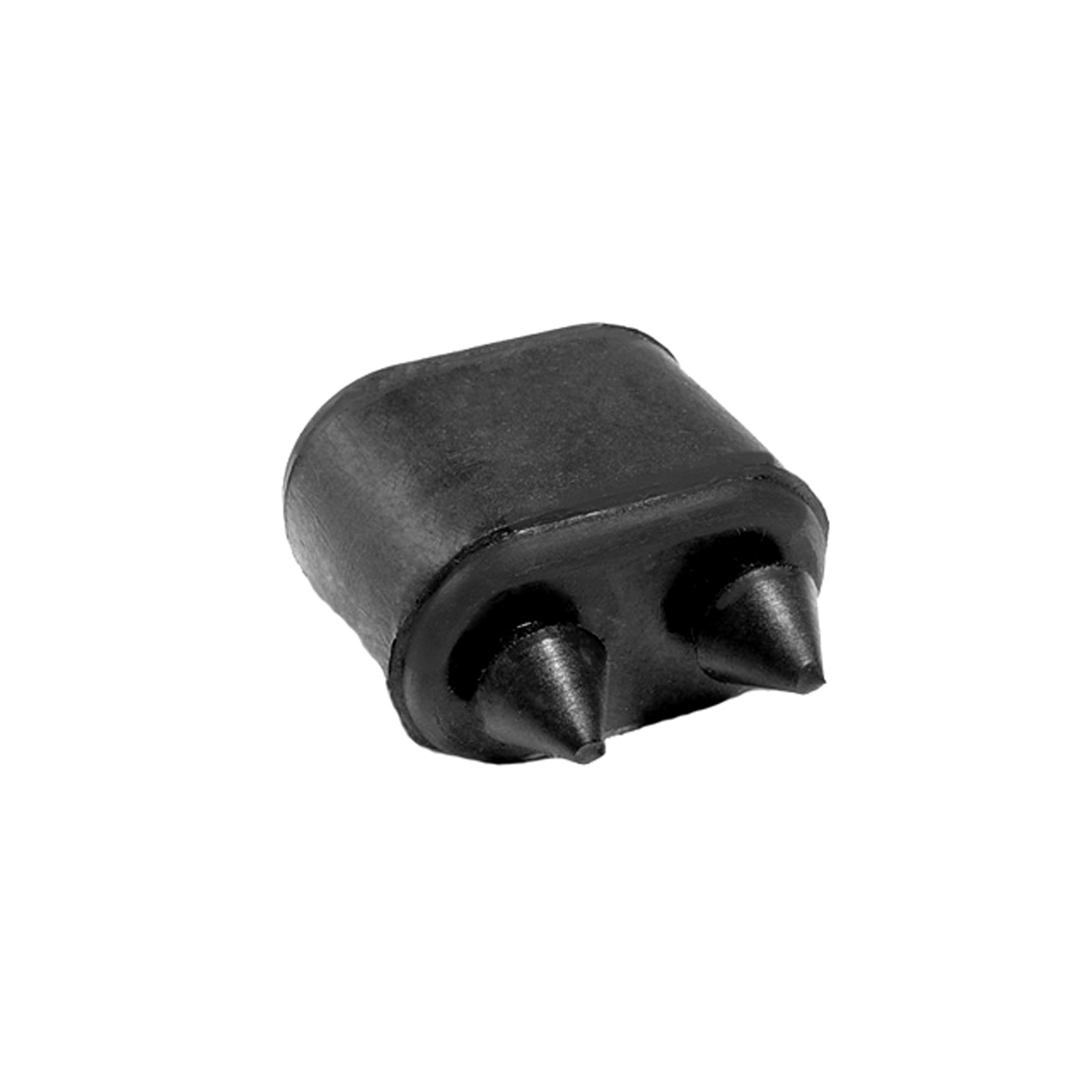 1968 Pontiac Executive Door Bumper, 57-74 GM Cars, Made with Twin Retainers, Each-SB 35Door Bumper, 57-74 GM Cars, made with twin retainers, Each. Measure 1-1/16" high X 19/32" wide X 1-1/32" long.
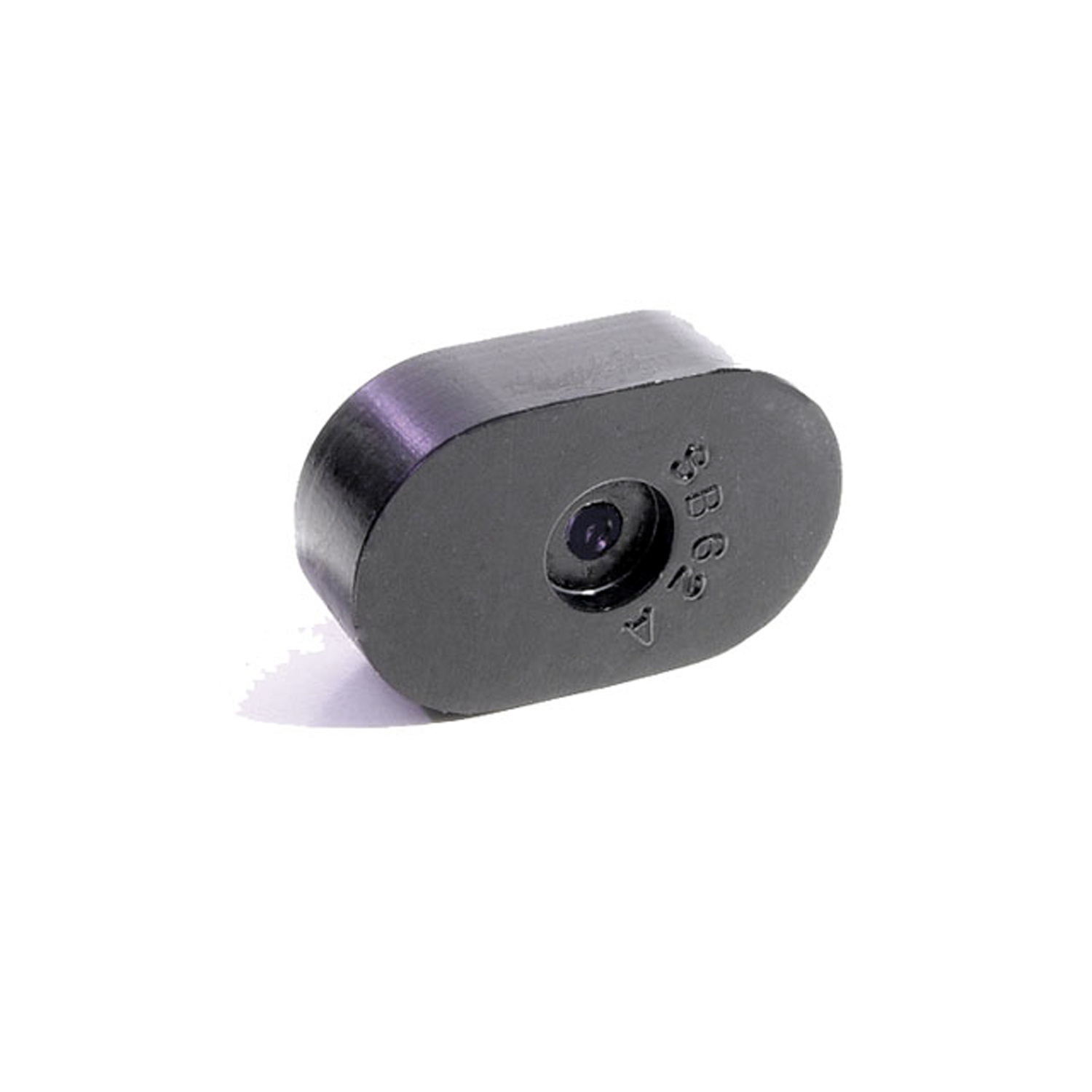 1968 Pontiac Executive Seat Bumper. Made with steel core like original-SB 62-ASeat Bumper. Made with steel core like original. 1-1/2" long, 7/16" thick. Two used per car. Each
 1968 Pontiac Executive Bumper Brace to Filler Panel Spacer, 68-71 Chevy A Body, 67-71 GM B Body Exc Wgn-SB 68Bumper Brace to Filler Panel Spacer, 68-71 Chevy A Body Except Wagons, 67-71 GM B Body Except Wagons, Each. Replaces OEM # 3895100.
 1968 Pontiac Executive Ashtray Bumper. 5/16" wide X 1/2" long X 3/16" high-SB 76Ashtray Bumper. 5/16" wide X 1/2" long X 3/16" high. (Fits some models) Each
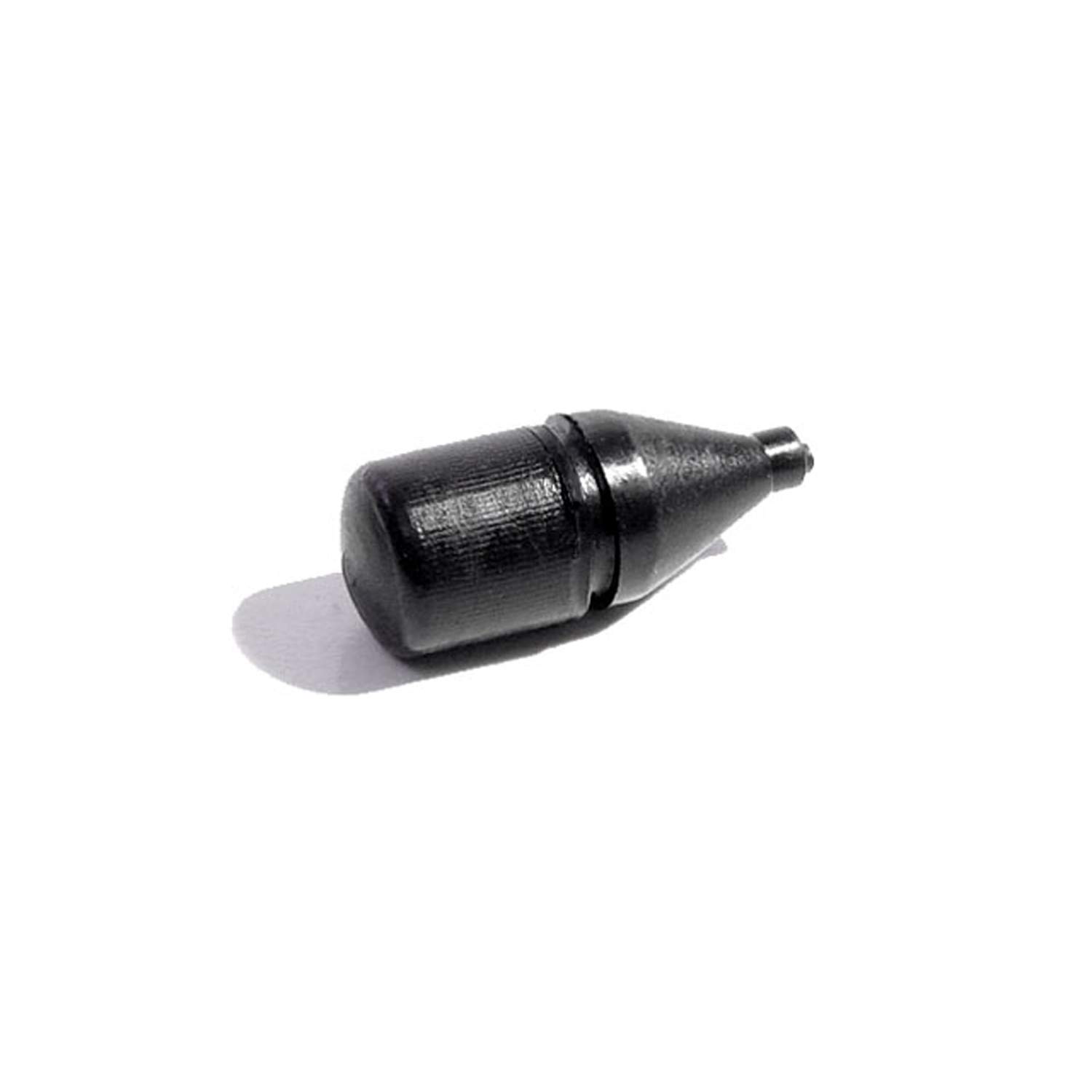 1968 Pontiac Executive Fuel Door Bumper. 7/8" high, 5/16" O.D. Each-SB 81Fuel Door Bumper. 7/8" high, 5/16" O.D. Each
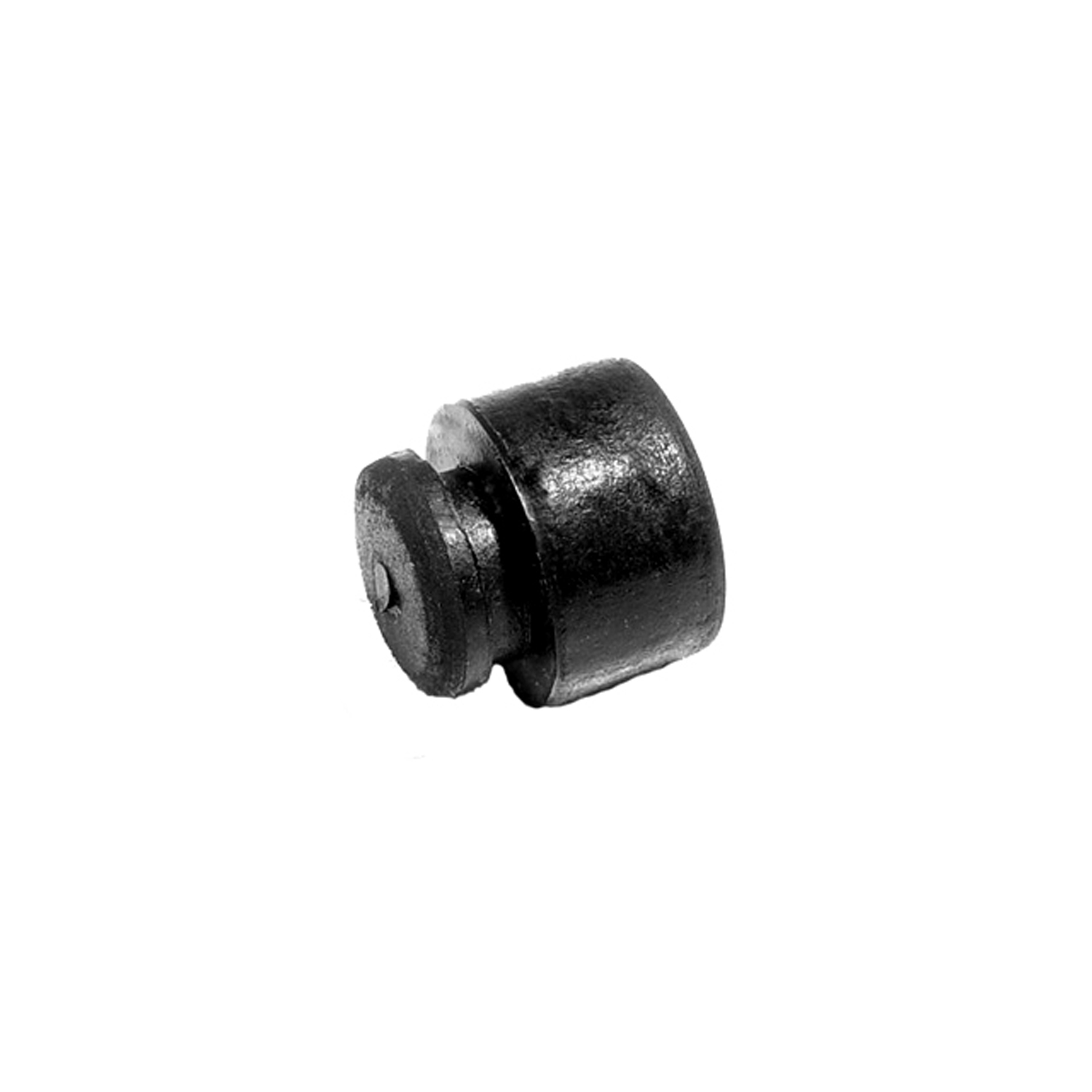 1968 Pontiac Executive License Plate Bumper. Fits a 1/4" hole. Each-SB 82License Plate Bumper. Fits a 1/4" hole. Each
 1968 Pontiac Executive A-Arm Dust Shields, 65-70 Pontiac "B" Body Models, Pair-SI 2007-105A-Arm Dust Shields, 65-70 Pontiac "B" Body Models, Pair. R&L. Installation staples included.
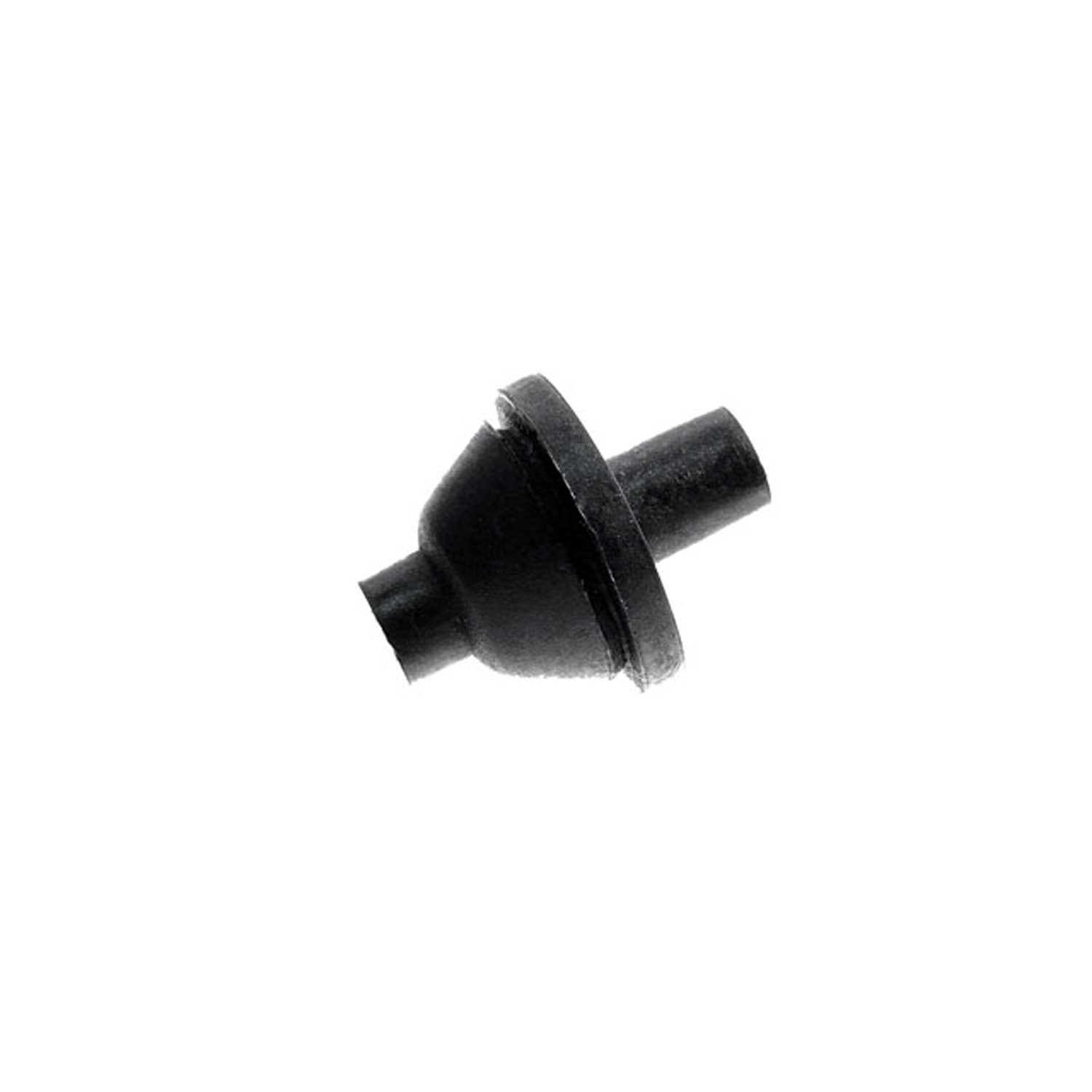 1968 Pontiac Executive Dash and Firewall Grommet. Single-hole type is for one wire-SM 101Dash and Firewall Grommet. Single-hole type is for one wire. Each
 1968 Pontiac Executive Dash and Firewall Grommet. Two hole type. Each-SM 101-ADash and Firewall Grommet. Two hole type. Each
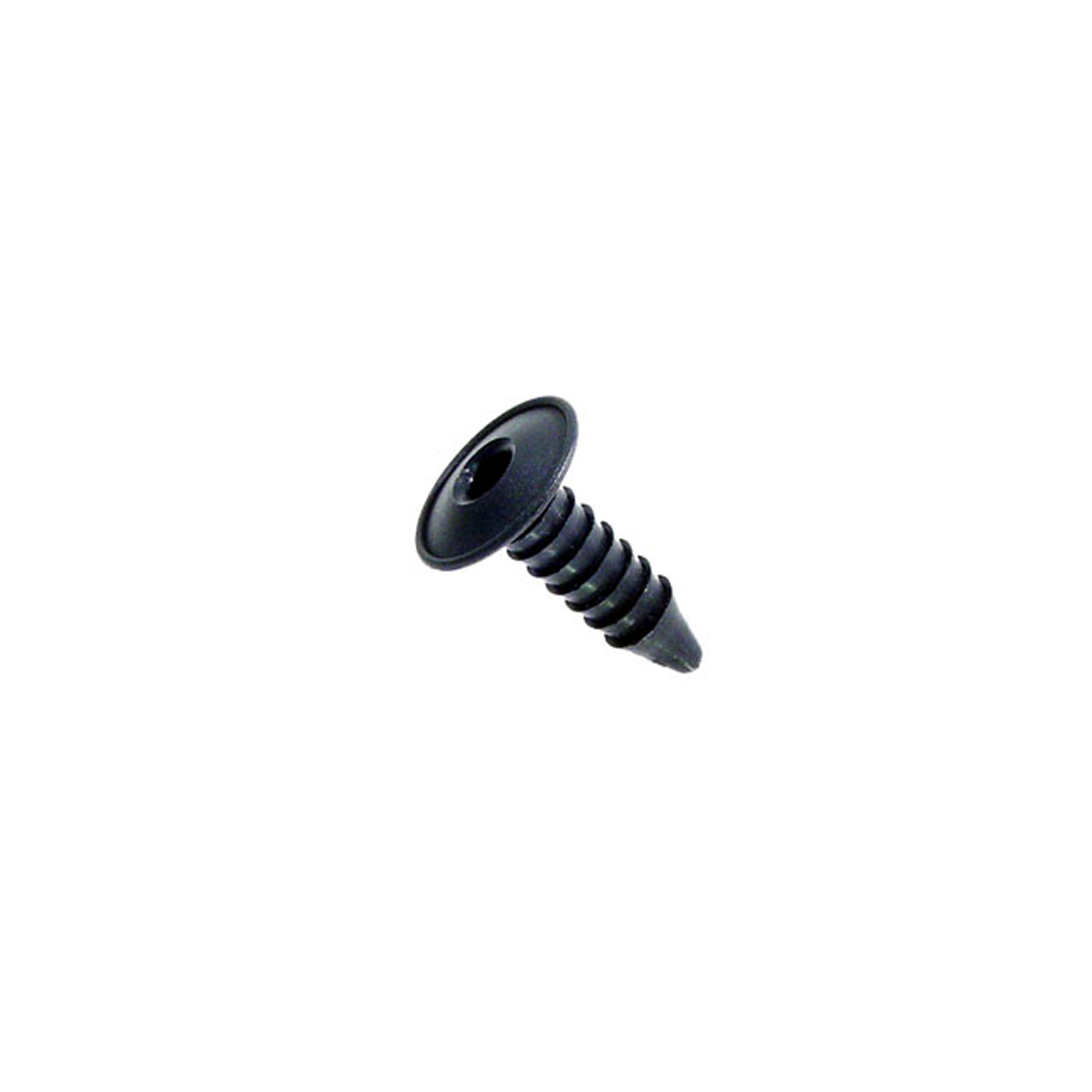 1968 Pontiac Executive Firewall insulation fastener. 1 in. dia. W head. 1-1/2 in. L-SM 80-AFirewall insulation fastener. 1 in. dia. W head. 1-1/2 in. L. Replaces OEM#'s (GM) 7642589 and (AMC) 4001934. Black. Each.
 1968 Pontiac Executive Trunk Seal. 18 feet long. Each-TK 46-18Trunk Seal. 18 feet long. Each
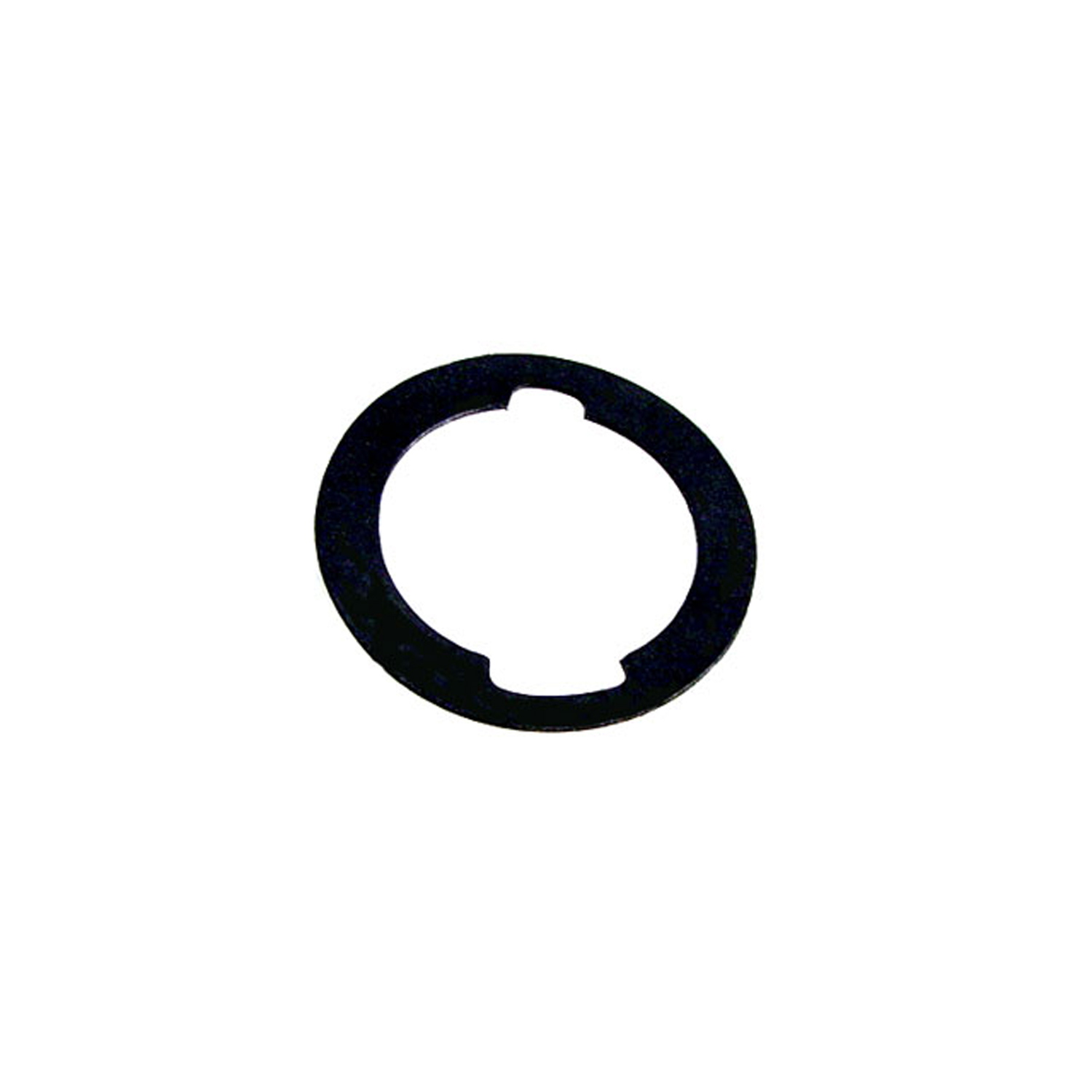 1968 Pontiac Executive Unbeaded Door and Trunk Lock Gasket. 1-3/16" O.D., 7/8" I.D-UM 1600-100Unbeaded Door and Trunk Lock Gasket. 1-3/16" O.D., 7/8" I.D. Each
 1968 Pontiac Executive Unbeaded Door Handle Mounting Pads. 4-Piece Set-UM 2005-100Unbeaded Door Handle Mounting Pads. 4-Piece Set
 1968 Pontiac Executive Air Conditioning Evaporation Drain Tube. 6-7/8" long-VH 102-GAir Conditioning Evaporation Drain Tube. 6-7/8" long. Each
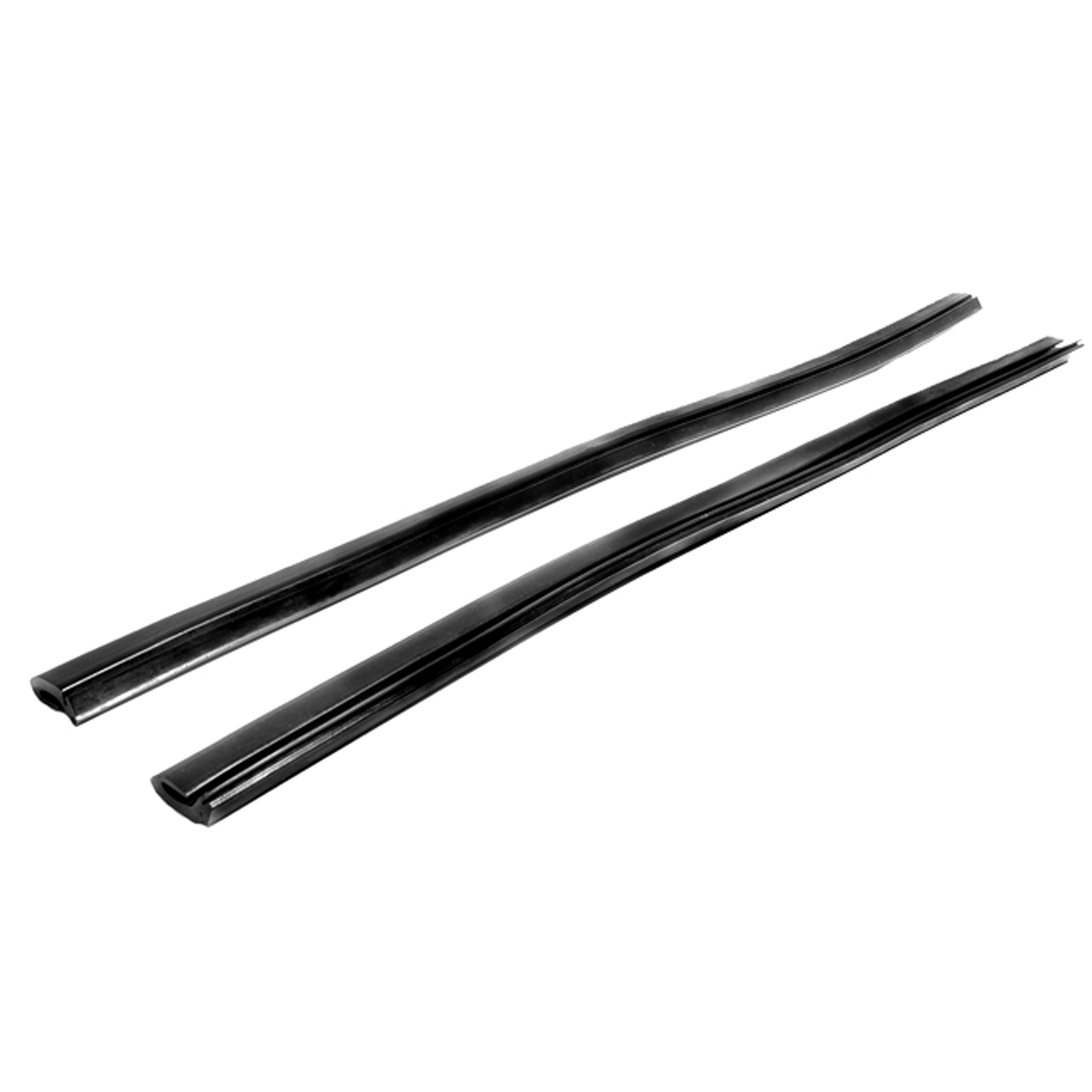 1968 Pontiac Executive Rear Side Roll-Up Window Seal, for Hardtops and Convertibles-VS 3Rear Side Roll-Up Window Seal, for Hardtops and Convertibles. Two 20" sections slide into metal track. No steel insert. Pair
 1968 Pontiac Executive Rear Roll-Up Quarter Window Seals-VS 3-RRear Roll-Up Quarter Window Seals, for 2-Door Hardtops and Convertibles. Pair
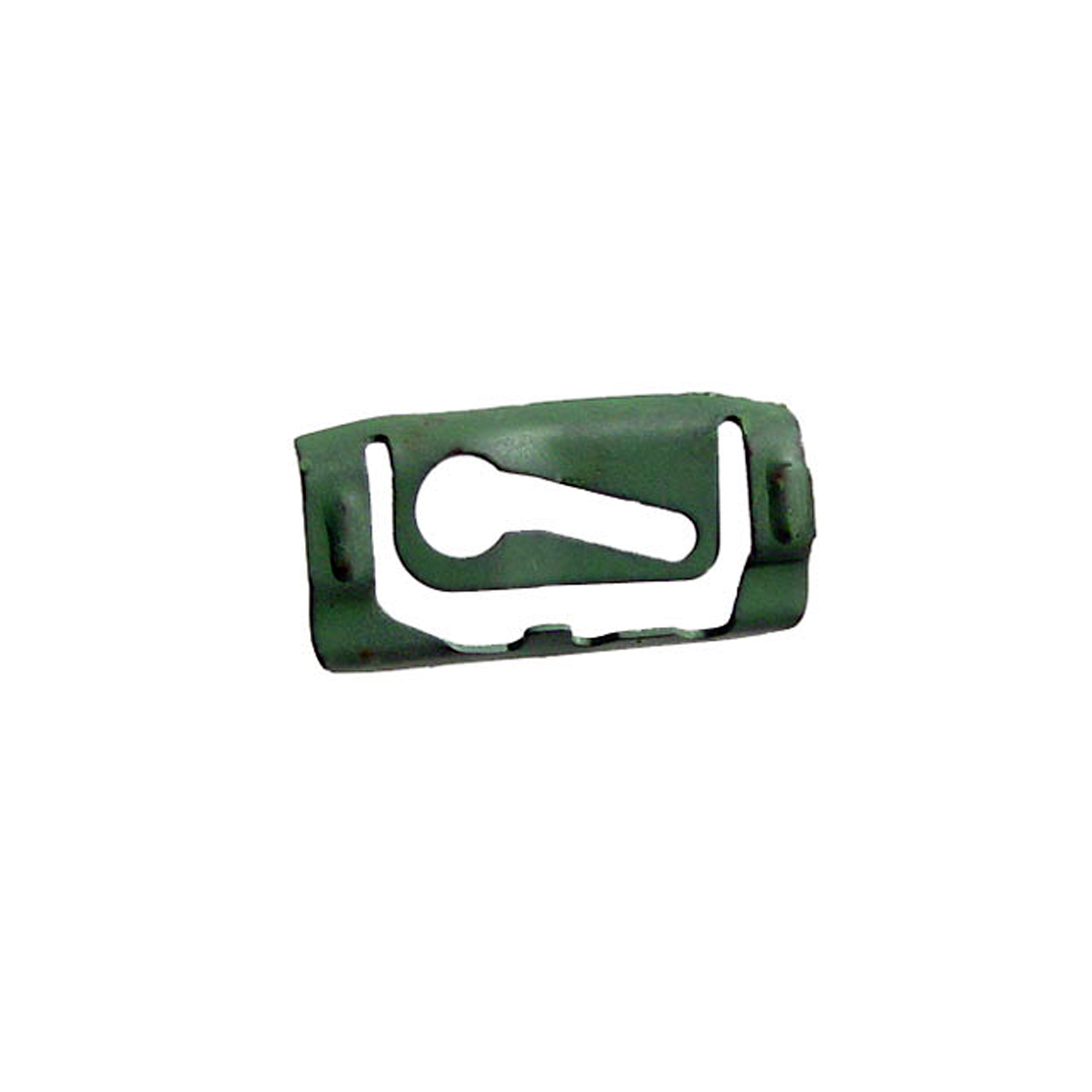 1968 Pontiac Executive Quarter Window Reveal Molding Clip. Made of Steel-WF 205Quarter Window Reveal Molding Clip. Made of Steel. 1-3/8" X 11/16". Each
 1968 Pontiac Executive Rear Window Reveal Molding Clip. For Station Wagons-WF 208Rear Window Reveal Molding Clip. For Station Wagons. Made of steel. 5/8" x 3/4". Each
 1968 Pontiac Executive Vent window and rear division channel seals-WR 2002-EVent window and rear division channel seals. Fits '65-'68 GM B-body and C-body 2-door and 4-door hardtops and convertibles. Top quality EPDM dense rubber. 4-piece set. R&L.
Why Choose Metro?
For over 100 years, Metro Moulded Parts has been the pinnacle of quality in classic car restoration parts. Our commitment to precision and authenticity in every component ensures a perfect fit and an OEM-level appearance.
- Expert Craftsmanship & Quality: Each part is a testament to our dedication to reliability and perfection, crafted from original designs and thoroughly tested.
- Advanced Technology: We use cutting-edge techniques to create flawless, long-lasting parts that surpass others in performance.
- SuperSoft Sponge – The Ultimate Door Seal: Not only are our door seals 30% softer than competitors', but they're also guaranteed to never leak. They effectively reduce wind and road noise, enhancing your classic car's comfort and driving experience.
- Proudly American: Our parts are a product of American craftsmanship, made in the USA with a spirit of excellence and heritage.
- Unrivaled Warranty: We back our products with a 30-year industry-leading warranty, a testament to our confidence in their quality.
Join us in preserving the legacy of classic cars with parts that are crafted for perfection, not just made.