

Image of 1968 Pontiac Lemans, Note: These illustrations use artistic license and may differ from actual historical models.
Performance Metrics
Fundamental Metrics
Emotional Appeal
MMP Rating
| Engine Specifications | |
|---|---|
| Engine Options: | 350 cu in (5.7 L) V8, 400 cu in (6.6 L) V8, 428 cu in (7.0 L) V8 |
| Displacement Range: | 350-428 cu in |
| Horsepower Range: | 265-375 hp |
| Torque: | 355-472 lb-ft |
| Compression Ratio: | 10.5:1 |
| Ignition System: | Conventional breaker-point ignition system |
| Cooling System: | Liquid-cooled |
| Performance Specifications | |
| 0-60 Time: | 7.5-8.5 seconds |
| 1/4 Mile Time: | 15-16 seconds |
| Top Speed: | 120-130 mph |
| Transmission and Drive | |
| Drive Type: | Rear-wheel drive |
| Transmission Type: | 3-speed manual, 4-speed manual, 3-speed automatic |
| Fuel and Efficiency | |
| Fuel System Type: | Carburetor |
| MPG: | 10-12 mpg |
| Dimensions and Brakes | |
| Brakes: | Front disc brakes, rear drum brakes |
| Wheelbase: | 112 inches |
| Weight: | 3,500-3,800 lbs |
Note: Specifications for classic cars are given to the best of our ability, considering the limited and variant data available.
1968 Pontiac LeMans: A Stylish Mid-Size With Pontiac Character
The 1968 Pontiac LeMans brought fresh, rounded styling and a surprisingly broad range of engines to Pontiac’s popular mid-size lineup. Built by the Pontiac Motor Division of General Motors, it sat above the entry-level Tempest and below the increasingly famous GTO, offering buyers a comfortable, well-equipped car that could be ordered as a practical cruiser or a lively V8-powered coupe.
The LeMans name had appeared in Pontiac’s lineup earlier in the 1960s, but 1968 marked a major redesign for the brand’s A-body cars. The new models wore smoother contours, a wider stance, and a more substantial look than their predecessors. One intriguing detail is that buyers could choose Pontiac’s unusual overhead-cam six-cylinder engine, a technology more often associated with European cars than American family-sized coupes of the era.
Fresh 1968 Styling and Interior Details
The 1968 LeMans traded the sharper lines of the previous generation for a cleaner, more sculpted shape. Its long hood, short rear deck, gently curved body sides, and prominent split grille gave it the confident Pontiac face without copying the GTO’s optional Endura front bumper. Chrome trim framed the grille and brightened the bumpers, while the standard LeMans badging kept the car distinctive without looking overdone. Federal regulations also brought side marker lights to the 1968 model year.
Inside, the LeMans balanced period style with everyday comfort. Depending on body style and equipment, buyers could select front bucket seats or a bench seat, along with a center console, upgraded trim, and a more elaborate instrument panel. Materials were typical of a well-appointed American mid-size car of the time: patterned cloth and vinyl combinations, vinyl upholstery, durable molded surfaces, and bright metal-look accents. A bench-seat car suited family and cruising duties, while bucket seats and a console gave a coupe a sportier feel.
Convenience and performance options included automatic transmission, power steering, power brakes, air conditioning, and upgraded radios. A three-speed manual transmission was available, with a four-speed manual offered for buyers who wanted more involvement. These were not electronic or computer-controlled systems. The appeal was mechanical simplicity: a conventional drivetrain, familiar controls, and components that a competent owner or local shop could service.
Paint choices varied by configuration and production details, but Pontiac offered the LeMans in a wide range of period colors. Verdoro Green became one of the most recognizable Pontiac shades, while colors such as Mayfair Maize, Starlight Black, silver, blue, and red gave buyers plenty of choice. The exact palette and availability depended on the model and order, so a car’s paint code is the best way to confirm its original color.
Body Styles and Engine Choices
The LeMans was offered in several body styles, including a two-door coupe, two-door hardtop, convertible, four-door sedan, and four-door hardtop. The two-door hardtop is often the most immediately recognizable today, thanks to its pillarless roofline and classic coupe proportions. Convertibles are especially desirable among collectors, while the four-door models offer a roomier, less common alternative to the familiar muscle-era shape.
Engine availability is an important part of the LeMans story. Depending on configuration, buyers could choose a 250-cubic-inch overhead-cam inline-six, Pontiac 350-cubic-inch V8s, and larger V8 options. The OHC six was offered in standard and Sprint forms. The Sprint used a four-barrel carburetor and delivered a stronger performance character than the base six. V8 output and equipment varied by engine and transmission, and period horsepower ratings were measured using gross figures that are not directly comparable with modern net ratings.
It is worth keeping the LeMans separate from the GTO when researching a car. The GTO was its own Pontiac model in 1968, even though the two cars shared much of their basic A-body architecture. A LeMans with a powerful engine can be a quick and entertaining car, but factory identity depends on the original documentation, not just badges or engine swaps.
Why the 1968 LeMans Matters
The LeMans illustrates how American manufacturers were broadening the appeal of the mid-size car. It could serve as a comfortable family vehicle, a stylish personal coupe, or a performance-oriented car with the right engine and transmission. That flexibility helped make the A-body platform one of the most important layouts of the period. Pontiac could build a practical sedan and a sporty hardtop from the same basic engineering, then distinguish them through equipment, styling, and powertrain choices.
The overhead-cam six was a notable engineering contrast to the pushrod engines that dominated American showrooms. Its camshaft sat above the valves and was driven by a belt, an unusual arrangement for a mass-market American car at the time. The Sprint version added performance-minded hardware, showing that a buyer did not need a V8 to order a more sporting LeMans.
The car’s lasting influence is less about a single breakthrough than about how effectively it combined style, choice, and shared engineering. It helped define the versatile Pontiac mid-size formula, while the platform’s performance potential contributed to the broader muscle-car era. Today, the LeMans also appeals to enthusiasts who want classic Pontiac character without paying the premium often attached to a comparable GTO.
Performance, Ride, and Road Manners
Performance depends heavily on the engine, transmission, axle ratio, condition, and body style. As a general period-car estimate, a healthy V8 LeMans could reach 0 to 60 mph in roughly 8 to 10 seconds, with top speed in the neighborhood of 110 to 120 mph. A larger-engine or more aggressively geared example could be quicker. The six-cylinder cars were more relaxed, often taking around 10 to 12 seconds to reach 60 mph and offering a lower top speed. These are broad estimates, not universal factory figures, and a modern test of an original car may produce different results.
On the road, the LeMans feels substantial by modern standards. Its body-on-frame construction and soft, compliant suspension make it comfortable over ordinary bumps, though worn springs, tired shocks, and old tires can make any surviving example feel loose or floaty. It is not a sports sedan with precise modern steering. On a winding road, the car rewards smooth inputs and sensible speeds rather than abrupt cornering.
A V8 LeMans announces itself with the familiar low burble of a large-displacement American engine. Acceleration brings a broad, relaxed wave of torque, while a manual transmission gives the driver a more direct connection to the car. The cabin is relatively quiet at an easy cruise, although wind and road noise are part of the classic-car experience. Steering effort, brake feel, and ride quality can vary considerably depending on whether the car has power assists and how well its suspension has been maintained.
Living With a LeMans Today
Owners use the 1968 LeMans for weekend drives, local shows, touring, and, in some cases, as a regularly driven classic. A clean, well-sorted example can handle ordinary roads, but it should be treated as an older vehicle rather than a modern daily driver. Safety equipment, fuel economy, braking performance, and crash protection are all products of its era.
Routine maintenance is straightforward for an owner comfortable with classic American cars. Oil changes, ignition service, carburetor tuning, brake work, and many suspension repairs are familiar jobs, and replacement parts are generally available through specialist suppliers. The most important checks are often age-related: rust in the floors, trunk, lower body panels, and frame; worn bushings; leaking seals; tired wiring; and evidence of previous repairs. Engine and transmission work is also manageable, but a correct, well-documented drivetrain may be costly to restore.
As with any vintage car, reliability depends more on condition and maintenance than on the badge. Before buying, inspect the car on a lift if possible, verify the engine and transmission, and look for signs of poor-quality bodywork. A neglected project can quickly cost more than a decent driver-quality car.
LeMans Trivia and Common Misconceptions
The OHC six is one of the LeMans’s most interesting talking points. Pontiac’s overhead-cam design was a distinctive alternative to the pushrod sixes commonly found in domestic cars, and the Sprint version gave the engine a sportier reputation. It remains a conversation starter at shows, especially among enthusiasts who assume every interesting 1960s Pontiac must have a V8.
Another frequent point of confusion is the GTO connection. The GTO shared its basic platform and many components with the LeMans, but it was a distinct model by 1968. A LeMans that wears GTO badges or has been fitted with a GTO-style engine is not automatically a factory GTO. Original documentation and identification numbers matter when establishing what a car was built as.
The 1968 LeMans is not especially famous for a speed record or a single headline-making event. Its appeal is more grounded: it was a versatile, stylish Pontiac that could be ordered in multiple body styles and with a notably wide range of powertrains. Common criticisms include the car’s weight, modest fuel economy, and less precise handling compared with later performance cars. Those drawbacks are part of the period character, but they are worth understanding before buying.
Collector Values and Availability
As of 2026, a rough U.S. market guide for a 1968 Pontiac LeMans might place a project car around $5,000 to $12,000, a usable driver in the $15,000 to $30,000 range, and a very good or professionally restored example around $30,000 to $50,000 or more. A desirable convertible, a rare or well-documented drivetrain combination, or an exceptional restoration can sell above that range. These are broad estimates: condition, originality, paperwork, location, and market timing make a major difference.
LeMans cars are less scarce than top-tier muscle models, but specific body styles and original powertrain combinations can be hard to find. For planning purposes, total 1968 LeMans production is best treated as an estimate of roughly 90,000 to 110,000 cars across the range. Exact totals can vary depending on how production records group body styles and equipment. Convertibles and unusually well-preserved cars are naturally less common today than ordinary coupes and sedans.
Values have generally benefited from growing interest in classic Pontiacs, but the LeMans has not always followed the steepest GTO price increases. That can make it a comparatively approachable way into the era. Well-restored cars and rare configurations may appreciate, while average driver-quality examples tend to move more gradually. Condition and authenticity remain the strongest value drivers.
A Pontiac Worth Looking Beyond the Badge For
The 1968 Pontiac LeMans combines a handsome new-generation body, a comfortable cabin, and a broad selection of engines and body styles. Its significance lies in its versatility: it could be a practical sedan, a stylish hardtop, an open-air convertible, or a spirited V8 cruiser. The unusual OHC six adds a distinctive engineering footnote, while its shared heritage with the GTO connects it to one of the most celebrated chapters in American performance-car history.
For collectors and drivers alike, the LeMans offers a compelling mix of Pontiac style and everyday usability. It may not carry the same nameplate premium as a GTO, but that is part of its appeal. The 1968 LeMans is a classic that rewards a closer look, and a well-chosen example still delivers plenty of character every time its engine fires.
1968 Pontiac Lemans Catalog of Parts
 1968 Pontiac LeMans RE-ISSUE. Door lock pillar seals-ALP 5002-ARE-ISSUE. Door lock pillar seals. Fits '68-'72 Pontiac A-body 2-door coupe, hardtop and convertible. (See ALP 5002 for '68-'72 GM A-body 2-door cars).
 1968 Pontiac LeMans Convertible Top Compartment Side Panel Seals. Pair-ALP 5505Convertible Top Compartment Side Panel Seals. Pair
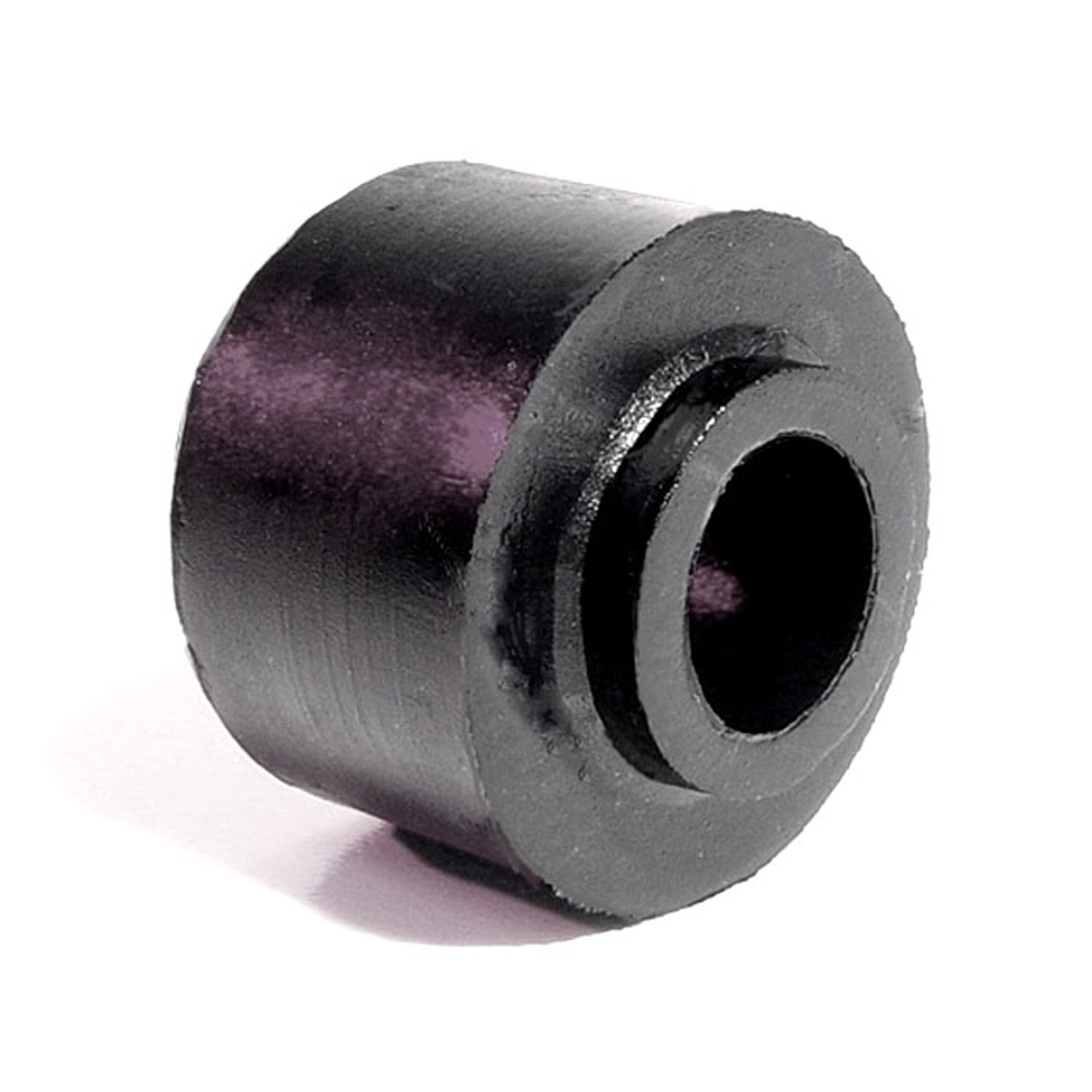 1968 Pontiac LeMans Shock Absorber Grommet. 1" bottom O.D., 3/4" high-BN 1Shock Absorber Grommet. 1" bottom O.D., 3/4" high., with 7/16" I.D. Each
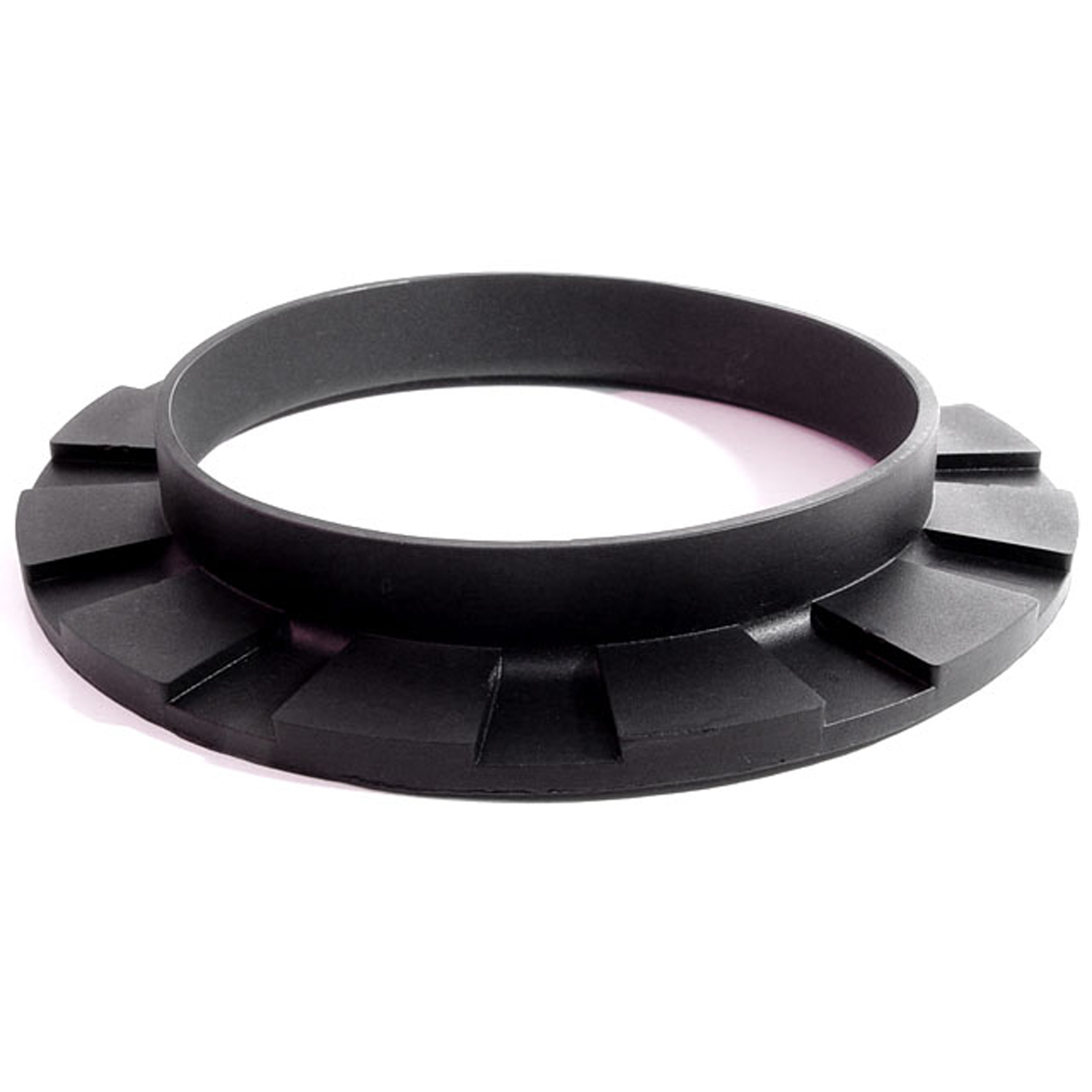 1968 Pontiac LeMans Front coil-spring insulator-BN 110Front coil-spring insulator. Fits '41-'60 Oldsmobile and '50-'83 GM passenger models. 5-3/8 in. OD x 3-3/4 in. ID x 3/4 in. high with 13/16 in. wide bottom flange 1/4" thick, 12 flutes. Each.
 1968 Pontiac LeMans Rear coil-spring insulator 1961-72 GM A-Body-BN 111Coil spring insulators are a great way to prevent metal-on-metal contact and noise. Manufactured to OEM specifications for a precise fit, these coil spring insulators are made of rubber and are used between the coil spring and the frame of your ride. 3-3/4 in. OD, 2-1/8 in. ID, 5/8 in. high with 3/16 in. , wide bottom flange 1/4 in. thick.
 1968 Pontiac LeMans Butyl Glass Setting Tape-BT 1Butyl Glass Setting Tape. Used to install windshields and backlights. Superior sealing properties. 5/16" wide X 15' long. Each
 1968 Pontiac LeMans Clutch and Brake Pedal Pads. Exact reproduction-CB 99Clutch and Brake Pedal Pads. Exact reproduction. 3-1/2" wide. Pair
 1968 Pontiac LeMans Park Brake Pedal Pad. 2-9/16" wide. Each-CB 99-APark Brake Pedal Pad. 2-9/16" wide. Each
 1968 Pontiac LeMans Auto Brake Pedal Pad. 5-7/8" wide. Each-CB 99-BAuto Brake Pedal Pad. 5-7/8" wide. Each
 1968 Pontiac LeMans Clutch and Brake Pedal Pads. 3-3/4" wide. Pair-CB 99-DClutch and Brake Pedal Pads. 3-3/4" wide. Pair
 1968 Pontiac LeMans Park Brake Pedal Pad. 2-3/8" wide. Each-CB 99-EPark Brake Pedal Pad. 2-3/8" wide. Each
 1968 Pontiac LeMans Auto Brake Pedal Pad. Nice reproduction. 5-3/4" wide-CB 99-GAuto Brake Pedal Pad. Nice reproduction. 5-3/4" wide. Each
 1968 Pontiac LeMans Hood to Cowl Seal, with clips. 59-1/8" long. Each-CS 5Hood to Cowl Seal, with clips. 59-1/8" long. Each
 1968 Pontiac LeMans Windshield Pillar Post Seals for Convertibles-CZ 8104Windshield Pillar Post Seals for 1968 GM A Body Convertibles. Sponge reproduction with a jet black, smooth skin. Each piece is 23-3/16" long. Pair R&L
 1968 Pontiac LeMans Header Seal for Convertibles-HD 730Header Seal for Convertibles. Made with molded ends and steel core. High-quality molded sponge. 53-3/4" Long. Each
 1968 Pontiac LeMans Door, Hood and Cowl Bumper. Made with steel core-HF 28Door, Hood and Cowl Bumper. Made with steel core. Held by screw. 15/16" high. Each
 1968 Pontiac LeMans Rocker Panel Plug. Each-HF 73Rocker Panel Plug. Each
 1968 Pontiac LeMans Door Lock Pillar Seal (Imported)-IS-ALP 5002-ADoor Lock Pillar Seal (Imported). Made with full steel cores. Pair R&L
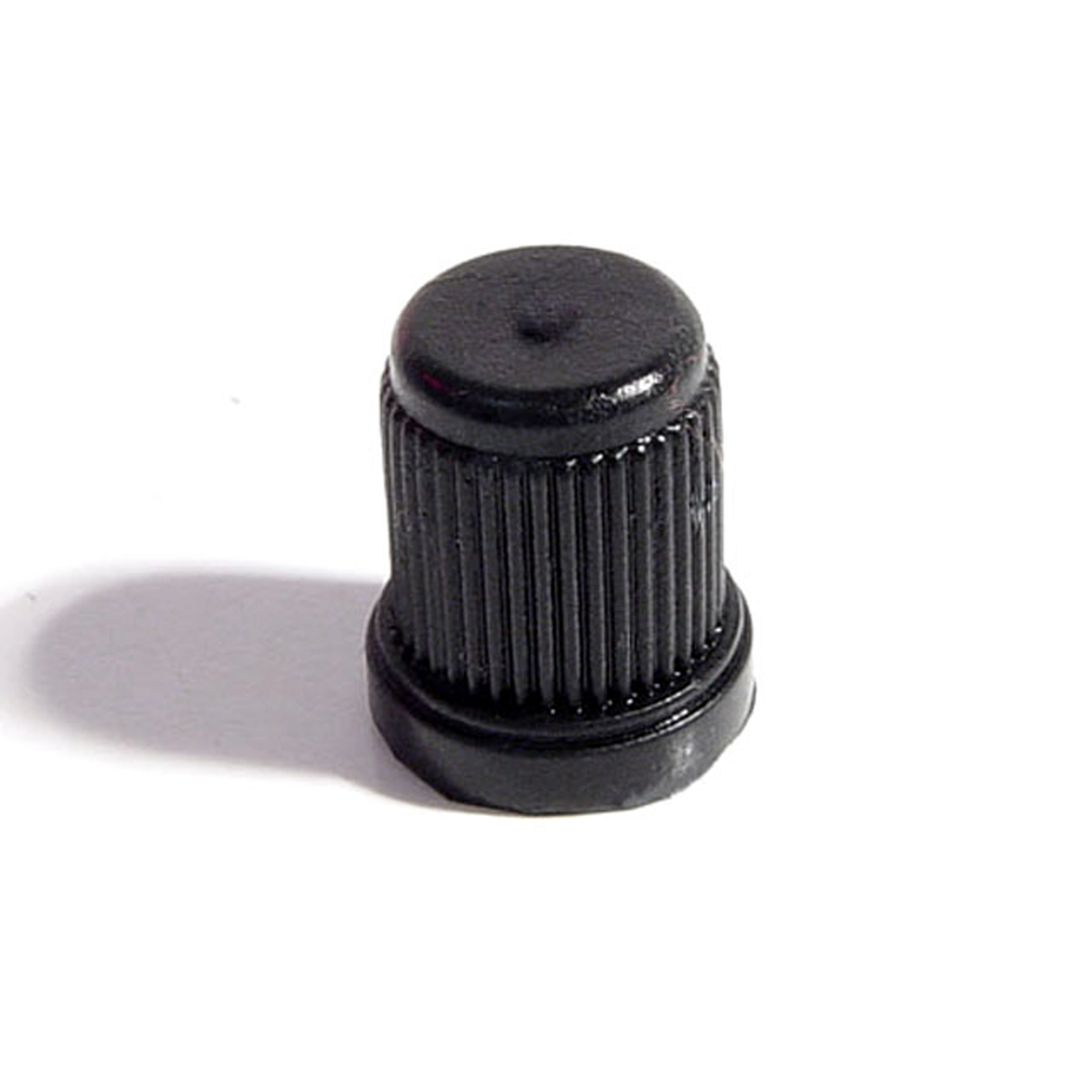 1968 Pontiac LeMans Trip Meter Reset Knob. Made of black rubber-KN 10Trip Meter Reset Knob. Made of black rubber. Compare to measurements: 1/8" I.D., 7/16" O.D. X 1/2" tall. Each
 1968 Pontiac LeMans Inner Tail-light Lens Gaskets-LG 8100-110Inner Tail-light Lens Gaskets. Gray sponge with adhesive backing. See MB 82 for Outer Tail-light Gaskets. These parts work together on the same tail-light housing. 4" wide X 13" long. Pair
 1968 Pontiac LeMans Door Seal, with Clips and Molded Ends-LM 12-BDoor Seal, with Clips and Molded Ends. For 2-Door Hardtops and Convertibles. Replaces OEM #7717754/5. Pair
 1968 Pontiac LeMans Molded Door Seals with Clips. For 2-door sedans-LM 12-SMolded Door Seals with Clips. For 2-door sedans. Replaces OEM #7717766/7. Each is 143" long. Pair R&L
 1968 Pontiac LeMans Rear Molded Door Seals with Clips-LM 12-URear Molded Door Seals with Clips. For 4-door sedans and station wagons. Replaces OEM #771772/3. Each is 115" long. Pair R&L
 1968 Pontiac LeMans Outer Tail-light Gaskets. Made of soft molded rubber-MB 82Outer Tail-light Gaskets. Made of soft molded rubber. See LG 8100-110 for Inner Tail-light Lens Gaskets (Parts work together on same tail-light housing). 15" x 5". Pair
 1968 Pontiac LeMans Transmission Cross-Member Mount Insulators-MM 30Transmission Cross-Member Mount Insulators. For 2-door hardtops and convertibles. Replaces OEM #9774451. Pair
 1968 Pontiac LeMans Door Handle Pads. 2-5/8" long & 1-1/8" long. Set R&L-MP 989-DDoor Handle Pads. 2-5/8" long & 1-1/8" long. Set R&L
 1968 Pontiac LeMans Rear view mirror pad-MP 989-JRear view mirror pad. Fits '65-'68 Pontiac A-body cars with remote mirror. 1-1/8 in. wide x 4-1/4 in. long. Each.
 1968 Pontiac LeMans Standard Mirror Pad. 1-1/8" wide X 5-3/8" long. Each-MP 989-NStandard Mirror Pad. 1-1/8" wide X 5-3/8" long. Each
 1968 Pontiac LeMans Mirror Pad. 1-1/4" wide X 5" long. Each-MP 989-PMirror Pad. 1-1/4" wide X 5" long. Each
 1968 Pontiac LeMans Master Kit 2-Door Hardtop-RK 8100-103Master Kit 2-Door Hardtop. Door Seal(LM 12-B), Roof Rail Seal(RR 5002), Trunk Seal TK 46-16), Door Lock Pillars(ALP 5002-A), 3-Lock Cylinder Pad(UM 1600-100), Rear Roll-up Seal(VS 3-M), Hood/Cowl Seal(CS 5)
 1968 Pontiac LeMans Master Kit for 2-Door Convertibles-RK 8100-109Master Kit for 2-Door Convertibles. Door Seal(LM 12-B), Roof Rail Seal(RR 1610), Trunk Seal(TK 46-16), Door Lock Pillars(ALP 5002-A), 3-Lock Cylinder Pad(UM 1600-100), Rear Roll-up Seal(VS 3-M), Hood/Cowl Seal(CS 5), Pillar Post Seal(CZ 8104)
 1968 Pontiac LeMans Basic Kit, for 2-Door Hardtop-RKB 2003-104Basic Kit, for 2-Door Hardtop. Door (LM 12-B) Roof Rail (RR 5002) Trunk (TK 46-16), Seals.
 1968 Pontiac LeMans Basic Kit, for Convertibles-RKB 2003-112Basic Kit, for Convertibles. Door (LM 12-B) Roof Rail (RR 1610) Trunk (TK 46-16), Seals.
 1968 Pontiac LeMans Basic Kit, for 2-Door Sedan-RKB 2003-114Basic Kit, for 2-Door Sedan. Door (LM 12-S) Trunk (TK 46-16), Seals.
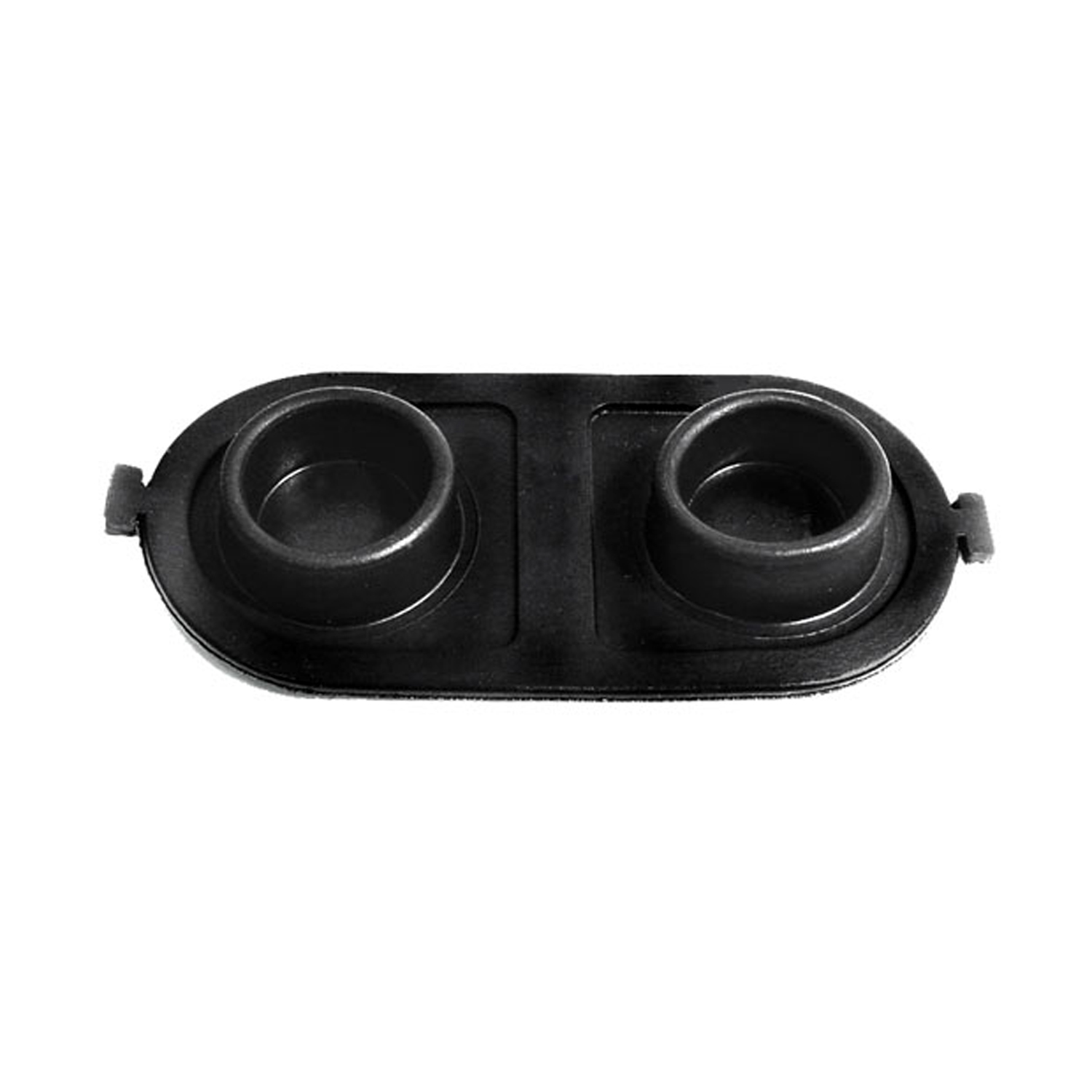 1968 Pontiac LeMans Brake Master Cylinder Cover Seal. Replaces OEM #5470861-RP 2-EBrake Master Cylinder Cover Seal. Replaces OEM #5470861. 5" X 2-1/2". Each
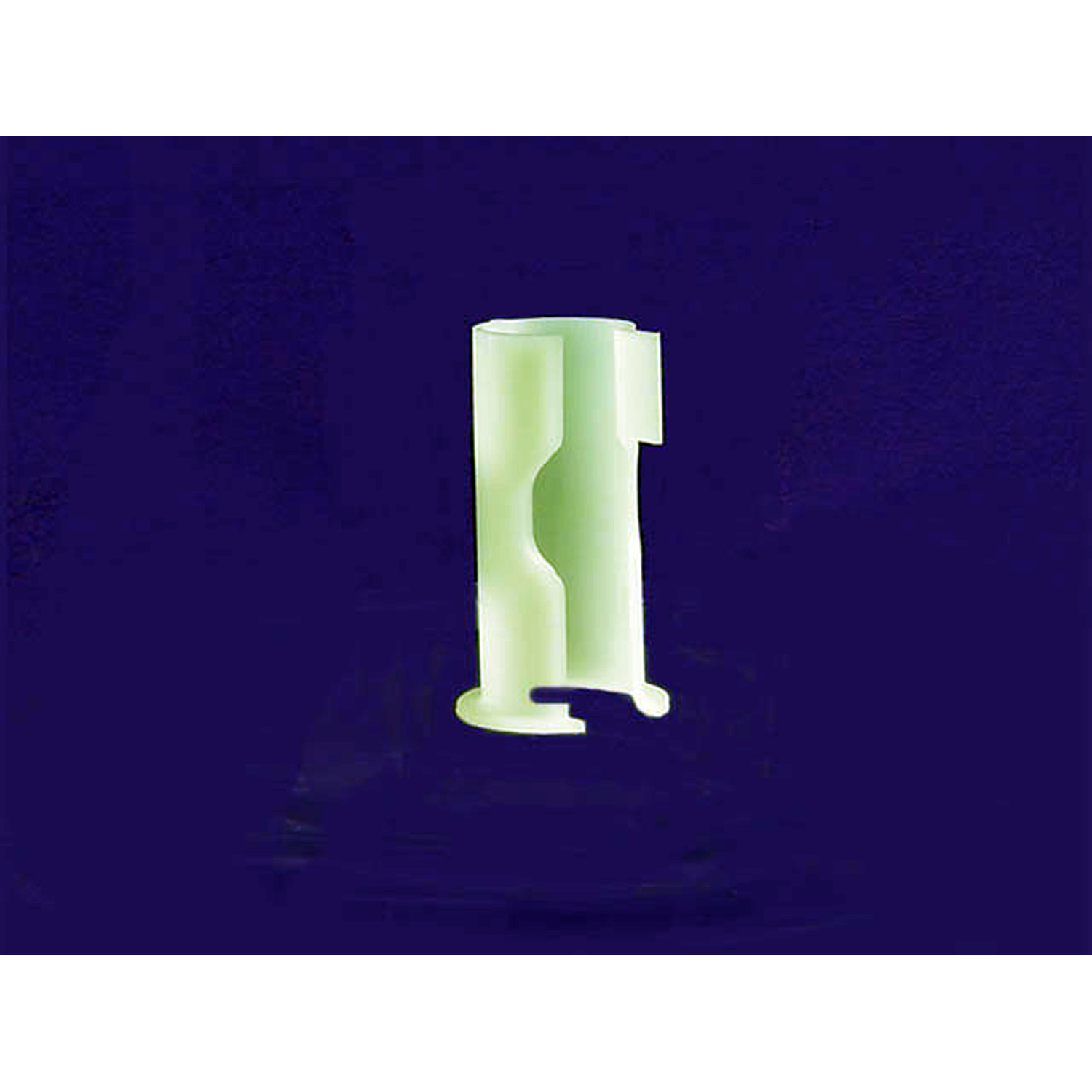 1968 Pontiac LeMans Sun Visor Support Sleeve. Clear plastic. Each-RP 303-ASun Visor Support Sleeve. Clear plastic. Each
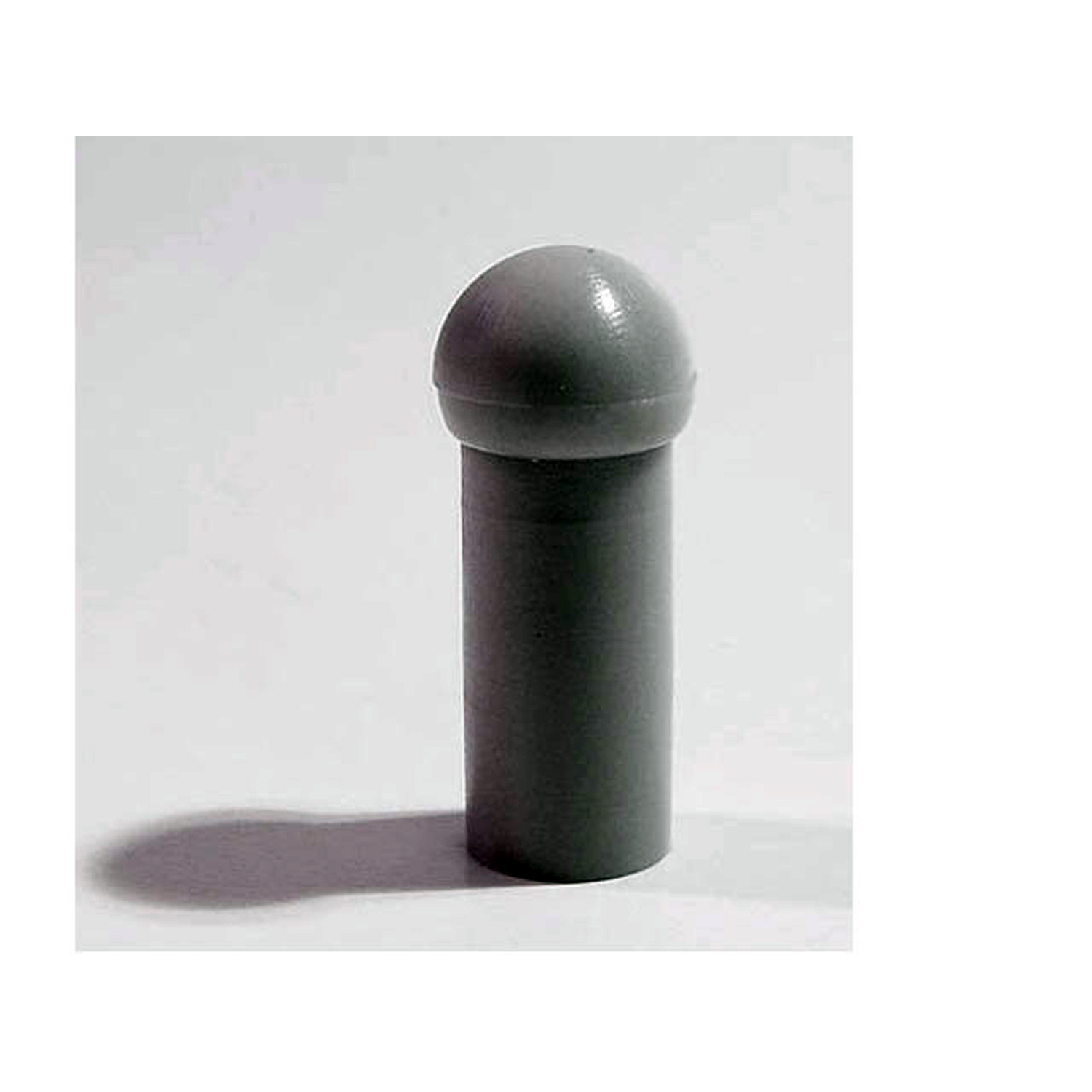 1968 Pontiac LeMans Sun Visor Rod Rubber Grommet. 3/4" long. Gray. Each-RP 303-CSun Visor Rod Rubber Grommet. 3/4" long. Gray. Each
 1968 Pontiac LeMans Convertible Top Rail Kit-RR 1610Convertible Top Rail Kit. 7-Piece set includes all right and left side top rail seals and windshield top header seal (HD 730).
 1968 Pontiac LeMans Molded Roof Rail Seals for 2-Door Hardtop Only. Pair R&L-RR 5002Molded Roof Rail Seals for 2-Door Hardtop Only. Pair R&L
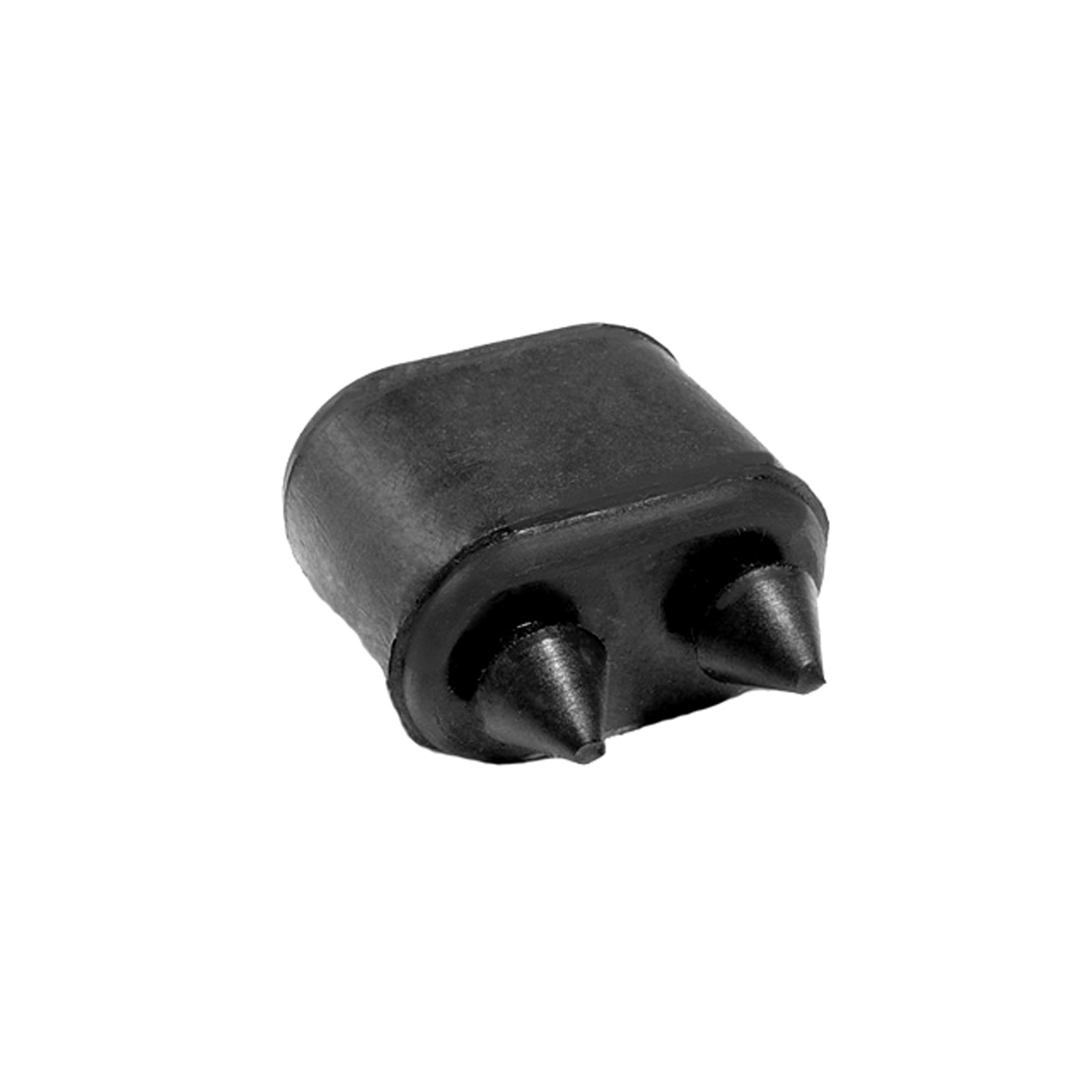 1968 Pontiac LeMans Door Bumper, 57-74 GM Cars, Made with Twin Retainers, Each-SB 35Door Bumper, 57-74 GM Cars, made with twin retainers, Each. Measure 1-1/16" high X 19/32" wide X 1-1/32" long.
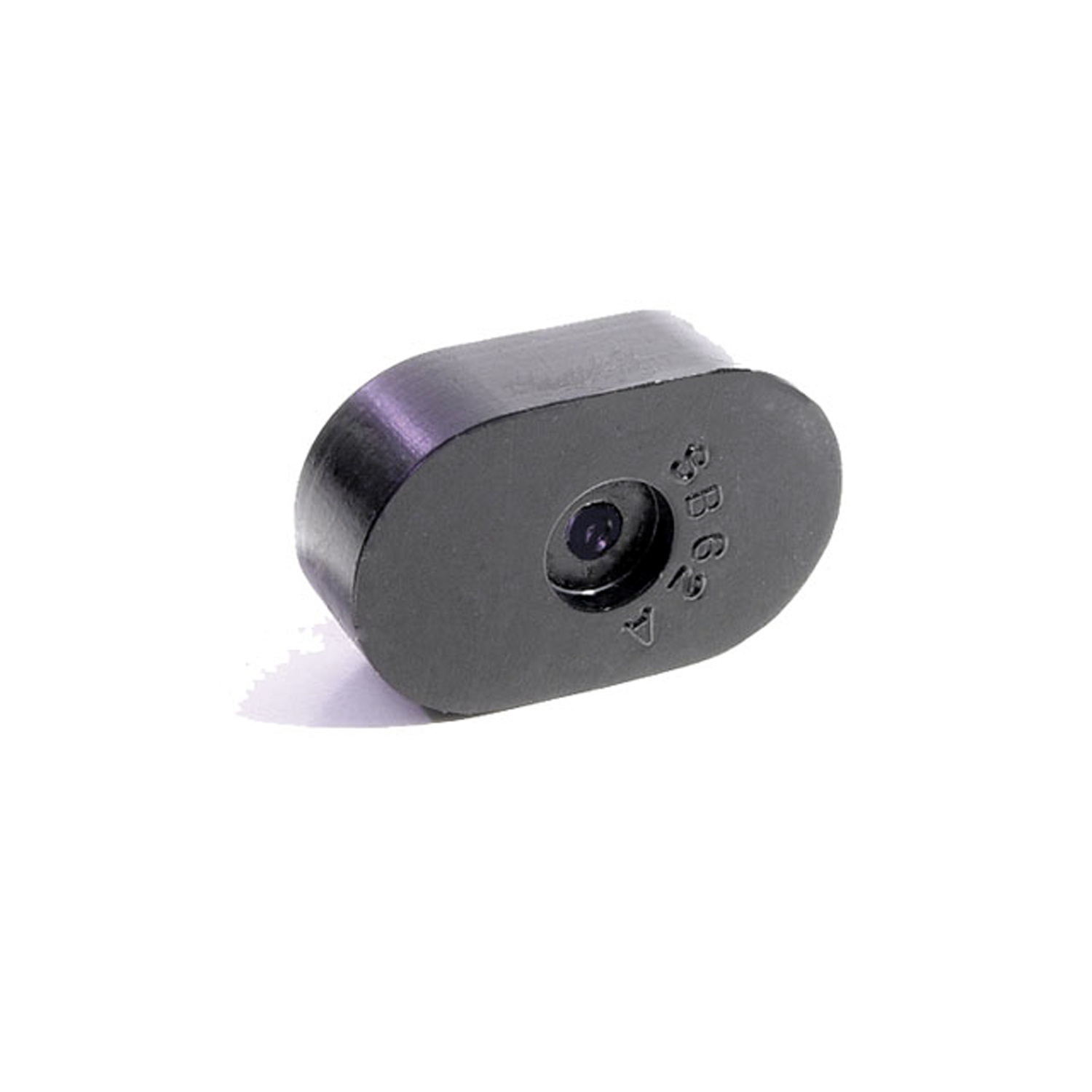 1968 Pontiac LeMans Seat Bumper. Made with steel core like original-SB 62-ASeat Bumper. Made with steel core like original. 1-1/2" long, 7/16" thick. Two used per car. Each
 1968 Pontiac LeMans Ashtray Bumper. 5/16" wide X 1/2" long X 3/16" high-SB 76Ashtray Bumper. 5/16" wide X 1/2" long X 3/16" high. (Fits some models) Each
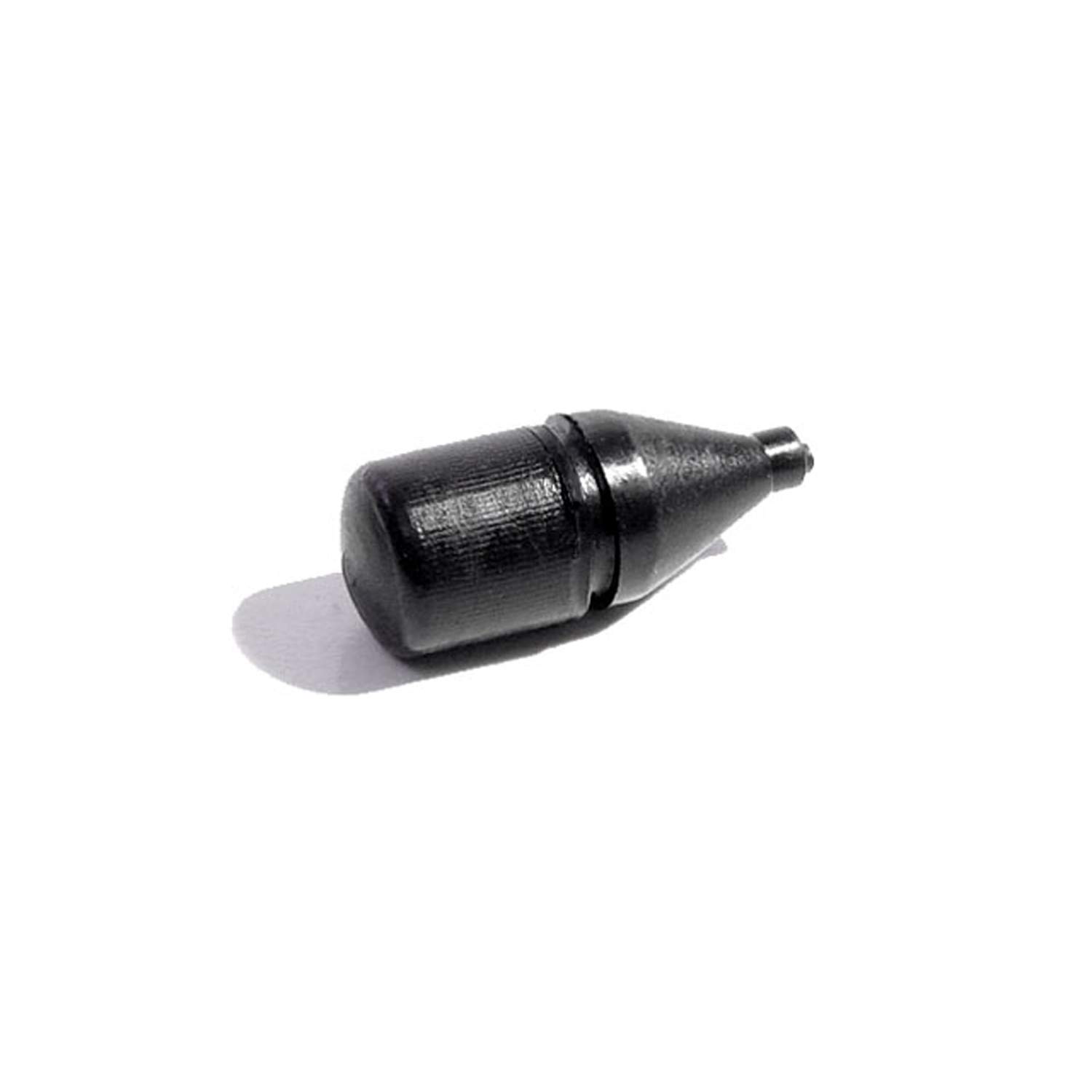 1968 Pontiac LeMans Fuel Door Bumper. 7/8" high, 5/16" O.D. Each-SB 81Fuel Door Bumper. 7/8" high, 5/16" O.D. Each
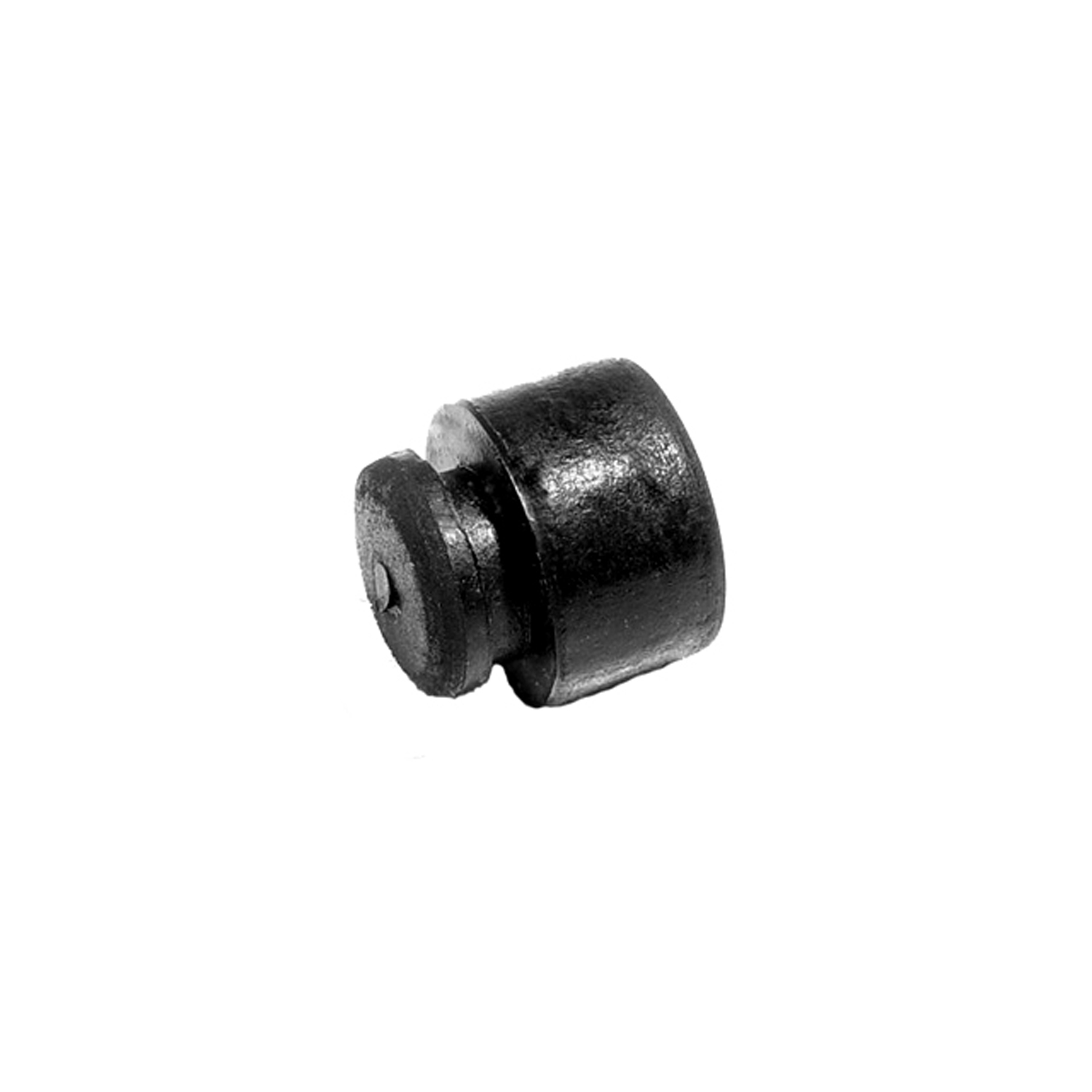 1968 Pontiac LeMans License Plate Bumper. Fits a 1/4" hole. Each-SB 82License Plate Bumper. Fits a 1/4" hole. Each
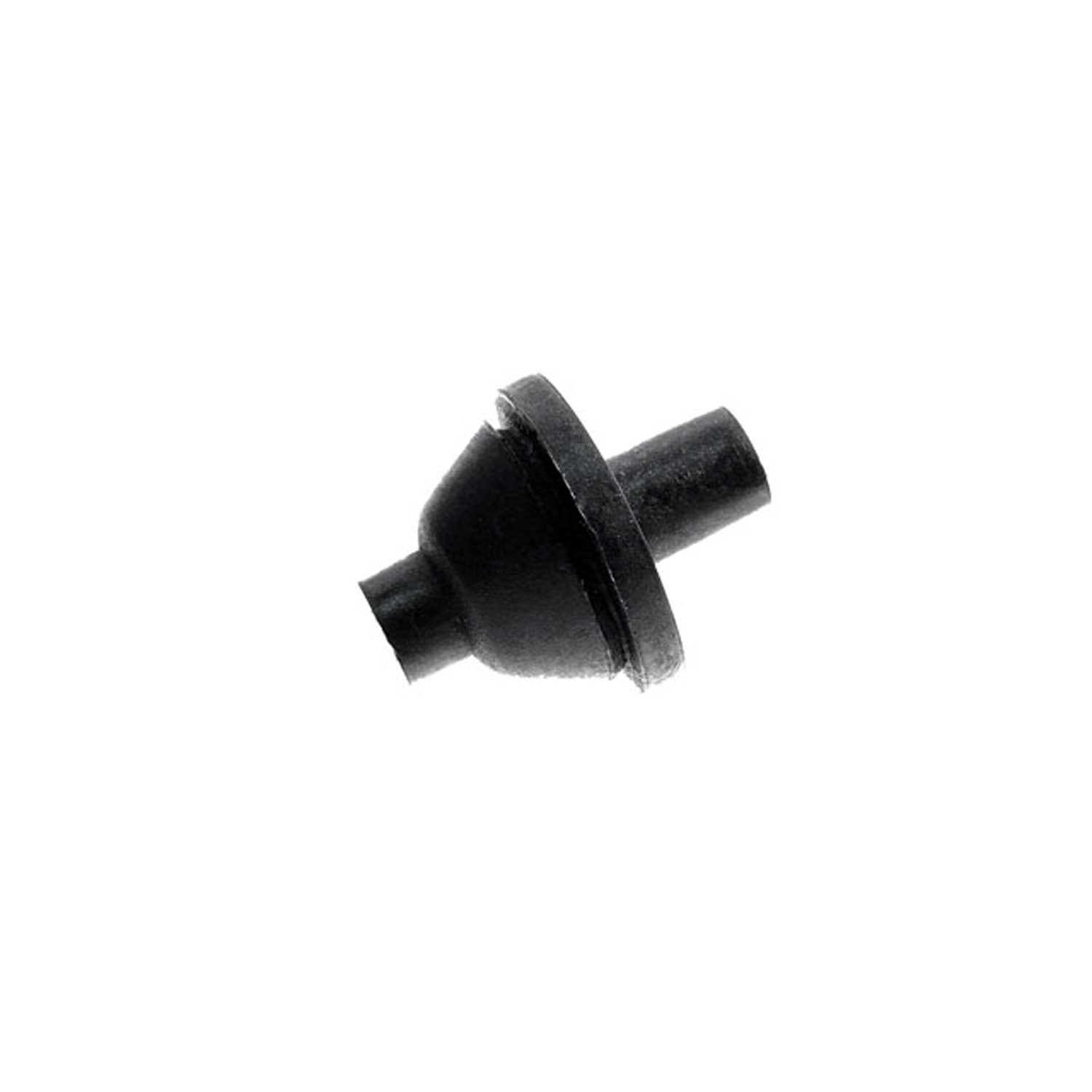 1968 Pontiac LeMans Dash and Firewall Grommet. Single-hole type is for one wire-SM 101Dash and Firewall Grommet. Single-hole type is for one wire. Each
 1968 Pontiac LeMans Dash and Firewall Grommet. Two hole type. Each-SM 101-ADash and Firewall Grommet. Two hole type. Each
 1968 Pontiac LeMans Trunk Seal. 16 feet long. Each-TK 46-16Trunk Seal. 16 feet long. Each
 1968 Pontiac LeMans Unbeaded Door and Trunk Lock Gasket. 1-3/16" O.D., 7/8" I.D-UM 1600-100Unbeaded Door and Trunk Lock Gasket. 1-3/16" O.D., 7/8" I.D. Each
 1968 Pontiac LeMans Unbeaded Door Handle Mounting Pads. 4-Piece Set-UM 2005-100Unbeaded Door Handle Mounting Pads. 4-Piece Set
 1968 Pontiac LeMans Air Conditioning Evaporation Drain Tube. 6-7/8" long-VH 102-GAir Conditioning Evaporation Drain Tube. 6-7/8" long. Each
 1968 Pontiac LeMans Vertical glass run channel-VR 2011Vertical glass run channel. Fits in division bar channel between front vent window and leading edge of window glass in door. 37-1/2 in. long. Pair.
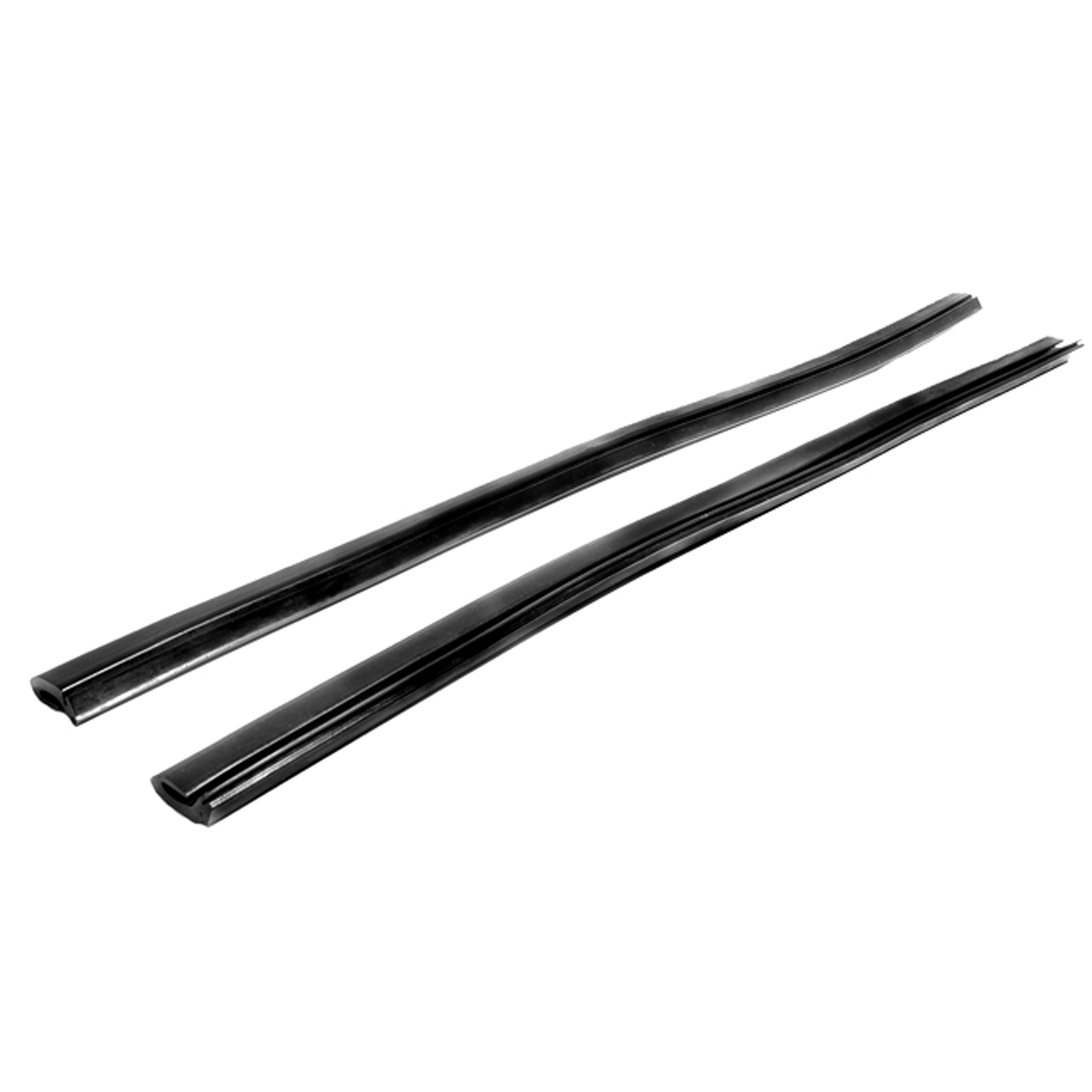 1968 Pontiac LeMans Rear Side Roll-Up Window Seal, for Hardtops and Convertibles-VS 3Rear Side Roll-Up Window Seal, for Hardtops and Convertibles. Two 20" sections slide into metal track. No steel insert. Pair
 1968 Pontiac LeMans Rear Roll-Up Quarter Window Seals-VS 3-MRear Roll-Up Quarter Window Seals, for 2-Door Hardtops and Convertibles. Made with a steel core stiffener. 16-1/2" long. Pair
 1968 Pontiac LeMans Rear Roll-Up Quarter Window Seals-VS 3-MXRear Roll-Up Quarter Window Seals, for 2-Door Hardtops and Convertibles. Made without steel core. 16-1/2" long. Pair
 1968 Pontiac LeMans Window Sweeper Kit Fits 68 Pontiac Lemans GTO 2 Door Hardtop 8 piece set-WC 8100-19Window Sweeper Kit Fits 68 Pontiac Lemans GTO 2 Door Hardtop 8 piece set. This eight (8) piece set includes inner and outer felt beltline weatherstrips for each side.
 1968 Pontiac LeMans Window Sweeper Kit Fits 68 Pontiac Lemans GTO Convertible 8 piece set-WC 8100-20Window Sweeper Kit Fits 68 Pontiac Lemans GTO Convertible 8 piece set. They come ready to install with finished ends and body curvature bends for a factory like appearance, and are made from original factory style material. This set includes the inner and outer seals for all side windows.
 1968 Pontiac LeMans Windshield Reveal Molding Clip. Made of steel-WF 203Windshield Reveal Molding Clip. Made of steel. 5/8" x 15/16". Each
 1968 Pontiac LeMans Rear Quarter Window Molding Clip. Made of steel-WF 204Rear Quarter Window Molding Clip. Made of steel. 3/4" x 1-3/8". Each
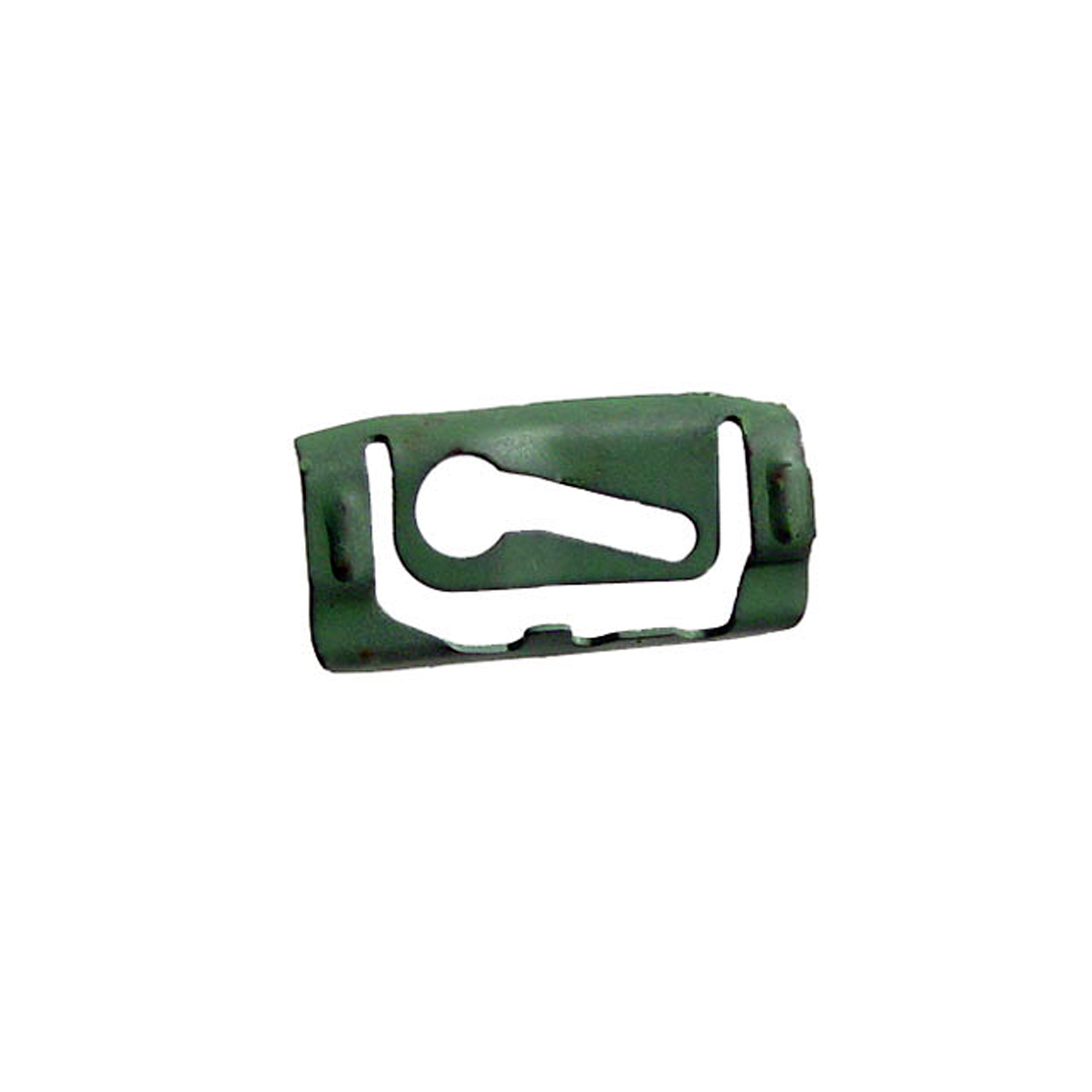 1968 Pontiac LeMans Quarter Window Reveal Molding Clip. Made of Steel-WF 205Quarter Window Reveal Molding Clip. Made of Steel. 1-3/8" X 11/16". Each
 1968 Pontiac LeMans Vent window seals. 2-door hardtop and convertible-WR 2009-BVent window seals. 2-door hardtop and convertible. Replaces OEM#'s 9712506/7. Pair. R&L.
 1968 Pontiac LeMans Vent window seals-WR 2012Vent window seals. '68-'72 GM A-body 2-door sedan (coupe, sport coupe, club coupe) with body styles ending in 27 and 77. Includes El Camino and GMC Sprint. Supercedes IS-WR 2012. Replaces OEM#'s 9712554/5. 4-piece set. R&L.
 1968 Pontiac LeMans Rear Axle Housing Bumper. Each-XB 33Rear Axle Housing Bumper. Each
Why Choose Metro?
For over 100 years, Metro Moulded Parts has been the pinnacle of quality in classic car restoration parts. Our commitment to precision and authenticity in every component ensures a perfect fit and an OEM-level appearance.
- Expert Craftsmanship & Quality: Each part is a testament to our dedication to reliability and perfection, crafted from original designs and thoroughly tested.
- Advanced Technology: We use cutting-edge techniques to create flawless, long-lasting parts that surpass others in performance.
- SuperSoft Sponge – The Ultimate Door Seal: Not only are our door seals 30% softer than competitors', but they're also guaranteed to never leak. They effectively reduce wind and road noise, enhancing your classic car's comfort and driving experience.
- Proudly American: Our parts are a product of American craftsmanship, made in the USA with a spirit of excellence and heritage.
- Unrivaled Warranty: We back our products with a 30-year industry-leading warranty, a testament to our confidence in their quality.
Join us in preserving the legacy of classic cars with parts that are crafted for perfection, not just made.