

Image of 1968 Pontiac Parisienne, Note: These illustrations use artistic license and may differ from actual historical models.
Performance Metrics
Fundamental Metrics
Emotional Appeal
MMP Rating
| Engine Specifications | |
|---|---|
| Engine: | 327 V8, 396 V8, 427 V8 |
| Displacement: | 327-427 cu in |
| Horsepower: | 235-390 hp |
| Torque: | 340-460 lb-ft |
| Compression Ratio: | 8.5:1 - 10.25:1 |
| Ignition System: | Conventional breaker-point ignition system |
| Cooling System: | Liquid-cooled |
| Performance Specifications | |
| 0-60 Time: | 8-10 seconds |
| 1/4 Mile Time: | 15-17 seconds |
| Top Speed: | 120-130 mph |
| Transmission and Drive | |
| Drive Type: | Rear-wheel drive |
| Transmission Type: | 3-speed automatic, 4-speed manual |
| Fuel and Efficiency | |
| Fuel System Type: | Carburetor |
| MPG: | 10-12 mpg |
| Dimensions and Brakes | |
| Brakes: | Front disc, rear drum |
| Wheelbase: | 119.0 in |
| Weight: | 3,500-3,800 lbs |
Note: Specifications for classic cars are given to the best of our ability, considering the limited and variant data available.
1968 Pontiac Parisienne: Canada’s Full-Size Pontiac
The 1968 Pontiac Parisienne combined the presence of an American full-size Pontiac with the practicalities of a Canadian-built General Motors car. Long, wide and unmistakably Pontiac in appearance, it was assembled in Canada by General Motors of Canada and paired Pontiac styling with many Chevrolet mechanical components. That unusual blend is the key to understanding the Parisienne: it looked like a Pontiac, but its engineering often made it familiar to Chevrolet mechanics and parts suppliers.
The model arrived at an interesting moment in the Canadian auto industry. Canada had its own GM production system, shaped by a smaller market, local manufacturing rules and a long-standing tradition of sharing components across brands. The Parisienne was no badge-engineered afterthought, though. It was a popular, full-sized car with a distinct identity, offered in several body styles and equipped for everything from family transport to comfortable highway cruising.
One detail that still surprises enthusiasts is that a Canadian Parisienne could wear Pontiac’s signature split grille while using Chevrolet-sourced engines and other major components. That cross-brand recipe gives the 1968 model a character all its own, and it can make restoration easier when owners know which parts are shared and which are uniquely Pontiac.
Exterior Styling and Body Styles
The 1968 Parisienne had the confident proportions expected of a late-1960s full-size car: a long hood, a substantial cabin and a broad rear deck. Up front, Pontiac’s divided grille and quad headlights gave it a more assertive face than a typical family sedan. The sculpted body sides added a touch of motion even when the car was parked, while the rear treatment kept the design formal and clean.
Buyers could choose among several body styles, with exact availability depending on the series and Canadian-market specification. The range included two-door hardtops, four-door sedans and hardtops, convertibles and Safari station wagons. The hardtops were especially striking, with a clean roofline and no fixed center pillar visible when the windows were lowered. The convertible offered the most glamour, while the Safari wagon delivered the Parisienne’s full-size comfort in a practical family package.
Higher-trim versions, including Parisienne Brougham models, added a more upscale appearance and interior appointments. Equipment and trim could vary by body style, so original sales literature, the vehicle’s identification tags and factory records are useful when determining how a particular car was built.
Interior Comfort and Features
Inside, the Parisienne favored room and comfort over a sporty, close-fitting cockpit. Wide bench seats, generous legroom and a broad dashboard made it well suited to long trips and family use. Depending on trim and options, interiors could feature cloth-and-vinyl combinations or all-vinyl upholstery, with upgraded trim on more luxurious models. The materials were appropriate to a premium full-size car of the era: durable and substantial, though not immune to decades of wear, sun damage and shrinkage.
Convenience equipment could include power steering, power brakes, air conditioning, an AM radio, power windows and other comfort options. Automatic transmissions were popular, though manual transmissions were available in some configurations. Like most cars of the period, the Parisienne relied on conventional controls and straightforward instrumentation rather than electronic displays or driver aids.
Factory paint choices varied by body style, production details and market. Buyers could find restrained whites and blacks, along with blues, greens, reds, golds and metallic finishes. A bold color can look fantastic on a Parisienne, but the original paint code is the best guide for a faithful restoration. Paint codes and trim information are particularly helpful because a repainted car may no longer reflect its original specification.
Canadian Engineering and Mechanical Options
The Parisienne’s engineering story is one of sensible parts sharing. Canadian Pontiacs of this period commonly used Chevrolet-based chassis and drivetrain components beneath Pontiac-specific bodywork and trim. That meant many service parts could be sourced through Chevrolet-compatible channels, while items such as exterior trim, grille pieces and certain interior details remained specific to the Pontiac.
Engine choices varied according to body style and equipment. Canadian-market Parisiennes could be ordered with an inline-six or a selection of Chevrolet-based V8s, with small-block engines serving as popular all-rounders and larger-displacement options available for buyers wanting stronger performance. Exact engine availability and output should be checked against the car’s documentation, as Canadian specifications did not always mirror U.S. Pontiac catalogs.
Automatic transmissions, power steering and power brakes helped make the large car easier to manage in everyday traffic. Some examples were equipped with front disc brakes, while many retained drum brakes. Either way, the Parisienne’s technology was conventional for 1968: proven mechanical systems, a body-on-frame construction and suspension tuned primarily for comfort.
Historical Significance
The 1968 Parisienne was not a technical revolution, and that is part of its appeal. It represents a distinctive chapter in Canadian automotive history, when local production arrangements produced cars that blended brand-specific styling with shared GM hardware. The result was a full-size Pontiac that looked familiar to American observers but reflected the realities of the Canadian market.
Compared with many contemporaries, the Parisienne stood out for offering Pontiac character without requiring every component to be Pontiac-exclusive. That approach helped make the car practical to build and maintain. It also left today’s owners with an interesting restoration puzzle: the correct part may come from a Pontiac catalog, a Chevrolet catalog or a Canadian-market source, depending on what needs attention.
Its lasting influence is less about a single design breakthrough than about its place in a broader GM strategy. The Parisienne is a memorable example of how national markets could shape a familiar American brand into something locally distinctive.
Performance and Road Manners
Performance depended heavily on the engine, transmission, axle ratio and body style. A six-cylinder car was aimed at steady, economical cruising, while a V8-powered model delivered the relaxed acceleration expected from a large American-style automobile. As a general period-correct estimate, a typical V8 Parisienne might reach 0–60 mph in roughly 9 to 12 seconds. A stronger engine could improve that figure, while a heavier wagon or a less performance-oriented drivetrain could take longer.
Top speed also varied with equipment and mechanical condition. A healthy V8 example might be capable of approximately 105 to 120 mph under suitable conditions, but that is an estimate rather than a published guarantee for every version. These cars were designed for comfortable highway travel, not sustained high-speed running by modern standards, and their tires, brakes and suspension should be inspected before any spirited driving.
On the road, the Parisienne feels substantial. Its body-on-frame construction and soft suspension take the sting out of ordinary pavement breaks, and the long wheelbase helps it settle into a relaxed highway rhythm. The trade-off is noticeable body roll on winding roads and a less precise feel than a smaller, more modern car. Strong crosswinds can also remind the driver that this is a broad, tall vehicle.
A V8 adds a deep, unhurried soundtrack, especially under acceleration. The steering is generally light when power-assisted, and the driver sits behind a broad hood with a commanding view of the road. The overall experience is less about sharp cornering and more about smooth progress, roomy comfort and the satisfying sound of a period GM engine.
Ownership, Maintenance and Reliability
Today, a 1968 Parisienne is most often used as a weekend cruiser, a show car or a classic for local tours. A well-maintained example can still be driven regularly, but its size, fuel consumption, older braking systems and lack of modern safety equipment make it less suited to the demands of contemporary commuting.
Many of the mechanical components are familiar to classic GM specialists, and Chevrolet-based drivetrain parts can be relatively accessible. That can make routine jobs such as servicing the engine, transmission or suspension manageable for an experienced home mechanic. The more difficult parts to source may be model-specific trim, glass, interior pieces and body panels, particularly for less common body styles.
Rust deserves close inspection. Check the floors, body mounts, frame, rocker panels, wheel openings and trunk, as well as areas where water can collect. Before buying, confirm that the engine and transmission match the seller’s description, inspect the brake system and wiring, and look for evidence of previous repairs. A car that appears inexpensive can quickly become costly if it needs major metalwork or rare exterior trim.
Trivia and Common Misconceptions
The Parisienne’s Chevrolet-based mechanicals are often mistaken for a shortcut or a modern swap. On Canadian-built examples, shared components were part of the car’s original manufacturing identity. That makes it important to verify a car by its Canadian documentation and identification tags rather than assuming that U.S. Pontiac specifications apply.
There is no widely recognized speed or endurance record associated with the 1968 Parisienne, and no single celebrity connection defines the model. Its appeal is more grounded: it was a familiar, usable full-size car for Canadian families, offered in practical and stylish configurations. The convertible is the most eye-catching version, while the Safari wagon has a strong following among enthusiasts who appreciate its rarity and utility.
Common criticisms are typical of large cars from the era. The Parisienne can be thirsty, its handling is soft by modern standards, and some body-specific parts are harder to find than mechanical service items. Its size can also make parking and maneuvering in tight spaces a chore. For owners who value comfort, style and period character, those drawbacks are usually part of the deal rather than a surprise.
Collector Values and Rarity
Production figures for the 1968 Parisienne can be difficult to pin down across every body style and trim level. A reasonable broad estimate is somewhere in the tens of thousands, perhaps around 35,000 to 55,000 cars across the range, but that should be treated as an informed estimate rather than a verified factory total. Survivors are considerably less common, especially in solid, original condition.
As a general North American guide, a project car or driver needing work might sell for roughly US$5,000 to US$12,000. A clean, usable sedan or hardtop could fall around US$12,000 to US$25,000, while a very well-restored example may reach US$25,000 to US$40,000 or more. Convertibles and particularly desirable, documented examples can exceed those figures, with condition and originality making a major difference. These are broad estimates, not guaranteed sale prices, and local Canadian values may differ.
The market tends to reward sound bodywork, correct trim, a documented drivetrain and rare body styles. Values have generally strengthened for distinctive Canadian classics, but the Parisienne remains more affordable than many better-known American muscle cars. Its future appreciation is likely to be steady rather than spectacular, with exceptional convertibles and wagons having the best chance to stand apart.
Why the 1968 Parisienne Still Matters
The 1968 Pontiac Parisienne delivered full-size comfort, bold Pontiac styling and a distinctly Canadian mechanical identity. Its range of body styles made it useful as a family car, a cruiser or an open-top showpiece, while its shared GM components give owners a practical starting point for maintenance and restoration.
More than a handsome old Pontiac, the Parisienne is a rolling reminder that automotive history was never exactly the same on both sides of the border. Its blend of Pontiac presence and Chevrolet engineering is what makes this Canadian classic worth discovering, preserving and taking out for one more long, unhurried drive.
1968 Pontiac Parisienne Catalog of Parts
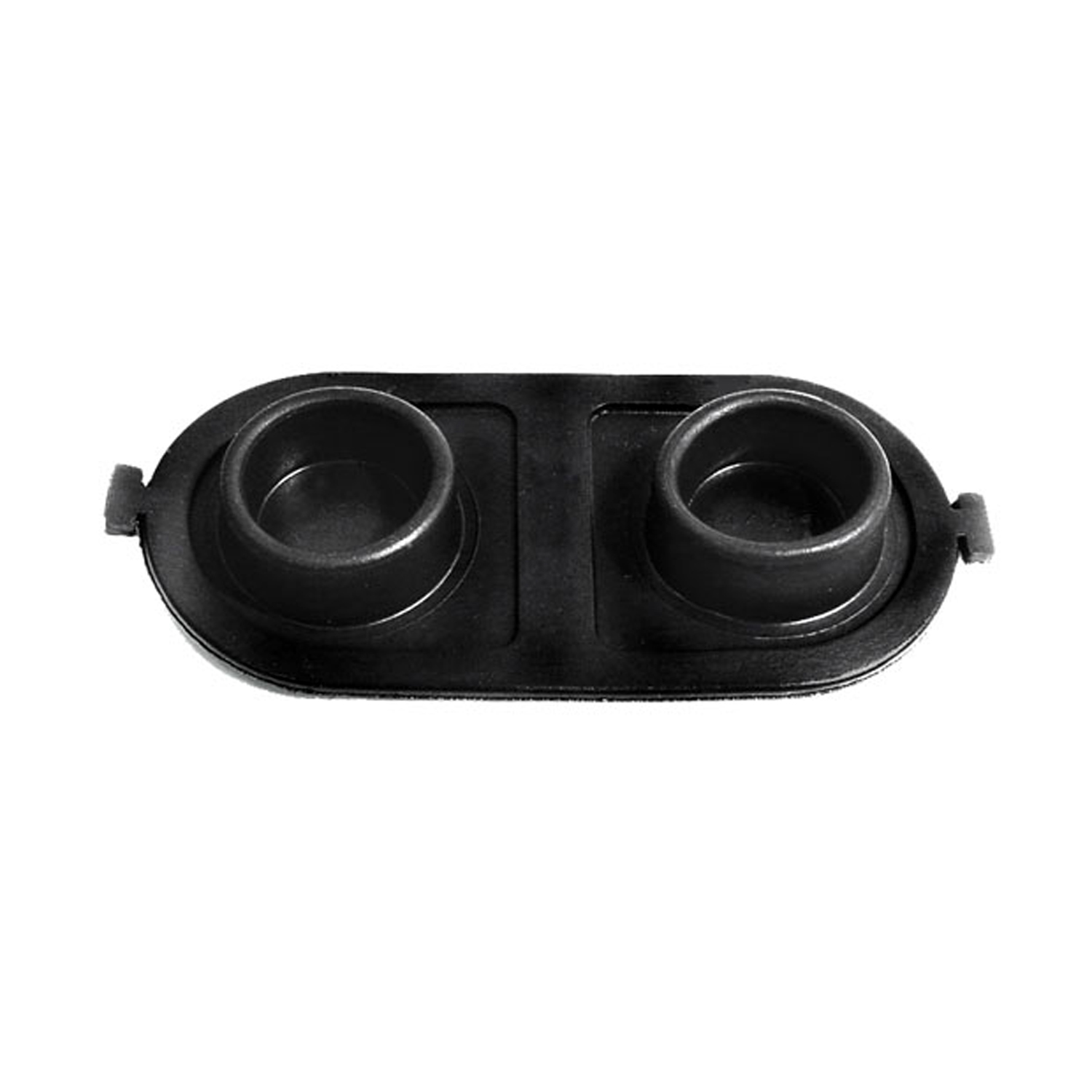 1968 Pontiac Parisienne Brake Master Cylinder Cover Seal. Replaces OEM #5470861-RP 2-EBrake Master Cylinder Cover Seal. Replaces OEM #5470861. 5" X 2-1/2". Each
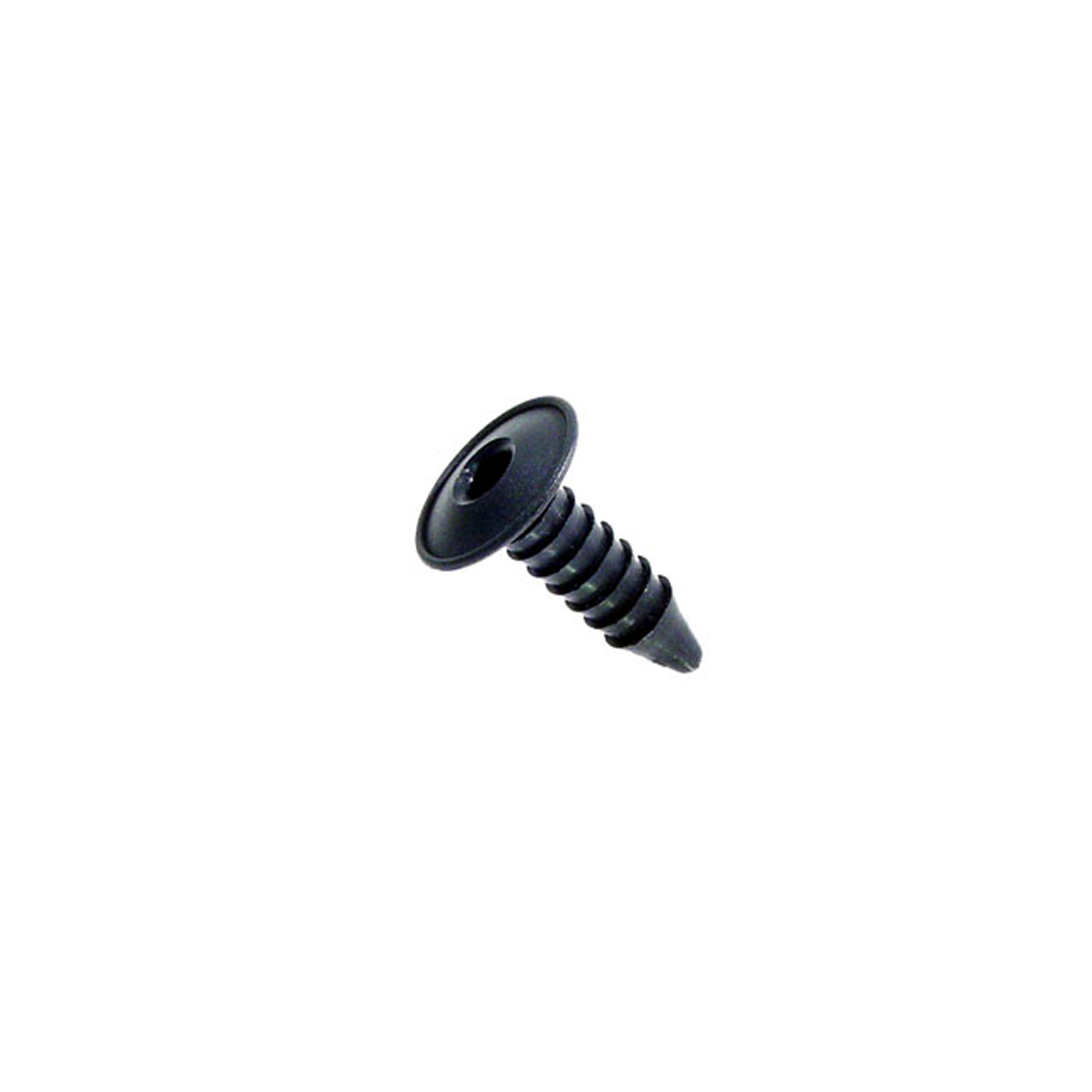 1968 Pontiac Parisienne Firewall insulation fastener. 1 in. dia. W head. 1-1/2 in. L-SM 80-AFirewall insulation fastener. 1 in. dia. W head. 1-1/2 in. L. Replaces OEM#'s (GM) 7642589 and (AMC) 4001934. Black. Each.
Why Choose Metro?
For over 100 years, Metro Moulded Parts has been the pinnacle of quality in classic car restoration parts. Our commitment to precision and authenticity in every component ensures a perfect fit and an OEM-level appearance.
- Expert Craftsmanship & Quality: Each part is a testament to our dedication to reliability and perfection, crafted from original designs and thoroughly tested.
- Advanced Technology: We use cutting-edge techniques to create flawless, long-lasting parts that surpass others in performance.
- SuperSoft Sponge – The Ultimate Door Seal: Not only are our door seals 30% softer than competitors', but they're also guaranteed to never leak. They effectively reduce wind and road noise, enhancing your classic car's comfort and driving experience.
- Proudly American: Our parts are a product of American craftsmanship, made in the USA with a spirit of excellence and heritage.
- Unrivaled Warranty: We back our products with a 30-year industry-leading warranty, a testament to our confidence in their quality.
Join us in preserving the legacy of classic cars with parts that are crafted for perfection, not just made.