

Image of 1969 Pontiac Bonneville, Note: These illustrations use artistic license and may differ from actual historical models.
Performance Metrics
Fundamental Metrics
Emotional Appeal
MMP Rating
| Engine Specifications | |
|---|---|
| Engine Options: | 400 cu in (6.6 L) V8, 428 cu in (7.0 L) V8 |
| Displacement Range: | 400-428 cu in |
| Horsepower Range: | 265-390 hp |
| Torque: | 472 lb-ft at 3200 rpm for the 428 cu in engine |
| Compression Ratio: | 10.5:1 |
| Ignition System: | Conventional breaker-point ignition system |
| Cooling System: | Liquid-cooled |
| Performance Specifications | |
| 0-60 Time: | 7.5 seconds |
| 1/4 Mile Time: | 15.5 seconds |
| Top Speed: | 130 mph |
| Transmission and Drive | |
| Drive Type: | Rear-wheel drive |
| Transmission Type: | 3-speed automatic, 4-speed manual |
| Fuel and Efficiency | |
| Fuel System Type: | Carburetor |
| MPG: | 10-12 mpg |
| Dimensions and Brakes | |
| Brakes: | Front disc and rear drum brakes |
| Wheelbase: | 123 inches |
| Weight: | 4,500 lbs |
Note: Specifications for classic cars are given to the best of our ability, considering the limited and variant data available.
1969 Pontiac Bonneville: Pontiac’s Full-Size Flagship
The 1969 Pontiac Bonneville brought big-car comfort, bold styling, and serious V8 power together in one of Pontiac’s most prestigious models. Built by the Pontiac Motor Division of General Motors, it sat near the top of the brand’s full-size lineup, offering a more luxurious alternative to the Catalina while sharing Pontiac’s distinctive performance-minded character.
The Bonneville name had a memorable origin: it was inspired by the Bonneville Salt Flats in Utah, famed for land-speed-record attempts. By 1969, the name had become a familiar badge on substantial American road cars. A notable highlight of that model year was the availability of Pontiac’s powerful 428-cubic-inch V8, including a high-output version that gave this large luxury car genuine muscle-car credentials.
Long Hood, Wide Stance, and Classic Pontiac Style
The 1969 Bonneville was unmistakably a late-1960s Pontiac. Its long hood, broad body, sweeping side profile, and carefully sculpted rear quarters made it look substantial without appearing plain. At the front, a wide split grille framed the quad headlamps, while the bumper and lower bodywork gave the car a purposeful, planted appearance. Chrome trim emphasized its upscale position, but the overall design remained clean rather than excessively ornate.
Inside, the Bonneville favored space and comfort. Depending on body style and equipment, buyers could choose broad bench seating or more personal bucket seats, with vinyl or cloth-and-vinyl upholstery among the available finishes. Pontiac’s Morrokide vinyl was a popular choice for its upscale look and practical durability. Wood-tone accents, carpeting, and generous door trim helped create a lounge-like cabin, while the wide dashboard kept the main instruments and controls within easy reach.
Available features included power steering, power brakes, power windows, air conditioning, cruise control, tilt steering wheel, and upgraded radio and stereo equipment. Many were optional, so the equipment in an individual car can vary considerably. Power front disc brakes were available, while many cars came with drum brakes. These were desirable conveniences for a luxury car of the era, though they should not be mistaken for modern safety or driver-assistance technology.
Buyers could order the Bonneville in a range of period Pontiac colors. Verdoro Green, Cameo Ivory, Matador Red, and metallic silver or blue shades capture the model’s late-sixties character especially well. Bright colors make a striking impression today, while more restrained silver, cream, and dark green finishes suit the Bonneville’s formal, upscale styling.
The lineup offered a two-door hardtop, four-door hardtop, four-door sedan, convertible, and Safari station wagon, with exact availability and equipment varying by series. The two-door hardtop is often the most instantly recognizable body style, thanks to its pillarless roof and long, uninterrupted side glass. The convertible is a particularly appealing open-air cruiser, while the Safari wagon stands out as the practical, less commonly encountered choice.
Why the Bonneville Mattered
The Bonneville was not a radical technological breakthrough, and that was not its purpose. Its significance was in how effectively Pontiac combined full-size comfort with a performance image. It offered the room and ride expected of a premium American car, but buyers could also specify a large-displacement V8 and equipment that made highway travel feel effortless.
That blend helped distinguish Pontiac from more purely comfort-focused competitors. The Bonneville was a polished flagship, yet it still carried the division’s reputation for responsive V8s and sporty styling. Its formula influenced how American manufacturers positioned premium full-size models: luxury did not have to mean dull, and a large family car could still have a confident performance personality.
By 1969, the American full-size car was nearing the end of its cultural high point. Smaller cars and changing consumer priorities were gaining ground, but the Bonneville represented the era at full scale: body-on-frame construction, generous dimensions, extensive options, and a V8 under a long hood.
428 Power and Highway Manners
Most 1969 Bonnevilles were equipped with a 400-cubic-inch Pontiac V8. Depending on configuration, the standard engine was rated at approximately 265 horsepower. Buyers seeking more performance could move up to a 428-cubic-inch V8, with period ratings commonly listed around 360 horsepower for the four-barrel version and up to 390 horsepower for the 428 High Output. A three-speed Turbo Hydra-Matic automatic transmission was a common pairing, although equipment could vary.
Performance figures depend on engine, gearing, body style, condition, and the test method used. As a broad period-car estimate, a 400-powered Bonneville could take roughly 9 to 11 seconds to reach 60 mph. A well-tuned 428-equipped car might manage the run in about 7.5 to 9 seconds. Approximate top speed could range from around 110 mph for a standard car to roughly 120 mph or more for a strong 428 example. These are estimates, not guaranteed specifications for every surviving car.
The Bonneville’s strength was relaxed momentum rather than nimble cornering. Its long wheelbase and soft suspension helped it absorb highway expansion joints and rough pavement, while power steering made low-speed maneuvering easier than the car’s size suggested. On a winding road, however, body lean and a slow steering response remind the driver that this is a heavy, full-size cruiser, not a sports sedan. Strong crosswinds can also be felt across its broad body.
From behind the wheel, the experience is unhurried and distinctly American. The V8 delivers a deep, smooth rumble, the automatic transmission shifts without drama, and the roomy cabin encourages long-distance driving. A 428 car adds a firmer surge of acceleration, but even the standard engine suits the Bonneville’s character: quiet strength, comfortable cruising, and plenty of presence.
Living With a 1969 Bonneville
Today, most Bonnevilles are enjoyed as weekend cruisers, show cars, and members of classic-car collections. A sound example can also handle occasional longer trips, though its fuel consumption, large footprint, and age-related maintenance make it a poor match for many people’s idea of an everyday commuter.
Mechanical work is generally approachable for an experienced home mechanic. Pontiac V8s and GM automatic transmissions are well understood, and many routine service parts remain available through classic-car suppliers. The cars’ straightforward construction is a plus, but age and size bring their own challenges: body and frame repairs can be labor-intensive, and trim, interior pieces, and body-specific components may take time to locate.
Before buying, inspect the frame and body carefully for rust, especially around lower body panels, floors, trunk areas, and structural sections. Check the engine’s oil pressure and cooling system, test the transmission, and make sure power accessories work. A shiny repaint can hide expensive bodywork, so a specialist inspection is worthwhile. Parts availability is strongest for common mechanical items and less predictable for rare trim or wagon-specific pieces.
Bonneville Trivia and Common Complaints
The Bonneville name connects Pontiac’s full-size cars to the famous Utah salt flats, but a production Bonneville should not be confused with a purpose-built land-speed-record car. Its identity was about comfortable speed on public roads, not setting a top-speed record. The name itself carried a hint of performance, even when attached to a large family-oriented model.
There is no single celebrity ownership story or major historical event that defines the 1969 model. Its appeal is more representative: it captures the era when large American cars were central to family travel and the open road. The Bonneville was part of Pontiac’s broader full-size lineup rather than a limited-production special, and surviving cars appear in clubs, shows, and private collections today.
Common criticisms are familiar for a car of this size and age. Fuel economy is poor by modern standards, parking requires room, and drum-brake-equipped examples do not stop with the confidence of a modern vehicle. The soft suspension can feel floaty, and worn rubber bushings, tired shocks, or neglected steering components can make an old car feel less composed than it should. A properly maintained example, especially one with power front disc brakes, is much more reassuring to drive.
Collector Values and Availability
Production figures for individual 1969 Bonneville body styles are not always presented consistently in readily available references. A reasonable broad estimate is roughly 120,000 to 130,000 Bonnevilles across the model range, but that should be treated as an approximate total rather than a definitive factory count. Specific body styles and equipment combinations are less common than the overall number suggests, and convertibles and Safari wagons can be harder to find than ordinary hardtops and sedans.
As a general U.S. market estimate, a project car may sell for about $5,000 to $12,000, depending heavily on rust and completeness. A usable driver often falls around $12,000 to $25,000, while a well-restored or exceptionally clean car may bring roughly $25,000 to $45,000. A desirable convertible, rare configuration, or documented 428 High Output example can sell for more. These are broad ranges: condition, originality, provenance, and local demand matter more than a single guidebook figure.
Values have generally been steady to gradually appreciating for strong, original examples, with the best cars attracting the most interest. The Bonneville is not as universally sought after as a GTO or other headline muscle car, which can keep prices more approachable. At the same time, its size, fuel appetite, and storage needs limit the buyer pool. The most collectible examples tend to be rust-free, correctly equipped cars with documented history and desirable body styles or engines.
A Full-Size Pontiac With Lasting Presence
The 1969 Pontiac Bonneville brought together the ingredients that made Pontiac distinctive: expressive styling, a comfortable cabin, V8 power, and a confident road presence. It was large and thirsty by modern standards, but those traits were part of its original mission as a premium American cruiser.
For collectors, the Bonneville offers a rewarding alternative to more obvious muscle-car choices. Find a solid example, bring the mechanicals up to standard, and it delivers a memorable slice of Pontiac history: a big, smooth, beautifully proportioned car built for the long way home.
1969 Pontiac Bonneville Catalog of Parts
 1969 Pontiac Bonneville Upper Door Lock Pillar Seal-ALP 5054Upper Door Lock Pillar Seal. 69-70 GM B & C Body 2 Door Hardtop and Convertibles. Made with all details and steel cores. 2-1/8"W X 5-1/4"L. Pair R&L.
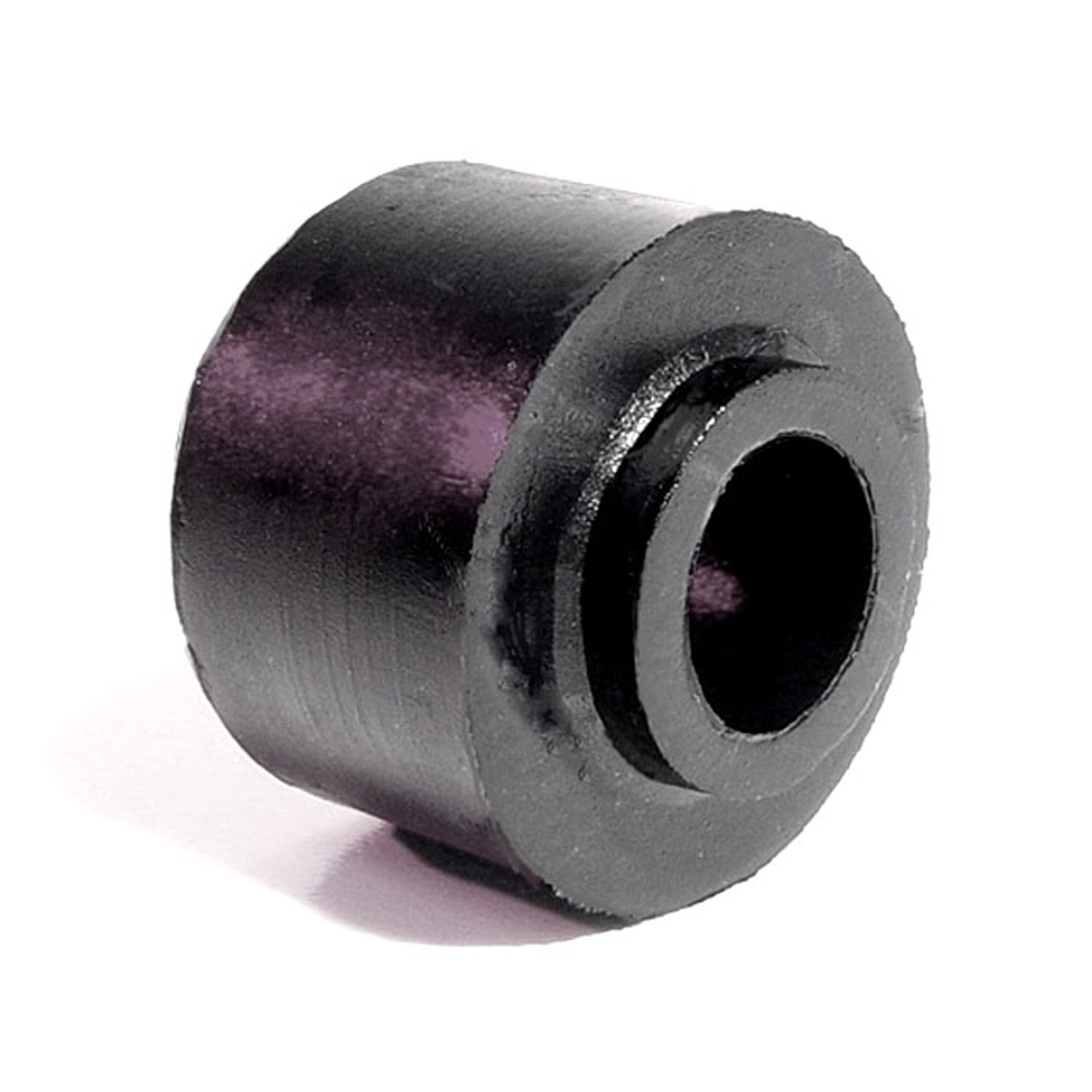 1969 Pontiac Bonneville Shock Absorber Grommet. 1" bottom O.D., 3/4" high-BN 1Shock Absorber Grommet. 1" bottom O.D., 3/4" high., with 7/16" I.D. Each
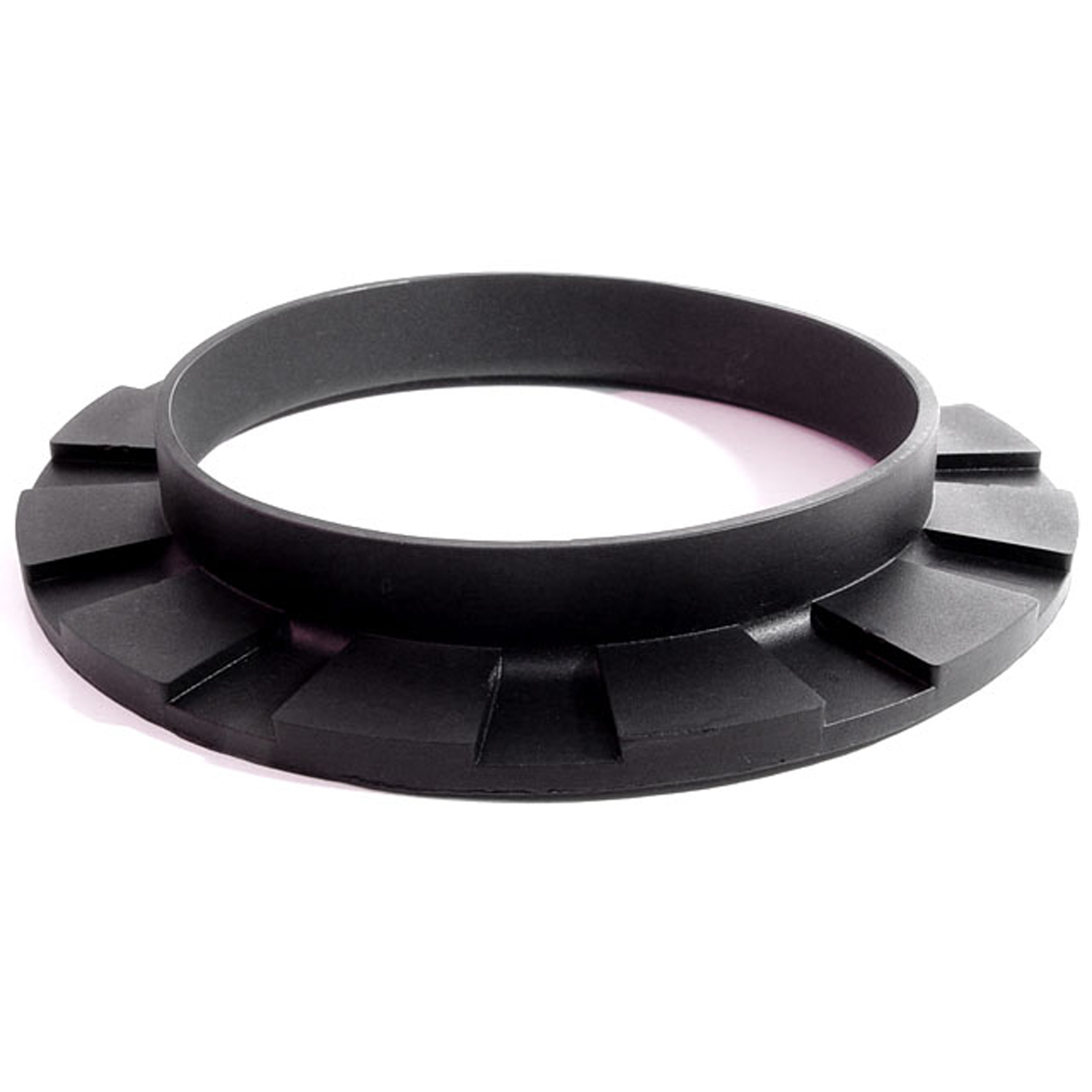 1969 Pontiac Bonneville Front coil-spring insulator-BN 110Front coil-spring insulator. Fits '41-'60 Oldsmobile and '50-'83 GM passenger models. 5-3/8 in. OD x 3-3/4 in. ID x 3/4 in. high with 13/16 in. wide bottom flange 1/4" thick, 12 flutes. Each.
 1969 Pontiac Bonneville Rear coil-spring insulator 1961-72 GM A-Body-BN 111Coil spring insulators are a great way to prevent metal-on-metal contact and noise. Manufactured to OEM specifications for a precise fit, these coil spring insulators are made of rubber and are used between the coil spring and the frame of your ride. 3-3/4 in. OD, 2-1/8 in. ID, 5/8 in. high with 3/16 in. , wide bottom flange 1/4 in. thick.
 1969 Pontiac Bonneville Front Stabilizer End Repair Kit-BNK 25Front Stabilizer End Repair Kit. 22-piece set for two stabilizer bars. Contains all rubber bushings, washers, bolts and nuts, enough for one front end. Set
 1969 Pontiac Bonneville Butyl Glass Setting Tape-BT 1Butyl Glass Setting Tape. Used to install windshields and backlights. Superior sealing properties. 5/16" wide X 15' long. Each
 1969 Pontiac Bonneville Clutch and Brake Pedal Pads. Exact reproduction-CB 99Clutch and Brake Pedal Pads. Exact reproduction. 3-1/2" wide. Pair
 1969 Pontiac Bonneville Park Brake Pedal Pad. 2-9/16" wide. Each-CB 99-APark Brake Pedal Pad. 2-9/16" wide. Each
 1969 Pontiac Bonneville Auto Brake Pedal Pad. 5-7/8" wide. Each-CB 99-BAuto Brake Pedal Pad. 5-7/8" wide. Each
 1969 Pontiac Bonneville Windshield Pillar Post Seals for Convertibles-CZ 8106Windshield Pillar Post Seals for Convertibles. Two pieces, 25" long. Pair
 1969 Pontiac Bonneville Top Bow to Header Seal (fits late '66-'70 GM "B" body-HD 731Top Bow to Header Seal (fits late '66-'70 GM "B" body, '65-'70 GM "C" body). Made of smooth, skin-covered sponge, with steel core and molded ends, like original. 56-1/2" Long. Each
 1969 Pontiac Bonneville Molded Door Seals. For 2-door hardtop and convertible-LM 18-IMolded Door Seals. For 2-door hardtop and convertible. Replaces OEM #8781162/3. Pair R&L
 1969 Pontiac Bonneville Front Molded Door Seals. For 4-Door Sedan. Pair R&L-LM 21-HFront Molded Door Seals. For 4-Door Sedan. Pair R&L
 1969 Pontiac Bonneville Rear Molded Door Seals. For 4-door Sedan. Pair R&L-LM 21-H/RRear Molded Door Seals. For 4-door Sedan. Pair R&L
 1969 Pontiac Bonneville Door Handle Pads. 2-5/8" long & 1-1/8" long. Set R&L-MP 989-DDoor Handle Pads. 2-5/8" long & 1-1/8" long. Set R&L
 1969 Pontiac Bonneville Basic Kit, for 2-Door Hardtop-RKB 2007-110Basic Kit, for 2-Door Hardtop. Door (LM 18-I) Roof Rail (RR 5014) Trunk (TK 46-18), Seals.
 1969 Pontiac Bonneville Basic Kit, for Convertibles-RKB 2007-113Basic Kit, for Convertibles. Door (LM 18-I) Roof Rail (RR 1811-B) Trunk (TK 46-18) Header (HD 731), Seals.
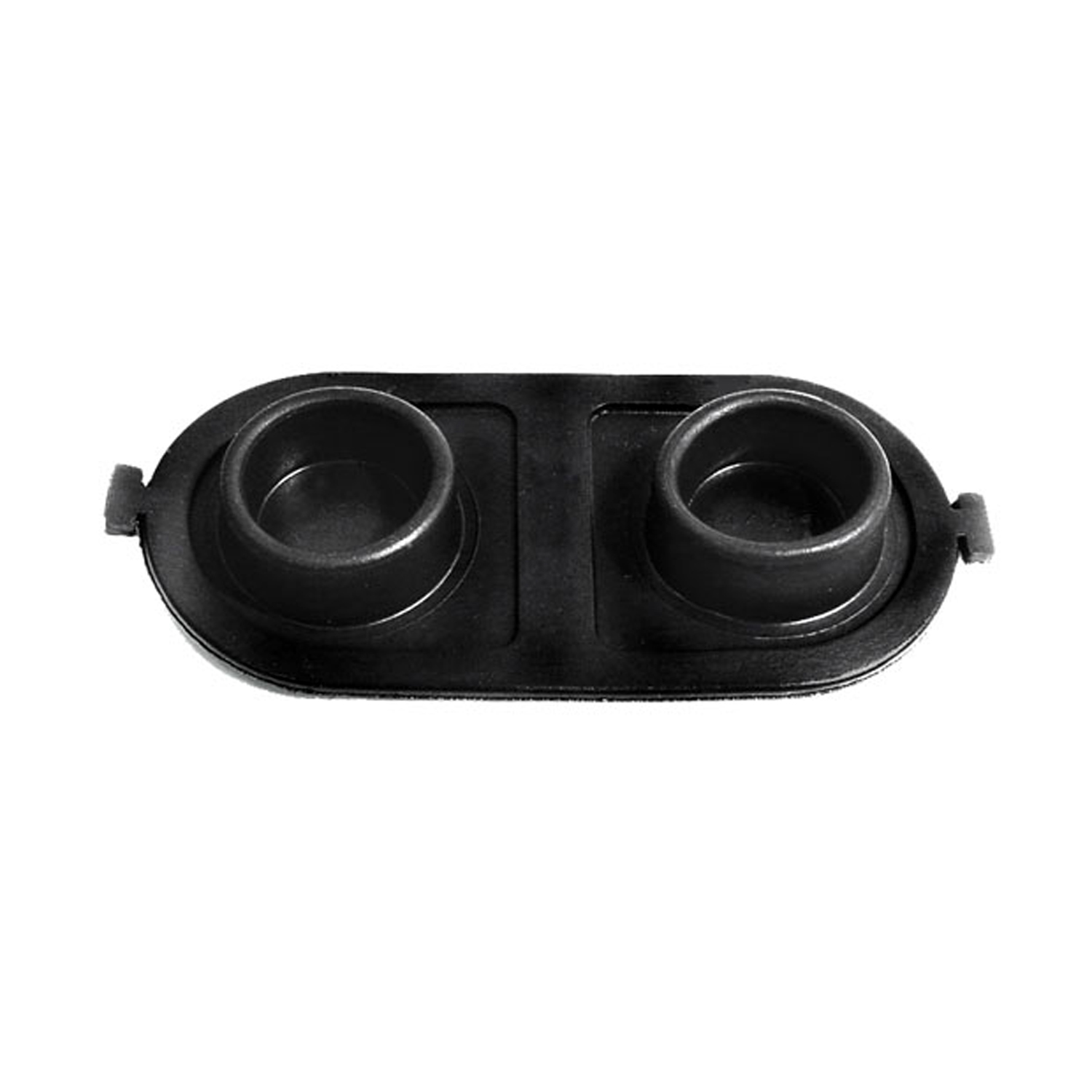 1969 Pontiac Bonneville Brake Master Cylinder Cover Seal. Replaces OEM #5470861-RP 2-EBrake Master Cylinder Cover Seal. Replaces OEM #5470861. 5" X 2-1/2". Each
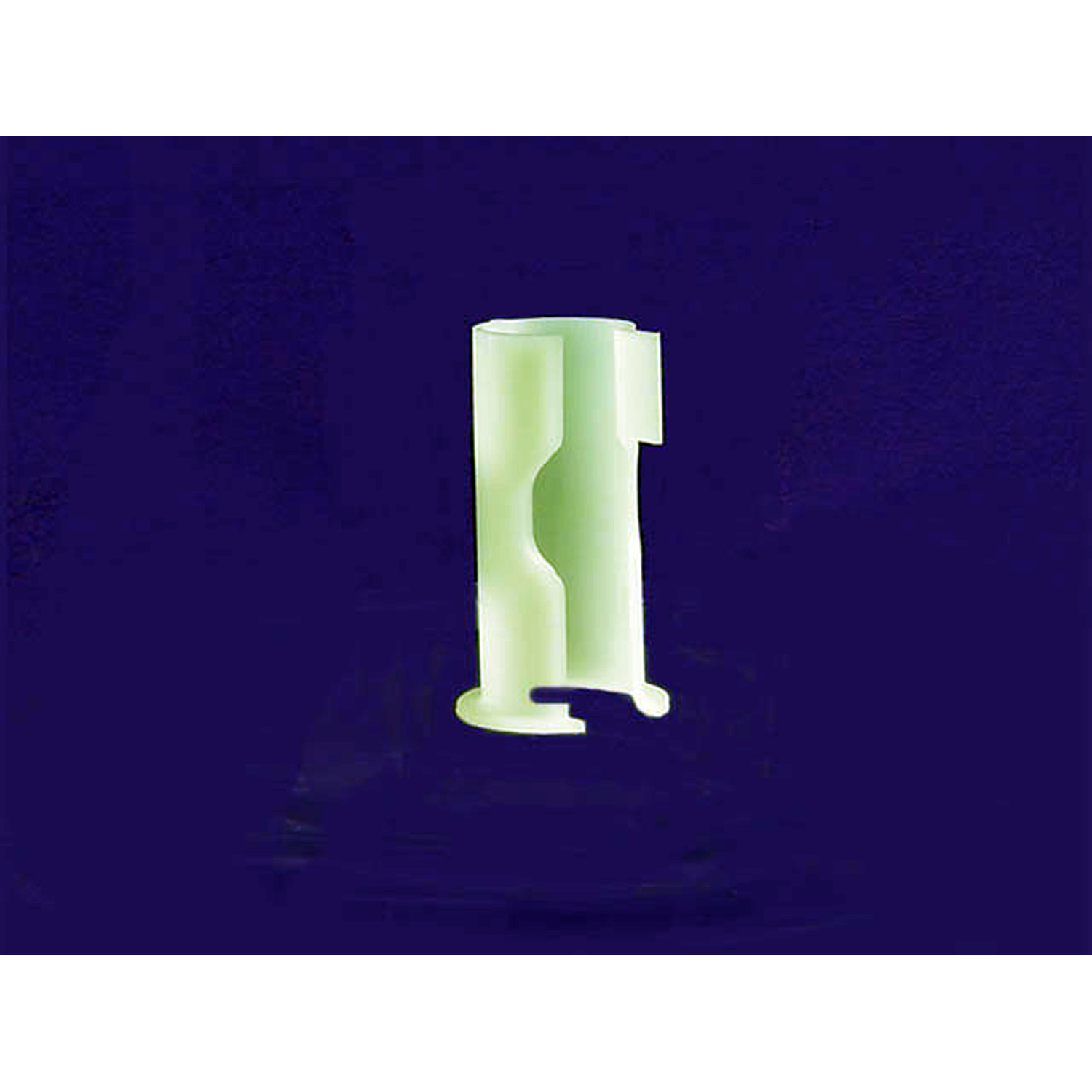 1969 Pontiac Bonneville Sun Visor Support Sleeve. Clear plastic. Each-RP 303-ASun Visor Support Sleeve. Clear plastic. Each
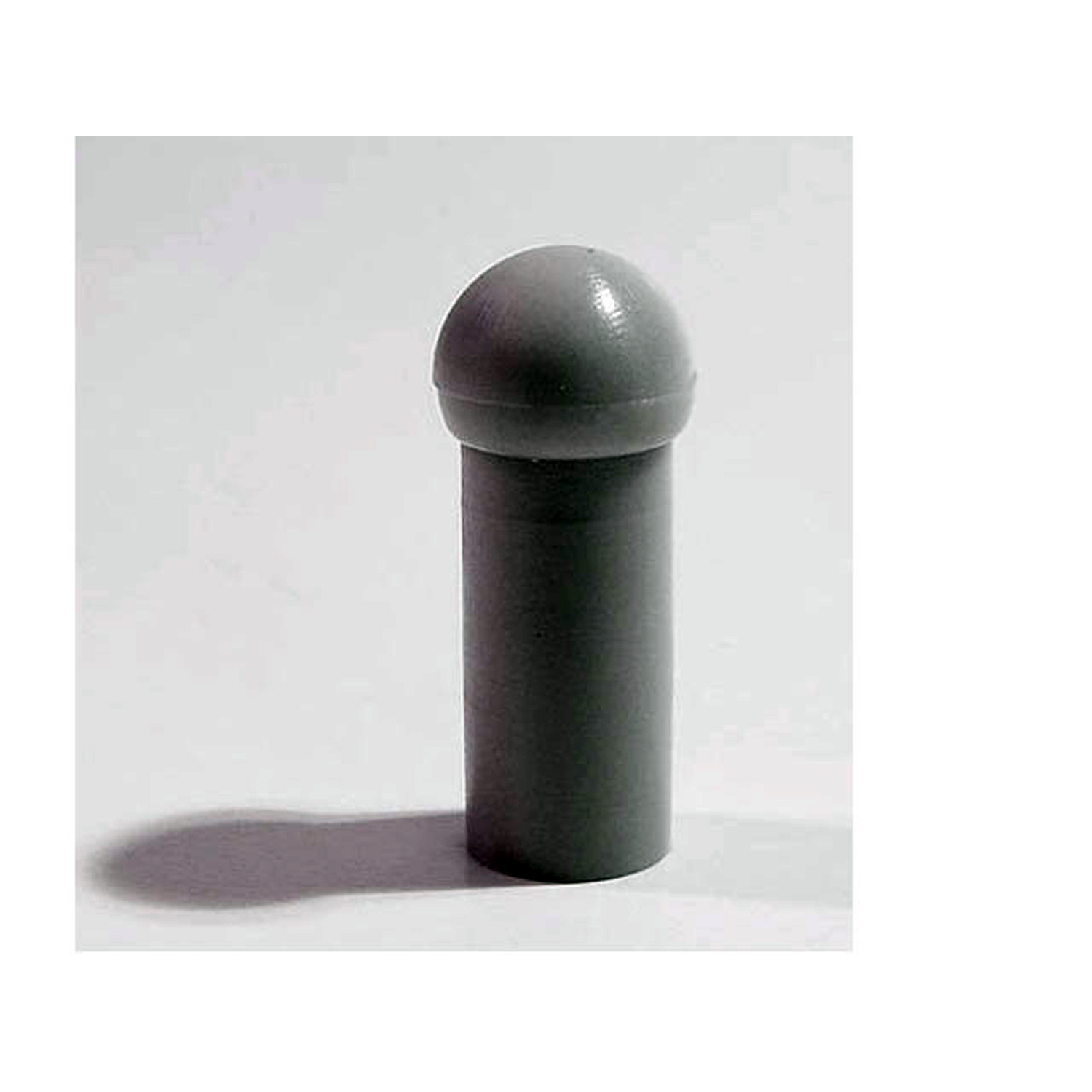 1969 Pontiac Bonneville Sun Visor Rod Rubber Grommet. 3/4" long. Gray. Each-RP 303-CSun Visor Rod Rubber Grommet. 3/4" long. Gray. Each
 1969 Pontiac Bonneville Molded Roof Rail Seals, for Convertibles-RR 1811-BMolded Roof Rail Seals, for Convertibles. 6-Piece set, with steel cores (remove rear flaps for '69-'70 Chevrolet). For molded sponge header seal, order part #HD 731.
 1969 Pontiac Bonneville Molded Roof Rail Seals, for 2-Door Hardtop. Pair R&L-RR 5014Molded Roof Rail Seals, for 2-Door Hardtop. Pair R&L
 1969 Pontiac Bonneville Molded Roof Rail Seals, for 2-Door Sport Hardtop. Pair R&L-RR 5014-AMolded Roof Rail Seals, for 2-Door Sport Hardtop. Pair R&L
 1969 Pontiac Bonneville Molded Roof Rail Seals for 4-Door Hardtop. Pair-RR 5014-BMolded Roof Rail Seals for 4-Door Hardtop. Pair
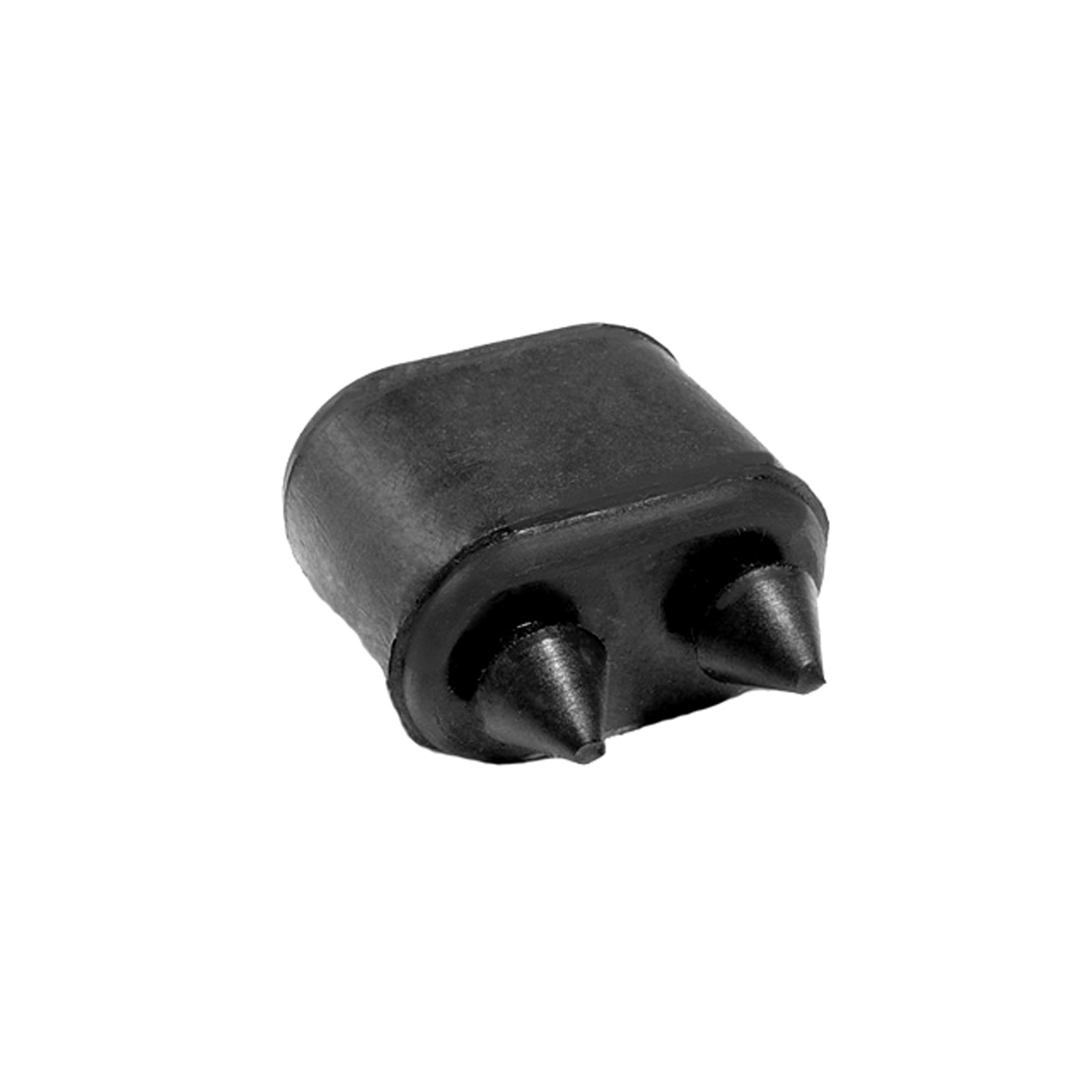 1969 Pontiac Bonneville Door Bumper, 57-74 GM Cars, Made with Twin Retainers, Each-SB 35Door Bumper, 57-74 GM Cars, made with twin retainers, Each. Measure 1-1/16" high X 19/32" wide X 1-1/32" long.
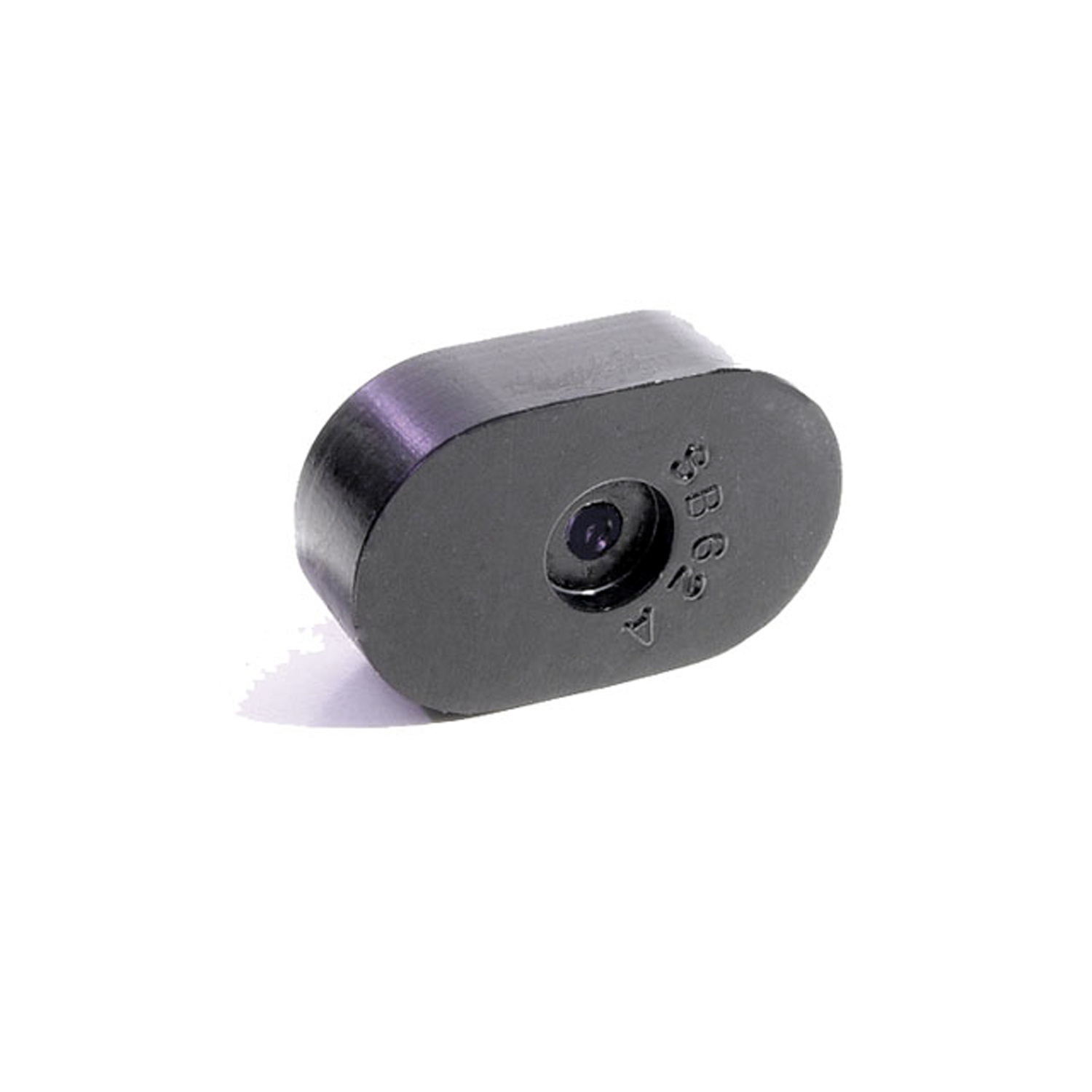 1969 Pontiac Bonneville Seat Bumper. Made with steel core like original-SB 62-ASeat Bumper. Made with steel core like original. 1-1/2" long, 7/16" thick. Two used per car. Each
 1969 Pontiac Bonneville Bumper Brace to Filler Panel Spacer, 68-71 Chevy A Body, 67-71 GM B Body Exc Wgn-SB 68Bumper Brace to Filler Panel Spacer, 68-71 Chevy A Body Except Wagons, 67-71 GM B Body Except Wagons, Each. Replaces OEM # 3895100.
 1969 Pontiac Bonneville Ashtray Bumper. 5/16" wide X 1/2" long X 3/16" high-SB 76Ashtray Bumper. 5/16" wide X 1/2" long X 3/16" high. (Fits some models) Each
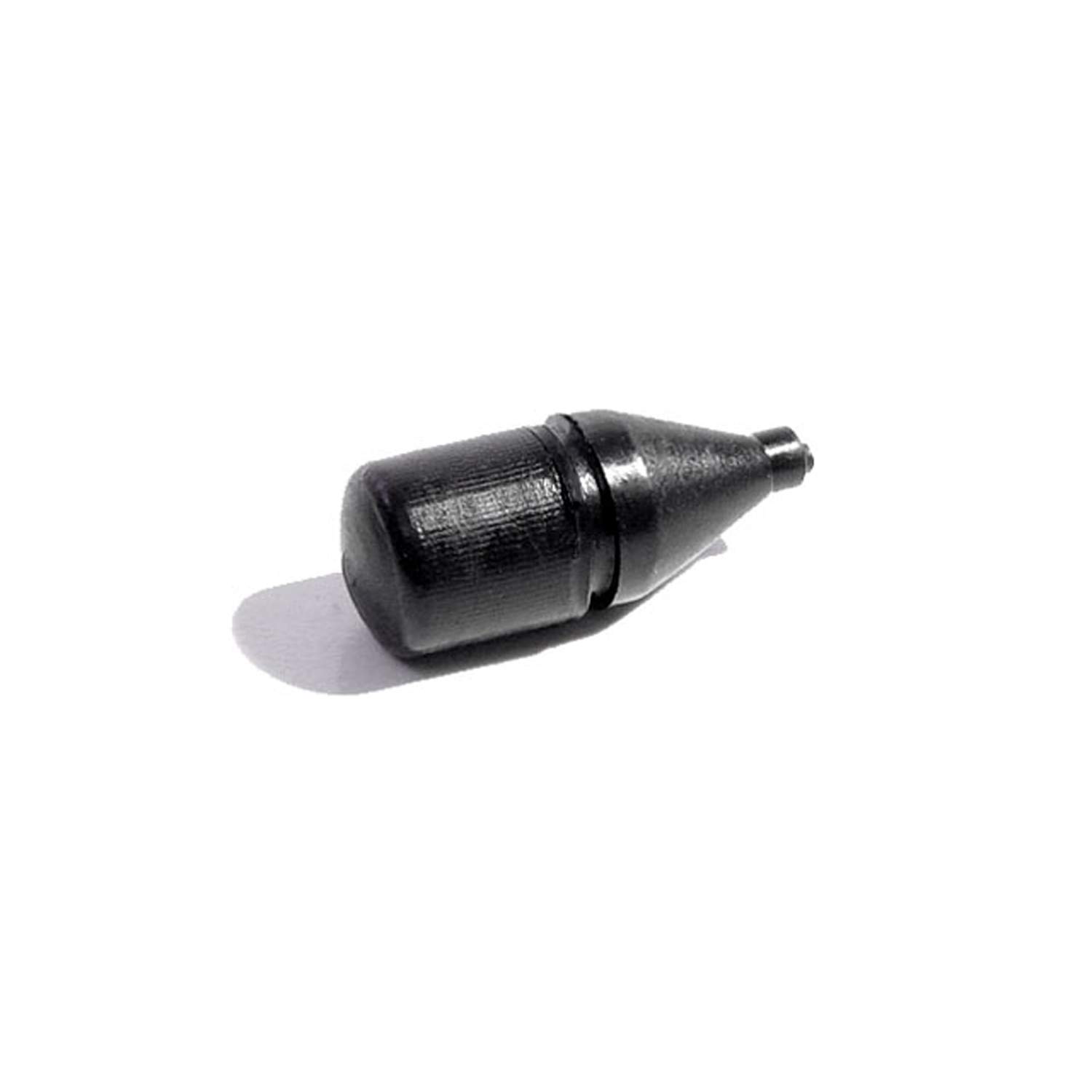 1969 Pontiac Bonneville Fuel Door Bumper. 7/8" high, 5/16" O.D. Each-SB 81Fuel Door Bumper. 7/8" high, 5/16" O.D. Each
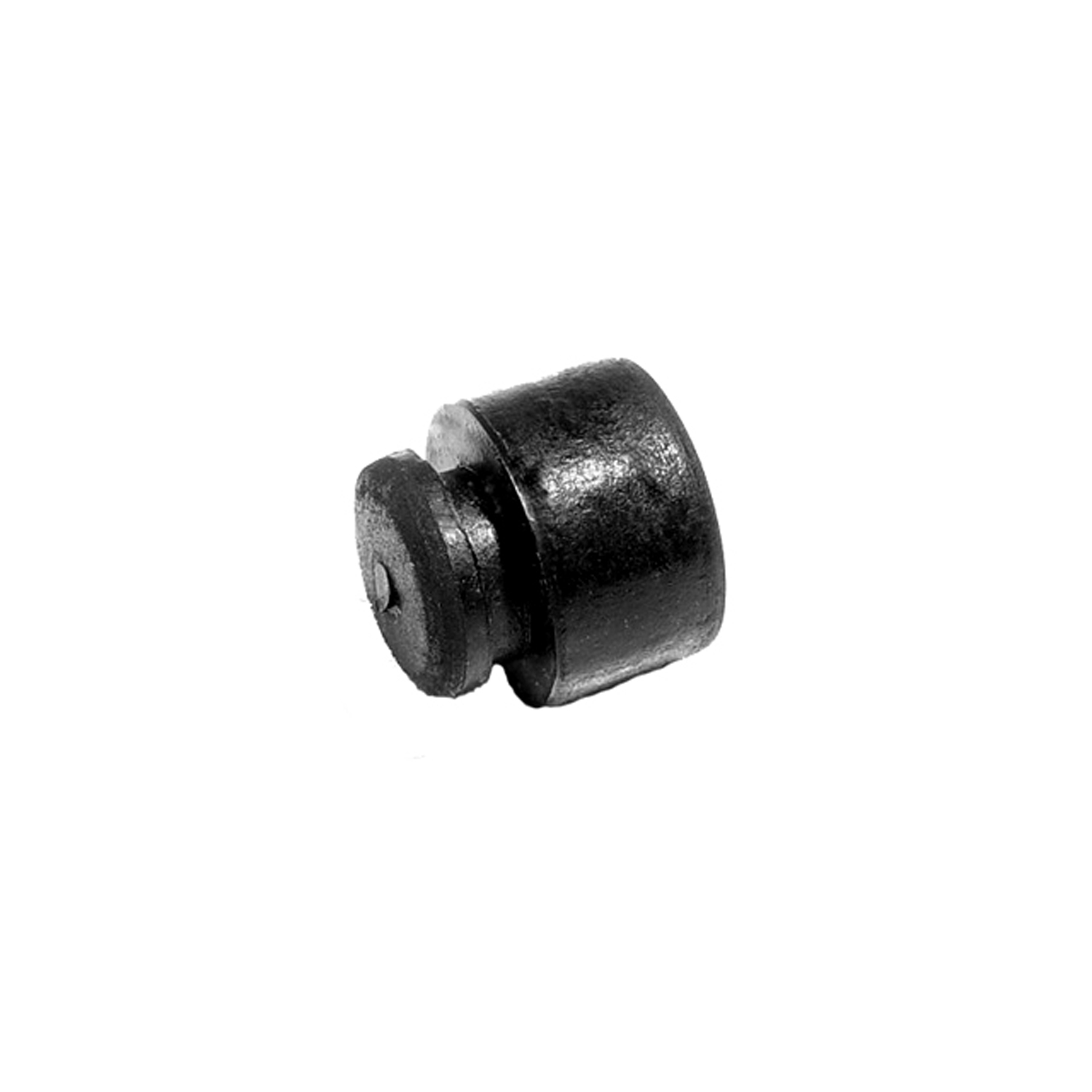 1969 Pontiac Bonneville License Plate Bumper. Fits a 1/4" hole. Each-SB 82License Plate Bumper. Fits a 1/4" hole. Each
 1969 Pontiac Bonneville A-Arm Dust Shields, 65-70 Pontiac "B" Body Models, Pair-SI 2007-105A-Arm Dust Shields, 65-70 Pontiac "B" Body Models, Pair. R&L. Installation staples included.
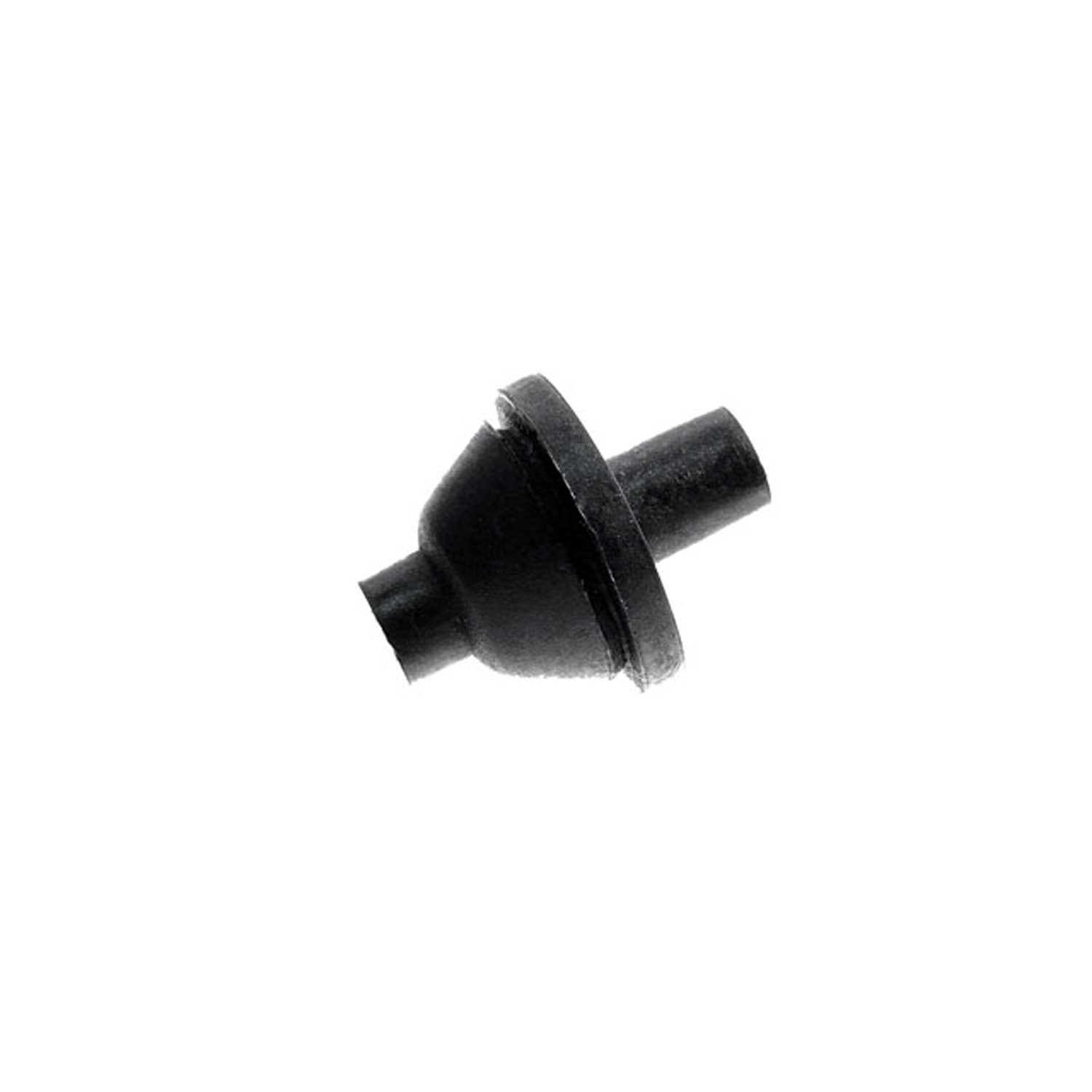 1969 Pontiac Bonneville Dash and Firewall Grommet. Single-hole type is for one wire-SM 101Dash and Firewall Grommet. Single-hole type is for one wire. Each
 1969 Pontiac Bonneville Dash and Firewall Grommet. Two hole type. Each-SM 101-ADash and Firewall Grommet. Two hole type. Each
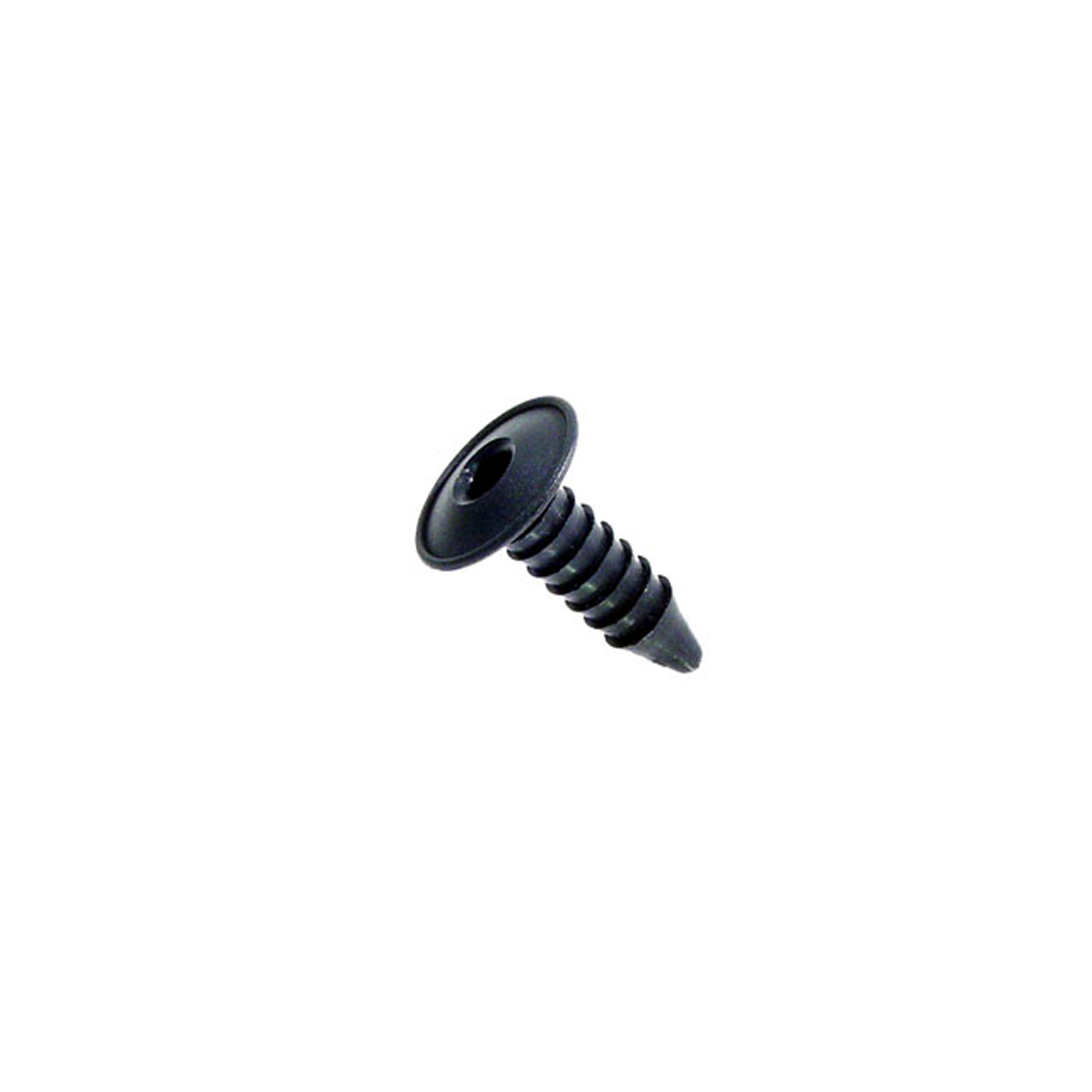 1969 Pontiac Bonneville Firewall insulation fastener. 1 in. dia. W head. 1-1/2 in. L-SM 80-AFirewall insulation fastener. 1 in. dia. W head. 1-1/2 in. L. Replaces OEM#'s (GM) 7642589 and (AMC) 4001934. Black. Each.
 1969 Pontiac Bonneville Trunk Seal. 18 feet long. Each-TK 46-18Trunk Seal. 18 feet long. Each
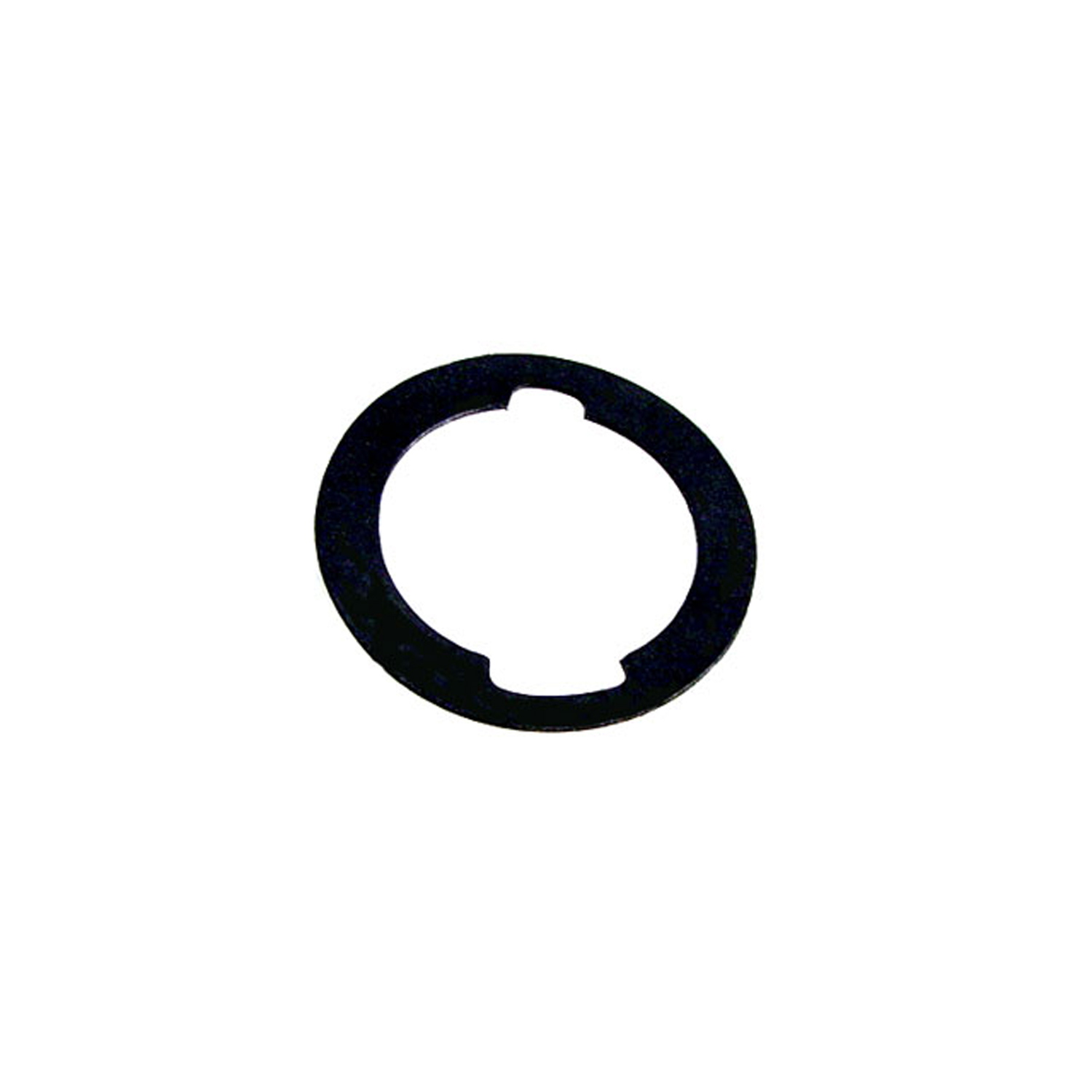 1969 Pontiac Bonneville Unbeaded Door and Trunk Lock Gasket. 1-3/16" O.D., 7/8" I.D-UM 1600-100Unbeaded Door and Trunk Lock Gasket. 1-3/16" O.D., 7/8" I.D. Each
 1969 Pontiac Bonneville Unbeaded Door Handle Mounting Pads. 4-Piece Set-UM 2005-100Unbeaded Door Handle Mounting Pads. 4-Piece Set
 1969 Pontiac Bonneville Air Conditioning Evaporation Drain Tube. 6-7/8" long-VH 102-GAir Conditioning Evaporation Drain Tube. 6-7/8" long. Each
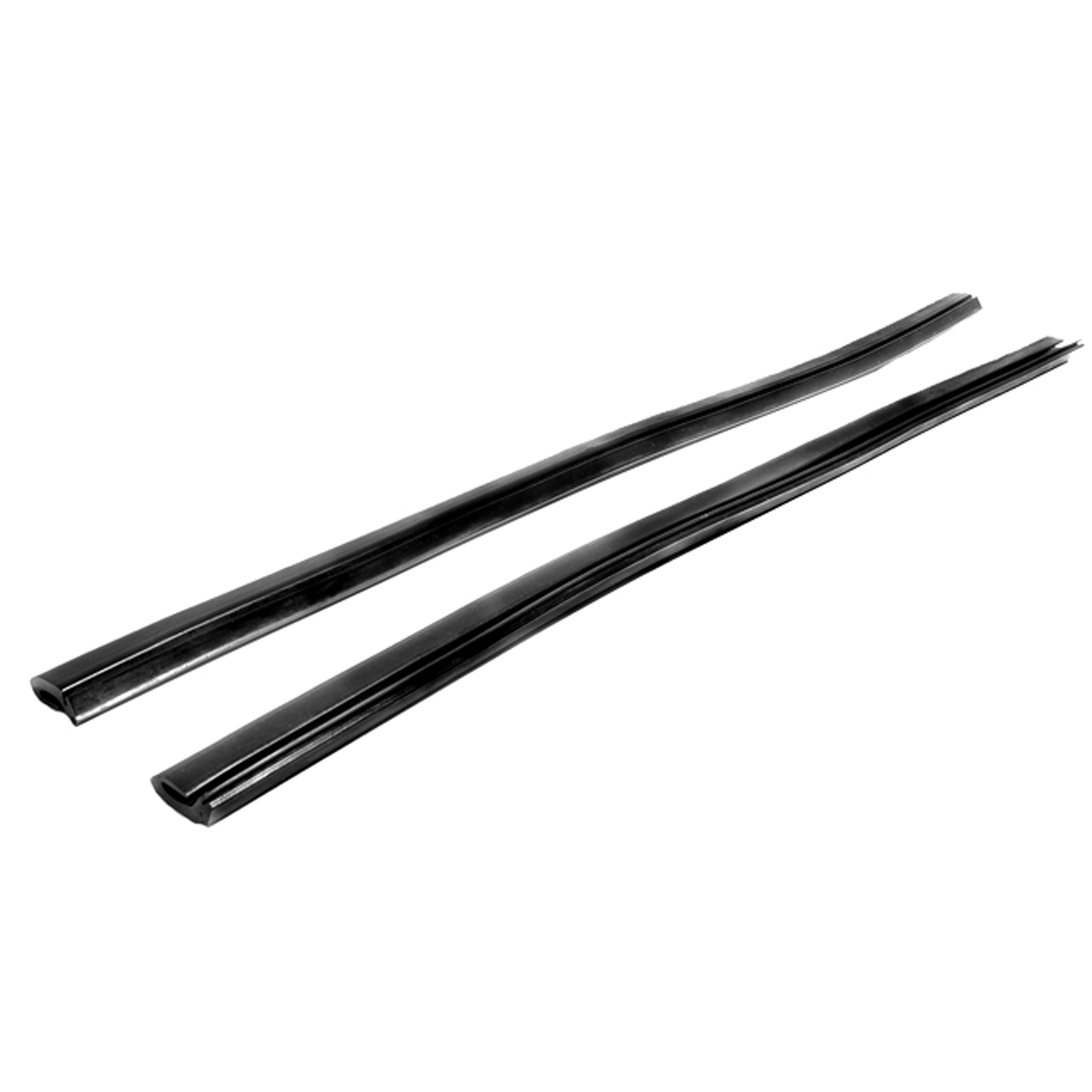 1969 Pontiac Bonneville Rear Side Roll-Up Window Seal, for Hardtops and Convertibles-VS 3Rear Side Roll-Up Window Seal, for Hardtops and Convertibles. Two 20" sections slide into metal track. No steel insert. Pair
 1969 Pontiac Bonneville Rear Roll-Up Quarter Window Seals-VS 3-MRear Roll-Up Quarter Window Seals, for 2-Door Hardtops and Convertibles. Made with a steel core stiffener. 16-1/2" long. Pair
 1969 Pontiac Bonneville Rear Roll-Up Quarter Window Seals-VS 3-MXRear Roll-Up Quarter Window Seals, for 2-Door Hardtops and Convertibles. Made without steel core. 16-1/2" long. Pair
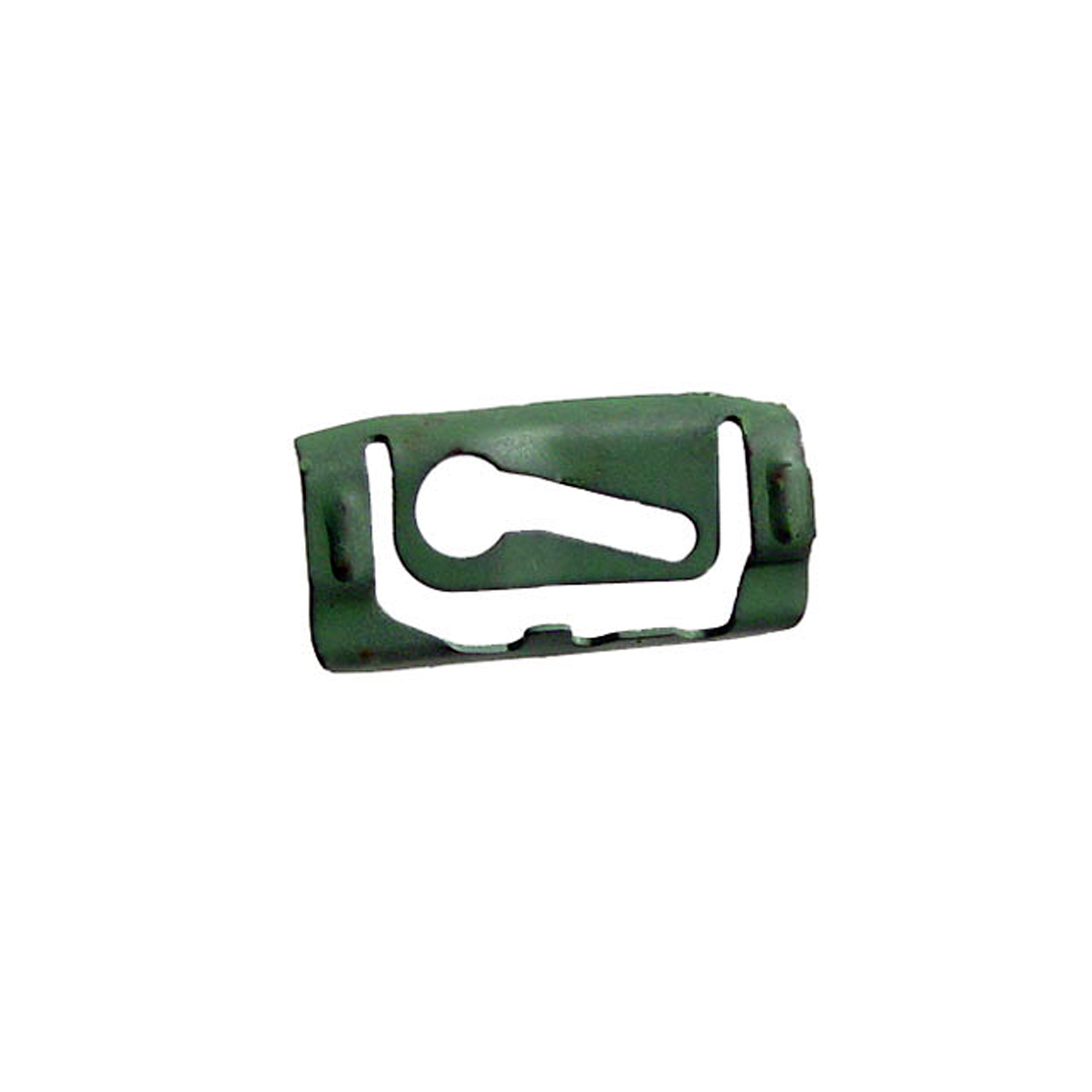 1969 Pontiac Bonneville Quarter Window Reveal Molding Clip. Made of Steel-WF 205Quarter Window Reveal Molding Clip. Made of Steel. 1-3/8" X 11/16". Each
 1969 Pontiac Bonneville Rear Window Reveal Molding Clip. For Station Wagons-WF 208Rear Window Reveal Molding Clip. For Station Wagons. Made of steel. 5/8" x 3/4". Each
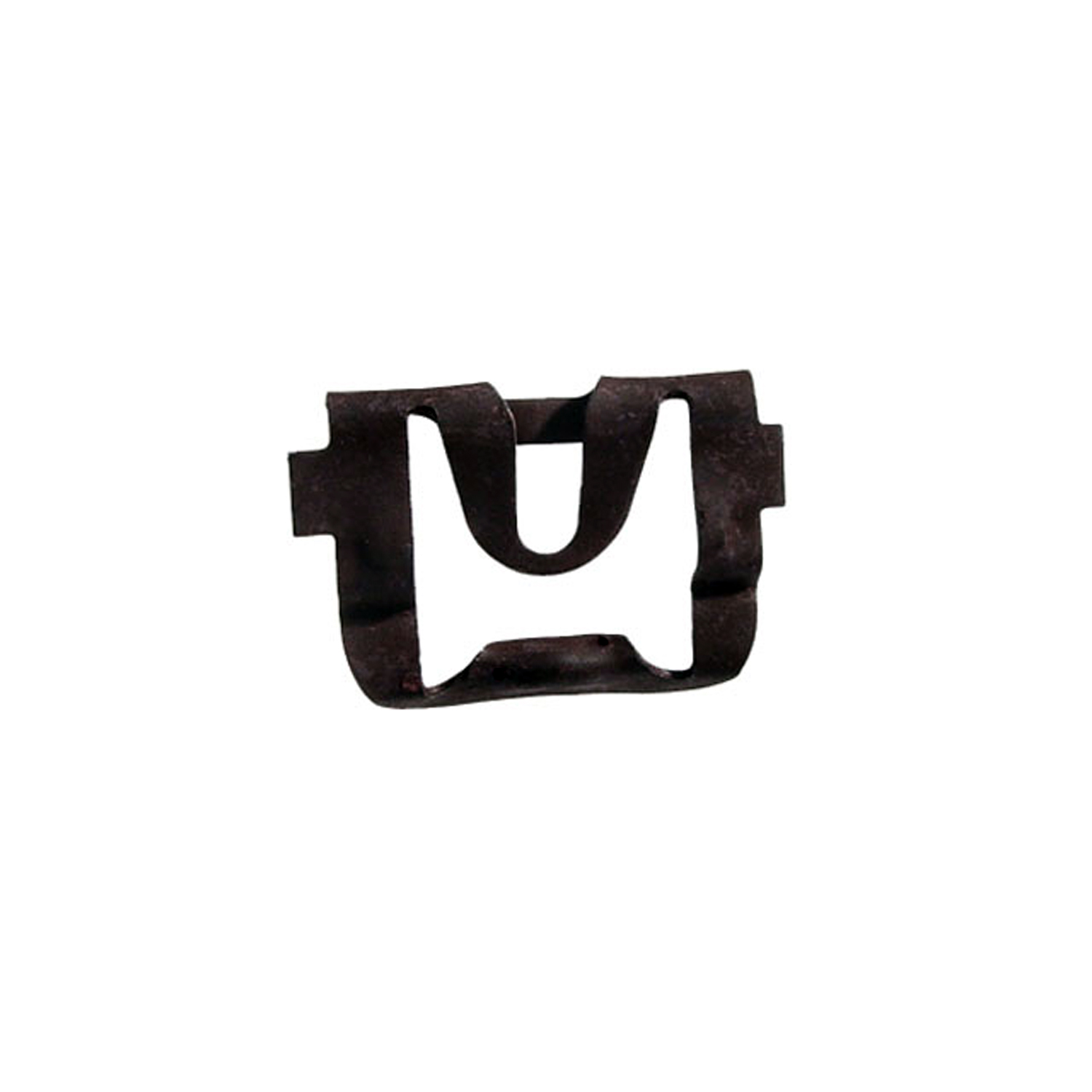 1969 Pontiac Bonneville Rear Windshield Reveal Molding Clip. Made of steel-WF 211Rear Windshield Reveal Molding Clip. Made of steel. 15/16" X 3/4". Each
Why Choose Metro?
For over 100 years, Metro Moulded Parts has been the pinnacle of quality in classic car restoration parts. Our commitment to precision and authenticity in every component ensures a perfect fit and an OEM-level appearance.
- Expert Craftsmanship & Quality: Each part is a testament to our dedication to reliability and perfection, crafted from original designs and thoroughly tested.
- Advanced Technology: We use cutting-edge techniques to create flawless, long-lasting parts that surpass others in performance.
- SuperSoft Sponge – The Ultimate Door Seal: Not only are our door seals 30% softer than competitors', but they're also guaranteed to never leak. They effectively reduce wind and road noise, enhancing your classic car's comfort and driving experience.
- Proudly American: Our parts are a product of American craftsmanship, made in the USA with a spirit of excellence and heritage.
- Unrivaled Warranty: We back our products with a 30-year industry-leading warranty, a testament to our confidence in their quality.
Join us in preserving the legacy of classic cars with parts that are crafted for perfection, not just made.