

Image of 1970 Pontiac Bonneville, Note: These illustrations use artistic license and may differ from actual historical models.
Performance Metrics
Fundamental Metrics
Emotional Appeal
MMP Rating
| Engine Specifications | |
|---|---|
| Engine: | 455 cu in (7.5 L) Pontiac V8 |
| Displacement: | 455 cu in (7.5 L) |
| Horsepower: | 370 hp |
| Torque: | 500 lb-ft |
| Compression Ratio: | 10.25:1 |
| Ignition System: | Electronic Ignition System |
| Cooling System: | Liquid-cooled |
| Performance Specifications | |
| 0-60 Time: | 8.5 seconds |
| 1/4 Mile Time: | 16 seconds |
| Top Speed: | 125 mph |
| Transmission and Drive | |
| Drive Type: | Rear-wheel drive |
| Transmission Type: | 3-speed automatic or 4-speed manual |
| Fuel and Efficiency | |
| Fuel System Type: | Carburetor |
| MPG: | 10-12 mpg |
| Dimensions and Brakes | |
| Brakes: | Power-assisted front disc and rear drum brakes |
| Wheelbase: | 123 inches |
| Weight: | 4,500 lbs |
Note: Specifications for classic cars are given to the best of our ability, considering the limited and variant data available.
1970 Pontiac Bonneville: Full-Size American Comfort
The 1970 Pontiac Bonneville made a grand entrance without needing to shout: its long hood, broad split grille, and confident V8 presence announced a car built for open roads and big-company comfort. Produced by Pontiac, a division of General Motors, the Bonneville sat near the top of the brand’s full-size range, combining a substantial road-going footprint with upscale trim and powerful engines.
The Bonneville name had a performance pedigree before it became a badge for a luxury-minded family car. Pontiac first used it on special, high-performance cars associated with the Bonneville Salt Flats, where the brand pursued speed records in the 1950s. By 1970, the name stood for something broader: a roomy, well-equipped American cruiser with enough power to make long-distance travel feel effortless.
The 1970 model also arrived at a changing moment for the industry. It was among the last of Pontiac’s large, traditional full-size cars before GM’s next major redesign for 1971. One detail worth remembering when comparing its performance figures with modern cars: the horsepower ratings of the period were measured using the more generous gross-horsepower method, not today’s net method.
Long Lines, Rich Trim, and a Wide Choice of Bodies
The Bonneville’s styling was unmistakably full-size. A wide, divided grille anchored the front end, flanked by paired headlamps and a long hood that flowed into clean, relatively restrained body sides. The roofline and rear quarters gave the car a poised, formal look, while bright trim, sculpted details, and Pontiac’s familiar design cues kept it from looking anonymous. It was substantial without relying on excessive ornament.
Inside, the Bonneville emphasized space and comfort. Buyers could expect broad seating, generous legroom, quality cloth or vinyl upholstery, and tasteful woodgrain accents, depending on the equipment and trim. The cabin was designed for relaxed travel rather than a sporting driving position. Options could include air conditioning, power windows and seats, cruise control, a tilt steering wheel, and upgraded audio equipment. Availability varied by body style and order.
Pontiac offered the Bonneville in several full-size configurations, including a two-door hardtop, four-door hardtop, four-door sedan, convertible, and Safari station wagon in the broader Bonneville range. The two-door hardtop has enduring visual appeal, with its long roof and pillarless side glass, while the convertible is the most conspicuous and generally the most collectible. The four-door hardtop made an especially comfortable choice for families who wanted easy access without giving up the clean roofline.
Paint choices varied by plant and trim, but period colors included shades such as Cameo White, Cardinal Red, Lucerne Blue, Palomino Copper, and Verdoro Green. White and darker blues suit the car’s formal character particularly well, while red and copper make its long bodywork stand out at shows.
Comfort Was the Innovation
The Bonneville was not a technology showcase in the way a modern luxury car might be. Its appeal came from bringing powerful V8 performance, a spacious cabin, and a high level of convenience together in one traditional American package. Features such as power accessories, climate control, and cruise control were meaningful upgrades for buyers covering long distances, even if they were not unique to Pontiac.
What distinguished the Bonneville from many contemporaries was its combination of size, polish, and Pontiac character. It sat above the more basic Catalina in the brand’s full-size lineup and offered a more upscale experience without stepping into the territory of a separate luxury marque. Its enduring influence is less about one revolutionary feature and more about how it represents the classic American road car: roomy, V8-powered, and designed to make distance disappear.
V8 Power and Highway Manners
A 400-cubic-inch V8 was the typical starting point, with a 455-cubic-inch V8 available for buyers who wanted more displacement and torque. Period horsepower figures are commonly listed at roughly 350 gross horsepower for the 400 and around 360 gross horsepower for the 455, though exact ratings depend on engine configuration. A three-speed Turbo Hydra-Matic automatic was a natural match for the Bonneville’s relaxed character.
Performance varied with engine, gearing, body style, condition, and test conditions. As a broad period-car estimate, a 455-equipped Bonneville could reach 60 mph in roughly eight to nine seconds, while a 400-powered car might take closer to nine or ten. A sound example could approach a top speed in the neighborhood of 120 mph, but that figure should be treated as an estimate rather than a guaranteed factory specification. The Bonneville was built to cover ground smoothly, not to chase modern sports cars away from a stoplight.
On the road, the car’s weight and long wheelbase help it settle over highway joints and uneven pavement. Its soft suspension tuning favors a comfortable, floating ride, especially compared with a contemporary performance car. On tight, winding roads, the trade-off becomes clear: the Bonneville feels large, and body lean and slower steering response encourage a measured pace. In crosswinds, its broad body can require more attention than a compact car, but a well-maintained example remains a composed highway cruiser.
The driving experience is part of the appeal. The V8 produces a deep, even rumble, and the automatic transmission shifts with a smoothness suited to the car’s character. The driver sits behind a broad dash and a large steering wheel, with the hood stretching out ahead. It feels less like piloting a precise instrument and more like guiding a comfortable, powerful piece of American touring equipment.
Living With a 1970 Bonneville
Most owners use a Bonneville as a weekend cruiser, local show car, or occasional long-distance classic. It can be driven regularly, but its size, fuel consumption, and age make it less convenient than a modern daily driver. The 455 is particularly rewarding for its torque, though it is not a frugal choice at the pump.
Mechanical repairs are generally approachable for an owner with basic experience. Pontiac V8s are conventional pushrod engines, and many routine jobs can be handled with common tools and a factory service manual. Parts support is strong for many mechanical components, but trim, interior pieces, body panels, and model-specific details can take more searching. Rust inspection is essential: check the floors, trunk, lower body panels, wheel openings, and frame carefully. Also verify that power equipment, air conditioning, and the original-style interior are complete, since missing or worn items can add up quickly.
Like any half-century-old car, reliability depends less on the badge than on maintenance and restoration quality. A neglected cooling system, aging wiring, worn suspension bushings, or a tired transmission can turn a pleasant cruiser into a project. A carefully serviced Bonneville, on the other hand, can be a dependable and enjoyable classic for fair-weather use.
Bonneville Trivia and Common Complaints
The Bonneville name connects this comfortable full-size car to Pontiac’s earlier speed-record ambitions at the Bonneville Salt Flats. That is an evocative piece of brand history, but it does not mean the 1970 production Bonneville was a land-speed-record car. Its mission was comfort and effortless power, not competition.
There is no single widely recognized celebrity-owned 1970 Bonneville or headline motorsport record that defines the model. Its charm is more everyday than legendary: it represents a period when a family-sized car could come with a large V8, extensive power options, and a genuinely expansive interior. Common criticisms are equally straightforward. It is thirsty, difficult to park in tight spaces, and less agile than smaller cars. Some buyers also find the soft ride too floaty by modern standards. Those qualities are part of the experience, but they are worth understanding before buying.
Collector Values and Availability
Production figures vary across references and body-style breakdowns, so an exact total should be treated cautiously. A reasonable estimate for the 1970 Bonneville range is roughly 75,000 to 85,000 cars across its body styles. That makes it uncommon today, but not exceptionally rare in the classic-car world. Survivors appear on the market, though finding a well-preserved example with desirable options can take patience.
As a broad 2026 U.S. market guide, a project car may fall around $5,000 to $12,000. A usable driver in fair-to-good condition might bring roughly $15,000 to $30,000, while a clean, well-restored hardtop could reach about $30,000 to $50,000. Excellent convertibles can command approximately $45,000 to $75,000 or more, depending on originality, restoration quality, engine, documentation, and buyer demand. These are estimates, not fixed price bands, and exceptional cars can sit outside them.
Values have generally been strongest for convertibles and high-quality, correctly restored cars. Ordinary four-door sedans and cars needing substantial work usually sell for less, reflecting both buyer demand and restoration costs. The Bonneville market is best described as condition-sensitive: a sound, attractive car can hold its appeal, while a rough example may remain difficult to justify financially. Like most classics, it is wiser to buy the best car you can afford than to count on a quick rise in value.
Why the 1970 Bonneville Still Matters
The 1970 Pontiac Bonneville captures a particular kind of American motoring: big V8 power, generous room, elegant full-size styling, and a ride tuned for the long haul. It was not a race car or a technological revolution, but it delivered refinement and presence in a package that still feels distinctive today. For collectors and drivers who appreciate an unhurried, authentic classic, the Bonneville remains a compelling reminder of when the open road was part of the luxury.
1970 Pontiac Bonneville Catalog of Parts
 1970 Pontiac Bonneville Upper Door Lock Pillar Seal-ALP 5054Upper Door Lock Pillar Seal. 69-70 GM B & C Body 2 Door Hardtop and Convertibles. Made with all details and steel cores. 2-1/8"W X 5-1/4"L. Pair R&L.
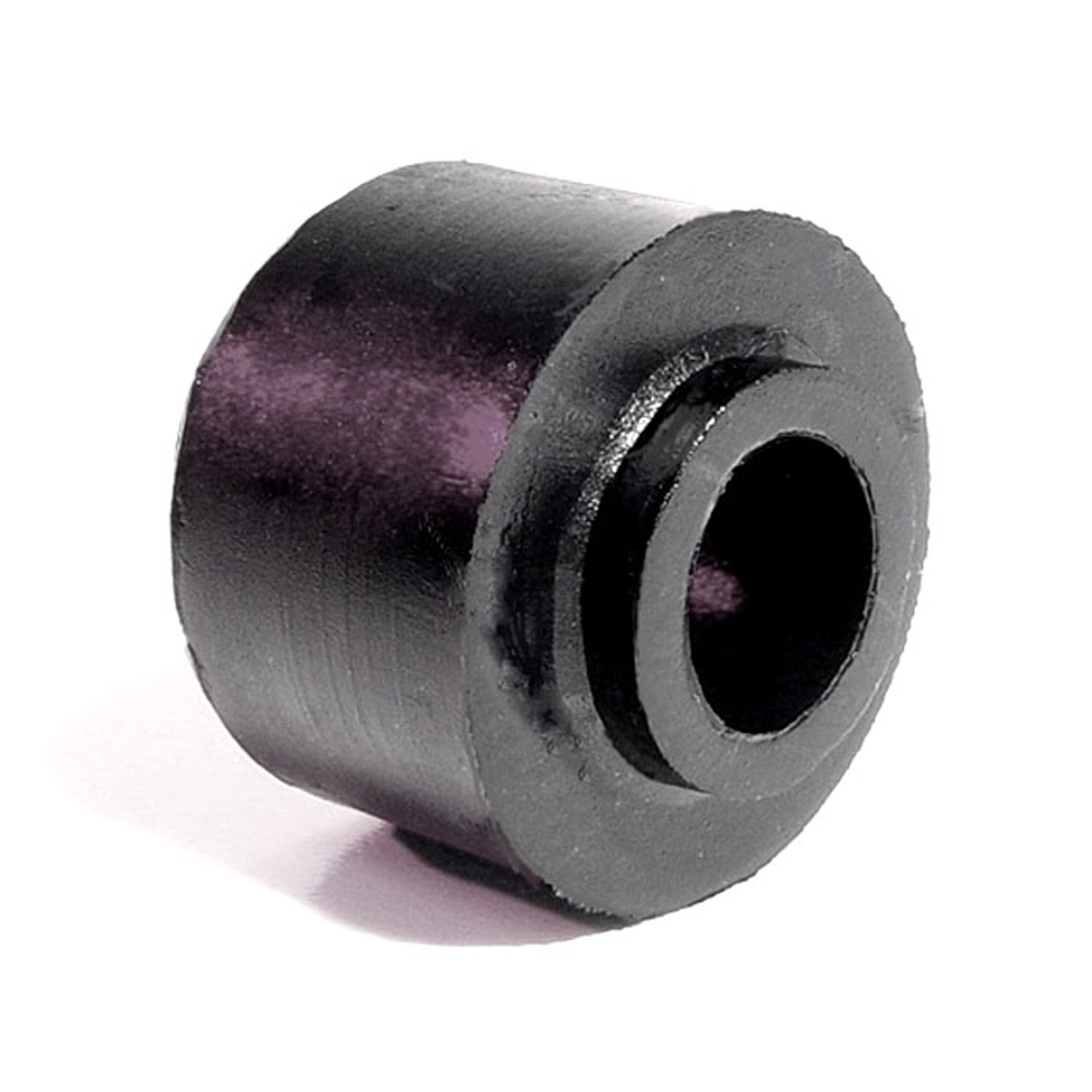 1970 Pontiac Bonneville Shock Absorber Grommet. 1" bottom O.D., 3/4" high-BN 1Shock Absorber Grommet. 1" bottom O.D., 3/4" high., with 7/16" I.D. Each
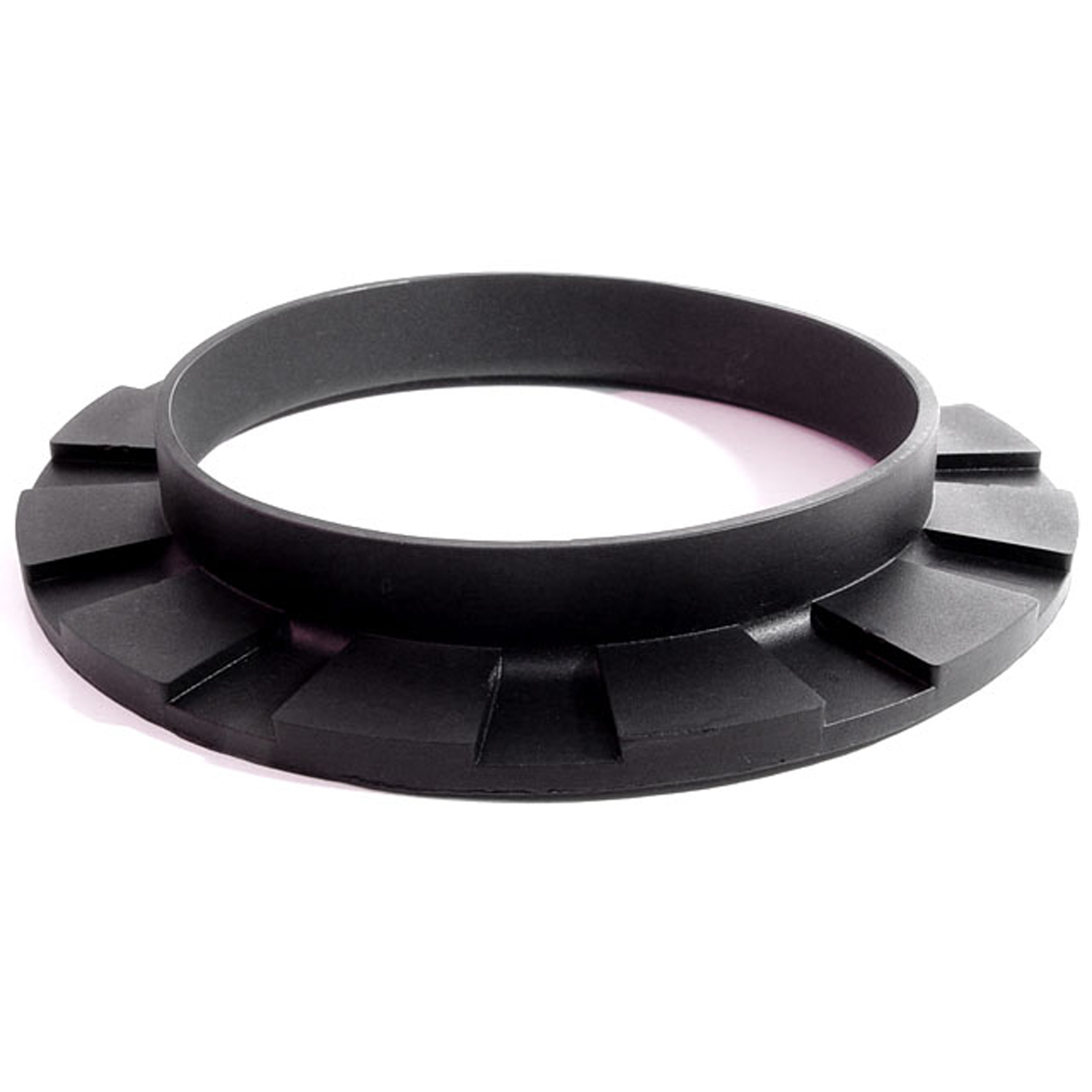 1970 Pontiac Bonneville Front coil-spring insulator-BN 110Front coil-spring insulator. Fits '41-'60 Oldsmobile and '50-'83 GM passenger models. 5-3/8 in. OD x 3-3/4 in. ID x 3/4 in. high with 13/16 in. wide bottom flange 1/4" thick, 12 flutes. Each.
 1970 Pontiac Bonneville Rear coil-spring insulator 1961-72 GM A-Body-BN 111Coil spring insulators are a great way to prevent metal-on-metal contact and noise. Manufactured to OEM specifications for a precise fit, these coil spring insulators are made of rubber and are used between the coil spring and the frame of your ride. 3-3/4 in. OD, 2-1/8 in. ID, 5/8 in. high with 3/16 in. , wide bottom flange 1/4 in. thick.
 1970 Pontiac Bonneville Front Stabilizer End Repair Kit-BNK 25Front Stabilizer End Repair Kit. 22-piece set for two stabilizer bars. Contains all rubber bushings, washers, bolts and nuts, enough for one front end. Set
 1970 Pontiac Bonneville Park Brake Pedal Pad. 2-9/16" wide. Each-CB 99-APark Brake Pedal Pad. 2-9/16" wide. Each
 1970 Pontiac Bonneville Auto Brake Pedal Pad. 5-7/8" wide. Each-CB 99-BAuto Brake Pedal Pad. 5-7/8" wide. Each
 1970 Pontiac Bonneville Windshield Pillar Post Seals for Convertibles-CZ 8106Windshield Pillar Post Seals for Convertibles. Two pieces, 25" long. Pair
 1970 Pontiac Bonneville Top Bow to Header Seal (fits late '66-'70 GM "B" body-HD 731Top Bow to Header Seal (fits late '66-'70 GM "B" body, '65-'70 GM "C" body). Made of smooth, skin-covered sponge, with steel core and molded ends, like original. 56-1/2" Long. Each
 1970 Pontiac Bonneville Molded Door Seals. For 2-door hardtop and convertible-LM 18-IMolded Door Seals. For 2-door hardtop and convertible. Replaces OEM #8781162/3. Pair R&L
 1970 Pontiac Bonneville Front Molded Door Seals. For 4-Door Sedan. Pair R&L-LM 21-HFront Molded Door Seals. For 4-Door Sedan. Pair R&L
 1970 Pontiac Bonneville Rear Molded Door Seals. For 4-door Sedan. Pair R&L-LM 21-H/RRear Molded Door Seals. For 4-door Sedan. Pair R&L
 1970 Pontiac Bonneville Door Handle Pads. 2-5/8" long & 1-1/8" long. Set R&L-MP 989-DDoor Handle Pads. 2-5/8" long & 1-1/8" long. Set R&L
 1970 Pontiac Bonneville Basic Kit, for 2-Door Hardtop-RKB 2007-110Basic Kit, for 2-Door Hardtop. Door (LM 18-I) Roof Rail (RR 5014) Trunk (TK 46-18), Seals.
 1970 Pontiac Bonneville Basic Kit, for Convertibles-RKB 2007-113Basic Kit, for Convertibles. Door (LM 18-I) Roof Rail (RR 1811-B) Trunk (TK 46-18) Header (HD 731), Seals.
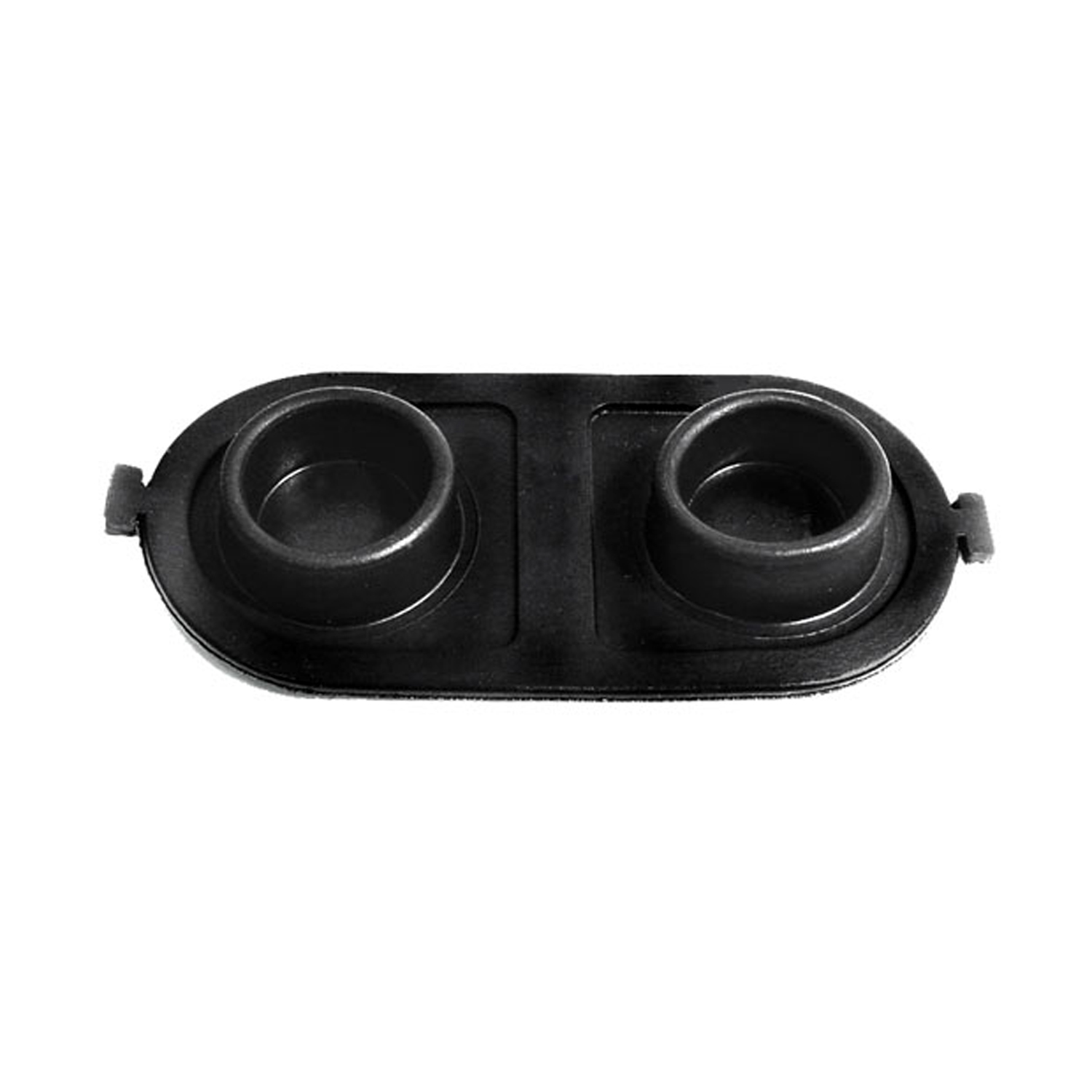 1970 Pontiac Bonneville Brake Master Cylinder Cover Seal. Replaces OEM #5470861-RP 2-EBrake Master Cylinder Cover Seal. Replaces OEM #5470861. 5" X 2-1/2". Each
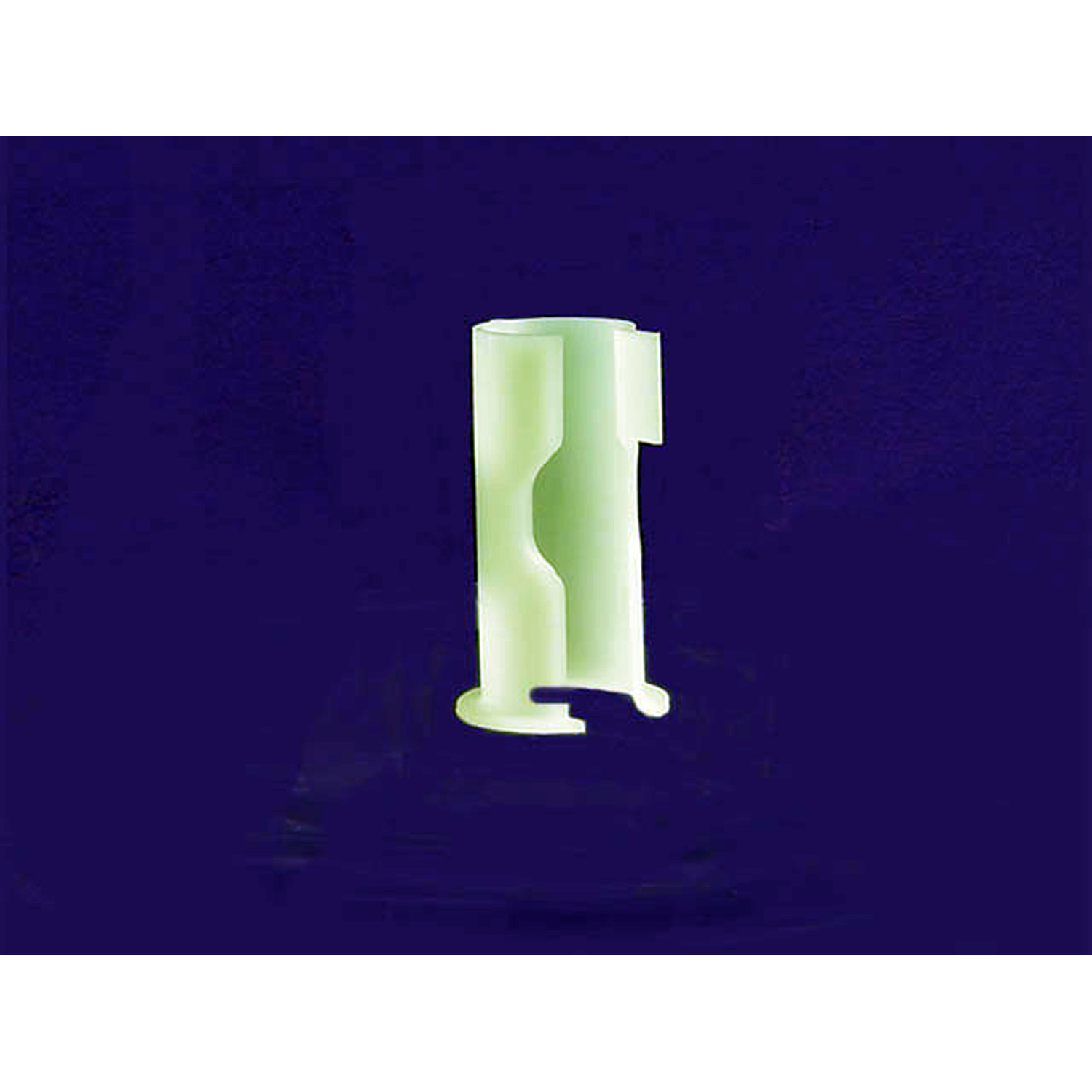 1970 Pontiac Bonneville Sun Visor Support Sleeve. Clear plastic. Each-RP 303-ASun Visor Support Sleeve. Clear plastic. Each
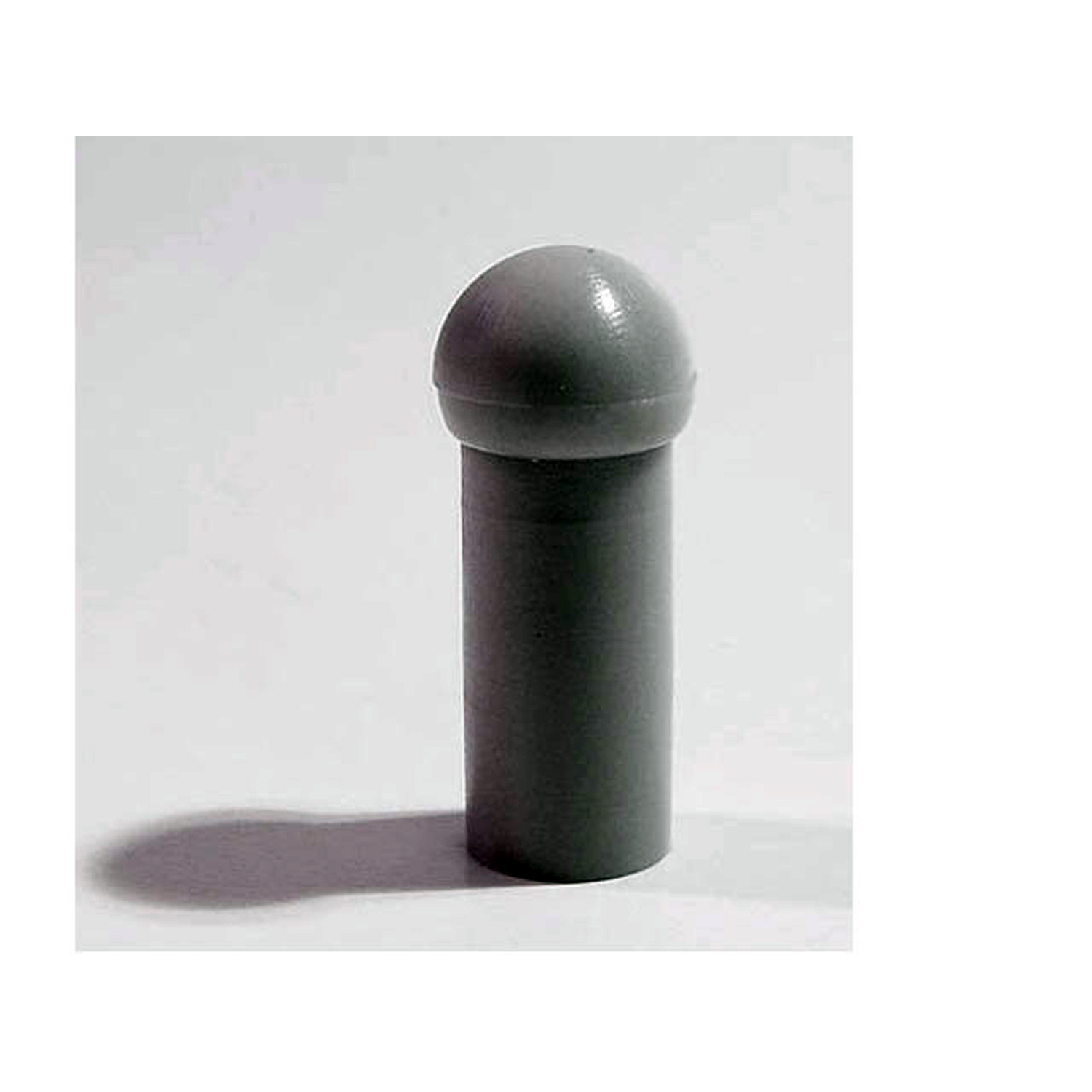 1970 Pontiac Bonneville Sun Visor Rod Rubber Grommet. 3/4" long. Gray. Each-RP 303-CSun Visor Rod Rubber Grommet. 3/4" long. Gray. Each
 1970 Pontiac Bonneville Molded Roof Rail Seals, for Convertibles-RR 1811-BMolded Roof Rail Seals, for Convertibles. 6-Piece set, with steel cores (remove rear flaps for '69-'70 Chevrolet). For molded sponge header seal, order part #HD 731.
 1970 Pontiac Bonneville Molded Roof Rail Seals, for 2-Door Hardtop. Pair R&L-RR 5014Molded Roof Rail Seals, for 2-Door Hardtop. Pair R&L
 1970 Pontiac Bonneville Molded Roof Rail Seals, for 2-Door Sport Hardtop. Pair R&L-RR 5014-AMolded Roof Rail Seals, for 2-Door Sport Hardtop. Pair R&L
 1970 Pontiac Bonneville Molded Roof Rail Seals for 4-Door Hardtop. Pair-RR 5014-BMolded Roof Rail Seals for 4-Door Hardtop. Pair
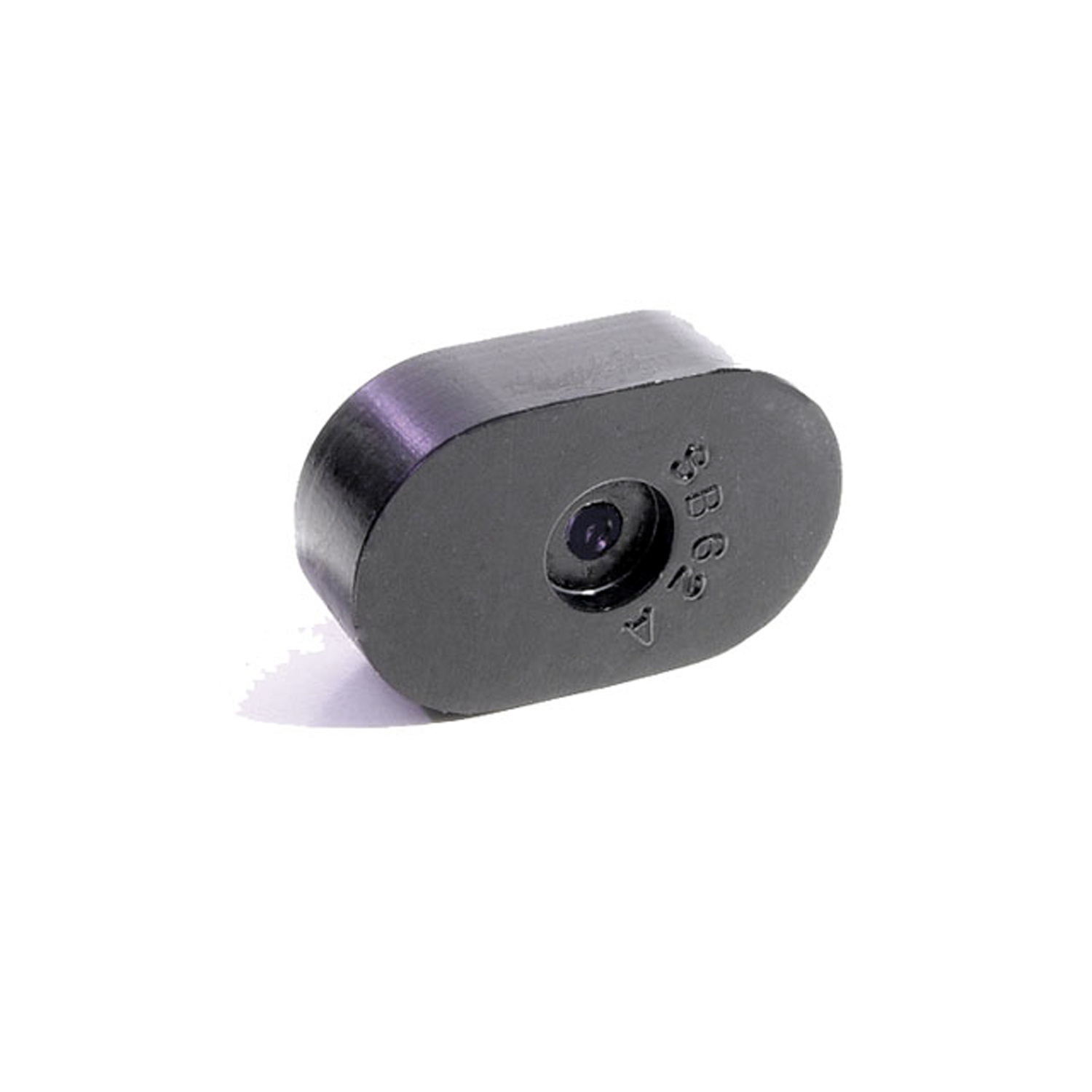 1970 Pontiac Bonneville Seat Bumper. Made with steel core like original-SB 62-ASeat Bumper. Made with steel core like original. 1-1/2" long, 7/16" thick. Two used per car. Each
 1970 Pontiac Bonneville Bumper Brace to Filler Panel Spacer, 68-71 Chevy A Body, 67-71 GM B Body Exc Wgn-SB 68Bumper Brace to Filler Panel Spacer, 68-71 Chevy A Body Except Wagons, 67-71 GM B Body Except Wagons, Each. Replaces OEM # 3895100.
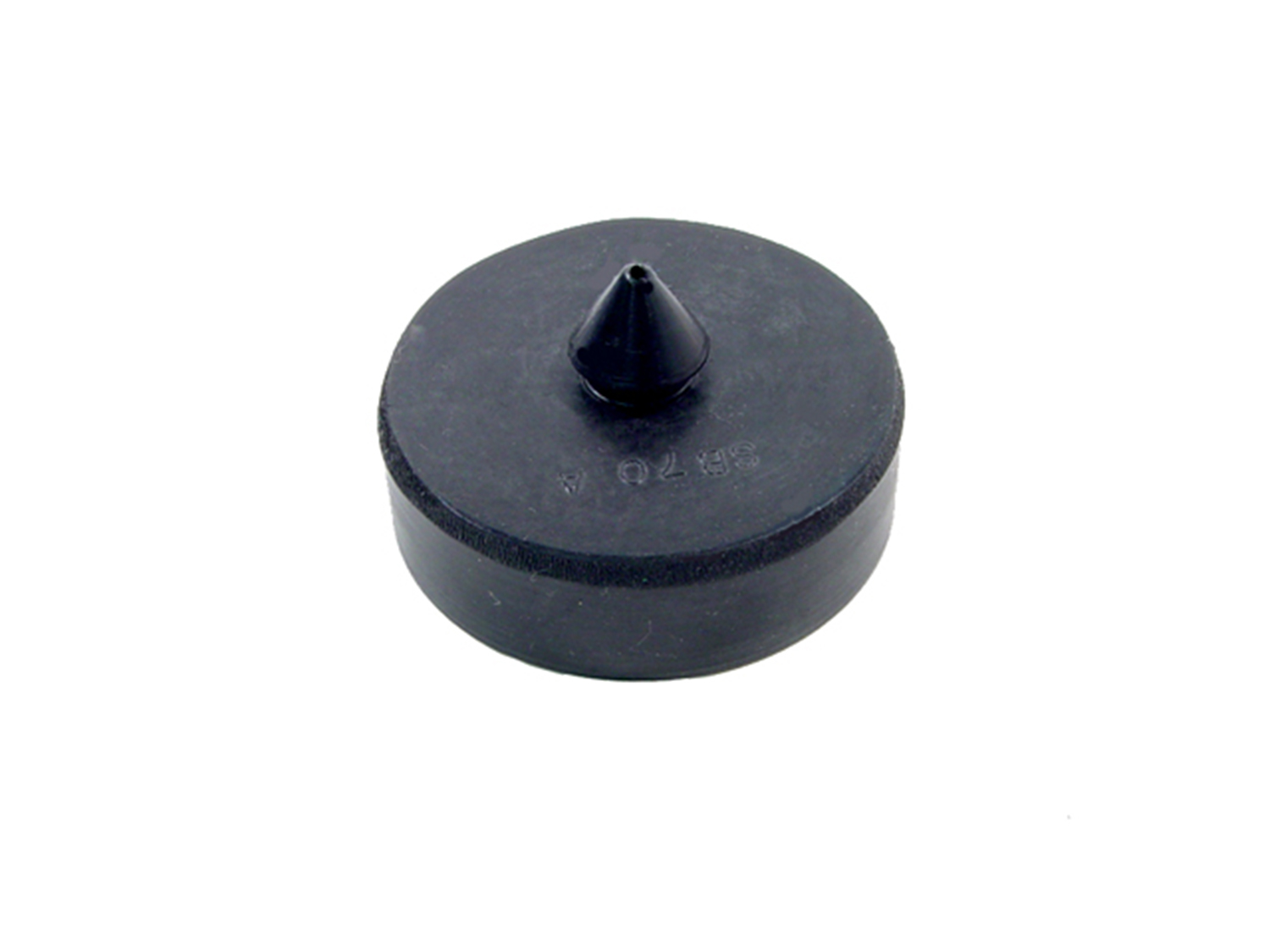 1970 Pontiac Bonneville Front door window stop bumper. ’70-’81 GM passenger cars-SB 70-AFront door window stop bumper. '70-'81 GM passenger cars. Dense rubber. Replaces OEM# 9810036. Each.
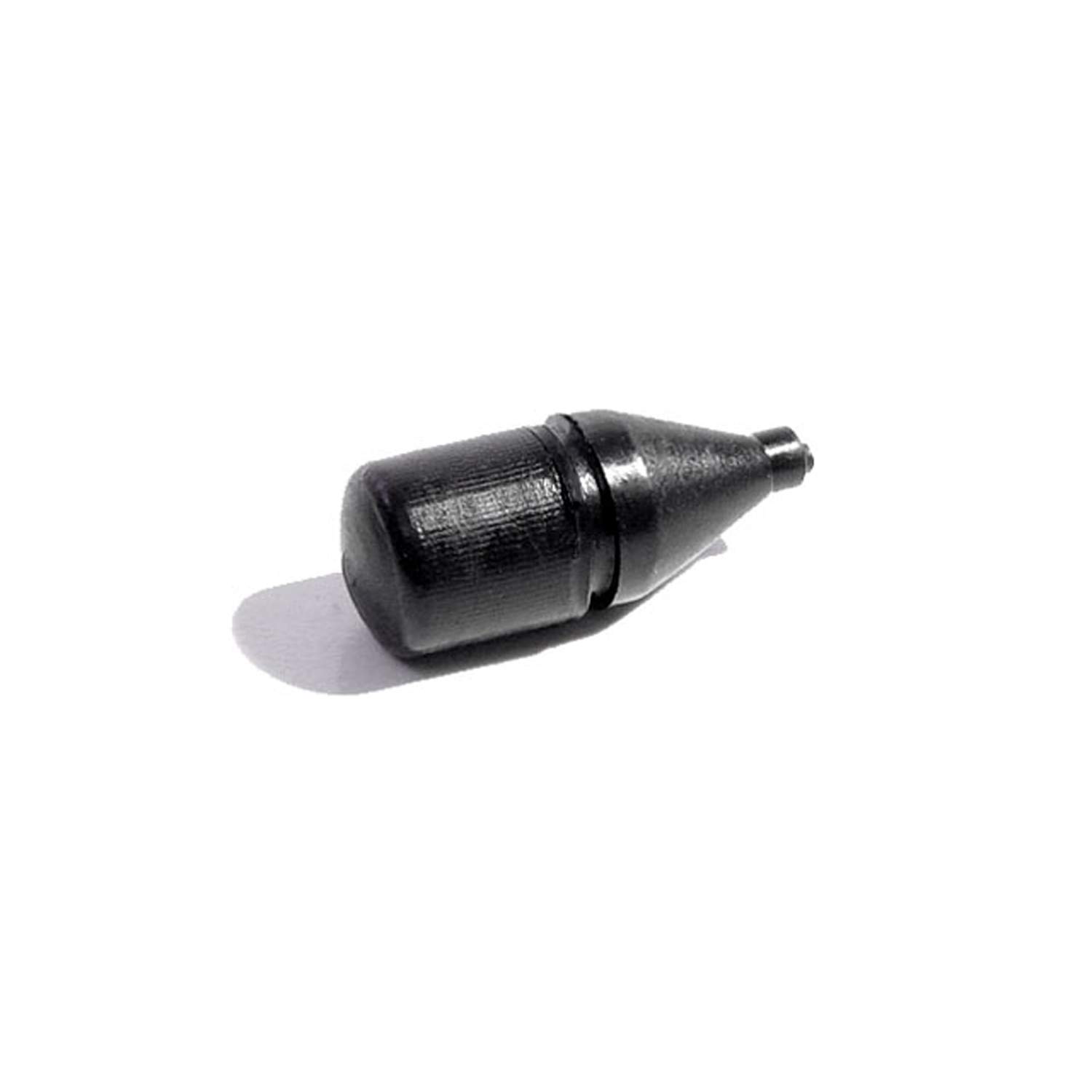 1970 Pontiac Bonneville Fuel Door Bumper. 7/8" high, 5/16" O.D. Each-SB 81Fuel Door Bumper. 7/8" high, 5/16" O.D. Each
 1970 Pontiac Bonneville A-Arm Dust Shields, 65-70 Pontiac "B" Body Models, Pair-SI 2007-105A-Arm Dust Shields, 65-70 Pontiac "B" Body Models, Pair. R&L. Installation staples included.
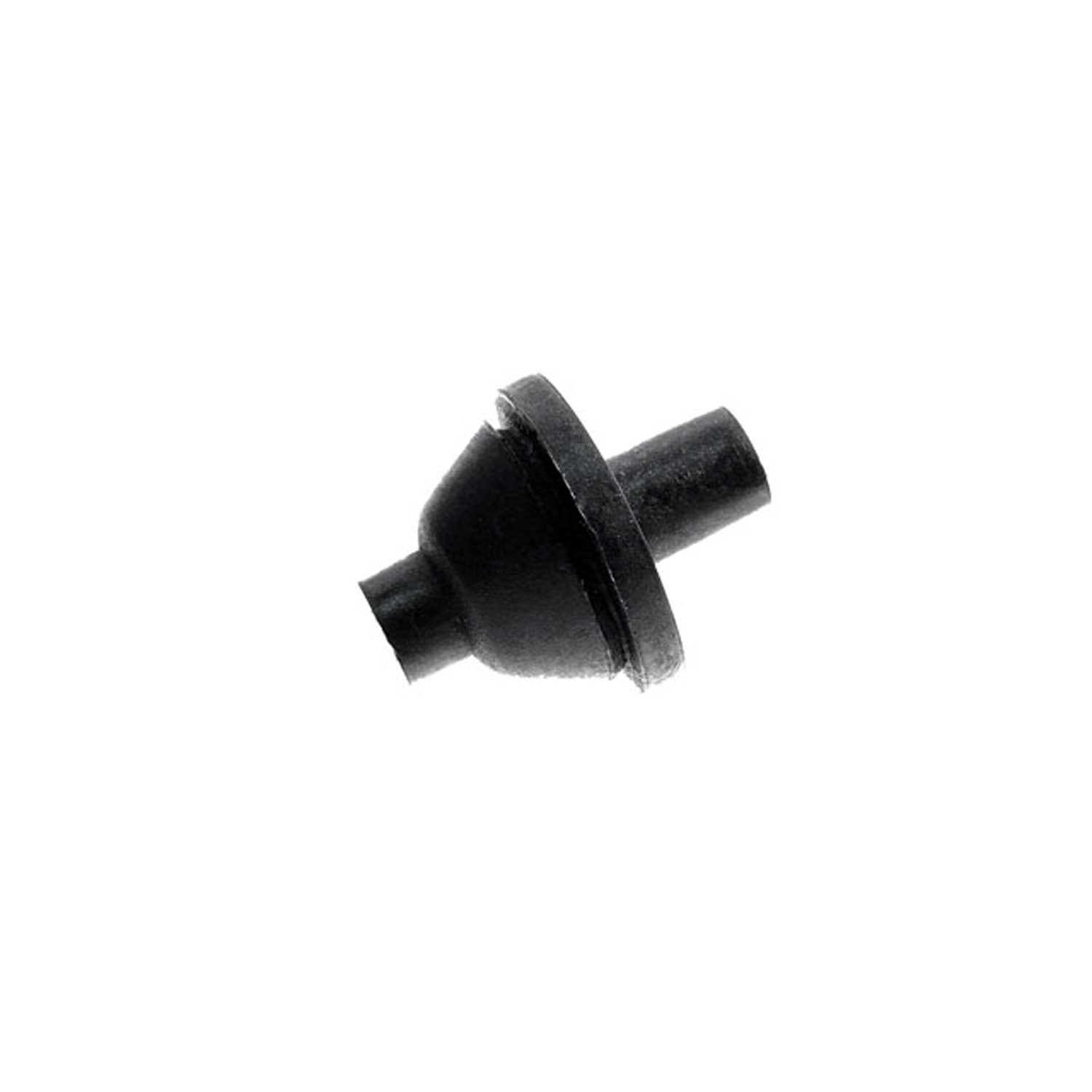 1970 Pontiac Bonneville Dash and Firewall Grommet. Single-hole type is for one wire-SM 101Dash and Firewall Grommet. Single-hole type is for one wire. Each
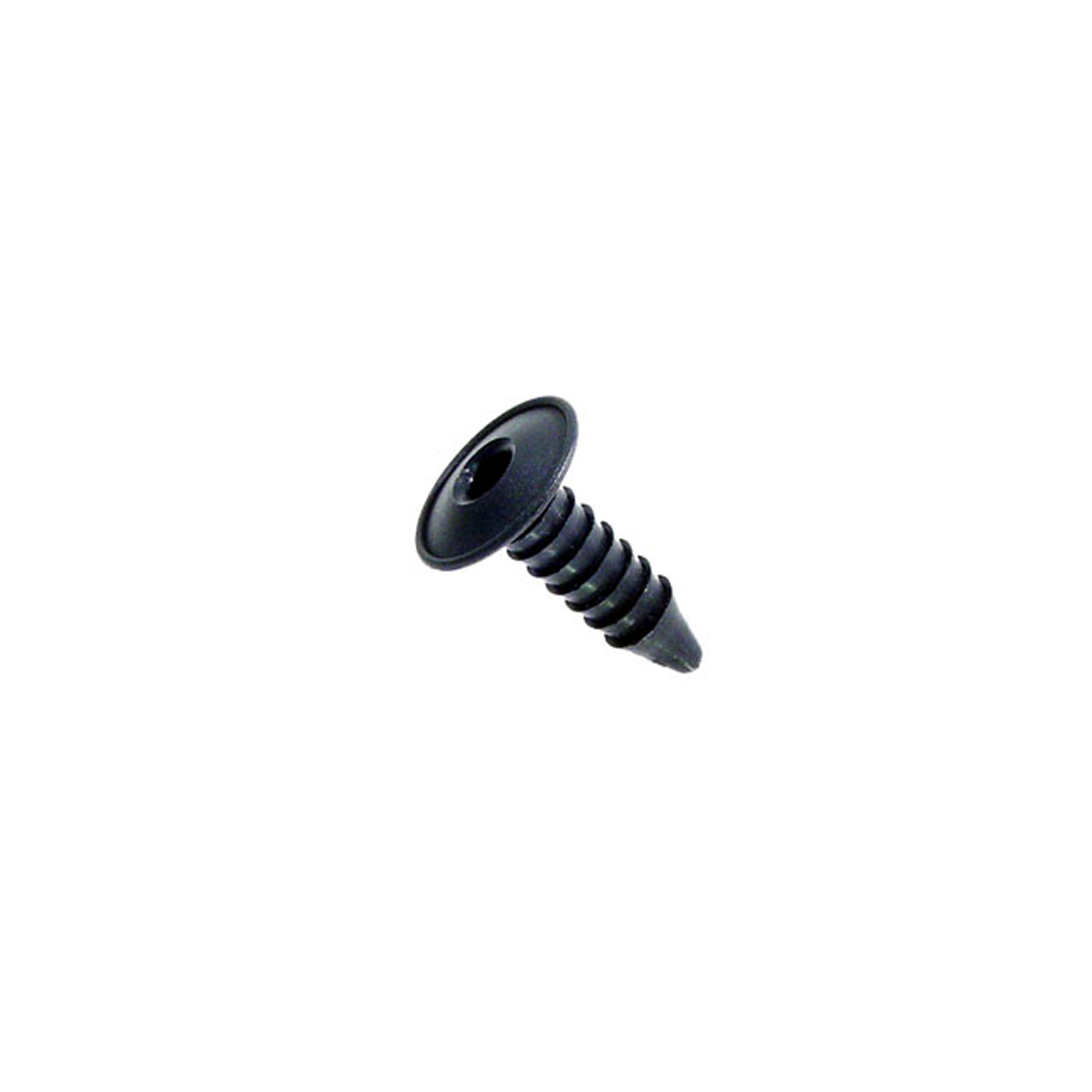 1970 Pontiac Bonneville Firewall insulation fastener. 1 in. dia. W head. 1-1/2 in. L-SM 80-AFirewall insulation fastener. 1 in. dia. W head. 1-1/2 in. L. Replaces OEM#'s (GM) 7642589 and (AMC) 4001934. Black. Each.
 1970 Pontiac Bonneville Trunk Seal. 18 feet long. Each-TK 46-18Trunk Seal. 18 feet long. Each
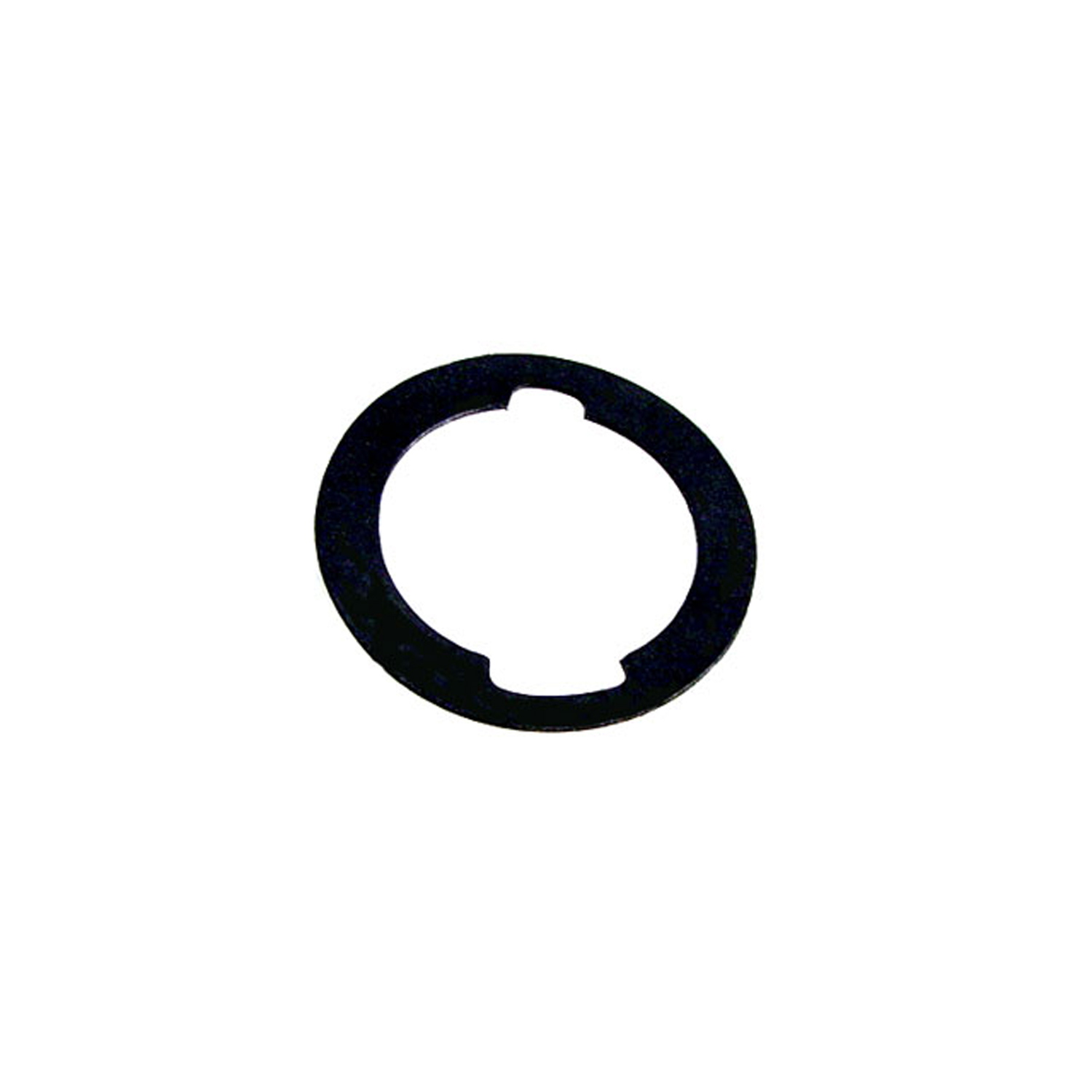 1970 Pontiac Bonneville Unbeaded Door and Trunk Lock Gasket. 1-3/16" O.D., 7/8" I.D-UM 1600-100Unbeaded Door and Trunk Lock Gasket. 1-3/16" O.D., 7/8" I.D. Each
 1970 Pontiac Bonneville Unbeaded Door Handle Mounting Pads. 4-Piece Set-UM 2005-100Unbeaded Door Handle Mounting Pads. 4-Piece Set
 1970 Pontiac Bonneville Air Conditioning Evaporation Drain Tube. 6-7/8" long-VH 102-GAir Conditioning Evaporation Drain Tube. 6-7/8" long. Each
 1970 Pontiac Bonneville Rear Roll-Up Quarter Window Seals-VS 3-MRear Roll-Up Quarter Window Seals, for 2-Door Hardtops and Convertibles. Made with a steel core stiffener. 16-1/2" long. Pair
 1970 Pontiac Bonneville Rear Roll-Up Quarter Window Seals-VS 3-MXRear Roll-Up Quarter Window Seals, for 2-Door Hardtops and Convertibles. Made without steel core. 16-1/2" long. Pair
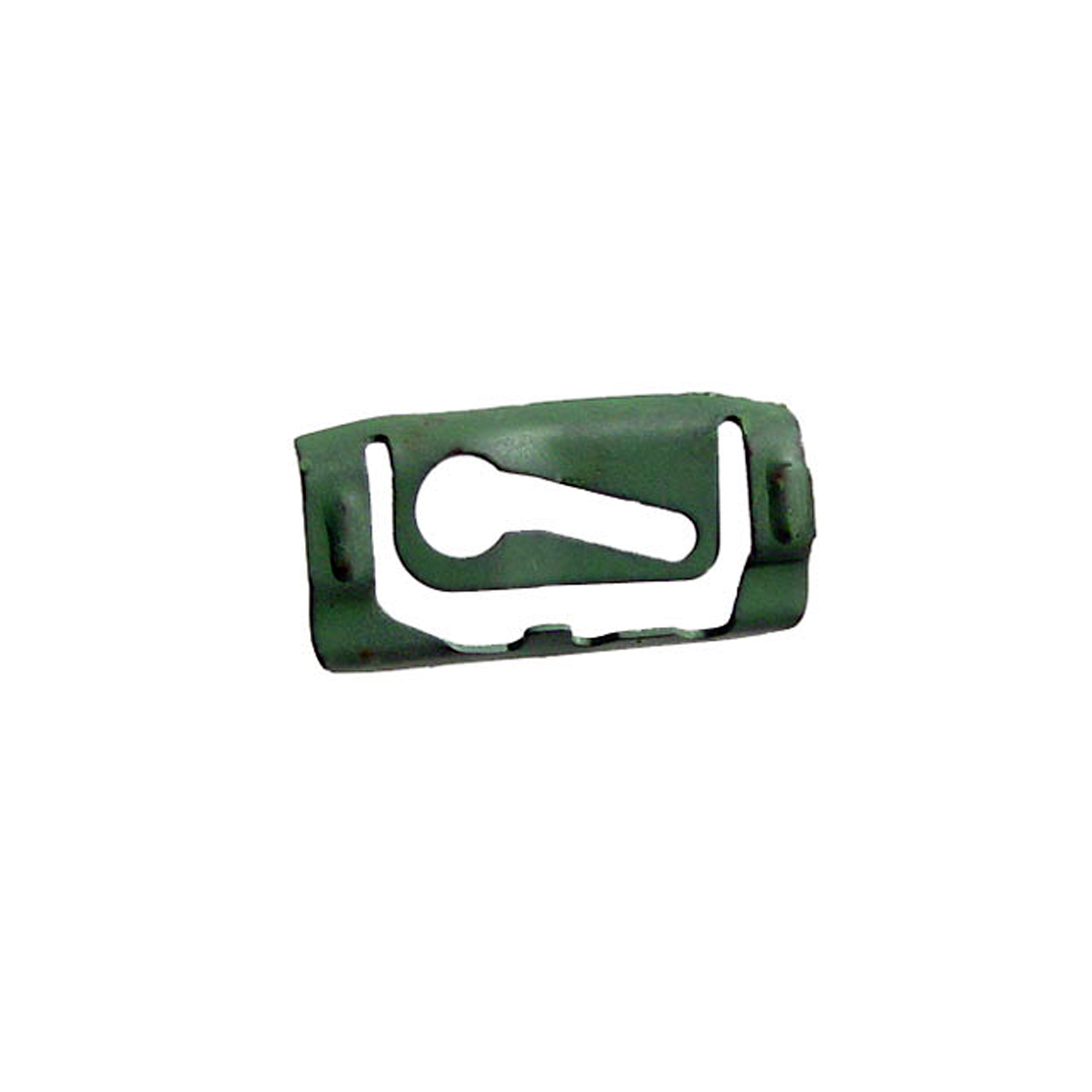 1970 Pontiac Bonneville Quarter Window Reveal Molding Clip. Made of Steel-WF 205Quarter Window Reveal Molding Clip. Made of Steel. 1-3/8" X 11/16". Each
 1970 Pontiac Bonneville Rear Window Reveal Molding Clip. For Station Wagons-WF 208Rear Window Reveal Molding Clip. For Station Wagons. Made of steel. 5/8" x 3/4". Each
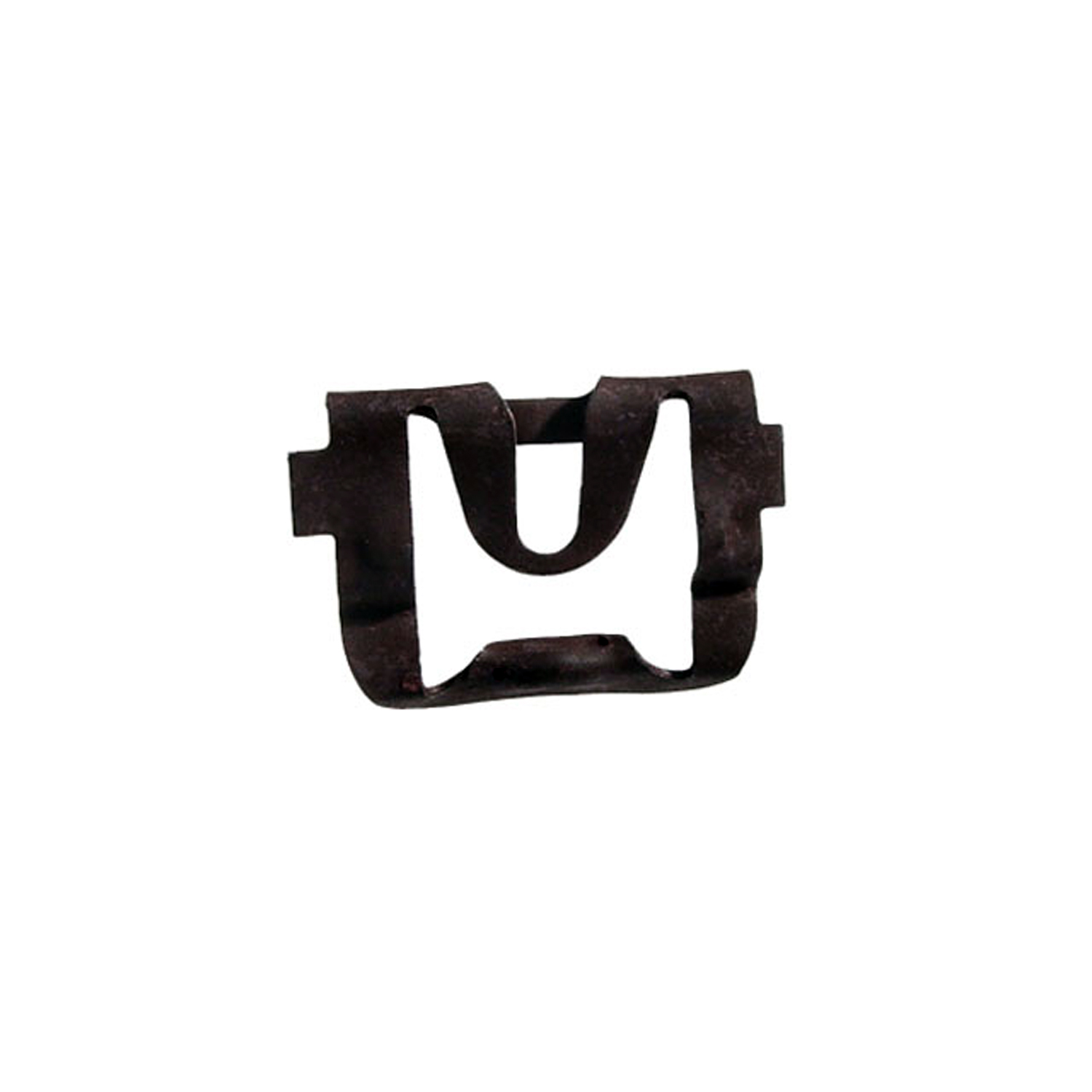 1970 Pontiac Bonneville Rear Windshield Reveal Molding Clip. Made of steel-WF 211Rear Windshield Reveal Molding Clip. Made of steel. 15/16" X 3/4". Each
Why Choose Metro?
For over 100 years, Metro Moulded Parts has been the pinnacle of quality in classic car restoration parts. Our commitment to precision and authenticity in every component ensures a perfect fit and an OEM-level appearance.
- Expert Craftsmanship & Quality: Each part is a testament to our dedication to reliability and perfection, crafted from original designs and thoroughly tested.
- Advanced Technology: We use cutting-edge techniques to create flawless, long-lasting parts that surpass others in performance.
- SuperSoft Sponge – The Ultimate Door Seal: Not only are our door seals 30% softer than competitors', but they're also guaranteed to never leak. They effectively reduce wind and road noise, enhancing your classic car's comfort and driving experience.
- Proudly American: Our parts are a product of American craftsmanship, made in the USA with a spirit of excellence and heritage.
- Unrivaled Warranty: We back our products with a 30-year industry-leading warranty, a testament to our confidence in their quality.
Join us in preserving the legacy of classic cars with parts that are crafted for perfection, not just made.