

Image of 1971 Pontiac Bonneville, Note: These illustrations use artistic license and may differ from actual historical models.
Performance Metrics
Fundamental Metrics
Emotional Appeal
MMP Rating
| Engine Specifications | |
|---|---|
| Engine: | 455 cu in (7.5 L) Pontiac V8 |
| Displacement: | 455 cu in (7.5 L) |
| Horsepower: | 325 hp |
| Torque: | 455 lb-ft |
| Compression Ratio: | 8.4:1 |
| Ignition System: | Electronic Ignition System |
| Cooling System: | Liquid-cooled |
| Performance Specifications | |
| 0-60 Time: | 8.5 seconds |
| 1/4 Mile Time: | 16 seconds |
| Top Speed: | 125 mph |
| Transmission and Drive | |
| Drive Type: | Rear-wheel drive |
| Transmission Type: | 3-speed automatic or 4-speed manual |
| Fuel and Efficiency | |
| Fuel System Type: | Carburetor |
| MPG: | 10-12 mpg |
| Dimensions and Brakes | |
| Brakes: | Power-assisted front disc and rear drum brakes |
| Wheelbase: | 123 inches |
| Weight: | 4,500 lbs |
Note: Specifications for classic cars are given to the best of our ability, considering the limited and variant data available.
1971 Pontiac Bonneville: Full-Size American Luxury
The 1971 Pontiac Bonneville made a statement before its V8 even started: it was a long, imposing, richly appointed American car built to cover miles in comfort. Pontiac, a General Motors division founded in 1926, had spent decades shaping a reputation for stylish, performance-minded cars. The Bonneville brought that spirit to the full-size luxury class, pairing generous proportions and upscale trim with the familiar rumble of a Pontiac V8.
For 1971, the Bonneville sat just below the newly introduced Grand Ville in Pontiac’s full-size range. It was a year of transition for the entire industry. Automakers were responding to new safety and emissions requirements, while the muscle-car boom was beginning to give way to a different set of priorities. The Bonneville answered with comfort, presence, and effortless power rather than corner-carving agility.
There is a neat piece of nameplate history behind the car: “Bonneville” refers to Utah’s Bonneville Salt Flats, the famous setting for land-speed runs. Pontiac had also used the name on a striking 1950s show car before it became a production model. The 1971 version was not built to chase a speed record, but the name gave this large, elegant cruiser a useful connection to performance.
Distinctive Pontiac Styling
The Bonneville’s styling was all about scale and confidence. Its long hood, broad body, and low roofline gave it an unmistakable full-size profile. Up front, a divided Pontiac grille created the familiar split-grille look, framed by cleanly integrated headlamps and a substantial bumper. The broad rear quarters and long, horizontal tail lamps carried the visual weight through to the back of the car.
Inside, the Bonneville offered a more polished atmosphere than a basic family sedan. Buyers could find padded surfaces, tasteful woodgrain accents, plush upholstery, and a wide instrument panel designed to suit the car’s expansive cabin. Depending on body style and equipment, interiors were trimmed in cloth, vinyl, or combinations of the two. Bench seating was a natural fit for relaxed cruising, while convenience options could add power-adjustable seats and other upscale touches.
Period colors ranged from restrained whites and silvers to blues, greens, reds, and warm gold or bronze shades. The exact palette depended on the paint and trim selections, but earthier colors suited the early-1970s look particularly well. Darker greens and blues, along with classic white, remain appealing choices for buyers who want a period-correct appearance.
The Bonneville name covered several full-size body styles, including a two-door hardtop, four-door hardtop, and four-door sedan. Safari station wagons were also part of Pontiac’s full-size wagon family. The two-door hardtop is often the most immediately recognizable to collectors: its pillarless side profile gives it a long, uninterrupted sweep of glass when the windows are lowered. Four-door models, meanwhile, deliver the same presence with easier passenger access.
Comfort and Technology for 1971
By modern standards, the Bonneville’s equipment is straightforward, but it offered plenty of convenience for its time. A Turbo Hydra-Matic automatic transmission was a natural partner for the V8, and power steering helped take the effort out of maneuvering a large car. Power brakes and air conditioning were available, along with features such as power windows, power locks, cruise control, and upgraded radios, depending on the car’s original specification.
Safety was also becoming a bigger part of automotive design. The Bonneville incorporated period-required features such as an energy-absorbing steering column and interior details designed to reduce injury risk. It did not have today’s electronic safety systems, but it reflects an industry adapting to changing regulations and expectations.
Why the Bonneville Mattered
The 1971 Bonneville was not a revolutionary engineering experiment. Its significance lies in how it represented the changing role of the American full-size car. These vehicles had long served as family transport, executive transportation, and comfortable long-distance tourers. The Bonneville combined all three identities, with a more upscale cabin and a stronger visual presence than a basic sedan.
It also captured a turning point in performance. Compression ratios were being reduced as manufacturers prepared for changing emissions rules and the move toward lower-octane fuel. Advertised horsepower figures from this era can be confusing because manufacturers commonly used gross ratings, measured under conditions different from later SAE net ratings. In practical terms, the Bonneville retained the smooth, abundant torque expected from a large Pontiac V8, even as the industry began moving away from the high-compression muscle-car formula.
What set it apart from many contemporaries was the combination of Pontiac character and near-luxury comfort. It was not as formal as some premium-brand sedans, nor as overtly performance-focused as a GTO. Instead, it occupied a satisfying middle ground: a handsome, powerful cruiser that could carry a family and luggage without making the trip feel like a chore.
V8 Performance and Road Manners
Engine availability varied by equipment and production details. The standard powerplant was a 400-cubic-inch Pontiac V8, with larger 455-cubic-inch V8s available. Depending on engine and carburetion, period advertised horsepower figures were generally in the neighborhood of 265 to 325 gross horsepower. Those are historical, gross-era figures, not directly comparable with modern net horsepower ratings. The 455’s main advantage was its strong low-speed torque, which suited a heavy car particularly well.
Performance depended on the engine, axle ratio, body style, and condition of the individual car. As a broad estimate, a healthy V8 Bonneville could reach 60 mph in roughly 9 to 11 seconds. Top speed was in the vicinity of 110 to 120 mph under suitable conditions, although a large, decades-old collector car should not be treated as a modern high-speed machine. Tire condition, brakes, suspension, and cooling system health matter far more than a number on a period speedometer.
On the road, the Bonneville feels substantial. Its soft suspension absorbs ordinary pavement cracks and highway undulations with the easy, floating ride that many buyers wanted from a full-size American car. The trade-off is body roll: on a winding road, the car leans noticeably and responds more slowly than a smaller, sportier vehicle. Crosswinds can also make a large car feel unsettled, particularly if its tires or suspension components are worn.
The driving experience is part of the appeal. A Pontiac V8 delivers a deep, unhurried exhaust note, while the automatic transmission shifts smoothly when properly adjusted. The steering is light, the hood stretches far ahead, and the cabin seems to glide over distance rather than attack it. The Bonneville is most at home on an open highway or a relaxed weekend drive, not on a tight autocross course.
Living With a 1971 Bonneville
Today, the Bonneville is most often used as a weekend cruiser, local show car, or vintage-car tour vehicle. A well-maintained example can also be driven regularly, but fuel economy is modest by modern standards. These are heavy, carbureted V8 cars, and city driving can make a noticeable dent in the fuel tank.
Mechanical repairs are generally manageable for an owner comfortable with older American cars. Pontiac V8s and many GM components are well understood by classic-car mechanics, and parts support remains reasonably strong. Routine jobs such as ignition service, brake work, carburetor tuning, and suspension repairs are familiar territory for a classic-car shop. Trim pieces, interior components, wagon-specific parts, and good body panels can be harder to source.
Rust deserves careful inspection. Check the lower body, floors, trunk, wheel openings, and areas around the windshield and rear window. Also inspect the frame, brake lines, cooling system, and the automatic transmission. A shiny repaint can hide expensive corrosion, so a thorough inspection is more useful than a quick look at the paint. For a car this large, having a shop verify structural condition and braking performance is a wise first step.
Bonneville Facts and Misconceptions
The Bonneville name has a genuine connection to speed culture through the Utah salt flats, but the 1971 production car did not hold a land-speed record. Its achievement was more everyday: it offered quiet, comfortable transportation at a time when American buyers still valued big V8-powered cars.
There is no single famous 1971 Bonneville edition that defines the model year in the way a high-performance special might. The car’s character comes instead from its range of body styles and equipment. The pillarless two-door hardtop is a favorite for its clean profile, while the Safari wagon is an appealing choice for collectors who want a less common, more practical version of Pontiac’s full-size formula.
Common criticisms are predictable. The Bonneville is thirsty, takes up a lot of space, and feels soft when pushed hard through corners. Its size can make parking awkward, and some trim or body parts may require patience to find. Those drawbacks are part of the bargain: this was built to be spacious and smooth, not compact or nimble.
Collector Values and Availability
Production figures can be difficult to summarize because totals are recorded by body style and model series, and sources do not always group the cars identically. A reasonable broad estimate is roughly 40,000 to 50,000 1971 Bonnevilles across the range, rather than a claim for one exact body style. That makes the model findable, but not common in the same way as a mass-market Chevrolet of the period. Wagons and unusually well-preserved, highly optioned examples are generally harder to locate.
As a practical 2026 market estimate, a project or rough driver may sell for about $5,000 to $10,000. A usable, presentable car often falls around $10,000 to $20,000, while a clean example with sound bodywork and a good interior may bring $20,000 to $35,000. A high-quality restoration or exceptionally original car can reach roughly $35,000 to $50,000 or more, with condition, documentation, body style, and regional demand making a significant difference. These are broad estimates, not guaranteed sale prices.
Values have generally been steadier than those of headline muscle cars. The Bonneville has a loyal audience, but its size and fuel consumption limit the pool of buyers. Originality, rust-free structure, and tasteful preservation tend to matter more than ambitious modifications. Over time, well-kept examples may appreciate gradually, but buyers should choose one because they enjoy the car, not because they expect rapid investment returns.
A Big Pontiac With Lasting Presence
The 1971 Pontiac Bonneville combines a distinctive split-grille face, a roomy and comfortable cabin, and the easy torque of a Pontiac V8. It reflects a pivotal moment when American automakers were balancing traditional size and power with new safety and emissions demands. It is not a sports car, and it makes no attempt to be one. Its strengths are presence, comfort, and the relaxed confidence of a full-size Pontiac.
For collectors, the Bonneville offers a refreshing alternative to the better-known muscle cars of its era. Find a solid, well-maintained example, and you get more than a big classic cruiser: you get a rolling snapshot of Pontiac at the beginning of a new automotive decade.
1971 Pontiac Bonneville Catalog of Parts
 1971 Pontiac Bonneville RE-ISSUE. Door lock-pillar seal-ALP 5055RE-ISSUE. Door lock-pillar seal. Fits '71-'73 GM B-, C- and E-body 2-door hardtop, coupe and convertible (including Cadillac). This part has been completely re-designed from scratch with new cores and new molds. Replaces OEM#'s 9640451/2. Pair. R&L.
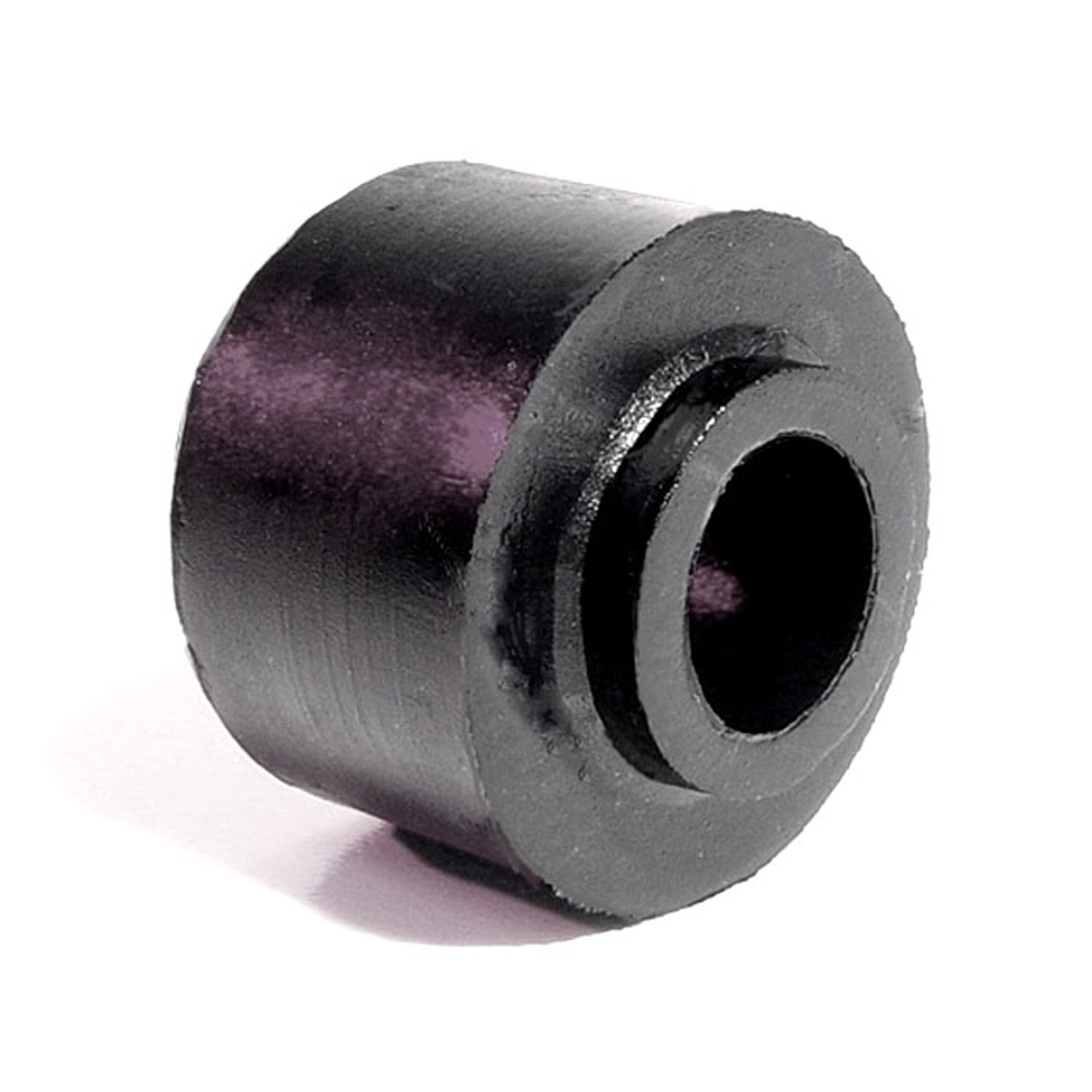 1971 Pontiac Bonneville Shock Absorber Grommet. 1" bottom O.D., 3/4" high-BN 1Shock Absorber Grommet. 1" bottom O.D., 3/4" high., with 7/16" I.D. Each
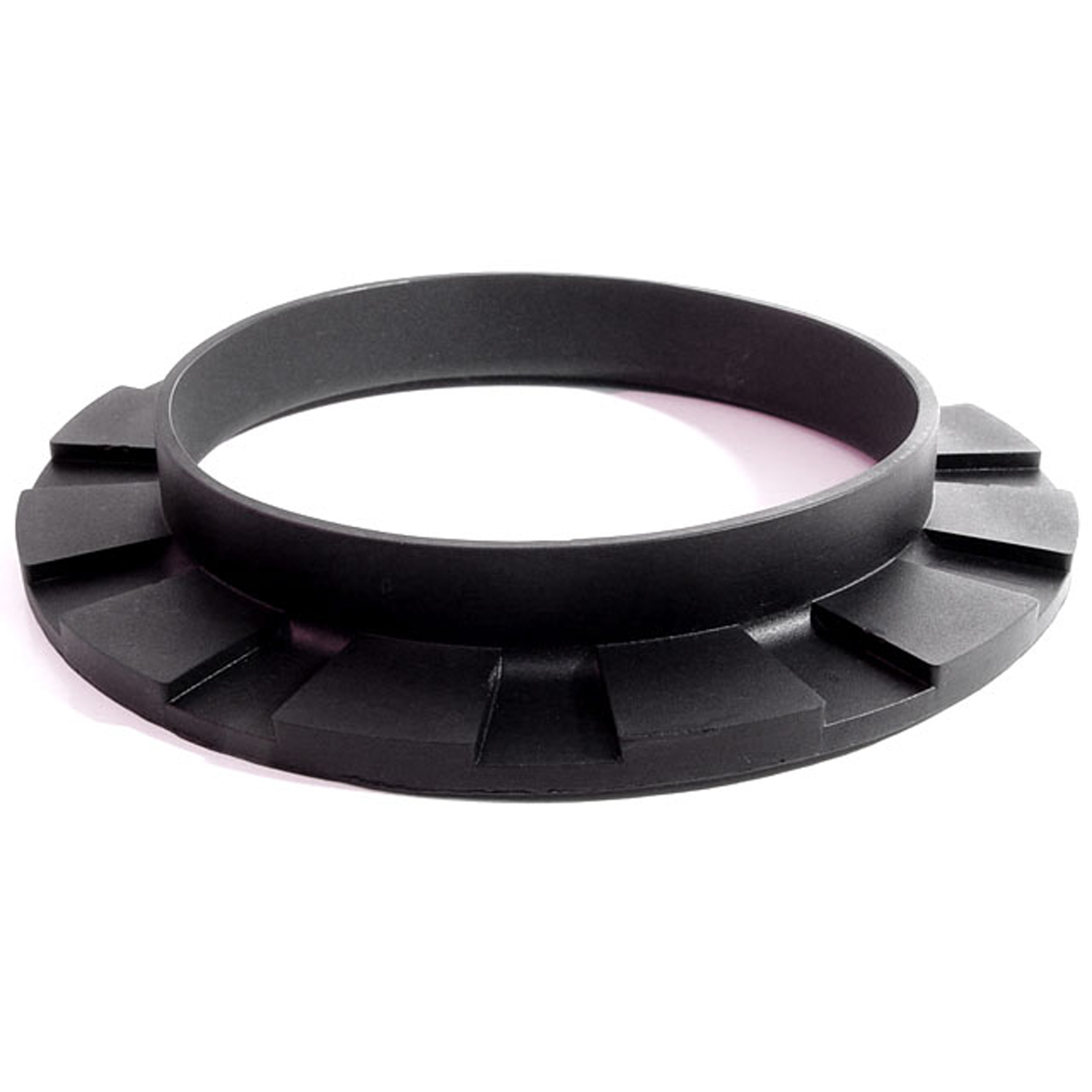 1971 Pontiac Bonneville Front coil-spring insulator-BN 110Front coil-spring insulator. Fits '41-'60 Oldsmobile and '50-'83 GM passenger models. 5-3/8 in. OD x 3-3/4 in. ID x 3/4 in. high with 13/16 in. wide bottom flange 1/4" thick, 12 flutes. Each.
 1971 Pontiac Bonneville Rear coil-spring insulator 1961-72 GM A-Body-BN 111Coil spring insulators are a great way to prevent metal-on-metal contact and noise. Manufactured to OEM specifications for a precise fit, these coil spring insulators are made of rubber and are used between the coil spring and the frame of your ride. 3-3/4 in. OD, 2-1/8 in. ID, 5/8 in. high with 3/16 in. , wide bottom flange 1/4 in. thick.
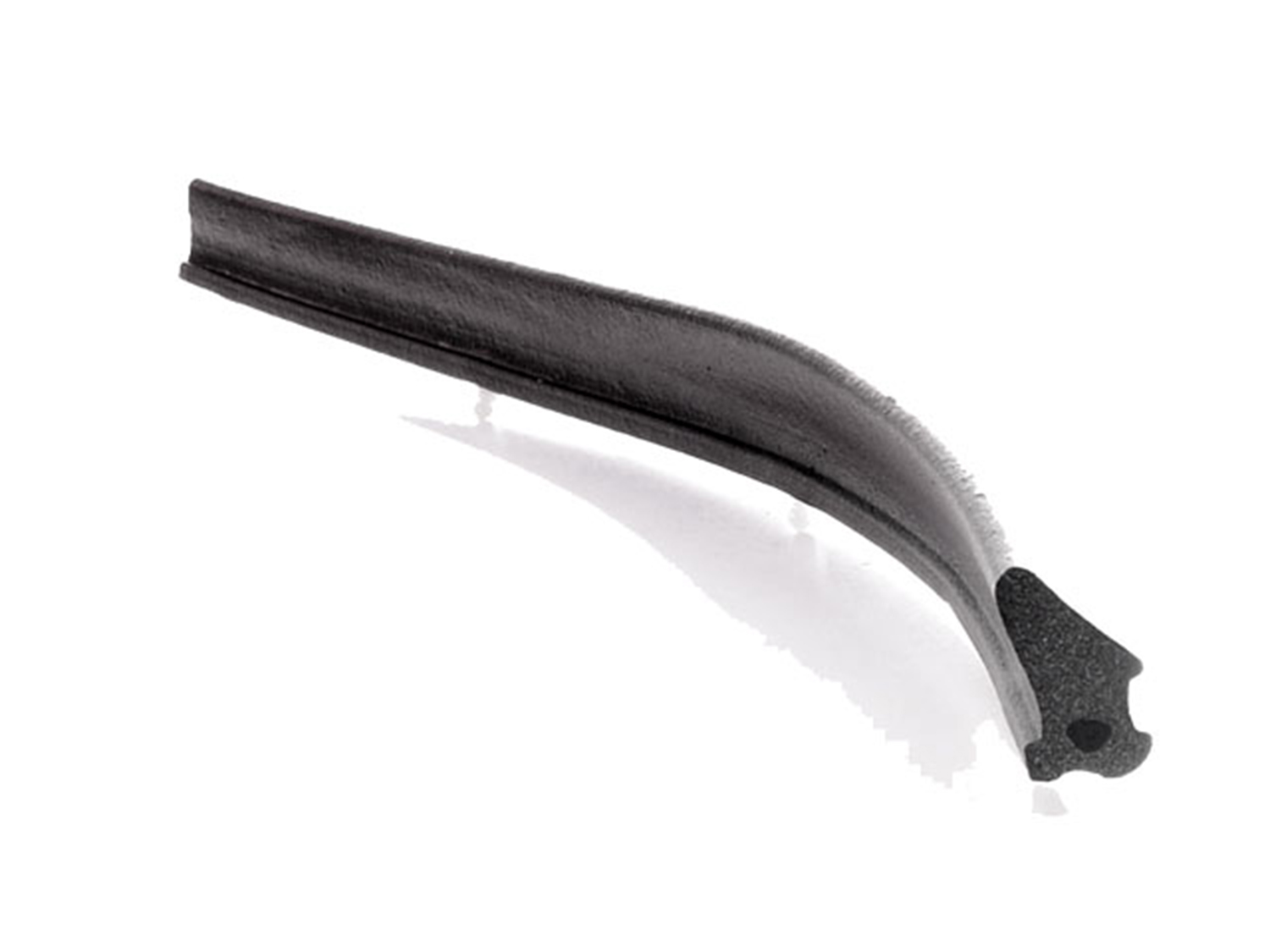 1971 Pontiac Bonneville Door Side Seal-C/LP 40-KDoor Side Seal. Made of smooth skin sponge extrusion, with clips installed. (For seal without clips, see LP 40-K) Sold by the foot.
 1971 Pontiac Bonneville Hood to Fender Bumper. Each-HF 24Hood to Fender Bumper. Each
 1971 Pontiac Bonneville Molded Door Seals. For 2-door hardtops and convertibles-LM 12-HMolded Door Seals. For 2-door hardtops and convertibles. Replaces OEM #9824514/5. Pair R&L
 1971 Pontiac Bonneville Front Molded Door Seals-LM 16-GFront Molded Door Seals. For 4-door sedan and wagon, with RWD. Each is 138-1/2" long. Pair R&L
 1971 Pontiac Bonneville Rear Molded Door Seals. For 4-door sedan only, with RWD-LM 16-G/RRear Molded Door Seals. For 4-door sedan only, with RWD. Each is 123-1/4" long. Pair R&L
 1971 Pontiac Bonneville Basic Kit, for 2-Door Hardtop-RKB 2007-116Basic Kit, for 2-Door Hardtop. Door (LM 12-H) Roof Rail (RR 5007-A) Trunk (TK 46-E/18), Seals.
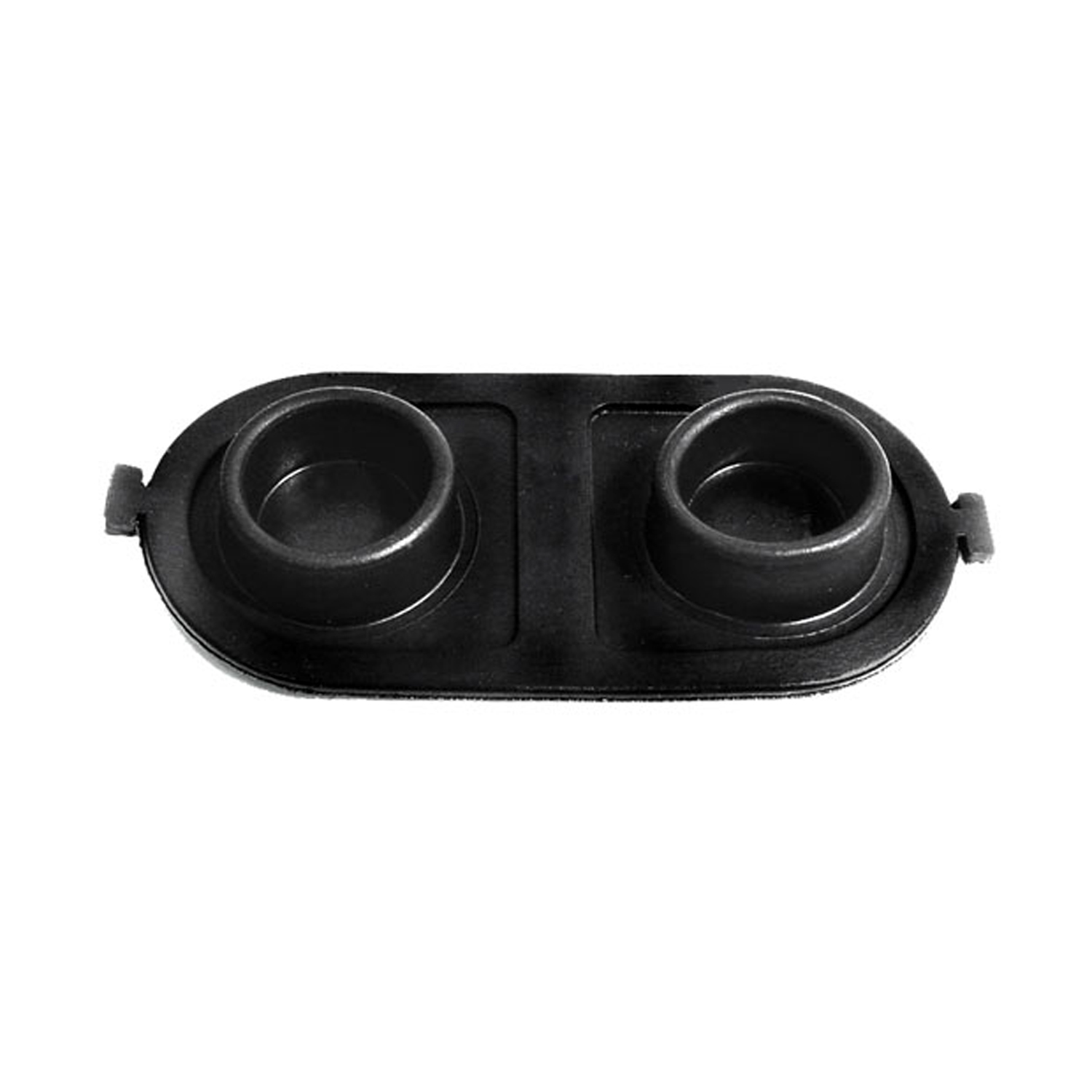 1971 Pontiac Bonneville Brake Master Cylinder Cover Seal. Replaces OEM #5470861-RP 2-EBrake Master Cylinder Cover Seal. Replaces OEM #5470861. 5" X 2-1/2". Each
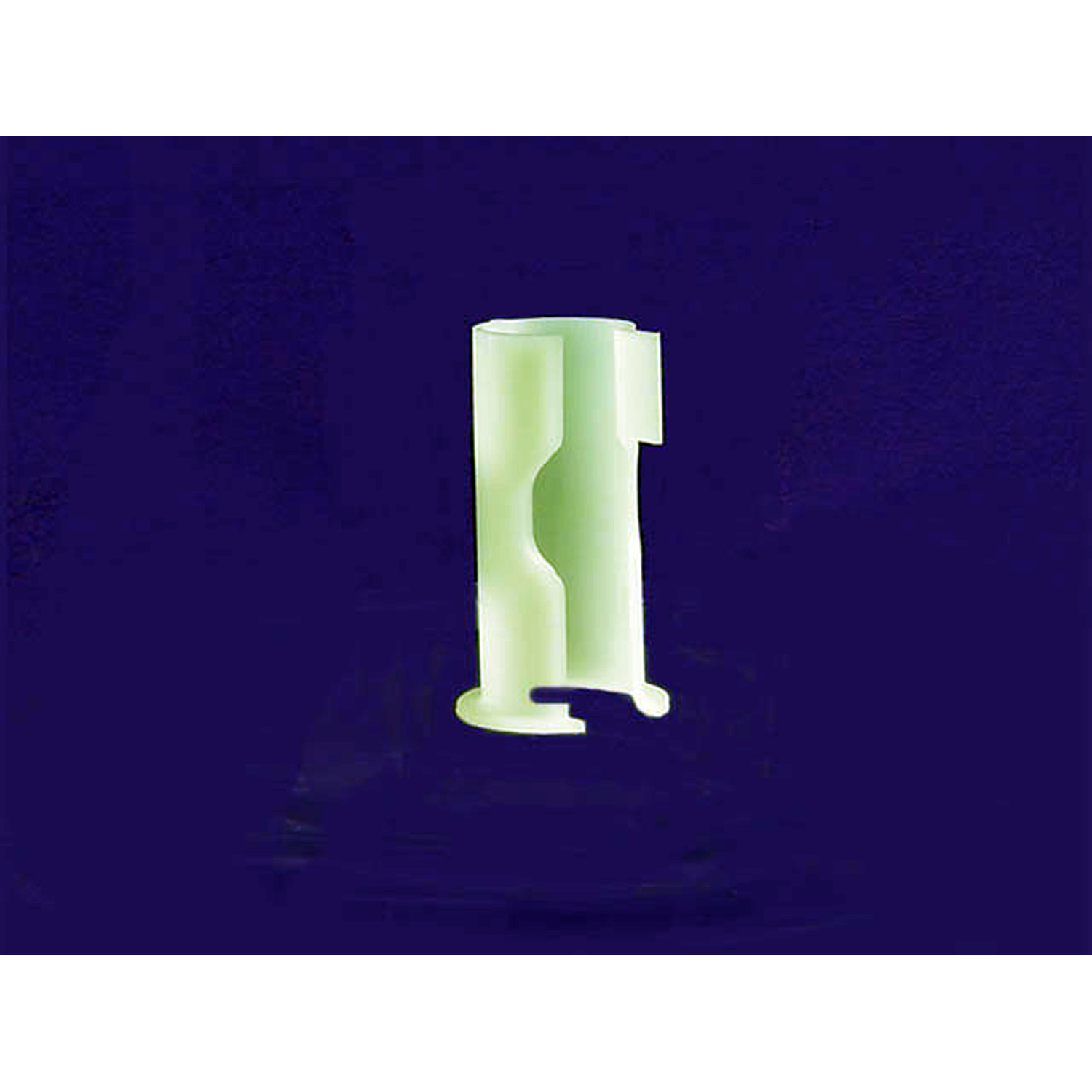 1971 Pontiac Bonneville Sun Visor Support Sleeve. Clear plastic. Each-RP 303-ASun Visor Support Sleeve. Clear plastic. Each
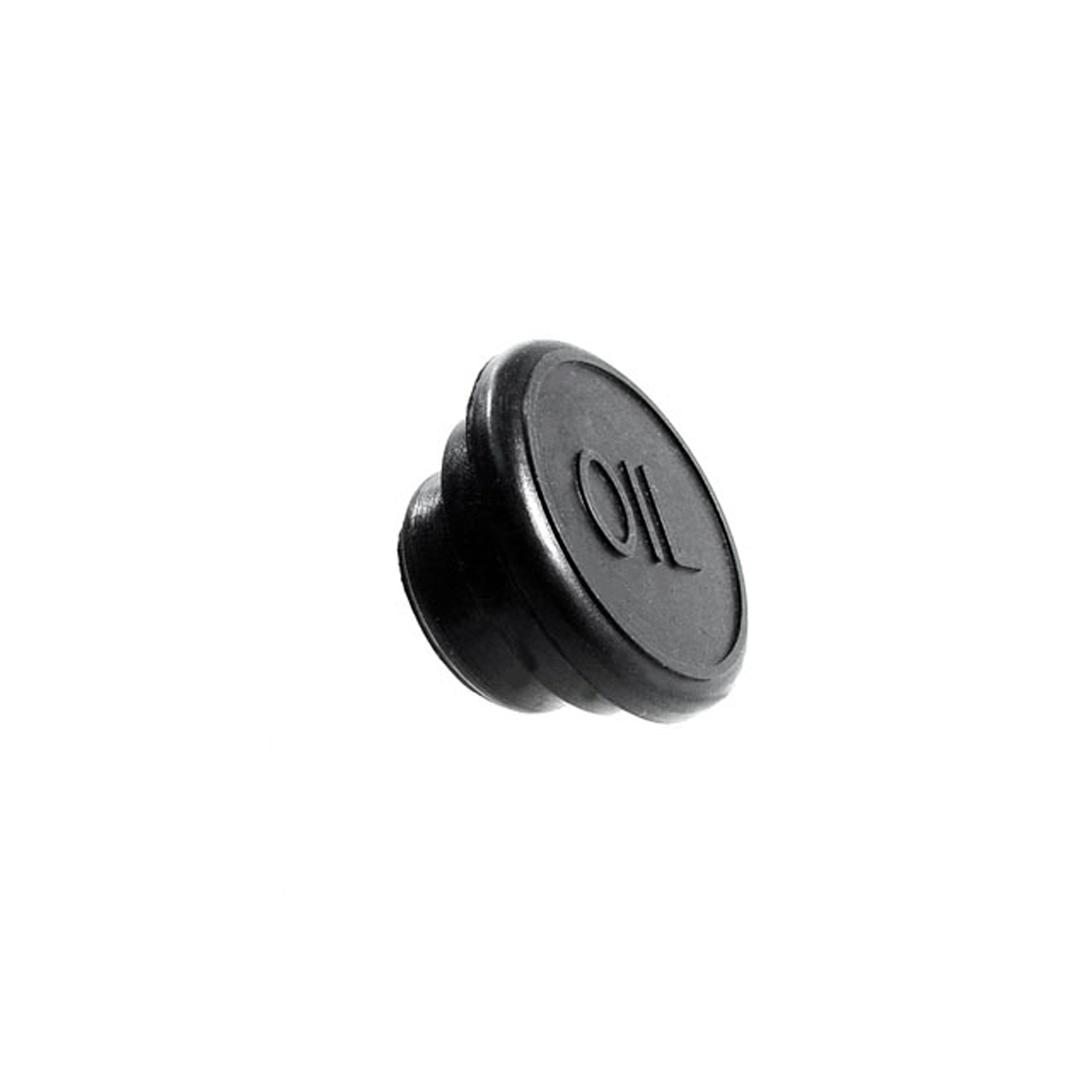 1971 Pontiac Bonneville Oil Filler Hole Cap. Made of rubber-RP 8Oil Filler Hole Cap. Made of rubber. Fits a 1-3/16" to 1-1/4" hole. Each
 1971 Pontiac Bonneville Molded Roof Rail Seals-RR 5007-AMolded Roof Rail Seals, for 2-Door Hardtop -Sport (body style # ending in 57). 82" long. Pair R&L
 1971 Pontiac Bonneville Molded Roof Rail Seals for 4-Door Hardtop. Pair-RR 5007-EMolded Roof Rail Seals for 4-Door Hardtop. Pair
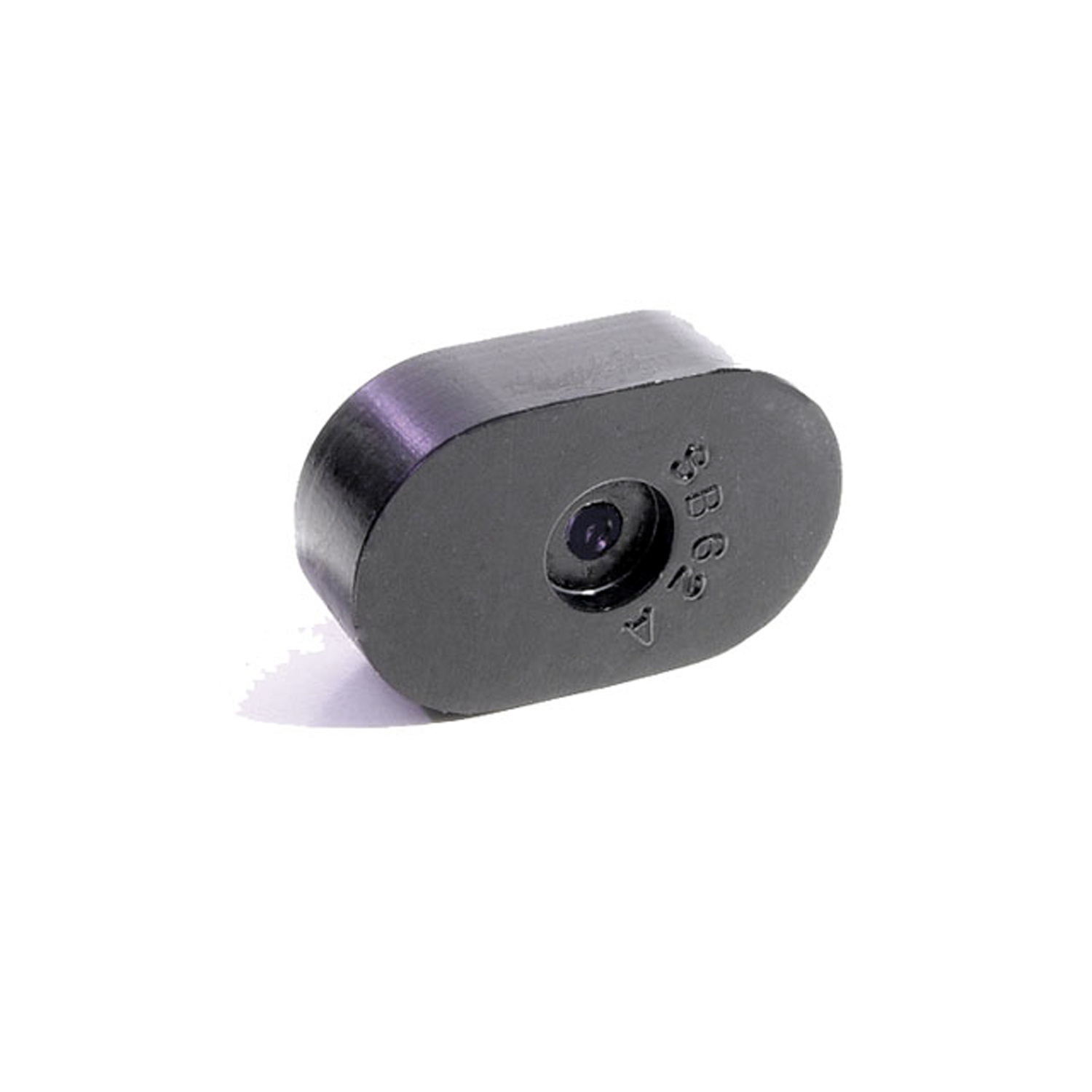 1971 Pontiac Bonneville Seat Bumper. Made with steel core like original-SB 62-ASeat Bumper. Made with steel core like original. 1-1/2" long, 7/16" thick. Two used per car. Each
 1971 Pontiac Bonneville Bumper Brace to Filler Panel Spacer, 68-71 Chevy A Body, 67-71 GM B Body Exc Wgn-SB 68Bumper Brace to Filler Panel Spacer, 68-71 Chevy A Body Except Wagons, 67-71 GM B Body Except Wagons, Each. Replaces OEM # 3895100.
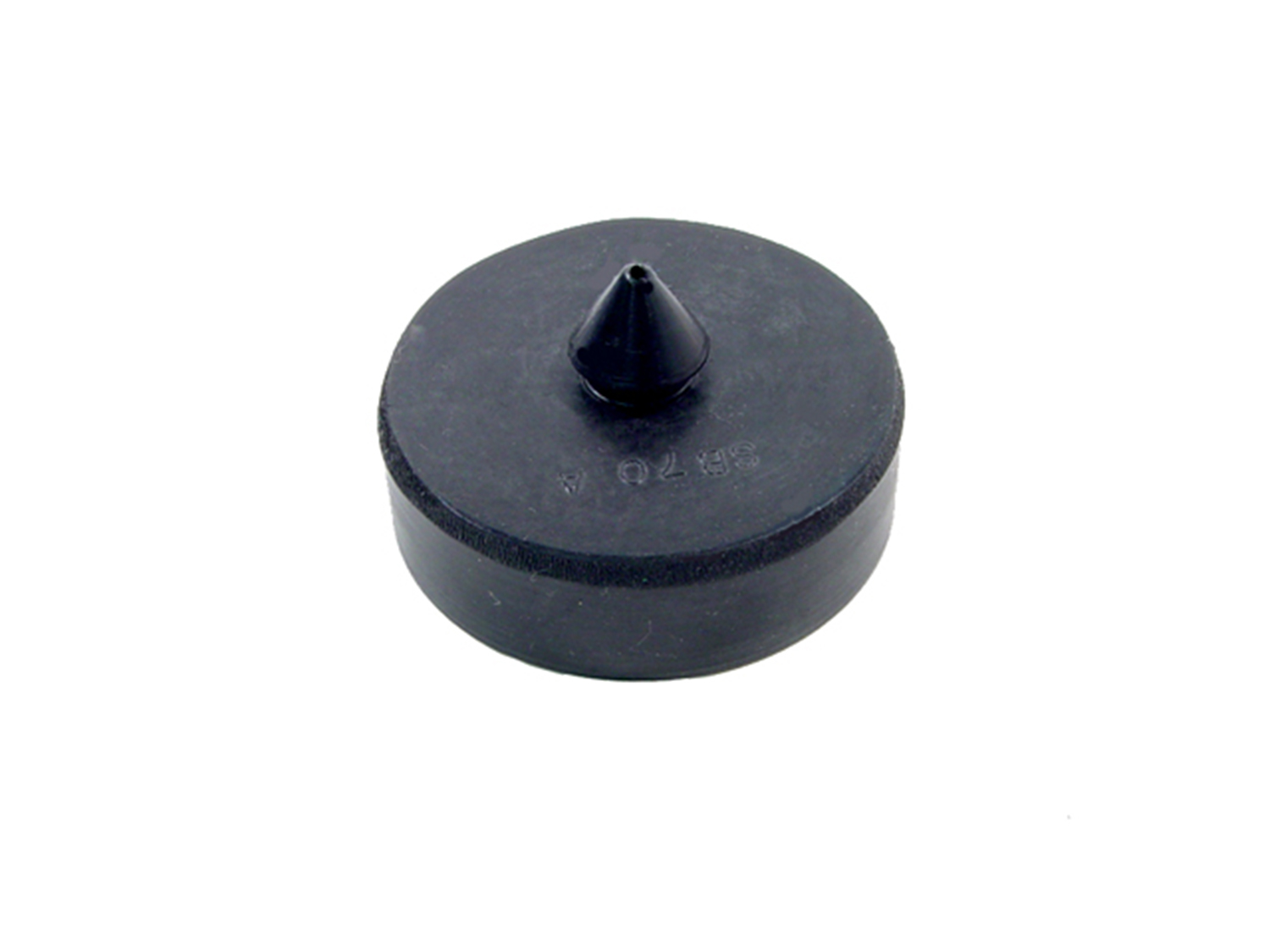 1971 Pontiac Bonneville Front door window stop bumper. ’70-’81 GM passenger cars-SB 70-AFront door window stop bumper. '70-'81 GM passenger cars. Dense rubber. Replaces OEM# 9810036. Each.
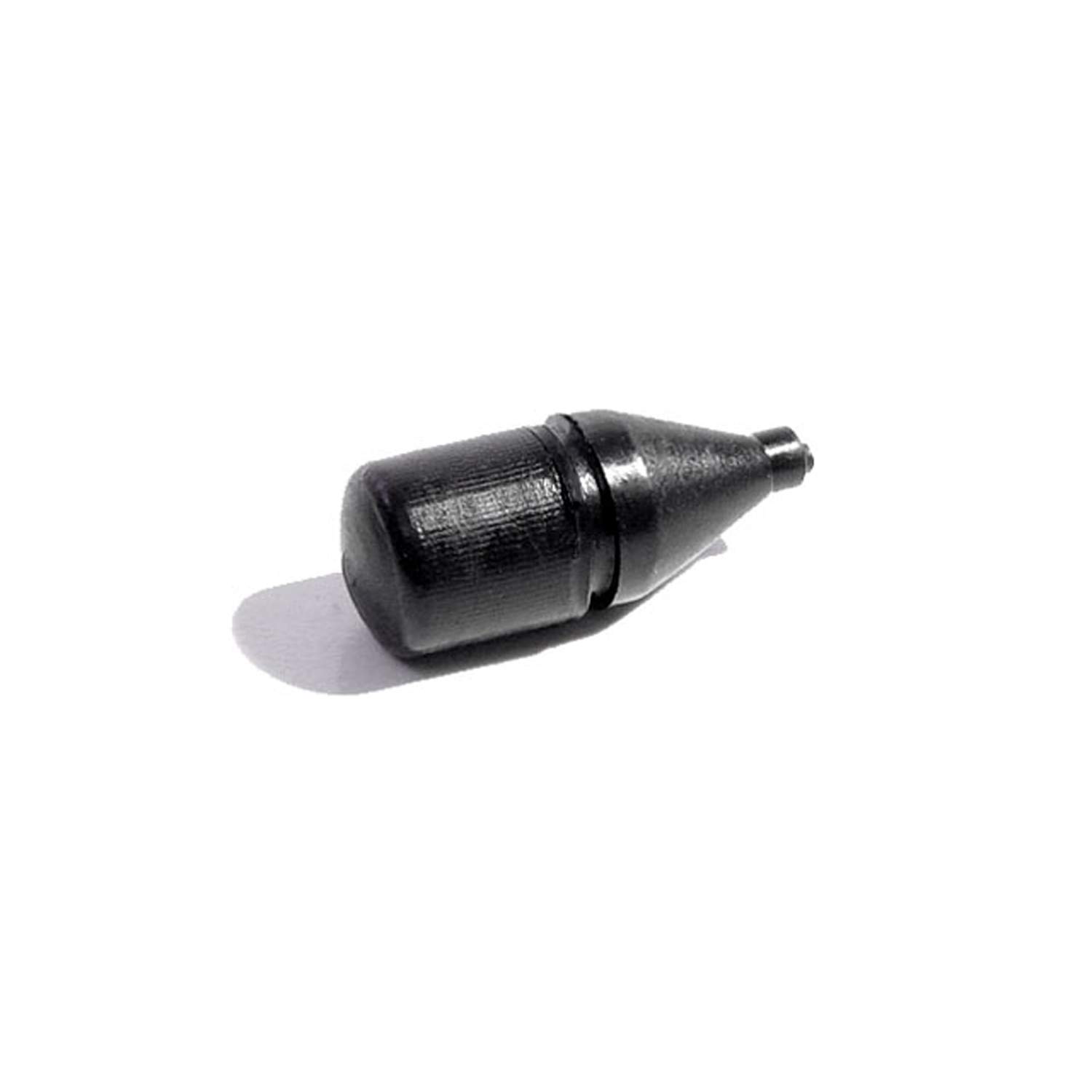 1971 Pontiac Bonneville Fuel Door Bumper. 7/8" high, 5/16" O.D. Each-SB 81Fuel Door Bumper. 7/8" high, 5/16" O.D. Each
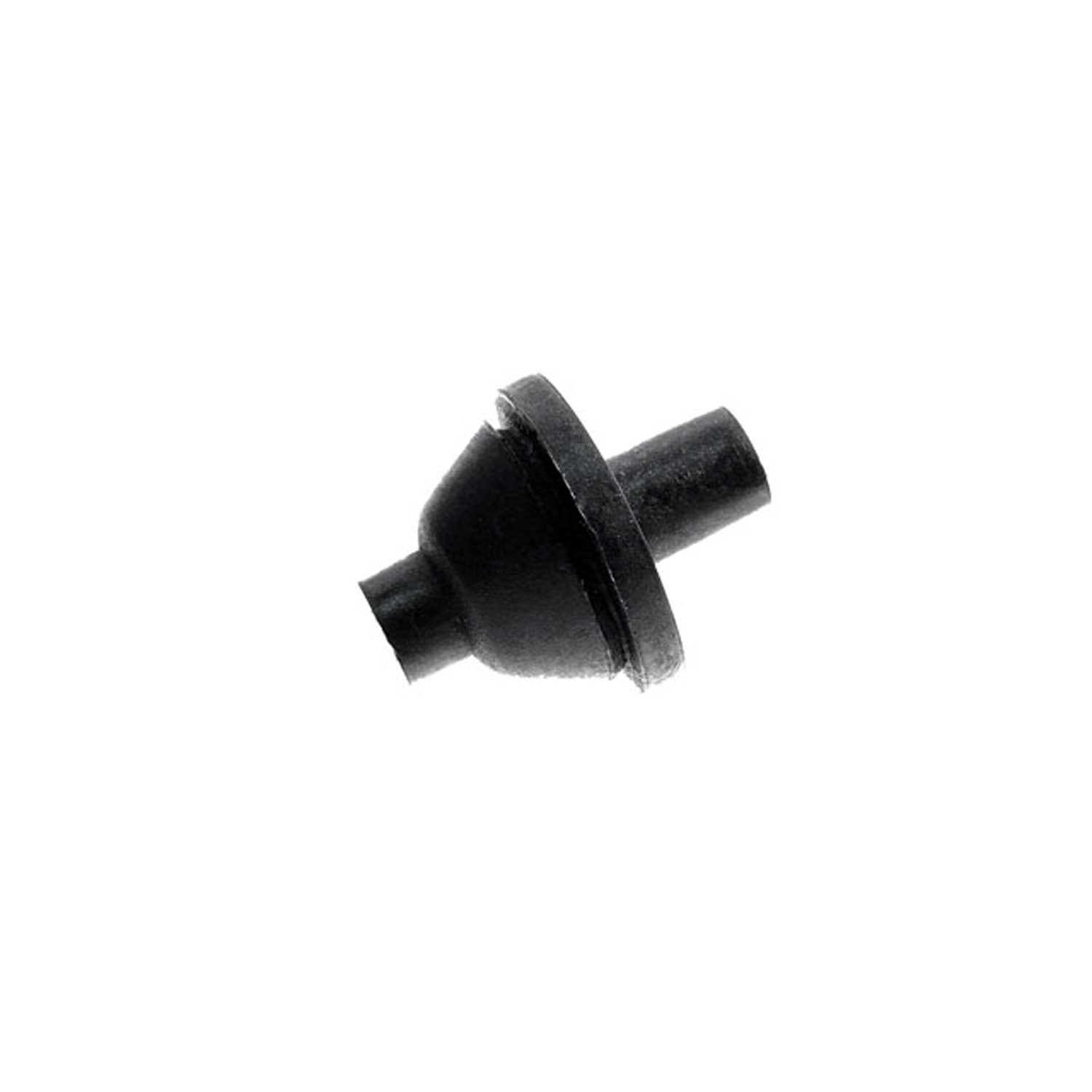 1971 Pontiac Bonneville Dash and Firewall Grommet. Single-hole type is for one wire-SM 101Dash and Firewall Grommet. Single-hole type is for one wire. Each
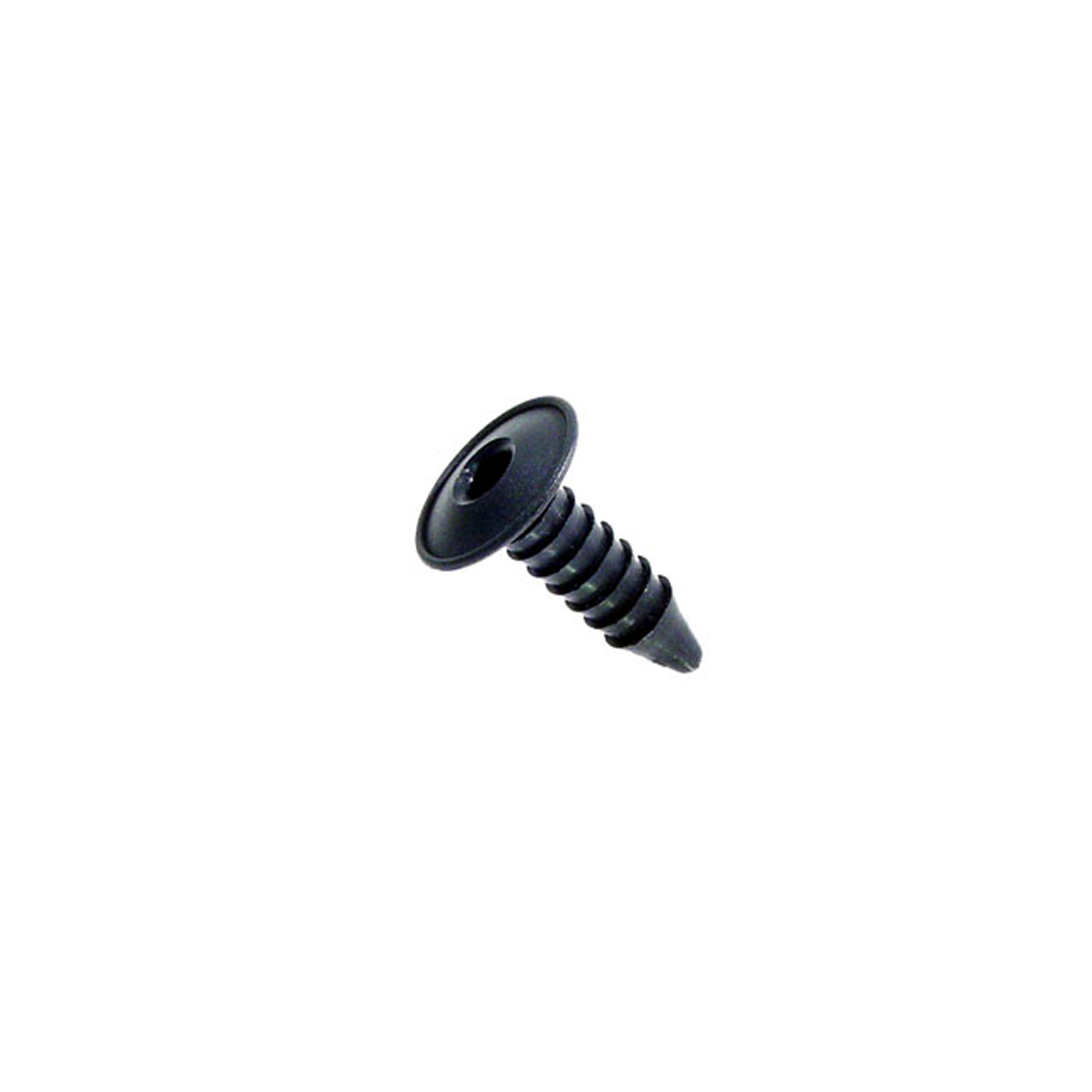 1971 Pontiac Bonneville Firewall insulation fastener. 1 in. dia. W head. 1-1/2 in. L-SM 80-AFirewall insulation fastener. 1 in. dia. W head. 1-1/2 in. L. Replaces OEM#'s (GM) 7642589 and (AMC) 4001934. Black. Each.
 1971 Pontiac Bonneville Trunk Seal. Each-TK 46-E/18Trunk Seal. Each
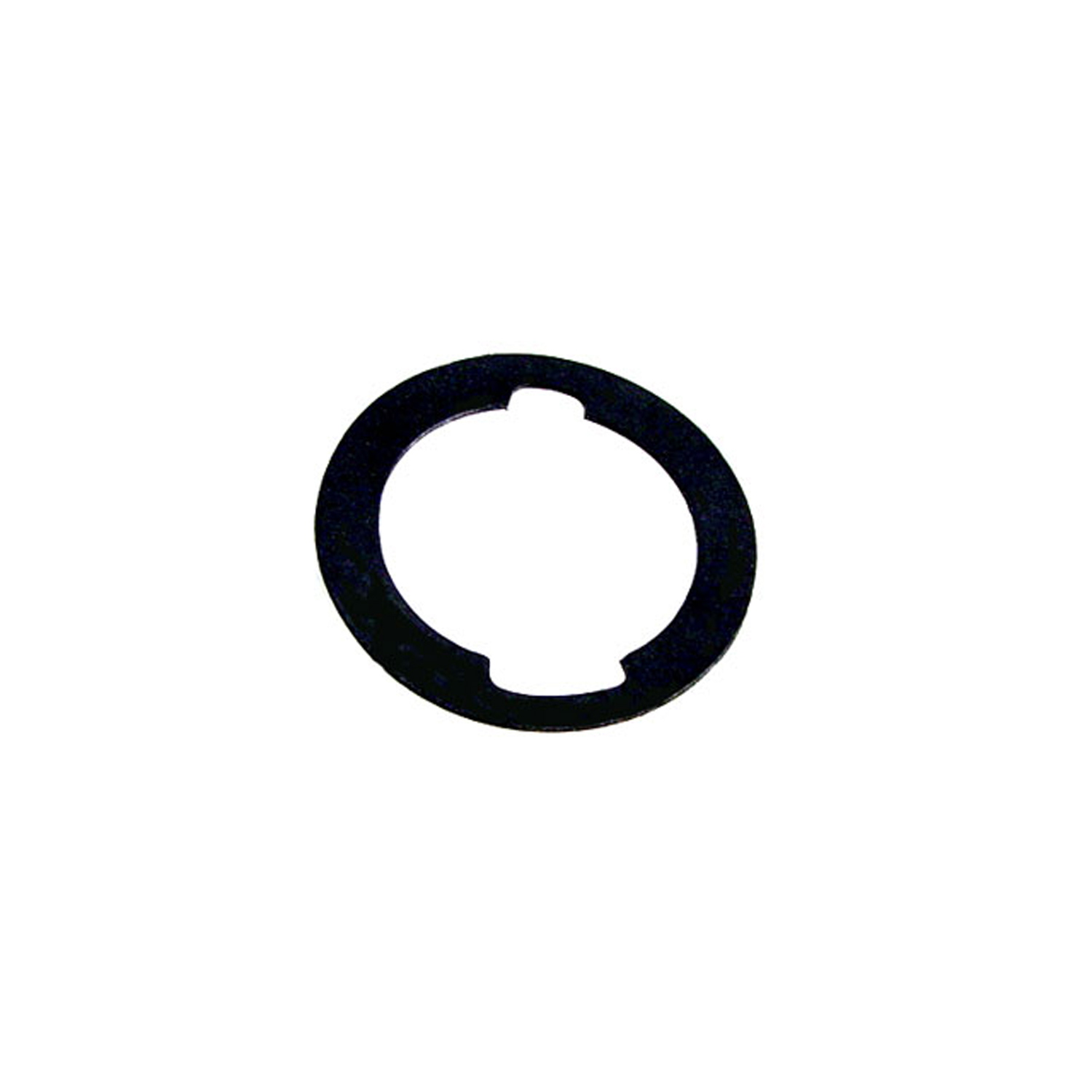 1971 Pontiac Bonneville Unbeaded Door and Trunk Lock Gasket. 1-3/16" O.D., 7/8" I.D-UM 1600-100Unbeaded Door and Trunk Lock Gasket. 1-3/16" O.D., 7/8" I.D. Each
 1971 Pontiac Bonneville Air Conditioning Evaporation Drain Tube. 6-7/8" long-VH 102-GAir Conditioning Evaporation Drain Tube. 6-7/8" long. Each
 1971 Pontiac Bonneville Rear Roll-Up Quarter Window Seals, made with steel core-VS 3-NRear Roll-Up Quarter Window Seals, made with steel core. For 2-Door Hardtops and Convertibles. 18" Long. Pair
 1971 Pontiac Bonneville Rear Roll-Up Quarter Window Seals, for 4-Door Hardtops-VS 3-YRear Roll-Up Quarter Window Seals, for 4-Door Hardtops. 19-1/8" Long. Pair
 1971 Pontiac Bonneville Window sweepers, 71-76 Pontiac Bonneville 2 Door Hardtop-WC 8200-72Window Sweeper, 71-76 Pontiac Bonneville 2 Door Hardtop, Outer Sweeps Only. 4 Piece Set.
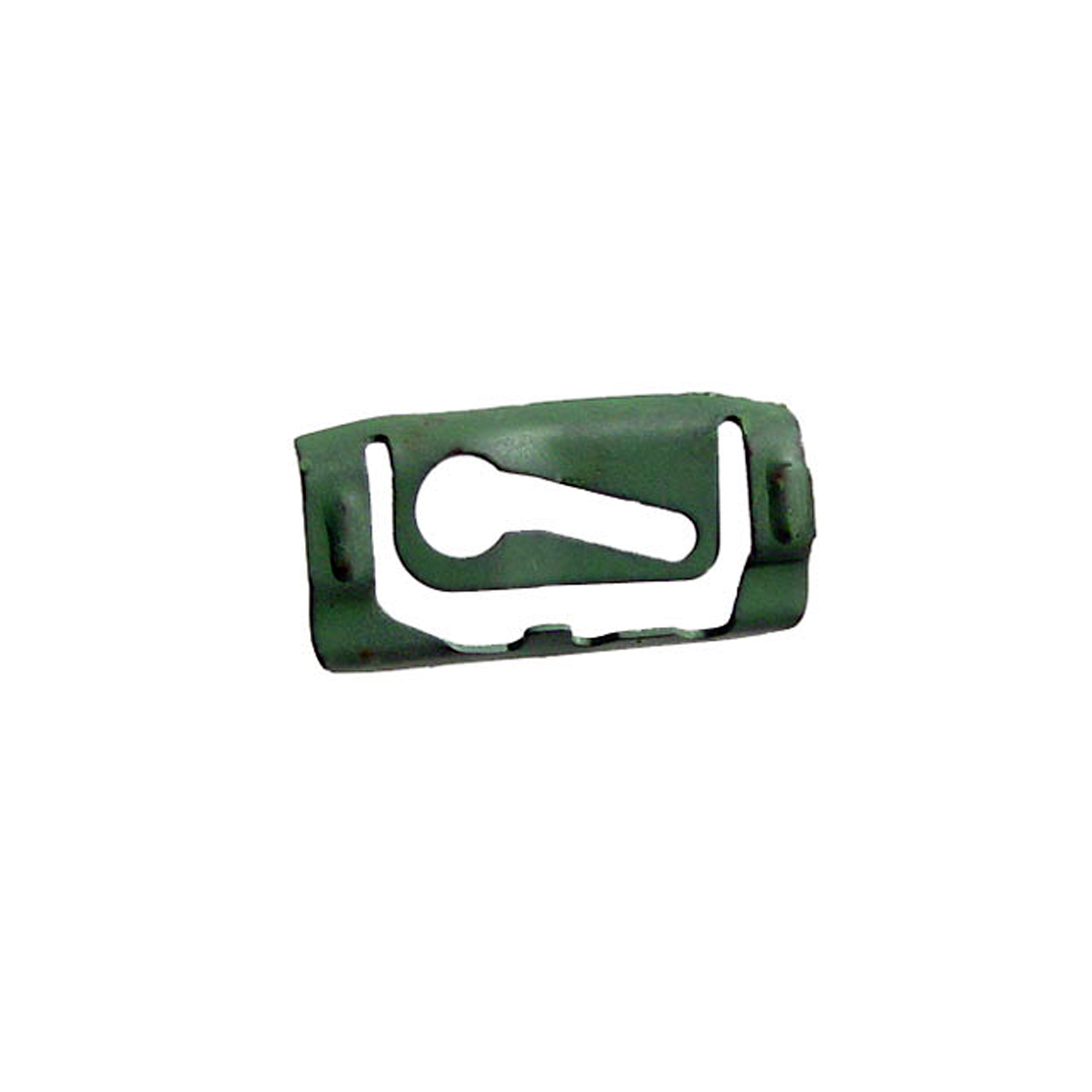 1971 Pontiac Bonneville Quarter Window Reveal Molding Clip. Made of Steel-WF 205Quarter Window Reveal Molding Clip. Made of Steel. 1-3/8" X 11/16". Each
 1971 Pontiac Bonneville Rear Window Reveal Molding Clip. For Station Wagons-WF 208Rear Window Reveal Molding Clip. For Station Wagons. Made of steel. 5/8" x 3/4". Each
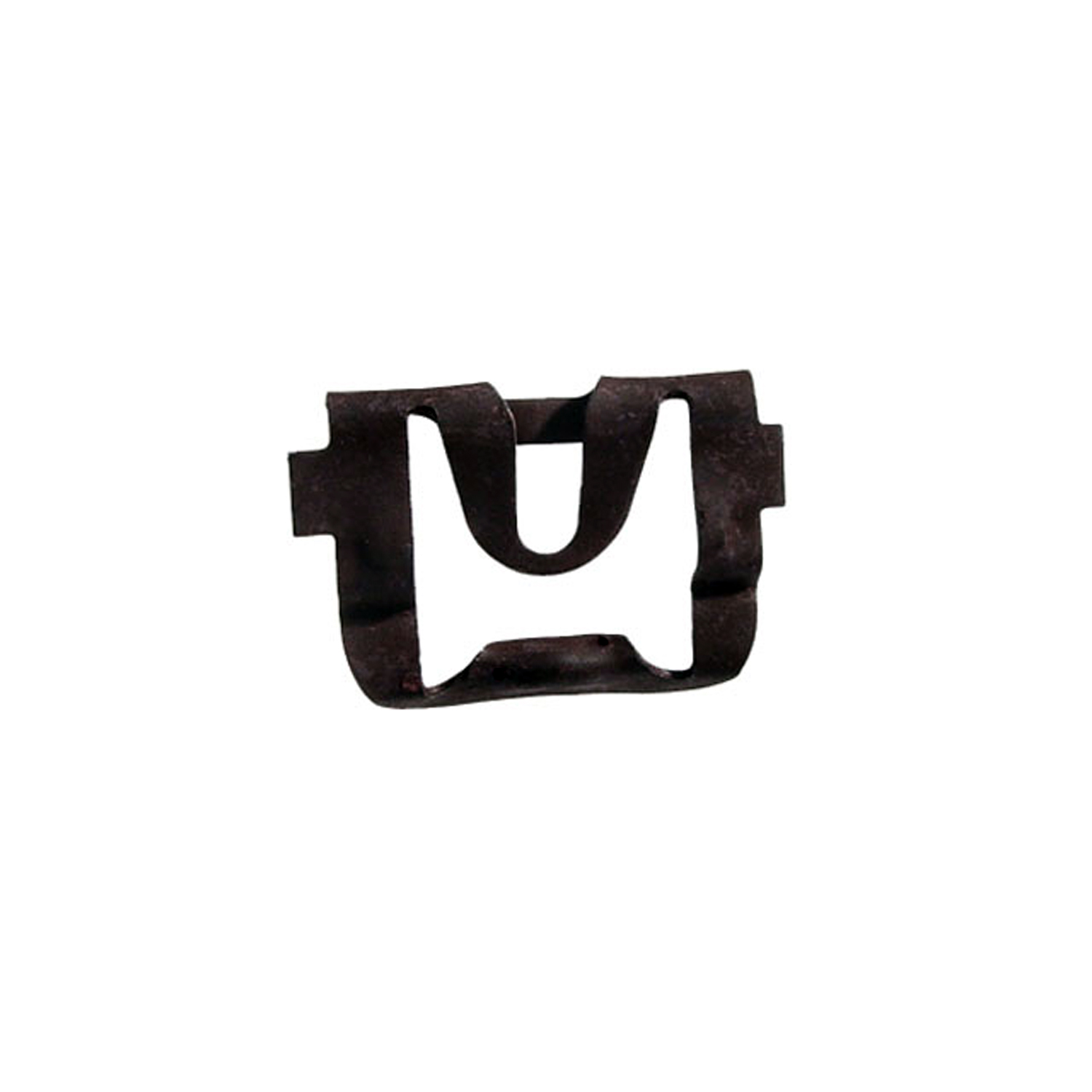 1971 Pontiac Bonneville Rear Windshield Reveal Molding Clip. Made of steel-WF 211Rear Windshield Reveal Molding Clip. Made of steel. 15/16" X 3/4". Each
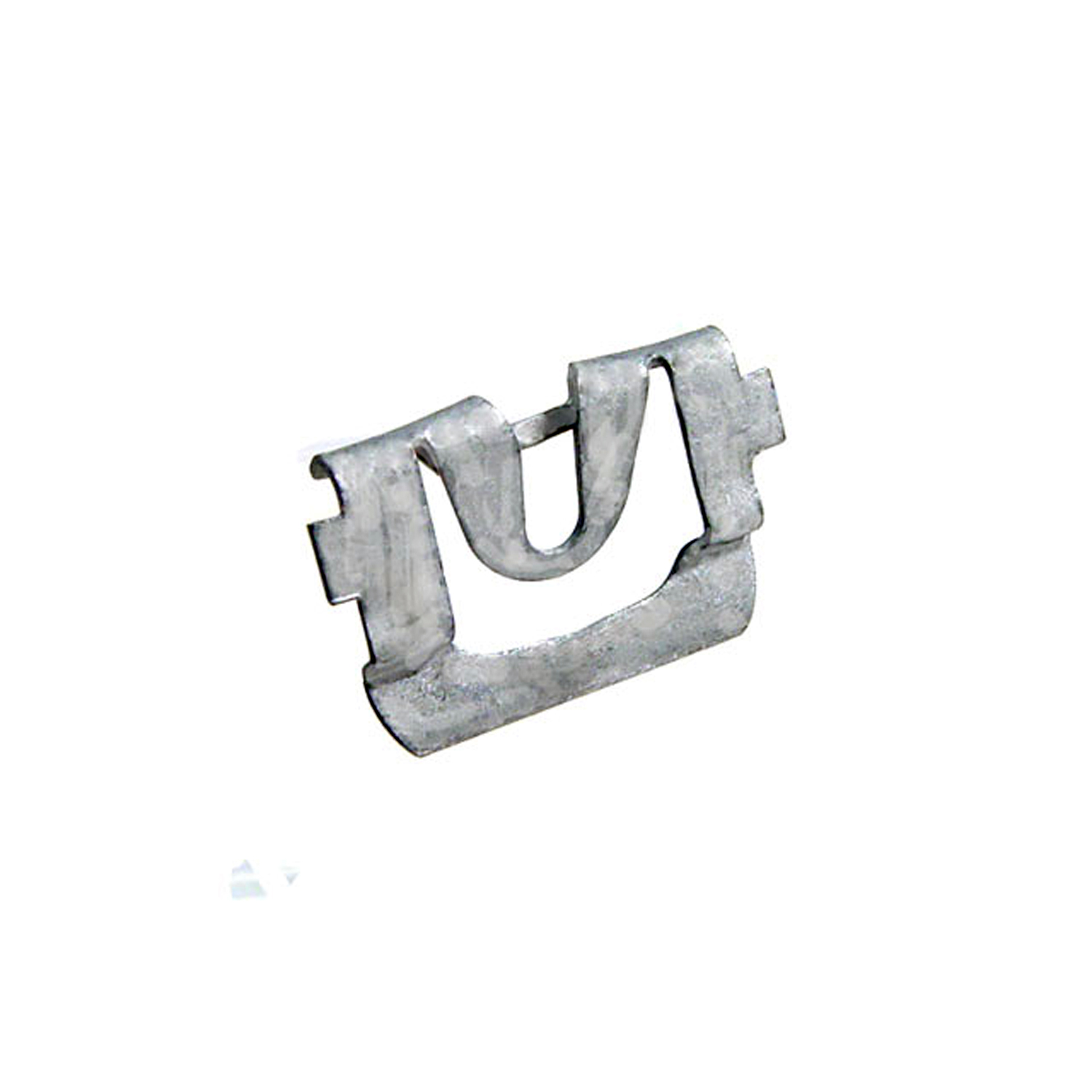 1971 Pontiac Bonneville Windshield Reveal Molding Clip. Made of steel-WF 223Windshield Reveal Molding Clip. Made of steel. 1/1/8" X 3/4". Each
Why Choose Metro?
For over 100 years, Metro Moulded Parts has been the pinnacle of quality in classic car restoration parts. Our commitment to precision and authenticity in every component ensures a perfect fit and an OEM-level appearance.
- Expert Craftsmanship & Quality: Each part is a testament to our dedication to reliability and perfection, crafted from original designs and thoroughly tested.
- Advanced Technology: We use cutting-edge techniques to create flawless, long-lasting parts that surpass others in performance.
- SuperSoft Sponge – The Ultimate Door Seal: Not only are our door seals 30% softer than competitors', but they're also guaranteed to never leak. They effectively reduce wind and road noise, enhancing your classic car's comfort and driving experience.
- Proudly American: Our parts are a product of American craftsmanship, made in the USA with a spirit of excellence and heritage.
- Unrivaled Warranty: We back our products with a 30-year industry-leading warranty, a testament to our confidence in their quality.
Join us in preserving the legacy of classic cars with parts that are crafted for perfection, not just made.