

Image of 1971 Pontiac Grandville, Note: These illustrations use artistic license and may differ from actual historical models.
Performance Metrics
Fundamental Metrics
Emotional Appeal
MMP Rating
| Engine Specifications | |
|---|---|
| Engine: | 455 cu in (7.5 L) V8 |
| Displacement: | 455 cu in (7.5 L) |
| Horsepower: | 325 hp |
| Torque: | 455 lb-ft |
| Compression Ratio: | 8.4:1 |
| Ignition System: | Electronic Ignition System |
| Cooling System: | Liquid-cooled |
| Performance Specifications | |
| 0-60 Time: | 8.5 seconds |
| 1/4 Mile Time: | 16 seconds |
| Top Speed: | 125 mph |
| Transmission and Drive | |
| Drive Type: | Rear-wheel drive |
| Transmission Type: | 3-speed automatic |
| Fuel and Efficiency | |
| Fuel System Type: | Carburetor |
| MPG: | 10-12 mpg |
| Dimensions and Brakes | |
| Brakes: | Power-assisted disc brakes for the front and drum brakes for the rear |
| Wheelbase: | 126 inches |
| Weight: | 4,500 lbs |
Note: Specifications for classic cars are given to the best of our ability, considering the limited and variant data available.
1971 Pontiac Grand Ville: Pontiac’s Full-Size Flagship
The 1971 Pontiac Grand Ville brought big-car glamour to a new level: a long, sweeping body, a standard 455-cubic-inch V8, and the kind of plush cabin that made a cross-country trip feel like an occasion. Built by Pontiac, a division of General Motors, the Grand Ville arrived as the brand’s new top-of-the-line full-size model, sitting above the Catalina and Bonneville.
Its debut came at a turning point for American cars. The 1971 model year brought redesigned full-size GM cars, while tightening emissions requirements and changing rating standards began reshaping the horsepower race. Pontiac answered with a large, comfort-minded flagship rather than a stripped-back performance special. One detail that still catches enthusiasts’ attention: unlike many luxury cars that charged extra for their largest engine, the Grand Ville came standard with Pontiac’s 455 V8.
Grand Ville Styling and Interior
The Grand Ville wore its size with confidence. Its long hood, broad fenders, and expansive rear deck gave it the classic proportions of an early-1970s American luxury car. Up front, a divided Pontiac grille sat between quad headlamps, while bright trim emphasized the car’s width and length. The overall look was formal but not delicate: the Grand Ville was a substantial machine, designed to make an impression at the curb as well as on the highway.
Inside, the emphasis was on space and comfort. The broad dashboard, generous seating, and soft-touch trim created a relaxed atmosphere, with upscale upholstery options that included Pontiac’s Morrokide vinyl and, depending on configuration, cloth or leather seating surfaces. Woodgrain accents, carpeting, and extensive brightwork helped distinguish it from more basic full-size Pontiacs. Front bench seating was common, while buyers could also choose individual front seats and a center console on some configurations.
Available equipment could include power windows, power door locks, power seats, air conditioning, cruise control, tilt steering, and an AM/FM radio. These features made the Grand Ville a convincing personal-luxury car even by today’s standards, though many were optional rather than standard. The 1971 model also benefited from the era’s broader safety and comfort improvements, including a padded instrument panel and an energy-absorbing steering column.
Pontiac offered the Grand Ville in a broad palette of period colors, including classic whites, blacks, blues, greens, golds, and reds, with vinyl roofs available on selected models. Exact color availability depended on the production period and body style. Today, clean examples in striking original colors tend to stand out, but factory-correct paint and trim matter more to most collectors than any single shade.
Three Full-Size Body Styles
The 1971 Grand Ville was offered as a two-door hardtop coupe, a four-door hardtop sedan, and a convertible. The hardtops delivered the long, clean roofline that suited the car’s formal character, while the four-door was the practical choice for families and chauffeur-style use. The convertible, with its open cabin and full-size proportions, is now the most immediately eye-catching and generally the most sought-after body style.
All three versions shared the Grand Ville’s large-car foundation and luxury-focused character. The convertible is especially appealing to collectors, but it also brings extra considerations: its folding top, hydraulic components, and body structure need careful inspection. A well-preserved hardtop can be a more approachable route into Grand Ville ownership.
Why the 1971 Grand Ville Matters
The Grand Ville’s significance lies less in introducing a radical new technology than in showing how Pontiac interpreted full-size luxury at the start of the 1970s. It combined a traditional body-on-frame layout and big V8 power with a more refined, feature-rich presentation. The result was a car that could serve as a quiet highway cruiser while still carrying the visual confidence and engine character buyers expected from Pontiac.
It also marked a shift in the brand’s hierarchy. Pontiac retained the Bonneville, but the new Grand Ville took the flagship position. That gave Pontiac a distinct answer to increasingly upscale domestic rivals without abandoning the brand’s established strengths: broad-shouldered styling, strong V8s, and a comfortable ride.
The Grand Ville was not a direct influence on modern cars in the way a groundbreaking compact or sports car might be. Its lasting importance is as a vivid example of the American full-size luxury formula just before fuel costs, emissions regulations, and changing tastes pushed automakers toward smaller and more efficient vehicles. It captures the final years when a 455-powered convertible could still represent the top of a mainstream brand’s lineup.
455 V8 Performance and Ride
Power came from a 455-cubic-inch Pontiac V8, rated at approximately 325 horsepower under the gross rating system used at the time, with torque commonly listed at about 455 lb-ft. Those figures should not be compared directly with modern net-horsepower ratings, which measure engine output differently. A Turbo Hydra-Matic automatic transmission was paired with the engine, sending power to the rear wheels.
Period performance varied with equipment, axle ratio, condition, and test methods. As a practical estimate, a 1971 Grand Ville could reach 60 mph from a standstill in roughly 9 to 10.5 seconds, with a top speed in the neighborhood of 115 to 120 mph. It was a large luxury car, not a muscle-car launch specialist, and those figures are best understood as approximate rather than guaranteed factory test results.
On the road, the 455’s real strength was effortless torque. The engine produced a deep, relaxed V8 rumble and moved the Grand Ville forward without needing to be worked hard. The automatic transmission favored smooth, unhurried shifts. Drivers accustomed to modern cars may find the steering less precise and the brakes less reassuring, especially if the car has not been fully recommissioned.
The long wheelbase and soft suspension helped the Grand Ville absorb ordinary road imperfections with composure. It was at home on open highways, where its weight and wheelbase made for a calm, settled ride. On tight, winding roads, however, its size became obvious. Body lean, a wide turning circle, and slower responses reward a measured driving style. Crosswinds and rough pavement can also remind the driver that this is a large, older car rather than a modern touring sedan.
Living with a 1971 Grand Ville
Most Grand Villes today are weekend cruisers, show-field attractions, or occasional-use classics. A sound example can handle local trips and relaxed highway drives, but fuel economy is not its selling point. Owners should plan for single-digit or low-teens miles per gallon depending on traffic, tuning, gearing, and driving habits.
Routine mechanical work is manageable for an experienced home mechanic. Pontiac V8 service procedures are familiar to many classic-car shops, and common maintenance items such as ignition parts, belts, hoses, and brake components are generally easier to source than model-specific exterior trim. The 455 benefits from regular oil changes, a healthy cooling system, correct ignition timing, and careful attention to fuel and vacuum lines. Long periods of storage can create the usual problems with carburetors, seals, brakes, and cooling systems.
The tougher parts to find are often the details that make a Grand Ville a Grand Ville: specific trim pieces, interior components, glass, convertible-top parts, and rust-free body panels. Before buying, inspect the frame, floors, body mounts, lower quarters, and trunk for corrosion. On a convertible, check the top mechanism and inspect for signs of body flex or water damage. A complete, presentable car is often a better buy than a cheap project missing hard-to-find parts.
Grand Ville Facts and Common Criticisms
The Grand Ville’s standard 455 was a defining feature, but it did not turn the car into a sports sedan. Pontiac tuned the package for smooth, substantial power and comfort. The model is also part of a brief chapter in Pontiac history: its convertible body style belonged to the final era of full-size domestic convertibles, which disappeared from many American showrooms after the 1972 model year.
There is no widely recognized 1971 Grand Ville speed or endurance record, and it is not chiefly known for celebrity ownership or major motorsport appearances. Its appeal is more personal and visual: the rarity of a full-size Pontiac convertible, the sound of its big V8, and the sense of scale that modern cars rarely provide.
Common criticisms are easy to understand. The Grand Ville is thirsty, difficult to maneuver in tight spaces, and less nimble than smaller contemporaries. Its sheer size can make parking and storage a challenge. Buyers should also remember that a car advertised as “loaded” may have had many options that are now difficult or expensive to repair.
Collector Value and Availability
About 58,000 Grand Villes were produced for 1971, making the model far from a one-off rarity but uncommon enough that it does not appear on every classic-car listing. The convertible represents a smaller share of that total and is generally the most desirable version. Exact production figures by body style can vary among reference sources, so buyers should verify a car’s identity and equipment through its documentation and factory records where available.
As a broad 2026 market estimate in the United States, a project car may bring roughly $4,000 to $10,000. A running driver-quality hardtop might fall around $10,000 to $20,000, while a very clean or restored hardtop can reach approximately $25,000 to $40,000. Convertibles often command more: a solid driver could be in the $20,000 to $40,000 range, with excellent restored examples reaching roughly $40,000 to $60,000 or more. Exceptional originality, documentation, color, and condition can push a particular sale higher; substantial rust or missing parts can pull it well below these estimates.
Values have generally risen modestly for well-kept examples, especially convertibles, but the market remains selective. The Grand Ville does not have the same investment-driven demand as a high-profile muscle car. Buyers tend to pay for condition, originality, and completeness rather than simply for the model name. For an owner, that means a carefully maintained car is likely to remain more appealing than an ambitious restoration with an uncertain final cost.
A Big Pontiac with Lasting Presence
The 1971 Pontiac Grand Ville brought together a standard 455 V8, a spacious and well-appointed cabin, and the confident styling of a full-size American flagship. It was built for smooth travel and visual presence, not sharp cornering or fuel savings. Today, its convertible versions offer particular collector appeal, while the hardtops provide a more accessible way to enjoy the same character.
At its best, the Grand Ville is a reminder of an era when luxury could mean a broad bench seat, a quiet ride, and a big V8 stretching out on the highway. It is not just a large Pontiac. It is one of the clearest expressions of American full-size motoring at the start of a decade that would soon change the rules.
1971 Pontiac Grandville Catalog of Parts
 1971 Pontiac Grandville RE-ISSUE. Door lock-pillar seal-ALP 5055RE-ISSUE. Door lock-pillar seal. Fits '71-'73 GM B-, C- and E-body 2-door hardtop, coupe and convertible (including Cadillac). This part has been completely re-designed from scratch with new cores and new molds. Replaces OEM#'s 9640451/2. Pair. R&L.
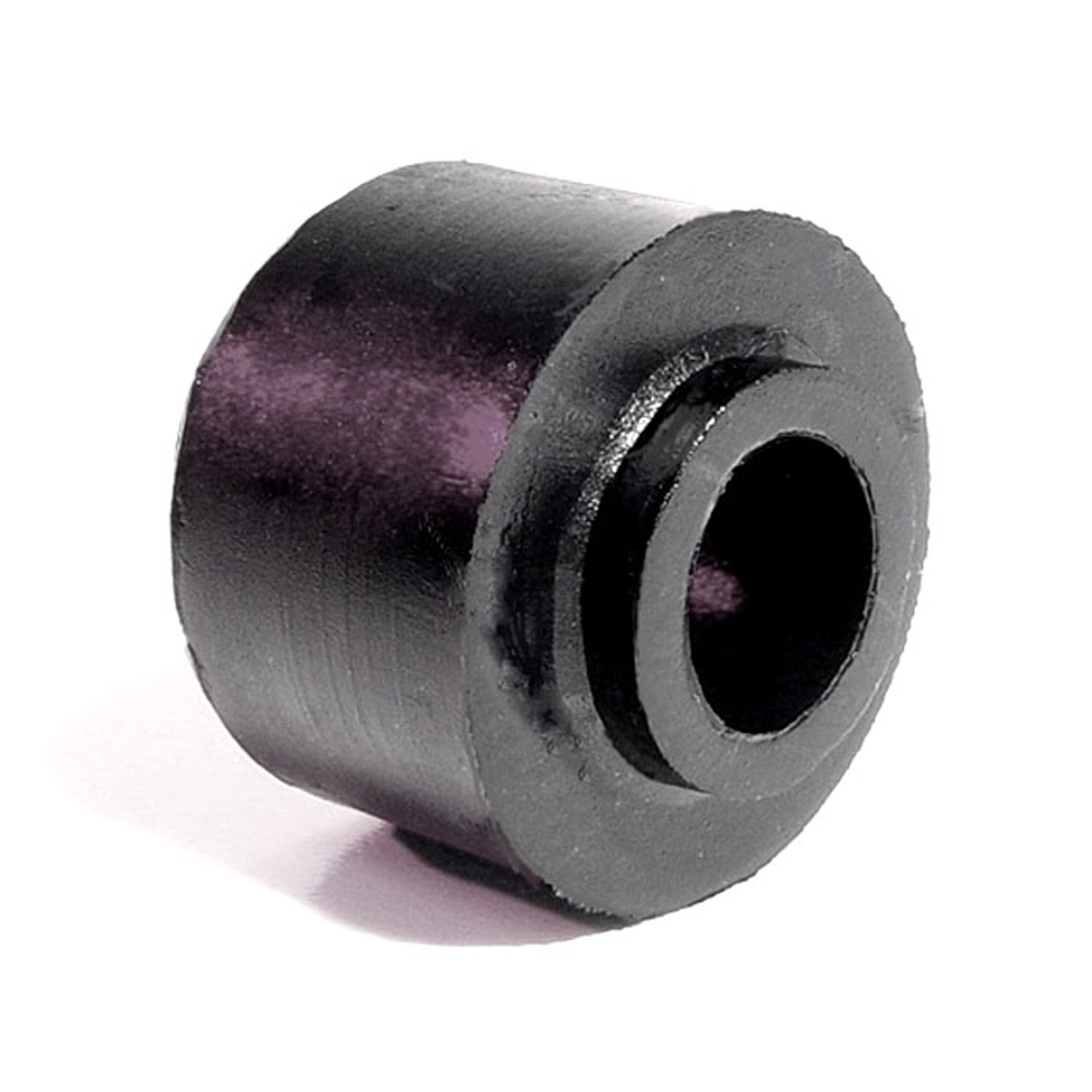 1971 Pontiac Grandville Shock Absorber Grommet. 1" bottom O.D., 3/4" high-BN 1Shock Absorber Grommet. 1" bottom O.D., 3/4" high., with 7/16" I.D. Each
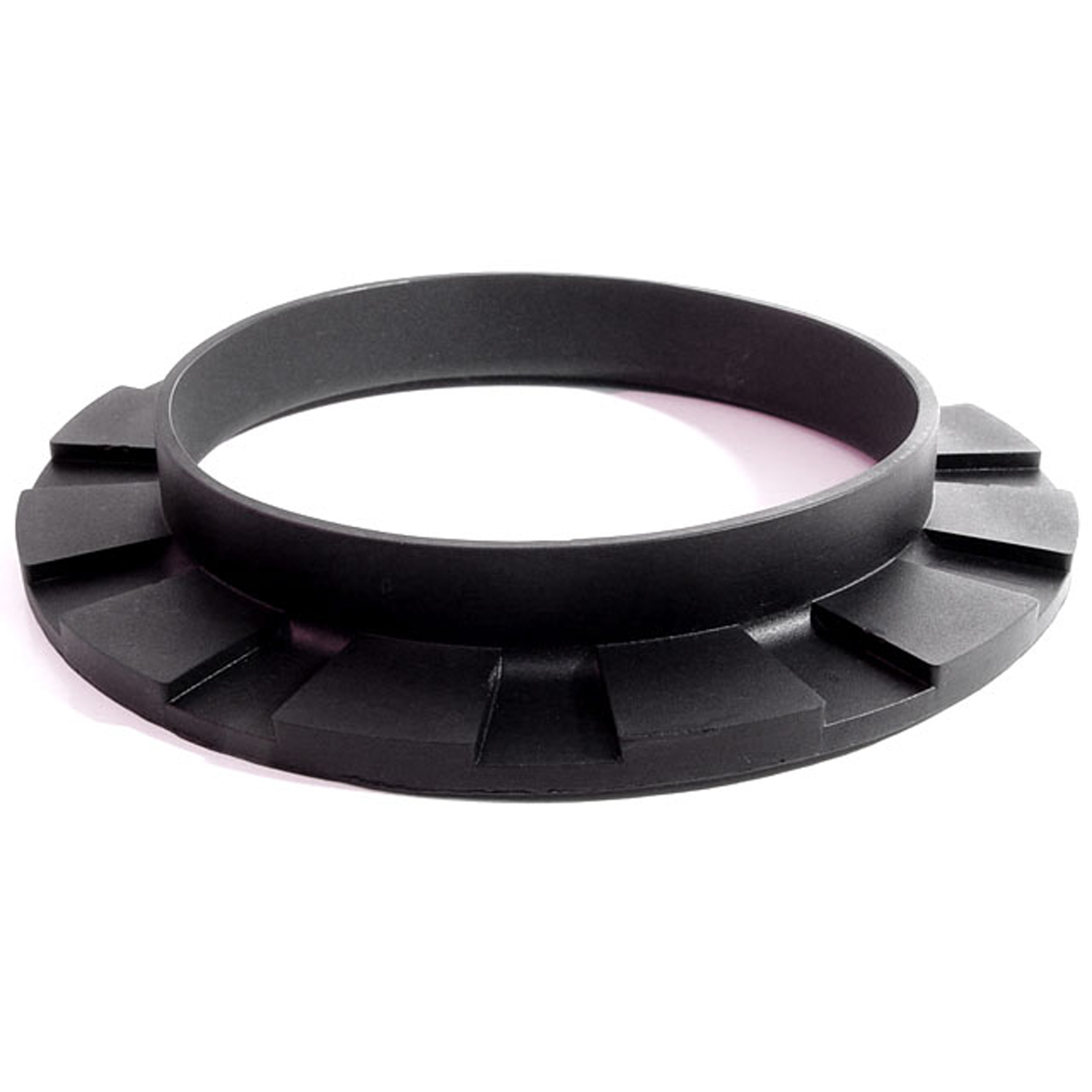 1971 Pontiac Grandville Front coil-spring insulator-BN 110Front coil-spring insulator. Fits '41-'60 Oldsmobile and '50-'83 GM passenger models. 5-3/8 in. OD x 3-3/4 in. ID x 3/4 in. high with 13/16 in. wide bottom flange 1/4" thick, 12 flutes. Each.
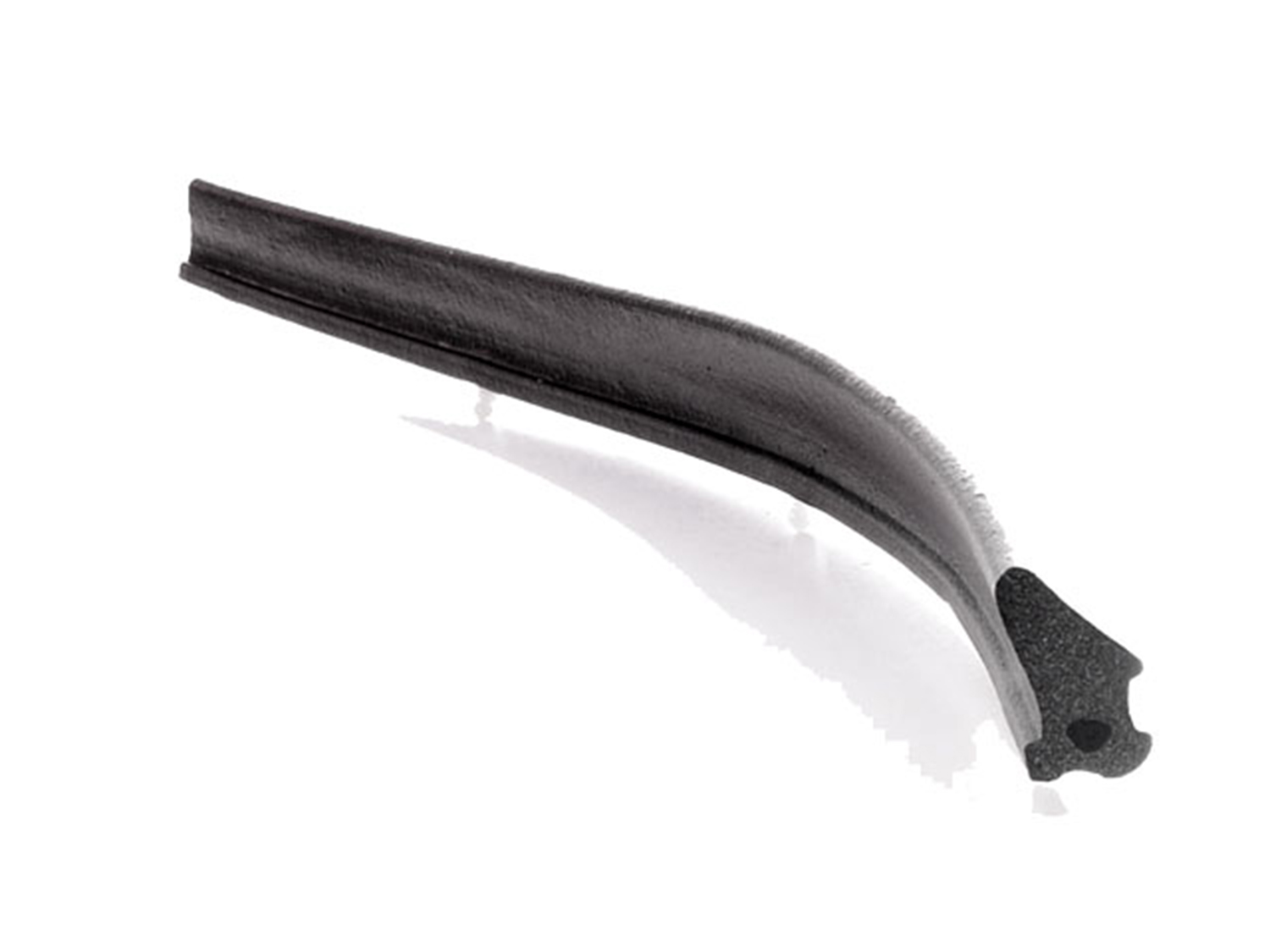 1971 Pontiac Grandville Door Side Seal-C/LP 40-KDoor Side Seal. Made of smooth skin sponge extrusion, with clips installed. (For seal without clips, see LP 40-K) Sold by the foot.
 1971 Pontiac Grandville Windshield Pillar Post Seals for Convertibles. 26" long-CZ 8130Windshield Pillar Post Seals for Convertibles. 26" long. Pair
 1971 Pontiac Grandville REISSUE. Header seal-HD 732REISSUE. Header seal. Fits '71-'75 GM B-body and '71-'76 GM E-body convertibles. Molded from all-new 2015 retooled molds for improved fit and function.
 1971 Pontiac Grandville Hood to Fender Bumper. Each-HF 24Hood to Fender Bumper. Each
 1971 Pontiac Grandville Molded Door Seals. For 2-door hardtops and convertibles-LM 12-HMolded Door Seals. For 2-door hardtops and convertibles. Replaces OEM #9824514/5. Pair R&L
 1971 Pontiac Grandville Front Molded Door Seals-LM 16-GFront Molded Door Seals. For 4-door sedan and wagon, with RWD. Each is 138-1/2" long. Pair R&L
 1971 Pontiac Grandville Basic Kit, for Convertibles-RKB 2007-115Basic Kit, for Convertibles. Door (LM 12-H) Roof Rail (RR 1814) Trunk (TK 46-E/18), Seals.
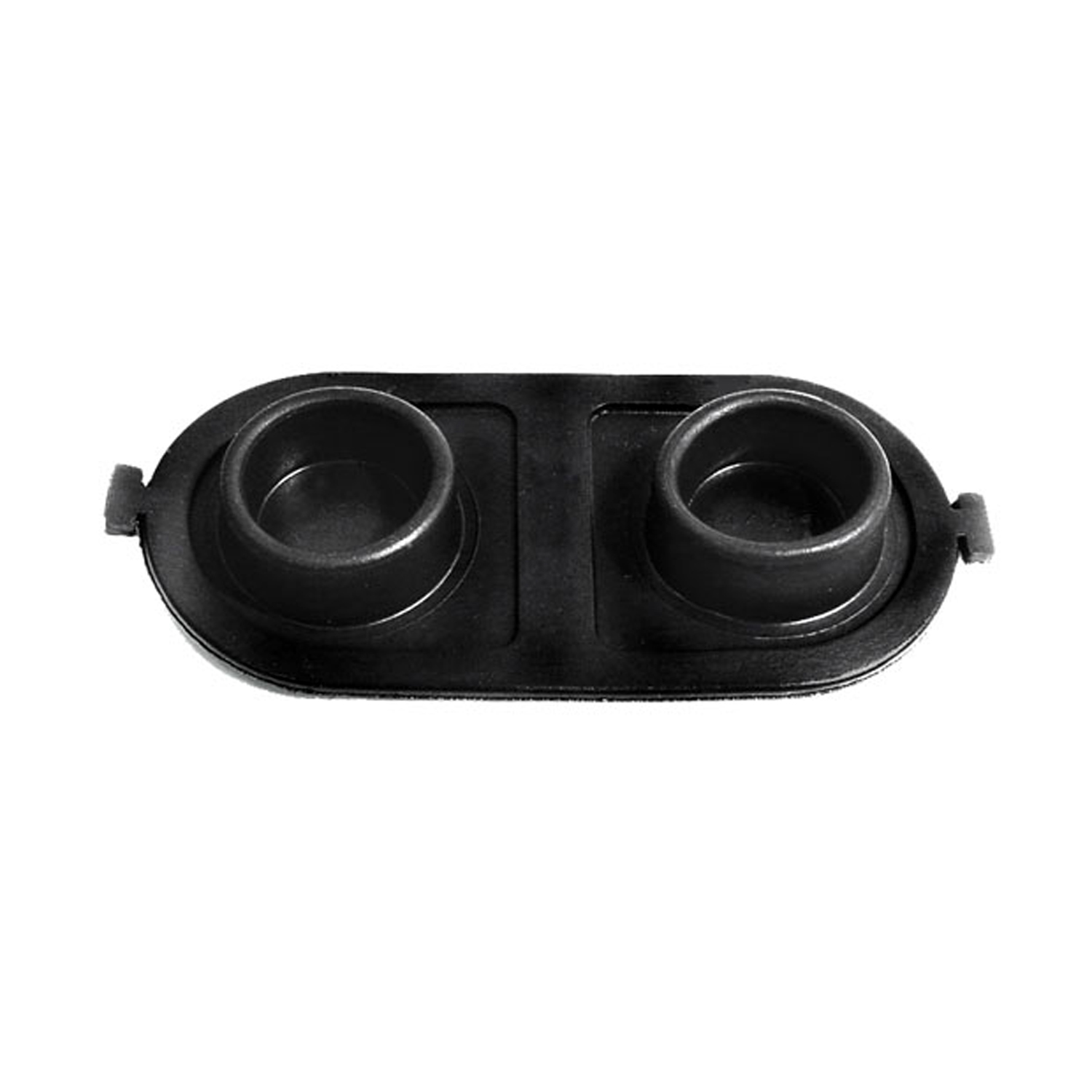 1971 Pontiac Grandville Brake Master Cylinder Cover Seal. Replaces OEM #5470861-RP 2-EBrake Master Cylinder Cover Seal. Replaces OEM #5470861. 5" X 2-1/2". Each
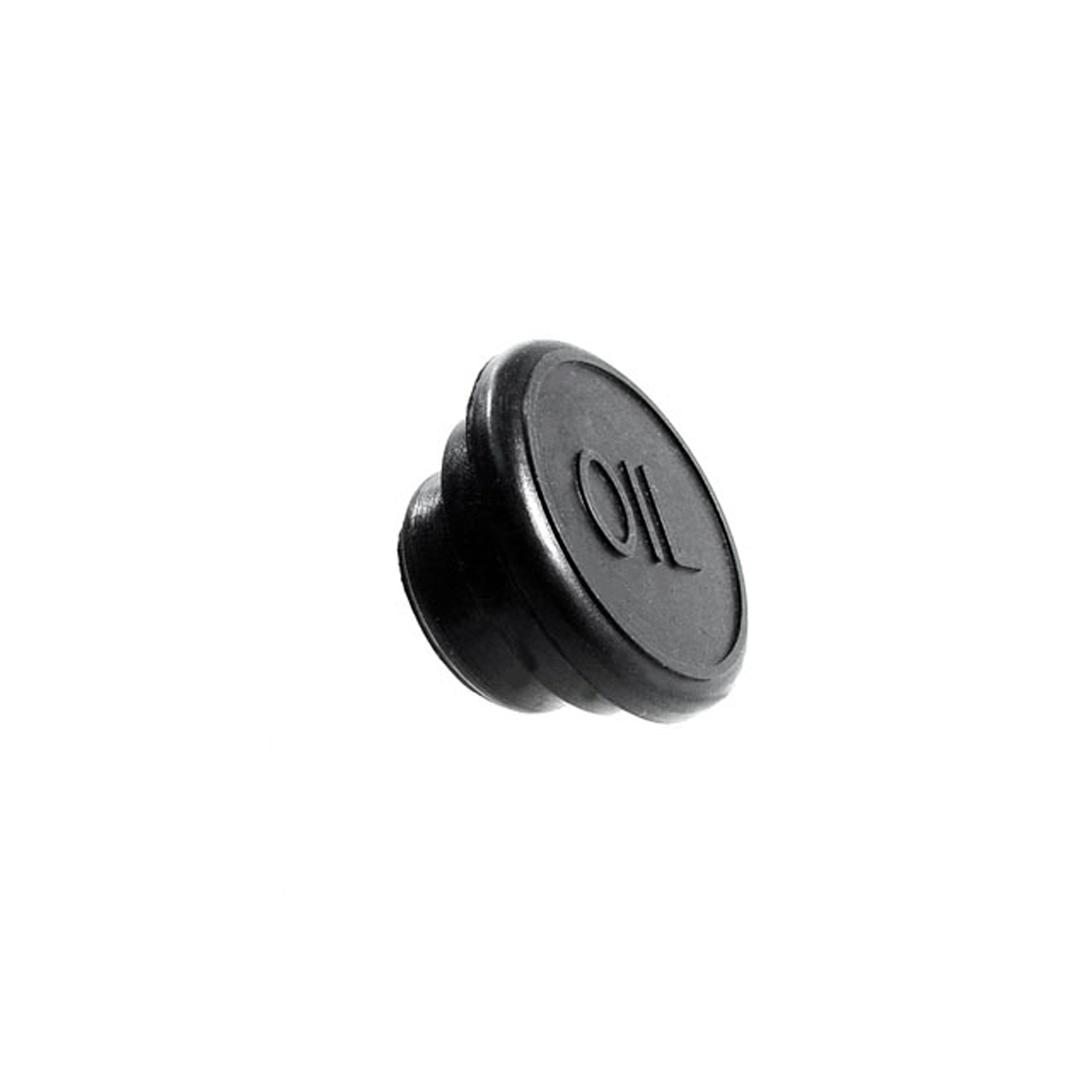 1971 Pontiac Grandville Oil Filler Hole Cap. Made of rubber-RP 8Oil Filler Hole Cap. Made of rubber. Fits a 1-3/16" to 1-1/4" hole. Each
 1971 Pontiac Grandville Convertible Top Roof Rail Kit-RR 1814Convertible Top Roof Rail Kit. 5-Piece set includes all right and left side top rail seals and the windshield top header seal.
 1971 Pontiac Grandville Molded Roof Rail Seals, for 2-Door Hardtop-RR 5007Molded Roof Rail Seals, for 2-Door Hardtop. Made with molded ends. 73-5/8" long. Pair R&L
 1971 Pontiac Grandville Roof Rail Seal-RR 5007-BRoof Rail Seal, for 2-Door Hardtop Custom Coupe (body style # ending in 47). Replaces OEM #'s 9615596/7. Pair
 1971 Pontiac Grandville Molded Roof Rail Seals for 4-Door Hardtop. Pair-RR 5007-EMolded Roof Rail Seals for 4-Door Hardtop. Pair
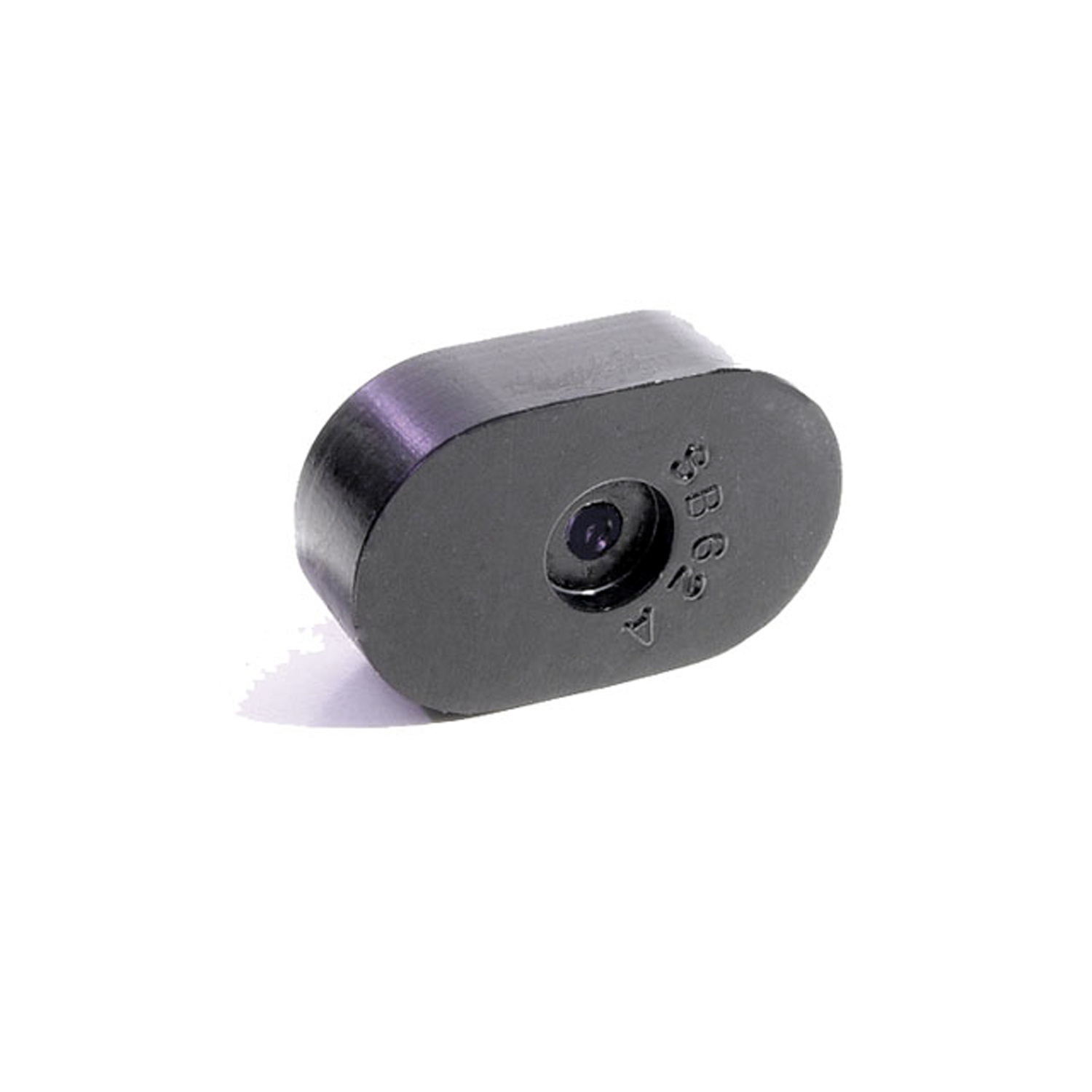 1971 Pontiac Grandville Seat Bumper. Made with steel core like original-SB 62-ASeat Bumper. Made with steel core like original. 1-1/2" long, 7/16" thick. Two used per car. Each
 1971 Pontiac Grandville Bumper Brace to Filler Panel Spacer, 68-71 Chevy A Body, 67-71 GM B Body Exc Wgn-SB 68Bumper Brace to Filler Panel Spacer, 68-71 Chevy A Body Except Wagons, 67-71 GM B Body Except Wagons, Each. Replaces OEM # 3895100.
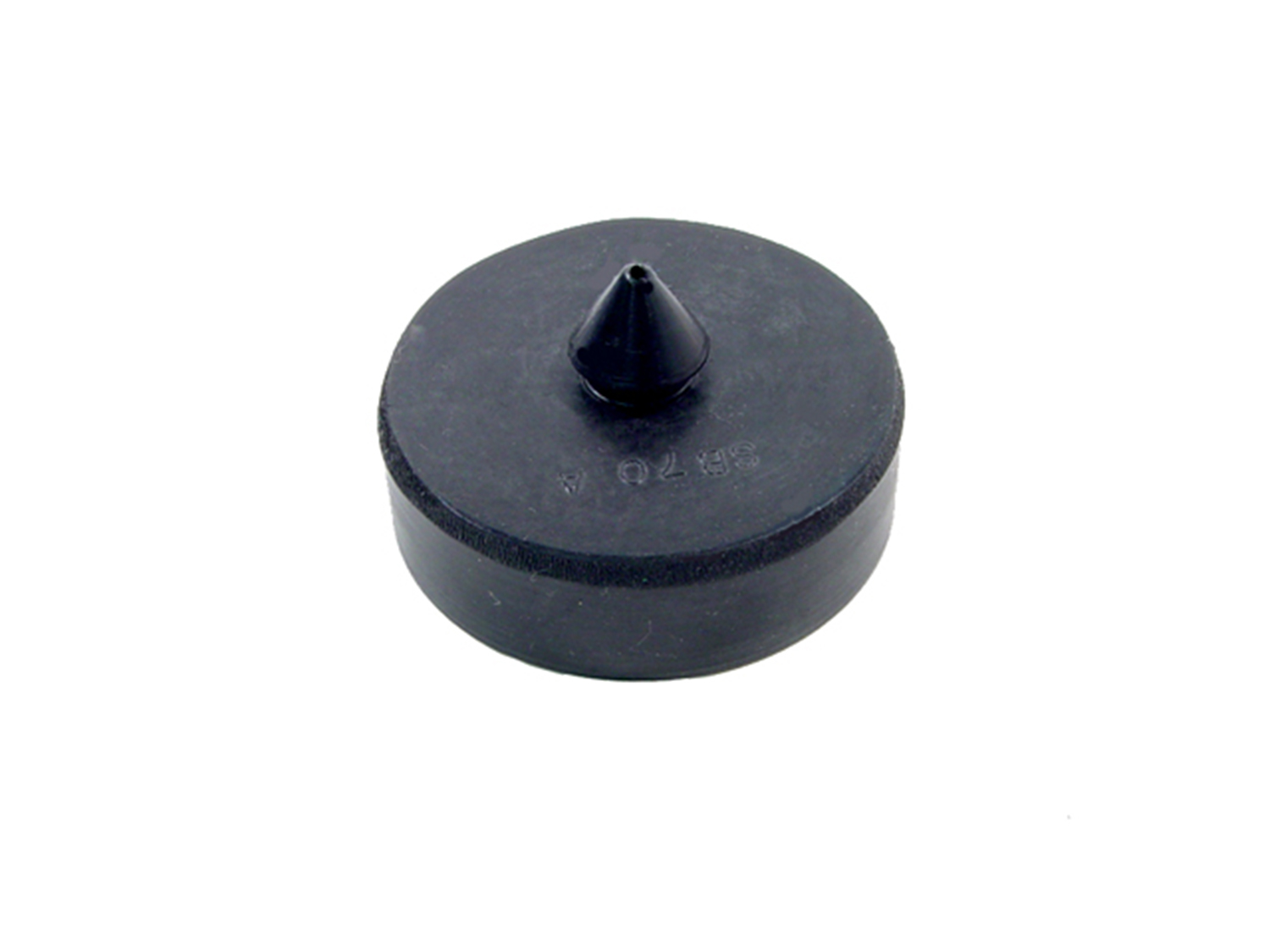 1971 Pontiac Grandville Front door window stop bumper. ’70-’81 GM passenger cars-SB 70-AFront door window stop bumper. '70-'81 GM passenger cars. Dense rubber. Replaces OEM# 9810036. Each.
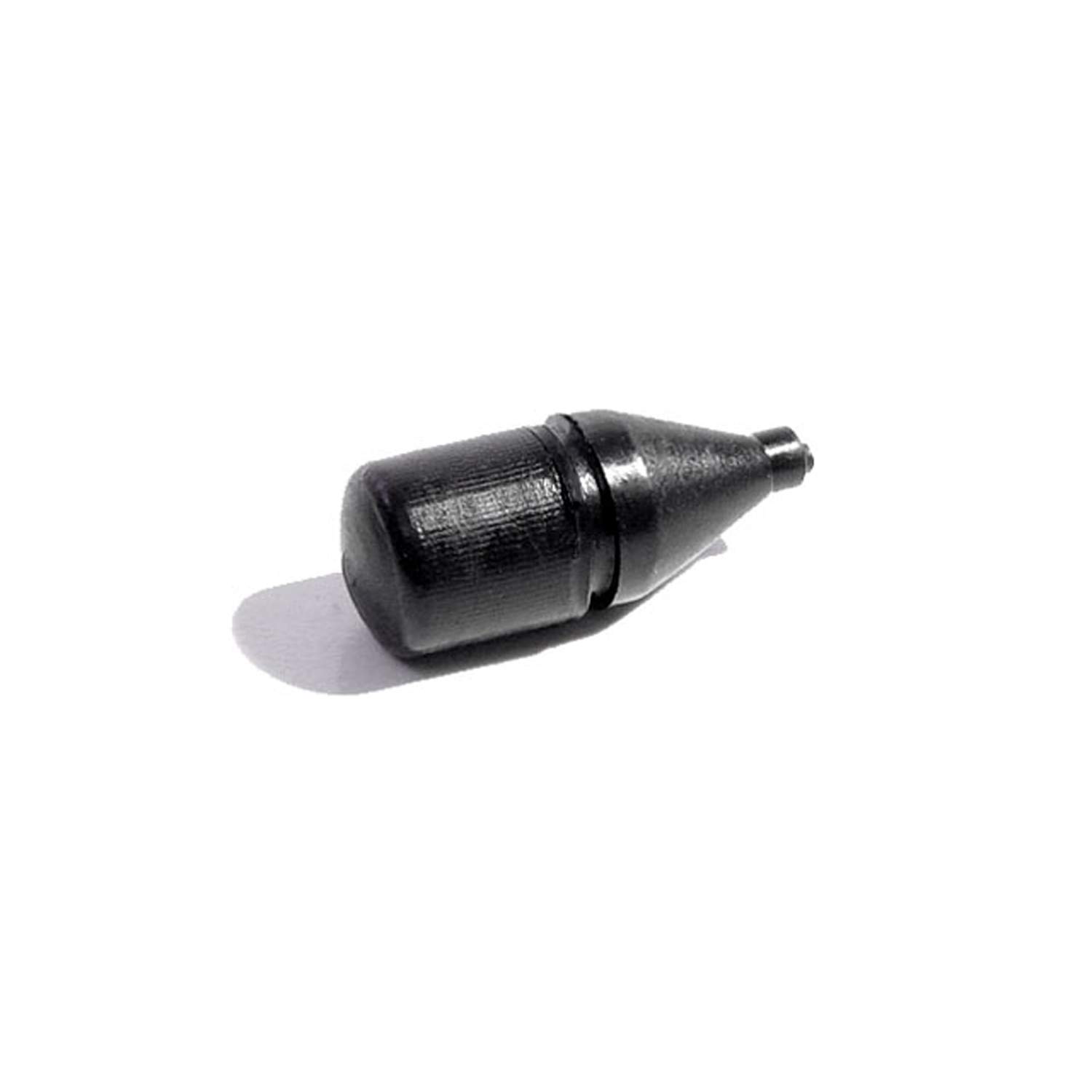 1971 Pontiac Grandville Fuel Door Bumper. 7/8" high, 5/16" O.D. Each-SB 81Fuel Door Bumper. 7/8" high, 5/16" O.D. Each
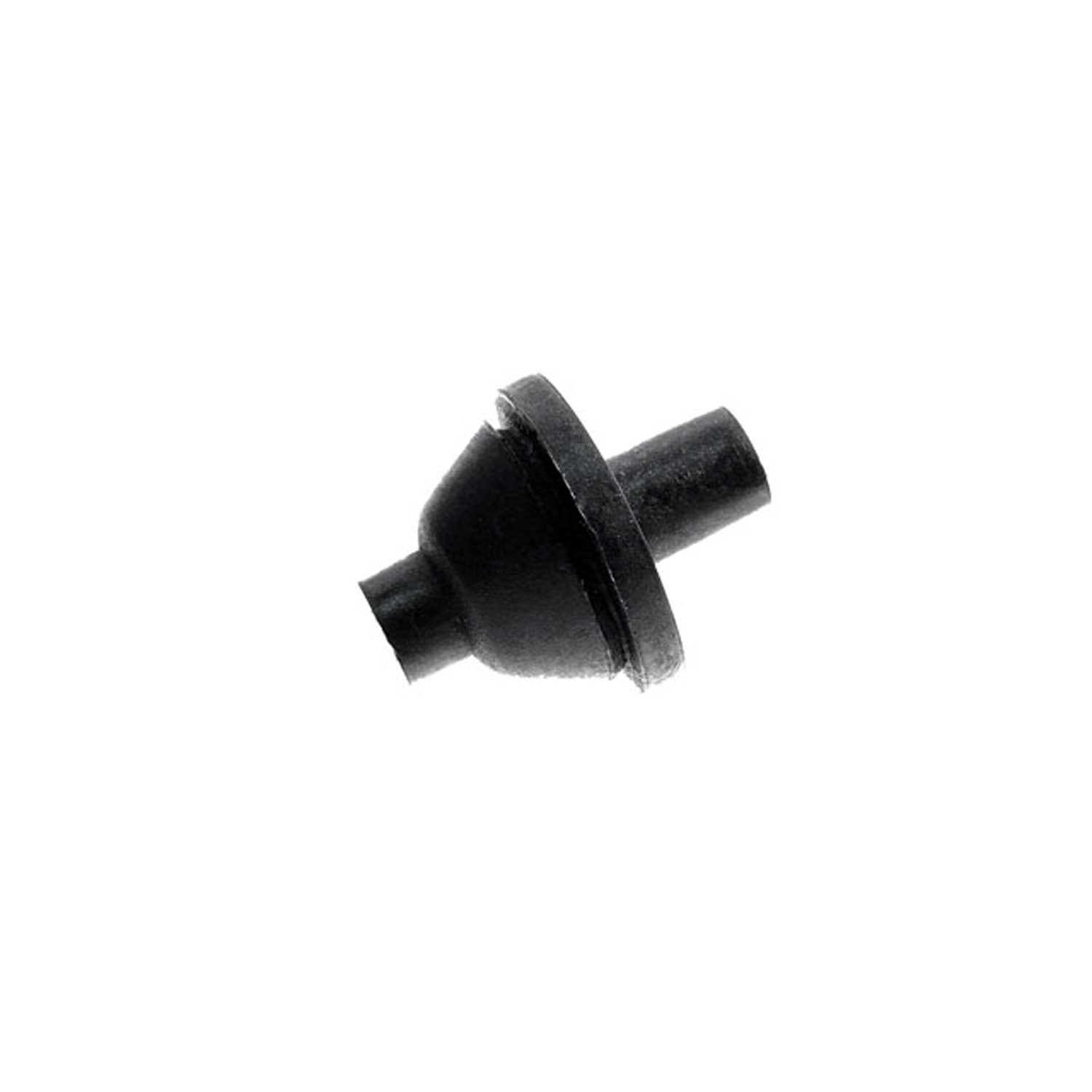 1971 Pontiac Grandville Dash and Firewall Grommet. Single-hole type is for one wire-SM 101Dash and Firewall Grommet. Single-hole type is for one wire. Each
 1971 Pontiac Grandville Trunk Seal. Each-TK 46-E/18Trunk Seal. Each
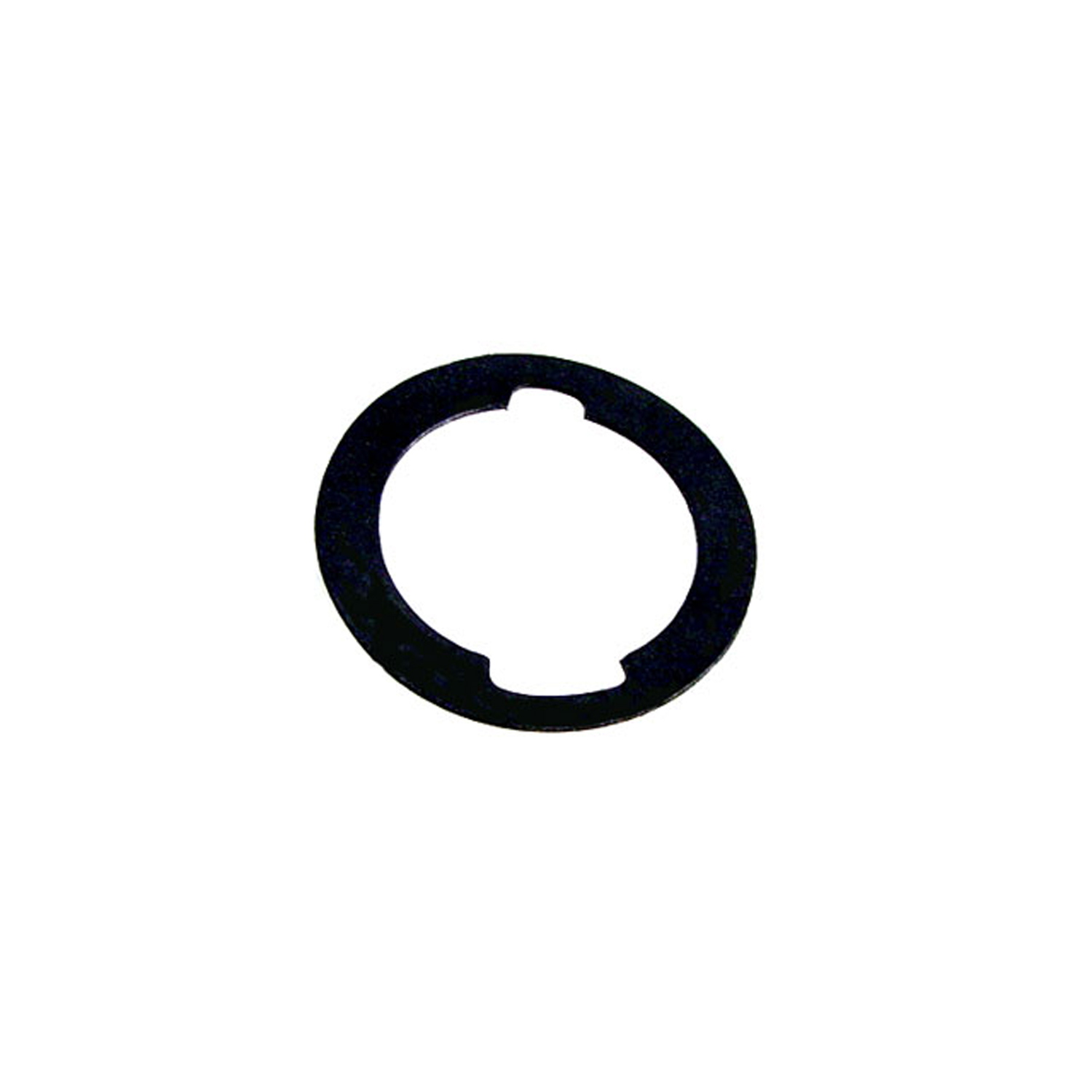 1971 Pontiac Grandville Unbeaded Door and Trunk Lock Gasket. 1-3/16" O.D., 7/8" I.D-UM 1600-100Unbeaded Door and Trunk Lock Gasket. 1-3/16" O.D., 7/8" I.D. Each
 1971 Pontiac Grandville Air Conditioning Evaporation Drain Tube. 6-7/8" long-VH 102-GAir Conditioning Evaporation Drain Tube. 6-7/8" long. Each
 1971 Pontiac Grandville Rear Roll-Up Quarter Window Seals, made with steel core-VS 3-NRear Roll-Up Quarter Window Seals, made with steel core. For 2-Door Hardtops and Convertibles. 18" Long. Pair
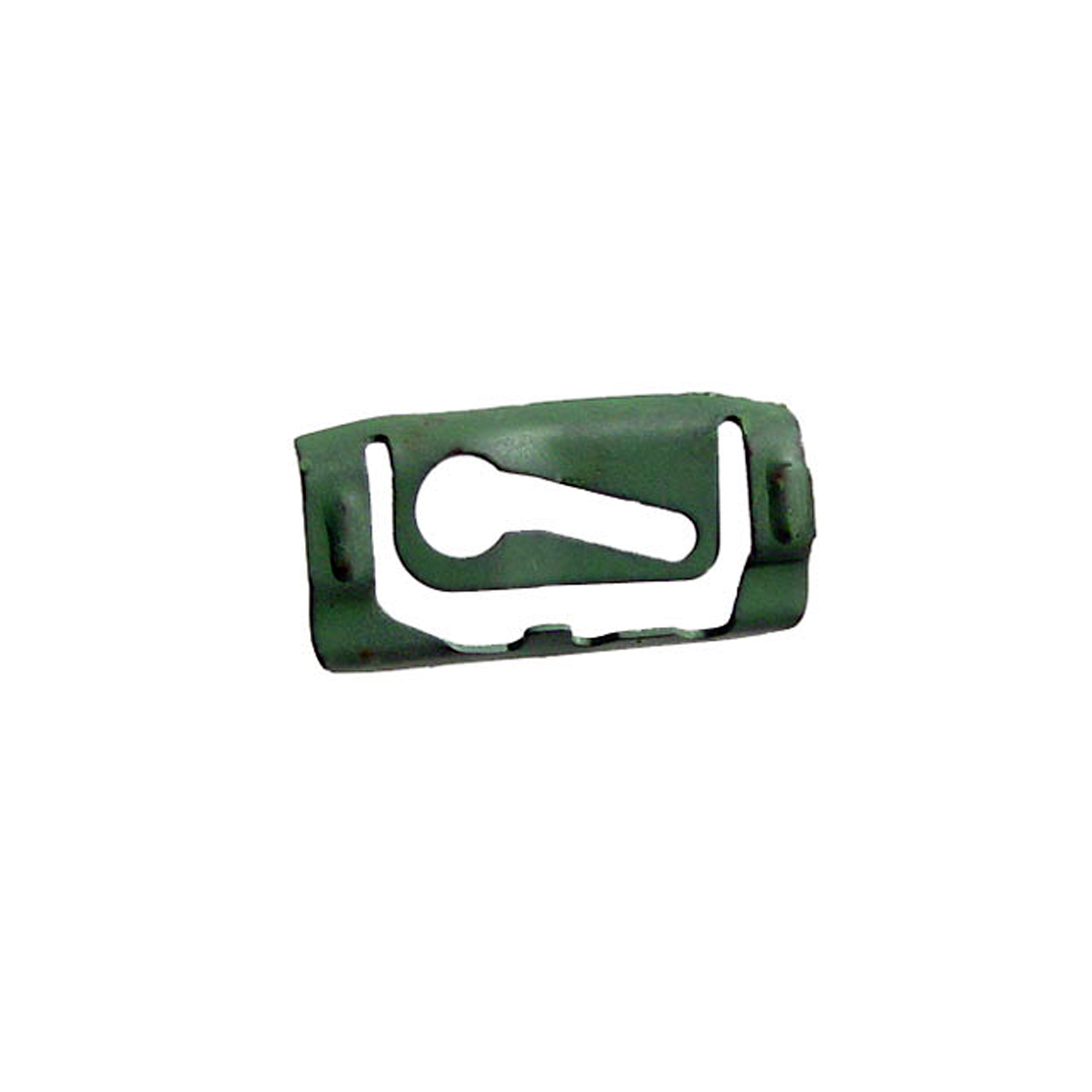 1971 Pontiac Grandville Quarter Window Reveal Molding Clip. Made of Steel-WF 205Quarter Window Reveal Molding Clip. Made of Steel. 1-3/8" X 11/16". Each
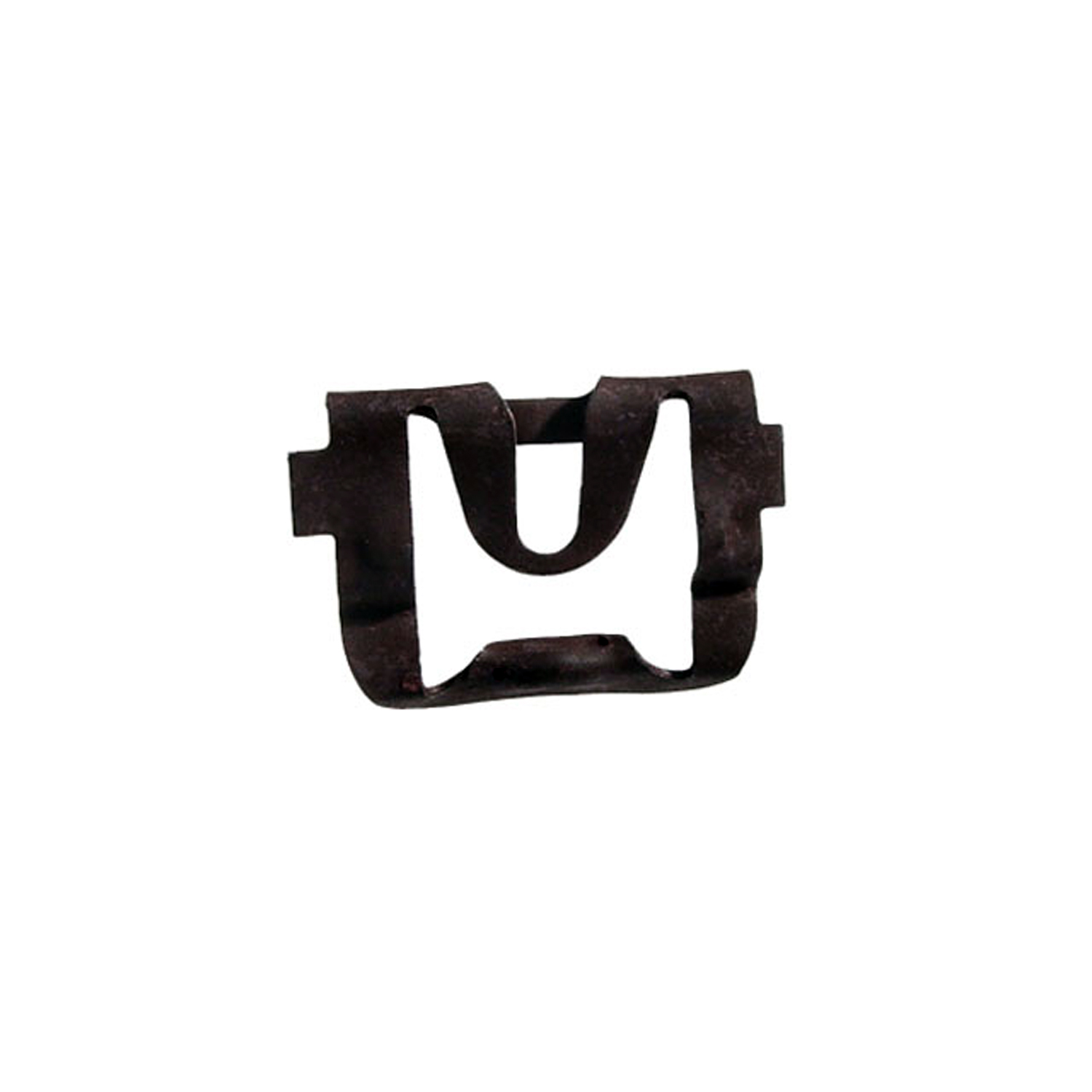 1971 Pontiac Grandville Rear Windshield Reveal Molding Clip. Made of steel-WF 211Rear Windshield Reveal Molding Clip. Made of steel. 15/16" X 3/4". Each
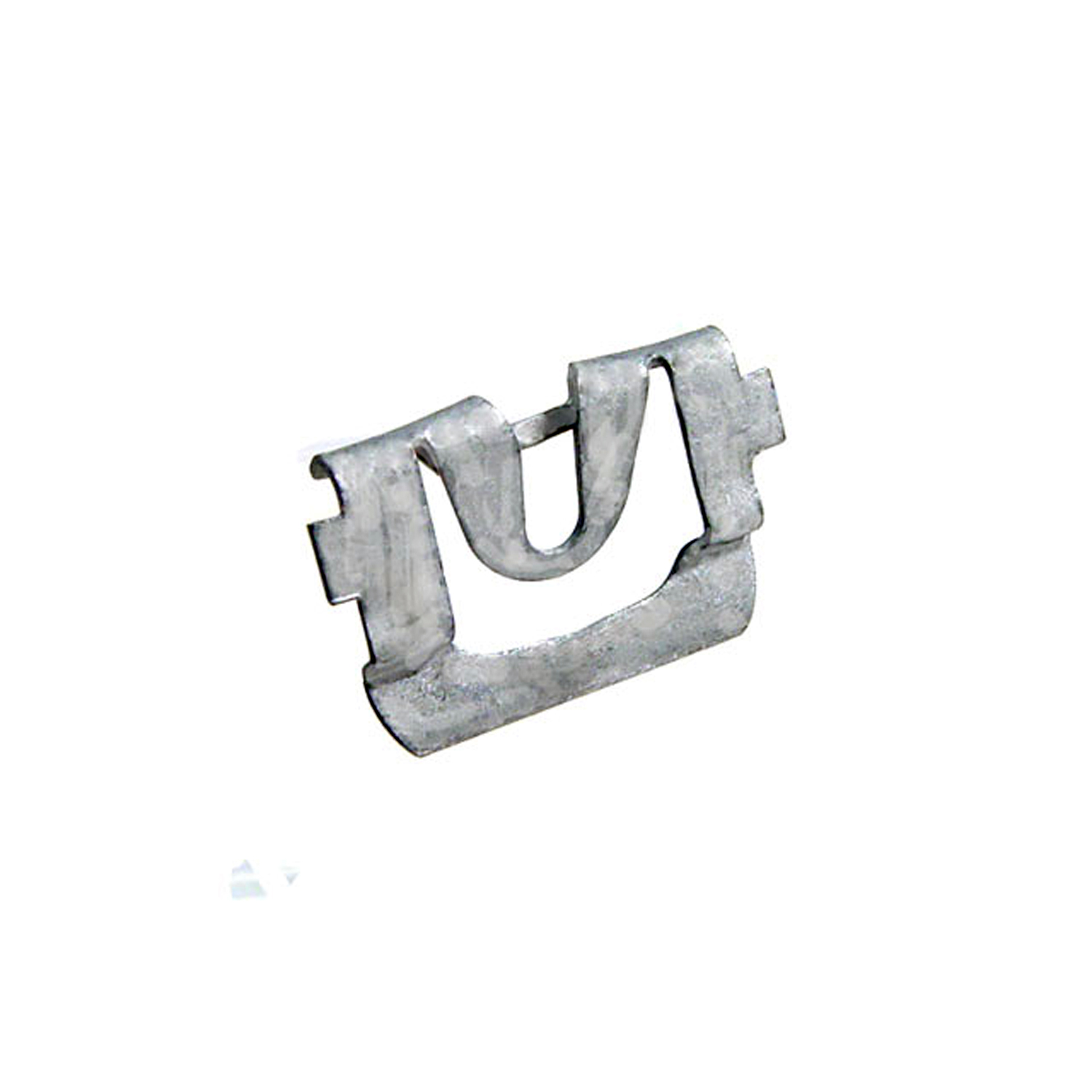 1971 Pontiac Grandville Windshield Reveal Molding Clip. Made of steel-WF 223Windshield Reveal Molding Clip. Made of steel. 1/1/8" X 3/4". Each
Why Choose Metro?
For over 100 years, Metro Moulded Parts has been the pinnacle of quality in classic car restoration parts. Our commitment to precision and authenticity in every component ensures a perfect fit and an OEM-level appearance.
- Expert Craftsmanship & Quality: Each part is a testament to our dedication to reliability and perfection, crafted from original designs and thoroughly tested.
- Advanced Technology: We use cutting-edge techniques to create flawless, long-lasting parts that surpass others in performance.
- SuperSoft Sponge – The Ultimate Door Seal: Not only are our door seals 30% softer than competitors', but they're also guaranteed to never leak. They effectively reduce wind and road noise, enhancing your classic car's comfort and driving experience.
- Proudly American: Our parts are a product of American craftsmanship, made in the USA with a spirit of excellence and heritage.
- Unrivaled Warranty: We back our products with a 30-year industry-leading warranty, a testament to our confidence in their quality.
Join us in preserving the legacy of classic cars with parts that are crafted for perfection, not just made.