

Image of 1975 Pontiac Grand Am, Note: These illustrations use artistic license and may differ from actual historical models.
Performance Metrics
Fundamental Metrics
Emotional Appeal
MMP Rating
| Engine Specifications | |
|---|---|
| Engine Options: | 400 cu in (6.6 L) V8, 455 cu in (7.5 L) V8 |
| Displacement Range: | 400-455 cu in |
| Horsepower Range: | 185-200 hp |
| Torque: | 310-330 lb-ft |
| Compression Ratio: | 8.0:1 |
| Ignition System: | Electronic ignition system |
| Cooling System: | Liquid-cooled |
| Performance Specifications | |
| 0-60 Time: | 9-10 seconds |
| 1/4 Mile Time: | 16-17 seconds |
| Top Speed: | 115-120 mph |
| Transmission and Drive | |
| Drive Type: | Rear-wheel drive |
| Transmission Type: | 3-speed automatic, 4-speed manual |
| Fuel and Efficiency | |
| Fuel System Type: | Carburetor |
| MPG: | 10-12 mpg |
| Dimensions and Brakes | |
| Brakes: | Front disc, rear drum |
| Wheelbase: | 112 inches |
| Weight: | 3,600-3,800 lbs |
Note: Specifications for classic cars are given to the best of our ability, considering the limited and variant data available.
1975 Pontiac Grand Am: An American Grand Tourer Takes Shape
The 1975 Pontiac Grand Am was built for drivers who wanted American V8 muscle wrapped in a more European-looking, road-focused package. Made by Pontiac, a division of General Motors, it belonged to the first generation of Grand Ams, introduced for 1973. The name blended two familiar Pontiac badges, Grand Prix and LeMans, and the car drew on the LeMans-based GM A-body platform.
Its timing was significant. The fuel crisis, tighter emissions rules, and new safety requirements were reshaping American cars. The Grand Am still offered V8 power and substantial presence, but its mission was broader than straight-line acceleration: Pontiac marketed it as a comfortable, responsive car for covering distance.
A distinctive detail was its front end. The Grand Am paired a flexible Endura nose with a split grille and four round headlamps, giving it a recognizable face unlike the chrome-heavy look of many rivals. The model’s 1975 production is generally reported at about 10,679 cars, making it a comparatively uncommon sight today.
Endura Styling and a Driver-Focused Cabin
The Grand Am’s long hood, gently sloping roofline, sculpted flanks, and short rear deck gave it a purposeful profile. Pontiac’s Endura front fascia softened the look while visually tying the car to the brand’s sportier models. The nose was designed to resist minor parking knocks better than a conventional metal bumper, though it was no substitute for the safety bumpers required by federal regulations.
Inside, the cabin combined American-car roominess with a sportier layout. Bucket seats, a center console, and a driver-oriented instrument panel helped distinguish the Grand Am from a basic family sedan. The dash and door panels used molded plastics and vinyl alongside available cloth upholstery. Materials were appropriate to the period, though they were not the hand-finished luxury appointments of a European grand tourer.
Depending on equipment, drivers could get a tachometer, rally-style gauges, power steering, power brakes, air conditioning, and an automatic transmission. The instruments and console made the car feel more performance-minded, while comfort options helped make it suitable for long trips. These were useful features in an era before electronic driver aids, navigation screens, or modern climate-control systems.
The 1975 Grand Am came in two body styles: a two-door coupe and a four-door sedan. The coupe is often the more visually striking and sought-after version, but the sedan delivered the same general character with easier access to the rear seat. Paint choices varied by trim and production details; period colors included a range of reds, blues, greens, golds, browns, whites, and silvers. Bright or deep colors tend to show off the car’s sculpted shape especially well.
Why the Grand Am Mattered
The Grand Am was part of Pontiac’s effort to bring a more international flavor to the American performance car. Rather than relying only on a large engine and a straight-line image, Pontiac emphasized ride control, steering feel, supportive seating, and a cockpit that looked ready for spirited driving. That approach reflected a wider shift in the industry toward cars expected to be both comfortable cruisers and enjoyable drivers.
It was not a direct European sports sedan, nor did it have the light weight or precision of one. Instead, the Grand Am offered a distinctly American interpretation of the idea: a spacious A-body with V8 power, a tuned suspension, and styling that suggested something more athletic than an ordinary family car. Its blend of comfort and sporting intent helped establish the Grand Am name, which Pontiac would revive in later generations.
The 1975 model also captures a transition point in American motoring. It retained the size and engine choices of the earlier muscle-car era, but emissions regulations and fuel concerns were already changing what those engines could deliver. The result is a car with an old-school presence and a clear link to the more constrained performance years that followed.
V8 Performance and Road Manners
Engine availability depended on configuration and market, but the lineup centered on Pontiac V8s, including 400-cubic-inch versions. Output was notably lower than the gross horsepower figures advertised before the switch to net ratings. A 400-cubic-inch engine in 1975 was typically rated at about 170 horsepower in two-barrel form, with higher-output versions available. Some configurations could be ordered with a larger 455-cubic-inch V8, though availability and specifications should be confirmed against the car’s original documentation.
Performance figures vary with engine, transmission, axle ratio, vehicle condition, and test method. A healthy V8 Grand Am might reach 60 mph in roughly 9 to 11 seconds, with a top speed in the neighborhood of 110 to 120 mph. Those are broad period-car estimates, not a guarantee for every surviving example. Today, worn engines, altered gearing, modern tires, and rebuilt transmissions can make two apparently similar cars perform quite differently.
On the road, the Grand Am feels substantial. Its long wheelbase helps it settle into a steady highway cruise, while power steering makes low-speed maneuvering easier than the car’s size suggests. The suspension was tuned to give it a more controlled feel than a soft, purely comfort-oriented sedan, but it remains a 1970s American car: expect some body lean in tight corners and a more relaxed response than you would get from a modern sport sedan.
Over bumps, the car’s weight and suspension provide a composed, cushioned ride, though worn shocks, tired bushings, and old tires can make an example feel loose or unsettled. On winding roads, it rewards smooth inputs rather than abrupt cornering. With a V8 up front, the soundtrack is a low, familiar Pontiac rumble, and the driver gets a mechanical, unfiltered connection to the car that modern vehicles often mute.
Living With a 1975 Grand Am
Today, most Grand Ams are used as weekend cruisers, local show cars, or occasional drivers. A carefully maintained example can still handle regular use, but fuel consumption, age-related wear, and the availability of trim pieces make it less convenient than a modern daily driver. The car is best enjoyed at an unhurried pace, on open roads where its comfortable ride and V8 character can shine.
Mechanical repairs are generally manageable for an experienced home mechanic. Pontiac V8s and many GM A-body components are familiar to classic-car shops, and service parts for brakes, suspension, and drivetrain systems are often easier to find than model-specific body or interior pieces. Before buying, inspect the frame, floorpans, lower body panels, suspension mounts, and trunk for rust. Also check that the Endura nose, grille, dashboard, seat trim, and exterior moldings are intact, since correct replacements can take patience to locate.
As with any nearly 50-year-old car, condition matters more than the odometer reading. Look for signs of overheating, poor-quality repairs, mismatched panels, and non-original engine or transmission swaps. A car with clear ownership records and well-documented restoration work is usually a safer bet than a cheaper example that needs extensive body and interior parts.
Grand Am Trivia and Common Complaints
The Grand Am name was a deliberate blend of “Grand Prix” and “LeMans,” signaling a car that sat between Pontiac’s personal-luxury image and its sportier intermediate models. Its Endura nose was another Pontiac trademark, making the front view one of the easiest ways to recognize the car.
The 1975 Grand Am was not a major racing homologation model, and it is not known for setting a headline speed or endurance record. Its appeal is more about its place in Pontiac’s design history and the way it combined a V8-powered American chassis with a sportier, more composed character. There is no widely recognized celebrity ownership story that defines the model.
Common criticisms are familiar for cars of the period: substantial weight, high fuel use, and performance reduced by emissions-era tuning. Some owners also find that the Grand Am’s specific trim and interior pieces are harder to source than general mechanical parts. Those drawbacks are balanced by its distinctive styling, roomy cabin, and relatively straightforward V8 layout.
Collector Value and Rarity
With roughly 10,679 examples produced in 1975, the Grand Am is uncommon compared with high-volume Pontiac models, but it is not typically valued like a rare GTO or a top-tier Trans Am. The four-door sedan is often less sought after than the coupe, while originality, rust-free condition, documentation, and desirable factory equipment can make a large difference to price.
As a broad market estimate, a project car may sell for about $4,000 to $8,000. A usable driver in fair to good condition might bring roughly $8,000 to $18,000, while a clean, well-presented example can reach approximately $18,000 to $30,000. Exceptional, highly original, or professionally restored cars may exceed that range, but prices depend heavily on location and buyer interest. These figures are estimates rather than a formal appraisal.
Values have generally been supported by the growing interest in overlooked 1970s American cars, although the Grand Am remains a more affordable collectible than many better-known Pontiac performance models. Its outlook is strongest for well-preserved cars with original equipment and attractive colors. A rough restoration candidate can be expensive to bring back if it needs both bodywork and scarce model-specific trim.
A Distinctive Pontiac From a Changing Era
The 1975 Pontiac Grand Am brought together a bold Endura front end, a roomy and driver-focused interior, and the familiar pull of Pontiac V8 power. It was not the lightest or most economical car of its time, and it did not escape the performance compromises of the mid-1970s. What it did offer was a distinctive take on the American grand tourer: comfortable enough for long-distance travel, sporty enough to feel special, and uncommon enough to stand out today.
For collectors, the Grand Am is a chance to own a less-obvious piece of Pontiac history. For drivers, it delivers a generous dose of classic-car character every time its V8 settles into a rumble and that unmistakable split grille appears in the rearview mirror.
1975 Pontiac Grand Am Catalog of Parts
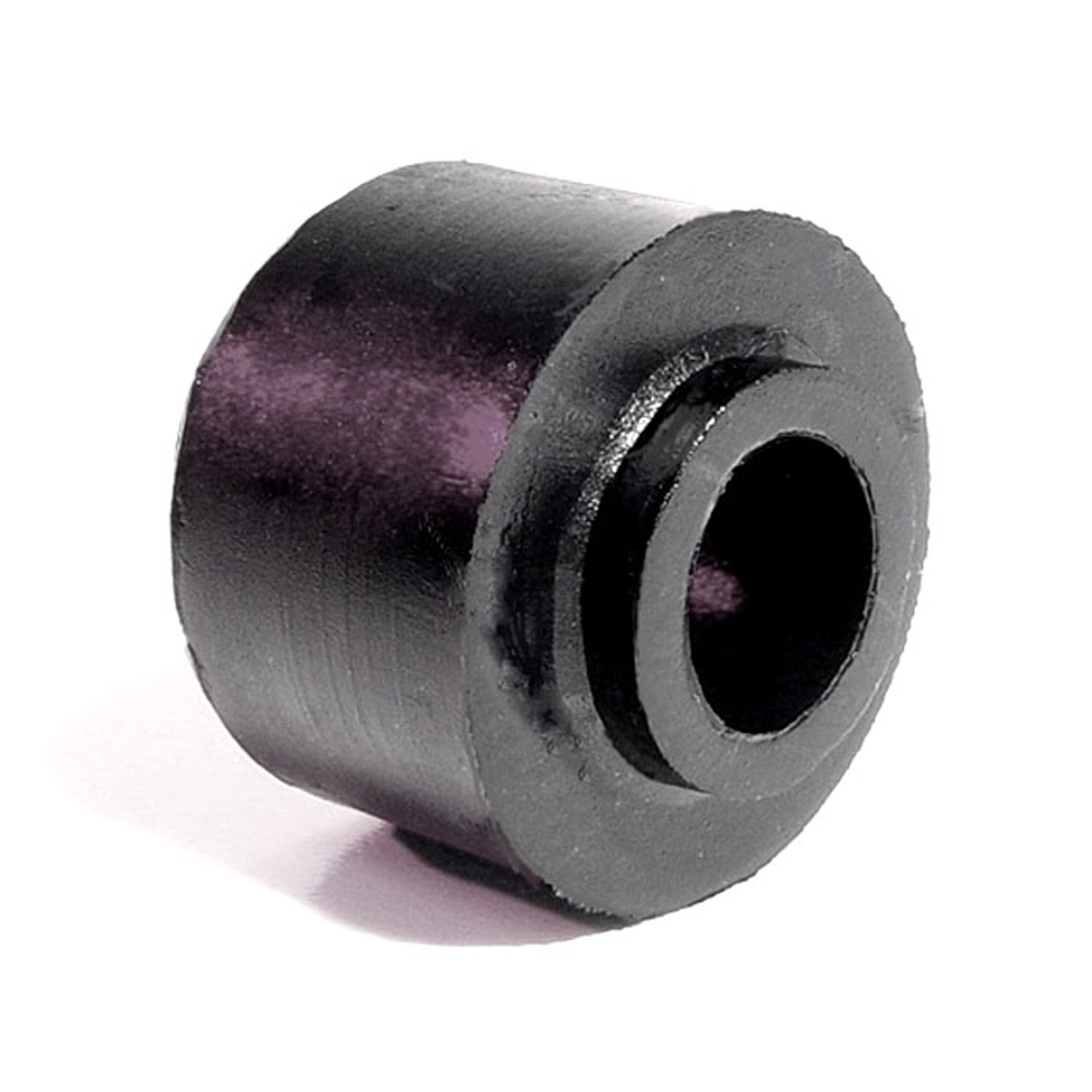 1975 Pontiac Grand Am Shock Absorber Grommet. 1" bottom O.D., 3/4" high-BN 1Shock Absorber Grommet. 1" bottom O.D., 3/4" high., with 7/16" I.D. Each
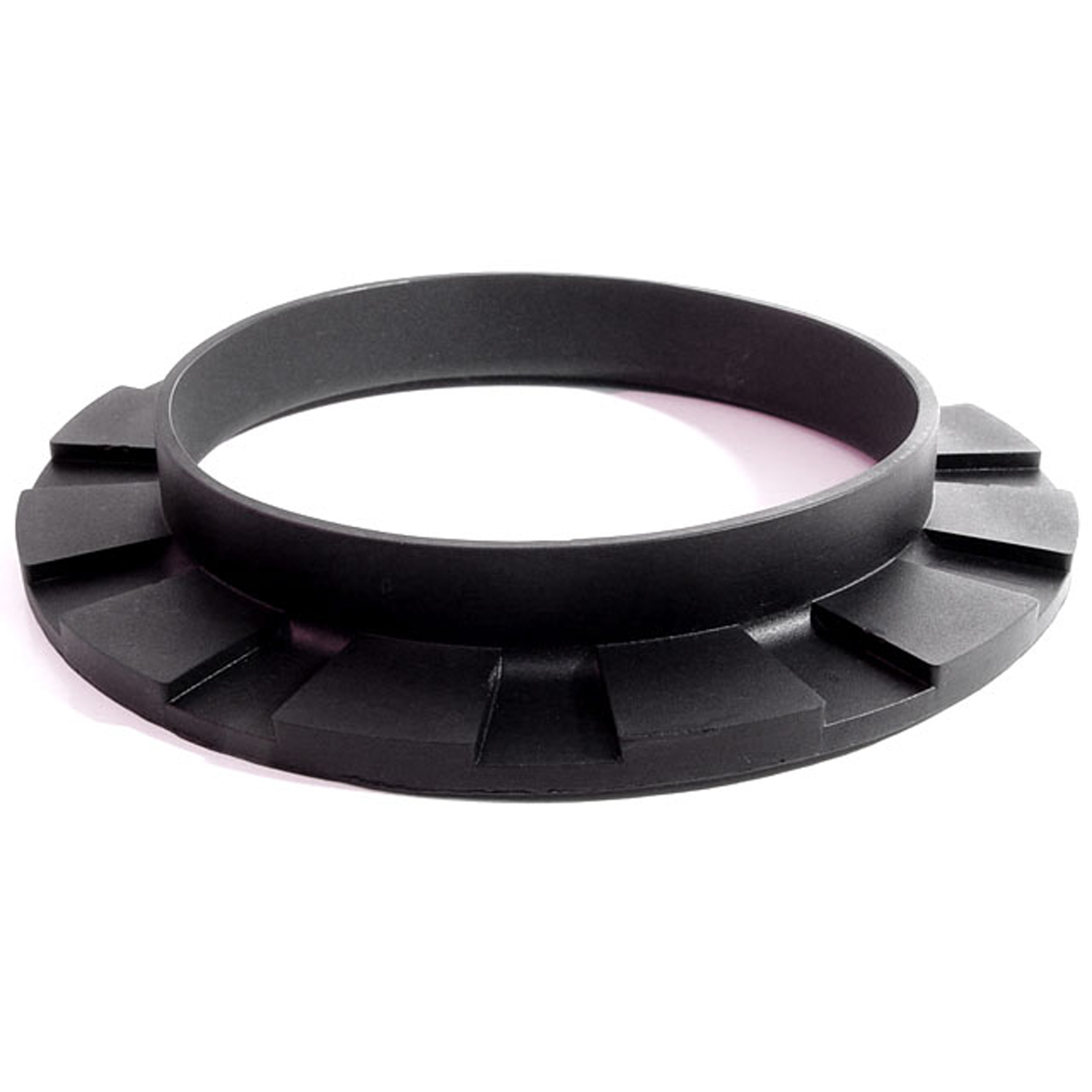 1975 Pontiac Grand Am Front coil-spring insulator-BN 110Front coil-spring insulator. Fits '41-'60 Oldsmobile and '50-'83 GM passenger models. 5-3/8 in. OD x 3-3/4 in. ID x 3/4 in. high with 13/16 in. wide bottom flange 1/4" thick, 12 flutes. Each.
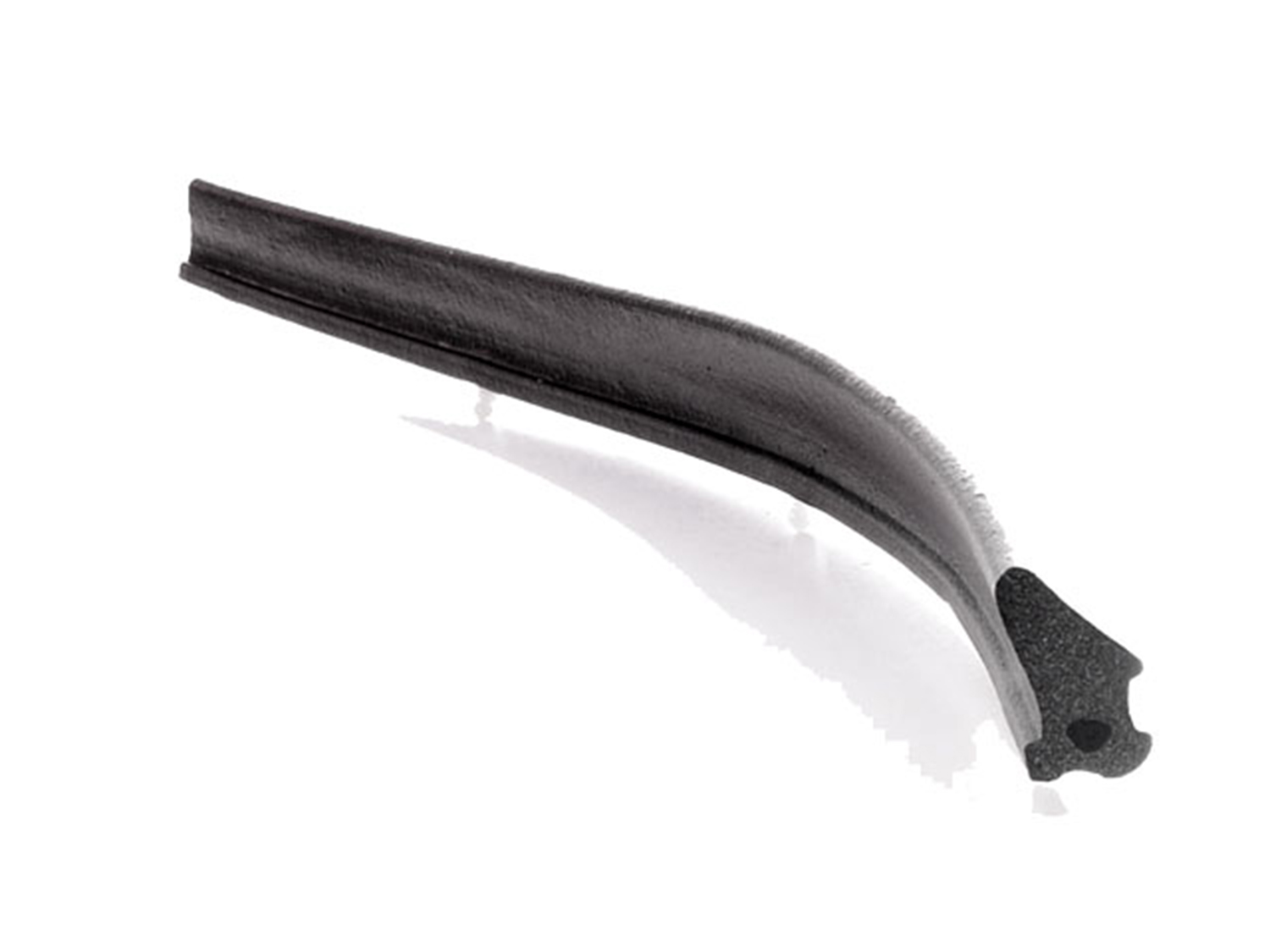 1975 Pontiac Grand Am Door Side Seal-C/LP 40-KDoor Side Seal. Made of smooth skin sponge extrusion, with clips installed. (For seal without clips, see LP 40-K) Sold by the foot.
 1975 Pontiac Grand Am Molded Door Seals with Clips. For 2-door hardtops-LM 12-YMolded Door Seals with Clips. For 2-door hardtops. Replaces OEM #9870752/3. Each is 95-1/4" long. Pair R&L
 1975 Pontiac Grand Am Front Molded Door Seals with Clips. For 4-door hardtops-LM 12-ZFront Molded Door Seals with Clips. For 4-door hardtops. Replaces OEM #9870656/7. Pair R&L
 1975 Pontiac Grand Am Trunk Liner. Loose weave, jet black. 50" wide-M 30Trunk Liner. Loose weave, jet black. 50" wide. Sold by the foot
 1975 Pontiac Grand Am Basic Kit-RKB 2003-116Basic Kit. '73-'76 GM A-body Colonade 2-door hardtop coupe (body style 37 only). Doors (LM 12-Y), roof-rails (RR 5019), and trunk (TK 46-E/16) seals. 5-piece kit.
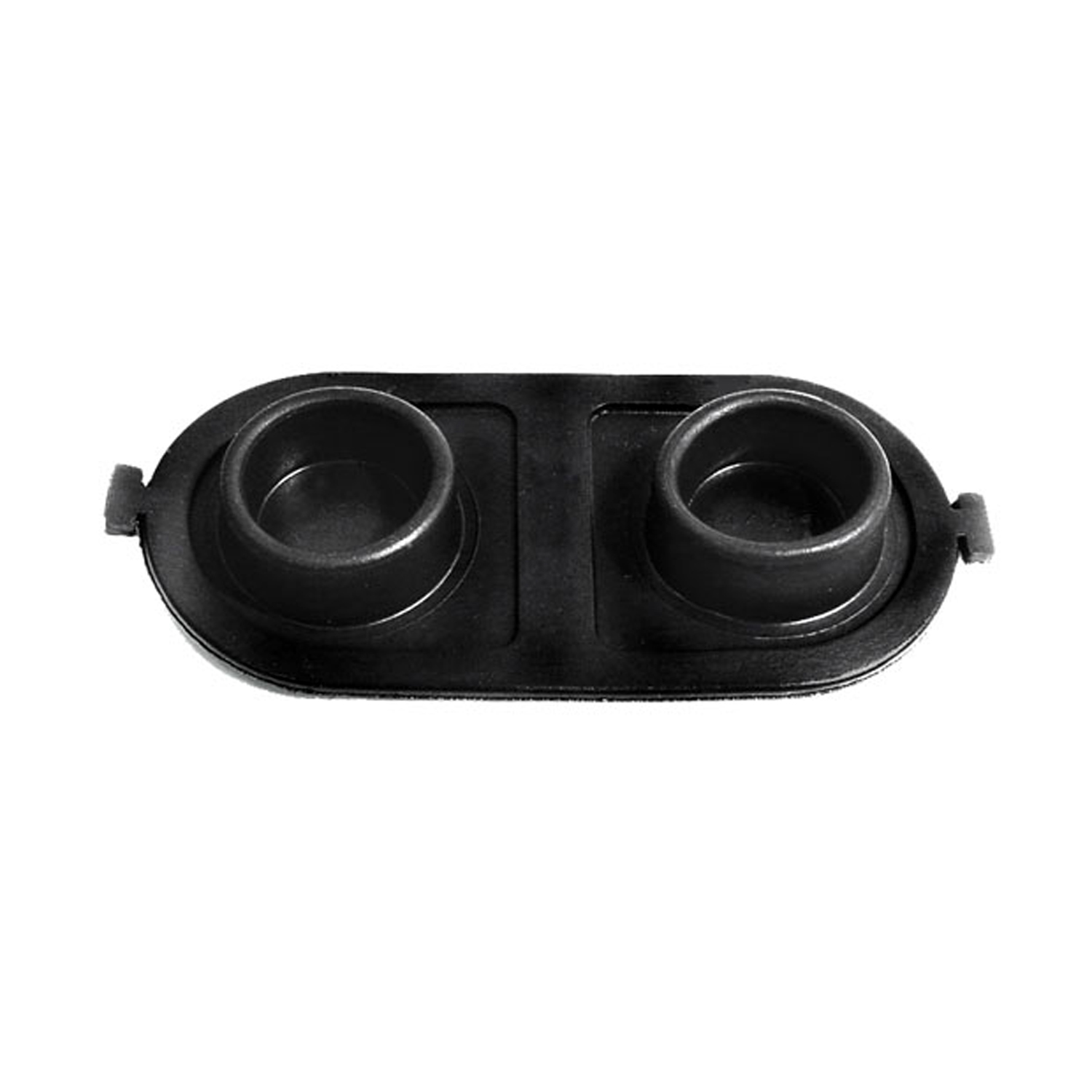 1975 Pontiac Grand Am Brake Master Cylinder Cover Seal. Replaces OEM #5470861-RP 2-EBrake Master Cylinder Cover Seal. Replaces OEM #5470861. 5" X 2-1/2". Each
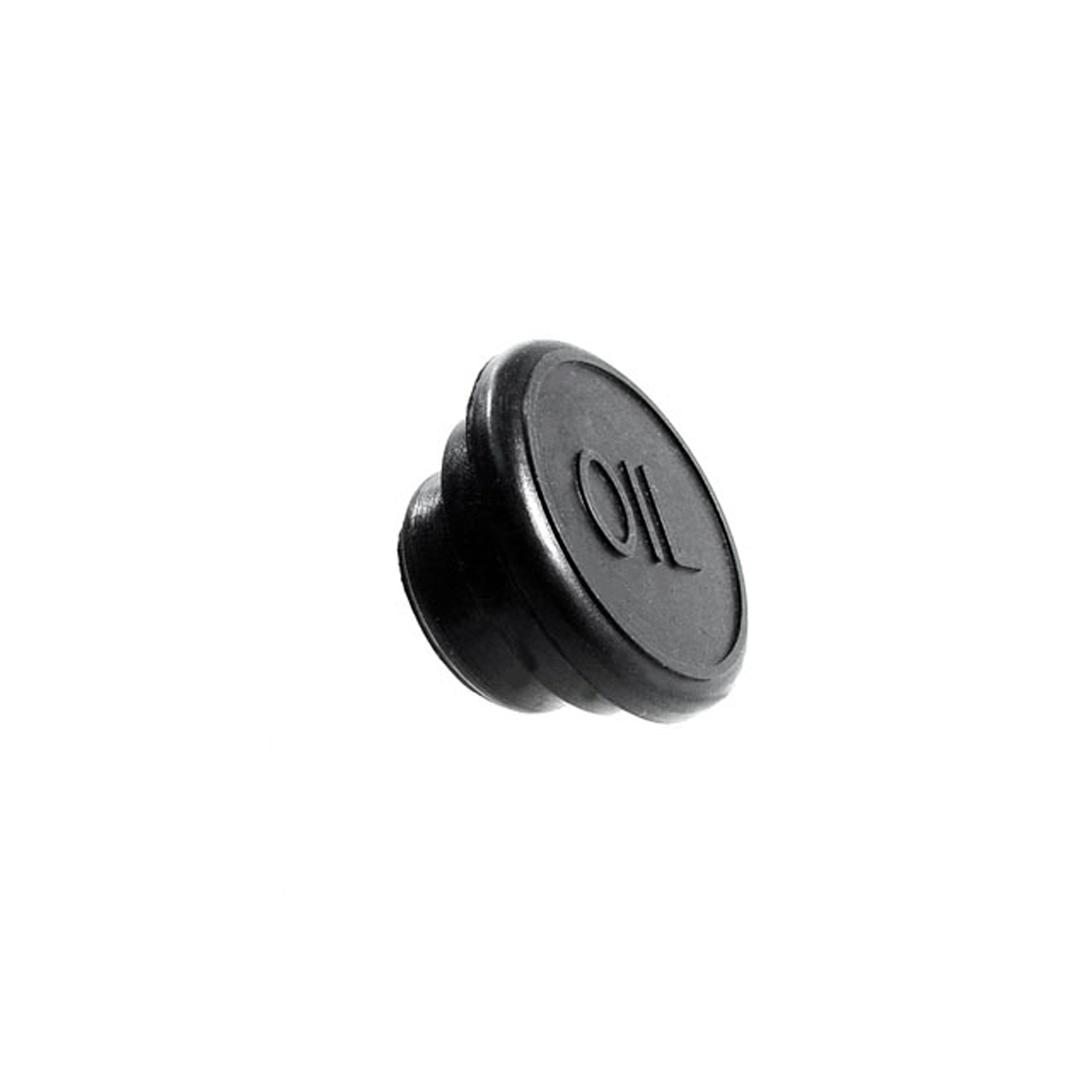 1975 Pontiac Grand Am Oil Filler Hole Cap. Made of rubber-RP 8Oil Filler Hole Cap. Made of rubber. Fits a 1-3/16" to 1-1/4" hole. Each
 1975 Pontiac Grand Am Molded roof-rail seals. 2-door hardtop-RR 5019Molded roof-rail seals. 2-door hardtop. Fits '73-'76 GM A-body Coupe and Sport Coupe (Body Style 37 only). (Ex: Buick Century 350 Coupe, Electra 225 Sport Coupe, Electra 225 Custom Sport Coupe.) Pair. R&L.
 1975 Pontiac Grand Am Rear roof rail seals, ’73-‘77 GM body 4 door hardtop models-RR 5019-RRear roof rail seals, '73-'77 GM body 4 door hardtop models, pair. Replaces OEM #'s 9878794/9878795
 1975 Pontiac Grand Am Front Roof Rail Seals-RR 5019-SFront Roof Rail Seals. Fits 4-door stationwagon and 4-door pillared hardtop sedans. Pair
 1975 Pontiac Grand Am Trunk Seal. Each-TK 46-E/16Trunk Seal. Each
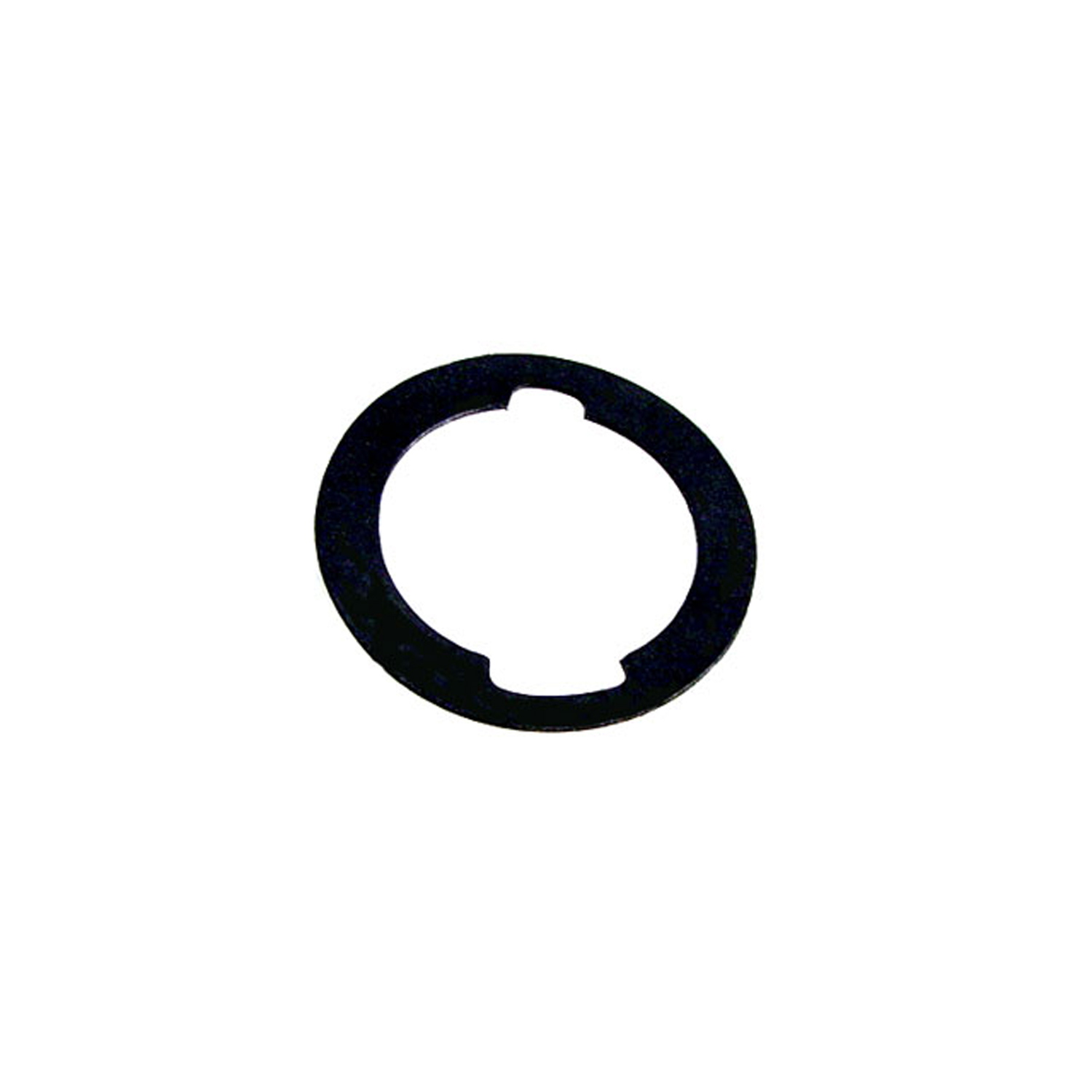 1975 Pontiac Grand Am Unbeaded Door and Trunk Lock Gasket. 1-3/16" O.D., 7/8" I.D-UM 1600-100Unbeaded Door and Trunk Lock Gasket. 1-3/16" O.D., 7/8" I.D. Each
 1975 Pontiac Grand Am Windshield Reveal Molding Clip. Made of steel-WF 203Windshield Reveal Molding Clip. Made of steel. 5/8" x 15/16". Each
 1975 Pontiac Grand Am Rear Quarter Window Molding Clip. Made of steel-WF 204Rear Quarter Window Molding Clip. Made of steel. 3/4" x 1-3/8". Each
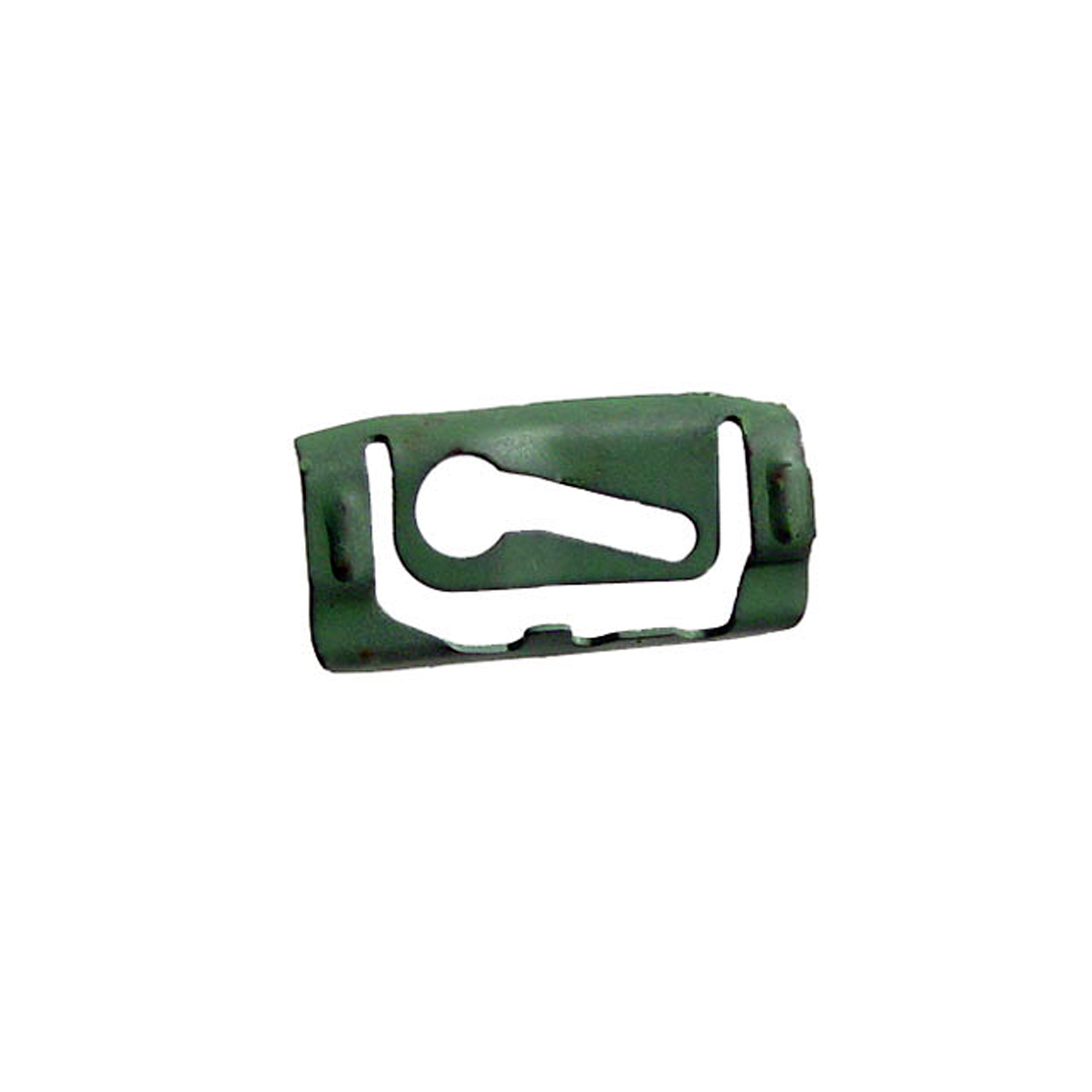 1975 Pontiac Grand Am Quarter Window Reveal Molding Clip. Made of Steel-WF 205Quarter Window Reveal Molding Clip. Made of Steel. 1-3/8" X 11/16". Each
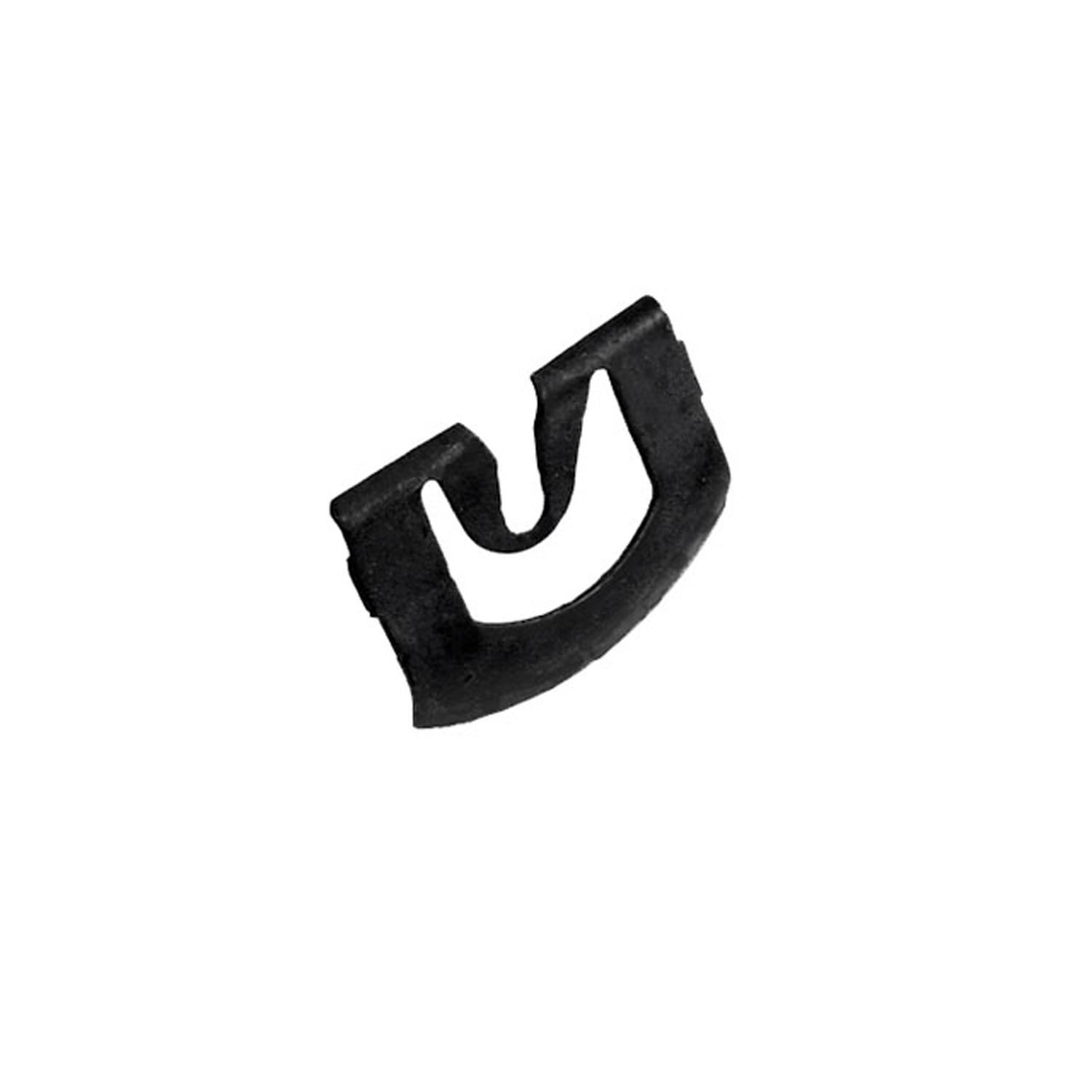 1975 Pontiac Grand Am Windshield Reveal Molding Clip. Made of steel. 13/16" x 1"-WF 209Windshield Reveal Molding Clip. Made of steel. 13/16" x 1". Each
 1975 Pontiac Grand Am Rear Windshield Reveal Molding Clip. Made of steel-WF 211Rear Windshield Reveal Molding Clip. Made of steel. 15/16" X 3/4". Each
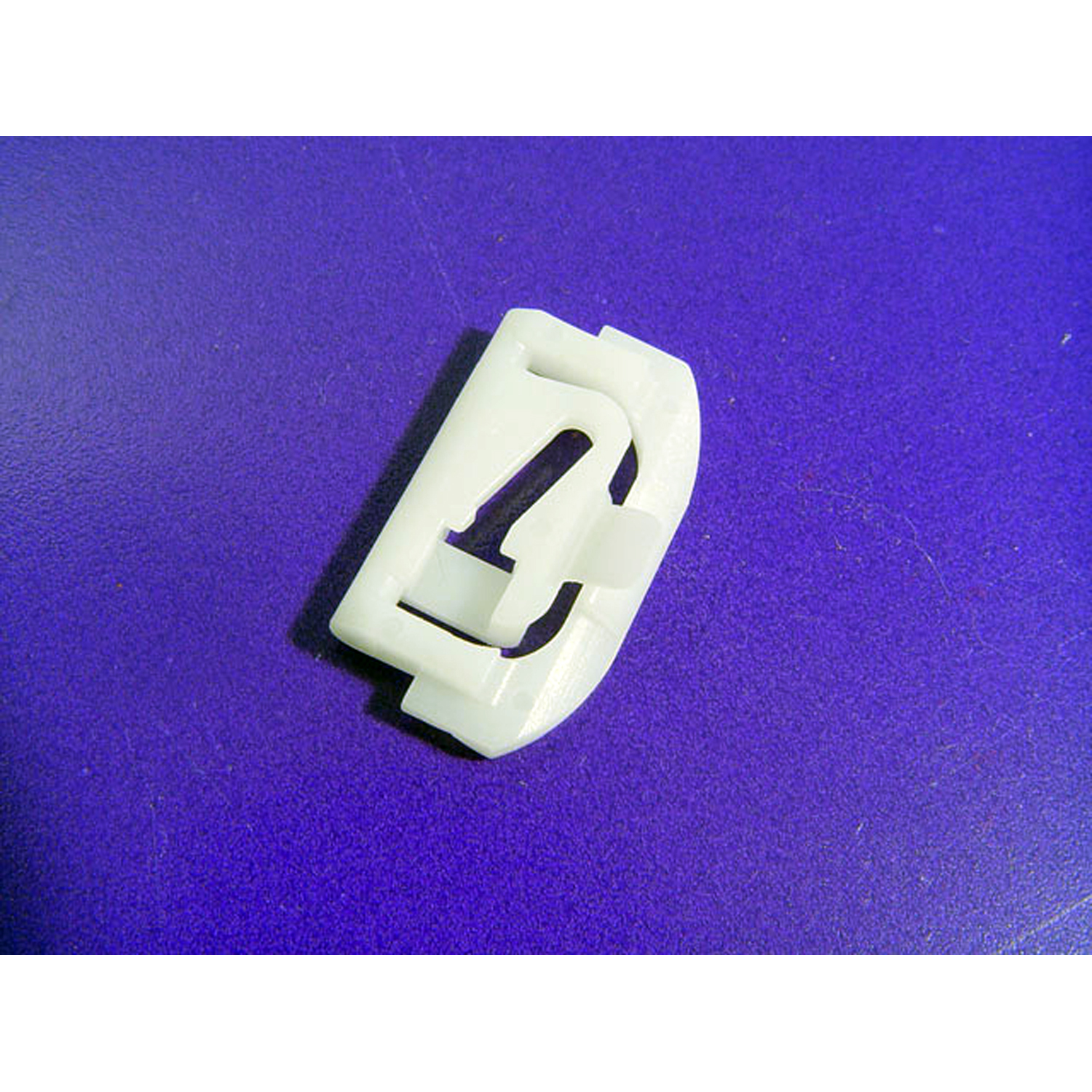 1975 Pontiac Grand Am Lower Side Window Reveal Molding Clip. Made of nylon-WF 214Lower Side Window Reveal Molding Clip. Made of nylon. 1-1/4" x 3/4". Each
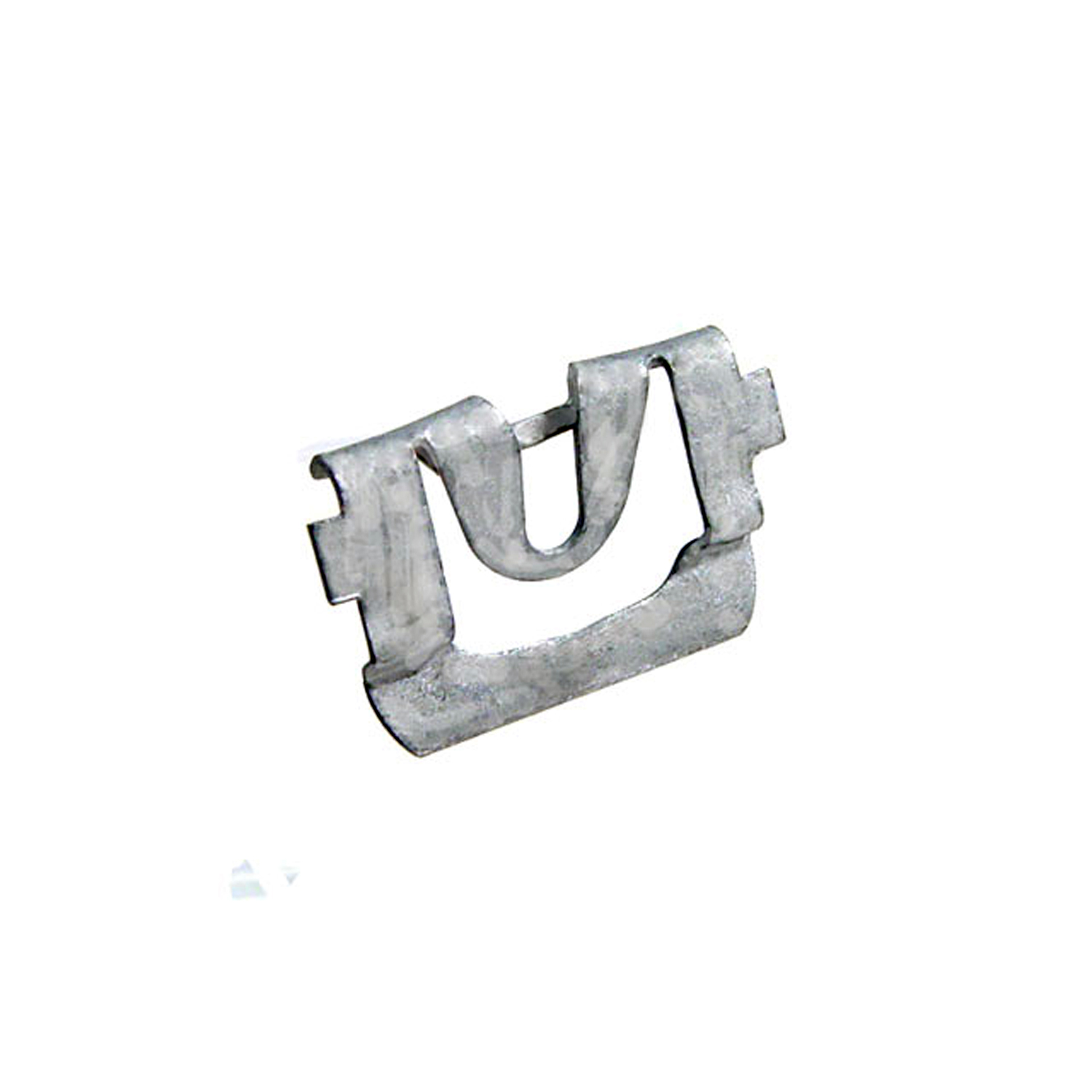 1975 Pontiac Grand Am Windshield Reveal Molding Clip. Made of steel-WF 223Windshield Reveal Molding Clip. Made of steel. 1/1/8" X 3/4". Each
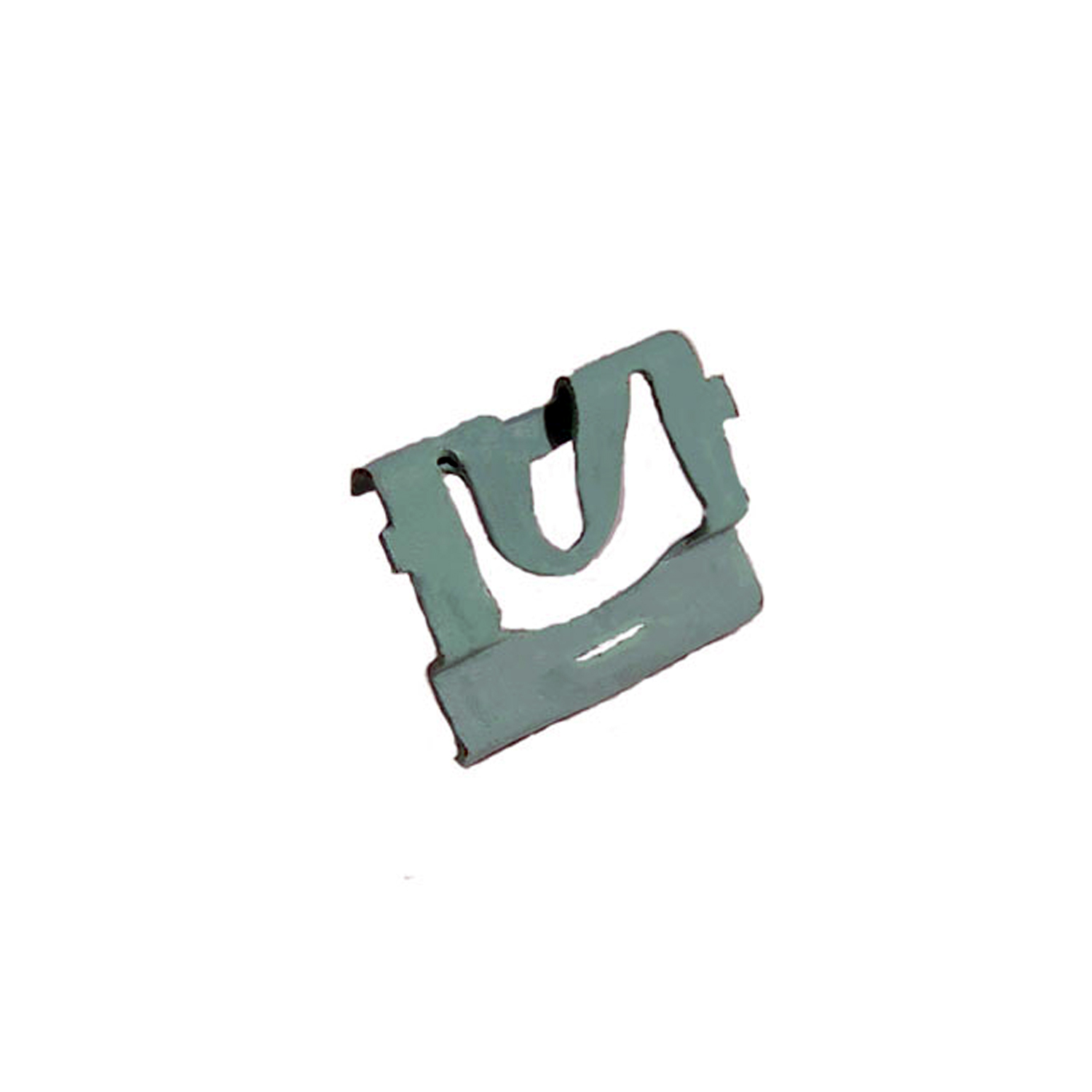 1975 Pontiac Grand Am Windshield Reveal Molding Clip. Made of steel-WF 224Windshield Reveal Molding Clip. Made of steel. 1-1/4" X 3/4". Fits many models. Each
Why Choose Metro?
For over 100 years, Metro Moulded Parts has been the pinnacle of quality in classic car restoration parts. Our commitment to precision and authenticity in every component ensures a perfect fit and an OEM-level appearance.
- Expert Craftsmanship & Quality: Each part is a testament to our dedication to reliability and perfection, crafted from original designs and thoroughly tested.
- Advanced Technology: We use cutting-edge techniques to create flawless, long-lasting parts that surpass others in performance.
- SuperSoft Sponge – The Ultimate Door Seal: Not only are our door seals 30% softer than competitors', but they're also guaranteed to never leak. They effectively reduce wind and road noise, enhancing your classic car's comfort and driving experience.
- Proudly American: Our parts are a product of American craftsmanship, made in the USA with a spirit of excellence and heritage.
- Unrivaled Warranty: We back our products with a 30-year industry-leading warranty, a testament to our confidence in their quality.
Join us in preserving the legacy of classic cars with parts that are crafted for perfection, not just made.