

Image of 1975 Pontiac Grand Lemans, Note: These illustrations use artistic license and may differ from actual historical models.
Performance Metrics
Fundamental Metrics
Emotional Appeal
MMP Rating
| Engine Specifications | |
|---|---|
| Engine Options: | 350 cu in (5.7 L) V8, 400 cu in (6.6 L) V8, 455 cu in (7.5 L) V8 |
| Displacement Range: | 350-455 cu in (5.7-7.5 L) |
| Horsepower Range: | 155-200 hp (approximately) |
| Torque: | 275-330 lb-ft (approximately) |
| Compression Ratio: | 8.0:1 - 8.4:1 (approximately) |
| Ignition System: | Electronic ignition system |
| Cooling System: | Liquid-cooled |
| Performance Specifications | |
| 0-60 Time: | 10-12 seconds (approximately) |
| 1/4 Mile Time: | 17-19 seconds (approximately) |
| Top Speed: | 115-120 mph (approximately) |
| Transmission and Drive | |
| Drive Type: | Rear-wheel drive |
| Transmission Type: | 3-speed automatic, 4-speed manual |
| Fuel and Efficiency | |
| Fuel System Type: | Carburetor |
| MPG: | 10-12 mpg (approximately) |
| Dimensions and Brakes | |
| Brakes: | Front disc, rear drum |
| Wheelbase: | 112.0 in |
| Weight: | 3,600-3,800 lbs (approximately) |
Note: Specifications for classic cars are given to the best of our ability, considering the limited and variant data available.
1975 Pontiac Grand LeMans: A Guide to Pontiac’s Colonnade Cruiser
The 1975 Pontiac Grand LeMans was built for a changing America: roomy, stylish, and comfortable, but engineered for a new era of emissions rules and rising fuel costs. It came from Pontiac, General Motors’ performance-minded division, and sat near the upscale end of the LeMans intermediate lineup. Rather than chase the muscle-car formula at its peak, the Grand LeMans offered a more mature mix of V8 power, plush appointments, and substantial road presence.
Its timing is part of its story. The 1975 model year brought catalytic converters and unleaded-fuel requirements to new American cars, while buyers were paying closer attention to fuel economy. The Grand LeMans shows how Detroit adapted: familiar V8 character remained available, but the emphasis increasingly shifted toward comfort, safety, and everyday usability.
One detail that captures the era is the car’s fixed center pillar. Pontiac’s “Colonnade” body design replaced the traditional pillarless hardtop layout with a more substantial roof structure. It still looked sleek with its door glass lowered, but its reinforced construction reflected growing attention to rollover protection and federal safety standards.
Colonnade Styling and Grand LeMans Trim
The Grand LeMans has the long hood, wide body, and formal proportions that made mid-1970s American intermediates feel almost full-size. Its front end is upright and assertive, with a broad grille, Pontiac badging, and rectangular headlamps. The sculpted body sides and carefully shaped wheel openings give it more visual polish than a basic transportation sedan, while chrome trim adds period-appropriate sparkle without making the car look over-decorated.
The Colonnade roof is one of the car’s defining features. On the coupe, the center pillar is visible, but the side glass gives the profile an open, airy look when lowered. The sedan has a more formal roofline and is especially appealing to drivers who want classic styling with easier rear-seat access. Pontiac also offered LeMans-based Safari station wagons, including upscale Grand LeMans-related trim depending on configuration and market. The coupe is often the most instantly recognizable body style today, but the sedan and wagon offer their own appeal.
Inside, the Grand LeMans was built around comfort rather than bare-bones utility. Buyers could choose a front bench seat or bucket seats, with upholstery in cloth, vinyl, or combinations of the two depending on trim and equipment. The dash used broad, horizontal forms, with a large speedometer and controls arranged for straightforward use. The materials were typical of a well-equipped 1970s GM intermediate: padded surfaces and attractive trim in the areas occupants saw most, paired with durable vinyl and hard-wearing plastics elsewhere.
Available equipment could include air conditioning, power steering, power brakes, power windows, cruise control, a tilt steering wheel, and upgraded radios. Exact combinations varied by body style and order. These features were not remarkable by modern standards, but they could make a 1975 Grand LeMans a very comfortable long-distance car.
Paint choices varied by plant, body style, and ordering options. Period palettes included whites, reds, blues, greens, golds, and metallic shades, alongside darker colors that suited the car’s formal character. White, red, and deep blue examples are especially easy to picture against the era’s chrome and vinyl roof treatments. Original paint codes and trim combinations are worth checking when judging a restored car.
What Made the 1975 Grand LeMans Significant
The Grand LeMans was not a revolutionary performance car, but its design reflects a major transition in American automotive history. The Colonnade platform had arrived in the early 1970s, when manufacturers were preparing for stricter safety requirements. Its fixed center pillars and stronger roof structure were practical changes that also created a distinct new look. In the 1975 Grand LeMans, that design had become familiar enough to feel stylish rather than experimental.
The car also illustrates how the traditional V8 intermediate adapted to the post-muscle-car period. Pontiac still offered V8 power, but emissions equipment and lower compression reduced the output and urgency buyers had associated with earlier high-performance models. Meanwhile, a catalytic converter meant the car needed unleaded gasoline. The result was a comfortable cruiser with classic American character, not a direct replacement for a GTO or a track-focused performance coupe.
That distinction is what sets the Grand LeMans apart from many of its contemporaries. It delivered upscale trim and recognizable Pontiac styling without requiring buyers to move up to a larger, more expensive full-size car. Its influence is less about introducing a single landmark technology and more about representing the direction of the American intermediate: safer construction, quieter comfort, and increasingly sophisticated options.
Engines, Speed, and Road Manners
Engine availability depended on body style, equipment, and the specific order. A 350-cubic-inch Pontiac V8 was a common choice, with larger 400-cubic-inch V8s available in some configurations. Six-cylinder availability and exact engine combinations could differ across the wider LeMans range, so the engine code and original documentation are the best way to verify a particular car. Most surviving Grand LeMans examples are associated with V8 power and an automatic transmission.
Performance figures should be treated as estimates, not universal specifications. A 350-powered car in sound condition might reach 60 mph in roughly 10 to 12 seconds. A larger-engine example could be quicker, sometimes landing around the 9-to-10-second range depending on gearing, transmission, vehicle condition, and test method. A realistic top-speed estimate is approximately 105 to 115 mph, though gearing, tires, and mechanical condition matter greatly. These are period-style cruising machines, not modern high-speed cars.
On the road, the Grand LeMans feels substantial and relaxed. Its suspension is tuned to absorb broken pavement, expansion joints, and ordinary bumps rather than deliver sharp cornering response. The long wheelbase helps it settle into a steady highway rhythm, while power steering makes low-speed maneuvering easier than the car’s size might suggest. On a winding road, body lean and soft suspension remind you that comfort was the priority. Strong crosswinds can also make the broad body feel more affected than a modern sedan.
The driving experience is part of the charm. A V8 produces a low, familiar rumble, and the automatic transmission encourages smooth, unhurried progress. The steering is not especially quick, and the car’s size is always present, but the view over the long hood and the cushioned ride make ordinary trips feel like a proper cruise. In a well-maintained example, it is an easy car to enjoy at sensible speeds.
Living With a 1975 Pontiac Grand LeMans
Today, owners use the Grand LeMans as a weekend cruiser, a local show car, or an occasional-use classic. Some can serve as regular transportation, but fuel consumption, age-related repairs, and the limitations of 1970s braking and handling make a modern daily driver more convenient for most people. The coupe is a natural choice for display, while a sedan or wagon can be more practical for family outings and hauling gear.
Mechanical work is generally approachable for an owner with basic experience. The V8 layout is familiar, the engine bay is spacious, and many service procedures follow conventional GM practice of the period. Parts for common maintenance items and general GM components are often available through classic-car suppliers. However, Pontiac-specific trim, interior pieces, body panels, and correct restoration details can be harder to locate.
Before buying, inspect the frame, body mounts, floor pans, trunk, lower fenders, and areas around the rear window for corrosion. Check the automatic transmission for smooth shifts, the cooling system for leaks or overheating, and the electrical system for aging wiring or non-working accessories. Cars equipped with air conditioning or power options can be comfortable, but every extra system is another item to inspect. A clean, complete car is often a better buy than a cheap project missing rare trim.
Grand LeMans Facts and Common Criticisms
The 1975 Grand LeMans belongs to the Colonnade generation of GM intermediates, a family that also included models from Buick, Chevrolet, and Oldsmobile. Its shared corporate underpinnings made production efficient, while Pontiac styling and trim gave it a distinct identity. The Grand LeMans name signaled a more upscale LeMans, not a separate high-performance model.
There is no widely recognized 1975 Grand LeMans speed or endurance record, and it is not chiefly remembered for celebrity ownership or a defining motorsport victory. Its historical interest comes from what it represents: the American V8 family car negotiating the transition to catalytic converters, unleaded fuel, and stricter safety expectations. That may be less dramatic than a race win, but it makes the car a useful snapshot of its time.
Common criticisms include modest performance by modern standards, heavy fuel use, soft cornering, and the difficulty of finding certain model-specific parts. The 1975 emissions-era power ratings can also disappoint buyers expecting the punch of a late-1960s Pontiac V8. On the other hand, those limitations are balanced by comfort, spaciousness, straightforward mechanicals, and a distinctive period look.
Collector Values and Availability
Exact production totals for individual Grand LeMans body styles and option combinations can be difficult to pin down. As a broad estimate rather than a verified factory figure, perhaps 50,000 to 80,000 Grand LeMans-badged cars were built for the 1975 model year, with the total depending on which closely related body and wagon versions are counted. That makes the car uncommon today, but not necessarily rare in the high-dollar collector-car sense.
For a general U.S. market guide in 2026, a project or rough driver might sell for about $2,000 to $5,000. A usable, presentable car could fall around $5,000 to $12,000, while a clean, well-maintained example may bring roughly $12,000 to $25,000. Exceptional restorations, desirable equipment, or particularly attractive body styles can reach approximately $25,000 to $35,000 or more, although top-end sales depend heavily on condition and buyer interest. These are broad estimates, not appraisals.
Values have generally been steady to modestly improving for clean, original examples, rather than rising at the pace of more famous muscle cars. The Grand LeMans remains an accessible classic, and condition usually matters more than rarity. Cars with sound bodies, documented history, correct interiors, and working accessories are likely to attract the strongest interest. Because prices vary by region, season, and restoration quality, recent comparable sales are the best guide when buying or selling.
Why the 1975 Grand LeMans Still Matters
The 1975 Pontiac Grand LeMans brings together the strengths and compromises of its era: Colonnade styling, a spacious cabin, V8 availability, and a comfortable ride, all shaped by new emissions and safety requirements. It is not a muscle-car legend or a technological showpiece, but it offers an honest and enjoyable view of Pontiac’s upscale intermediate at a turning point in American motoring.
For collectors who want something less predictable than a GTO and more distinctive than an ordinary family sedan, the Grand LeMans makes a compelling choice. Its appeal is simple: a handsome Pontiac with room to stretch out, a V8 note in the background, and a story written right into its steel roof pillars.
1975 Pontiac Grand Lemans Catalog of Parts
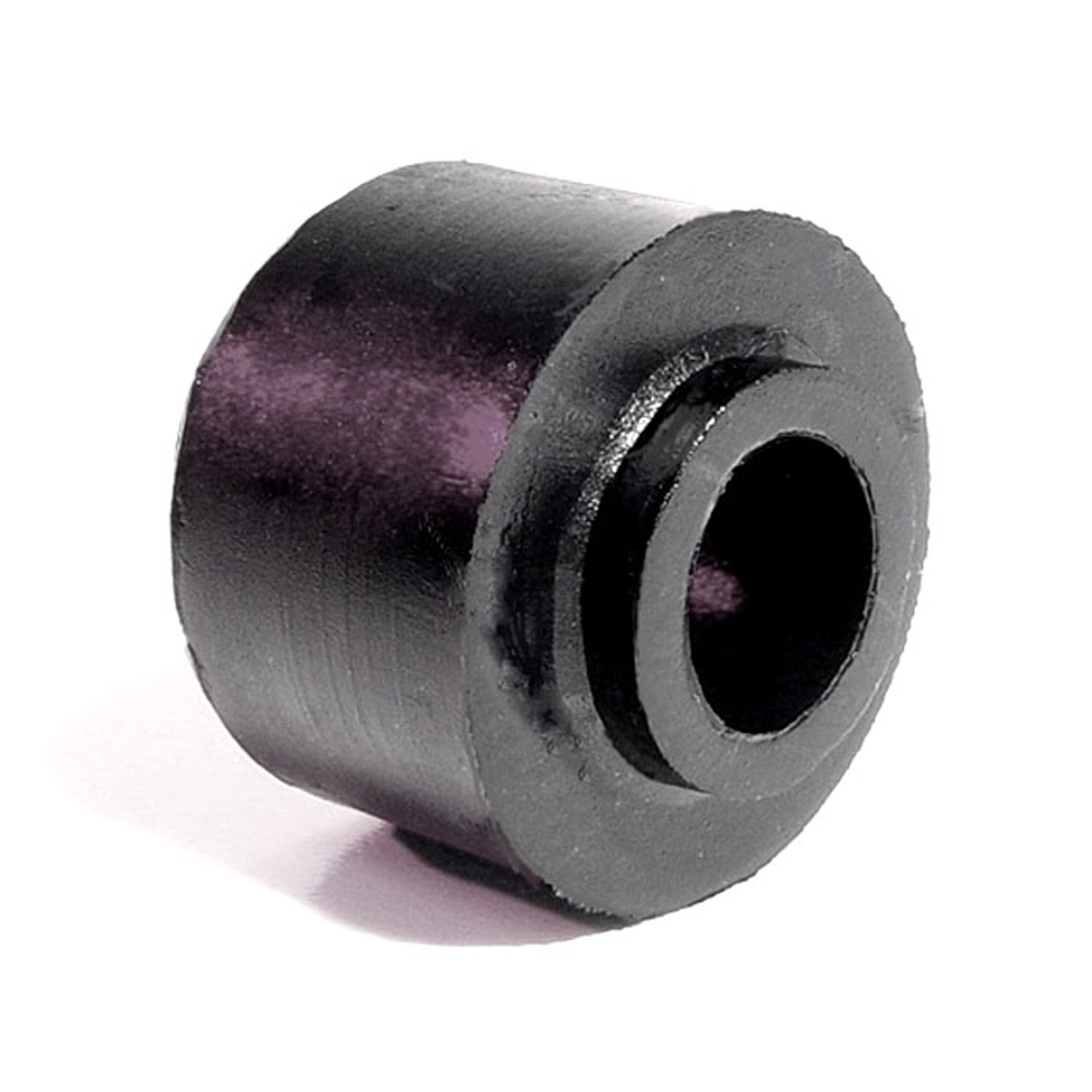 1975 Pontiac Grand LeMans Shock Absorber Grommet. 1" bottom O.D., 3/4" high-BN 1Shock Absorber Grommet. 1" bottom O.D., 3/4" high., with 7/16" I.D. Each
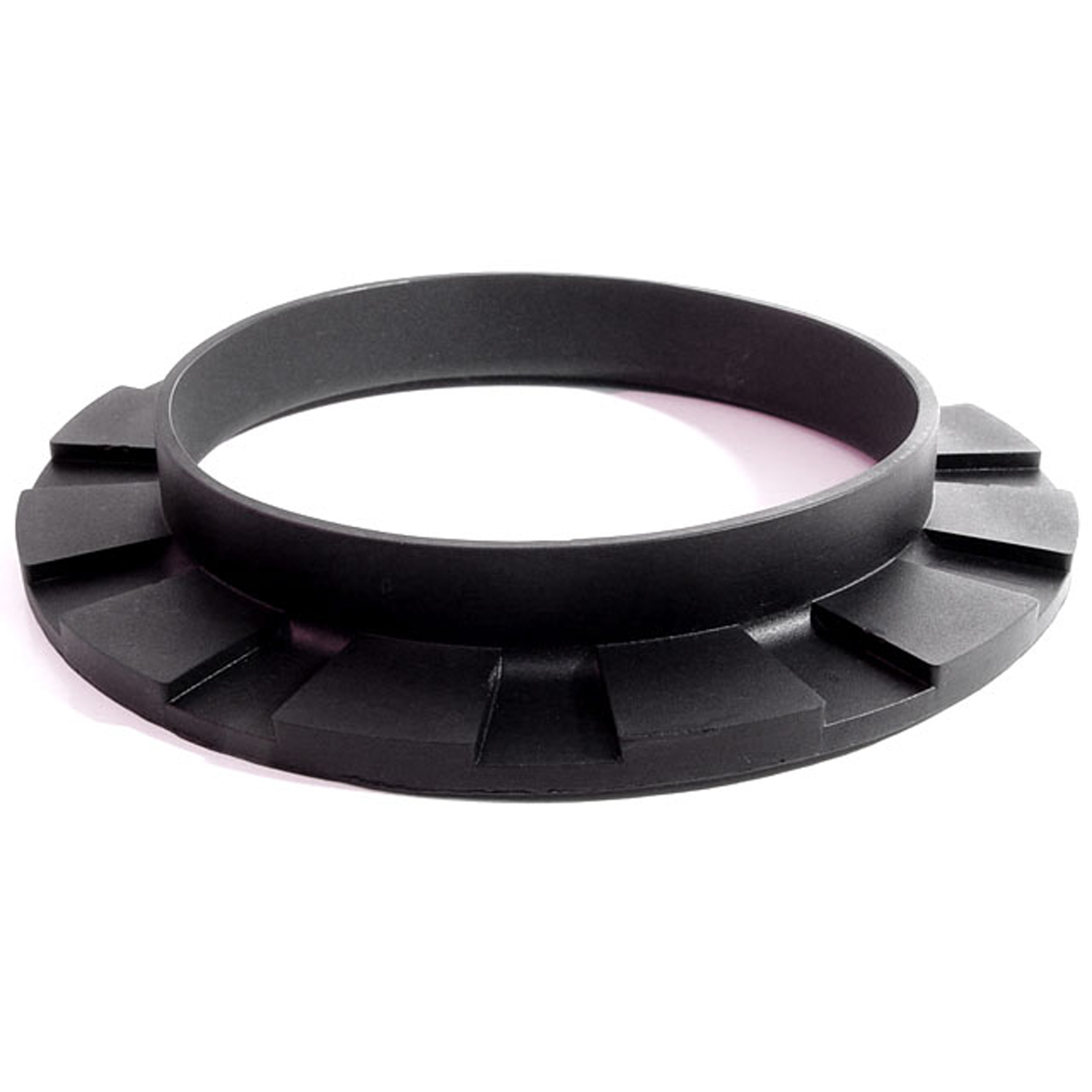 1975 Pontiac Grand LeMans Front coil-spring insulator-BN 110Front coil-spring insulator. Fits '41-'60 Oldsmobile and '50-'83 GM passenger models. 5-3/8 in. OD x 3-3/4 in. ID x 3/4 in. high with 13/16 in. wide bottom flange 1/4" thick, 12 flutes. Each.
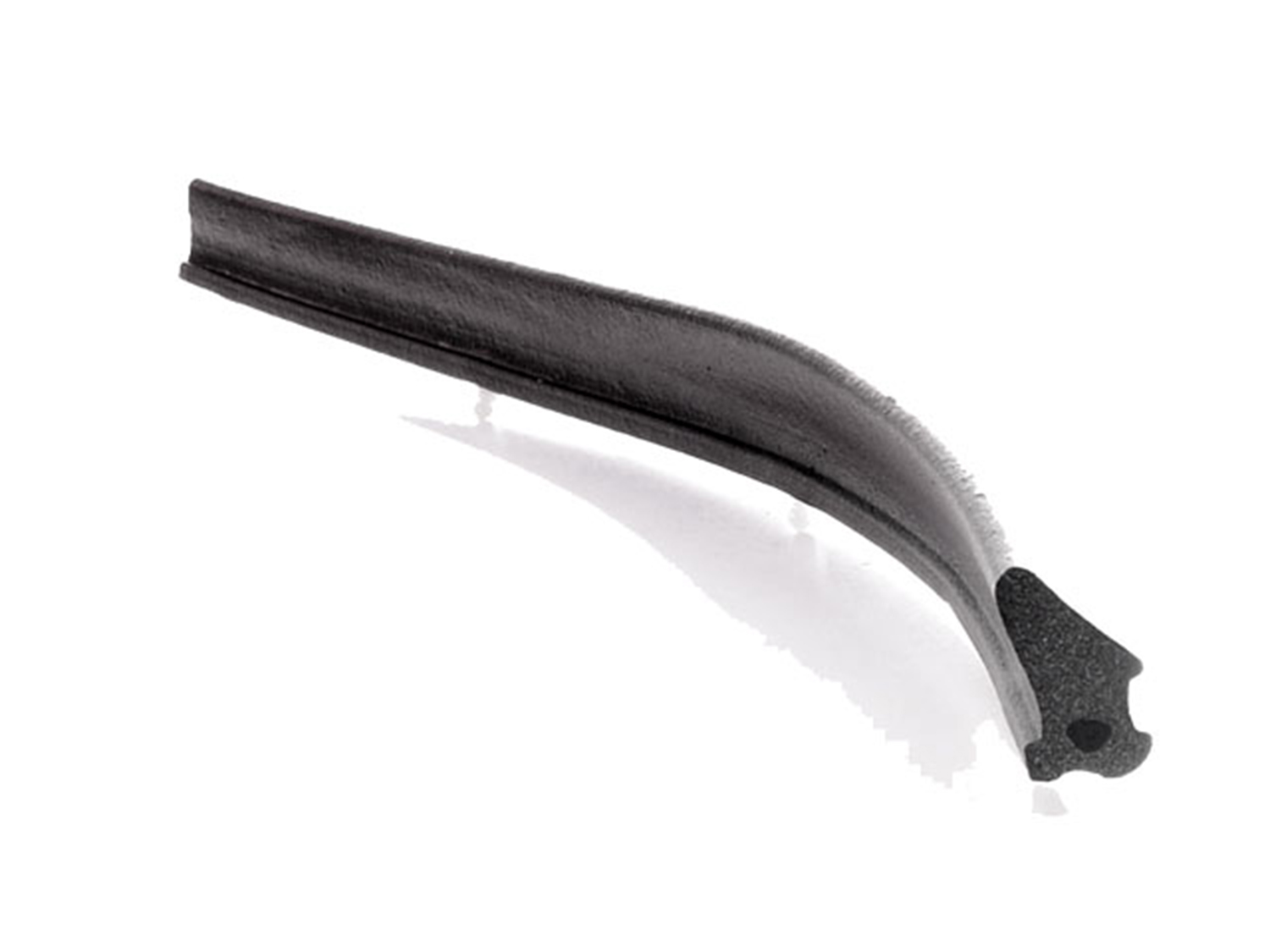 1975 Pontiac Grand LeMans Door Side Seal-C/LP 40-KDoor Side Seal. Made of smooth skin sponge extrusion, with clips installed. (For seal without clips, see LP 40-K) Sold by the foot.
 1975 Pontiac Grand LeMans Molded Door Seals with Clips. For 2-door hardtops-LM 12-YMolded Door Seals with Clips. For 2-door hardtops. Replaces OEM #9870752/3. Each is 95-1/4" long. Pair R&L
 1975 Pontiac Grand LeMans Front Molded Door Seals with Clips. For 4-door hardtops-LM 12-ZFront Molded Door Seals with Clips. For 4-door hardtops. Replaces OEM #9870656/7. Pair R&L
 1975 Pontiac Grand LeMans Trunk Liner. Loose weave, jet black. 50" wide-M 30Trunk Liner. Loose weave, jet black. 50" wide. Sold by the foot
 1975 Pontiac Grand LeMans Basic Kit-RKB 2003-116Basic Kit. '73-'76 GM A-body Colonade 2-door hardtop coupe (body style 37 only). Doors (LM 12-Y), roof-rails (RR 5019), and trunk (TK 46-E/16) seals. 5-piece kit.
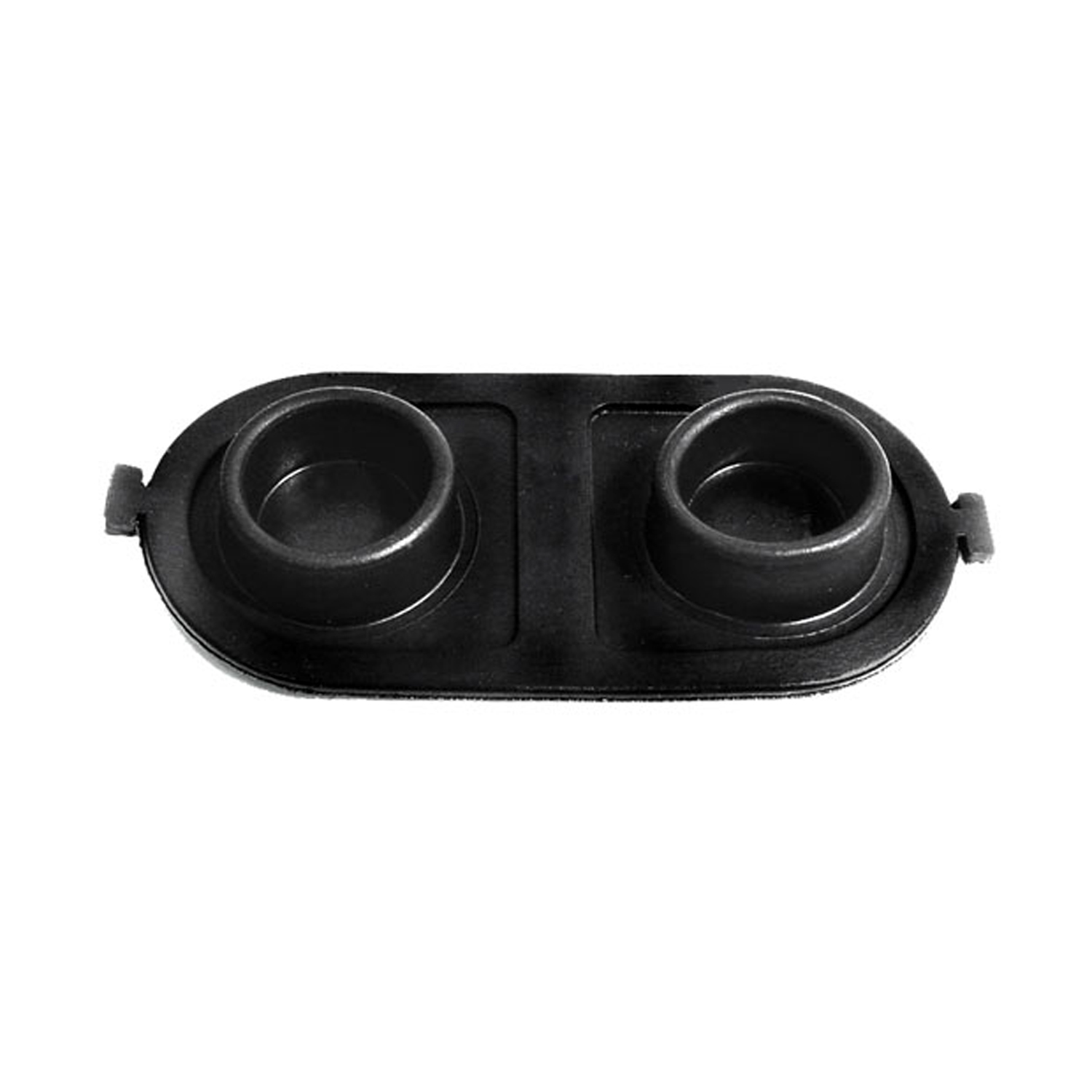 1975 Pontiac Grand LeMans Brake Master Cylinder Cover Seal. Replaces OEM #5470861-RP 2-EBrake Master Cylinder Cover Seal. Replaces OEM #5470861. 5" X 2-1/2". Each
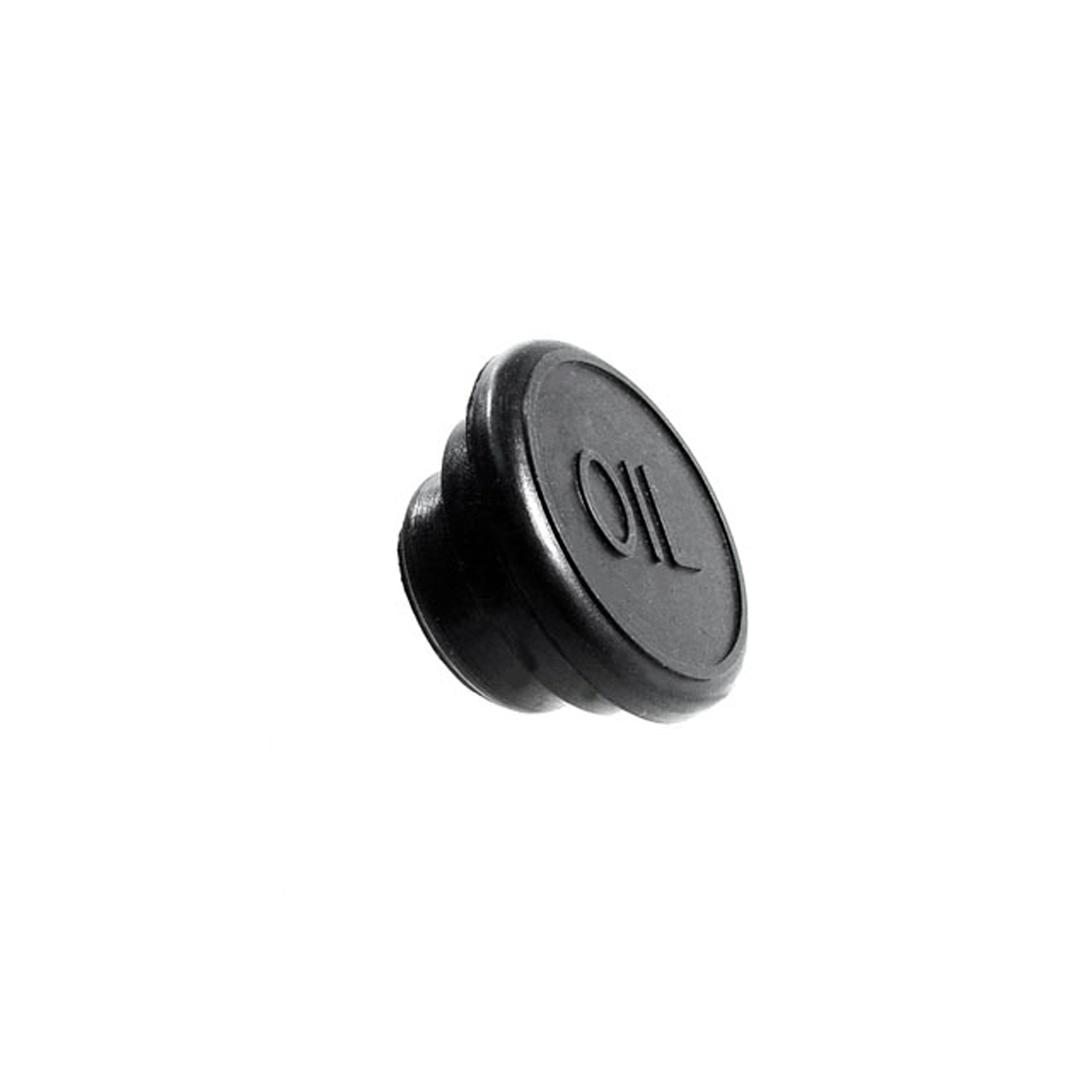 1975 Pontiac Grand LeMans Oil Filler Hole Cap. Made of rubber-RP 8Oil Filler Hole Cap. Made of rubber. Fits a 1-3/16" to 1-1/4" hole. Each
 1975 Pontiac Grand LeMans Front Roof Rail Seals-RR 5019-SFront Roof Rail Seals. Fits 4-door stationwagon and 4-door pillared hardtop sedans. Pair
 1975 Pontiac Grand LeMans Rear Roof Rail Seals. Fits 4-door stationwagon. Pair-RR 5019-TRear Roof Rail Seals. Fits 4-door stationwagon. Pair
 1975 Pontiac Grand LeMans Tailgate Seal for 4-Door Station Wagons. Each-TG 15Tailgate Seal for 4-Door Station Wagons. Each
 1975 Pontiac Grand LeMans Trunk Seal. Each-TK 46-E/16Trunk Seal. Each
 1975 Pontiac Grand LeMans Unbeaded Door and Trunk Lock Gasket. 1-3/16" O.D., 7/8" I.D-UM 1600-100Unbeaded Door and Trunk Lock Gasket. 1-3/16" O.D., 7/8" I.D. Each
 1975 Pontiac Grand LeMans Windshield Reveal Molding Clip. Made of steel-WF 203Windshield Reveal Molding Clip. Made of steel. 5/8" x 15/16". Each
 1975 Pontiac Grand LeMans Rear Quarter Window Molding Clip. Made of steel-WF 204Rear Quarter Window Molding Clip. Made of steel. 3/4" x 1-3/8". Each
 1975 Pontiac Grand LeMans Quarter Window Reveal Molding Clip. Made of Steel-WF 205Quarter Window Reveal Molding Clip. Made of Steel. 1-3/8" X 11/16". Each
 1975 Pontiac Grand LeMans Rear Window Reveal Molding Clip. For Station Wagons-WF 208Rear Window Reveal Molding Clip. For Station Wagons. Made of steel. 5/8" x 3/4". Each
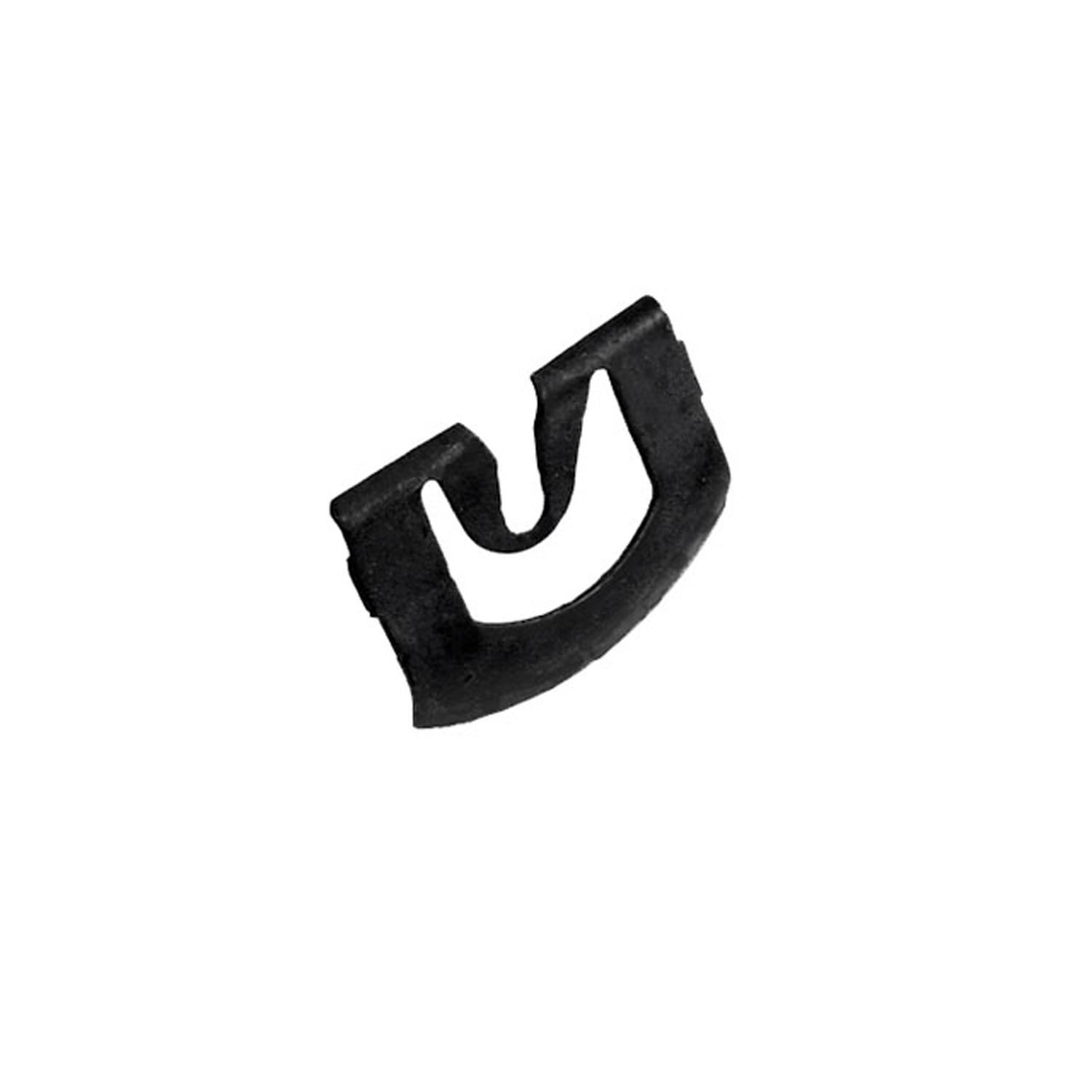 1975 Pontiac Grand LeMans Windshield Reveal Molding Clip. Made of steel. 13/16" x 1"-WF 209Windshield Reveal Molding Clip. Made of steel. 13/16" x 1". Each
 1975 Pontiac Grand LeMans Rear Windshield Reveal Molding Clip. Made of steel-WF 211Rear Windshield Reveal Molding Clip. Made of steel. 15/16" X 3/4". Each
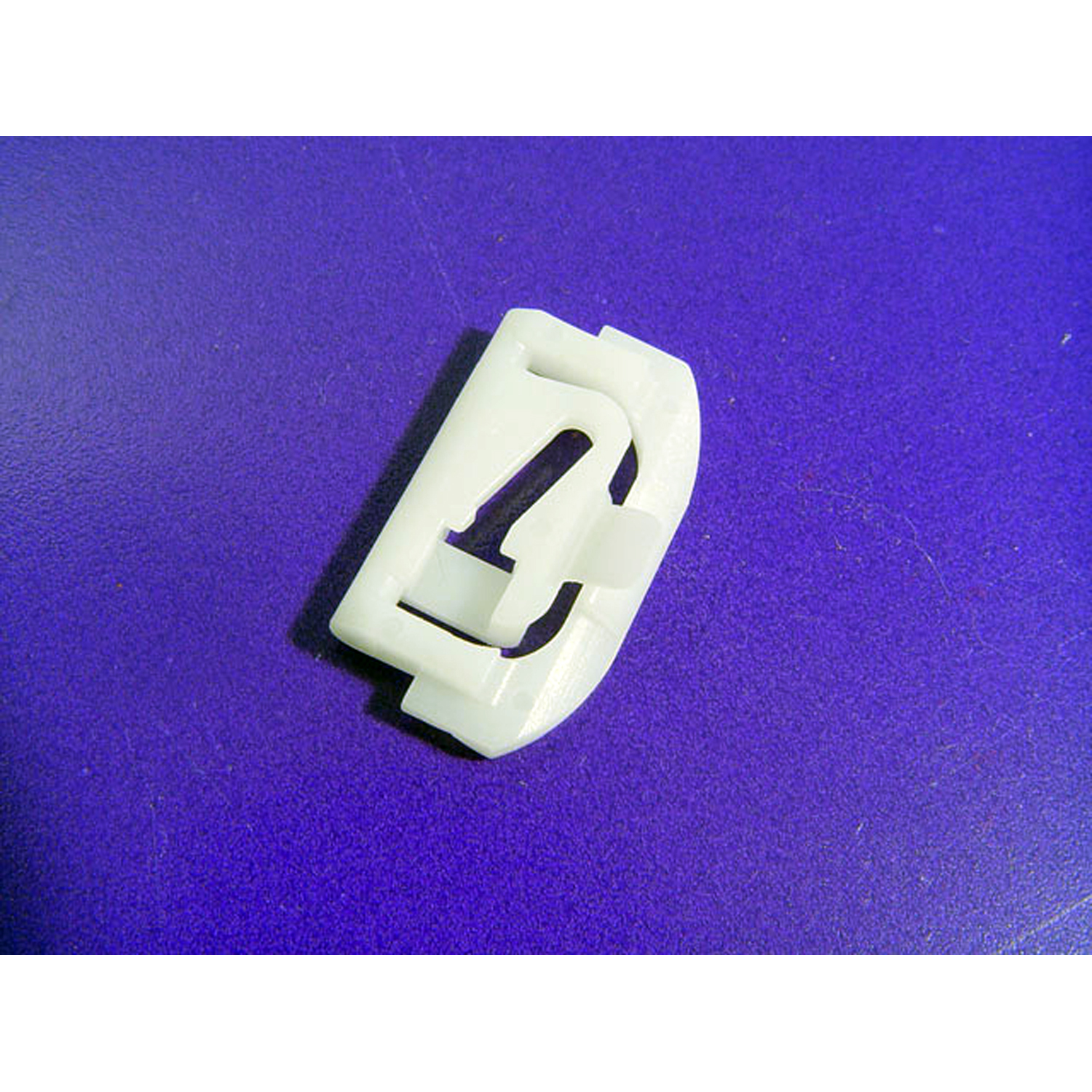 1975 Pontiac Grand LeMans Lower Side Window Reveal Molding Clip. Made of nylon-WF 214Lower Side Window Reveal Molding Clip. Made of nylon. 1-1/4" x 3/4". Each
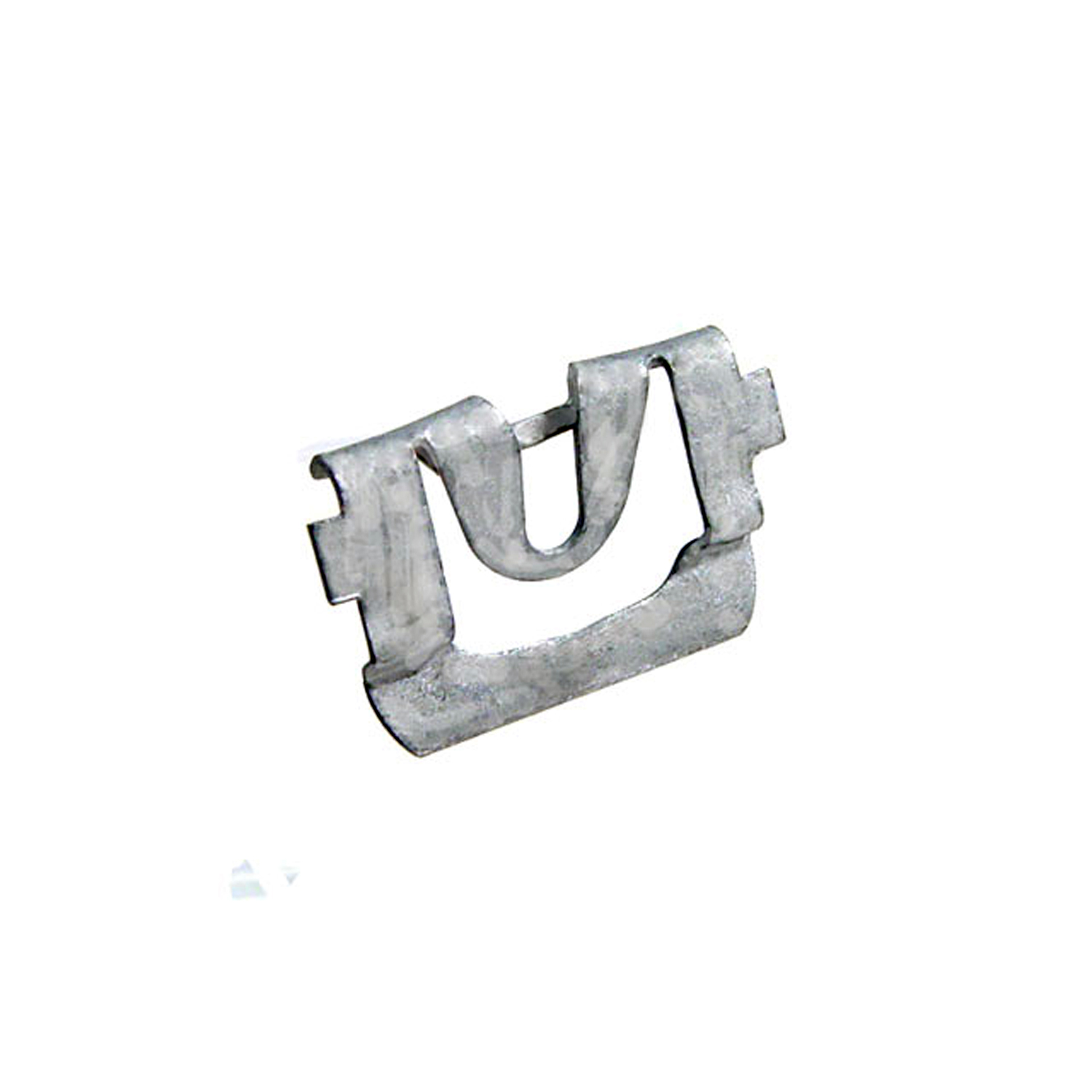 1975 Pontiac Grand LeMans Windshield Reveal Molding Clip. Made of steel-WF 223Windshield Reveal Molding Clip. Made of steel. 1/1/8" X 3/4". Each
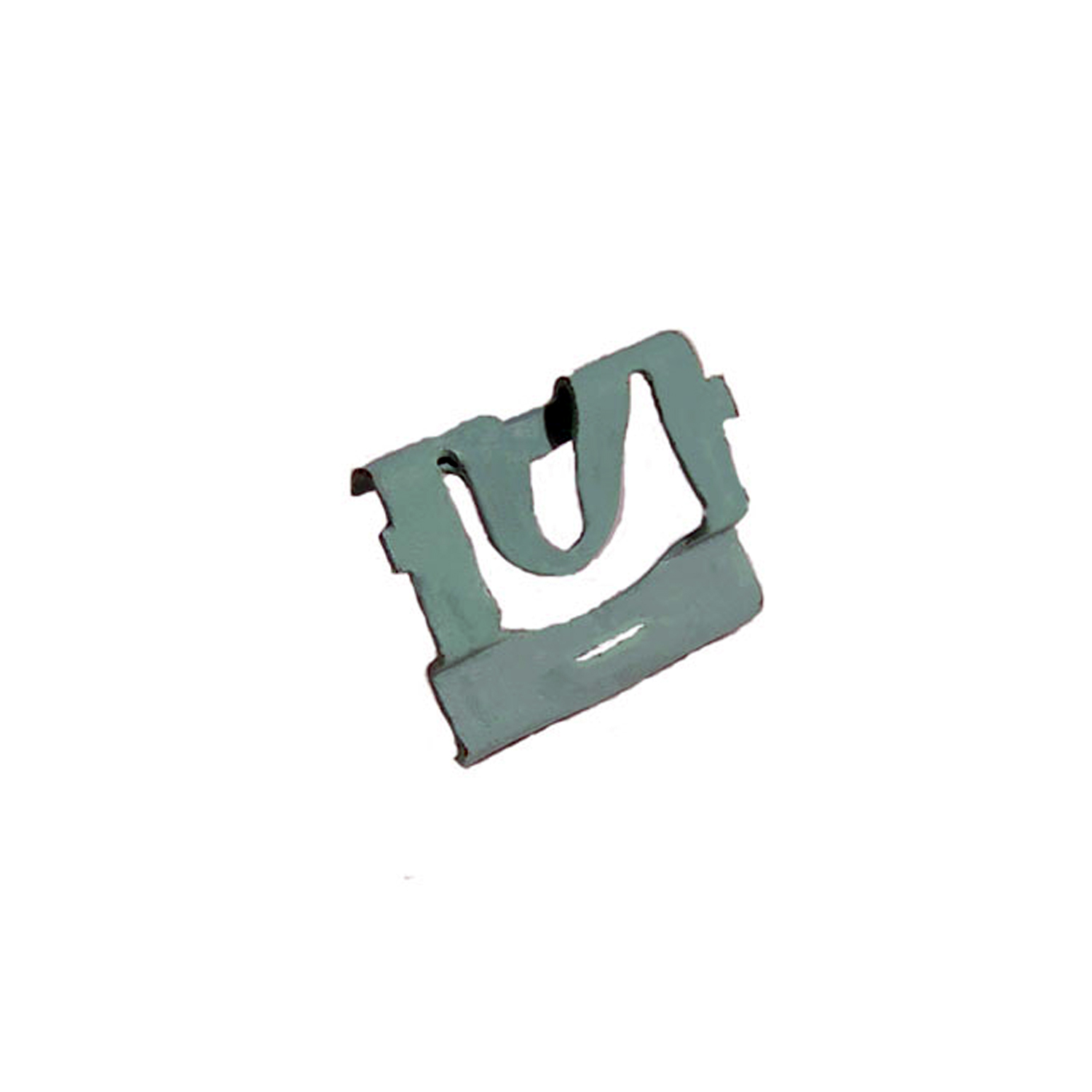 1975 Pontiac Grand LeMans Windshield Reveal Molding Clip. Made of steel-WF 224Windshield Reveal Molding Clip. Made of steel. 1-1/4" X 3/4". Fits many models. Each
Why Choose Metro?
For over 100 years, Metro Moulded Parts has been the pinnacle of quality in classic car restoration parts. Our commitment to precision and authenticity in every component ensures a perfect fit and an OEM-level appearance.
- Expert Craftsmanship & Quality: Each part is a testament to our dedication to reliability and perfection, crafted from original designs and thoroughly tested.
- Advanced Technology: We use cutting-edge techniques to create flawless, long-lasting parts that surpass others in performance.
- SuperSoft Sponge – The Ultimate Door Seal: Not only are our door seals 30% softer than competitors', but they're also guaranteed to never leak. They effectively reduce wind and road noise, enhancing your classic car's comfort and driving experience.
- Proudly American: Our parts are a product of American craftsmanship, made in the USA with a spirit of excellence and heritage.
- Unrivaled Warranty: We back our products with a 30-year industry-leading warranty, a testament to our confidence in their quality.
Join us in preserving the legacy of classic cars with parts that are crafted for perfection, not just made.