

Image of 1976 Pontiac Bonneville, Note: These illustrations use artistic license and may differ from actual historical models.
Performance Metrics
Fundamental Metrics
Emotional Appeal
MMP Rating
| Engine Specifications | |
|---|---|
| Engine: | 400 cu in (6.6 L) V8, 455 cu in (7.5 L) V8 |
| Displacement: | 400-455 cu in |
| Horsepower: | 185-200 hp (estimated) |
| Torque: | 310-330 lb-ft (estimated) |
| Compression Ratio: | 8.0:1 (estimated) |
| Ignition System: | Electronic ignition |
| Cooling System: | Liquid-cooled |
| Performance Specifications | |
| 0-60 Time: | 10-12 seconds (estimated) |
| 1/4 Mile Time: | 17-19 seconds (estimated) |
| Top Speed: | 115-120 mph (estimated) |
| Transmission and Drive | |
| Drive Type: | Rear-wheel drive |
| Transmission Type: | 3-speed automatic, 4-speed manual |
| Fuel and Efficiency | |
| Fuel System Type: | Carburetor |
| MPG: | 10-12 mpg (estimated) |
| Dimensions and Brakes | |
| Brakes: | Front disc, rear drum |
| Wheelbase: | 124 inches |
| Weight: | 4,500-4,800 lbs (estimated) |
Note: Specifications for classic cars are given to the best of our ability, considering the limited and variant data available.
1976 Pontiac Bonneville: The Last Big Bonneville
The 1976 Pontiac Bonneville brought classic American full-size luxury close to the end of an era. Built by Pontiac, a division of General Motors, it paired a long, imposing body with a V8, a generous cabin, and the kind of cushioned ride that made sense on wide highways and open roads. The model arrived in Pontiac’s 50th-anniversary year, and it was also among the final full-size Bonnevilles before GM’s major 1977 downsizing.
Bonneville had a much longer history than this particular car. Pontiac introduced the name in 1957 on a limited run of high-performance Star Chief convertibles. The name nodded to Utah’s Bonneville Salt Flats, famous for land-speed record attempts. By 1976, the Bonneville had evolved into a full-size comfort-and-prestige model, but its name still carried a little of that speedway glamour.
There is a pleasing historical twist to the 1976 model: it represents the mature, substantial Bonneville just before a smaller generation took over. It was also the last model year for Pontiac’s 455-cubic-inch V8, making a 455-equipped Bonneville an especially appealing snapshot of the brand’s big-engine era.
Full-Size Styling and Brougham Comfort
The 1976 Bonneville makes its presence known through sheer scale. Its long hood, broad body sides, formal rooflines, and generous overhangs give it the unmistakable proportions of a mid-1970s American luxury car. A bold chrome grille, rectangular headlamps, substantial bumpers, and bright trim complete the look. The styling is more stately than sporty, with a measured, upright character that suits the car’s road-going role.
Inside, the Bonneville offered a roomy bench-seat environment, with generous space for passengers in both rows. Depending on trim and equipment, buyers could choose cloth, vinyl, or richer velour upholstery. The Bonneville Brougham emphasized a more luxurious feel with upgraded trim and appointments. Woodgrain accents, plush carpeting, padded surfaces, and broad, comfortable seats helped create a cabin designed for long-distance travel rather than tight, driver-focused motoring.
Available features varied with trim and options. Power steering and power brakes made the big Pontiac easier to manage, while buyers could add air conditioning, power windows and locks, cruise control, tilt steering, an AM/FM radio, and rear-window defogging. Many cars paired a V8 with Pontiac’s Turbo-Hydramatic three-speed automatic transmission. These were not cutting-edge electronics, but they were desirable conveniences in a large luxury car of the period.
Period paint choices ranged across familiar mid-1970s colors, including whites, blacks, blues, reds, greens, and earth tones such as gold, copper, and brown. Tasteful metallic finishes and subdued colors suit the Bonneville’s formal image particularly well. Exact availability depended on the model and factory ordering choices, so a car’s original paint code is worth checking when assessing a survivor.
Coupe, Sedan, or Safari Wagon
The 1976 Bonneville was available in several full-size body styles: a two-door coupe, a four-door sedan, and the Safari station wagon. The coupe has a sleek, personal-luxury look, while the sedan delivers the classic formal profile and easy access that many buyers wanted. The Safari wagon adds a substantial cargo area and family-friendly practicality to the Bonneville formula.
Bonneville and Bonneville Brougham versions gave buyers a choice between well-equipped comfort and a more upscale presentation. The Brougham is often the most immediately recognizable luxury interpretation, though the best body style is a matter of taste. The coupe tends to attract attention at shows, while the sedan and Safari make particularly convincing period road cars.
Why the 1976 Bonneville Matters
The Bonneville did not introduce a revolutionary new technology in 1976. Its significance lies in how clearly it represents the final chapter of a particular American design tradition. Before downsizing, a full-size car could be defined by its long wheelbase, expansive passenger space, V8 power, and soft highway ride. The Bonneville delivered all of those qualities in a polished Pontiac package.
It also reflects the pressures shaping the industry. Rising fuel costs, emissions requirements, and changing expectations were pushing manufacturers toward smaller, more efficient cars. In 1977, GM introduced substantially downsized full-size models. The 1976 Bonneville therefore stands as a final-year example of the large-body formula, not because it was the last full-size car ever built, but because it marked the end of this particular generation’s scale and character.
Compared with many contemporaries, the Bonneville balanced size and comfort with Pontiac’s more expressive styling. It was less sporting than a muscle car and less formal than an ultra-luxury flagship, occupying a useful middle ground: a roomy, well-appointed V8 cruiser for buyers who wanted a little more personality than a purely conservative sedan offered.
V8 Power and Highway Manners
Engine availability depended on body style, trim, and ordering configuration. The 400-cubic-inch Pontiac V8 was a common choice, while the larger 455 was available on selected versions. Output figures for the period should be read as approximate SAE net ratings, which measure power differently from the gross ratings used earlier in the 1970s. Depending on engine and carburetion, figures were generally in the roughly 170-to-200-horsepower range. The 455’s appeal was not just its size, but its relaxed low-speed torque.
Exact performance varied with engine, axle ratio, vehicle condition, and test method. As a broad estimate, a healthy 400-powered Bonneville could take around 10 to 12 seconds to reach 60 mph from a stop; a 455-equipped example might manage roughly 9 to 11 seconds. Estimated top speed is in the neighborhood of 110 to 120 mph, though these cars were built for comfortable cruising, not sustained high-speed driving. Tires, brakes, and overall mechanical condition matter far more than a theoretical maximum.
On a straight highway, the Bonneville feels settled and unhurried. The steering is power-assisted and relatively light, and the suspension is tuned to absorb rough pavement rather than communicate every road texture. It glides over ordinary bumps, though a worn suspension can make the body feel floaty or loose. On a winding road, its size and soft setup are obvious: it leans through corners and asks for smooth, deliberate inputs. It is a cruiser, not a sports sedan.
The engine note is a low, familiar V8 rumble, especially under acceleration. The automatic transmission shifts without fuss, and the cabin encourages a relaxed driving position. A well-maintained example feels calm and substantial, with the driver guiding a large car rather than hustling a nimble one. That unhurried character is central to the Bonneville experience.
Living With a Classic Bonneville
Most 1976 Bonnevilles today are used as weekend cruisers, show cars, or nostalgic touring vehicles. A sound example can handle local errands and highway trips, but its fuel consumption, full-size footprint, and age make it less practical as a modern daily driver. Parking spaces and narrow streets can feel particularly small from behind the wheel.
Mechanical repairs are generally approachable for an owner with basic tools and experience. The V8 and Turbo-Hydramatic transmission are conventional, and many maintenance tasks follow familiar American-car routines. Parts availability is reasonable for common service items, though Bonneville-specific trim, body pieces, interior components, and wagon parts can take more searching. Before buying, inspect the frame and body for rust, check that the transmission shifts cleanly, and look carefully for cooling-system problems, electrical faults, and worn suspension components.
Because these cars are heavy, tired brakes, old tires, and loose steering parts can have a major effect on safety and handling. A full mechanical inspection is a better investment than judging a car by shiny paint or a smooth idle alone. Correcting deferred maintenance can quickly cost more than expected on a large, aging car.
Bonneville Trivia and Common Criticisms
The Bonneville name began on a limited-production 1957 model inspired by the Salt Flats, but by 1976 it represented a broad, comfortable family of full-size cars. The 1976 model also belongs to Pontiac’s 50th-anniversary year. Its most notable engine footnote is the 455 V8: 1976 was the final model year for Pontiac’s traditional 455-cubic-inch engine.
The Bonneville is not known for setting a major production-car speed or endurance record, and its appeal is not based on racing history. Its importance is more everyday and cultural. Cars like it filled American roads, carried families across long distances, and represented a familiar idea of domestic comfort during a period of rapid change.
Common criticisms are easy to understand. The car is thirsty by modern standards, large to maneuver, and not especially quick in base form. Its soft suspension can feel vague on twisty roads, while aging interiors and exterior trim can be difficult to restore perfectly. Those drawbacks are part of the period package, but they are also why a well-kept Bonneville feels so different from a modern car.
1976 Pontiac Bonneville Values
Values depend heavily on rust, originality, body style, engine, and the quality of any restoration. As a broad current-market estimate, a project car might sell for about $2,000 to $5,000. A usable driver could fall in the $7,000 to $15,000 range, while a clean, well-preserved example may bring roughly $15,000 to $25,000. A high-quality restoration or unusually original car could reach $30,000 or more, particularly if it has desirable equipment and strong documentation. These are general estimates, not a formal appraisal.
Exact production totals can be difficult to summarize because figures may be separated by body style and trim. A reasonable working estimate for the 1976 Bonneville model family is around 85,000 cars, with the actual total depending on which versions are included. That makes the model uncommon today, but not exceptionally rare in collector-car terms. Finding a good one can be harder than finding a project because large, unexceptional cars were often driven hard and then scrapped.
Values have tended to remain more approachable than those of muscle cars and convertibles from the same era. The market is generally steady, with the best original or expertly restored cars holding the strongest appeal. A 455-powered example, a well-preserved Brougham, or a sound Safari wagon may attract extra interest, but condition and completeness usually matter more than a single option.
A Comfortable Farewell to an Era
The 1976 Pontiac Bonneville combines imposing full-size styling, a spacious and well-appointed cabin, traditional V8 power, and a relaxed ride. It is not a sports car, a fuel miser, or a technological trailblazer. Its lasting appeal comes from being a refined example of the big American cruiser just before downsizing changed the formula.
For collectors, it offers a distinctive and relatively accessible way to experience Pontiac’s final full-size era. For drivers, it delivers a slow, comfortable, unmistakably vintage kind of travel. The 1976 Bonneville may be best remembered not for how fast it went, but for how effortlessly it made the road feel wide.
1976 Pontiac Bonneville Catalog of Parts
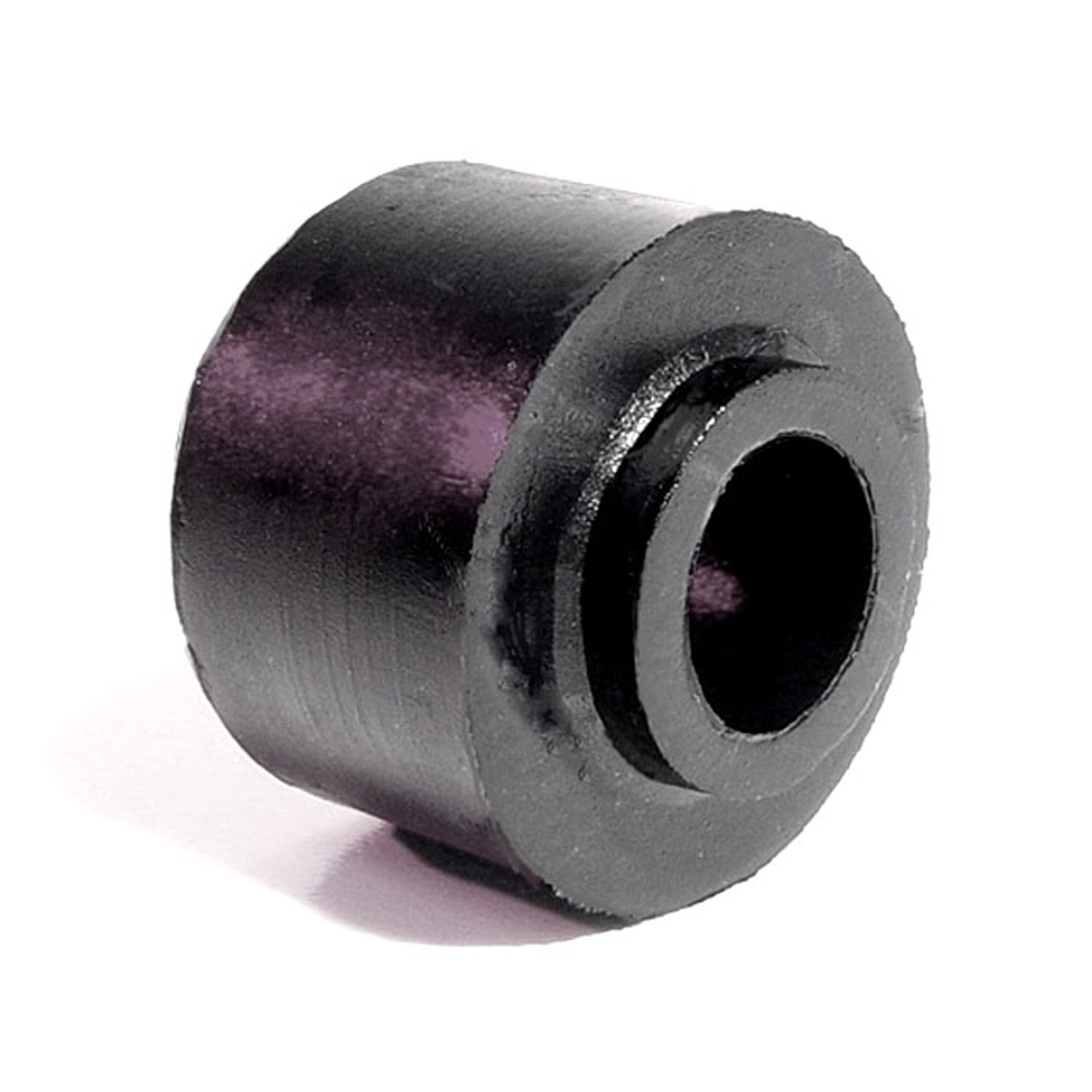 1976 Pontiac Bonneville Shock Absorber Grommet. 1" bottom O.D., 3/4" high-BN 1Shock Absorber Grommet. 1" bottom O.D., 3/4" high., with 7/16" I.D. Each
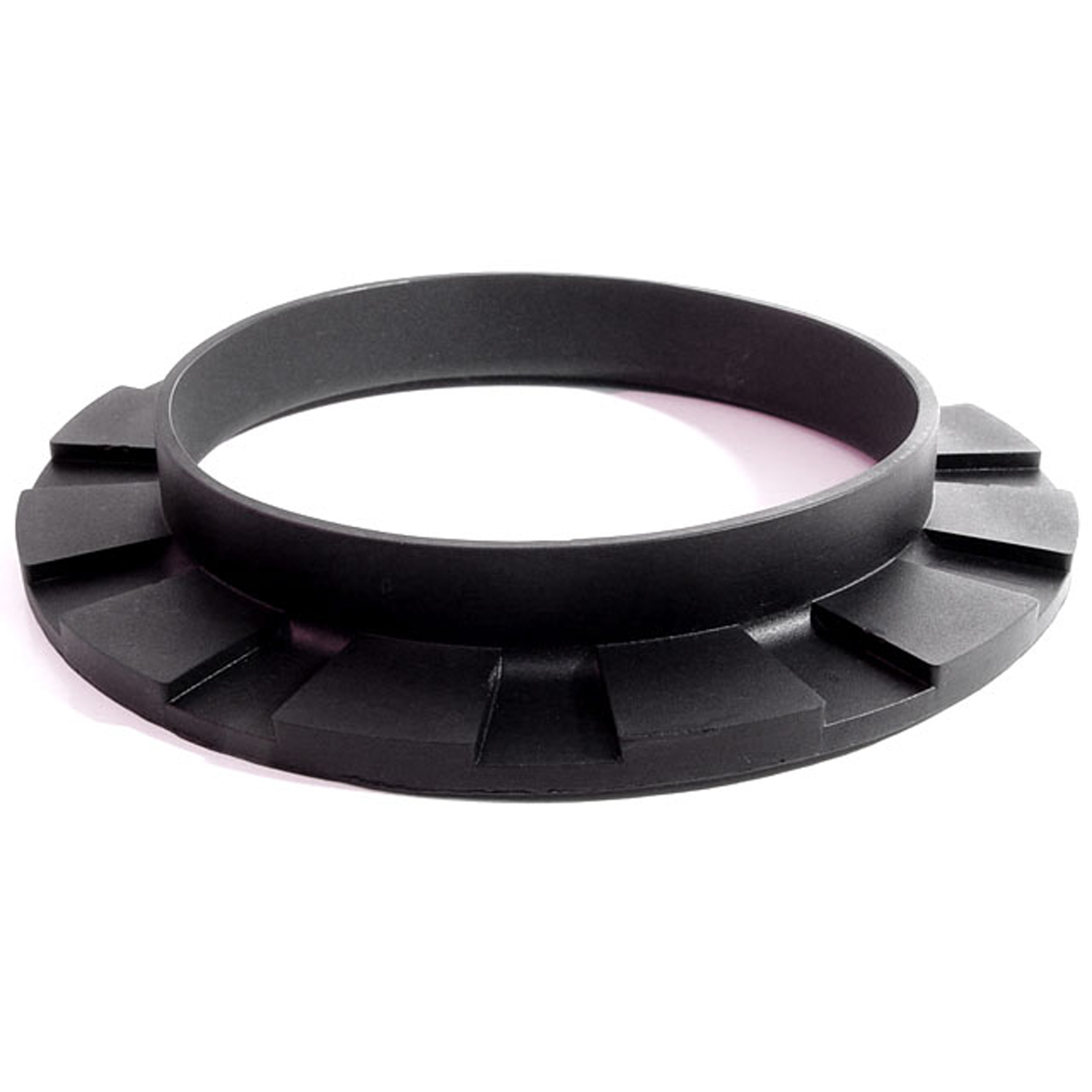 1976 Pontiac Bonneville Front coil-spring insulator-BN 110Front coil-spring insulator. Fits '41-'60 Oldsmobile and '50-'83 GM passenger models. 5-3/8 in. OD x 3-3/4 in. ID x 3/4 in. high with 13/16 in. wide bottom flange 1/4" thick, 12 flutes. Each.
 1976 Pontiac Bonneville Rear coil-spring insulator 1961-72 GM A-Body-BN 111Coil spring insulators are a great way to prevent metal-on-metal contact and noise. Manufactured to OEM specifications for a precise fit, these coil spring insulators are made of rubber and are used between the coil spring and the frame of your ride. 3-3/4 in. OD, 2-1/8 in. ID, 5/8 in. high with 3/16 in. , wide bottom flange 1/4 in. thick.
 1976 Pontiac Bonneville Molded Door Seals. For 2-door hardtops and convertibles-LM 12-HMolded Door Seals. For 2-door hardtops and convertibles. Replaces OEM #9824514/5. Pair R&L
 1976 Pontiac Bonneville Front Molded Door Seals-LM 16-GFront Molded Door Seals. For 4-door sedan and wagon, with RWD. Each is 138-1/2" long. Pair R&L
 1976 Pontiac Bonneville Rear Molded Door Seals. For 4-door sedan only, with RWD-LM 16-G/SRear Molded Door Seals. For 4-door sedan only, with RWD. Each is 129" long. Pair R&L
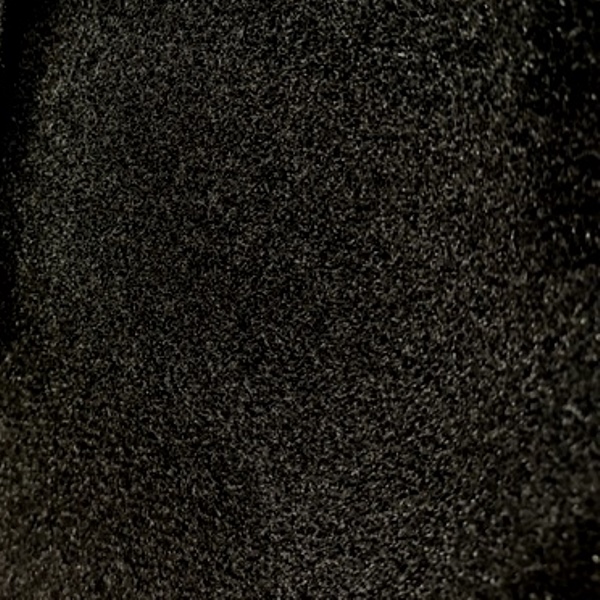 1976 Pontiac Bonneville Trunk Liner. Loose weave, jet black. 50" wide-M 30Trunk Liner. Loose weave, jet black. 50" wide. Sold by the foot
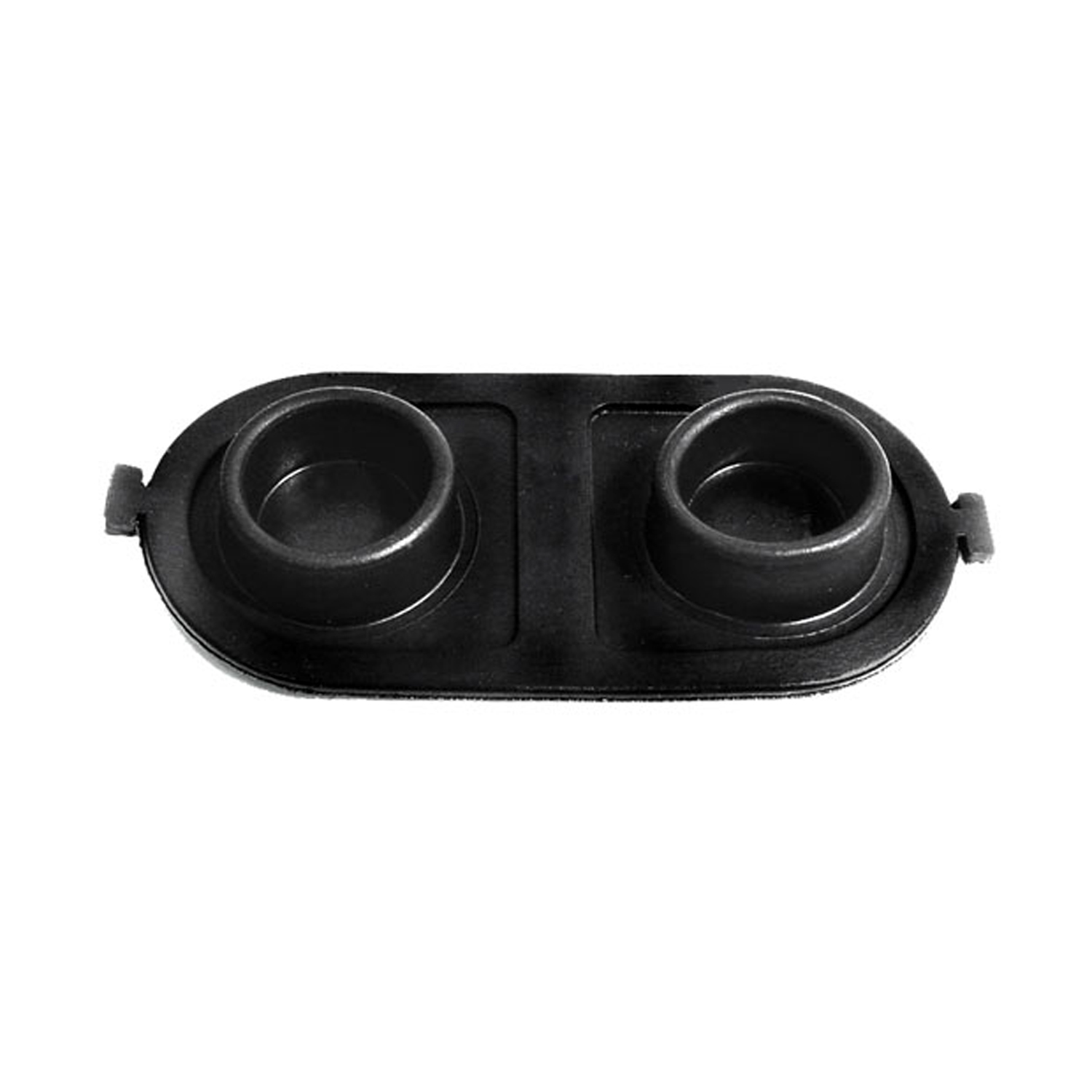 1976 Pontiac Bonneville Brake Master Cylinder Cover Seal. Replaces OEM #5470861-RP 2-EBrake Master Cylinder Cover Seal. Replaces OEM #5470861. 5" X 2-1/2". Each
 1976 Pontiac Bonneville Roof Rail Seals with Molded Ends. For 2-door hardtop-RR 5018Roof Rail Seals with Molded Ends. For 2-door hardtop. Pair R&L
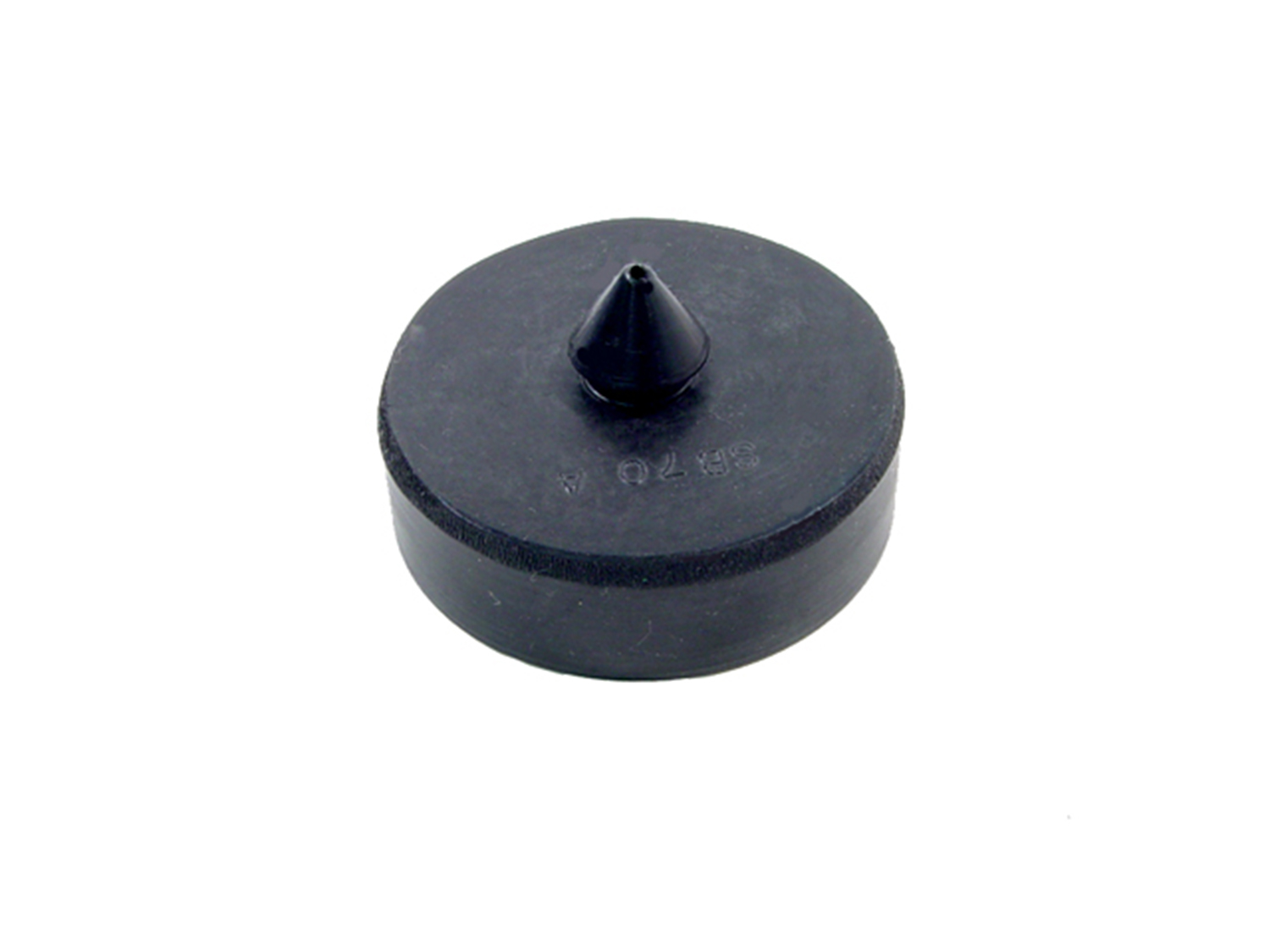 1976 Pontiac Bonneville Front door window stop bumper. ’70-’81 GM passenger cars-SB 70-AFront door window stop bumper. '70-'81 GM passenger cars. Dense rubber. Replaces OEM# 9810036. Each.
 1976 Pontiac Bonneville Trunk Seal. Each-TK 46-E/18Trunk Seal. Each
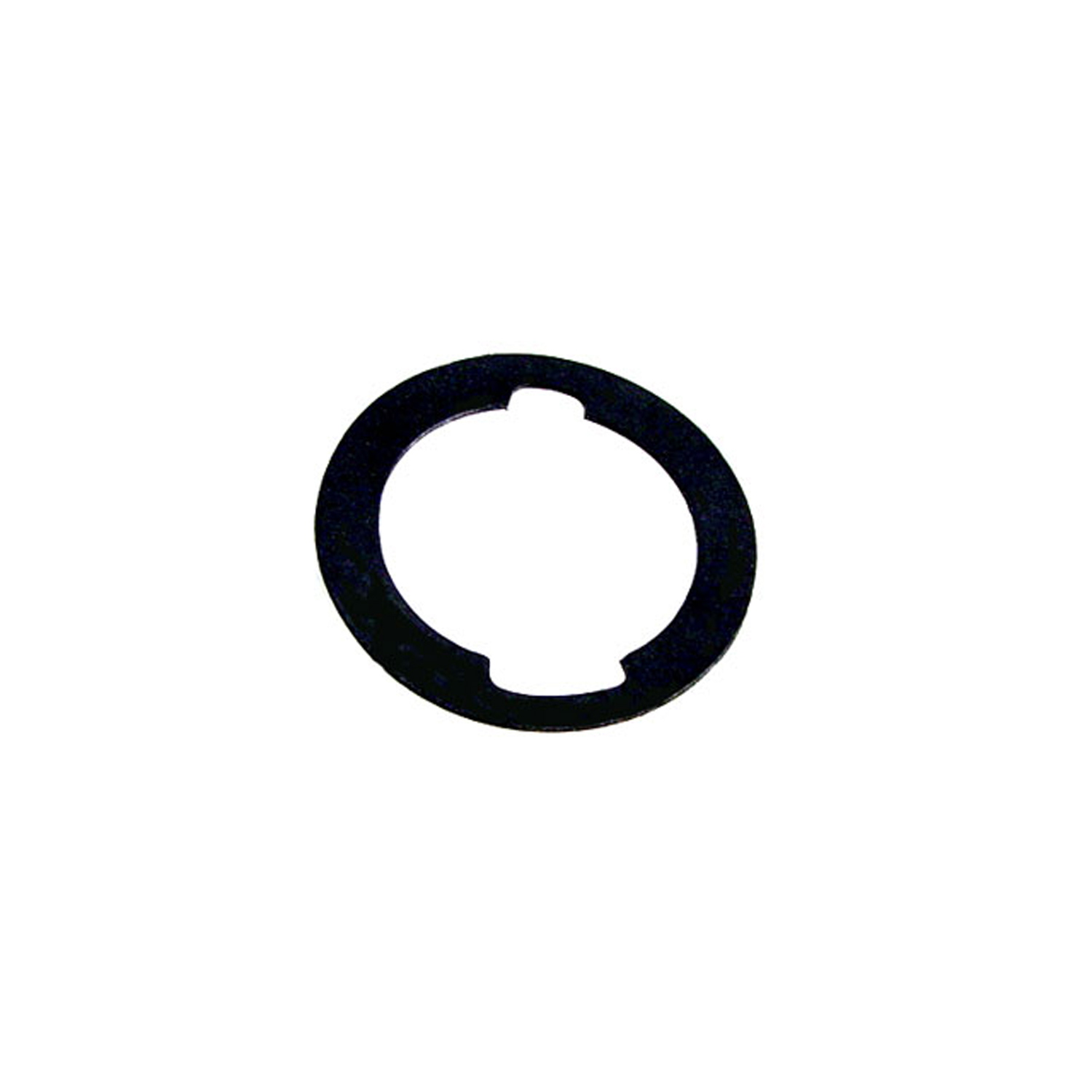 1976 Pontiac Bonneville Unbeaded Door and Trunk Lock Gasket. 1-3/16" O.D., 7/8" I.D-UM 1600-100Unbeaded Door and Trunk Lock Gasket. 1-3/16" O.D., 7/8" I.D. Each
 1976 Pontiac Bonneville Rear Roll-Up Quarter Window Seals, made with steel core-VS 3-NRear Roll-Up Quarter Window Seals, made with steel core. For 2-Door Hardtops and Convertibles. 18" Long. Pair
 1976 Pontiac Bonneville Rear Roll-Up Quarter Window Seals, for 4-Door Hardtops-VS 3-YRear Roll-Up Quarter Window Seals, for 4-Door Hardtops. 19-1/8" Long. Pair
 1976 Pontiac Bonneville Window sweepers, 71-76 Pontiac Bonneville 2 Door Hardtop-WC 8200-72Window Sweeper, 71-76 Pontiac Bonneville 2 Door Hardtop, Outer Sweeps Only. 4 Piece Set.
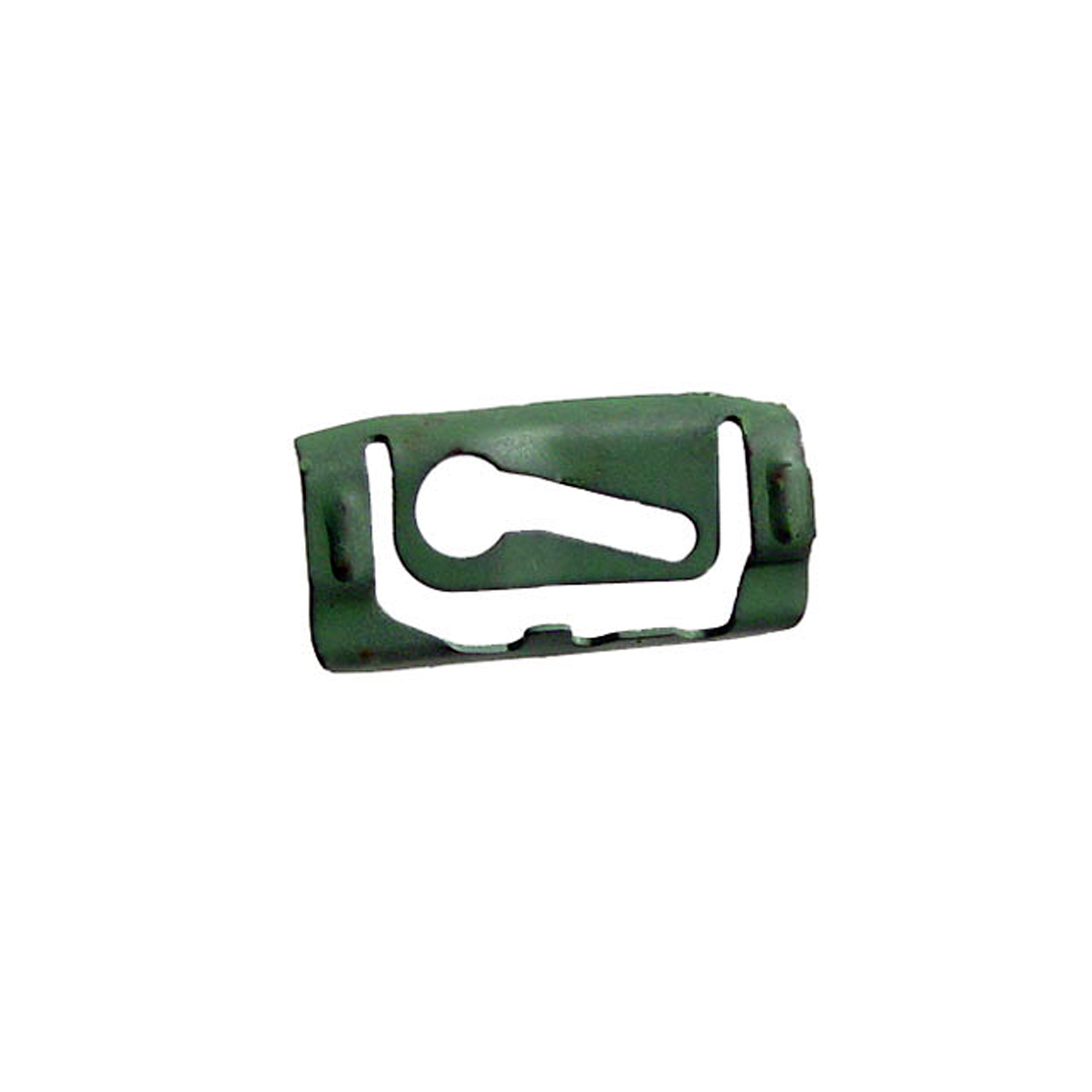 1976 Pontiac Bonneville Quarter Window Reveal Molding Clip. Made of Steel-WF 205Quarter Window Reveal Molding Clip. Made of Steel. 1-3/8" X 11/16". Each
 1976 Pontiac Bonneville Rear Window Reveal Molding Clip. For Station Wagons-WF 208Rear Window Reveal Molding Clip. For Station Wagons. Made of steel. 5/8" x 3/4". Each
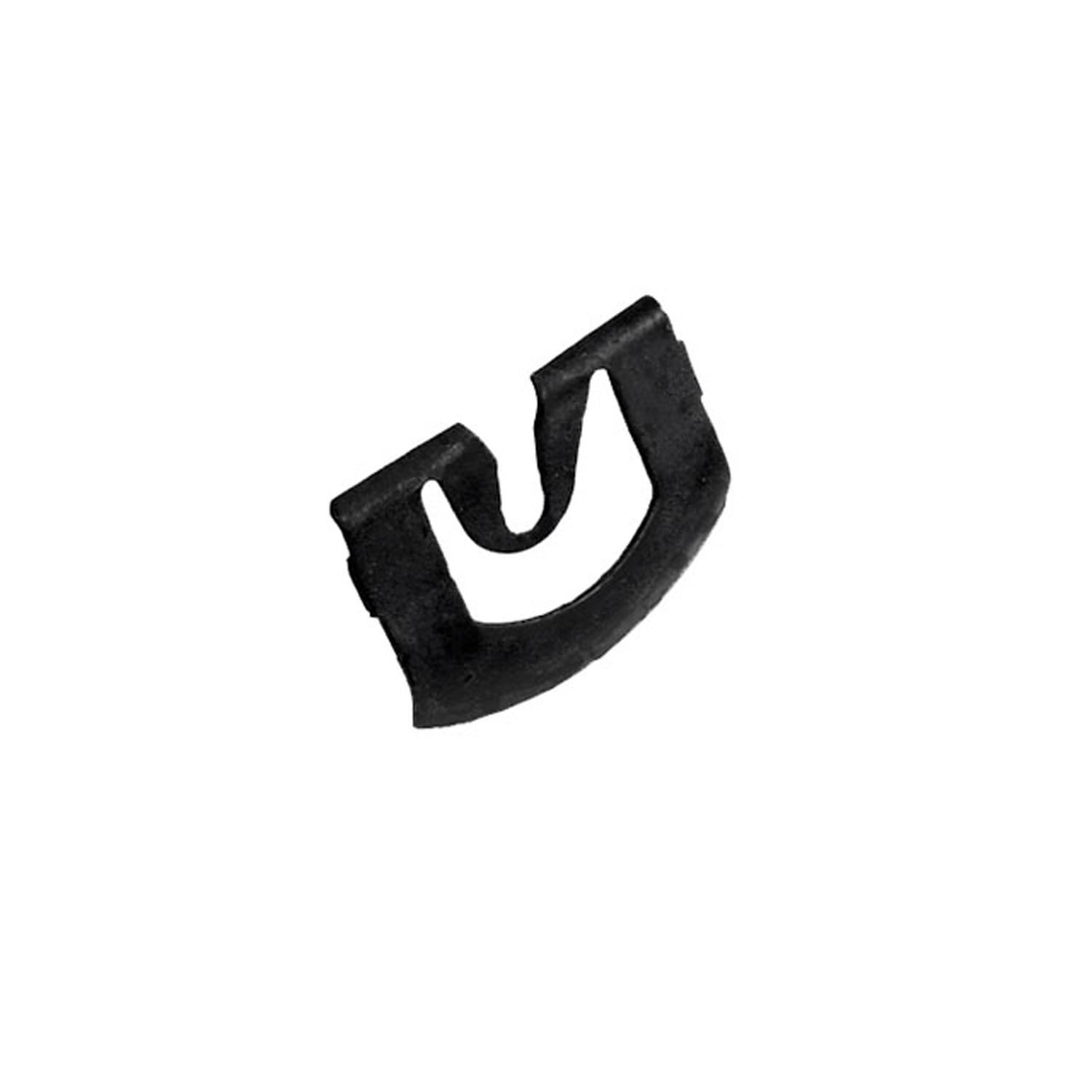 1976 Pontiac Bonneville Windshield Reveal Molding Clip. Made of steel. 13/16" x 1"-WF 209Windshield Reveal Molding Clip. Made of steel. 13/16" x 1". Each
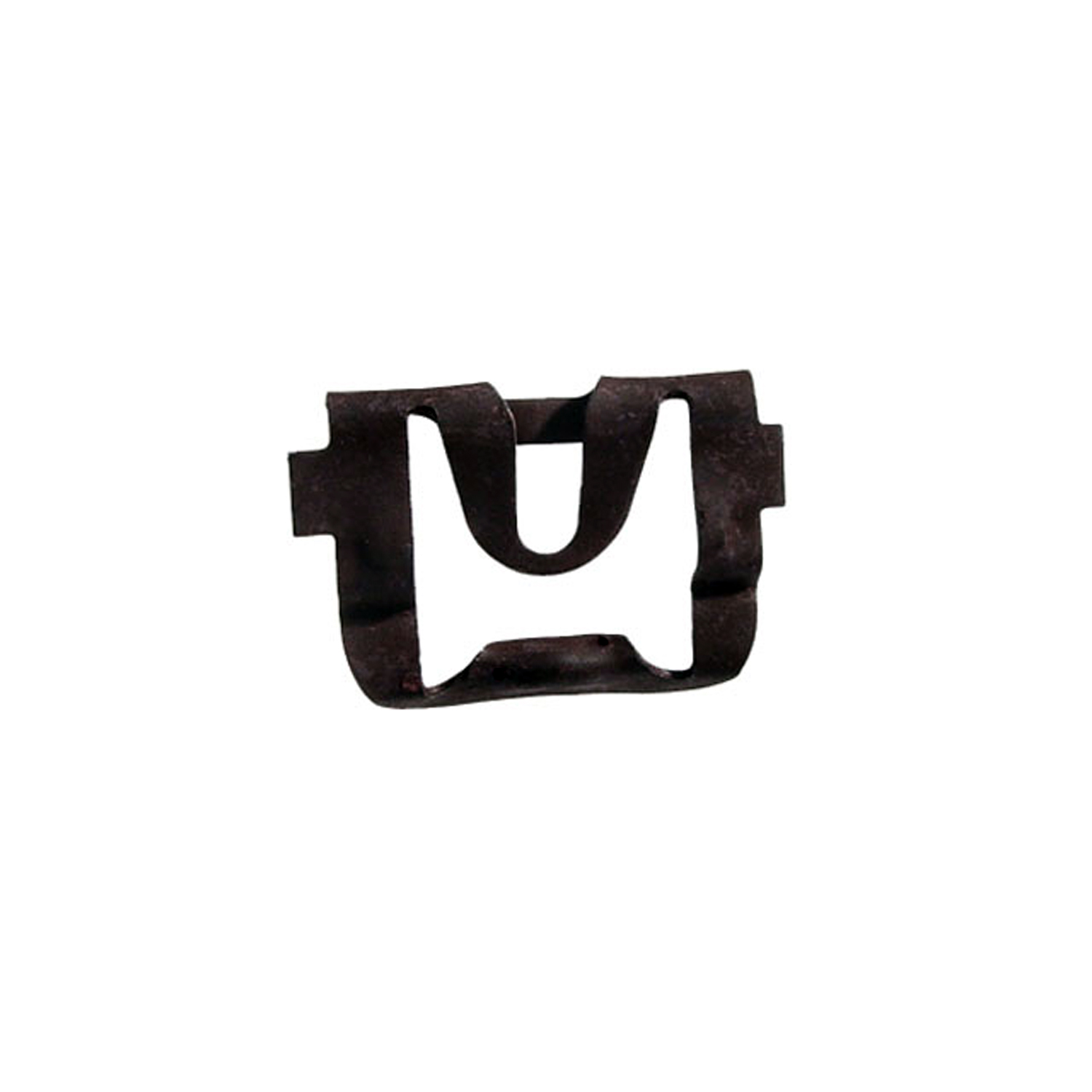 1976 Pontiac Bonneville Rear Windshield Reveal Molding Clip. Made of steel-WF 211Rear Windshield Reveal Molding Clip. Made of steel. 15/16" X 3/4". Each
 1976 Pontiac Bonneville Rear Windshield Reveal Molding Clip. Made of steel-WF 213Rear Windshield Reveal Molding Clip. Made of steel. 7/8" X 5/8". Each
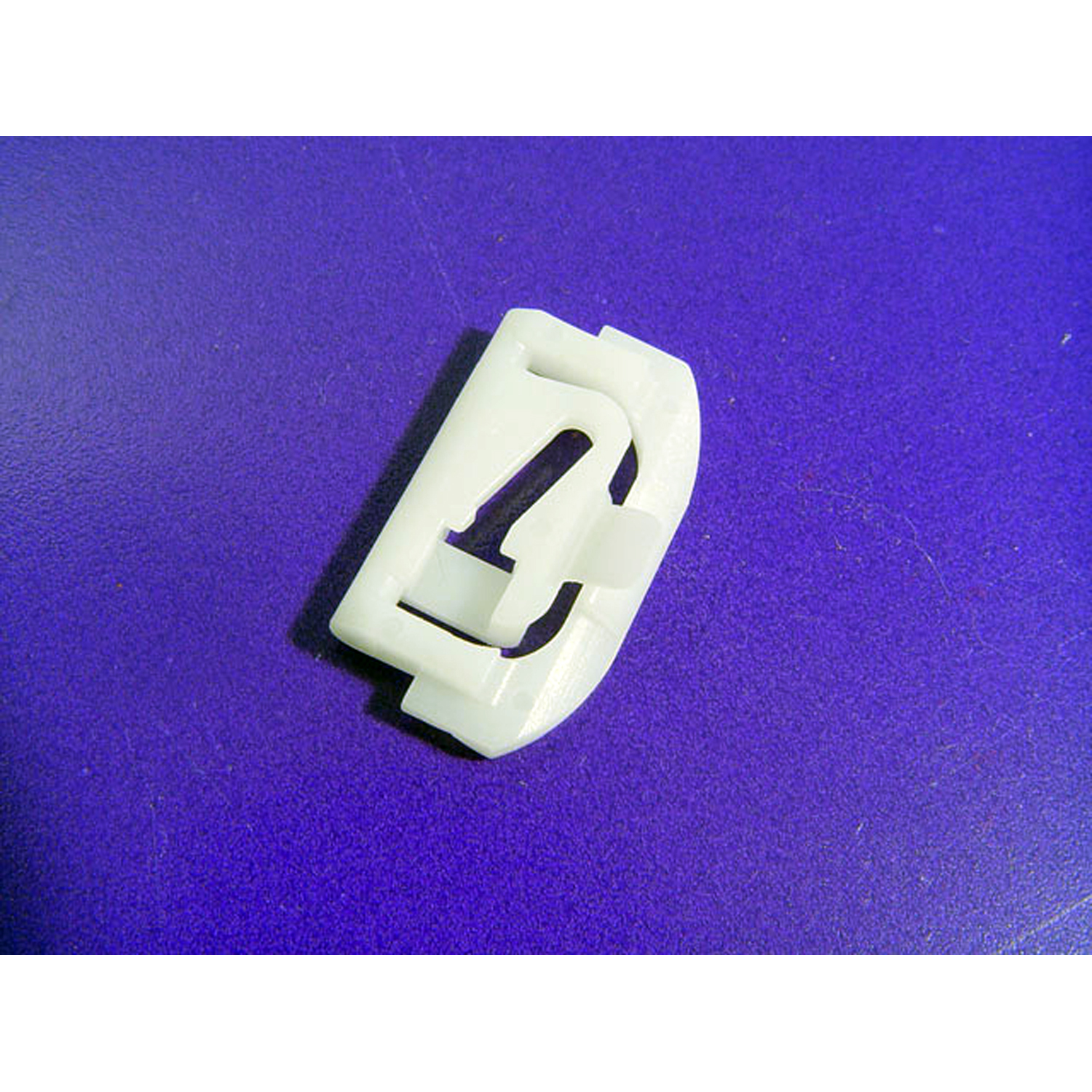 1976 Pontiac Bonneville Lower Side Window Reveal Molding Clip. Made of nylon-WF 214Lower Side Window Reveal Molding Clip. Made of nylon. 1-1/4" x 3/4". Each
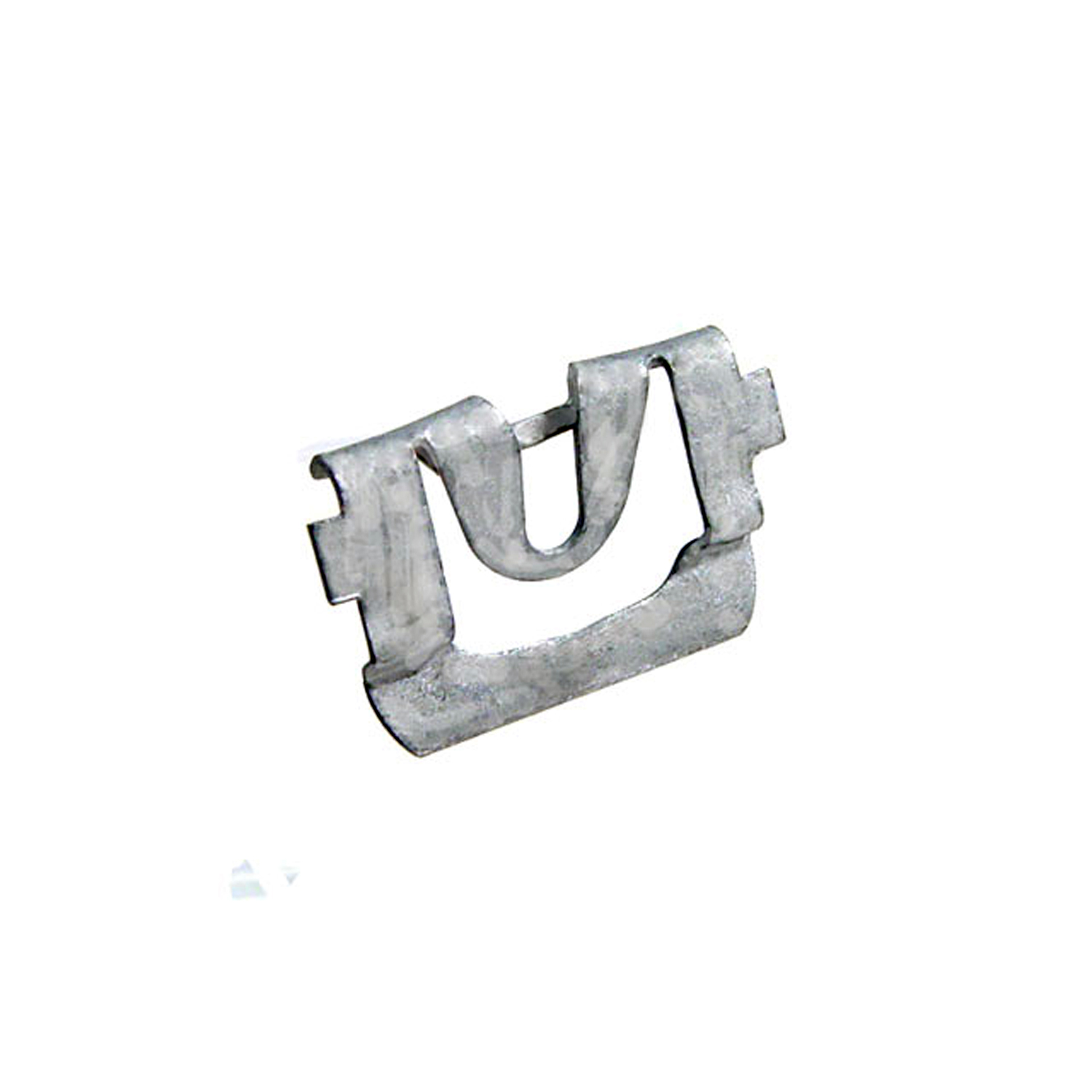 1976 Pontiac Bonneville Windshield Reveal Molding Clip. Made of steel-WF 223Windshield Reveal Molding Clip. Made of steel. 1/1/8" X 3/4". Each
Why Choose Metro?
For over 100 years, Metro Moulded Parts has been the pinnacle of quality in classic car restoration parts. Our commitment to precision and authenticity in every component ensures a perfect fit and an OEM-level appearance.
- Expert Craftsmanship & Quality: Each part is a testament to our dedication to reliability and perfection, crafted from original designs and thoroughly tested.
- Advanced Technology: We use cutting-edge techniques to create flawless, long-lasting parts that surpass others in performance.
- SuperSoft Sponge – The Ultimate Door Seal: Not only are our door seals 30% softer than competitors', but they're also guaranteed to never leak. They effectively reduce wind and road noise, enhancing your classic car's comfort and driving experience.
- Proudly American: Our parts are a product of American craftsmanship, made in the USA with a spirit of excellence and heritage.
- Unrivaled Warranty: We back our products with a 30-year industry-leading warranty, a testament to our confidence in their quality.
Join us in preserving the legacy of classic cars with parts that are crafted for perfection, not just made.