

Image of 1982 Pontiac Parisienne, Note: These illustrations use artistic license and may differ from actual historical models.
Performance Metrics
Fundamental Metrics
Emotional Appeal
MMP Rating
| Engine Specifications | |
|---|---|
| Engine Options: | 4.4L V8, 5.0L V8, 5.7L V8 |
| Displacement Range: | 267-350 cu in |
| Horsepower Range: | 115-170 hp (estimated) |
| Torque: | 210-275 lb-ft (estimated) |
| Compression Ratio: | 8.0:1 - 8.6:1 (estimated) |
| Ignition System: | Electronic ignition |
| Cooling System: | Liquid-cooled |
| Performance Specifications | |
| 0-60 Time: | 11-13 seconds (estimated) |
| 1/4 Mile Time: | 18-20 seconds (estimated) |
| Top Speed: | 105-115 mph (estimated) |
| Transmission and Drive | |
| Drive Type: | Rear-wheel drive |
| Transmission Type: | 3-speed automatic, 4-speed automatic |
| Fuel and Efficiency | |
| Fuel System Type: | Carburetor |
| MPG: | 15-20 mpg (estimated) |
| Dimensions and Brakes | |
| Brakes: | Front disc, rear drum |
| Wheelbase: | 116.0 in |
| Weight: | 3,500-3,800 lbs (estimated) |
Note: Specifications for classic cars are given to the best of our ability, considering the limited and variant data available.
1982 Pontiac Parisienne: A Full-Size Pontiac With Canadian Roots
The 1982 Pontiac Parisienne brought traditional American full-size comfort into an era increasingly shaped by downsizing, fuel economy, and front-wheel drive. Built by General Motors of Canada, it combined Pontiac’s distinctive grille and trim with the sturdy, rear-wheel-drive B-body platform shared with Chevrolet’s full-size cars. The result was a roomy, formal-looking cruiser with a character all its own.
The Parisienne name had a longer history in Canada, where it had been part of Pontiac’s lineup for decades. The 1982 model belongs to the final generation of traditional, body-on-frame Parisiennes. It is also an interesting transition-year car for US buyers: the name returned to the American Pontiac lineup for 1983, while Canadian drivers could already buy a Parisienne in 1982.
That cross-border story is part of the car’s appeal. Canadian Pontiacs often paired Pontiac styling and badging with Chevrolet-based mechanical components, a practical approach that helped GM serve a smaller market without engineering an entirely separate car. The Parisienne was not a Pontiac luxury car in the European sense. It was a big, comfortable North American sedan, coupe, or wagon designed to cover long distances with ease.
Square Shoulders and Plush Full-Size Style
The 1982 Parisienne wore the clean, squared-off styling that defined late-1970s and early-1980s American cars. Its long hood, upright cabin, broad rear quarters, and formal roofline gave it a stately presence without the excess chrome of earlier land yachts. At the front, Pontiac’s split grille and bold hood ornament helped distinguish it from its Chevrolet cousins. The overall look was conservative, but unmistakably Pontiac.
Inside, the Parisienne leaned into comfort. Depending on trim and equipment, buyers could find velour or cloth upholstery, vinyl seating, padded door panels, carpeting, woodgrain-look accents, and a wide bench seat. The cabin’s generous width made it easy for a front-seat passenger to sit comfortably alongside the driver, while the large rear bench offered proper full-size legroom. Brougham versions emphasized the upscale side of the car with more elaborate trim and softer upholstery.
Technology was practical rather than futuristic. Available conveniences included power steering, power brakes, power windows and locks, cruise control, air conditioning, and an AM/FM stereo, depending on the car’s specification. The dashboard was straightforward and easy to read, with large controls that could be operated without much fuss. In an era before digital displays and complex driver aids, the Parisienne’s appeal was its simplicity.
Paint and trim choices varied by market, model, and equipment. Period palettes typically included subdued metallics, blues, greens, reds, browns, and classic neutrals such as white and silver. Darker colors suited the car’s formal profile, while white and light metallic shades were popular choices for buyers who wanted a cooler-looking, more traditional cruiser. Exact availability should be checked against the Canadian or US brochure for the car’s original market.
Depending on market and equipment, the Parisienne range included a four-door sedan, a two-door coupe, and the Safari station wagon. The sedan is the classic full-size choice, while the Safari is especially appealing today for its long roof, generous cargo space, and distinctly period-correct family-hauler character. Availability of particular body styles and trims could differ between Canada and the United States.
Why the Parisienne Matters
The Parisienne was part of GM’s downsized B-body generation, introduced in 1977. Downsizing did not mean making the car small: it meant trimming exterior dimensions and weight compared with the enormous full-size cars of the early 1970s while preserving a spacious cabin and a comfortable ride. That balance helped full-size rear-wheel-drive cars remain useful even as fuel-conscious buyers began looking toward smaller vehicles.
What set the Canadian Parisienne apart was its combination of Pontiac identity and shared GM engineering. Its styling gave it a different face from a Chevrolet Caprice, but common components made servicing and parts sourcing more straightforward. This sort of brand-specific styling over shared platforms became a defining feature of Detroit’s approach to building cars efficiently.
The Parisienne was not a technological landmark or a performance trendsetter. Its significance is more representative: it shows how traditional full-size cars adapted to changing times without giving up rear-wheel drive, a roomy cabin, or a soft-riding chassis. Its later return to the US market also made the Parisienne one of the most recognizable examples of a Canadian-built Pontiac reaching American buyers.
Performance, Ride, and Road Manners
Engine and equipment choices varied by market, so there is no single performance figure that applies to every 1982 Parisienne. Common configurations used a Chevrolet-derived 3.8-liter V6 or small-block V8s, with availability depending on the original market and specification. Some cars were equipped with a diesel V8. Most versions paired their engine with an automatic transmission and rear-wheel drive. Check the vehicle’s VIN, emissions label, and original documentation before assuming which powertrain it has.
As a broad guide, a typical V8 Parisienne could reach roughly 100 to 110 mph under suitable conditions. A 0-to-60-mph run was generally in the neighborhood of 10 to 14 seconds, with the engine, axle ratio, transmission, condition, and load making a noticeable difference. These are estimates, not a single factory-published figure for every configuration. The V6 and diesel models were generally more about steady cruising than quick acceleration.
On the road, the Parisienne favors calm progress over sharp responses. Its long wheelbase and soft suspension help it glide over broken pavement and highway expansion joints, while the body-on-frame construction gives it the substantial feel many buyers wanted in a full-size car. On a winding road, expect body lean, modest grip by modern standards, and steering that feels slower and less precise than a contemporary sedan. It is happiest on open roads, not being hustled through tight corners.
The driving experience is part of the charm. A V8 model delivers a low, relaxed engine note, and the automatic transmission encourages smooth rather than hurried inputs. The wide bench seat, generous windows, and soft ride create a classic cruising atmosphere. The trade-off is that the car can feel ponderous in traffic and requires more attention when parking than a modern compact.
Living With a 1982 Parisienne
Most Parisiennes were built for family transport, commuting, and long-distance travel. The Safari wagon could handle luggage, household projects, and family road trips, while the sedan and coupe offered comfortable everyday transportation. Today, surviving examples are more likely to be used as weekend cruisers, show cars, or nostalgic daily drivers than as racing projects. The car’s size and weight make it an unlikely choice for competitive motorsport.
Routine maintenance is familiar territory for anyone who has worked on a classic GM vehicle. Basic service items such as filters, belts, ignition parts, and many brake components are generally manageable for a home mechanic. Shared GM components can help with parts sourcing, although trim pieces, interior details, market-specific equipment, and body panels can take more searching.
Age and condition matter more than the badge. Check the frame and body for rust, especially around the floors, lower body panels, wheel openings, and areas that trap moisture. Inspect the cooling system, transmission, suspension bushings, steering components, brakes, and electrical accessories. A well-maintained car can be a pleasant and relatively straightforward classic to own, but neglected examples may need substantial work before they are dependable on the road.
Parisienne Trivia and Common Complaints
The name Parisienne had Canadian roots long before the 1982 model. It was used by Pontiac of Canada as part of its full-size lineup, making the car a small but notable example of how GM adapted its brands for different national markets. The 1982 Canadian model also arrived just before the Parisienne name returned to US Pontiac showrooms for the 1983 model year.
There is no widely recognized production record, speed record, or major racing legacy attached to the 1982 Parisienne. Its claim to fame is more everyday than heroic: it represents the last stretch of the traditional full-size Pontiac and the practical overlap between Canadian Pontiac identity and Chevrolet-based engineering.
Common criticisms are straightforward. The car is thirsty compared with modern vehicles, its handling is soft, and its large dimensions can be awkward in crowded cities. Some buyers also find its styling too conservative. For fans, those same traits are part of the appeal: the Parisienne is an unhurried, comfortable old-school cruiser rather than a sports sedan pretending to be something else.
Collector Values and Market Outlook
The 1982 Parisienne remains an affordable classic, and values depend heavily on body style, originality, rust, mechanical condition, and market. As a broad current-market estimate, a project car or rough driver might sell for about US$1,500 to US$4,000. A presentable, roadworthy example could fall around US$5,000 to US$10,000, while an especially clean, original car or desirable Safari wagon may reach roughly US$12,000 to US$18,000 or more. These are guide ranges, not guaranteed sale prices; local demand and currency can shift them considerably.
Exact 1982 production totals by model and body style are not consistently published in commonly available references. As an informed estimate rather than an official figure, total production across the Canadian range may have been in the tens of thousands, perhaps roughly 20,000 to 40,000 cars. The number of well-preserved survivors is much smaller, particularly for wagons and highly original examples.
Prices have generally remained modest compared with those of muscle cars and better-known luxury models. Clean examples have gained some attention as buyers rediscover comfortable, rear-wheel-drive classics, but the Parisienne is still more accessible than scarce or high-performance collectibles. Its strongest value proposition is likely to remain originality, excellent condition, and an appealing body style rather than speculative appreciation.
The Lasting Appeal of the 1982 Pontiac Parisienne
The 1982 Pontiac Parisienne is a comfortable, characterful full-size car from a turning point in American motoring. Its Canadian heritage, Pontiac styling, shared GM engineering, and choice of sedan, coupe, and wagon bodies make it more interesting than its quiet reputation might suggest.
It will not win over drivers looking for sharp handling or modern fuel economy. But for anyone who appreciates an easygoing V8, a soft highway ride, a spacious cabin, and the unmistakable presence of a classic GM cruiser, the Parisienne makes a persuasive case. It is a reminder that a car does not need to be fast or famous to earn a place in automotive history.
1982 Pontiac Parisienne Catalog of Parts
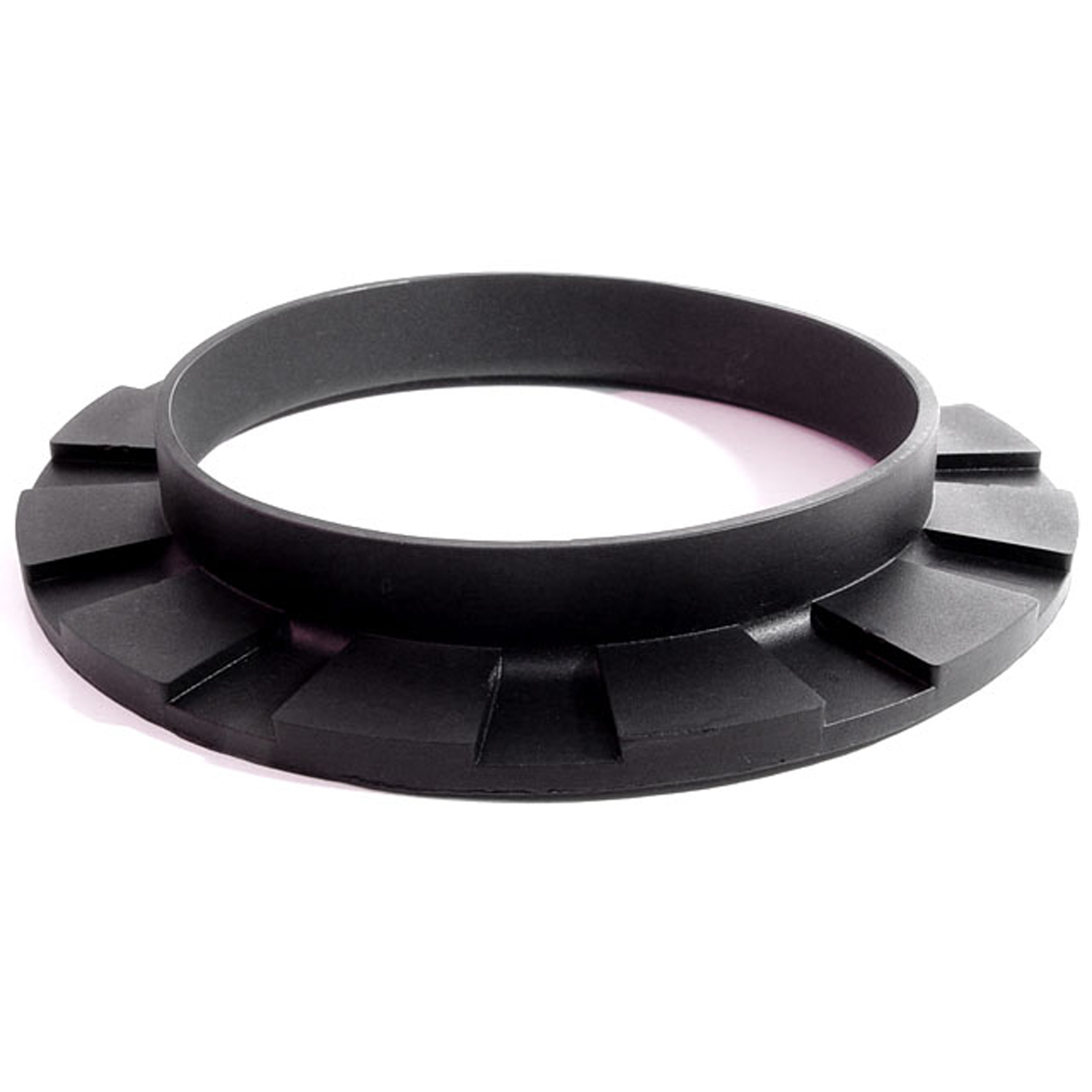 1982 Pontiac Parisienne Front coil-spring insulator-BN 110Front coil-spring insulator. Fits '41-'60 Oldsmobile and '50-'83 GM passenger models. 5-3/8 in. OD x 3-3/4 in. ID x 3/4 in. high with 13/16 in. wide bottom flange 1/4" thick, 12 flutes. Each.
 1982 Pontiac Parisienne Trunk Liner. Loose weave, jet black. 50" wide-M 30Trunk Liner. Loose weave, jet black. 50" wide. Sold by the foot
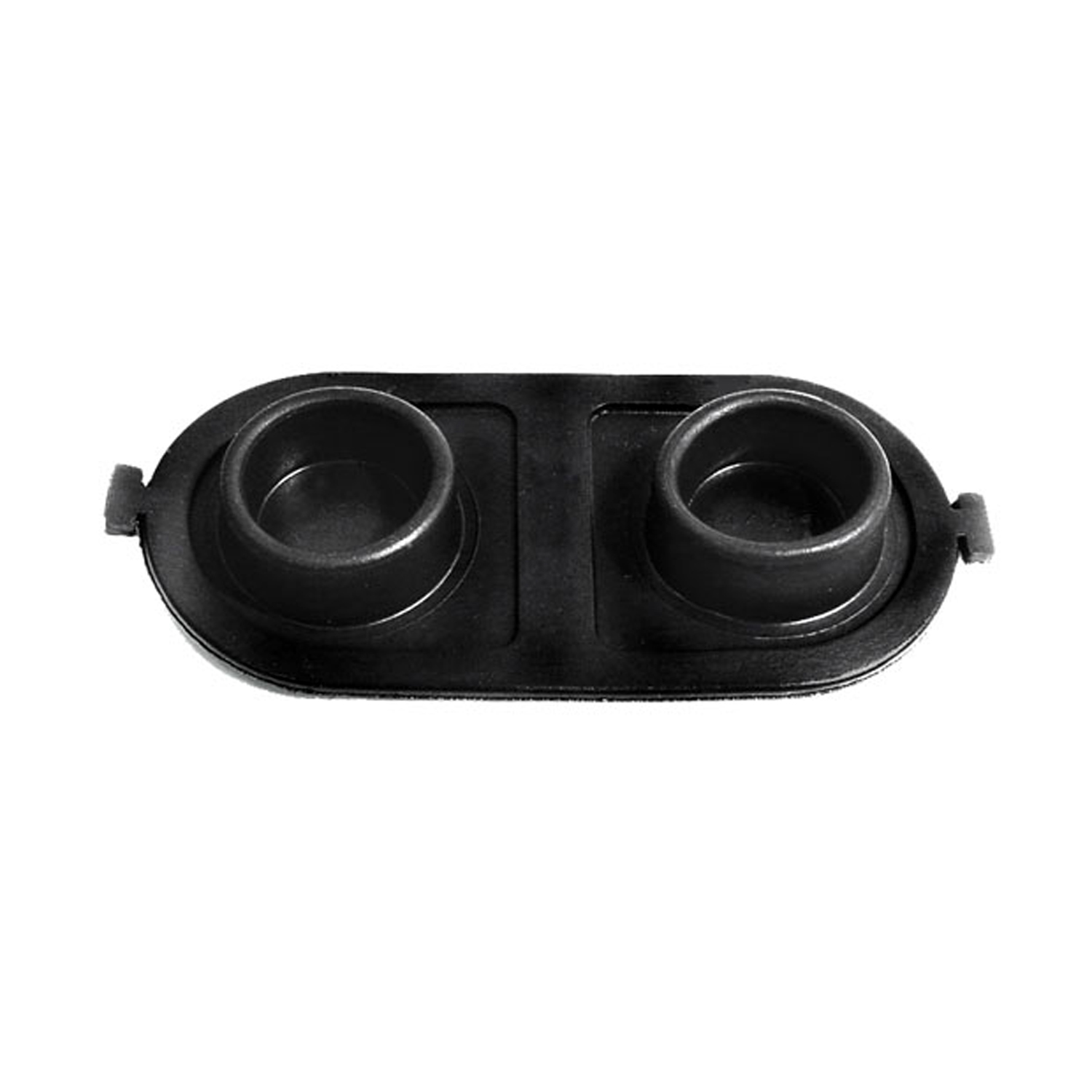 1982 Pontiac Parisienne Brake Master Cylinder Cover Seal. Replaces OEM #5470861-RP 2-EBrake Master Cylinder Cover Seal. Replaces OEM #5470861. 5" X 2-1/2". Each
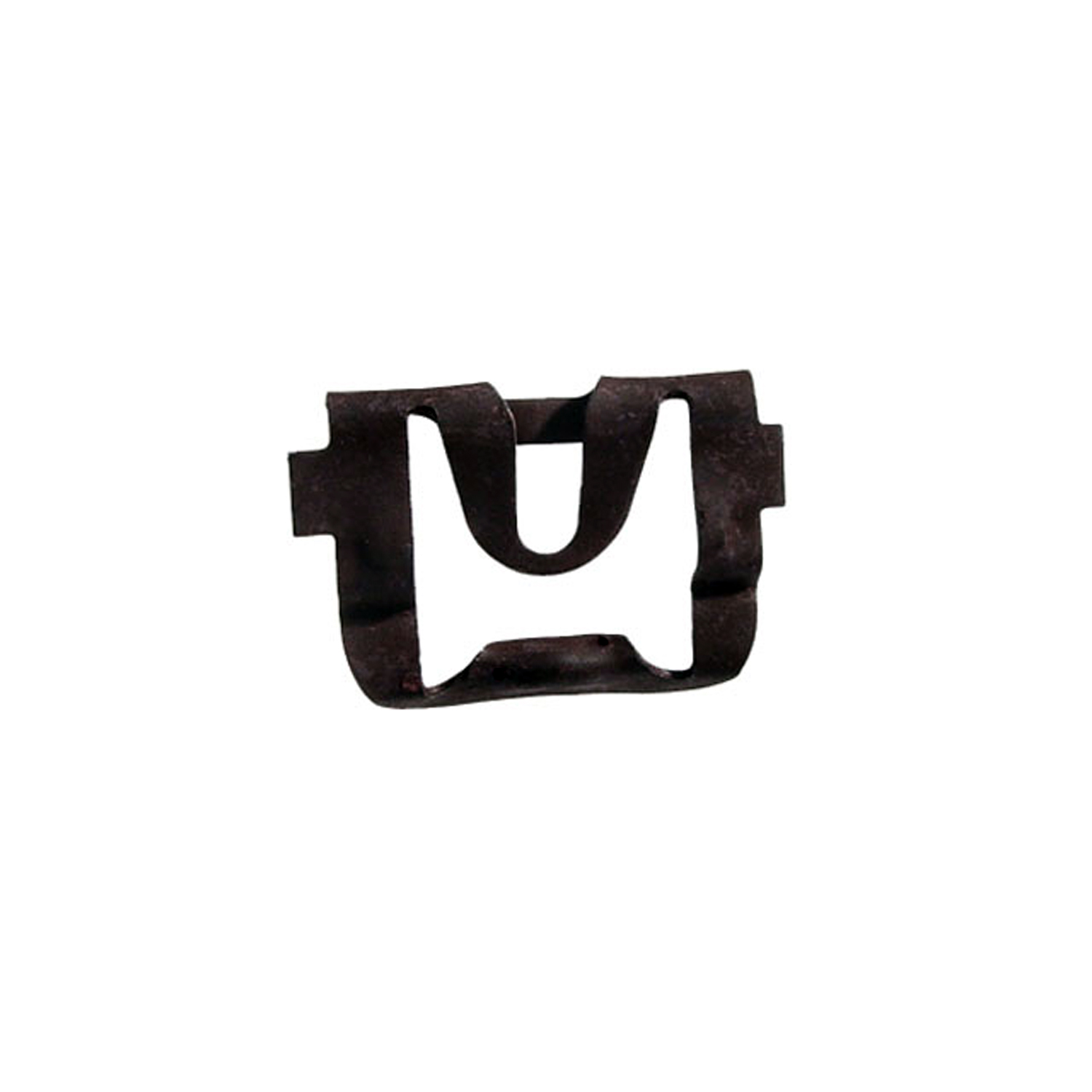 1982 Pontiac Parisienne Rear Windshield Reveal Molding Clip. Made of steel-WF 211Rear Windshield Reveal Molding Clip. Made of steel. 15/16" X 3/4". Each
 1982 Pontiac Parisienne Rear Windshield Reveal Molding Clip. Made of steel-WF 213Rear Windshield Reveal Molding Clip. Made of steel. 7/8" X 5/8". Each
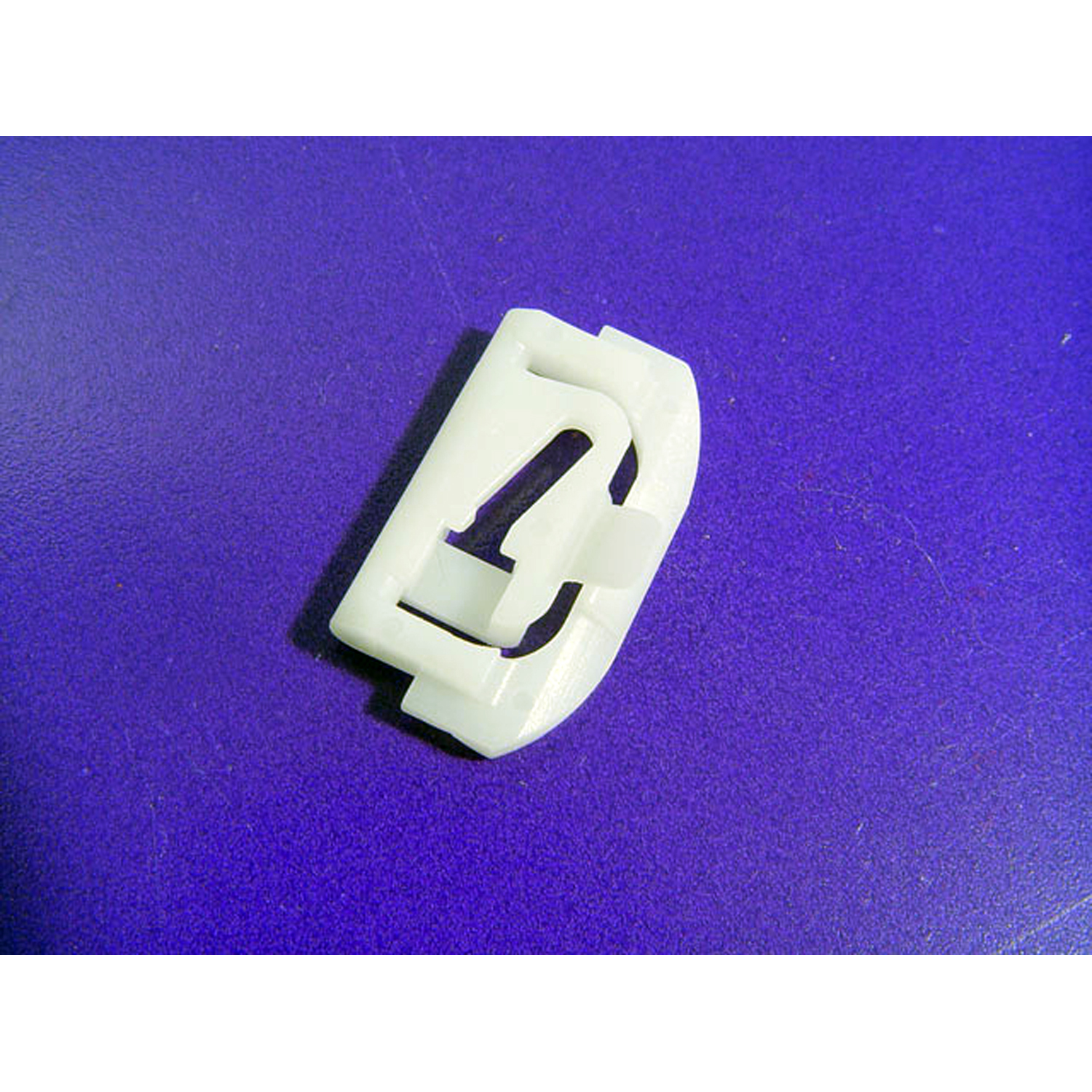 1982 Pontiac Parisienne Lower Side Window Reveal Molding Clip. Made of nylon-WF 214Lower Side Window Reveal Molding Clip. Made of nylon. 1-1/4" x 3/4". Each
Why Choose Metro?
For over 100 years, Metro Moulded Parts has been the pinnacle of quality in classic car restoration parts. Our commitment to precision and authenticity in every component ensures a perfect fit and an OEM-level appearance.
- Expert Craftsmanship & Quality: Each part is a testament to our dedication to reliability and perfection, crafted from original designs and thoroughly tested.
- Advanced Technology: We use cutting-edge techniques to create flawless, long-lasting parts that surpass others in performance.
- SuperSoft Sponge – The Ultimate Door Seal: Not only are our door seals 30% softer than competitors', but they're also guaranteed to never leak. They effectively reduce wind and road noise, enhancing your classic car's comfort and driving experience.
- Proudly American: Our parts are a product of American craftsmanship, made in the USA with a spirit of excellence and heritage.
- Unrivaled Warranty: We back our products with a 30-year industry-leading warranty, a testament to our confidence in their quality.
Join us in preserving the legacy of classic cars with parts that are crafted for perfection, not just made.