
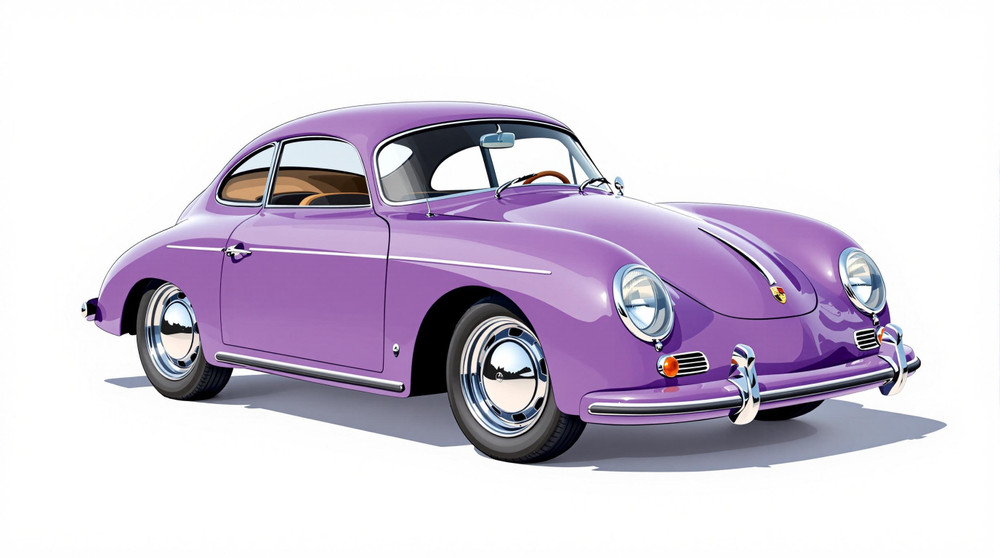
Image of 1951 Porsche 356, Note: These illustrations use artistic license and may differ from actual historical models.
Performance Metrics
Fundamental Metrics
Emotional Appeal
MMP Rating
| Engine Specifications | |
|---|---|
| Engine: | 1.1L 4-cylinder |
| Displacement: | 1086cc |
| Horsepower: | 40hp |
| Torque: | 59 lb-ft |
| Compression Ratio: | 7.0:1 |
| Ignition System: | Battery ignition |
| Cooling System: | Air-cooled |
| Performance Specifications | |
| 0-60 Time: | Estimated 30 seconds |
| 1/4 Mile Time: | Not available |
| Top Speed: | 87 mph |
| Transmission and Drive | |
| Drive Type: | Rear-wheel drive |
| Transmission Type: | 4-speed manual |
| Fuel and Efficiency | |
| Fuel System Type: | Carburetor |
| MPG: | Estimated 26-30 mpg |
| Dimensions and Brakes | |
| Brakes: | Drum brakes |
| Wheelbase: | 82.7 inches |
| Weight: | 1,764 lbs |
Note: Specifications for classic cars are given to the best of our ability, considering the limited and variant data available.
1951 Porsche 356: The Little Porsche That Started It All
The 1951 Porsche 356 turned modest power and compact proportions into a genuinely sporting car, establishing the formula that would shape Porsche for generations. Built by Dr. Ing. h.c. F. Porsche GmbH in Stuttgart, it was among the first production cars to wear the Porsche name. Its roots reach back to the hand-built 356 prototypes assembled in Gmünd, Austria, but by 1951 production had moved to Germany, where the company began making the model in greater numbers.
The 356 was designed under the direction of Ferry Porsche, son of company founder Ferdinand Porsche. Its engineering drew on familiar Volkswagen components, but the finished car was much more than a dressed-up Beetle. It had a lighter, lower body, a carefully developed chassis, and the nimble character Porsche wanted in a sports car. A remarkable moment came in 1951, when a lightweight 356 SL took Porsche to its first class victory at the 24 Hours of Le Mans. That racing success helped put the young manufacturer on the international map.
Pre-A Styling and Hand-Finished Details
A 1951 356 is part of the early “Pre-A” generation, a name enthusiasts use for cars built before the major 1955 redesign. Its rounded nose, sloping roofline, smooth rear haunches, and compact proportions give it a softer, more delicate appearance than later 356s. The body looks almost sculpted, with minimal ornamentation and a rear engine hidden beneath the curved tail. Early examples built in Stuttgart had steel bodies, while some earlier Gmünd cars had aluminum coachwork.
Inside, the 356 was simple and purposeful, but not bare. Depending on the car’s specification and original order, upholstery could be leather or quality vinyl, paired with restrained trim and a painted metal dashboard. A large, thin-rimmed steering wheel, clear round instruments, and straightforward controls kept the driver focused on the road. These are now charming details, though period ventilation, sound insulation, and weather sealing are modest by modern standards.
Factory paint choices varied with production and customer orders. Ivory, silver, black, red, and shades of blue or green are among the colors associated with early cars. Ivory and silver have an especially convincing period look, while darker colors emphasize the 356’s elegant curves. Original paint records and factory documentation matter to collectors, so a desirable color is not automatically an improvement over a car’s authentic specification.
The best-known 1951 body styles were the two-seat coupe and the open cabriolet. The coupe is the most recognizable early 356 shape, with its clean roofline and useful enclosed cabin. Cabriolets offered open-air motoring and were produced in smaller numbers. The later Speedster, now one of the most celebrated 356 variants, did not arrive until 1954, so it is not a 1951 body-style option.
Small Car, Big Historical Footprint
The 356 helped define the idea of a compact European sports car that could be used beyond the racetrack. Its rear-mounted, air-cooled flat-four engine, low weight, and tidy dimensions created a distinct alternative to larger, heavier sports cars of the era. Porsche refined rather than reinvented the basic mechanical concept: the car used Volkswagen-derived engineering as a starting point, then developed it into a more focused and capable package.
That approach became part of Porsche’s identity. The 356 demonstrated that performance did not depend on a large engine or extravagant styling. It also gave the company a road car with a direct connection to competition. The first Le Mans class win in 1951 was an early proof of the 356’s durability and efficiency, and the model’s later racing successes strengthened Porsche’s reputation for building quick, dependable sports cars.
Compared with many contemporaries, the 356 stood out for its compact footprint, light controls, aerodynamic body, and useful road manners. Its influence is visible in the generations of rear-engined Porsche coupes that followed. The 911 grew into a larger and more powerful car, but it inherited the 356’s basic appeal: a distinctive shape, an engine behind the driver, and a strong connection between car and road.
Performance: Modest Numbers, Real Character
Engine specification is important when discussing a 1951 356 because output changed during the model’s early development. Early cars used a 1,086 cc flat-four, while 1,286 cc engines were also introduced around this period. Depending on the exact engine and tune, output was roughly 40 to 44 horsepower. The power went through a four-speed manual gearbox to the rear wheels. These are small figures by modern standards, but the 356’s low weight made good use of every horsepower.
Performance figures vary with engine, body, gearing, and condition. A 1.1-liter car could reach roughly 90 to 95 mph, while a stronger 1.3-liter example could approach 100 mph in favorable conditions. A 0-to-60 mph time in the neighborhood of 25 to 30 seconds is a reasonable estimate for many standard early cars. These numbers are approximate, not a guarantee for every surviving example. A 1951 356 is about momentum and balance, not modern straight-line acceleration.
On a winding road, the car feels light and responsive. Its compact size makes it easy to place, and the steering communicates the road without requiring power assistance. The rear-engine layout gives the 356 strong traction when accelerating, while its suspension and narrow period tires call for smooth, deliberate inputs. On uneven pavement, the short wheelbase and vintage suspension can pass bumps into the cabin, but a sound, properly set-up car remains composed at sensible speeds.
The flat-four’s sound is part of the experience: a busy, air-cooled mechanical buzz that grows more insistent as the revs rise. The driver works the four-speed gearbox, listens to the engine, and plans overtakes well ahead. There is no electronic safety net, and the drum brakes require more anticipation than modern discs. Driven with care, the 356 rewards attention with a lively, involving feel that a modern sports car can rarely replicate.
Living With an Early 356
Today, a 1951 356 is most often used for weekend drives, rallies, concours events, and historic motorsport. Some owners do drive their cars regularly, but most treat an early example as a valuable classic rather than a routine commuter. Its small cabin, limited luggage capacity, modest heating and ventilation, and lack of modern crash protection make it best suited to fair-weather outings and roads where the driver can take their time.
Maintenance is manageable for an experienced classic-car owner, but it is not identical to maintaining a Beetle. The engine is compact and relatively accessible, and many mechanical principles are straightforward. However, correct parts, careful tuning, and specialist knowledge are important. Carburetor setup, ignition timing, valve adjustment, brake condition, and gearbox health all deserve regular attention. Bodywork and rust repair can be the more expensive challenges, particularly if previous repairs have hidden corrosion or poor-quality restoration work.
Reliability depends heavily on the quality of the restoration and the car’s maintenance history. A well-sorted 356 can be enjoyable and dependable on suitable trips, but age alone brings risks: old wiring, tired fuel lines, worn suspension components, and deteriorated seals can all cause trouble. Buyers should seek a specialist inspection, verify chassis and engine details, and review restoration records before committing.
1951 Porsche 356 Facts and Myths
The 1951 Le Mans story is especially notable: Porsche’s lightweight 356 SL won its class at the 24 Hours of Le Mans, marking the company’s first victory at the famous endurance race. The SL was a competition-focused version, not an ordinary road-going 356, but its success demonstrated what the basic design could do when lightened and prepared for racing.
Production estimates suggest roughly 1,300 Porsche 356s were built in 1951, though exact totals can depend on how model years and body variations are counted. That makes the car uncommon today, and surviving examples in original or carefully restored condition are scarcer still. The 356 did not hold a headline speed record; its achievement was proving that a small, efficient sports car could compete successfully in major endurance racing.
A common criticism is that the early 356 is underpowered, particularly in modern traffic. Its drum brakes, limited safety equipment, and period ergonomics also demand adjustment from drivers accustomed to newer cars. Those drawbacks are real, but they are part of the car’s historical character. It is not a modern sports car in vintage clothing; it is an early postwar machine that asks the driver to participate.
Collector Values and Market Outlook
Values depend on body style, originality, engine specification, restoration quality, provenance, and whether the car retains its matching-number components. As a broad U.S. market estimate for 2026, a driver-quality 1951 coupe might fall around $90,000 to $160,000. A strong, well-restored coupe could reach roughly $160,000 to $275,000, with exceptional, highly original, or concours-quality examples potentially exceeding that range. Cabriolets generally command more, with outstanding examples sometimes selling in the $250,000 to $450,000 range or higher.
These are guide figures, not fixed valuations. A project car may still cost tens of thousands of dollars, and a major structural restoration can quickly exceed the purchase price. By contrast, rare factory competition cars such as a genuine 356 SL belong to a different market and can be worth far more than standard road cars. Authentication is essential: early Porsche history, matching numbers, and documented ownership can have a substantial effect on value.
Pre-A 356s are scarce, and the supply of well-documented 1951 examples is especially limited. Early Porsche values have generally strengthened over the long term, though the market can fluctuate with broader collector-car trends. Exceptional cars remain highly sought after, while poorly documented restorations and compromised projects are more sensitive to price swings. For buyers, condition and provenance matter more than choosing a car simply because it appears inexpensive.
Why the 1951 356 Still Matters
The 1951 Porsche 356 brought together graceful design, clever engineering, and competition potential in a compact package. It was light rather than powerful, simple rather than luxurious, and engaging rather than effortless. Its class victory at Le Mans gave the young Porsche company a landmark achievement, while the road car established a character that would endure through decades of Porsche development.
More than a rare early sports car, the 1951 356 is the beginning of a lasting idea: a Porsche should feel purposeful, responsive, and unmistakable. Its four-cylinder engine may be small, but its place in automotive history is anything but.
1951 Porsche 356 Catalog of Parts
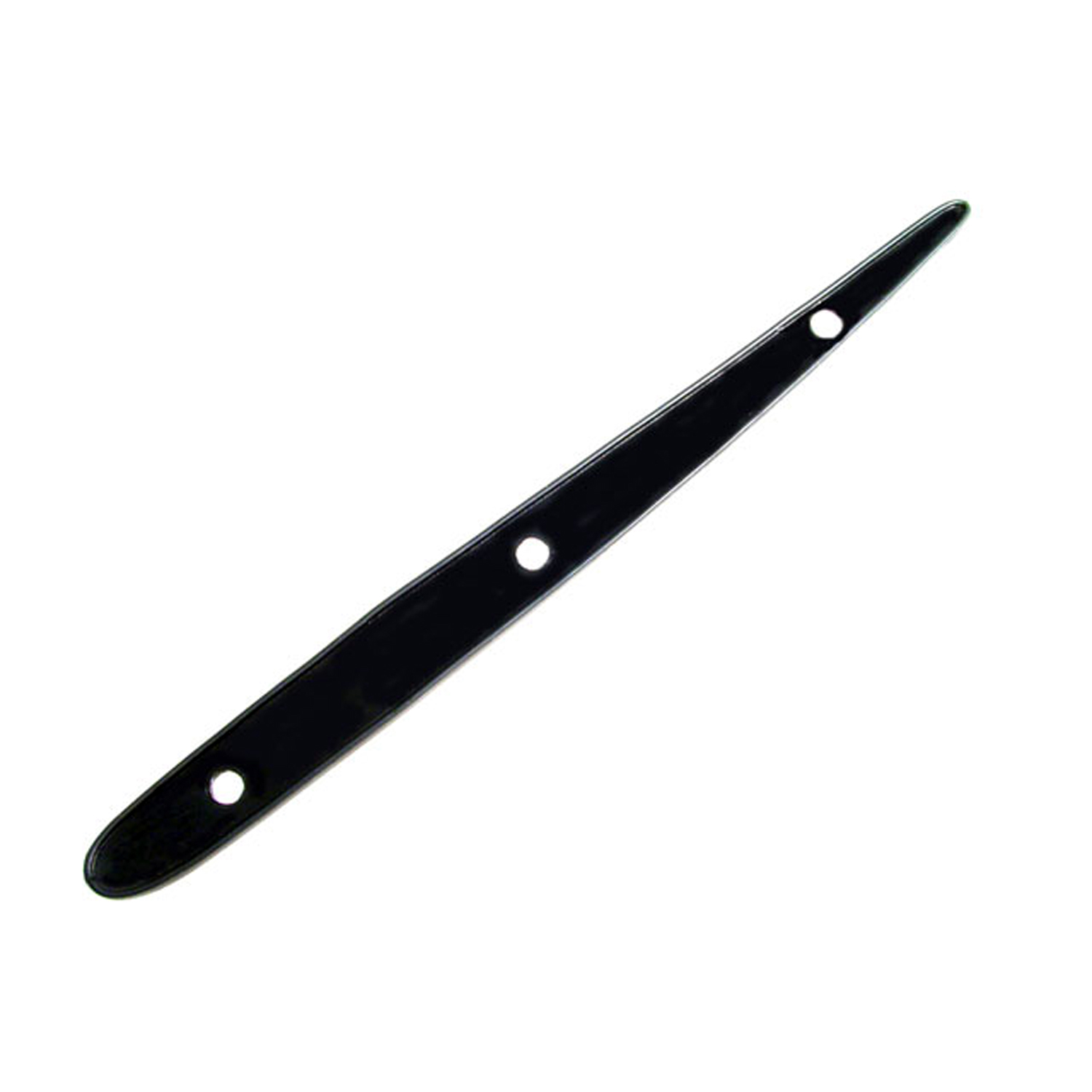 1951 Porsche 356 Hood Ornament Pad. 1" wide X 9-7/8" long. Each-MP 992-AHood Ornament Pad. 1" wide X 9-7/8" long. Each
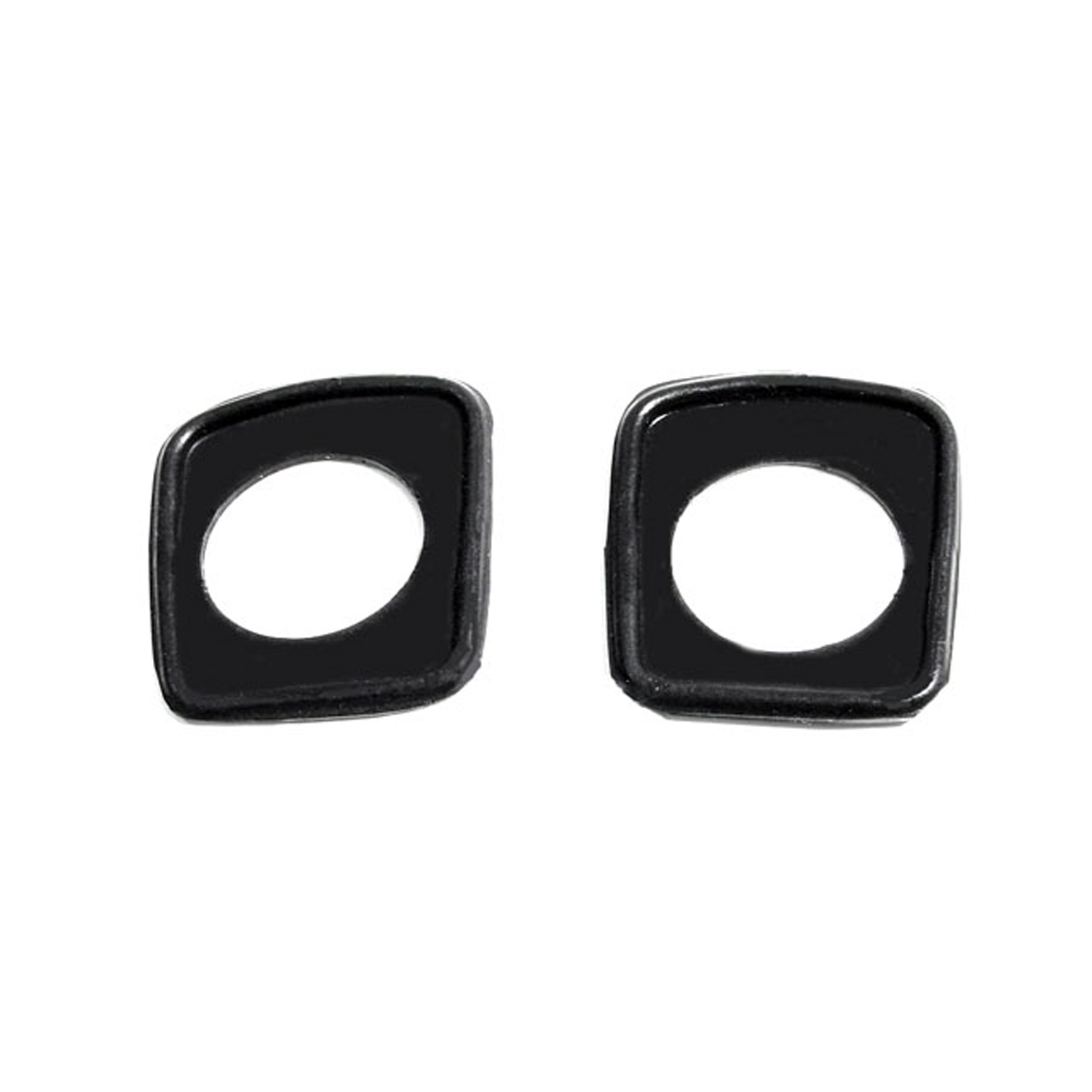 1951 Porsche 356 Door Handle Pads. 1-3/4" wide X 2" long. Pair-MP 992-BDoor Handle Pads. 1-3/4" wide X 2" long. Pair
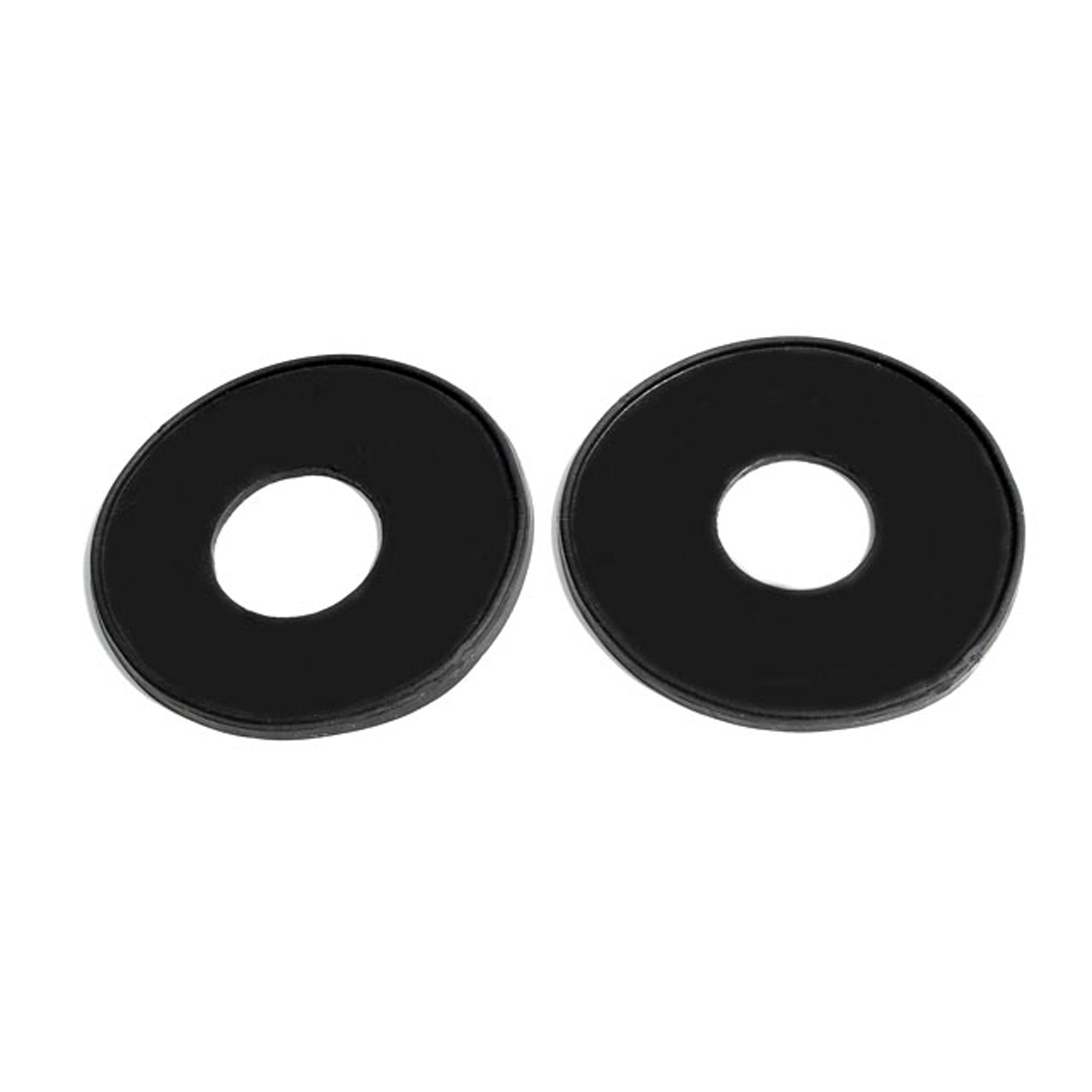 1951 Porsche 356 Turn Signal Pads. 2-3/4" O.D. Pair-MP 992-CTurn Signal Pads. 2-3/4" O.D. Pair
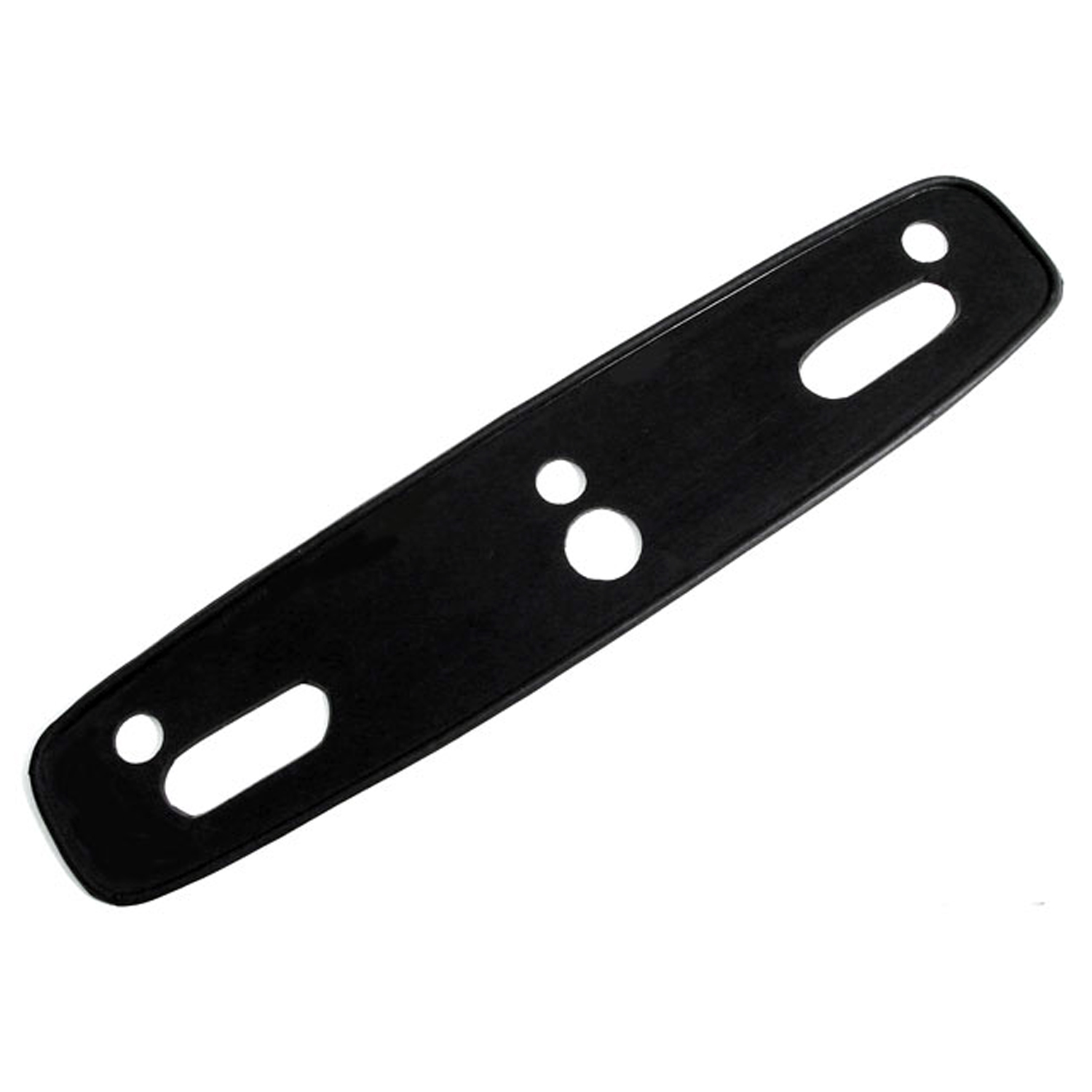 1951 Porsche 356 License Light Pad. 2-3/4" wide X 12-1/8" long. Each-MP 992-ELicense Light Pad. 2-3/4" wide X 12-1/8" long. Each
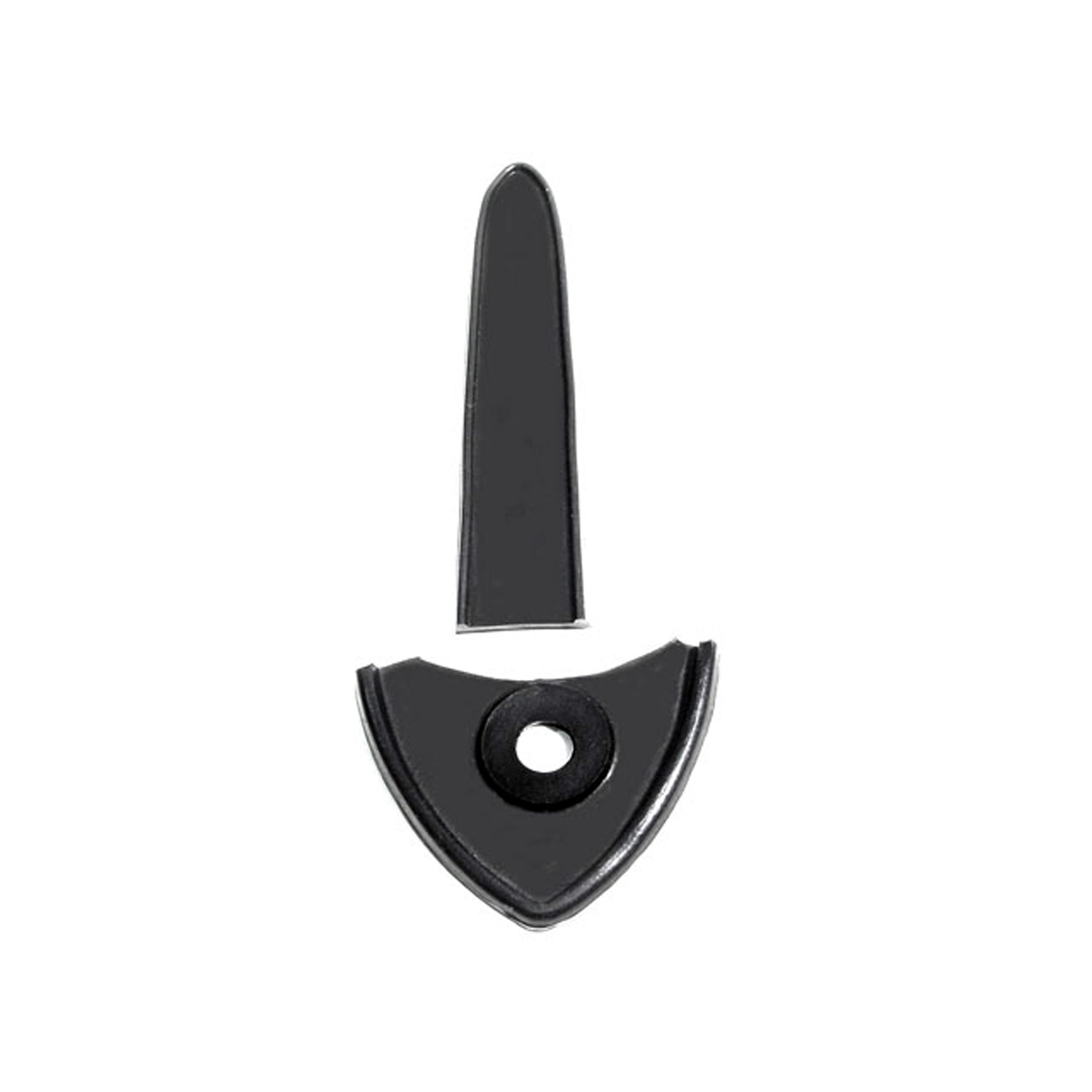 1951 Porsche 356 Hood Ornament Pads. 3-7/8" long & 1-5/8" long. Set-MP 992-FGHood Ornament Pads. 3-7/8" long & 1-5/8" long. Set
Why Choose Metro?
For over 100 years, Metro Moulded Parts has been the pinnacle of quality in classic car restoration parts. Our commitment to precision and authenticity in every component ensures a perfect fit and an OEM-level appearance.
- Expert Craftsmanship & Quality: Each part is a testament to our dedication to reliability and perfection, crafted from original designs and thoroughly tested.
- Advanced Technology: We use cutting-edge techniques to create flawless, long-lasting parts that surpass others in performance.
- SuperSoft Sponge – The Ultimate Door Seal: Not only are our door seals 30% softer than competitors', but they're also guaranteed to never leak. They effectively reduce wind and road noise, enhancing your classic car's comfort and driving experience.
- Proudly American: Our parts are a product of American craftsmanship, made in the USA with a spirit of excellence and heritage.
- Unrivaled Warranty: We back our products with a 30-year industry-leading warranty, a testament to our confidence in their quality.
Join us in preserving the legacy of classic cars with parts that are crafted for perfection, not just made.