

Image of 1980 Porsche 911, Note: These illustrations use artistic license and may differ from actual historical models.
Performance Metrics
Fundamental Metrics
Emotional Appeal
MMP Rating
| Engine Specifications | |
|---|---|
| Engine: | 3.0L Flat 6 |
| Displacement: | 2994 cc |
| Horsepower: | 180-204 hp |
| Torque: | 188 lb-ft |
| Compression Ratio: | 9.3:1 |
| Ignition System: | Electronic ignition |
| Cooling System: | Air-cooled |
| Performance Specifications | |
| 0-60 Time: | 6.3 seconds |
| 1/4 Mile Time: | 14.7 seconds |
| Top Speed: | 149 mph |
| Transmission and Drive | |
| Drive Type: | Rear-wheel drive |
| Transmission Type: | 5-speed manual |
| Fuel and Efficiency | |
| Fuel System Type: | Fuel injection |
| MPG: | 20 mpg combined |
| Dimensions and Brakes | |
| Brakes: | Disc brakes |
| Wheelbase: | 89.4 inches |
| Weight: | 2557 lbs |
Note: Specifications for classic cars are given to the best of our ability, considering the limited and variant data available.
1980 Porsche 911 SC: The Air-Cooled Icon
The 1980 Porsche 911 SC turns a simple drive into a conversation between driver, engine, and road. Built by Porsche in Stuttgart, it belongs to the long-running 911 family that began production in the mid-1960s, but the SC brought the classic rear-engined formula into a more modern, durable era.
“SC” stands for Super Carrera. The badge marked a stronger, more fully developed 911 than the earlier entry-level models, with a 3.0-liter flat-six and a reputation for taking hard use in stride. Its historical story has an extra twist: Porsche had considered ending the 911 line as it shifted attention toward the front-engined 928. Company president Peter Schutz reversed that plan in the early 1980s, helping keep the 911 alive. The SC was part of the generation that made the case for its continued place in Porsche’s future.
Classic 911 Styling and Cabin
The 1980 911 SC keeps the unmistakable shape established by the original: a low, rounded nose, swept-back windshield, curved roofline, and muscular rear fenders. Its engine sits behind the rear axle, so the body gathers its visual weight over the back wheels. U.S.-market cars wear prominent impact bumpers, while details such as trim, lighting, and bumper treatment vary by market.
The cabin is compact and purposeful. Five round instruments sit directly in front of the driver, with the tachometer at the center, while the thin-rimmed steering wheel and upright windshield keep the experience distinctly old-school. Depending on specification, the interior could combine durable vinyl or leatherette with cloth or leather upholstery, plus carpeting and trim in a range of colors. Leather was a popular upgrade, but the cabin’s appeal is less about luxury-car spaciousness than about its clear, driver-focused layout.
Color availability varied by market and equipment, but buyers could choose from period shades that included reds, whites, blacks, blues, silvers, and less common earth tones. Guards Red, Grand Prix White, and black remain especially recognizable choices. Many SCs were fitted with Fuchs alloy wheels, an enduring Porsche design that looks right at home beneath the car’s flared rear arches.
For 1980, the main body styles were the fixed-roof Coupe and the open-roof Targa, whose removable center panel sits beneath a fixed roll bar. The Targa offered open-air driving without a full convertible top. A factory 911 SC Cabriolet arrived later, for the 1983 model year, so it is not an original 1980 body-style option.
Engineering That Kept the 911 Relevant
At the heart of the SC is a 2,994 cc air-cooled, horizontally opposed six-cylinder engine. Porsche used Bosch K-Jetronic continuous fuel injection, often called CIS, to meter fuel, along with a capacitive-discharge ignition system. The engine’s cooling fan is easy to spot beneath the rear deck lid, while the dry-sump lubrication system helps manage oil supply during spirited driving.
U.S.-specification 1980 cars are generally rated at about 180 horsepower. Some other-market versions produced around 188 horsepower, so published figures depend on the car’s original destination and rating method. A five-speed 915 manual gearbox was the usual transmission. The SC paired this mechanical package with the 911’s rear-engine layout, independent suspension, and a body that benefited from Porsche’s galvanized-steel corrosion protection, introduced on 911 bodies in the mid-1970s.
The SC did not invent the rear-engined sports car, but it helped prove that the 911 concept could remain competitive through evolving safety rules, emissions requirements, and customer expectations. Its blend of air cooling, fuel injection, everyday usability, and motorsport-ready fundamentals influenced later 911s. The basic silhouette and rear-mounted flat-six remain central to the model’s identity decades later.
Performance and Road Manners
Performance depends on market specification, condition, gearing, tires, and test method. A healthy 1980 911 SC typically reaches 60 mph in roughly 6.5 to 7 seconds, with a top speed in the neighborhood of 140 to 145 mph. Those figures made it a genuinely quick sports car in its day, and the engine’s broad, usable torque gives it more real-world flexibility than the numbers alone suggest.
The 915 gearbox rewards a deliberate hand. Its shifts are mechanical rather than slick, especially when cold, and a well-adjusted example should engage gears cleanly without crunching. On a winding road, the steering communicates surface changes and front-tire grip with very little filtering. The car feels nimble and eager when driven smoothly, but its rear-engine weight distribution means abrupt lift-off or poorly judged corner entry can unsettle the back end. Good technique matters.
The suspension can feel firm over sharp bumps, particularly on cars with worn bushings or modern low-profile tires. On a flowing road, however, the chassis settles into a rhythm and the car feels composed and connected. Windy conditions can reveal the 911’s light front end, especially at speed, but a sound car with correct alignment and good tires remains stable and confidence-inspiring.
Then there is the soundtrack. The flat-six starts with a mechanical clatter, settles into a distinctive idle, and builds into a layered metallic howl as the revs rise. There is little separation between driver and machine: the steering wheel, pedals, gear lever, engine noise, and changing weight balance all provide constant feedback. That involvement is a major part of the SC’s appeal.
Living With a 1980 911 SC
Some owners use an SC for weekend drives and club events; others take a well-maintained car on regular journeys or display it at shows. It is more comfortable and usable than many earlier sports cars, but it is still a low, compact classic with limited luggage space, a relatively firm ride, and a warm cabin when driven in hot weather.
The SC has a strong reputation for durability, but age and maintenance history matter more than the badge. Buyers should pay particular attention to broken or pulled cylinder-head studs, timing-chain tensioner condition, oil leaks, worn valve guides, and problems in the CIS fuel-injection system. Rust can still occur despite galvanized body panels, especially around repaired areas, seams, floors, and the battery area. The 915 transmission should be checked for worn synchros and difficult shifts.
Routine work is manageable for an experienced home mechanic with the right tools and a workshop manual. The engine is relatively accessible compared with many modern sports cars, and specialist knowledge is widely available. However, major engine work, fuel-system diagnosis, or structural rust repairs can become expensive quickly. A thorough pre-purchase inspection by a Porsche specialist is money well spent.
SC Trivia and Common Misconceptions
The SC name is shorthand for Super Carrera, not a separate high-performance trim in the sense of a modern track package. It is also worth distinguishing the regular 1980 SC from the later 911 SC/RS, a limited-production competition-focused car introduced in 1984. The SC/RS is far rarer and should not be confused with an ordinary road-going SC.
The 911’s Targa roof has an interesting origin of its own. Porsche introduced the format in the 1960s as a response to concerns about rollover safety and open cars, pairing a removable roof panel with a fixed safety bar. By 1980, that distinctive arrangement had become a recognizable part of the 911 range.
The 1980 SC is not chiefly known for a single speed record or a headline-grabbing endurance victory. Its importance is more foundational: it helped establish the tough, usable character that made the 911 a lasting sports-car platform. Common criticisms include the cabin’s tight proportions, the 915 gearbox’s less-than-slick feel, cabin heat, and the need to respect the car’s rear-weight bias. Those are genuine traits, not reasons to overlook a good example.
1980 Porsche 911 SC Values
Production figures are often grouped by model year and body style, and published totals can differ. A reasonable estimate is around 8,000 to 9,000 911 SCs built for the 1980 model year across Coupe and Targa versions. That makes the car uncommon today, but not exceptionally rare: examples still appear regularly through specialist dealers, auctions, and private sales. Original condition, documentation, rust history, and mechanical health make a major difference.
As a broad 2026 guide, a driver-quality 1980 SC may sell for roughly $45,000 to $70,000. Clean, well-maintained examples often fall around $70,000 to $100,000, while exceptional, highly original, or professionally restored cars can exceed $100,000 and sometimes reach $120,000 or more. Targas may sell for less than comparable Coupes, though condition and originality can outweigh body style. These are estimates, not fixed market prices.
Values rose substantially as air-cooled 911s became more sought after, then moved into a more selective market where buyers scrutinize condition and history. The SC remains desirable because it offers the classic 911 experience without the scarcity pricing of some earlier models. Strong, original cars have generally held their appeal, while neglected cars can require restoration costs that quickly exceed the purchase discount.
Why the 1980 911 SC Still Matters
The 1980 Porsche 911 SC combines the unmistakable shape of the early 911 with a durable 3.0-liter air-cooled engine, useful fuel injection, and a chassis that rewards an attentive driver. It is fast enough to feel exciting, practical enough for regular outings, and mechanical enough to make every drive feel personal.
More than a surviving link in Porsche history, the SC helped keep the 911 story moving when the model’s future was uncertain. Its enduring lesson is simple: a great sports car does not need to hide its character. It needs to make you want to take the long way home.
1980 Porsche 911 Catalog of Parts
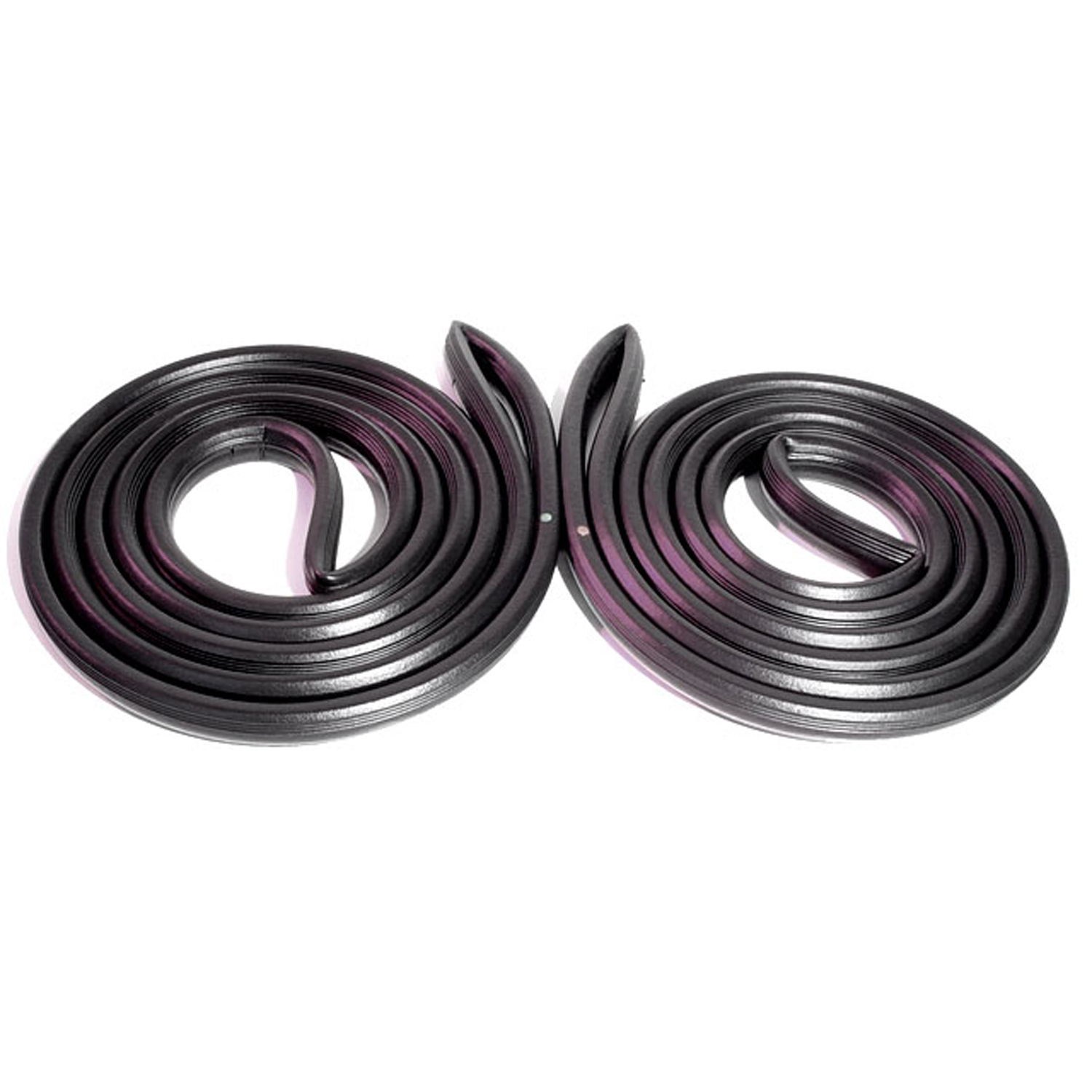 1980 Porsche 911 Molded door seals. For Coupes. Pair. R&L.-LM 911-CMolded door seals. For Coupes. Pair. R&L.
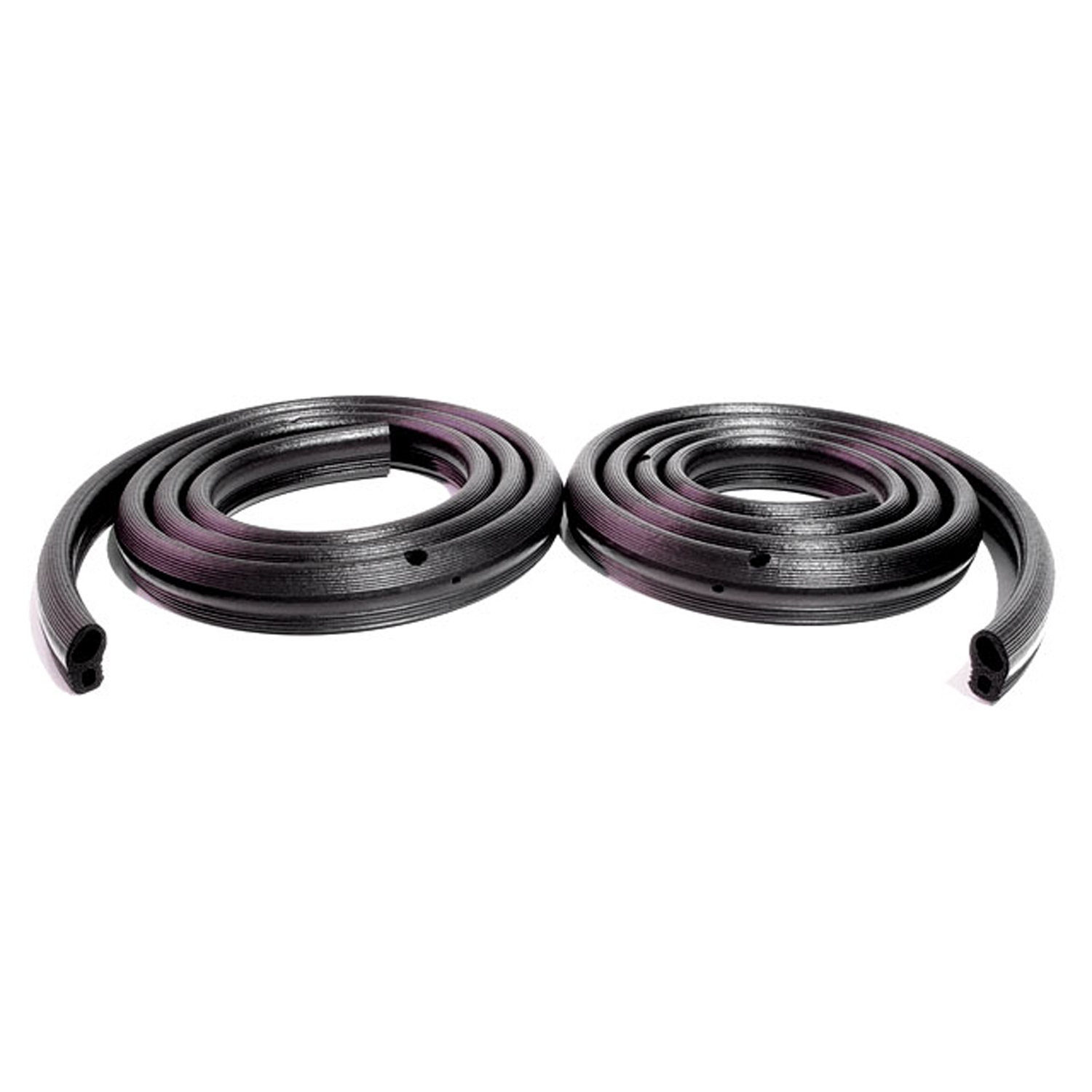 1980 Porsche 911 Molded door seals. Fits Targa/Cabriolet. Pair. R&L.-LM 911-TMolded door seals. Fits Targa/Cabriolet. Pair. R&L.
Why Choose Metro?
For over 100 years, Metro Moulded Parts has been the pinnacle of quality in classic car restoration parts. Our commitment to precision and authenticity in every component ensures a perfect fit and an OEM-level appearance.
- Expert Craftsmanship & Quality: Each part is a testament to our dedication to reliability and perfection, crafted from original designs and thoroughly tested.
- Advanced Technology: We use cutting-edge techniques to create flawless, long-lasting parts that surpass others in performance.
- SuperSoft Sponge – The Ultimate Door Seal: Not only are our door seals 30% softer than competitors', but they're also guaranteed to never leak. They effectively reduce wind and road noise, enhancing your classic car's comfort and driving experience.
- Proudly American: Our parts are a product of American craftsmanship, made in the USA with a spirit of excellence and heritage.
- Unrivaled Warranty: We back our products with a 30-year industry-leading warranty, a testament to our confidence in their quality.
Join us in preserving the legacy of classic cars with parts that are crafted for perfection, not just made.