

Image of 1981 Porsche 911, Note: These illustrations use artistic license and may differ from actual historical models.
Performance Metrics
Fundamental Metrics
Emotional Appeal
MMP Rating
| Engine Specifications | |
|---|---|
| Engine: | 3.0L Flat 6 |
| Displacement: | 2994 cc |
| Horsepower: | 180-204 hp |
| Torque: | 188 lb-ft |
| Compression Ratio: | 9.3:1 |
| Ignition System: | Electronic ignition |
| Cooling System: | Air-cooled |
| Performance Specifications | |
| 0-60 Time: | 6.3 seconds |
| 1/4 Mile Time: | 14.7 seconds |
| Top Speed: | 146 mph |
| Transmission and Drive | |
| Drive Type: | Rear-wheel drive |
| Transmission Type: | 5-speed manual |
| Fuel and Efficiency | |
| Fuel System Type: | Fuel injection |
| MPG: | 20 mpg combined |
| Dimensions and Brakes | |
| Brakes: | Disc brakes |
| Wheelbase: | 89.4 inches |
| Weight: | 2557 lbs |
Note: Specifications for classic cars are given to the best of our ability, considering the limited and variant data available.
1981 Porsche 911: The Classic SC That Made the 911 Stronger
The 1981 Porsche 911 SC is a sports car with a rare combination of old-school character and hard-earned dependability. Its air-cooled flat-six, unmistakable profile, and rear-engine layout made it unmistakably a 911, while the SC helped restore confidence in the model during a period when Porsche was weighing its future.
Built by German manufacturer Dr. Ing. h.c. F. Porsche AG, the 1981 SC belonged to the 911 SC generation, produced from 1978 through 1983. “SC” stood for Super Carrera. The car arrived after Porsche had considered winding down the 911 in favor of newer designs, including the front-engined 928. Strong demand helped change that plan, and the SC became an important link between the original 911s and the later models that followed.
One detail that adds to the SC’s appeal is that its engine was shared in spirit, and in basic architecture, with the engine used in Porsche’s 911 Turbo. The SC was naturally aspirated rather than turbocharged, but its 3.0-liter flat-six gave it a robust, flexible character well suited to road use and competition.
Air-Cooled Shape and Driver-Focused Cabin
The 1981 911 SC’s shape is instantly recognizable: rounded front fenders, prominent headlamps, a low nose, and a sloping roof that flows into the rear engine compartment. The body is compact by modern standards, but its broad rear haunches give it a planted, muscular stance. The styling is not merely decorative. The rear-mounted engine dictates the car’s proportions, while the familiar silhouette has proved remarkably enduring.
Buyers could choose a fixed-roof Coupe or the open-air Targa, distinguished by its removable roof panel and wide stainless-steel roll bar. The Coupe is often considered the purest expression of the SC, with a rigid structure and classic profile. The Targa offers a more open driving experience while retaining a substantial roof hoop. Porsche’s 911 SC Cabriolet arrived later, for the 1983 model year, so it was not a standard 1981 body style.
Inside, the SC is straightforward and built around the driver. Five round instruments sit ahead of the steering wheel, with the tachometer occupying the central position. The seats, door panels, and dashboard were trimmed in materials such as leather, vinyl, and textured fabric, depending on specification and options. The cabin feels snug rather than luxurious by modern standards, but the controls are direct, the instruments are legible, and the driving position encourages an active connection with the car.
Color choices varied by market and equipment. Popular shades included Guards Red, Grand Prix White, black, and metallic silver, alongside a wider palette of solid and metallic finishes. Bright colors suit the SC’s compact, sporting shape particularly well, though well-kept examples in more understated tones are equally sought after.
Period Technology with a Mechanical Feel
Under the rear engine cover is a 3.0-liter, air-cooled, horizontally opposed six-cylinder engine. In U.S.-specification 1981 cars, it produced about 180 horsepower. Many cars sold in other markets were rated at approximately 204 horsepower, reflecting differences in emissions rules and engine specification. The engine used Bosch K-Jetronic continuous fuel injection, commonly called CIS, which helped deliver more consistent fueling than older carbureted setups.
Power went to the rear wheels through a five-speed manual transmission, typically the Porsche 915 gearbox. The suspension combined front MacPherson struts with torsion bars and rear trailing arms, while ventilated disc brakes provided stopping power at all four corners. These were sophisticated sports-car ingredients for the era, but the car remained refreshingly mechanical: no drive modes, electronic stability control, or layers of software stood between driver and road.
A Turning Point in the 911 Story
The SC’s historical importance goes beyond its sales success. In the late 1970s, Porsche was investing heavily in other models and had considered replacing the 911. The SC’s popularity demonstrated that customers still wanted the rear-engined sports car. Porsche continued refining the formula, and the 911 remained central to the company’s identity.
The SC also helped establish a reputation for durability. Earlier 911s could be demanding to own, and the SC’s larger 3.0-liter engine and ongoing engineering improvements made it a more usable choice for regular driving. It did not abandon the 911’s distinctive handling or air-cooled character. Instead, it showed that those traits could be paired with a stronger, more mature package.
SC-based 911s also appeared in rallying and other forms of competition, where the car’s traction, compact dimensions, and durable engine made it a compelling platform. The SC itself did not set a single famous production-car speed or sales record, but its success helped keep the 911 in production and paved the way for later generations, including the Carrera 3.2.
How the 1981 911 SC Drives
Performance depends on market specification, condition, gearing, and test method. A U.S.-specification 1981 SC typically reaches 60 mph in roughly 6.5 to 7 seconds, with a top speed in the neighborhood of 140 to 145 mph. Higher-output versions sold in some other markets can be quicker. Those figures remain respectable, but the car’s appeal is not just about straight-line speed.
The flat-six delivers a rising metallic howl that becomes more pronounced as the revs climb. Its sound is air-cooled and unmistakably mechanical, with a busy, purposeful quality rather than the muted note of a modern sports car. The five-speed gearbox rewards deliberate shifts, and a well-maintained 915 transmission feels engaging, though not as slick as a contemporary manual.
On a winding road, the SC feels light and communicative. The steering transmits useful feedback, and the rear-engine layout gives the driven wheels strong traction when accelerating out of a corner. But weight distribution matters: abrupt throttle changes or careless corner entry can unsettle the rear. A thoughtful driver can enjoy the car’s balance and grip, while a novice should respect its limits.
The suspension is firm, and short, sharp bumps can be felt through the cabin. On smoother roads, the ride settles into a composed rhythm. In crosswinds, the SC’s compact body remains manageable, though its age, tire choice, alignment, and suspension condition all affect stability. The overall experience is interactive: the driver hears the engine behind the seats, feels the road through the steering wheel, and works with the car rather than asking electronics to correct mistakes.
Living with an Air-Cooled 911
A 1981 SC can serve as a weekend driver, a touring car, a show vehicle, or a vintage motorsport platform. Many owners use them for regular road trips because the SC is more robust than its delicate-looking shape might suggest. Still, a classic Porsche is not maintenance-free, and decades of storage, repairs, and modifications can matter more than the model’s original reputation.
Before buying, pay close attention to service records and arrange a pre-purchase inspection with a Porsche specialist. Common areas to examine include engine oil leaks, the condition of the fuel-injection system, broken or previously replaced head studs, timing-chain tensioners, rust, and the operation of the 915 gearbox. Rust can appear around the battery area, floor pans, sills, and suspension mounting points. On the transmission, worn synchros may show up as balky shifts, particularly when moving quickly between gears.
The SC is comparatively approachable for hands-on owners. Routine service and many mechanical repairs are well understood, and parts and specialist knowledge remain available. However, a 911’s compact packaging and specialized systems can make some jobs challenging for an average home mechanic. A neglected car can quickly become expensive, so a low purchase price is not necessarily a bargain.
SC Trivia and Common Criticisms
The SC’s name is often expanded as “Super Carrera,” reflecting its position as a more capable development of the 911. Its 3.0-liter engine helped give the car a reputation for toughness, but no classic 911 is immune to age-related problems. Buyers should also distinguish a genuine factory specification from a car that has been modified with later engines, bodywork, or interior parts.
Common criticisms include the relatively heavy steering at low speeds, a firm ride, modest cabin space, and the 915 gearbox’s deliberate shift action. The rear-engine layout can also punish poor technique. Those traits are part of the car’s character, but they are not for everyone, especially drivers accustomed to modern power steering, smooth automatic transmissions, and electronic stability systems.
Production figures vary by source and by how body styles and market versions are counted. A reasonable estimate is that roughly 58,000 to 59,000 911 SCs were built across the 1978–1983 production run. For the 1981 model year, a broad estimate of around 10,000 to 12,000 cars worldwide is plausible, though an exact figure is difficult to confirm consistently. That makes the SC uncommon today, but not exceptionally rare compared with limited-run Porsche specials.
Collector Values and Market Outlook
Values depend heavily on rust, originality, service history, mileage, body style, and the quality of past repairs. As a broad 2026 market estimate, a usable 1981 911 SC may sell for about $40,000 to $60,000. A clean, well-maintained Coupe or Targa can land around $60,000 to $90,000, while exceptional, highly original examples may exceed $100,000. Modified cars and cars needing major work can fall well below those ranges.
These are general estimates rather than fixed prices. Condition and documentation can create a substantial difference between two cars that look similar in an online listing. The SC has benefited from long-term interest in air-cooled 911s, and good examples have generally appreciated over the past couple of decades. After the sharp rises in classic Porsche prices, values have varied more by quality and market conditions. Exceptional cars remain desirable, while average examples are more sensitive to pricing and maintenance costs.
Why the 1981 Porsche 911 SC Still Matters
The 1981 Porsche 911 SC combines a durable 3.0-liter flat-six, unmistakable air-cooled styling, and a direct, demanding driving experience. It arrived at a crucial moment for the 911, proved that the model still had a strong future, and helped preserve a design that continues to influence sports cars today.
It may ask more of its driver and owner than a modern Porsche, but that is part of its appeal. The SC is not simply an old 911 with a famous badge. It is the car that helped make sure the 911 story continued.
1981 Porsche 911 Catalog of Parts
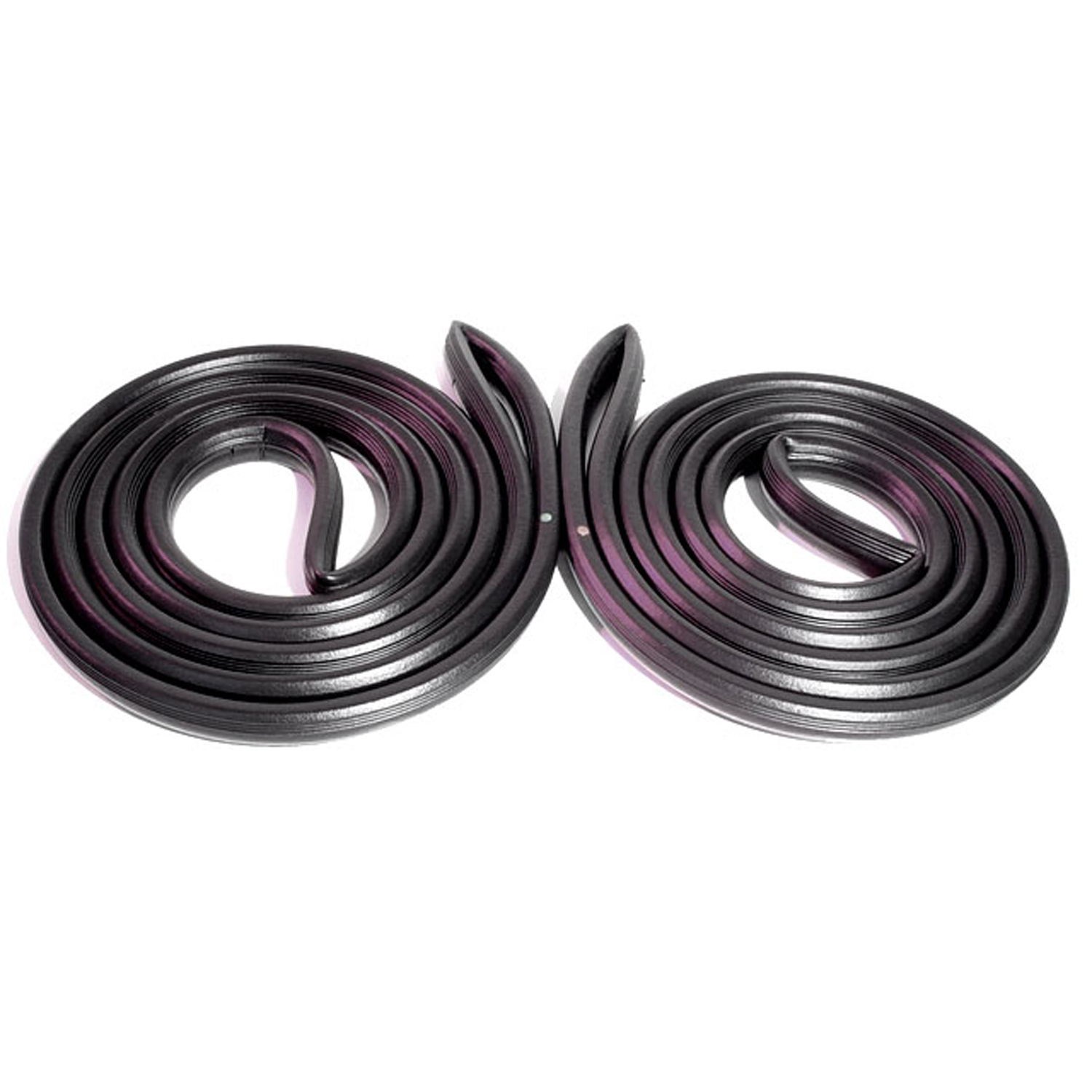 1981 Porsche 911 Molded door seals. For Coupes. Pair. R&L.-LM 911-CMolded door seals. For Coupes. Pair. R&L.
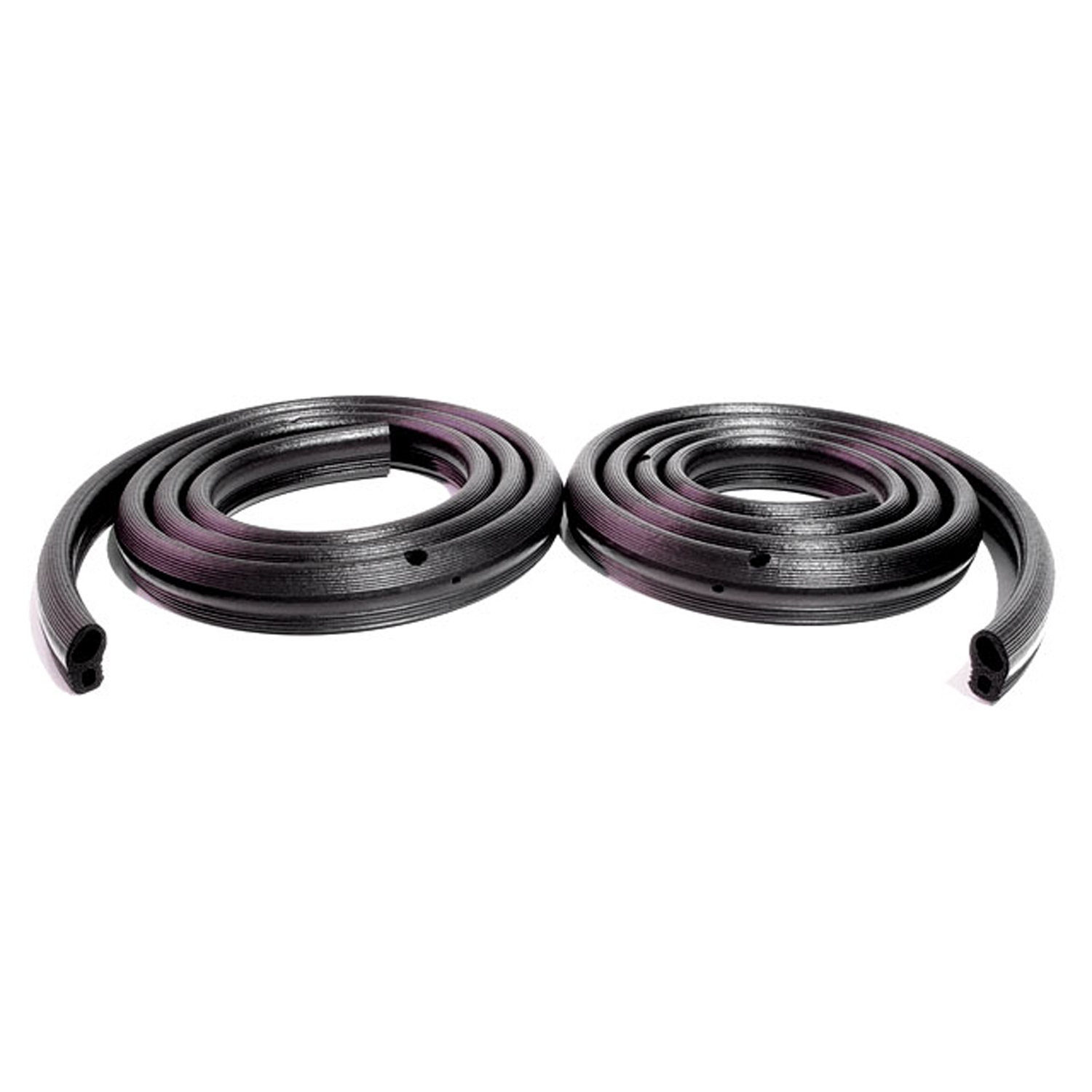 1981 Porsche 911 Molded door seals. Fits Targa/Cabriolet. Pair. R&L.-LM 911-TMolded door seals. Fits Targa/Cabriolet. Pair. R&L.
Why Choose Metro?
For over 100 years, Metro Moulded Parts has been the pinnacle of quality in classic car restoration parts. Our commitment to precision and authenticity in every component ensures a perfect fit and an OEM-level appearance.
- Expert Craftsmanship & Quality: Each part is a testament to our dedication to reliability and perfection, crafted from original designs and thoroughly tested.
- Advanced Technology: We use cutting-edge techniques to create flawless, long-lasting parts that surpass others in performance.
- SuperSoft Sponge – The Ultimate Door Seal: Not only are our door seals 30% softer than competitors', but they're also guaranteed to never leak. They effectively reduce wind and road noise, enhancing your classic car's comfort and driving experience.
- Proudly American: Our parts are a product of American craftsmanship, made in the USA with a spirit of excellence and heritage.
- Unrivaled Warranty: We back our products with a 30-year industry-leading warranty, a testament to our confidence in their quality.
Join us in preserving the legacy of classic cars with parts that are crafted for perfection, not just made.