

Image of 1982 Porsche 911, Note: These illustrations use artistic license and may differ from actual historical models.
Performance Metrics
Fundamental Metrics
Emotional Appeal
MMP Rating
| Engine Specifications | |
|---|---|
| Engine: | 3.0L Flat 6 |
| Displacement: | 2994 cc |
| Horsepower: | 204 hp |
| Torque: | 188 lb-ft |
| Compression Ratio: | 9.8:1 |
| Ignition System: | Electronic ignition |
| Cooling System: | Air-cooled |
| Performance Specifications | |
| 0-60 Time: | 5.3 seconds |
| 1/4 Mile Time: | 13.6 seconds |
| Top Speed: | 146 mph |
| Transmission and Drive | |
| Drive Type: | Rear-wheel drive |
| Transmission Type: | 5-speed manual |
| Fuel and Efficiency | |
| Fuel System Type: | Fuel injection |
| MPG: | 20 mpg combined |
| Dimensions and Brakes | |
| Brakes: | Disc brakes |
| Wheelbase: | 89.4 inches |
| Weight: | 2557 lbs |
Note: Specifications for classic cars are given to the best of our ability, considering the limited and variant data available.
1982 Porsche 911 SC: The Classic 911 That Saved Its Own Future
The 1982 Porsche 911 SC is a sports car with a remarkable second act: a durable, air-cooled 911 that helped convince Porsche to keep building the model just as the company was considering moving on. Built by German manufacturer Dr. Ing. h.c. F. Porsche AG, the SC paired the unmistakable rear-engine shape with a larger, more robust 3.0-liter flat-six. Today, it is prized for its direct driving feel, everyday usability, and role in one of the 911’s most important chapters.
In the 1970s, Porsche had begun looking toward the front-engined 928 as the company’s future flagship. But the 911 SC proved there was still a strong market for the original formula. Its combination of improved reliability, strong performance, and classic 911 character helped keep the nameplate alive. A particularly memorable sign of the SC’s potential came in 1980, when a 911 SC won the demanding Safari Rally in Kenya. The road-going 1982 model was not that competition car, but the rally success reinforced the 911’s reputation for toughness as well as speed.
911 SC Styling and Interior
The 1982 911 SC wears the familiar G-series 911 shape: a low nose with rounded headlamps, a gently sloping roof, muscular rear haunches, and a short tail. The profile is compact and purposeful rather than flamboyant. Depending on specification, a front spoiler and rear “whale-tail” or smaller “tea-tray” spoiler add a more assertive look. Many cars ride on Fuchs forged-alloy wheels, whose black-and-polished design has become one of the most recognizable details of the era.
Inside, the SC is a driver-focused place. The upright dashboard, large central tachometer, and five-gauge instrument cluster put essential information in clear view. Porsche used durable materials suited to a sporting car, including hard-wearing carpeting, vinyl or leatherette trim, and, on higher-specification examples, supple leather upholstery. Optional sport seats provide more support on fast corners, while standard seats are comfortable enough for longer trips. The cabin is intimate by modern standards, and rear seats are best treated as occasional seating or extra luggage space.
Buyers could choose from a broad palette of solid and metallic paints. Guards Red, black, white, and silver metallic remain among the most familiar choices, while period blues, greens, browns, and other metallic shades give some cars a distinctive look. Color availability varied by market and model year. A well-preserved original color can be a meaningful part of a car’s appeal, especially when it is paired with a period-correct interior.
For 1982, the main body styles were the fixed-roof Coupe and the open-air Targa, with its removable roof panel and characteristic brushed-metal roll bar. The first series-production 911 SC Cabriolet arrived for the 1983 model year, so it is generally not considered a regular 1982 offering. The Coupe is often the most sought-after choice for buyers focused on a traditional sports-car profile and maximum body stiffness, while the Targa has a loyal following for its open-air character.
Engineering That Kept the 911 Alive
The SC’s most important change was under the engine lid. Its 2,994 cc air-cooled, horizontally opposed six-cylinder engine used an aluminum crankcase and Bosch CIS, or continuous fuel injection. In U.S. specification, the 1982 engine was rated at about 180 horsepower. European-market versions generally produced more power, with output depending on the exact market specification. The shift to the larger 3.0-liter engine gave the SC strong low- and mid-range response and helped establish a reputation for greater durability than some earlier 2.7-liter 911s.
A five-speed 915 manual transmission was standard. Its shift action is mechanical and engaging, though it asks for a deliberate hand and a little patience when cold. The SC retained the core 911 layout: engine behind the rear axle, rear-wheel drive, and a relatively light body. That arrangement was already an established Porsche signature, but the SC showed how careful development could make it more usable without erasing its character.
The SC also mattered because it strengthened the case for continued 911 development. Porsche did not abandon the model for the 928; instead, the 911 continued to evolve. The SC’s sturdy 3.0-liter platform helped bridge the gap between early 911s and later, more powerful generations. Its influence is less about one revolutionary gadget and more about proving that a classic design could be made dependable, capable, and commercially successful for a new era.
1982 Porsche 911 SC Performance
A U.S.-specification 1982 911 SC could reach roughly 146 mph, with 0-to-60 mph acceleration generally in the mid-six-second range. Exact figures vary with market, transmission, condition, tires, and testing method. Those numbers still feel brisk, but the car’s appeal is not just about straight-line speed. The flat-six’s broad torque and the five-speed gearbox make it easy to build momentum on a winding road.
On smooth pavement, the steering is communicative and the chassis feels eager to change direction. The rear-engine layout rewards smooth inputs: carry speed, brake in a straight line, and feed in power as the car settles into a corner. A hurried lift of the throttle or abrupt steering input can unsettle the rear, especially in the wet. In practiced hands, that same layout gives the SC excellent traction when accelerating out of a bend.
The suspension is firm by modern luxury-car standards, and short, sharp bumps can make themselves known. On a flowing road, however, the car feels composed and connected. The engine sits close behind the cabin, so its air-cooled mechanical whir and rising six-cylinder growl are part of the experience. The steering, shifter, and pedals all demand more involvement than their modern equivalents. The reward is a car that makes an ordinary drive feel like an occasion.
Living With a 911 SC
Owners use 911 SCs in several ways: weekend touring, regular driving, Porsche-club events, vintage rallies, and concours shows. A well-sorted example can handle frequent road use, and the car’s reputation for robust engineering makes it more approachable than some earlier classic 911s. Still, a 40-plus-year-old sports car is only as dependable as its maintenance history. A pre-purchase inspection by a Porsche specialist is money well spent.
Common inspection points include oil leaks, worn suspension components, fuel-injection issues, aging rubber hoses, electrical faults, and corrosion. The body received factory corrosion protection, but rust can still develop, especially where old repairs, trapped moisture, or poor previous restoration work are present. Some SC engines can also suffer from head-stud problems, so an inspection should establish whether the studs are sound and whether any related repairs have been completed. Chain-tensioner condition is another worthwhile check.
Routine servicing is straightforward for an experienced home mechanic with the proper tools and workshop information. The air-cooled engine is accessible, but valve adjustments and other jobs require care and familiarity. Parts support remains strong thanks to the 911’s long production history, although specialist labor and quality replacement parts can be expensive. Regular oil changes, careful warm-up, and attention to leaks and fuel-system health go a long way toward keeping an SC enjoyable.
Rare Details and Common Criticisms
The most notable SC-related competition story is the 911’s 1980 Safari Rally victory, a remarkable result in an event famous for punishing roads, heat, and distance. It helped demonstrate that the rear-engine Porsche could be more than a fast road car. The SC also served as the basis for later specialist and competition developments, though those cars should not be confused with an ordinary 1982 production SC.
There is no single rare-edition badge that defines the 1982 SC. Instead, rarity and desirability often come down to specification, originality, market, color, and condition. Unusual factory colors, documented options, and well-preserved interiors can make an otherwise standard car stand out. Production totals are commonly reported for broader model-year or SC-generation groupings rather than in a single universally agreed count for every body style and market. A reasonable estimate for 1982 SC production across markets is around 18,000 cars, but treat that as an approximation rather than a definitive factory figure.
Common criticisms are part of the car’s personality. The cabin is cramped, the ride can be firm, and the 915 gearbox may feel awkward to drivers accustomed to modern transmissions. The rear-engine balance also calls for respect in low-grip conditions. On the ownership side, age-related maintenance and specialist repairs can quickly become costly. For many enthusiasts, those compromises are outweighed by the car’s steering feel, compact dimensions, and unmistakable engine character.
Collector Value and Market Outlook
As a broad U.S. market estimate in 2026, a 1982 Porsche 911 SC Coupe in driver condition may sell for roughly $45,000 to $75,000. A clean, well-maintained example can bring about $75,000 to $105,000, while exceptional, highly original, or especially desirable cars may exceed that range. Targas often trade somewhat below comparable Coupes, although condition, history, and specification matter more than a simple body-style rule. These are guide ranges, not appraisals, and auction results can vary considerably.
The SC is not exceptionally rare in the classic Porsche world, and examples regularly appear through dealers, specialist brokers, and auctions. However, the supply of genuinely rust-free, correctly maintained cars is much smaller than the number of cars that survive. Buyers increasingly pay a premium for documented service, matching engine and transmission numbers where applicable, original features, and a high-quality restoration or preservation history.
Values climbed substantially as air-cooled 911s became more collectible, then settled into a more selective market. The best examples have generally held their ground better than tired or modified cars. Long-term interest remains strong because the SC offers a recognizable classic 911 experience without the price of many earlier, rarer models. As with any collector car, condition and provenance will determine whether a particular example appreciates, stays level, or becomes an expensive project.
Why the 1982 911 SC Still Matters
The 1982 Porsche 911 SC combines an iconic shape, a durable 3.0-liter air-cooled flat-six, and a level of everyday usability that helped secure the 911’s future. It is quick, involving, and wonderfully mechanical, while its Coupe and Targa forms preserve the unmistakable look of the classic G-series car. It has real historical importance, rally-bred toughness, and a character that modern performance cars rarely reproduce.
The SC did more than keep the 911 on the road. It helped keep the 911 in Porsche’s plans. That is why this classic is not simply an appealing old sports car: it is one of the models that ensured the legend would continue.
1982 Porsche 911 Catalog of Parts
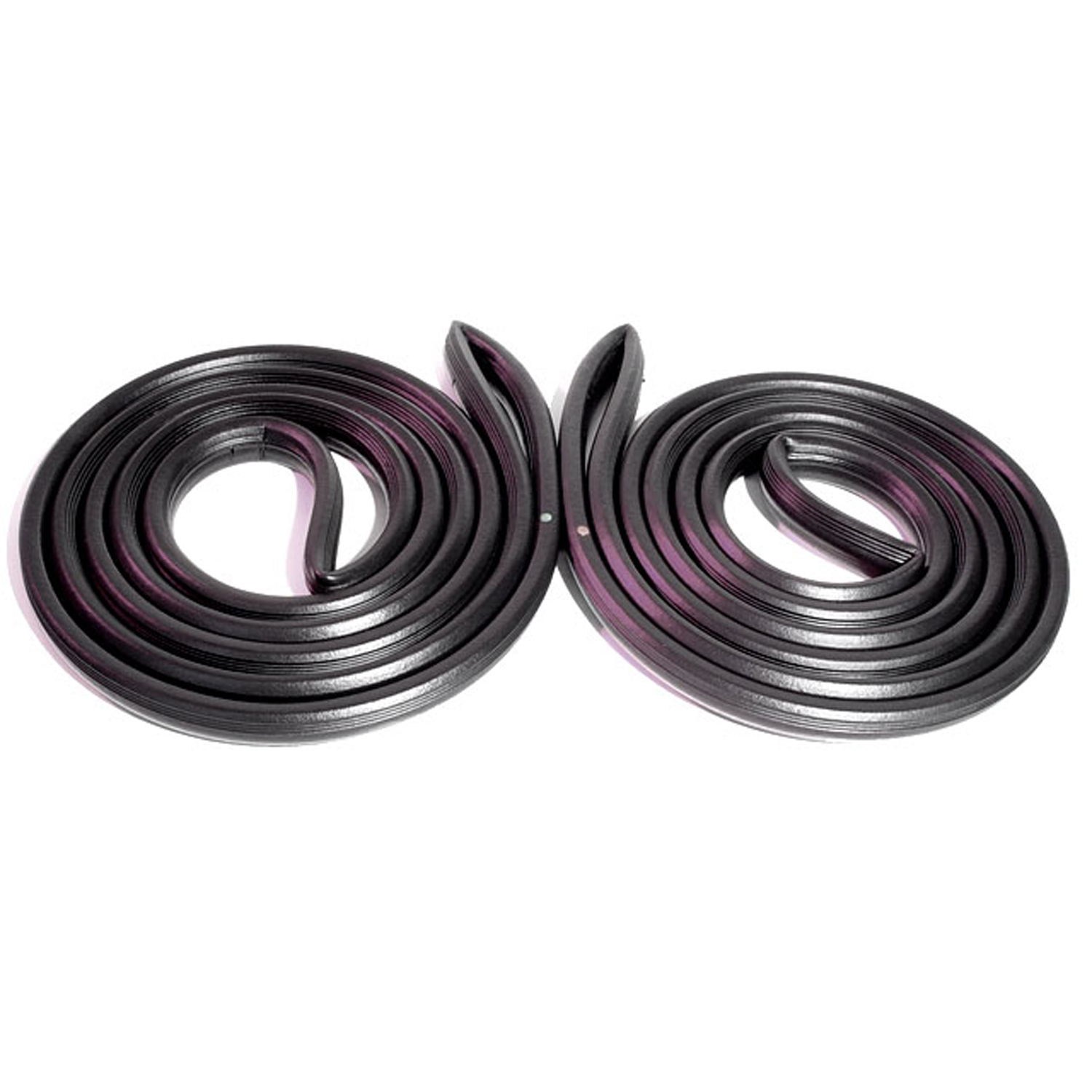 1982 Porsche 911 Molded door seals. For Coupes. Pair. R&L.-LM 911-CMolded door seals. For Coupes. Pair. R&L.
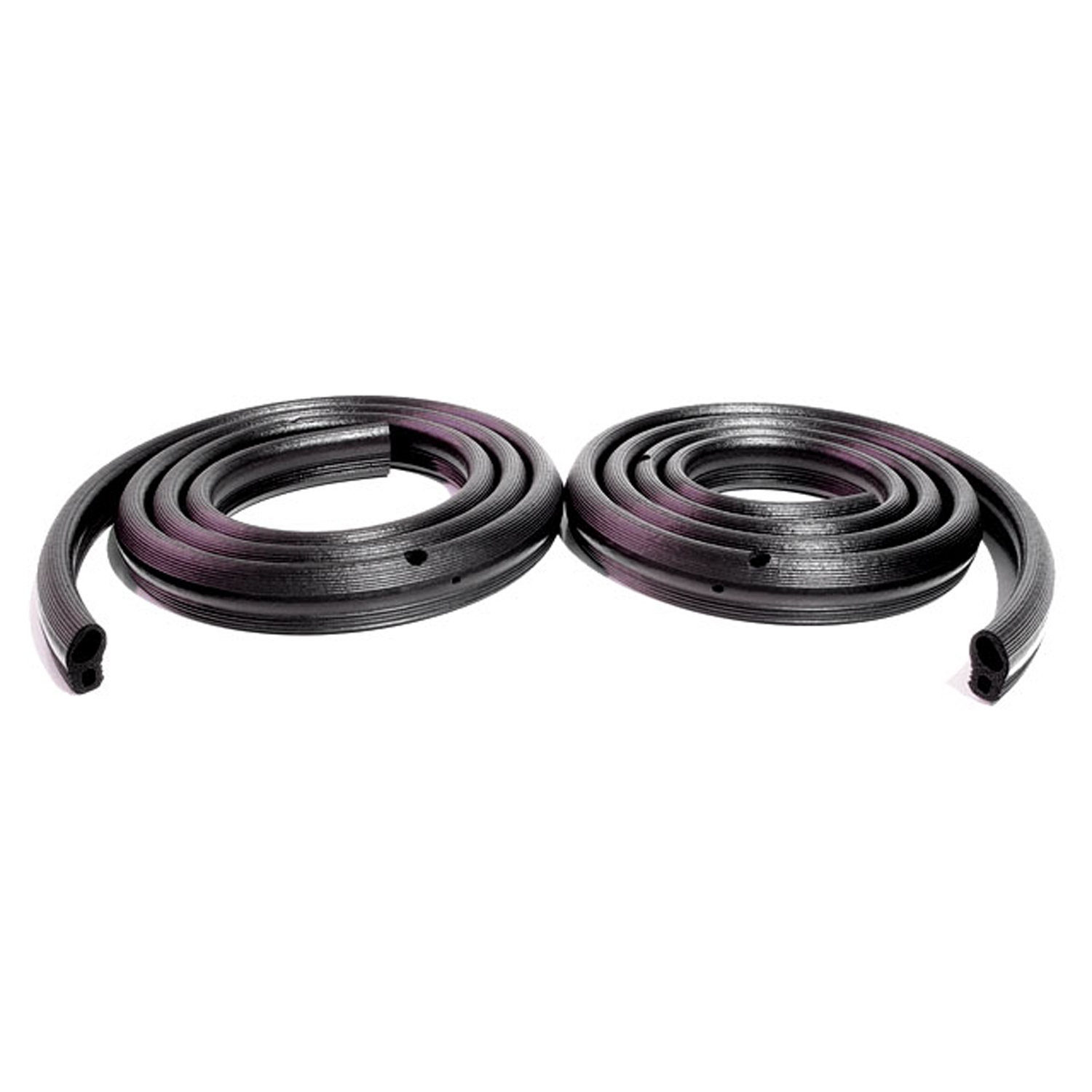 1982 Porsche 911 Molded door seals. Fits Targa/Cabriolet. Pair. R&L.-LM 911-TMolded door seals. Fits Targa/Cabriolet. Pair. R&L.
Why Choose Metro?
For over 100 years, Metro Moulded Parts has been the pinnacle of quality in classic car restoration parts. Our commitment to precision and authenticity in every component ensures a perfect fit and an OEM-level appearance.
- Expert Craftsmanship & Quality: Each part is a testament to our dedication to reliability and perfection, crafted from original designs and thoroughly tested.
- Advanced Technology: We use cutting-edge techniques to create flawless, long-lasting parts that surpass others in performance.
- SuperSoft Sponge – The Ultimate Door Seal: Not only are our door seals 30% softer than competitors', but they're also guaranteed to never leak. They effectively reduce wind and road noise, enhancing your classic car's comfort and driving experience.
- Proudly American: Our parts are a product of American craftsmanship, made in the USA with a spirit of excellence and heritage.
- Unrivaled Warranty: We back our products with a 30-year industry-leading warranty, a testament to our confidence in their quality.
Join us in preserving the legacy of classic cars with parts that are crafted for perfection, not just made.