

Image of 1916 Reo Model M, Note: These illustrations use artistic license and may differ from actual historical models.
Performance Metrics
Fundamental Metrics
Emotional Appeal
MMP Rating
| Engine Specifications | |
|---|---|
| Engine Options: | Single engine option |
| Displacement Range: | 3.7L |
| Horsepower Range: | Estimated 30-35 HP |
| Torque: | Not available |
| Compression Ratio: | Not available |
| Ignition System: | Magneto ignition system |
| Cooling System: | Water-cooled |
| Performance Specifications | |
| 0-60 Time: | Not available |
| 1/4 Mile Time: | Not available |
| Top Speed: | 40-45 mph |
| Transmission and Drive | |
| Drive Type: | Rear-wheel drive |
| Transmission Type: | 3-speed manual |
| Fuel and Efficiency | |
| Fuel System Type: | Carburetor |
| MPG: | Not available |
| Dimensions and Brakes | |
| Brakes: | Mechanical drum brakes |
| Wheelbase: | 112 inches |
| Weight: | Estimated 1,800 lbs |
Note: Specifications for classic cars are given to the best of our ability, considering the limited and variant data available.
1916 REO Model M: A Practical Pioneer of the Brass-Era Road
The 1916 REO Model M was built for a world where a dependable car could turn a rough country journey into a practical trip, and that everyday usefulness is what makes it fascinating today. Produced by the REO Motor Car Company of Lansing, Michigan, it carried the initials of the company’s founder, Ransom E. Olds, the automotive pioneer who had previously established Oldsmobile.
The Model M arrived during a fast-changing period in American motoring. Cars were becoming more accessible, roads were still often unpaved, and drivers expected to handle much of their vehicle’s upkeep themselves. REO had earned a reputation for sturdy, straightforward automobiles, and the Model M reflected that approach. A particularly intriguing point for modern enthusiasts is that its official performance figures do not translate neatly into today’s familiar 0-to-60-mph language. For a car of this era, steady, usable progress mattered more than a quick sprint.
Upright Styling and Hands-On Craftsmanship
The Model M had the classic profile of an early automobile: a tall, upright radiator at the nose, separate fenders arching over narrow wheels, exposed running boards, and slim lamps mounted to frame the front end. Its hood and body sat high above the road, while the open passenger compartment gave the car an airy, purposeful look. On a touring model, a folding top and windshield offered some protection from weather, but this was still motoring with the elements close by.
Cabin furnishings were functional rather than luxurious by modern standards. Open cars commonly used durable upholstery, often leather, with painted or finished wood details and simple controls. Materials and trim could vary with body style and equipment, and the condition of surviving cars may reflect later restorations. The driver sat upright and operated the car with large, plainly arranged controls. There was no modern dashboard full of gauges or warning lights; the driver had to pay attention to the machine and the road.
Period colors depended on the body and the buyer’s order, and a definitive Model M color chart is not readily available. Dark, practical finishes were common on early automobiles, but it is best not to assume that every surviving black or dark-green example represents a factory-standard choice. Paint on an unrestored car, or reliable period documentation, is the strongest guide to its original finish.
Touring and roadster configurations suit the Model M’s open-car character, while closed bodies were also part of the broader early-car market. Exact body availability could vary by model year and catalog. The five-passenger touring body is the most recognizable format for the period: it offered room for family or friends and made the REO look ready for both town errands and longer outings.
Why the Model M Matters
The Model M was not a revolutionary design that introduced a single technology later adopted by every manufacturer. Its significance is more practical. REO helped demonstrate that a car could be engineered as a usable, durable product rather than a novelty for wealthy experimenters. The company’s reputation for solid construction and sensible design gave buyers a reason to trust a motorcar on roads where assistance could be far away.
REO’s founder also links the Model M to the earliest era of American automotive manufacturing. Ransom E. Olds had helped shape the industry before founding REO in 1904, and the company continued to build vehicles with an emphasis on sound engineering and straightforward operation. The Model M stands as a representative example of that philosophy during the transition from brass-era styling toward the more standardized cars of the following decade.
Compared with many contemporaries, a REO’s appeal was its no-nonsense character. It was not defined by extravagant ornament or racing glamour. Instead, it offered a substantial, conventional automobile from a manufacturer with experience and a recognizable reputation. That kind of reliability-minded design helped establish expectations that would become central to the mass-market car.
Engine, Speed, and Road Manners
Published specifications for early REO models can vary across sources and by configuration. The 1916 Model M is generally associated with a four-cylinder engine in the roughly 35-horsepower class, paired with a manual transmission and rear-wheel drive. Treat those figures as a useful period-level guide rather than a guarantee for every surviving car, especially if an example has been modified or rebuilt.
A healthy, correctly set-up Model M might reach roughly 40 to 50 mph in favorable conditions. That is an estimate, not a dependable factory-certified top-speed figure. A standardized 0-to-60-mph time was not a meaningful measure for most cars of this age, and many Model M examples would not reach 60 mph in ordinary use. Acceleration was measured in patience: the driver selected a gear, eased in the power, and let the car gather speed.
On a smooth road, the Model M would feel deliberate and mechanical. Its engine would produce a steady, uninsulated four-cylinder rumble, with wind, tire, and drivetrain sounds plainly audible to the occupants. Narrow tires, high seating, and period suspension gave the car a ride that could feel lively over broken pavement. On winding roads, the tall body and modest tires called for measured steering and conservative cornering. This was not a modern sports car; it rewarded anticipation, smooth inputs, and a willingness to slow down.
Braking and steering also require period expectations. A driver should not expect modern stopping distances, power assistance, or the confident grip of contemporary tires. The exact equipment can differ between cars, so any road test should begin with a thorough inspection of the brakes, steering, tires, wheels, and chassis.
Living With a 1916 REO
In its own time, the Model M was transportation, not merely a showpiece. It could serve for local travel, social visits, and longer touring, although road conditions and weather strongly shaped what those trips were like. Today, most examples are better suited to antique-car tours, parades, museums, and carefully planned outings than daily commuting or regular highway use.
Maintenance is hands-on. A prospective owner should expect to inspect lubrication points, ignition components, fuel delivery, cooling, tires, and mechanical linkages. Parts availability varies, and some components may require specialist knowledge or careful sourcing. Many repairs are mechanically understandable to an experienced hobbyist, but age, previous repairs, and scarce parts can make a seemingly simple job time-consuming. A pre-purchase inspection by someone familiar with brass- and nickel-era cars is a wise investment.
Reliability depends less on the REO name alone than on the quality of restoration and ongoing care. A well-maintained Model M can be a rewarding touring car at appropriate speeds. A neglected example may need substantial work before it is safe to drive. Common period-car compromises include limited weather protection, modest performance, weak lighting by modern standards, and a lack of contemporary safety equipment.
REO Model M Facts and Folklore
REO takes its name from Ransom E. Olds’s initials, and the company was based in Lansing, Michigan. The 1916 Model M belongs to the generation of cars that bridged early hand-built motoring and the more standardized automotive industry that followed. It is an appealing survivor of a time when a road trip demanded mechanical sympathy as well as a destination.
There is no widely documented Model M speed or endurance record that defines the model, and no single celebrity ownership story is essential to its history. That absence is worth noting: the Model M’s story is chiefly about practical motoring, not a famous racing victory. Its most significant “event” was the role cars like it played in making independent travel increasingly ordinary.
One frequent criticism is that early cars are romanticized as easy, carefree machines. The Model M was open to weather, slower than modern traffic, and demanding to operate. Its simple mechanical layout can make it approachable to enthusiasts, but simplicity does not mean maintenance-free. Driving one is a hands-on activity, and the car’s limits deserve respect.
Collector Value and Availability
There is no dependable, widely published production total for the 1916 Model M alone. REO built cars in meaningful numbers for its era, but surviving examples are far less common than the company’s broader output might suggest. A cautious estimate is that production of the Model M may have been in the low thousands, perhaps roughly 2,000 to 5,000 cars. This is an informed ballpark, not a verified factory figure.
For a collector, a rough current-market guide might place a project or incomplete car around $10,000 to $20,000, a usable or partly restored example around $20,000 to $45,000, and a high-quality restoration around $45,000 to $75,000 or more. Body style, originality, mechanical condition, documentation, and restoration quality can move the price substantially. These are estimates, not a formal appraisal, and unusual or exceptionally documented cars may fall outside the range.
Model M sales are infrequent, so buyers may need patience to find the right car. Values in the antique-car market tend to favor well-restored, usable examples, but a 1916 REO is a specialist purchase rather than a guaranteed investment. In nominal dollars, exceptional cars can appreciate, while average examples may remain relatively steady; restoration costs can also exceed any increase in market value. Buy one for its history and driving experience, and treat potential appreciation as a bonus.
A REO Built for the Long View
The 1916 REO Model M combines upright early-automobile styling, practical engineering, and a direct connection to one of America’s foundational carmakers. Its performance is modest by modern standards, its operation asks for attention, and its comfort is unmistakably period. Yet that is exactly its appeal: the Model M makes the early years of motoring tangible, one careful mile at a time.
1916 Reo Model M Catalog of Parts
 1916 Reo Model M Accessory Floor Mat - 12"X17"-AC 36Accessory Floor Mat - made of high quality black rubber with molded original emblem. Also designed to be sewn into new carpets. 12"X17", Each
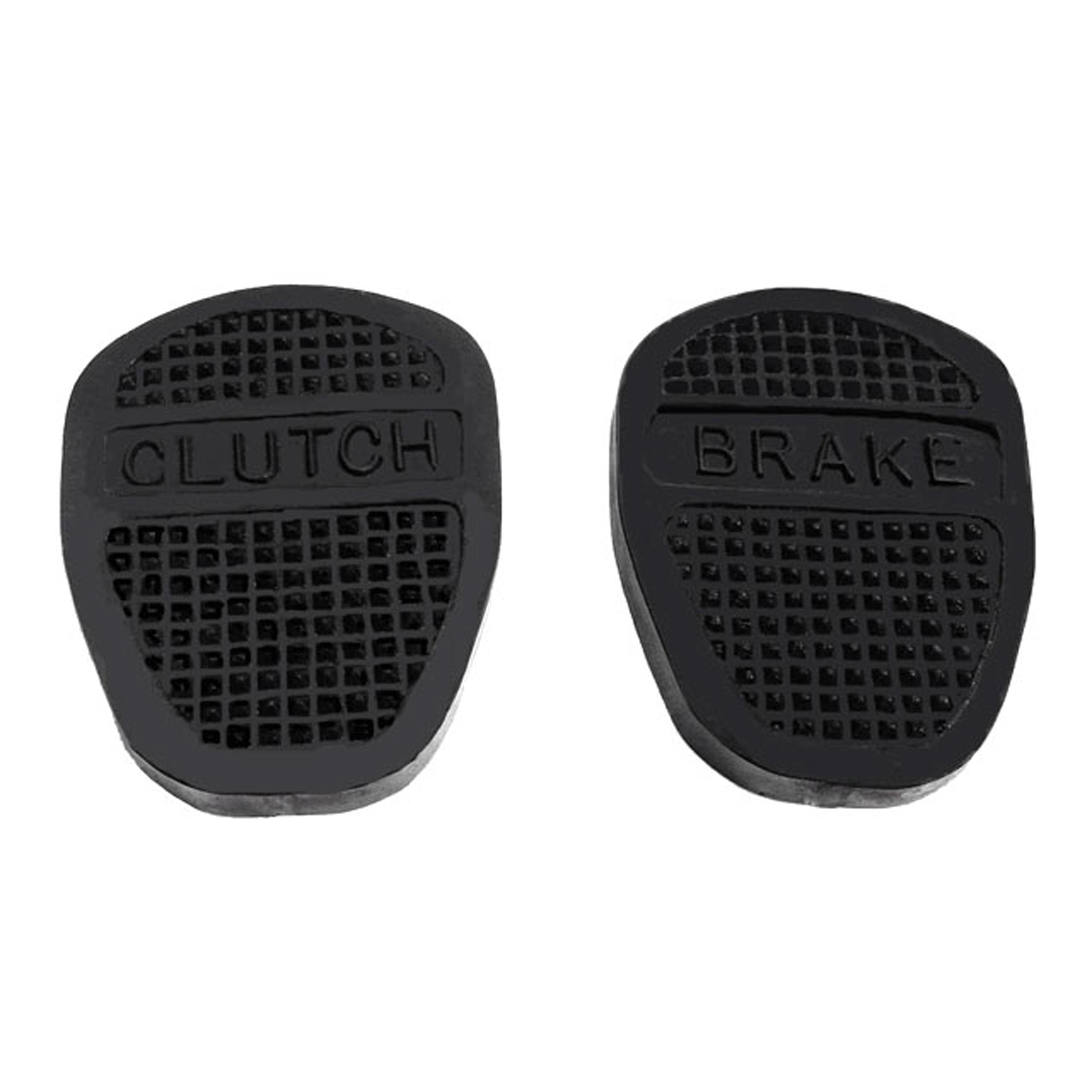 1916 Reo Model M Clutch and Brake Pedal Pads. Lettered "CLUTCH" and "BRAKE"-CB 38Clutch and Brake Pedal Pads. Lettered "CLUTCH" and "BRAKE". 3-1/4" wide X 4-3/8" long. Pair
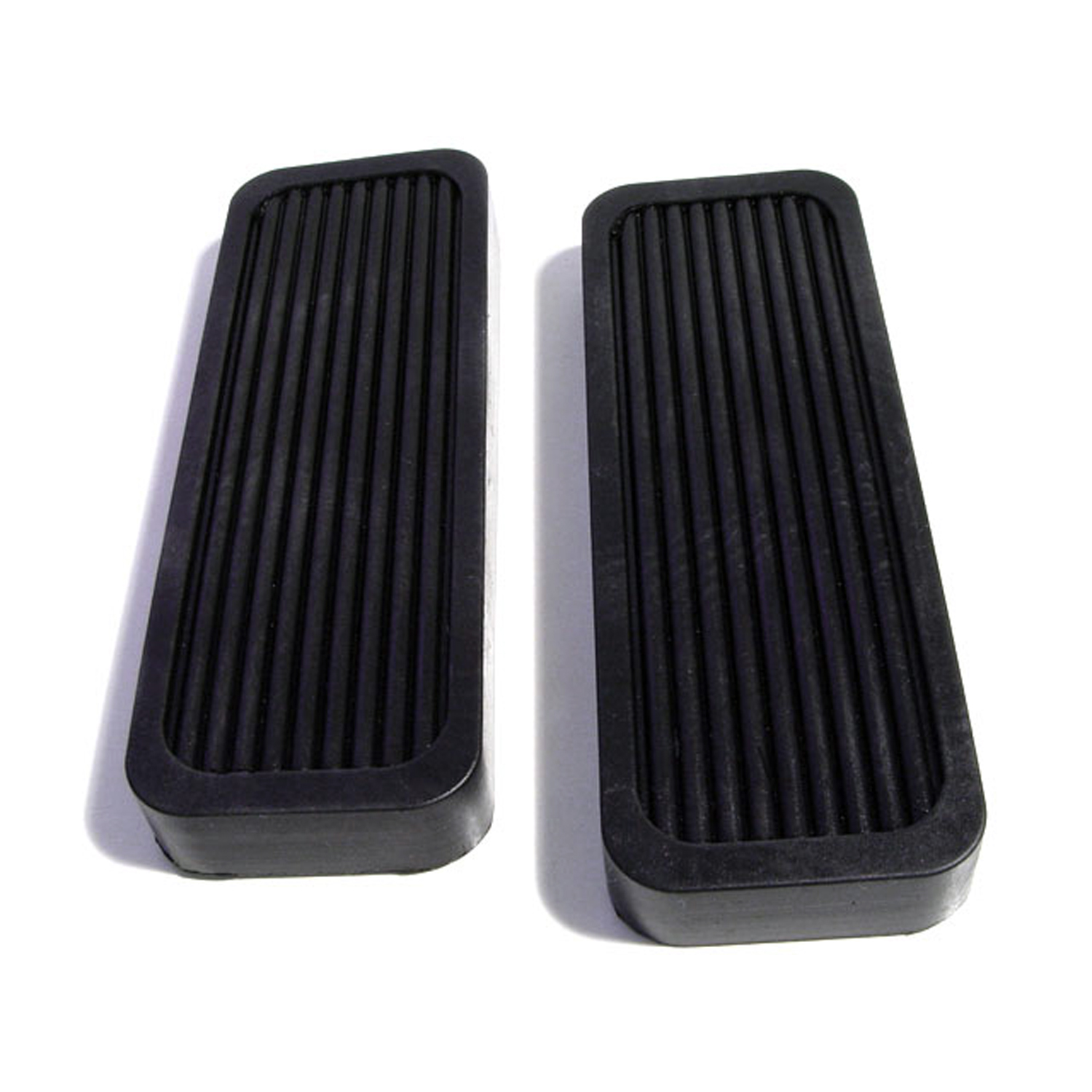 1916 Reo Model M Clutch and Brake Pedal Pads. 1-5/8" wide X 4-1/4" long-CB 39Clutch and Brake Pedal Pads. 1-5/8" wide X 4-1/4" long. Pair
Why Choose Metro?
For over 100 years, Metro Moulded Parts has been the pinnacle of quality in classic car restoration parts. Our commitment to precision and authenticity in every component ensures a perfect fit and an OEM-level appearance.
- Expert Craftsmanship & Quality: Each part is a testament to our dedication to reliability and perfection, crafted from original designs and thoroughly tested.
- Advanced Technology: We use cutting-edge techniques to create flawless, long-lasting parts that surpass others in performance.
- SuperSoft Sponge – The Ultimate Door Seal: Not only are our door seals 30% softer than competitors', but they're also guaranteed to never leak. They effectively reduce wind and road noise, enhancing your classic car's comfort and driving experience.
- Proudly American: Our parts are a product of American craftsmanship, made in the USA with a spirit of excellence and heritage.
- Unrivaled Warranty: We back our products with a 30-year industry-leading warranty, a testament to our confidence in their quality.
Join us in preserving the legacy of classic cars with parts that are crafted for perfection, not just made.