

Image of 1916 Reo The Fifth, Note: These illustrations use artistic license and may differ from actual historical models.
Performance Metrics
Fundamental Metrics
Emotional Appeal
MMP Rating
| Engine Specifications | |
|---|---|
| Engine Options: | Single engine option |
| Displacement Range: | 3.7L |
| Horsepower Range: | Estimated 30-35 HP |
| Torque: | Not available |
| Compression Ratio: | Not available |
| Ignition System: | Magneto ignition system |
| Cooling System: | Water-cooled |
| Performance Specifications | |
| 0-60 Time: | Not available |
| 1/4 Mile Time: | Not available |
| Top Speed: | 45 mph |
| Transmission and Drive | |
| Drive Type: | Rear-wheel drive |
| Transmission Type: | 3-speed manual |
| Fuel and Efficiency | |
| Fuel System Type: | Carburetor |
| MPG: | Not available |
| Dimensions and Brakes | |
| Brakes: | Mechanical drum brakes |
| Wheelbase: | 112 inches |
| Weight: | Estimated 1,800 lbs |
Note: Specifications for classic cars are given to the best of our ability, considering the limited and variant data available.
1916 REO The Fifth: A Lansing-Built Classic
The 1916 REO The Fifth brought Ransom E. Olds’s practical engineering into a handsome, substantial touring car built for the growing American road. Made by the REO Motor Car Company in Lansing, Michigan, it came from the same automotive pioneer who had founded the Olds Motor Works. After leaving that company, Olds established REO in 1904, naming it after his initials. The Fifth was part of the firm’s effort to offer dependable, well-engineered cars in a market increasingly dominated by mass-produced models.
Its name is a useful conversation starter: “The Fifth” was REO’s model name, not simply a claim that it was the company’s fifth car. In 1916, as the Ford Model T made motoring accessible to more Americans, REO aimed at buyers who wanted a larger, more refined automobile. The Fifth combined sturdy construction with the kind of open touring body that suited country roads, family outings, and long-distance motoring.
One detail that makes the car especially interesting today is how it captures a transition period. Its upright stance and exposed hardware evoke the early automobile, while features such as electrical equipment, when fitted, reflect the industry’s move toward more convenient modern motoring.
Touring-Car Style and Craftsmanship
The Fifth has the confident proportions typical of a prewar touring car: a tall, upright radiator, long hood, separate fenders, running boards, and large wooden-spoke wheels. The open body sits high, giving passengers a clear view of the road and making entry easier than in many low-slung modern vehicles. Lamps mounted at the front and details around the radiator and fittings add visual character, though finishes and equipment can differ between surviving cars and restorations.
Inside, the emphasis was on practical comfort rather than modern luxury. The touring body typically accommodated five passengers on broad, upright seats. Upholstery was generally leather or a similar durable trim, with painted or finished wood and metal surfaces elsewhere in the cabin. The materials were chosen to withstand use, dust, and weather, not to create the insulated, quiet interior expected in a contemporary sedan. With the top lowered, passengers were exposed to the elements; side curtains offered some protection when conditions turned poor.
Period REO literature and surviving examples show that body styles and equipment could vary. The five-passenger touring car is the most recognizable configuration associated with The Fifth, while open two-passenger roadster-style bodies and more enclosed options may be encountered in period references and the collector market. Exact availability could depend on model year, catalog, and coachwork. Buyers could also choose equipment and finishes, so there is no single color scheme that defines every 1916 example. Dark, restrained shades were common on automobiles of the era, but restored cars may wear colors selected to match documented history or owner preference.
Engineering for the Road
The Fifth used a four-cylinder gasoline engine, commonly described in period and collector references as producing about 35 horsepower. Exact specifications can vary by source and by how early REO horsepower ratings are reported, so figures should be treated as period estimates rather than modern standardized measurements. Power went through a manual transmission to the rear wheels, with the driver operating a clutch and gear lever directly rather than relying on an automatic gearbox.
Electrical starting and lighting were increasingly important selling points in this period. Equipment could vary by car, but an electrically equipped example was easier to start and more usable after dark than an automobile dependent entirely on hand cranking and oil or acetylene lamps. The driver still had to manage the controls thoughtfully: steering was unassisted, braking systems were modest by modern standards, and shifting demanded practice.
Performance and Driving Feel
Reliable factory acceleration figures for the 1916 REO The Fifth are not readily established, and 0-to-60-mph testing was not a standard period specification. A modern estimate would be just that: an estimate. With roughly 35 horsepower, a full touring body, and early gearing, the car was built for steady travel rather than quick launches. Many examples are better understood as cars for moderate country-road speeds than as machines expected to cruise comfortably at today’s highway pace.
Top-speed figures also vary among historical references and surviving-car accounts. A healthy, correctly tuned Fifth may be capable of around 45 to 55 mph under favorable conditions, but its safe and comfortable cruising speed is lower and depends on mechanical condition, tires, gearing, and road surface. It is not sensible to treat a century-old car’s quoted maximum as a recommended sustained speed.
Behind the wheel, the experience is direct and physical. The four-cylinder engine gives off a steady mechanical thrum, accompanied by the sound of gears, tires, and wind around the open body. The tall seating position and large steering wheel offer a commanding view, while the solid axles and narrow tires transmit bumps more clearly than a modern suspension. On a winding road, the driver needs to plan ahead, slow before corners, and use deliberate steering inputs. The Fifth rewards smooth driving and attention, not hurried reactions.
Why The Fifth Matters
The REO The Fifth did not introduce a single technology that transformed the entire industry. Its importance lies instead in how it brought established engineering and increasingly convenient equipment together in a substantial, usable automobile. REO had a reputation for building robust vehicles, and the Fifth represented an alternative to the cheapest mass-market cars: more room, a larger presence, and a focus on durability.
It also reflects the industry’s changing priorities. Automakers were moving away from the earliest, highly experimental designs toward cars that customers could use for regular transportation. Improvements in engines, electrical systems, and manufacturing helped make motoring more practical, even as roads remained rough and maintenance was part of ordinary ownership. REO’s later success in trucks and commercial vehicles grew from the company’s broader reputation for sturdy engineering.
Living With a 1916 REO
Today, The Fifth is primarily a show car, touring-car event participant, or occasional-use antique. It can be driven on suitable roads, but it is not a sensible daily driver by modern standards. Its open cabin, limited braking performance, modest pace, and lack of contemporary safety equipment make careful route planning essential. Owners generally favor local gatherings, slow-speed tours, and club events over busy highways.
Maintenance is manageable for an owner with mechanical experience, but it is not maintenance-free. Ignition, carburetion, lubrication, cooling, brakes, tires, and the wooden wheels all need regular inspection. Parts may require specialist suppliers, vintage-car networks, or careful fabrication. The basic mechanical layout is more approachable than that of a modern electronically controlled vehicle, but age brings its own challenges: worn castings, fatigued metal, deteriorated wood, and decades of repairs can complicate what appears to be a simple job.
Reliability depends heavily on the quality of restoration and ongoing care. A well-sorted car can be a dependable participant in antique-car touring, but owners should carry basic tools and be prepared for roadside adjustments. The average modern driver may find the controls unfamiliar, while a mechanically inclined collector will appreciate the car’s accessible, hands-on character.
REO Facts and Common Questions
REO’s founder, Ransom E. Olds, was already a major figure in the automobile business before launching the company. His initials gave the new enterprise its name. REO later became especially well known for trucks, but its early passenger cars show that the company’s reputation for sturdy construction was established in the automobile market.
No widely recognized speed or endurance record is specifically associated with the 1916 REO The Fifth. Its appeal is more about its place in the development of practical American motoring than competition history. It also does not have a single celebrity ownership story that defines the model. Individual cars may have notable provenance, but that should be verified from documentation rather than assumed from the make and year.
Common criticisms are familiar to anyone who drives an early automobile: the ride is firm over rough roads, the open body offers little weather protection, and the car requires more driver involvement than a modern vehicle. Braking and night visibility are also limited by period technology. Those drawbacks are part of the historical experience, but they are important considerations for anyone planning to drive one.
Collector Value and Availability
There is no dependable public production total for the 1916 REO The Fifth alone, so any model-specific number should be treated as a rough estimate rather than a factory-confirmed figure. REO built automobiles in meaningful numbers for its era, but a century of use, scrapping, deterioration, and selective preservation has left surviving Fifths scarce. They appear far less often than the best-known mass-market cars of the period, and condition, body style, completeness, and provenance strongly affect availability.
As a broad collector-market estimate, a project car might bring roughly $10,000 to $25,000, while a running example or older restoration could fall around $25,000 to $50,000. A high-quality, authentic restoration with strong documentation may reach approximately $50,000 to $80,000 or more, depending on the car and the market. These are indicative ranges, not a formal appraisal; unusual coachwork, exceptional provenance, or significant mechanical needs can move a price substantially.
Values for early brass- and prewar-era cars tend to be selective rather than uniformly rising. Well-restored examples with documented history can hold appeal, but restoration costs are high and the pool of buyers is smaller than for more familiar postwar classics. For The Fifth, condition and authenticity usually matter more than speculation about rapid appreciation. A careful inspection by an experienced antique-car specialist is essential before purchase.
A Practical Classic With Pioneer Character
The 1916 REO The Fifth is a substantial, thoughtfully engineered touring car from a company founded by one of America’s automotive pioneers. Its upright styling, hands-on controls, four-cylinder power, and period electrical equipment tell the story of an industry learning to make cars more practical and dependable. It may not offer modern speed or comfort, but it delivers something increasingly rare: a vivid connection to the early days of American motoring.
For collectors who value mechanical character and historical context, The Fifth is more than an old touring car. It is a rolling reminder that REO helped shape the automobile long before its name became most familiar on trucks.
1916 Reo The Fifth Catalog of Parts
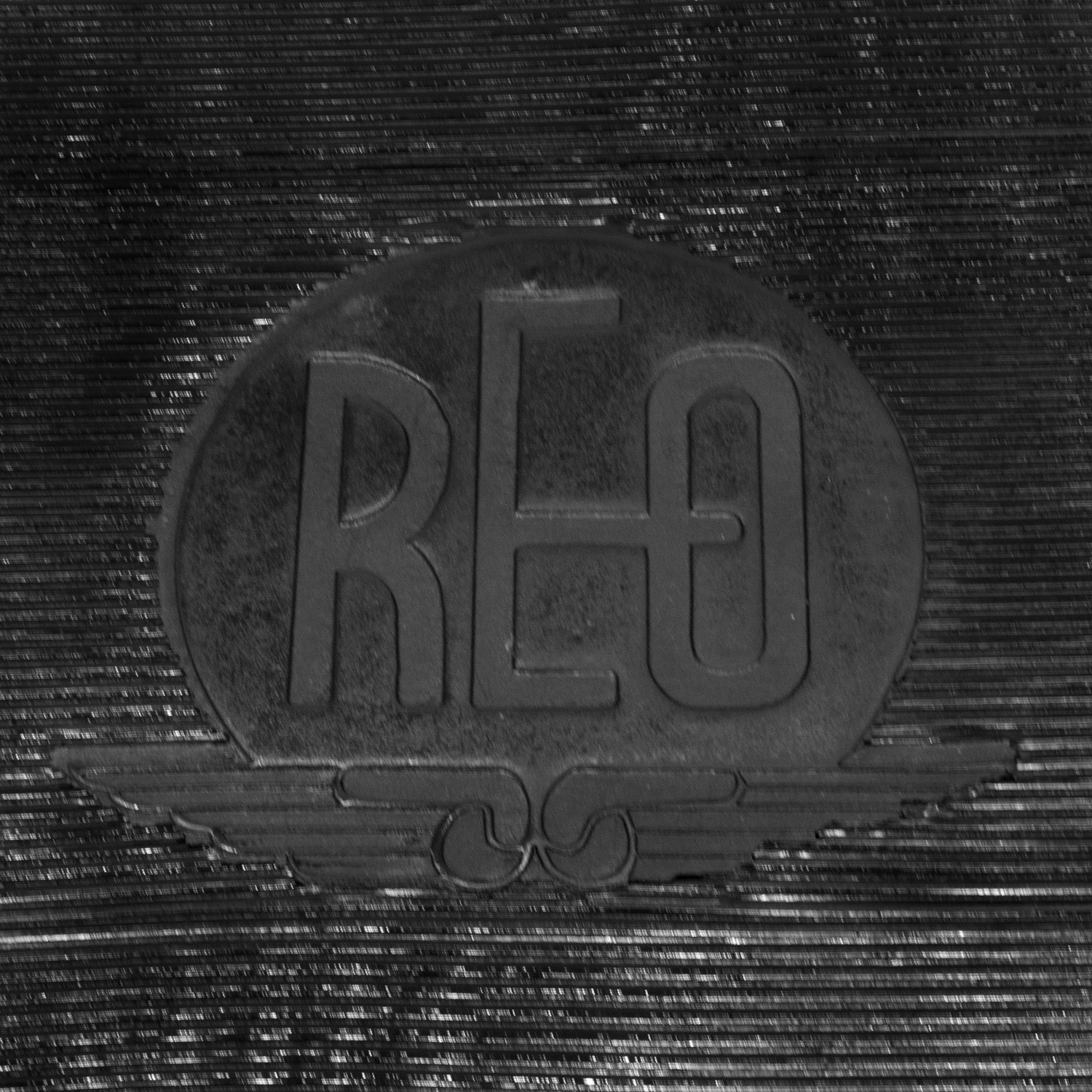 1916 Reo The Fifth Accessory Floor Mat - 12"X17"-AC 36Accessory Floor Mat - made of high quality black rubber with molded original emblem. Also designed to be sewn into new carpets. 12"X17", Each
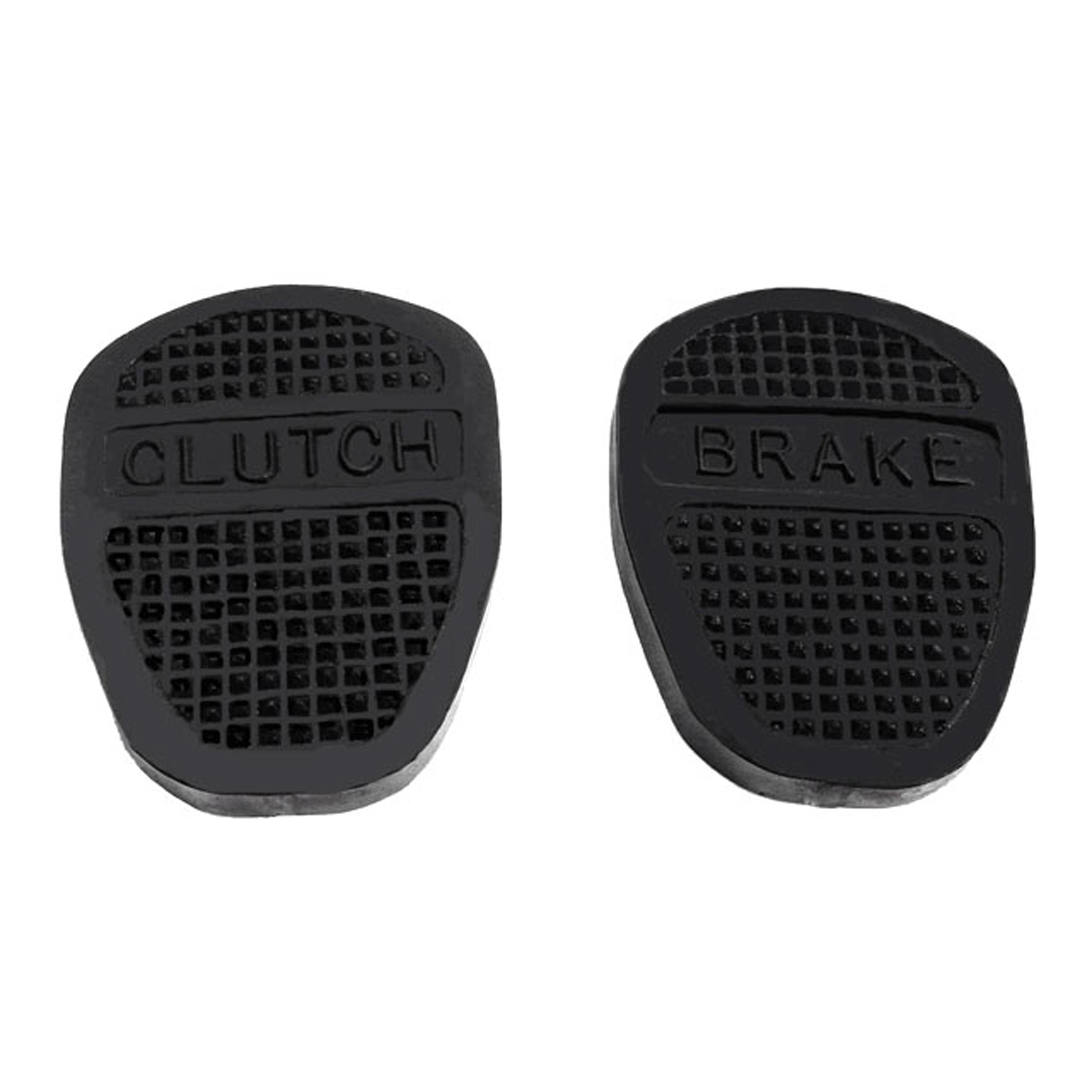 1916 Reo The Fifth Clutch and Brake Pedal Pads. Lettered "CLUTCH" and "BRAKE"-CB 38Clutch and Brake Pedal Pads. Lettered "CLUTCH" and "BRAKE". 3-1/4" wide X 4-3/8" long. Pair
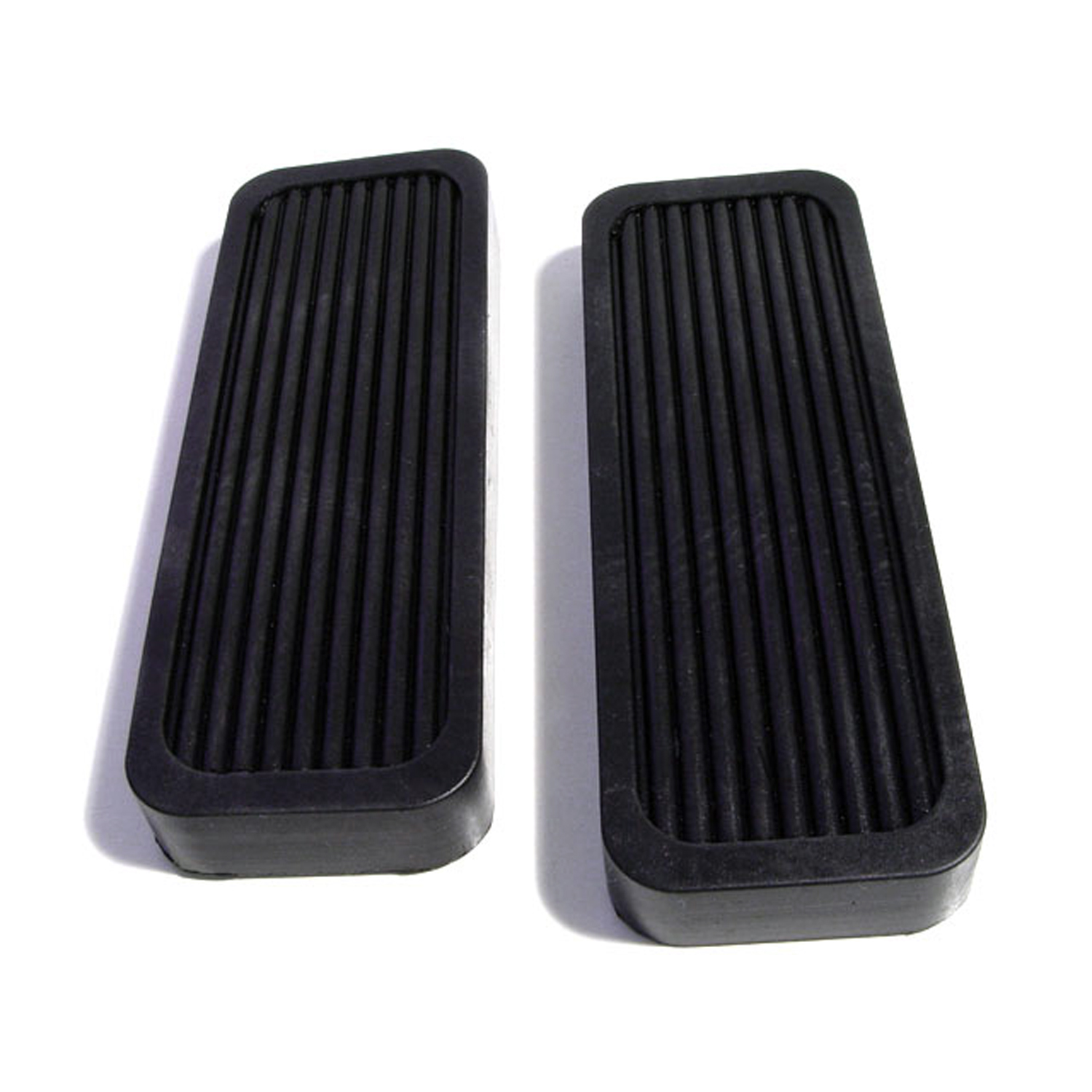 1916 Reo The Fifth Clutch and Brake Pedal Pads. 1-5/8" wide X 4-1/4" long-CB 39Clutch and Brake Pedal Pads. 1-5/8" wide X 4-1/4" long. Pair
Why Choose Metro?
For over 100 years, Metro Moulded Parts has been the pinnacle of quality in classic car restoration parts. Our commitment to precision and authenticity in every component ensures a perfect fit and an OEM-level appearance.
- Expert Craftsmanship & Quality: Each part is a testament to our dedication to reliability and perfection, crafted from original designs and thoroughly tested.
- Advanced Technology: We use cutting-edge techniques to create flawless, long-lasting parts that surpass others in performance.
- SuperSoft Sponge – The Ultimate Door Seal: Not only are our door seals 30% softer than competitors', but they're also guaranteed to never leak. They effectively reduce wind and road noise, enhancing your classic car's comfort and driving experience.
- Proudly American: Our parts are a product of American craftsmanship, made in the USA with a spirit of excellence and heritage.
- Unrivaled Warranty: We back our products with a 30-year industry-leading warranty, a testament to our confidence in their quality.
Join us in preserving the legacy of classic cars with parts that are crafted for perfection, not just made.