

Image of 1918 Reo Model M, Note: These illustrations use artistic license and may differ from actual historical models.
Performance Metrics
Fundamental Metrics
Emotional Appeal
MMP Rating
| Engine Specifications | |
|---|---|
| Engine Options: | Single engine option |
| Displacement Range: | 3.7L |
| Horsepower Range: | Estimated 20-30 HP |
| Torque: | Not available |
| Compression Ratio: | Not available |
| Ignition System: | Magneto ignition system |
| Cooling System: | Water-cooled |
| Performance Specifications | |
| 0-60 Time: | Not available |
| 1/4 Mile Time: | Not available |
| Top Speed: | 40-45 mph |
| Transmission and Drive | |
| Drive Type: | Rear-wheel drive |
| Transmission Type: | 3-speed manual |
| Fuel and Efficiency | |
| Fuel System Type: | Carburetor |
| MPG: | Not available |
| Dimensions and Brakes | |
| Brakes: | Mechanical drum brakes |
| Wheelbase: | 112 inches |
| Weight: | Estimated 1,800-2,000 lbs |
Note: Specifications for classic cars are given to the best of our ability, considering the limited and variant data available.
1918 Reo Model M: A Sturdy American Roadster of the Brass-Era Generation
The 1918 Reo Model M was built for motorists who wanted a practical, well-engineered American car rather than a flashy novelty. Made in Lansing, Michigan, by the R.E.O. Motor Car Company, it reflects the confident, increasingly mature automobile industry of the years just before and during the First World War.
REO took its name from its founder, Ransom E. Olds, whose initials became the company’s brand after he left the Olds Motor Works. By 1918, the Model M belonged to a generation of cars that had moved beyond the earliest, experimental motorcar era but still demanded considerable skill from their drivers. One intriguing detail is that the Model M’s useful, conventional layout was part of REO’s larger identity: the company pursued dependable transportation while also building a lasting reputation in commercial vehicles.
Classic Reo Styling and Cabin Details
The Model M wears the upright, purposeful proportions typical of a 1910s touring car. Its tall radiator and narrow hood give the front end a formal, almost carriage-like appearance, while exposed lamps, separate fenders, running boards, and slender wheels make its mechanical character part of the design. The high seating position and open body put passengers close to the sights and sounds of the road.
Inside, the experience was more functional than luxurious by modern standards. Expect a simple instrument panel, exposed controls, and durable upholstery intended for real use. Depending on the body and trim, seats were generally finished in leather or leather-like upholstery, with painted metal and wood details completing the cabin. The open touring body offered little protection from weather, so side curtains and a top were important practical accessories rather than decorative extras.
Period paint choices varied with the body, buyer, and year. Dark colors such as black, deep green, and maroon were common choices across the era, often paired with restrained trim. Exact factory color availability for an individual 1918 Model M can be difficult to confirm, so a surviving car’s original paint or build documentation is the best guide to authenticity.
The touring car is the Model M body style most readily associated with the name, though REO offered different body configurations during the Model M’s production life. Roadster and closed-body versions may also be encountered in period references or surviving examples. Buyers should check the specific year’s catalog and the car’s documentation before assuming a body style was offered in precisely the same form throughout the model run.
Engineering for Everyday Motoring
At its heart, the Model M used a conventional front-engine, rear-wheel-drive layout and a four-cylinder engine. Published specifications can vary by year and source, but period accounts commonly place its output in roughly the 30-to-35-horsepower range. A manual transmission, typically with three forward speeds, put the driver in direct control of the car’s modest power.
Those specifications were not radical, but that was part of the appeal. A straightforward engine and drivetrain were easier to understand and service than more complicated systems, while the familiar controls helped make motoring more accessible to owners who were willing to learn basic mechanical care. The Model M represents an important step in the transition from early, experimental automobiles to more standardized, usable family transport.
Why the 1918 Model M Matters
The Model M’s significance is less about one headline-grabbing invention and more about what it represents: a manufacturer building practical cars during a period of rapid change. In 1918, the United States was still adjusting to wartime demands, and the automobile industry was developing alongside a growing market for trucks and other commercial vehicles. REO’s later strength in trucks makes the Model M part of a broader story about a company that served both private motorists and working businesses.
Against more expensive luxury cars, the Reo offered a comparatively straightforward approach. Against low-cost mass-market cars, it represented a more substantial alternative for buyers prepared to pay for a larger, capable machine. Its lasting influence is therefore best understood through REO’s reputation for durable transportation and its place in the evolution of the American auto industry, rather than through a single technology that changed the course of car design.
Performance, Speed, and the Driving Feel
A healthy Model M is best thought of as a steady road car, not a speed machine. Reliable factory-style 0-to-60-mph figures are not available in the way they are for modern cars. Period testing was not standardized, and a century of changes in engine condition, gearing, tires, and body configuration makes a precise acceleration number misleading. Some examples may struggle to reach 60 mph at all. A reasonable expectation is brisk progress by 1918 standards, with a top speed often estimated around 45 to 50 mph when the car is in good condition.
On a smooth road, the Model M’s long, upright shape and period suspension deliver a measured, deliberate ride. Rough surfaces bring the limitations of early suspension and narrow tires into sharp focus, while winding roads call for planning rather than quick steering corrections. The driver works a manual gearbox, manages the controls directly, and keeps a close eye on the road ahead. It is an involving experience, not a modern car’s effortless point-and-go routine.
The sound is part of the charm: a steady four-cylinder beat, mechanical chatter, and the rush of wind around an open cabin. At touring speed, the car feels purposeful but unhurried. Owners accustomed to modern traffic should leave generous stopping distances and avoid treating the Model M as if it had contemporary brakes, tires, or crash protection.
Living With a Reo Model M
Today, the Model M is most at home on local tours, in historic motoring events, and in a collection of early American cars. Some owners keep these vehicles running and take them out regularly, but ordinary daily-driver use is impractical. Weather protection, cruising speed, lighting, braking, and the availability of parts all make a vintage touring car a poor match for modern commuting.
Maintenance rewards a hands-on owner. Regular lubrication, careful attention to ignition and fuel systems, and routine checks of brakes, tires, and fasteners are essential. Many repairs are mechanically straightforward compared with those on a modern vehicle, but that does not mean every job is easy: parts can be scarce, previous repairs may be undocumented, and correct restoration often requires specialist knowledge. A pre-purchase inspection by someone familiar with early Reos is strongly recommended.
Reo Model M Facts and Common Criticisms
The Model M belongs to a period when automobiles shared roads with horse-drawn vehicles, bicycles, and pedestrians, and when a trip could involve roadside adjustments as a normal part of ownership. Its open touring layout makes that history tangible. No widely documented Model M speed or endurance record is central to the car’s story, and claims of a specific record or famous owner should be checked against reliable documentation rather than repeated as fact.
The main criticisms are familiar to anyone who drives a prewar car: limited speed, modest weather protection, demanding controls, and braking that requires anticipation. A touring body can also be noisy and drafty. These are not hidden flaws so much as the trade-offs of motoring in 1918, and they are part of why a Model M feels so different from a later classic car.
Collector Value and Availability
Surviving 1918 Reo Model Ms are uncommon, and the market is thin enough that condition and documentation matter more than a simple guidebook figure. As a broad U.S. estimate in 2026, a project or incomplete car might bring roughly $8,000 to $18,000. A running, presentable example could fall around $20,000 to $40,000, while a high-quality, correctly restored car may reach approximately $40,000 to $65,000 or more. Body style, originality, restoration quality, and the availability of spare parts can shift those figures substantially.
Exact Model M production totals are difficult to establish from commonly available references. A cautious working estimate would put 1918 production in the low thousands, perhaps around 1,000 to 3,000 cars, but that is an informed estimate rather than a verified factory total. The number of surviving, sale-ready examples is far smaller. Values are likely to remain condition-sensitive: strong restorations may hold or gradually gain value, while incomplete cars can be difficult to sell because restoration costs quickly exceed the car’s market value.
A Practical Classic With a Lasting Story
The 1918 Reo Model M combines handsome early touring-car proportions with practical engineering and a direct, mechanical driving experience. It was built by a company founded by one of America’s pioneering automotive figures, and it belongs to a period when cars were becoming useful machines for a wider public. It may not be fast or easy to live with, but for collectors who value authentic prewar motoring, the Model M offers something modern cars cannot: a vivid connection to the moment American driving was taking shape.
1918 Reo Model M Catalog of Parts
 1918 Reo Model M Accessory Floor Mat - 12"X17"-AC 36Accessory Floor Mat - made of high quality black rubber with molded original emblem. Also designed to be sewn into new carpets. 12"X17", Each
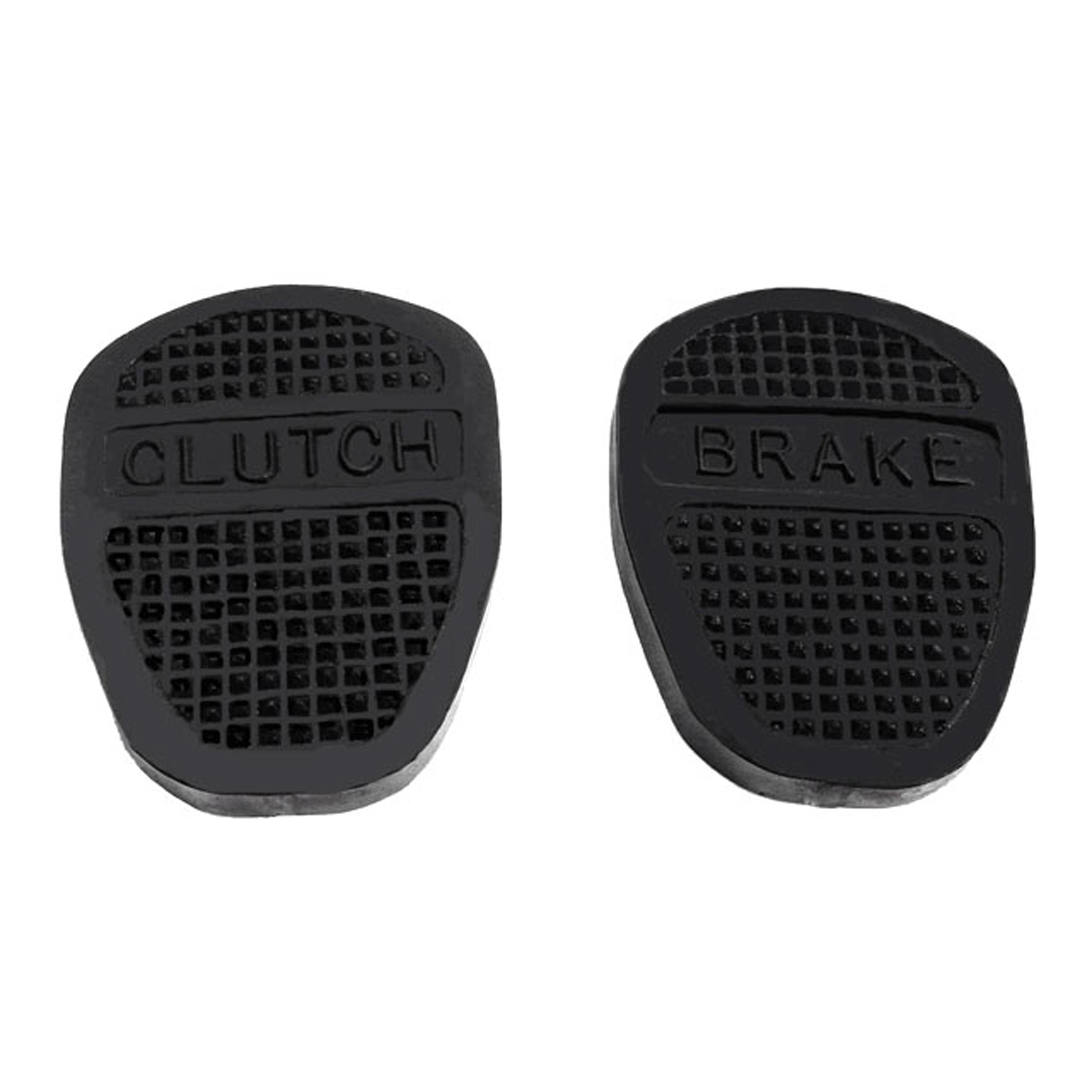 1918 Reo Model M Clutch and Brake Pedal Pads. Lettered "CLUTCH" and "BRAKE"-CB 38Clutch and Brake Pedal Pads. Lettered "CLUTCH" and "BRAKE". 3-1/4" wide X 4-3/8" long. Pair
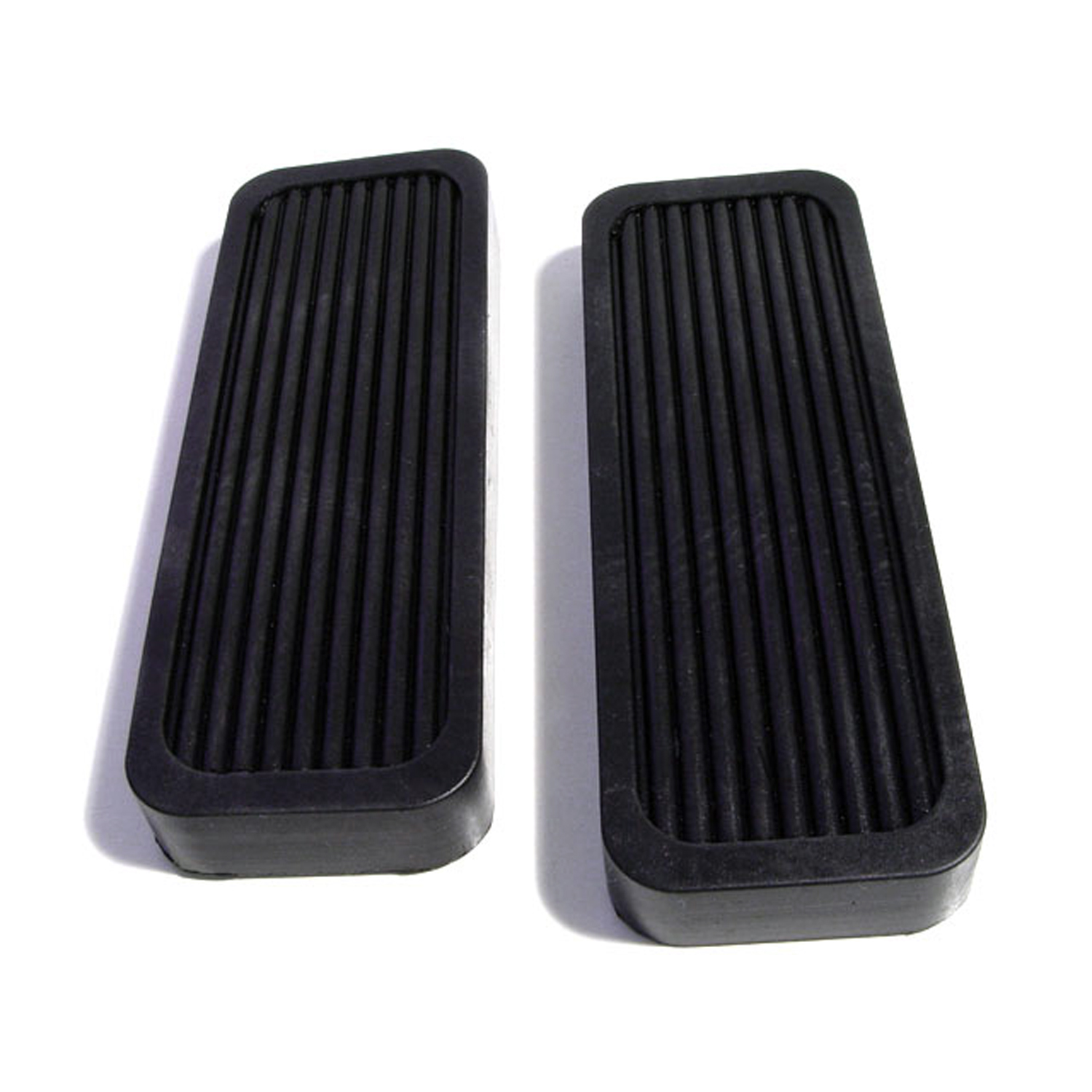 1918 Reo Model M Clutch and Brake Pedal Pads. 1-5/8" wide X 4-1/4" long-CB 39Clutch and Brake Pedal Pads. 1-5/8" wide X 4-1/4" long. Pair
Why Choose Metro?
For over 100 years, Metro Moulded Parts has been the pinnacle of quality in classic car restoration parts. Our commitment to precision and authenticity in every component ensures a perfect fit and an OEM-level appearance.
- Expert Craftsmanship & Quality: Each part is a testament to our dedication to reliability and perfection, crafted from original designs and thoroughly tested.
- Advanced Technology: We use cutting-edge techniques to create flawless, long-lasting parts that surpass others in performance.
- SuperSoft Sponge – The Ultimate Door Seal: Not only are our door seals 30% softer than competitors', but they're also guaranteed to never leak. They effectively reduce wind and road noise, enhancing your classic car's comfort and driving experience.
- Proudly American: Our parts are a product of American craftsmanship, made in the USA with a spirit of excellence and heritage.
- Unrivaled Warranty: We back our products with a 30-year industry-leading warranty, a testament to our confidence in their quality.
Join us in preserving the legacy of classic cars with parts that are crafted for perfection, not just made.