

Image of 1918 Reo The Fifth, Note: These illustrations use artistic license and may differ from actual historical models.
Performance Metrics
Fundamental Metrics
Emotional Appeal
MMP Rating
| Engine Specifications | |
|---|---|
| Engine Options: | Single engine option |
| Displacement Range: | 3.7L |
| Horsepower Range: | Estimated 20-30 HP |
| Torque: | Not available |
| Compression Ratio: | Not available |
| Ignition System: | Magneto ignition system |
| Cooling System: | Water-cooled |
| Performance Specifications | |
| 0-60 Time: | Not available |
| 1/4 Mile Time: | Not available |
| Top Speed: | 40-45 mph |
| Transmission and Drive | |
| Drive Type: | Rear-wheel drive |
| Transmission Type: | 3-speed manual |
| Fuel and Efficiency | |
| Fuel System Type: | Carburetor |
| MPG: | Not available |
| Dimensions and Brakes | |
| Brakes: | Mechanical drum brakes |
| Wheelbase: | 112 inches |
| Weight: | Estimated 2000-2500 lbs |
Note: Specifications for classic cars are given to the best of our ability, considering the limited and variant data available.
1918 REO The Fifth: A Practical Classic from Lansing
The 1918 REO The Fifth was built for motorists who wanted something sturdier than a bare-bones runabout but less imposing than a luxury car. Its appeal came from sound engineering, useful body choices, and the reputation of the company behind it: REO Motor Car Company, founded in Lansing, Michigan, by automotive pioneer Ransom E. Olds.
The name “REO” comes from Olds’s initials, while “The Fifth” was the car’s model name, not a reference to a fifth generation. By 1918, REO had established itself as a serious American manufacturer. The United States had entered World War I the previous year, and wartime demands were reshaping industry and transportation. Against that backdrop, The Fifth represents a period when cars were moving beyond novelty and becoming increasingly practical machines for everyday travel.
One point of interest is the car’s connection to a founder who had already helped shape the industry twice over. Olds had been associated with Oldsmobile before establishing REO, giving The Fifth a place in the story of early American mass-market motoring.
Touring-Car Style and Craftsmanship
The Fifth has the upright, purposeful look typical of a prewar-era American automobile. Its tall radiator, separate fenders, exposed running boards, slim tires, and high-set lamps make its mechanical parts part of the visual design. On a touring model, the open passenger compartment and folding top gave the car an airy profile, while the long hood and upright windshield supplied its unmistakable early-motorcar character.
Inside, the emphasis was on function rather than modern comforts. Depending on body style and equipment, occupants would find broad seats upholstered in leather or leather-like material, straightforward controls, and painted or wood-finished trim. The open touring car offered little protection from weather, but its generous seating and accessible cabin suited family outings and longer trips in fair conditions.
Period REO specifications and equipment could vary by configuration, so it is best not to assume every surviving car has identical fittings. Electric lighting and an electric starter were available on cars of this era, though equipment depended on the particular car and its original specification. The basic driving arrangement remained mechanical and hands-on, with the driver managing the clutch, gear changes, throttle, and ignition controls.
Touring and roadster bodies are among the most recognizable forms of The Fifth. Closed bodies, including coupe or sedan-style offerings, were also part of the broader market for REO cars, although availability could vary by year and catalog. Dark colors such as black, deep green, maroon, and dark blue suit the car’s period appearance. Exact factory color choices for an individual 1918 example should be verified from original records or surviving paint layers rather than assumed from a modern restoration.
What Made The Fifth Matter
The Fifth was not a revolutionary design that introduced a single technology later adopted by every automaker. Its importance lies more in the qualities it represented: a practical, conventionally engineered car from a manufacturer with serious production experience. REO aimed to build dependable transportation, and that reputation helped the company maintain a place in a crowded market dominated by better-known names.
Compared with many early cars, The Fifth offered a useful balance of passenger space, road presence, and mechanical simplicity. Its separate chassis, body-on-frame construction, and accessible mechanical layout reflected the established engineering approach of the period. These were not cutting-edge features by 1918, but they made the car understandable to mechanics and owners familiar with contemporary automobiles.
REO’s longer legacy also reaches beyond passenger cars. The company became especially well known for commercial vehicles and trucks, and its Lansing roots remain an important part of Michigan’s automotive history. The Fifth is a reminder that the industry’s story was shaped by many manufacturers, not just the brands that survived as major passenger-car companies.
Engine, Speed, and Road Manners
Specifications varied across the model’s run and by configuration, but The Fifth is generally associated with a four-cylinder engine in the roughly 35-horsepower class. A period-style manual transmission and rear-wheel drive delivered power to the back wheels. Exact displacement, gearing, and equipment should be checked against the specific car’s identification and period documentation.
A realistic top speed for a sound, correctly set-up example is roughly 40 to 50 mph, although condition, gearing, tires, and road surface make a significant difference. A modern 0-to-60-mph figure is less useful: acceleration was leisurely, and many examples would struggle to reach 60 mph at all. For a healthy car, a rough estimate to 60, if it can achieve it, might be 35 seconds or longer. That is an informed period-car estimate, not a reliable factory performance figure.
Behind the wheel, the engine’s steady exhaust beat and mechanical chatter are part of the experience. The driver sits high, looks over the long hood, and works controls that require more attention than those of a modern car. Steering is typically heavy at low speeds, braking requires anticipation, and the car’s narrow tires and tall stance call for a measured approach on corners.
On a bumpy road, the chassis and tires provide a firm, lively ride by modern standards. The car can manage winding roads at a sensible pace, but it is not designed for quick direction changes or high-speed cornering. Crosswinds can be noticeable, particularly with a tall open touring body. The best way to enjoy The Fifth is to leave plenty of room, keep a steady pace, and treat the journey as part of the attraction.
Living with a 1918 REO
Today, The Fifth is best suited to touring events, local parades, historic motoring clubs, and private collections. It can be driven on suitable roads, but it is not a practical daily driver by modern standards. Its open bodywork, limited weather protection, modest speed, and period braking system make it far more enjoyable as a recreational car than as routine transportation.
Maintenance is manageable for an experienced vintage-car owner, but it is not entirely plug-and-play. Owners should expect regular lubrication, careful attention to ignition and fuel systems, periodic adjustment of mechanical components, and tire and brake inspections. Many repairs are straightforward in principle because the car’s systems are mechanical and accessible, but parts may require specialist suppliers, old-stock components, or custom fabrication.
Reliability depends heavily on the quality of restoration and ongoing care. A well-maintained example can be a rewarding touring car, while one that has sat unused may need extensive work before it is safe to drive. Anyone considering a purchase should inspect the frame, engine, transmission, steering, brakes, and authenticity of major components with a mechanic familiar with brass- and nickel-era cars.
REO Facts, Myths, and Common Criticisms
“REO” is not an acronym chosen by a marketing department. It comes from Ransom E. Olds’s initials. And despite the model name, “The Fifth” does not mean the car was the fifth version of a numbered model series.
There is no widely documented record suggesting that The Fifth was famous for a major speed achievement or a celebrated racing victory. Its historical interest is better understood through its place in REO’s passenger-car lineup and the broader development of American motoring. No single celebrity association defines the model in the way one might find with a few later classics.
Common criticisms are exactly what a modern driver might expect from a car built in 1918: slow acceleration, limited braking performance, minimal weather protection on open models, and a demanding driving routine. Those traits are not defects by the standards of the time, but they do mean that a restored Fifth is a car to experience at a relaxed pace, not a substitute for modern transportation.
Collector Value and Rarity
Exact production figures for the 1918 REO The Fifth are not consistently available in commonly cited model references. A cautious estimate would place production in the several-thousand range, possibly reaching the low tens of thousands across body styles, but that should be treated as an informed estimate rather than a verified factory total. Surviving examples are much rarer than original production figures suggest, and condition, body style, completeness, and documentation strongly affect availability.
As a broad current-market estimate, a project car or incomplete example might sell for around $8,000 to $18,000. A solid, drivable car may fall in the $20,000 to $40,000 range, while a high-quality restoration or particularly desirable body style could reach roughly $40,000 to $65,000 or more. These are general guide ranges, not a formal appraisal; auction results can vary sharply according to originality, restoration quality, and buyer interest.
Values for early cars tend to be selective rather than uniformly rising. Well-presented, usable examples with credible restoration records can hold interest, but the cost of restoration may exceed the car’s eventual market value. The Fifth’s appreciation potential is strongest for collectors who value early American engineering and enjoy driving events, rather than buyers seeking a guaranteed investment.
A Lansing-Built Snapshot of Early Motoring
The 1918 REO The Fifth combines a distinctive open-era silhouette with practical engineering and a direct link to Ransom E. Olds. It is not a fast car, a technological showpiece, or an easy daily driver. Its appeal is more human than that: the sounds, the physical controls, the upright view over the hood, and the sense of traveling at the pace of another age.
For enthusiasts who want to experience the foundations of American motoring firsthand, The Fifth offers a memorable ride and a meaningful piece of REO history. It reminds us that the early automobile was not just a machine to admire, but a machine to learn, maintain, and drive.
1918 Reo The Fifth Catalog of Parts
 1918 Reo The Fifth Accessory Floor Mat - 12"X17"-AC 36Accessory Floor Mat - made of high quality black rubber with molded original emblem. Also designed to be sewn into new carpets. 12"X17", Each
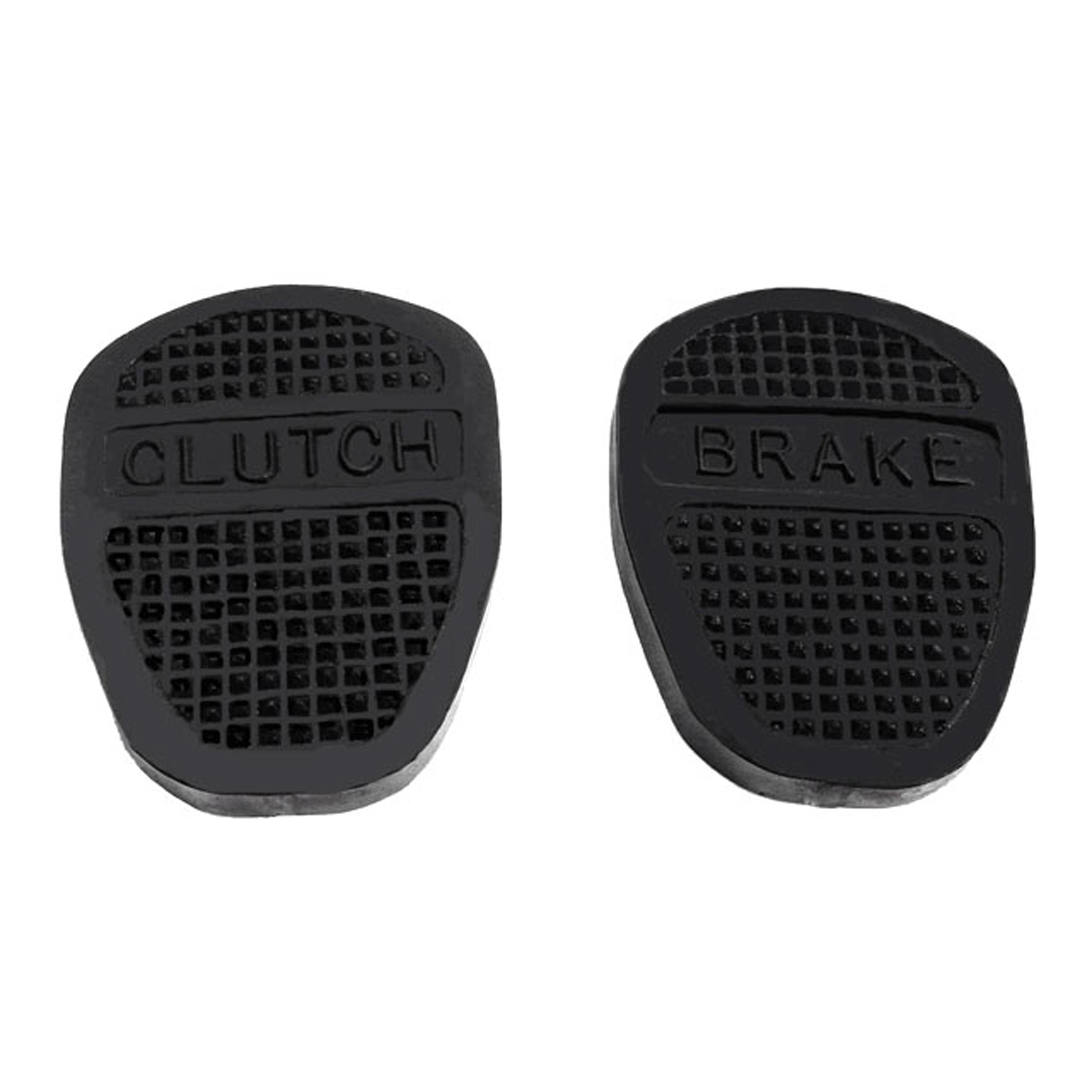 1918 Reo The Fifth Clutch and Brake Pedal Pads. Lettered "CLUTCH" and "BRAKE"-CB 38Clutch and Brake Pedal Pads. Lettered "CLUTCH" and "BRAKE". 3-1/4" wide X 4-3/8" long. Pair
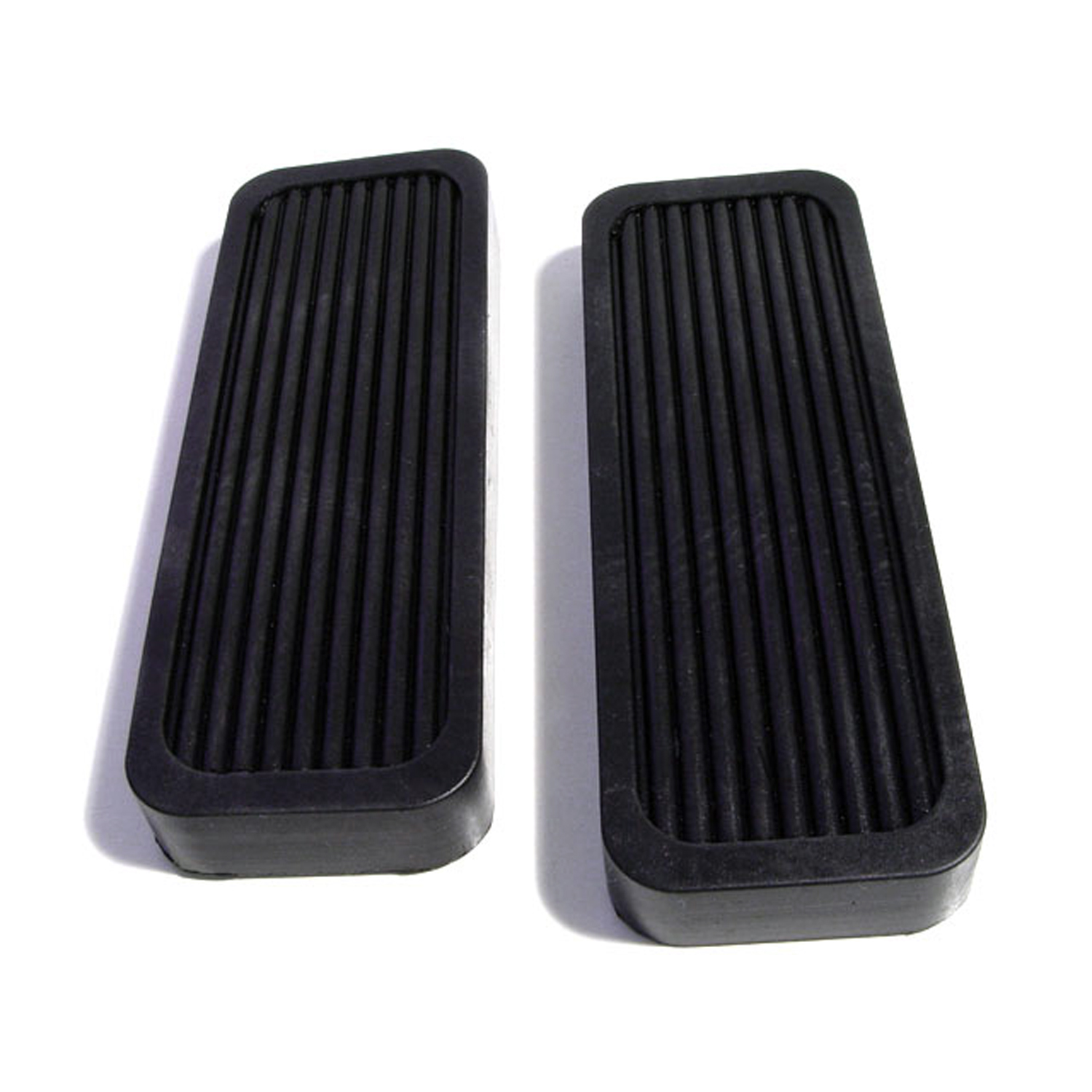 1918 Reo The Fifth Clutch and Brake Pedal Pads. 1-5/8" wide X 4-1/4" long-CB 39Clutch and Brake Pedal Pads. 1-5/8" wide X 4-1/4" long. Pair
Why Choose Metro?
For over 100 years, Metro Moulded Parts has been the pinnacle of quality in classic car restoration parts. Our commitment to precision and authenticity in every component ensures a perfect fit and an OEM-level appearance.
- Expert Craftsmanship & Quality: Each part is a testament to our dedication to reliability and perfection, crafted from original designs and thoroughly tested.
- Advanced Technology: We use cutting-edge techniques to create flawless, long-lasting parts that surpass others in performance.
- SuperSoft Sponge – The Ultimate Door Seal: Not only are our door seals 30% softer than competitors', but they're also guaranteed to never leak. They effectively reduce wind and road noise, enhancing your classic car's comfort and driving experience.
- Proudly American: Our parts are a product of American craftsmanship, made in the USA with a spirit of excellence and heritage.
- Unrivaled Warranty: We back our products with a 30-year industry-leading warranty, a testament to our confidence in their quality.
Join us in preserving the legacy of classic cars with parts that are crafted for perfection, not just made.