

Image of 1920 Reo Model T-6, Note: These illustrations use artistic license and may differ from actual historical models.
Performance Metrics
Fundamental Metrics
Emotional Appeal
MMP Rating
| Engine Specifications | |
|---|---|
| Engine Options: | Inline 6-cylinder |
| Displacement Range: | 3.7L |
| Horsepower Range: | Estimated 35-40 HP |
| Torque: | Not available |
| Compression Ratio: | Not available |
| Ignition System: | Magneto ignition system |
| Cooling System: | Water-cooled |
| Performance Specifications | |
| 0-60 Time: | Not available |
| 1/4 Mile Time: | Not available |
| Top Speed: | 50-55 mph |
| Transmission and Drive | |
| Drive Type: | Rear-wheel drive |
| Transmission Type: | 3-speed manual |
| Fuel and Efficiency | |
| Fuel System Type: | Carburetor |
| MPG: | Not available |
| Dimensions and Brakes | |
| Brakes: | Mechanical drum brakes |
| Wheelbase: | 112 inches |
| Weight: | Estimated 2,800 lbs |
Note: Specifications for classic cars are given to the best of our ability, considering the limited and variant data available.
1920 REO Model T-6: A Different Kind of “T”
The 1920 REO Model T-6 was no humble runabout and had nothing to do with Ford’s Model T. It was a substantial six-cylinder automobile from REO, the company founded by automotive pioneer Ransom E. Olds. Built for motorists who wanted smooth power, sturdy construction, and a little more refinement than a basic car offered, the T-6 represents an important chapter in the transition from early motoring to more capable, comfortable automobiles.
REO took its name from Olds’s initials. After leaving the company that became Oldsmobile, he established REO in 1904 and built a reputation for practical, well-engineered vehicles. The Model T-6 belonged to that tradition: a full-sized car powered by a six-cylinder engine at a time when many cars still relied on four-cylinder power. One useful point of distinction for modern readers is its name. “T-6” was REO’s model designation, not a reference to the Ford Model T.
The T-6 arrived during a period of rapid change. American buyers were beginning to expect more comfort and power from their cars, while improving roads made longer trips increasingly practical. REO’s large six-cylinder car answered that demand. The company would later become especially well known for trucks, but its passenger cars helped establish the engineering reputation behind that later success.
Long Hood, Roomy Cabin, and Period Craft
From the outside, the T-6 has the upright, carefully proportioned look of a substantial prewar automobile. Its tall radiator and long hood announce the six-cylinder engine beneath, while separate lamps, running boards, exposed fenders, and narrow tires give it the unmistakable profile of its era. The overall effect is formal rather than sporty: a car designed to carry its occupants with dignity as well as transport them.
Inside, the experience depended on body style and equipment, but the T-6 was generally a more substantial proposition than an economy car. Owners could expect generous seating, upholstered cushions, a wood-trimmed dashboard, and practical controls. Materials and finish varied by body and trim level. Restored examples may feature leather or leather-like upholstery and carefully refinished wood, but those details should not be assumed to match every original car.
Paint choices were typical of the period’s restrained palette. Dark blue, maroon, green, and black are plausible colors for cars of this class, though exact factory offerings could vary by year, body style, and order. Many surviving cars are seen in dark, formal shades, which suit the T-6’s upright appearance. A specific car’s original color is best confirmed through surviving paint layers or factory documentation rather than by relying on modern restoration trends.
REO offered the T-6 in several open and closed body configurations over the model’s production life. Touring cars and roadsters fit the open-air motoring culture of the day, while coupes and sedans gave buyers more weather protection and privacy. The touring body is among the most recognizable versions today, with its open cabin, folding top, and generous passenger seating. Exact availability varied by year, so a particular 1920 car should be checked against period sales literature or surviving records.
Six-Cylinder Engineering in Context
The T-6’s defining feature was its six-cylinder engine. Period specifications commonly describe it as a large, low-speed engine producing about 55 horsepower, though published figures and displacement details can differ among references. Its design favored steady pulling power and smoothness over high engine speed. That was a useful combination in a heavy touring car, especially on the rough and hilly roads many owners encountered.
In 1920, a six-cylinder engine was a meaningful step up from the four-cylinder powerplants common in less expensive cars. More cylinders could deliver smoother operation, and the T-6’s substantial engine gave it the kind of flexibility that suited touring. It was not a modern performance car, but it offered a more relaxed, capable character than a basic runabout.
The car’s lasting significance is less about one revolutionary invention than about the direction it represented. Automobiles were becoming larger, more powerful, and more comfortable, and REO was part of that shift. The company’s emphasis on sturdy engineering also foreshadowed its later prominence in commercial vehicles. The T-6 stands as an example of a maker applying practical design to a growing market for dependable, higher-capacity passenger cars.
Road Manners and Realistic Performance
Expect performance figures for a 1920 T-6 to be estimates, not modern test results. A healthy, correctly tuned car may be capable of roughly 50 to 60 mph under favorable conditions, but its safe cruising speed depends on the car’s mechanical condition, gearing, tires, brakes, and body style. Period speed claims should not be confused with comfortable everyday cruising speeds.
There is no dependable, widely accepted factory 0-to-60 mph figure for the T-6. Acceleration testing was not standardized as it is today, and many surviving cars are not driven in a way that would make a hard launch sensible. With modest horsepower, substantial weight, and period gearing, acceleration would be leisurely. Some cars may take around a minute or more to approach 60 mph, and a worn or heavily bodied example may not reach that speed comfortably at all. Treat any precise modern 0-to-60 claim as an estimate unless it comes with documented testing.
Behind the wheel, the T-6 asks for attention and anticipation. The engine should produce a measured, even exhaust note rather than a high-revving roar. Its substantial chassis and long proportions are better suited to a steady pace than quick direction changes. On rough roads, the suspension and tall tires absorb some of the harshness, but the ride will still feel more active and less controlled than a modern car. On a winding road, the driver must plan ahead, slow early, and steer with patience.
Driving a T-6 also means working with controls that demand more involvement than today’s. Gear changes, braking, starting, and engine management depend on the exact equipment and condition of the car. The reward is a direct connection to the machinery: engine pulses, mechanical sounds, and road texture are all part of the experience.
Owning and Maintaining a REO T-6
Today, the T-6 is primarily a touring, display, and preservation car rather than a daily driver. A carefully maintained example can take part in local antique-car events and leisurely tours, but regular highway commuting is not its natural role. Its speed, braking performance, lighting, and safety equipment reflect the standards of its time.
Maintenance is manageable for an owner comfortable with vintage machinery, but it is not a modern “turn the key and forget it” car. The ignition, fuel system, cooling system, lubrication, brakes, and wheel bearings all need regular attention. Parts availability varies: common service items may be easier to source or reproduce than model-specific trim, body hardware, or engine components. A specialist club or marque network can be invaluable when identifying parts and confirming correct specifications.
Mechanical repairs are often more straightforward than body restoration. The T-6’s systems are relatively simple compared with later cars, but age, previous repairs, and scarce components can complicate a job. For an average owner, routine work may be approachable with good manuals and patience. A complete engine rebuild, difficult bodywork, or restoration to concours condition is better handled by someone experienced with brass- and nickel-era or early classic vehicles.
REO T-6 Facts and Common Misconceptions
A particularly appealing piece of REO history is the connection to Ransom E. Olds, who also founded the company associated with Oldsmobile. REO and Oldsmobile became separate enterprises, and the T-6’s name belongs to REO’s own model range. It is not a Ford Model T variant, despite the familiar letter T.
There is no widely documented T-6 speed record, major endurance record, or famous celebrity association that defines the model. Nor is it known as a car tied to a single landmark historical event. Its significance is quieter: it shows what a well-equipped American six-cylinder automobile could be just after the First World War.
Common criticisms are much the same as for other cars of its age. The T-6 is slow by modern standards, requires frequent mechanical attention, and lacks modern safety features. Its large size can make close-quarters maneuvering awkward, while open touring versions offer little protection from bad weather. Those drawbacks are part of the ownership calculation, not surprises to discover after purchase.
Collector Values and Availability
Exact production figures for the 1920 Model T-6 are difficult to establish from commonly available model-level records. REO’s overall output cannot be treated as a T-6 production total, and body styles may have been counted separately in surviving documentation. As a rough, non-factory estimate, production for the 1920 T-6 may have been in the low thousands, perhaps around 2,000 to 5,000 cars. That estimate should be treated cautiously rather than quoted as an official figure.
Surviving examples are uncommon on the general collector market, but the T-6 is not necessarily as scarce as a one-off coachbuilt car. Availability depends heavily on condition and body style. A complete, running car is more desirable than a long-term project, while original details, documented history, and high-quality restoration can materially affect value.
As a broad current-market estimate, a project car might fall around $8,000 to $20,000. A usable, presentable example could bring roughly $20,000 to $45,000, while an excellent restoration or especially desirable body style might reach $45,000 to $70,000 or more. Actual sale prices vary with provenance, mechanical condition, completeness, and the quality of the restoration. These are guide ranges, not a formal appraisal.
Values for early cars tend to be selective rather than uniformly rising. Well-restored examples with strong documentation can hold appeal, but the pool of buyers is narrower than for more familiar classics. Over time, a good T-6 may appreciate in nominal value, yet restoration costs can exceed resale value. Buyers should prioritize condition and authenticity over the expectation of a quick investment return.
A Substantial Early REO Worth Remembering
The 1920 REO Model T-6 combined a large six-cylinder engine, formal period styling, and the practical engineering associated with Ransom E. Olds’s company. It was more refined than an entry-level runabout, though still firmly rooted in the mechanical realities of early motoring. Its precise performance and production totals are not always easy to pin down, but its character is clear: a sturdy, roomy touring automobile built for a time when every long journey still felt like an adventure.
For collectors, the T-6 offers a rewarding alternative to better-known early American cars. It may not have the fame of a Model T or the speed of a later sporting classic, but it tells a story of its own: REO’s rise, the growing appeal of six-cylinder power, and the confidence of an automobile industry learning how far the open road could take it.
1920 Reo Model T-6 Catalog of Parts
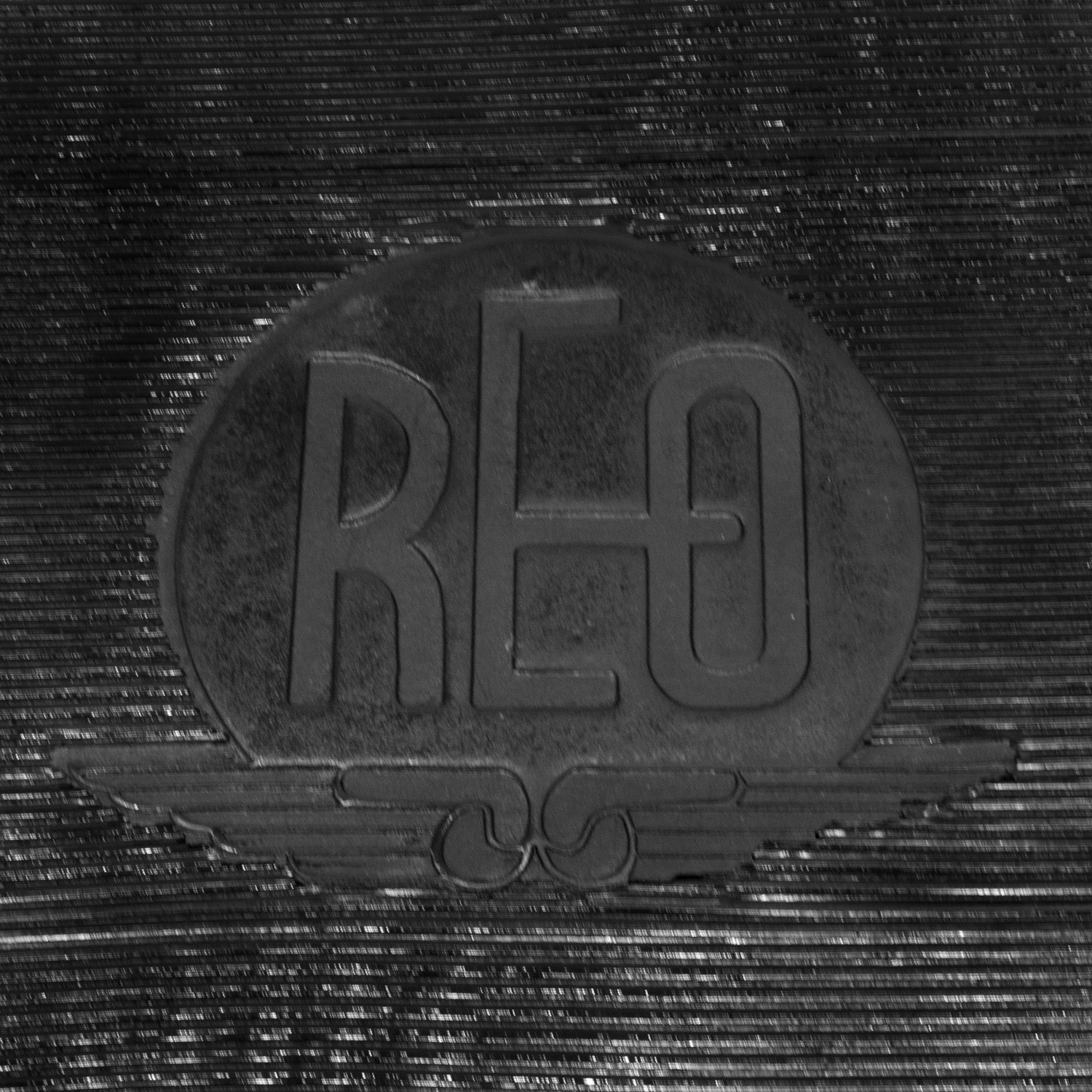 1920 Reo Model T-6 Accessory Floor Mat - 12"X17"-AC 36Accessory Floor Mat - made of high quality black rubber with molded original emblem. Also designed to be sewn into new carpets. 12"X17", Each
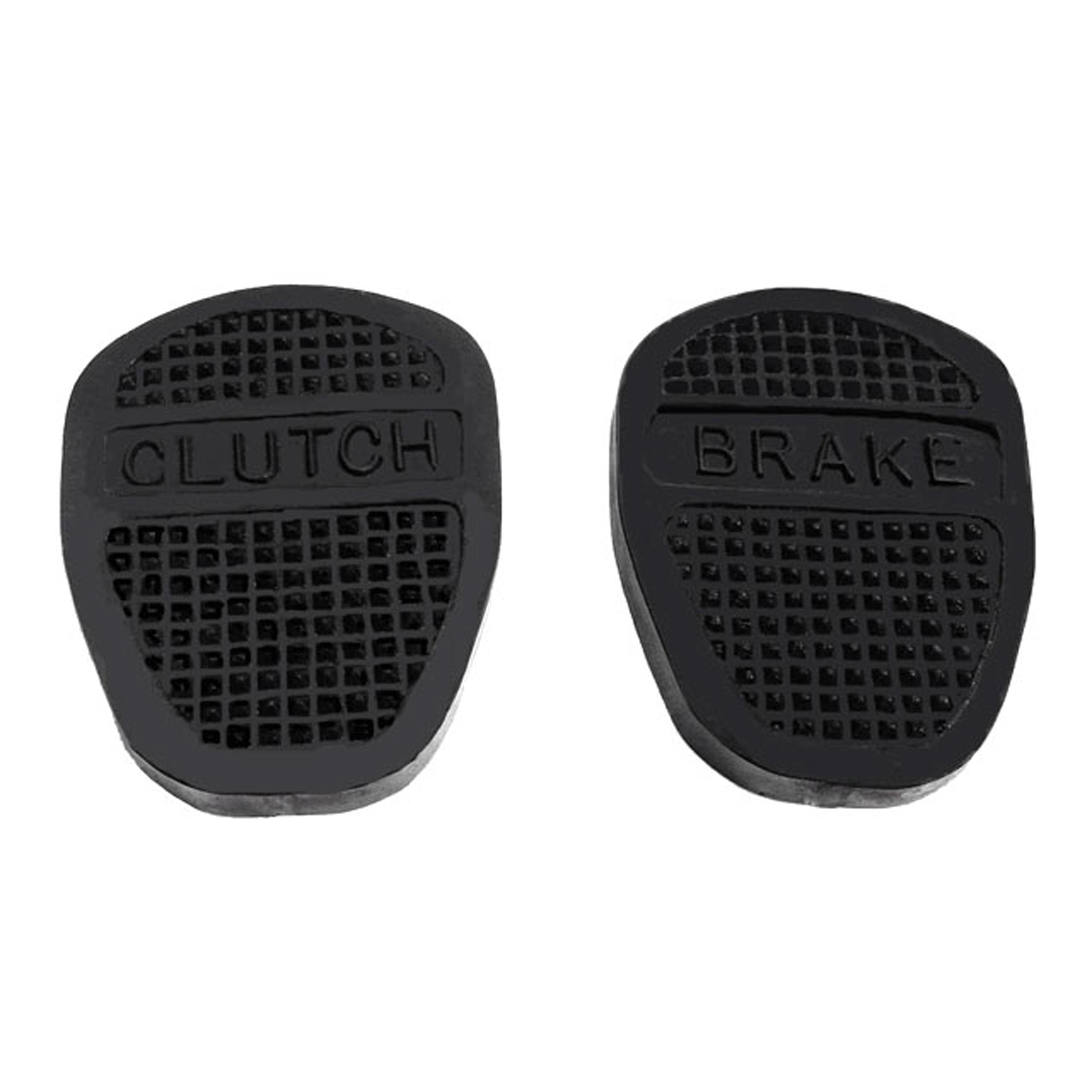 1920 Reo Model T-6 Clutch and Brake Pedal Pads. Lettered "CLUTCH" and "BRAKE"-CB 38Clutch and Brake Pedal Pads. Lettered "CLUTCH" and "BRAKE". 3-1/4" wide X 4-3/8" long. Pair
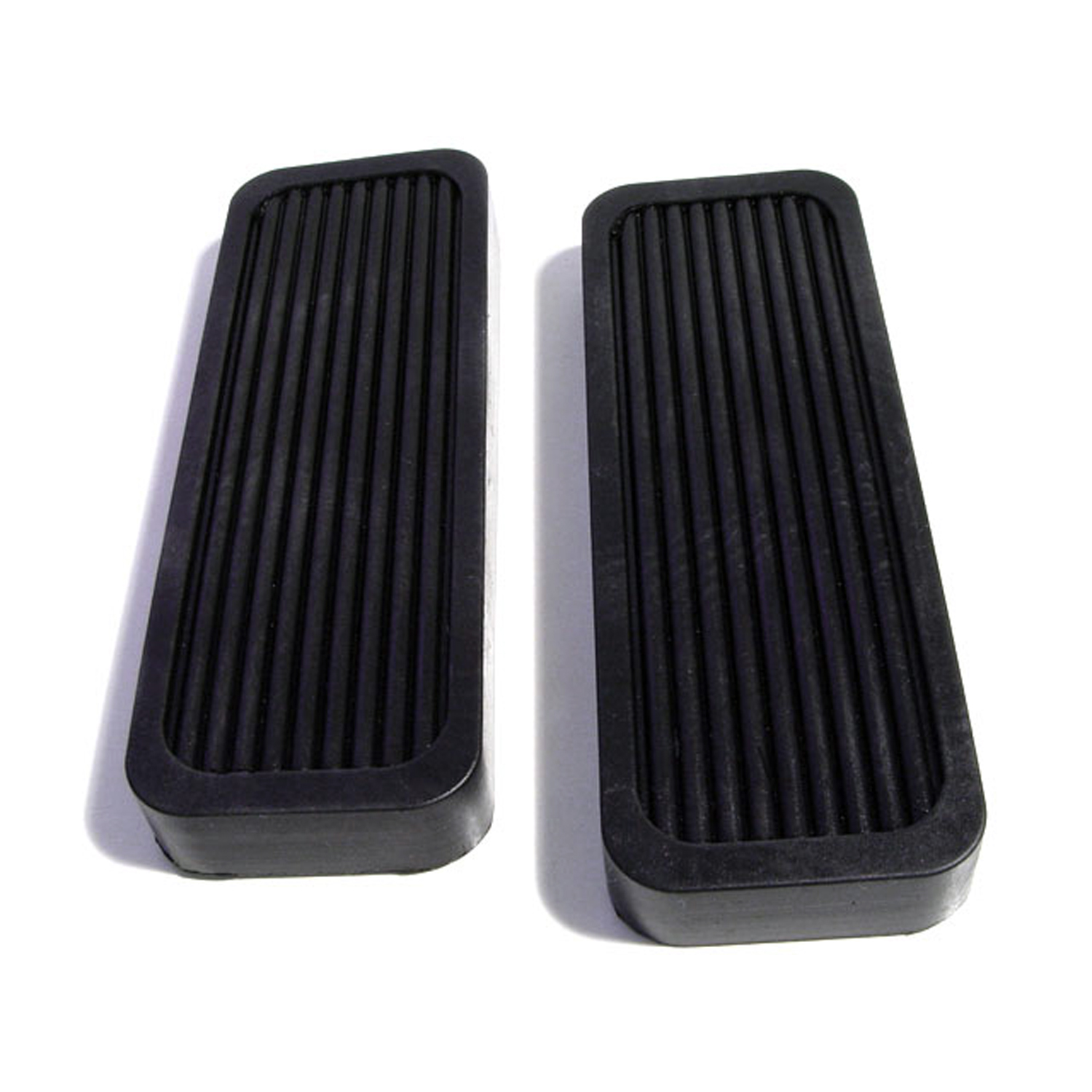 1920 Reo Model T-6 Clutch and Brake Pedal Pads. 1-5/8" wide X 4-1/4" long-CB 39Clutch and Brake Pedal Pads. 1-5/8" wide X 4-1/4" long. Pair
Why Choose Metro?
For over 100 years, Metro Moulded Parts has been the pinnacle of quality in classic car restoration parts. Our commitment to precision and authenticity in every component ensures a perfect fit and an OEM-level appearance.
- Expert Craftsmanship & Quality: Each part is a testament to our dedication to reliability and perfection, crafted from original designs and thoroughly tested.
- Advanced Technology: We use cutting-edge techniques to create flawless, long-lasting parts that surpass others in performance.
- SuperSoft Sponge – The Ultimate Door Seal: Not only are our door seals 30% softer than competitors', but they're also guaranteed to never leak. They effectively reduce wind and road noise, enhancing your classic car's comfort and driving experience.
- Proudly American: Our parts are a product of American craftsmanship, made in the USA with a spirit of excellence and heritage.
- Unrivaled Warranty: We back our products with a 30-year industry-leading warranty, a testament to our confidence in their quality.
Join us in preserving the legacy of classic cars with parts that are crafted for perfection, not just made.