

Image of 1921 Reo Model T-6, Note: These illustrations use artistic license and may differ from actual historical models.
Performance Metrics
Fundamental Metrics
Emotional Appeal
MMP Rating
| Engine Specifications | |
|---|---|
| Engine Options: | Single engine option |
| Displacement Range: | 3.3L |
| Horsepower Range: | Estimated 26-30 HP |
| Torque: | Not available |
| Compression Ratio: | Not available |
| Ignition System: | Magneto ignition system |
| Cooling System: | Water-cooled |
| Performance Specifications | |
| 0-60 Time: | Not available |
| 1/4 Mile Time: | Not available |
| Top Speed: | 45 mph |
| Transmission and Drive | |
| Drive Type: | Rear-wheel drive |
| Transmission Type: | 3-speed manual |
| Fuel and Efficiency | |
| Fuel System Type: | Carburetor |
| MPG: | Not available |
| Dimensions and Brakes | |
| Brakes: | Mechanical drum brakes |
| Wheelbase: | 112 inches |
| Weight: | Estimated 2,400 lbs |
Note: Specifications for classic cars are given to the best of our ability, considering the limited and variant data available.
1921 Reo Model T-6: A Six-Cylinder American Classic
The 1921 Reo Model T-6 brought six-cylinder power and substantial touring-car comfort to American roads at a time when many family cars still relied on four-cylinder engines. Built by the REO Motor Car Company of Lansing, Michigan, it was part of the ambitious legacy of Ransom E. Olds, the automotive pioneer who had already founded Oldsmobile. Despite the similar name, the Reo Model T-6 has no connection to Ford’s Model T.
The T-6 arrived as REO expanded beyond its earlier four-cylinder cars, offering buyers a smoother, more refined alternative without leaving the practical, sturdy-car territory the company was known for. One appealing detail is that “T-6” is a model designation, not a reference to a six-cylinder version of Ford’s Model T. The car belongs to a distinct chapter of early motoring, when makers were working to make longer-distance travel more comfortable and dependable.
Touring-Car Style and Period Comfort
The T-6 has the upright, purposeful appearance typical of an early-1920s automobile. Its tall radiator, long hood, separate fenders, exposed headlamps, and narrow tires give it a distinctly pre-streamlined profile. The open touring body, with its folding top and multiple rows of seating, looks ready for a country outing, a town-to-town trip, or a formal arrival at the station. Depending on body style and equipment, details such as lamps, windshields, and trim could vary.
Inside, the emphasis was on durable, serviceable materials rather than modern conveniences. Open models commonly used leather upholstery, with painted or finished metalwork and wood details depending on the body and trim. A folding top and side curtains provided some shelter from weather, but occupants remained exposed to wind, dust, and road noise. Closed bodies offered more protection and privacy, though they were generally costlier.
Factory colors varied by year, body, and finish specification, so a single definitive 1921 palette should not be assumed for every T-6. Black was a familiar and practical choice on cars of the period, while dark, restrained colors such as blue, green, or maroon were also appropriate possibilities depending on the particular offering. Original paint records and surviving factory literature are the best guide when evaluating a specific car.
REO offered the T-6 in more than one body configuration during its production life. Open touring cars and roadsters suited buyers who valued fresh air and flexible seating, while coupes and sedans appealed to those wanting a more sheltered ride. The touring body is among the most recognizable forms today, thanks to its classic silhouette and its strong association with early American road travel. Exact body-style availability could differ from one model year to another.
Engineering Ahead of the Four-Cylinder Crowd
The T-6’s defining feature was its inline six-cylinder engine. Published specifications for period REO sixes are not always presented consistently, but the engine is generally described as a roughly 286-cubic-inch unit producing about 35 horsepower under period rating conventions. That figure is not directly comparable to modern net-horsepower ratings. Power went to the rear wheels through a manual transmission, typically with three forward speeds.
For its time, the six-cylinder layout was a meaningful refinement. A six usually delivered smoother power pulses than a four-cylinder engine, making steady cruising more pleasant and reducing some of the vibration associated with simpler early engines. The T-6 was not a technology showcase packed with modern conveniences. Its appeal lay in combining a more refined powerplant with conventional, repairable mechanical systems.
Like many cars of the era, it depended on the driver for much of the work now handled automatically. Starting, shifting, braking, and managing speed called for attention and practice. Mechanical brakes and period tires also demanded a more cautious approach than modern drivers may expect. The car’s technology is best understood as a practical step forward within its own time, not as a close relative of today’s automobiles.
How the Reo T-6 Performs on the Road
A well-maintained Model T-6 is generally associated with a top speed in the neighborhood of 50 to 60 mph, although actual performance depends on engine condition, gearing, body style, load, tires, and road surface. Treat that as a period-car estimate rather than a guaranteed figure for every surviving example. An original car with a full touring load may be happiest cruising more slowly.
There is no dependable factory 0-to-60 mph figure for the T-6. By modern standards, acceleration is leisurely, and many examples may take a long time to approach highway speed or may not reach 60 mph comfortably under ordinary conditions. A rough estimate of 30 seconds or more is sometimes useful for conveying the pace, but it should not be mistaken for a verified test result. The T-6 rewards smooth shifting and anticipation, not quick launches.
On a rough road, its tall tires and period suspension offer a distinctly different ride from a modern car. The body can pitch and sway over bumps, and a short, uneven surface may send movement through the cabin. On winding roads, the high stance, narrow tires, and slower steering response call for deliberate inputs. It is enjoyable at a measured pace, but it is not designed for fast cornering.
Behind the wheel, the engine’s sound is a steady mechanical six-cylinder murmur, accompanied by the clatter and wind noise expected in an early car. The driver feels closely involved: selecting gears, judging braking distance, and reading the road all require more participation than they do in a contemporary vehicle. That hands-on character is a big part of the T-6’s appeal.
Owning and Maintaining a 1921 Reo
Today, a Reo Model T-6 is best suited to touring events, local parades, museum displays, and collector gatherings. Some owners may use one for occasional pleasure drives, but it is not a practical modern daily driver. Its pace, braking ability, weather protection, and limited compatibility with present-day traffic make careful route planning essential.
Much of the T-6’s mechanical layout is comparatively straightforward, and an experienced vintage-car mechanic can service its engine, transmission, ignition, and chassis using traditional methods. That does not mean every repair is easy for the average owner. Parts availability can be uneven, and original components, correct fittings, and body hardware may take time to locate. A specialist club or parts network can be especially valuable.
Reliability depends heavily on the quality of restoration and ongoing care. Before driving, an owner should check the brakes, steering, tires, fuel system, cooling system, and electrical connections. The car should also be inspected for worn or weakened structural components. A well-sorted T-6 can be rewarding, but it deserves the same careful preparation as any century-old machine.
Reo T-6 Facts Collectors Enjoy
REO’s name came from the initials of founder Ransom E. Olds. Olds had already made a major mark on the industry through Oldsmobile, and REO gave him another platform for building automobiles and commercial vehicles. The company’s later Reo Speed Wagon became a celebrated name in trucks, adding another memorable chapter to the firm’s history.
The Model T-6 was not a Ford Model T competitor in the sense of being a direct mechanical equivalent. It occupied a more substantial and generally more expensive part of the market, with its six-cylinder engine and range of body choices. Its most important “record” is not a famous speed or endurance achievement, but its place in REO’s evolution toward smoother, more capable passenger cars.
There is no widely accepted, model-specific production total for the 1921 T-6 that can be treated as definitive. The car was part of a broader run of T-6 models spanning several years, and surviving records do not always separate production neatly by model year and body style. A reasonable broad estimate is that production over the T-6’s run reached the thousands and may have been in the neighborhood of 10,000 to 20,000 cars, but that is an informed estimate, not a confirmed factory figure.
Common criticisms are the same ones often applied to early touring cars: modest speed, limited weather protection, labor-intensive operation, and braking that requires a generous safety margin. Those traits can be drawbacks in modern traffic, but they are also a direct reminder of how much driving changed during the following decades.
Collector Values and Availability
Reo Model T-6s are uncommon on the market, though their availability depends on body style and condition. Touring cars tend to be easier to recognize, while unusual or well-documented closed bodies can attract interest from collectors seeking something less familiar. Parts support and the quality of a restoration can matter as much as the car’s appearance.
As a broad 2026 estimate, a project or incomplete example might sell for roughly $10,000 to $20,000. A sound, usable car could fall around $25,000 to $50,000, while a high-quality restoration or particularly desirable body style may reach approximately $50,000 to $80,000 or more. These are guide ranges, not appraisals. Auction results vary substantially with provenance, originality, mechanical condition, restoration quality, and buyer interest.
Values for early touring cars can move unevenly rather than rising in a straight line. Exceptional, correctly restored examples may hold their appeal, while cars needing major work can be difficult to sell at restoration cost. For a T-6, originality, documented history, and a dependable mechanical condition are likely to be stronger selling points than flashy customization.
Why the 1921 Reo Model T-6 Still Matters
The 1921 Reo Model T-6 represents a moment when American manufacturers were making the automobile smoother, more capable, and better suited to longer journeys. Its six-cylinder engine set it apart from many simpler cars, while its traditional construction kept it understandable to the mechanics and owners of its day. It was a practical step forward rather than a radical reinvention.
More than a century later, the T-6 offers a vivid connection to early motoring: an upright radiator, a purposeful engine, and a driving experience that asks for patience and involvement. It may not be fast or effortless by modern standards, but its blend of REO heritage and early six-cylinder refinement makes it a memorable survivor from a formative era of American automobiles.
1921 Reo Model T-6 Catalog of Parts
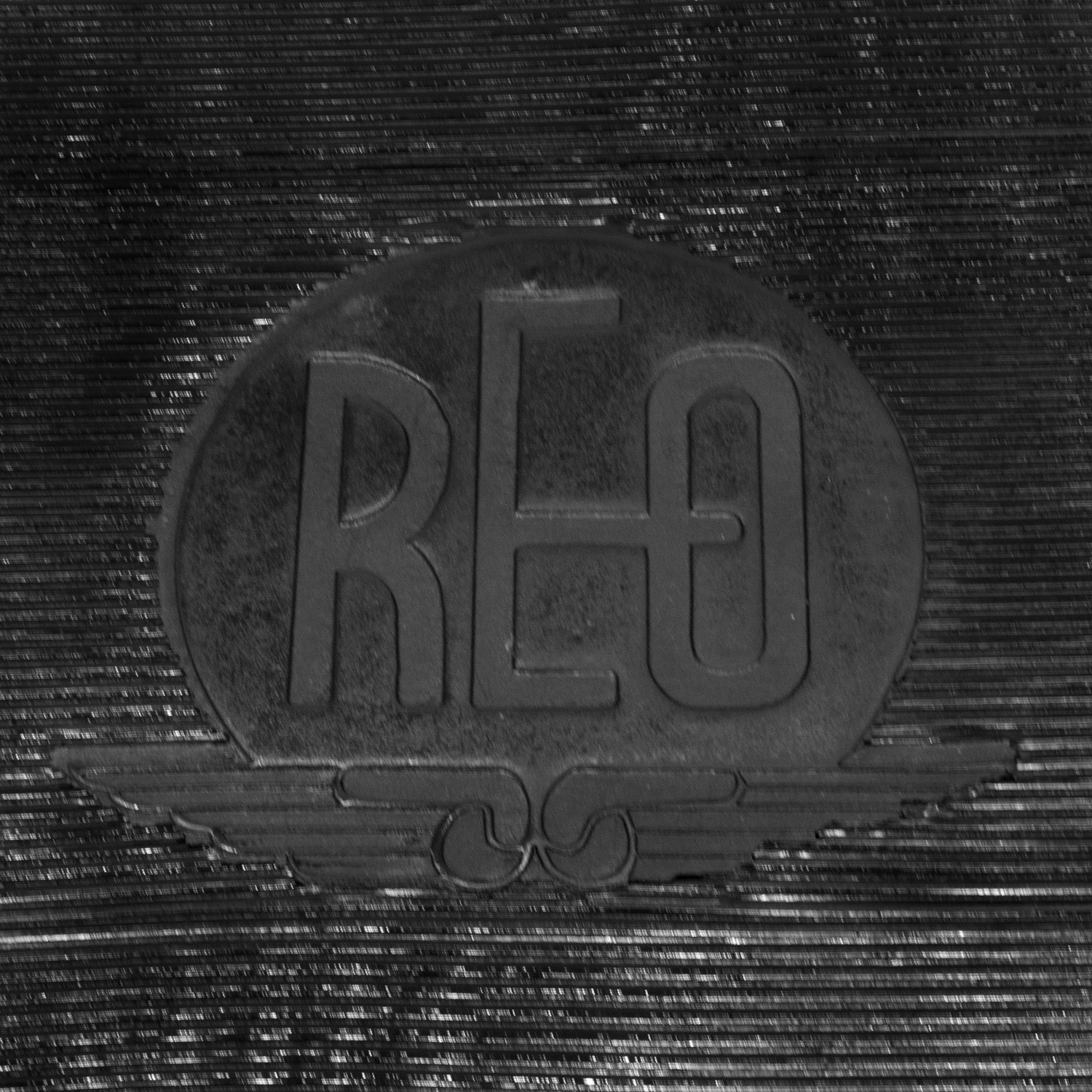 1921 Reo Model T-6 Accessory Floor Mat - 12"X17"-AC 36Accessory Floor Mat - made of high quality black rubber with molded original emblem. Also designed to be sewn into new carpets. 12"X17", Each
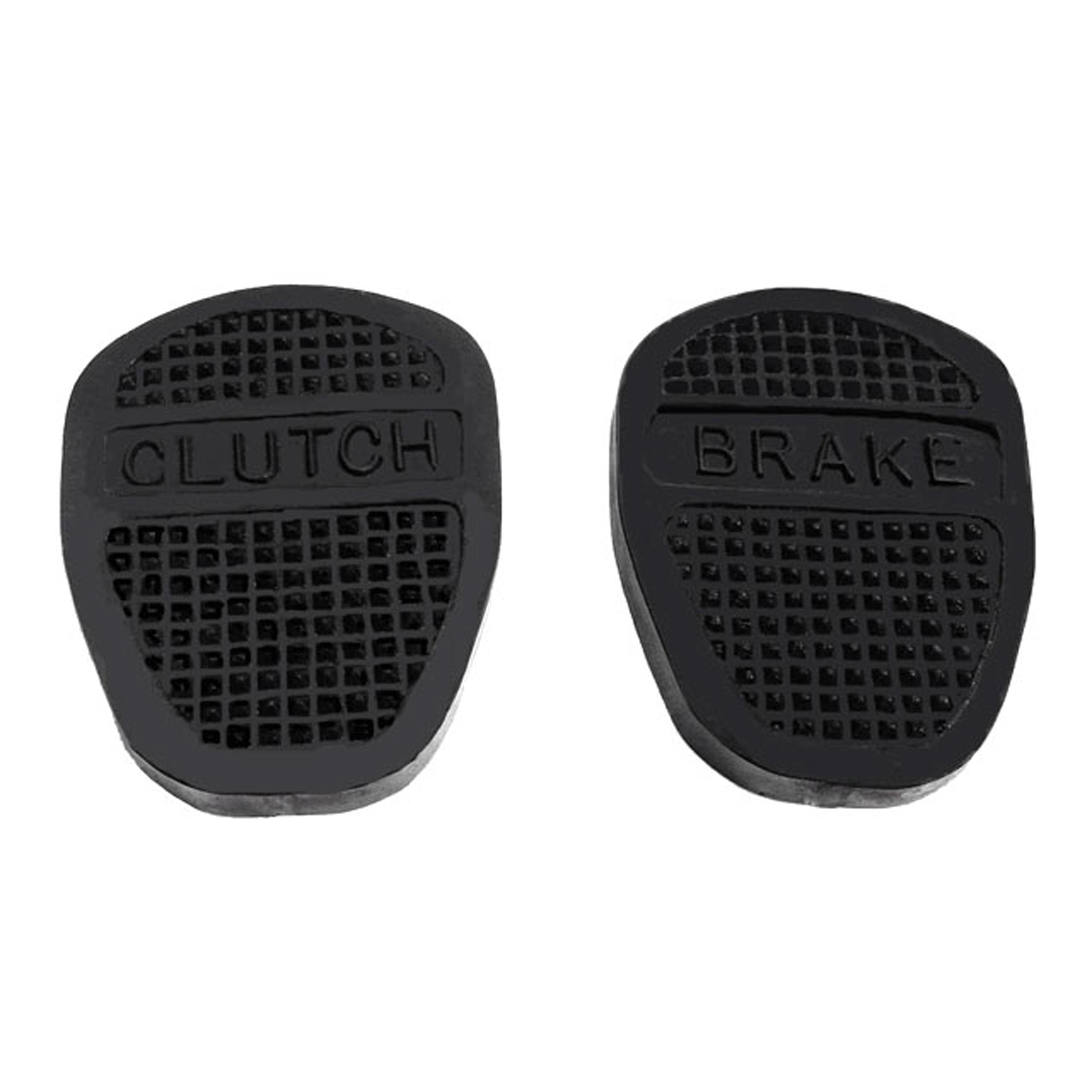 1921 Reo Model T-6 Clutch and Brake Pedal Pads. Lettered "CLUTCH" and "BRAKE"-CB 38Clutch and Brake Pedal Pads. Lettered "CLUTCH" and "BRAKE". 3-1/4" wide X 4-3/8" long. Pair
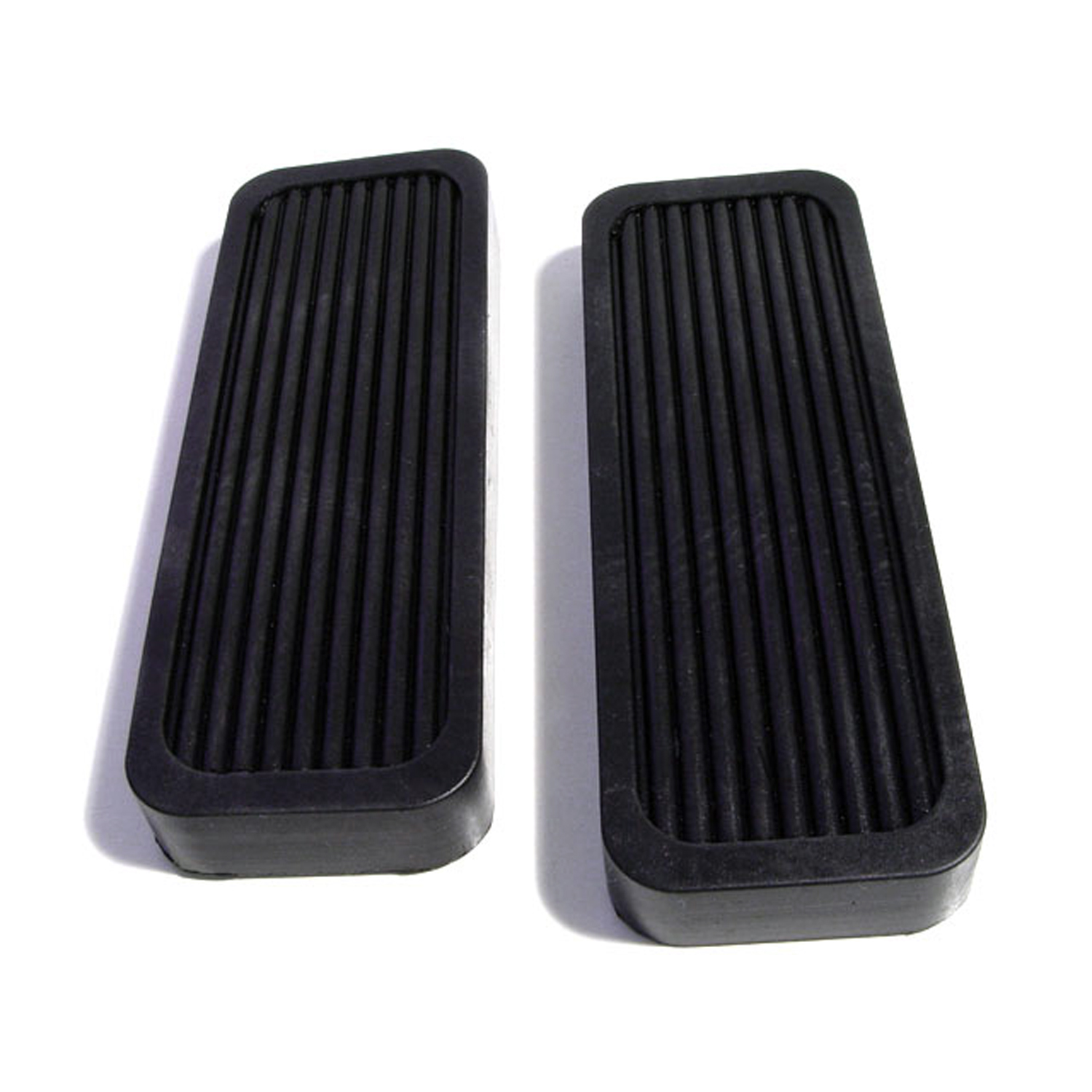 1921 Reo Model T-6 Clutch and Brake Pedal Pads. 1-5/8" wide X 4-1/4" long-CB 39Clutch and Brake Pedal Pads. 1-5/8" wide X 4-1/4" long. Pair
Why Choose Metro?
For over 100 years, Metro Moulded Parts has been the pinnacle of quality in classic car restoration parts. Our commitment to precision and authenticity in every component ensures a perfect fit and an OEM-level appearance.
- Expert Craftsmanship & Quality: Each part is a testament to our dedication to reliability and perfection, crafted from original designs and thoroughly tested.
- Advanced Technology: We use cutting-edge techniques to create flawless, long-lasting parts that surpass others in performance.
- SuperSoft Sponge – The Ultimate Door Seal: Not only are our door seals 30% softer than competitors', but they're also guaranteed to never leak. They effectively reduce wind and road noise, enhancing your classic car's comfort and driving experience.
- Proudly American: Our parts are a product of American craftsmanship, made in the USA with a spirit of excellence and heritage.
- Unrivaled Warranty: We back our products with a 30-year industry-leading warranty, a testament to our confidence in their quality.
Join us in preserving the legacy of classic cars with parts that are crafted for perfection, not just made.