

Image of 1923 Reo Model T-6, Note: These illustrations use artistic license and may differ from actual historical models.
Performance Metrics
Fundamental Metrics
Emotional Appeal
MMP Rating
| Engine Specifications | |
|---|---|
| Engine Options: | Single engine option |
| Displacement Range: | 3.3L |
| Horsepower Range: | Estimated 26-30 HP |
| Torque: | Not available |
| Compression Ratio: | Not available |
| Ignition System: | Magneto ignition system |
| Cooling System: | Water-cooled |
| Performance Specifications | |
| 0-60 Time: | Not available |
| 1/4 Mile Time: | Not available |
| Top Speed: | 45 mph |
| Transmission and Drive | |
| Drive Type: | Rear-wheel drive |
| Transmission Type: | 3-speed manual |
| Fuel and Efficiency | |
| Fuel System Type: | Carburetor |
| MPG: | Not available |
| Dimensions and Brakes | |
| Brakes: | Mechanical drum brakes |
| Wheelbase: | 112 inches |
| Weight: | Estimated 2,400 lbs |
Note: Specifications for classic cars are given to the best of our ability, considering the limited and variant data available.
1923 REO Model T-6: A Six-Cylinder American Touring Car
The 1923 REO Model T-6 brought six-cylinder power and substantial road presence to a decade when many American motorists were still driving four-cylinder cars. Built by the REO Motor Car Company of Lansing, Michigan, it came from the enterprise founded by Ransom E. Olds, the automotive pioneer whose initials gave the company its name. The Model T-6 was not related to Ford’s Model T: it was a larger, more refined car aimed at buyers who wanted comfort and performance as well as dependable transportation.
One appealing wrinkle in the T-6’s story is that it belongs to the world of independent automakers. REO competed against much larger manufacturers while building cars with a reputation for sound engineering. Its six-cylinder models helped establish the company as a maker of capable, well-finished automobiles, while the better-known REO Speed Wagon later carried the brand into commercial trucking.
Specifications for individual 1923 cars can vary with body style and equipment, and surviving period information is not always consistent. The figures below are best treated as useful estimates rather than guarantees for every car.
Design, Trim, and Body Styles
The T-6 has the upright, confident proportions typical of an American automobile from the early 1920s. Its long hood hints at the six-cylinder engine beneath it, while a tall radiator, separate fenders, running boards, and large spoked wheels give the car a formal, purposeful stance. Brass-era ornament had largely given way to nickel-plated or painted fittings by this time, but the overall look remained proudly mechanical: the wheels, lamps, and body structure were distinct elements rather than the integrated shapes familiar on later cars.
Inside, the experience depended on the body style and trim level. Owners could expect a straightforward cabin, with leather upholstery on many open cars and more enclosed, upholstered interiors on closed models. Wood framing and trim were common construction features of the era, while the seats, door panels, and floor coverings were designed for practical comfort rather than modern luxury. Instrumentation was simple by today’s standards, keeping the driver focused on the road and the car’s basic operating needs.
REO offered the T-6 in more than one body configuration during this period. Open touring cars and roadsters suited buyers who valued fresh air and social motoring, while coupes and sedans offered greater weather protection. Exact model names and availability could change by year and market. The touring body is among the most recognizable versions today, thanks to its open cabin, folding top, and room for family or companions.
Factory colors varied by body and production order, and a definitive, uniform 1923 palette is difficult to establish. Dark shades such as black, deep blue, and maroon were typical choices for cars of the period. Black was a practical and familiar option, while richer colors could make a large touring car especially striking. Original paint evidence on a surviving car is more meaningful than assuming every T-6 left the factory in one standard color.
Six-Cylinder Engineering and Historical Importance
The central attraction of the Model T-6 was its inline six-cylinder engine. Period and reference specifications commonly place output at about 50 horsepower, with a conventional side-valve, or L-head, layout. Power went to the rear wheels through a manual transmission, generally described as a three-speed gearbox. This was not exotic engineering, but it offered a smoother delivery of power than many smaller four-cylinder engines of the day.
The T-6’s importance lies less in a single revolutionary feature than in what it represented: a well-equipped, six-cylinder automobile from an established independent maker. In the early 1920s, buyers had a growing choice of cars with enclosed bodies, electric starting and lighting, and more comfortable road manners. REO competed in that changing market with a car that combined traditional chassis construction with the convenience expected of a modern automobile.
Its engineering also reflects a transitional period. The tall body, separate fenders, running boards, and exposed chassis components came from an older design vocabulary, but the six-cylinder engine and more practical equipment pointed toward the smoother, more user-friendly cars that would define the later 1920s. The T-6 did not reshape the industry on its own, yet it illustrates how independent manufacturers helped broaden the market beyond basic, low-cost transportation.
Road Performance and Driving Feel
A 1923 REO Model T-6 is generally credited with a top speed in the neighborhood of 60 to 65 mph when in good condition, though actual performance depends on gearing, body weight, engine health, tires, and road surface. A reliable factory 0-to-60-mph figure is not commonly published. As a period touring car, it would accelerate gradually by modern standards, and reaching 60 mph could take roughly half a minute or longer. Many owners would have judged it by how comfortably it held a steady road speed, not by a stopwatch.
The T-6’s longer wheelbase and substantial chassis help give it a composed feel on ordinary roads, but its suspension and tires are unmistakably vintage. It can absorb modest bumps with the broad, springy motion typical of cars with solid axles and leaf springs. Deep potholes and rough tracks still demand care. On winding roads, the driver has to plan ahead: steering is less precise than in a modern car, body lean is noticeable, and the brakes require more anticipation and effort.
Behind the wheel, the six-cylinder engine should sound measured and mechanical rather than quiet. The driver works a manual gearshift, monitors the gauges, and makes deliberate steering and braking inputs. There is no modern isolation from engine noise, vibration, or the elements, particularly in an open touring model. The reward is an involving drive that makes every journey feel like an event rather than a quick trip across town.
What Ownership Is Like Today
Today, a T-6 is most at home as a show car, a touring event participant, or a carefully maintained piece of automotive history. It can be driven on suitable local roads, but it is not a practical substitute for a modern daily driver. Traffic moves faster, road conditions have changed, and many examples are now valuable enough that owners prefer to preserve rather than routinely commute in them.
Maintenance is manageable for an owner familiar with prewar cars, but it calls for patience and mechanical sympathy. The engine, ignition, fuel system, clutch, gearbox, brakes, and lubrication system all need regular attention. Routine work may be straightforward for someone comfortable with mechanical systems, yet parts sourcing can take time. Some components may need to be repaired, reproduced, or adapted by specialists. Before driving a newly acquired example, a thorough inspection of the brakes, steering, tires, cooling system, and fuel lines is essential.
Reliability depends heavily on restoration quality and upkeep. A sound, correctly maintained T-6 can be a rewarding touring car, while a neglected one may require extensive work before it is safe or dependable. As with many cars of this age, condition and history matter more than a claim that the model is inherently trouble-free.
Notable Facts and Common Misconceptions
The name REO comes from the initials of Ransom E. Olds, who had already made his mark in the automobile business before founding the company. That connection gives the T-6 a link to one of the most influential figures in early American motoring. The car is also frequently confused by casual readers with Ford’s Model T, but the two models came from different manufacturers and occupied different positions in the market.
The T-6 is not generally associated with a headline speed record or a famous endurance achievement. Its appeal is quieter: it represents the work of a respected independent manufacturer and the spread of six-cylinder power into the American touring-car market. REO’s later Speed Wagon became the company’s better-known commercial vehicle, but passenger cars such as the T-6 were an important part of the firm’s identity.
Common criticisms are largely the trade-offs of its era. The car is heavy and slow to accelerate by current standards, offers limited protection in a collision, and demands more driver attention than a modern vehicle. Enclosed versions are also less comfortable in extreme weather than contemporary cars with effective heating and ventilation. Those limitations are part of the ownership experience, not hidden defects in an otherwise modern machine.
Collector Value and Availability
Surviving 1923 REO Model T-6s are uncommon, but the number built is difficult to establish from readily available model-specific production records. A precise production total would be speculative. As a broad estimate, the T-6 was produced in meaningful numbers for a specialist manufacturer, but only a small fraction is likely to survive in complete, usable condition today. Body style, originality, restoration quality, and documentation all affect how often a car appears on the market.
As a general current-market estimate, a project car might bring roughly $8,000 to $15,000, while a usable example could fall around $15,000 to $30,000. A high-quality restoration or particularly desirable body style may reach approximately $30,000 to $50,000 or more. These are broad guide ranges, not a formal appraisal. Auction results can vary considerably, especially when the car’s mechanical condition, provenance, or completeness is uncertain.
Values for early cars tend to be selective rather than uniformly rising. A documented, well-restored example may hold or improve its value, while a costly restoration does not always return its full expense at resale. The T-6’s limited visibility compared with better-known marques can also narrow its buyer pool. For collectors, buying the best-documented and most complete car they can afford is usually wiser than choosing a cheap project on price alone.
Why the 1923 REO T-6 Still Matters
The 1923 REO Model T-6 combines a smooth six-cylinder engine, classic open-road styling, and the practical engineering of an independent American automaker. It was not built to dominate a speed chart. It was built to carry its occupants in comfort and with a sense of quality at a time when the automobile was rapidly becoming part of everyday life.
More than a century later, the T-6 offers a direct connection to that transition. Its tall radiator and long hood announce its age, but its six-cylinder character and confident touring presence still make it memorable. For the collector who values engineering history as much as badge recognition, the REO Model T-6 is a handsome reminder that some of America’s most interesting cars came from beyond the industry’s biggest names.
1923 Reo Model T-6 Catalog of Parts
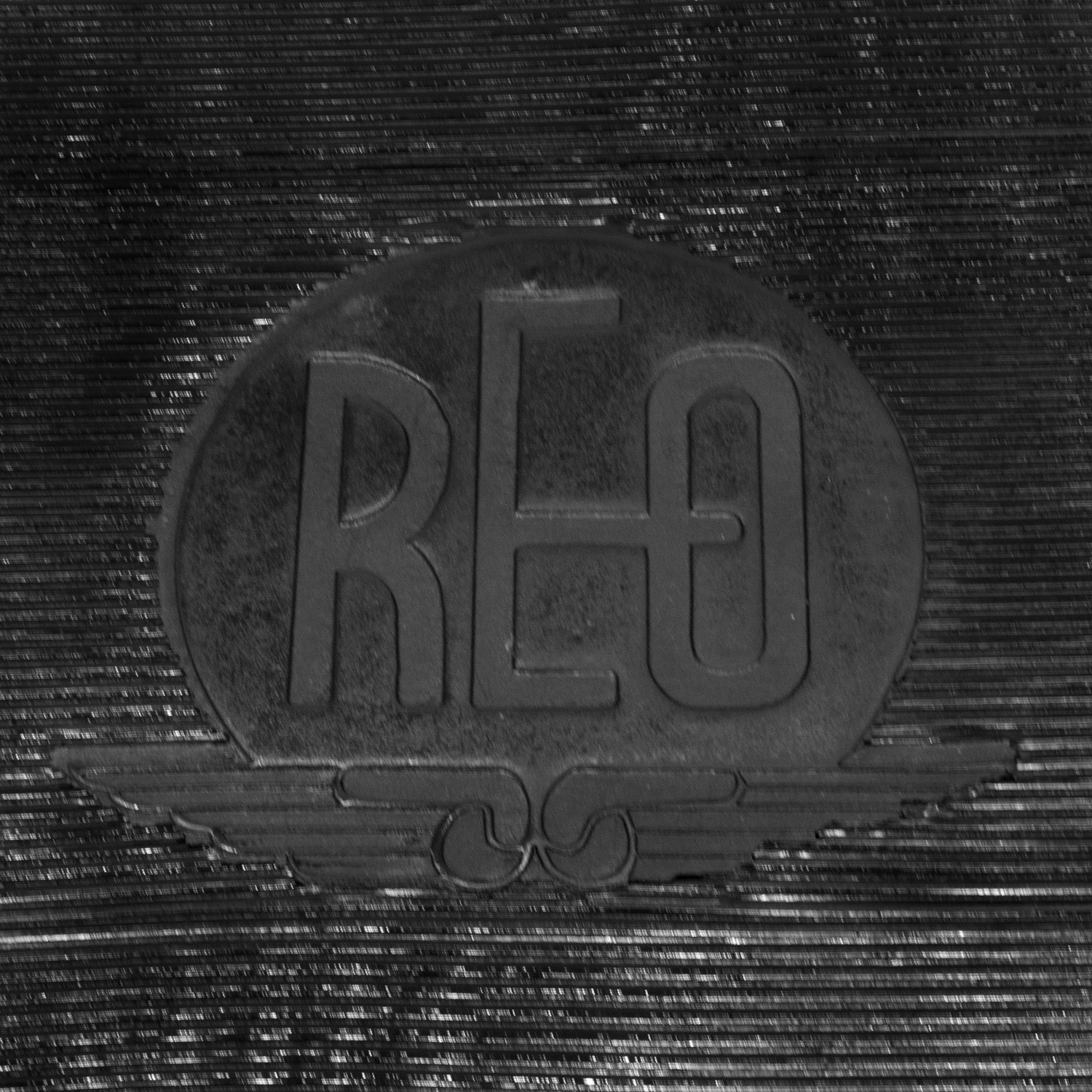 1923 Reo Model T-6 Accessory Floor Mat - 12"X17"-AC 36Accessory Floor Mat - made of high quality black rubber with molded original emblem. Also designed to be sewn into new carpets. 12"X17", Each
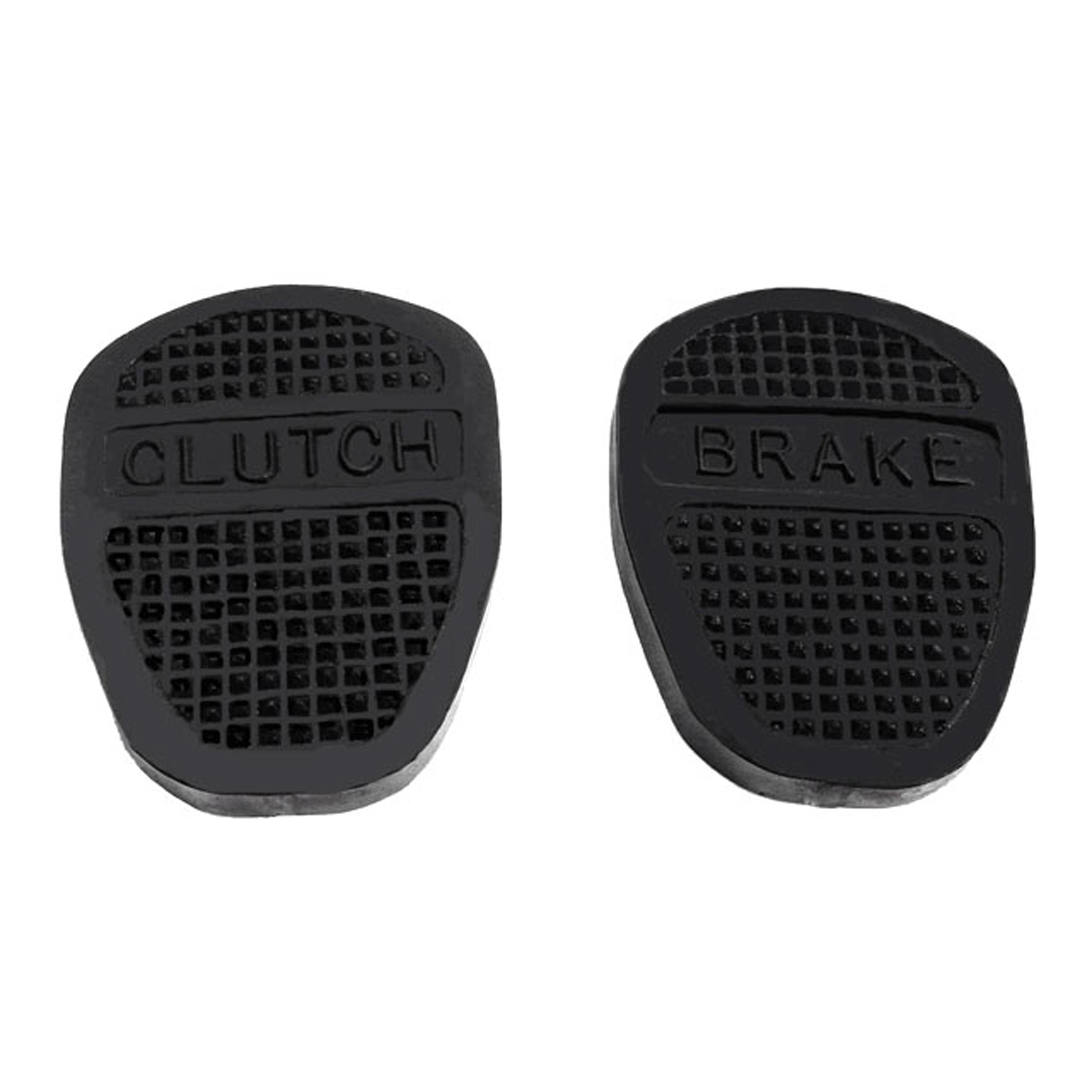 1923 Reo Model T-6 Clutch and Brake Pedal Pads. Lettered "CLUTCH" and "BRAKE"-CB 38Clutch and Brake Pedal Pads. Lettered "CLUTCH" and "BRAKE". 3-1/4" wide X 4-3/8" long. Pair
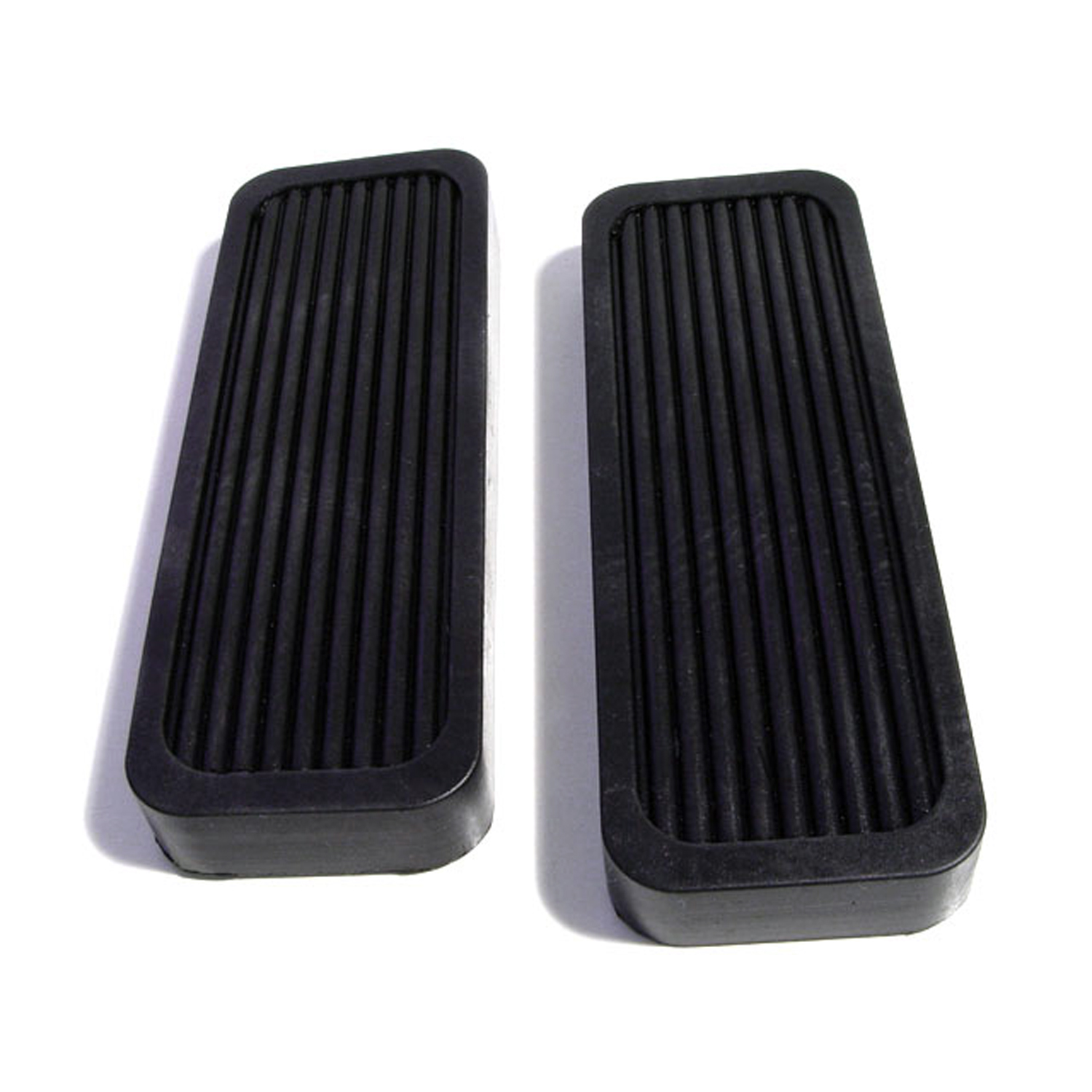 1923 Reo Model T-6 Clutch and Brake Pedal Pads. 1-5/8" wide X 4-1/4" long-CB 39Clutch and Brake Pedal Pads. 1-5/8" wide X 4-1/4" long. Pair
Why Choose Metro?
For over 100 years, Metro Moulded Parts has been the pinnacle of quality in classic car restoration parts. Our commitment to precision and authenticity in every component ensures a perfect fit and an OEM-level appearance.
- Expert Craftsmanship & Quality: Each part is a testament to our dedication to reliability and perfection, crafted from original designs and thoroughly tested.
- Advanced Technology: We use cutting-edge techniques to create flawless, long-lasting parts that surpass others in performance.
- SuperSoft Sponge – The Ultimate Door Seal: Not only are our door seals 30% softer than competitors', but they're also guaranteed to never leak. They effectively reduce wind and road noise, enhancing your classic car's comfort and driving experience.
- Proudly American: Our parts are a product of American craftsmanship, made in the USA with a spirit of excellence and heritage.
- Unrivaled Warranty: We back our products with a 30-year industry-leading warranty, a testament to our confidence in their quality.
Join us in preserving the legacy of classic cars with parts that are crafted for perfection, not just made.