

Image of 1924 Reo Model T-6, Note: These illustrations use artistic license and may differ from actual historical models.
Performance Metrics
Fundamental Metrics
Emotional Appeal
MMP Rating
| Engine Specifications | |
|---|---|
| Engine Options: | Single engine option |
| Displacement Range: | 3.7L |
| Horsepower Range: | Estimated 26-35 HP |
| Torque: | Not available |
| Compression Ratio: | Not available |
| Ignition System: | Magneto ignition system |
| Cooling System: | Water-cooled |
| Performance Specifications | |
| 0-60 Time: | Not available |
| 1/4 Mile Time: | Not available |
| Top Speed: | 45 mph |
| Transmission and Drive | |
| Drive Type: | Rear-wheel drive |
| Transmission Type: | 3-speed manual |
| Fuel and Efficiency | |
| Fuel System Type: | Carburetor |
| MPG: | Not available |
| Dimensions and Brakes | |
| Brakes: | Mechanical drum brakes |
| Wheelbase: | 112 inches |
| Weight: | Estimated 2,400 lbs |
Note: Specifications for classic cars are given to the best of our ability, considering the limited and variant data available.
1924 REO Model T-6: A Six-Cylinder Touring Car from Lansing
The 1924 REO Model T-6 brought six-cylinder smoothness and substantial road presence to an era when many motorists were still choosing simpler four-cylinder cars. Built by the REO Motor Car Company in Lansing, Michigan, it was a product of Ransom E. Olds, the automotive pioneer whose initials also gave the company its name. The T-6 was not a Ford Model T, despite the familiar letter and number: it was a larger, more powerful car aimed at buyers seeking comfort and refinement.
REO had been founded in 1904 after Olds left the company that made Oldsmobiles. By the 1920s, it had established a reputation for sturdy, well-engineered vehicles, while the American market was changing quickly. Closed cars were gaining popularity, roads were improving, and motorists increasingly expected dependable transport for longer trips. The T-6 sits at that transition point, offering traditional open-car forms alongside the comfort and equipment expected of a quality six-cylinder automobile.
One useful distinction for modern enthusiasts is that “T-6” identifies a REO model, not a Ford-derived design. It also predates the famous REO Speed Wagon, the company’s truck line that would become a familiar name in the 1920s. The Model T-6 is a less common passenger-car chapter in REO’s story.
Classic REO Styling and Body Choices
The T-6 wears the upright, formal proportions typical of a substantial early-1920s automobile. Its tall radiator, long hood, separate fenders, running boards and exposed lamps give it a purposeful, almost architectural profile. Brass-era exuberance was giving way to more restrained finishes, but the car still has the visual details that make a prewar automobile unmistakable: narrow tires, a high seating position, a folding windshield on open models and a long bonnet that hints at the engine beneath.
REO offered the T-6 in multiple body configurations over its production period. Open touring and roadster-style bodies suited buyers who wanted fresh air and room for passengers, while coupes and sedans offered greater weather protection. The touring car is among the most recognizable forms today, with its open passenger compartment, folding top and side curtains. Exact body names and availability could vary by catalog year and market, so surviving cars are best identified by their original REO documentation, coachwork and chassis details.
Period interiors favored practical durability over modern luxury. Depending on body style and trim level, owners could expect upholstered seats, a wood-finished or painted dashboard, a large steering wheel, mechanical gauges and exposed controls. Leather or quality upholstery was appropriate to a car in this class, though materials and finishes differed between open and closed bodies. The cabin is intimate by modern standards, and the driver sits high with a clear view over the long hood.
Paint choices also varied with body style, year and factory availability. Dark, conservative colors such as black, deep blue, green, maroon or gray were typical choices for cars of this period. Black was a familiar and practical finish, while richer colors helped dress up a more expensive closed car. Original paint evidence is worth checking carefully on any survivor, since later restorations may use attractive colors that were not offered on that particular car.
Six-Cylinder Engineering for the 1920s
The Model T-6’s central technical feature was its six-cylinder engine. REO specifications are commonly associated with an output in the neighborhood of 60 horsepower, though exact published figures and engine details should be confirmed against the individual car’s year-specific literature. Six cylinders delivered a smoother power pulse than the four-cylinder engines common in less expensive cars, making the T-6 better suited to steady touring and carrying passengers.
Like many automobiles of its day, the REO used a conventional body-on-frame layout, a manual transmission and mechanical controls. There were no electronic aids, power steering or modern hydraulic braking systems to simplify the driver’s work. The engineering was comparatively straightforward, however, and the separate chassis and accessible mechanical components made routine service familiar to a competent early motoring mechanic.
In context, the T-6 was an example of refinement through sound engineering rather than radical invention. It did not introduce a breakthrough that transformed the industry. Its appeal was a capable six-cylinder powertrain, substantial construction and a range of bodies that answered the growing demand for more comfortable personal transportation.
Road Performance and Driving Character
Period performance figures are not as consistent or standardized as modern test data. A well-maintained T-6 with its correct engine and gearing might reach roughly 55 to 65 mph under favorable conditions. That is an estimate, not a guaranteed factory-tested top speed, and the condition of the engine, tires, brakes and drivetrain makes a significant difference. A comfortable cruising pace would be lower, particularly on rough roads or during a long journey.
There is no dependable factory 0-to-60 mph figure for the Model T-6. Acceleration was gradual by modern expectations, and reaching 60 mph could take roughly 25 to 35 seconds in a healthy example, if the car’s gearing and condition allowed it to reach that speed at all. The figure should be treated as a broad estimate rather than a specification.
Behind the wheel, the six-cylinder engine should feel measured and relatively smooth for its era. The driver works a large steering wheel, operates a manual gearbox and uses the controls directly, without power assistance. On a bumpy road, the tall tires and period suspension soften some impacts, but the body can sway and the chassis communicates much more movement than a modern car. On a winding route, narrow tires, high seating and unassisted steering call for deliberate inputs. The T-6 rewards a steady pace, not hurried cornering.
The sound is part of the experience: a mechanical exhaust note, tire noise and the occasional rattle of vintage body hardware replace the quiet cabin of a modern sedan. A properly tuned example feels composed on open roads, but safe operation depends on keeping the brakes, steering, tires and wheel bearings in excellent condition.
Living with a 1924 REO
Today, most Model T-6s are best suited to touring events, historic motoring rallies, museum displays and local shows. They can be driven on suitable roads, but they are not practical daily transportation for most owners. Their speed, braking distances, lighting and lack of modern safety equipment make them a poor match for fast traffic and crowded highways.
Maintenance is approachable for an experienced vintage-car owner, but it is not maintenance-free. Regular attention may include ignition and carburetor tuning, lubrication, cooling-system checks, valve adjustment and inspection of the mechanical brakes. Parts availability can be more challenging than for a Ford Model T or a mass-produced Chevrolet, so owners often rely on REO clubs, specialist suppliers, swap meets and careful sourcing of original components.
Reliability depends heavily on restoration quality and ongoing care. A sound T-6 can be a rewarding touring car, but age alone makes a prewar vehicle vulnerable to dried seals, corroded wiring, worn bearings and deteriorated tires. Before a long drive, a careful inspection is essential. A knowledgeable vintage mechanic can help, and many repairs are mechanically straightforward, but the average modern owner should expect a learning curve and the occasional hunt for hard-to-find parts.
REO T-6 Facts and Common Misconceptions
The REO name comes from Ransom Eli Olds’s initials. Olds was an influential early automobile manufacturer, and his career linked two important marques: Oldsmobile and REO. The T-6 is also easy to confuse with Ford’s Model T because of its designation, but the cars occupied different positions in the market and had very different engineering and price points.
The T-6 is not generally associated with a headline speed record, a celebrated endurance run or a famous single historical event. Its significance is quieter: it represents the practical, increasingly comfortable six-cylinder cars that helped make longer-distance motoring more appealing. REO’s better-known later association with trucks and the Speed Wagon can sometimes overshadow its passenger cars.
One fair criticism is that the T-6’s comfort and performance are relative to its period. It is heavy and deliberate compared with a modern vehicle, and its open bodies offer limited protection from weather. The car’s mechanical simplicity is an advantage for repair, but it does not eliminate the demands of age, specialist parts and vintage-car upkeep.
Collector Value and Availability
There is no widely established production total specifically for the 1924 Model T-6, and model-by-model factory records can be difficult to confirm. REO built passenger cars in far smaller numbers than mass-market giants such as Ford, but the T-6 was not necessarily a one-off rarity. A reasonable working estimate is that several thousand examples may have been built across the relevant model run, with surviving cars representing only a small fraction. Treat that as an informed estimate, not a verified production figure.
Market value depends on body style, completeness, mechanical condition, restoration quality and documentation. As a broad current guide, a project or incomplete car might fall around $8,000 to $20,000, while a sound driver or older restoration could bring approximately $20,000 to $40,000. A high-quality, correctly restored example, especially in a desirable body style, could reach roughly $40,000 to $65,000 or more. Exceptional cars and unusual coachwork may exceed that range, while the cost of restoration can easily surpass the eventual resale value.
REO passenger cars trade less frequently than better-known Model Ts, so asking prices and auction results can vary widely. Values for desirable, well-presented examples have generally benefited from interest in brass- and nickel-era motoring, but this is a specialist market rather than a guaranteed investment. Condition and provenance matter more than broad claims of rarity. Prospective buyers should verify the chassis and engine, inspect the frame and body wood, and look for evidence that major components match the car’s period specification.
Why the 1924 REO Model T-6 Still Matters
The 1924 REO Model T-6 is a substantial, smooth-running six-cylinder car from a manufacturer with deep roots in America’s early automotive industry. Its upright styling, practical engineering and range of body types capture a moment when motoring was moving beyond basic transportation toward longer journeys and greater comfort. It is not a modern-speed machine or a mass-produced parts-bin favorite, but it offers an engaging window into how a capable 1920s automobile was built and driven.
For collectors, the T-6’s charm lies in that balance of history and usability: an important name, a distinctive period presence and mechanical character that rewards hands-on ownership. Restored well and driven thoughtfully, it is more than a display piece. It is a reminder that REO helped shape American motoring one carefully engineered mile at a time.
1924 Reo Model T-6 Catalog of Parts
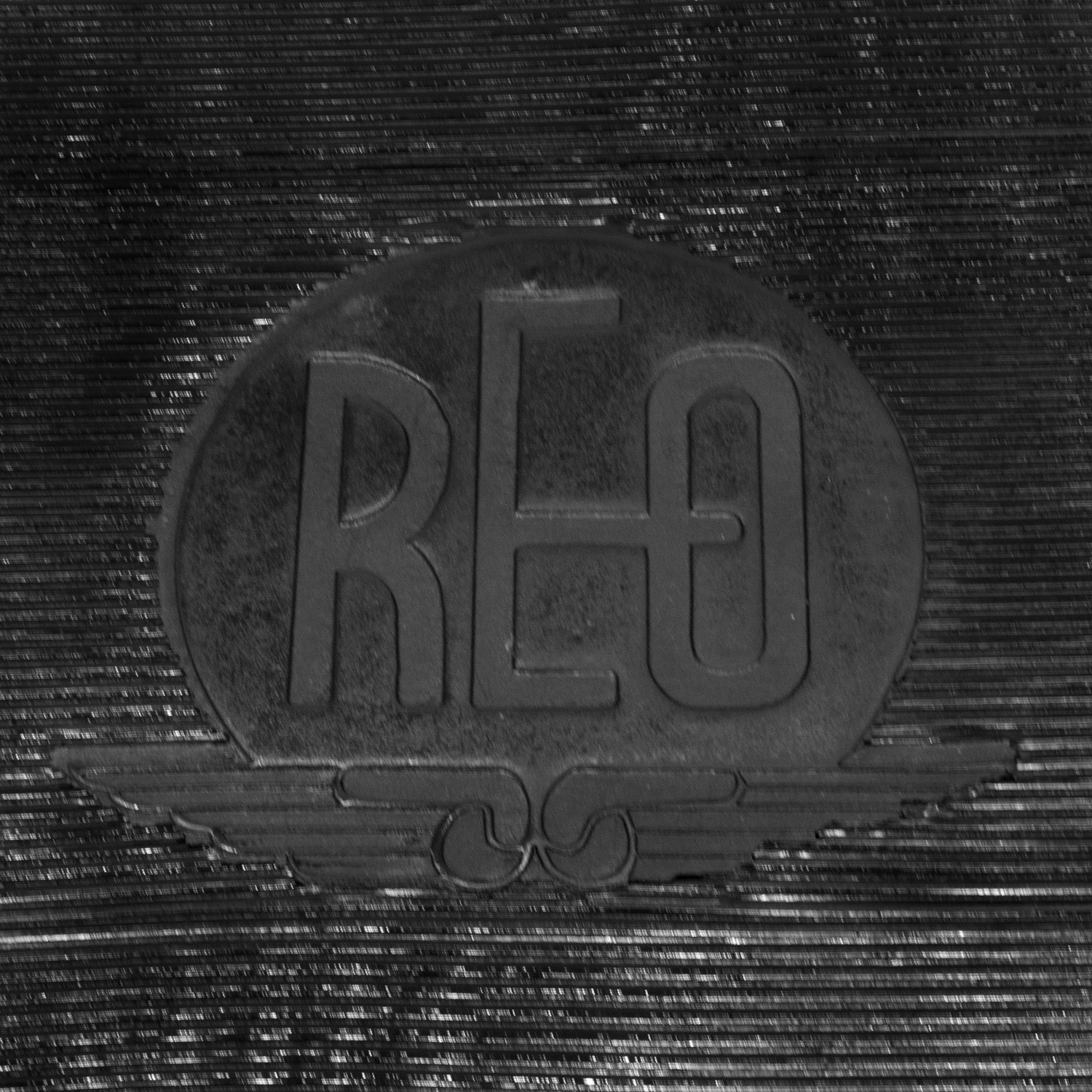 1924 Reo Model T-6 Accessory Floor Mat - 12"X17"-AC 36Accessory Floor Mat - made of high quality black rubber with molded original emblem. Also designed to be sewn into new carpets. 12"X17", Each
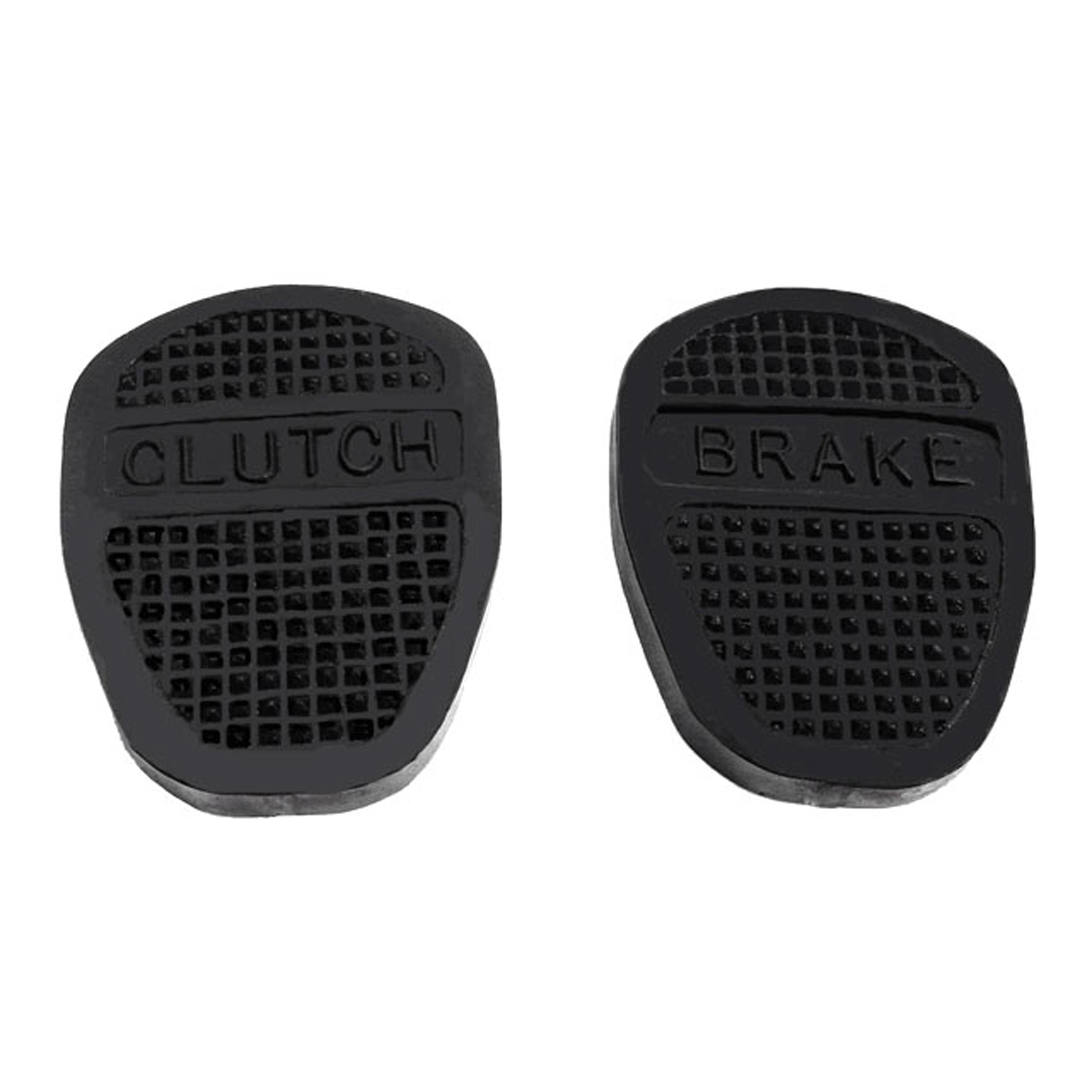 1924 Reo Model T-6 Clutch and Brake Pedal Pads. Lettered "CLUTCH" and "BRAKE"-CB 38Clutch and Brake Pedal Pads. Lettered "CLUTCH" and "BRAKE". 3-1/4" wide X 4-3/8" long. Pair
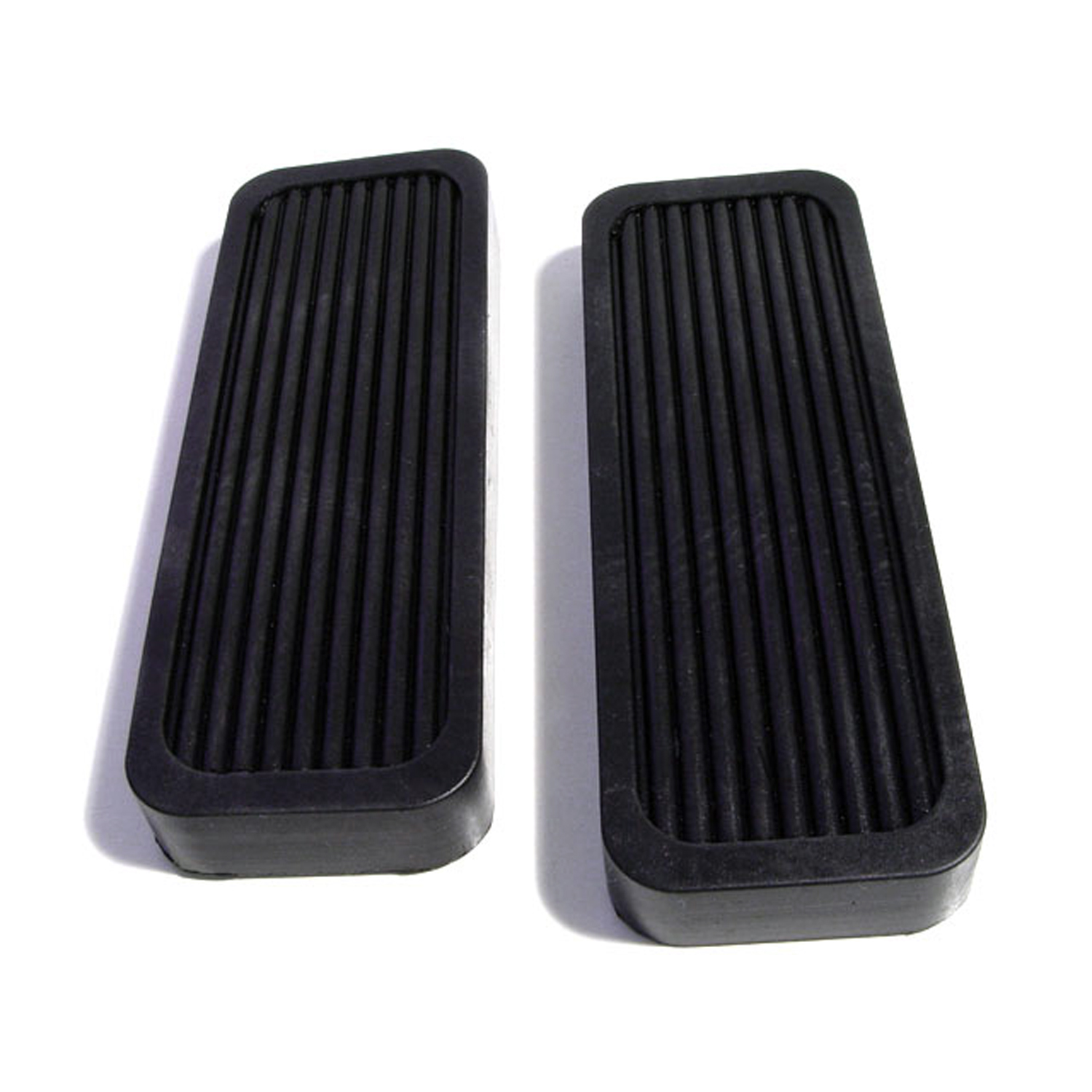 1924 Reo Model T-6 Clutch and Brake Pedal Pads. 1-5/8" wide X 4-1/4" long-CB 39Clutch and Brake Pedal Pads. 1-5/8" wide X 4-1/4" long. Pair
Why Choose Metro?
For over 100 years, Metro Moulded Parts has been the pinnacle of quality in classic car restoration parts. Our commitment to precision and authenticity in every component ensures a perfect fit and an OEM-level appearance.
- Expert Craftsmanship & Quality: Each part is a testament to our dedication to reliability and perfection, crafted from original designs and thoroughly tested.
- Advanced Technology: We use cutting-edge techniques to create flawless, long-lasting parts that surpass others in performance.
- SuperSoft Sponge – The Ultimate Door Seal: Not only are our door seals 30% softer than competitors', but they're also guaranteed to never leak. They effectively reduce wind and road noise, enhancing your classic car's comfort and driving experience.
- Proudly American: Our parts are a product of American craftsmanship, made in the USA with a spirit of excellence and heritage.
- Unrivaled Warranty: We back our products with a 30-year industry-leading warranty, a testament to our confidence in their quality.
Join us in preserving the legacy of classic cars with parts that are crafted for perfection, not just made.