

Image of 1925 Reo Model T-6, Note: These illustrations use artistic license and may differ from actual historical models.
Performance Metrics
Fundamental Metrics
Emotional Appeal
MMP Rating
| Engine Specifications | |
|---|---|
| Engine Options: | Single engine option |
| Displacement Range: | 3.3L |
| Horsepower Range: | Estimated 26-30 HP |
| Torque: | Not available |
| Compression Ratio: | Not available |
| Ignition System: | Magneto ignition system |
| Cooling System: | Water-cooled |
| Performance Specifications | |
| 0-60 Time: | Not available |
| 1/4 Mile Time: | Not available |
| Top Speed: | 45 mph |
| Transmission and Drive | |
| Drive Type: | Rear-wheel drive |
| Transmission Type: | 3-speed manual |
| Fuel and Efficiency | |
| Fuel System Type: | Carburetor |
| MPG: | Not available |
| Dimensions and Brakes | |
| Brakes: | Mechanical drum brakes |
| Wheelbase: | 112 inches |
| Weight: | Estimated 2,400 lbs |
Note: Specifications for classic cars are given to the best of our ability, considering the limited and variant data available.
1925 REO Model T-6: A Six-Cylinder Classic Built for the Open Road
The 1925 REO Model T-6 brought the confidence of a substantial six-cylinder engine to the American road, at a time when many motorists were still driving four-cylinder cars. Built by the REO Motor Car Company of Lansing, Michigan, it reflected the ambitions of founder Ransom E. Olds, the automotive pioneer whose initials gave the company its name. The T-6 was not a radical one-year sensation. Its appeal was more enduring: solid engineering, comfortable proportions and the promise of dependable touring.
One intriguing detail is the name behind the badge. Olds had already founded the company that became Oldsmobile, but after leaving that business he established REO in 1904 and set out to build another successful automobile manufacturer. By 1925, REO had established a reputation for sturdy vehicles, and the T-6 carried that practical, owner-minded tradition into the mid-1920s.
Classic REO Styling and T-6 Body Choices
The T-6 wore the upright, purposeful look typical of a substantial 1920s automobile. Its tall radiator, long bonnet and separate front fenders gave the front end a formal, almost architectural appearance. Large lamps flanked the radiator, while running boards connected the front and rear fenders and made the high-set cabin easier to enter. From the side, the long hood and upright passenger compartment gave the car a balanced profile that looked equally at home outside a hotel or on a country road.
Depending on the catalog and market, REO offered the T-6 in several body styles, including open touring and roadster forms as well as closed coupe and sedan versions. Touring cars were among the most recognizable choices of the era: their open cabins suited summer travel and showed off the car’s long lines. Closed bodies offered more protection from weather and dust, a valuable advantage as paved roads remained far from universal. Availability and trim could vary, so a surviving car’s exact body style is best confirmed against period literature or its original documentation.
Inside, expect a straightforward cabin rather than modern luxury. The dashboard and controls were functional, with a large steering wheel, clear period instruments and a floor-mounted gear lever. Upholstery and trim depended on the body and specification, but leather was common in open cars, while closed models could use cloth or other upholstery materials. The finish was designed to look handsome and hold up to use, not to deliver the dense padding or convenience features expected in a modern car.
Factory paint choices changed with body style and production details. Dark colors such as black, deep blue, maroon and green were typical choices for cars of this class, often paired with contrasting wheels or trim. Exact REO color names and combinations are difficult to generalize without a specific catalog, so restorers should avoid treating any single color as universal to every 1925 T-6.
Six-Cylinder Engineering in Its Historical Context
The T-6’s defining feature was its six-cylinder powerplant. Published specifications commonly associate the model with a 268-cubic-inch L-head inline-six rated at about 55 horsepower, though specifications can differ across references and configurations. An L-head, or side-valve, engine was conventional technology for its day: relatively simple, durable and accessible to mechanics familiar with early automobiles.
Electric starting and lighting were important practical conveniences by 1925, replacing the hand-crank routine and acetylene or oil lamps associated with earlier motoring. The T-6 also used a conventional three-speed manual transmission and rear-wheel drive. Its engineering was evolutionary rather than revolutionary, but that was part of the appeal. REO combined established technology into a substantial car intended for people who wanted capable transportation without buying a luxury marque.
The T-6 did not single-handedly reshape automotive design, and its historical importance should not be overstated. Its significance lies in what it represents: the maturing American market for six-cylinder cars, the growth of dependable enclosed motoring and the work of an independent manufacturer competing against much larger companies. REO’s reputation for durable vehicles helped it stand apart from makers that relied more heavily on novelty or low prices.
1925 REO T-6 Performance and Road Manners
Period factory claims and modern road tests are not always easy to compare, and a century of wear can change how any individual car performs. As a practical estimate, a sound T-6 might reach roughly 50 to 60 mph, depending on body style, gearing, tune and road conditions. A 0-to-60-mph time is not a particularly useful measure for this car: acceleration was gradual, and some examples may not reach 60 mph comfortably at all. A broad estimate of 30 seconds or more is more realistic than the quick figures associated with modern cars.
The six-cylinder engine should feel smooth and unhurried at touring speeds, with a steady mechanical hum that rises in pitch as the throttle opens. Shifting requires deliberate timing and a practiced hand. Braking, steering and suspension are also firmly period-specific. Expect more steering effort than in a modern car, modest braking by today’s standards and a ride that communicates bumps through the chassis rather than isolating the occupants from them.
On a straight, open road, the T-6’s long proportions and measured pace suit relaxed motoring. On a winding road, its size, tall stance and older steering geometry call for patience. Rough surfaces can unsettle the car, while crosswinds may be noticeable, particularly in an open touring body. The best driving experience comes from looking well ahead, leaving plenty of stopping distance and treating the car as a vintage tourer rather than a modern traffic-speed machine.
Living With a REO Model T-6
In its own time, the T-6 was a road car for everyday errands, business travel and longer touring trips. Today, surviving examples are more likely to appear at antique-car meets, local parades, historic motoring events and occasional vintage tours. An original, complete car can be a rewarding preservation project; a restored example is better suited to someone who wants to drive and display a piece of 1920s motoring history.
Routine upkeep follows familiar early-car principles: regular lubrication, careful attention to the cooling system, ignition service and adjustment of mechanical controls. Many repairs are relatively understandable to a mechanically inclined owner, but parts availability is not comparable to that of a popular postwar classic. Certain engine, transmission, body and trim components may require specialist suppliers, club connections or custom work. Before buying, inspect the frame, wood or structural body elements where applicable, engine condition, transmission operation and completeness of hard-to-find trim.
Reliability depends heavily on maintenance and restoration quality. A properly sorted T-6 can take part in gentle touring, but age alone makes breakdowns possible. Owners should also be prepared for period limitations such as slow acceleration, less effective brakes and the need for frequent checks. The car rewards attentive ownership more than neglect.
REO T-6 Facts, Myths and Common Criticisms
The Model T-6 belongs to the story of Ransom E. Olds, one of the most influential early American automobile entrepreneurs. REO later became especially well known for trucks, but its passenger cars helped establish the company’s reputation before that shift. The T-6 is not generally associated with a famous speed record or a single headline-making event, and claims of a specific record should be treated cautiously unless supported by contemporary documentation.
There is no widely accepted, model-specific production total for the 1925 T-6 readily established in standard collector references. A reasonable working estimate is several thousand cars for the model year, perhaps in the range of 5,000 to 10,000, but that is an informed guess rather than a verified factory figure. Production across related T-6 years would, of course, be greater. Surviving examples are uncommon today, especially complete cars with original components and documented history.
The car’s main criticisms are also part of its character. It is slow by modern standards, requires more driver involvement than a later classic and can be challenging to maintain if important parts are missing. Its age brings practical concerns too: weather protection varies by body style, and touring in heavy contemporary traffic may be stressful. For enthusiasts who value mechanical simplicity and prewar character, those limitations are part of the experience rather than deal-breakers.
1925 REO Model T-6 Collector Values
Prices depend strongly on body style, completeness, restoration quality, provenance and whether the car can be driven. As a broad 2026 U.S. market estimate, a project or incomplete example might bring about $5,000 to $15,000. A running but older or imperfect car could fall around $15,000 to $30,000, while a well-restored example may sell in the $30,000 to $55,000 range. Exceptional cars, especially desirable body styles with documented history, can exceed that range. These are guide estimates, not appraisals, and the relatively thin market for uncommon prewar cars can produce wide differences between asking and selling prices.
REO passenger cars have a smaller collector audience than famous mass-market models, which can keep prices below those of better-known contemporaries. At the same time, sound original cars are not easy to find, and interest in early American marques provides some support for well-preserved examples. Values are best described as condition-sensitive and selective rather than guaranteed to rise. A car with a high-quality restoration may hold its appeal, but restoration costs can exceed resale value, so buying the best complete example you can afford is often the wiser route.
Why the REO T-6 Still Matters
The 1925 REO Model T-6 captures a turning point in American motoring: six-cylinder power was becoming an attainable choice, electric conveniences were taking hold and closed cars were making year-round travel more practical. It was not a record-breaking machine or a design revolution. It was something more representative of its era, a carefully engineered automobile built by a company with deep roots in the industry and a founder who had already helped shape American carmaking.
For today’s enthusiast, the T-6 offers the pleasure of a substantial early automobile and a direct connection to REO’s independent spirit. It asks its driver to slow down, listen closely and participate in the act of driving. That is precisely why this understated six-cylinder classic still deserves a place on the road.
1925 Reo Model T-6 Catalog of Parts
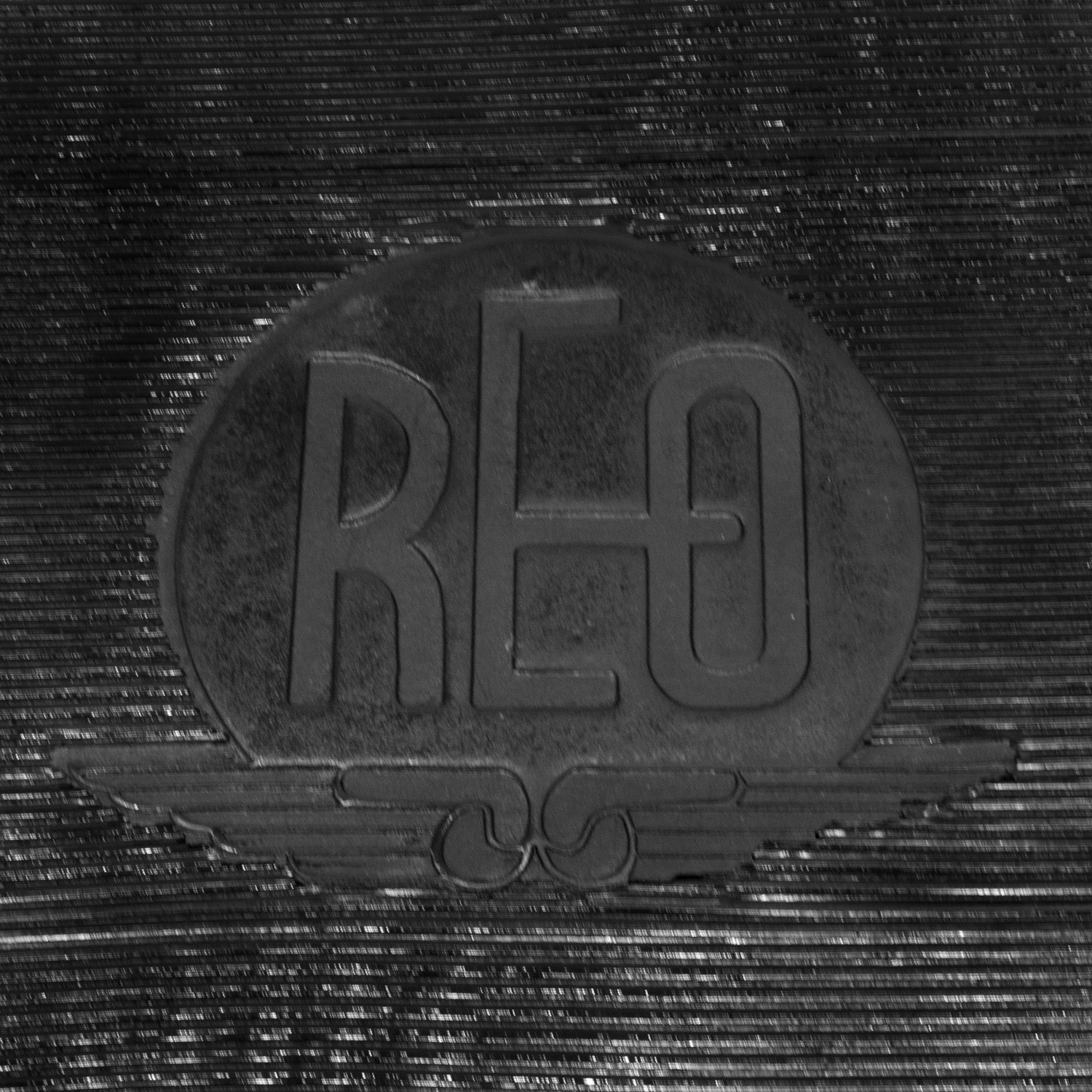 1925 Reo Model T-6 Accessory Floor Mat - 12"X17"-AC 36Accessory Floor Mat - made of high quality black rubber with molded original emblem. Also designed to be sewn into new carpets. 12"X17", Each
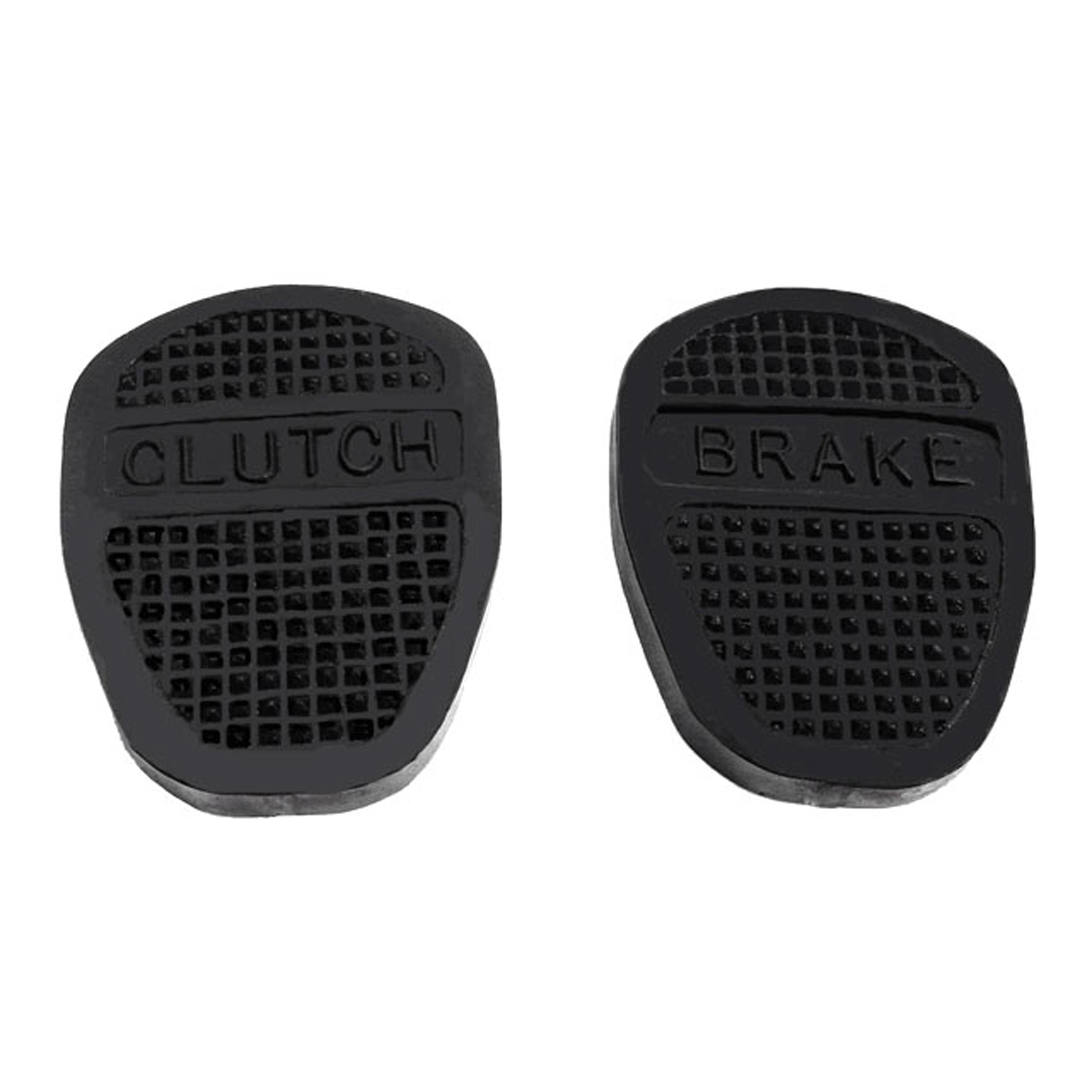 1925 Reo Model T-6 Clutch and Brake Pedal Pads. Lettered "CLUTCH" and "BRAKE"-CB 38Clutch and Brake Pedal Pads. Lettered "CLUTCH" and "BRAKE". 3-1/4" wide X 4-3/8" long. Pair
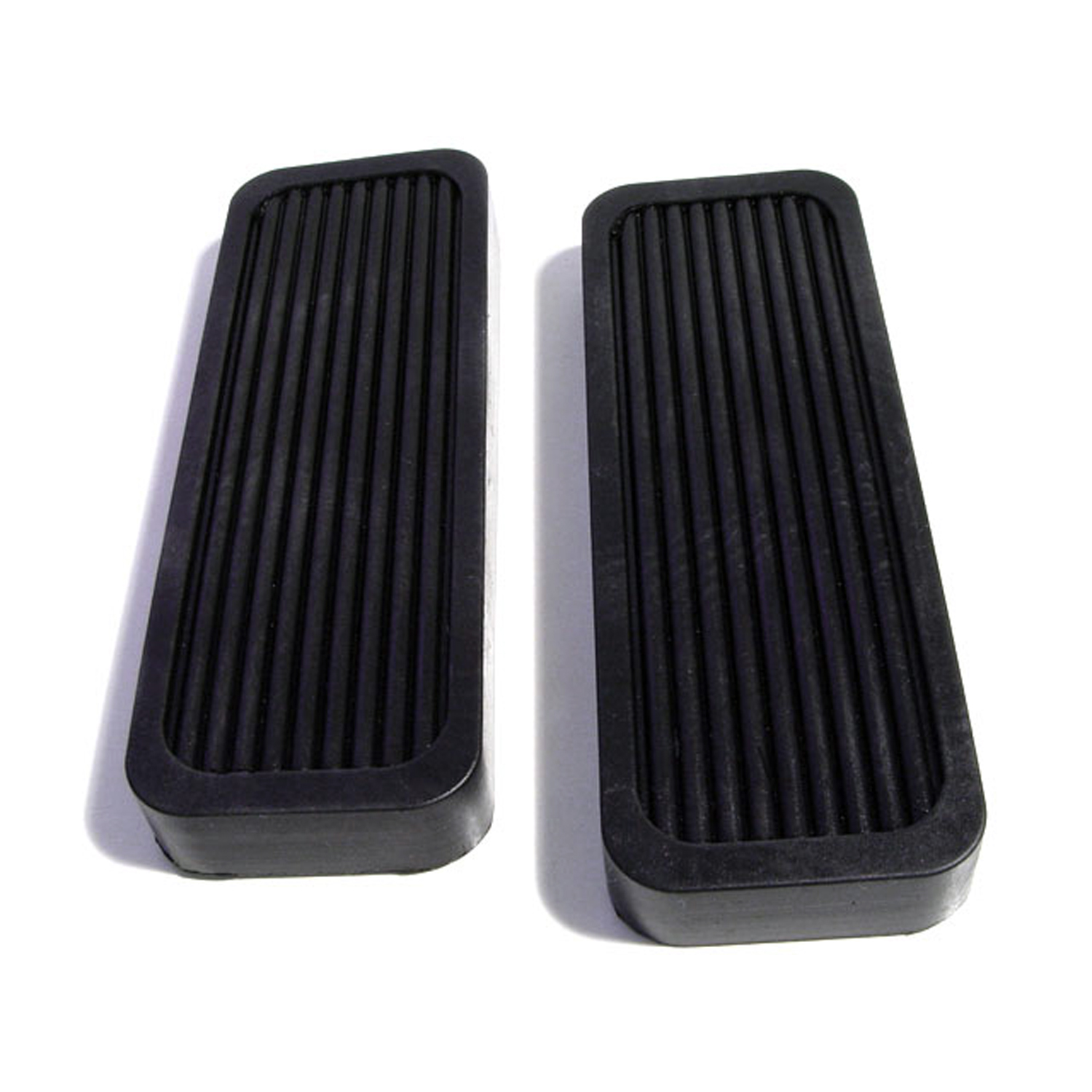 1925 Reo Model T-6 Clutch and Brake Pedal Pads. 1-5/8" wide X 4-1/4" long-CB 39Clutch and Brake Pedal Pads. 1-5/8" wide X 4-1/4" long. Pair
Why Choose Metro?
For over 100 years, Metro Moulded Parts has been the pinnacle of quality in classic car restoration parts. Our commitment to precision and authenticity in every component ensures a perfect fit and an OEM-level appearance.
- Expert Craftsmanship & Quality: Each part is a testament to our dedication to reliability and perfection, crafted from original designs and thoroughly tested.
- Advanced Technology: We use cutting-edge techniques to create flawless, long-lasting parts that surpass others in performance.
- SuperSoft Sponge – The Ultimate Door Seal: Not only are our door seals 30% softer than competitors', but they're also guaranteed to never leak. They effectively reduce wind and road noise, enhancing your classic car's comfort and driving experience.
- Proudly American: Our parts are a product of American craftsmanship, made in the USA with a spirit of excellence and heritage.
- Unrivaled Warranty: We back our products with a 30-year industry-leading warranty, a testament to our confidence in their quality.
Join us in preserving the legacy of classic cars with parts that are crafted for perfection, not just made.