

Image of 1926 Reo Model T-6, Note: These illustrations use artistic license and may differ from actual historical models.
Performance Metrics
Fundamental Metrics
Emotional Appeal
MMP Rating
| Engine Specifications | |
|---|---|
| Engine Options: | Inline 6-cylinder |
| Displacement Range: | 3.7L |
| Horsepower Range: | Estimated 30-35 HP |
| Torque: | Not available |
| Compression Ratio: | Not available |
| Ignition System: | Distributor and coil |
| Cooling System: | Water-cooled |
| Performance Specifications | |
| 0-60 Time: | Not available |
| 1/4 Mile Time: | Not available |
| Top Speed: | 45-50 mph |
| Transmission and Drive | |
| Drive Type: | Rear-wheel drive |
| Transmission Type: | 3-speed manual |
| Fuel and Efficiency | |
| Fuel System Type: | Carburetor |
| MPG: | Not available |
| Dimensions and Brakes | |
| Brakes: | Mechanical drum brakes |
| Wheelbase: | 112 inches |
| Weight: | Estimated 2,500 lbs |
Note: Specifications for classic cars are given to the best of our ability, considering the limited and variant data available.
1926 REO Model T-6: A Six-Cylinder Car with Lansing Roots
The 1926 REO Model T-6 belongs to the generation of American cars that made six-cylinder power feel practical for everyday motorists, without sacrificing the craftsmanship of a smaller, independent manufacturer. It was built by the REO Motor Car Company of Lansing, Michigan, founded by automotive pioneer Ransom E. Olds. The name REO came from Olds’s initials, and the company built both passenger cars and commercial vehicles.
One point worth knowing before comparing specifications: period references and surviving-car descriptions do not always use “Model T-6” consistently. REO model names and body designations can vary between sources, and the T-6 should not be confused with Ford’s Model T. Details such as body style and equipment may differ from one surviving car to another. The specifications below describe the commonly cited six-cylinder configuration, while noting where exact figures are difficult to pin down.
The T-6 arrived during a major shift in motoring. More buyers were turning from basic, open cars toward enclosed bodies, electric starting, and smoother engines. REO was competing against much larger manufacturers, but it had a reputation for sound engineering. A notable detail is the company’s founder: Ransom E. Olds had already helped establish the Oldsmobile name before creating REO, giving the T-6 a direct link to the earliest years of the American automobile industry.
Exterior Design and Cabin Details
The T-6 wears the upright, carefully proportioned look typical of a mid-1920s American car. Its tall radiator and long hood give the front end a formal presence, while separate fenders, running boards, and exposed lamps make its construction easy to read at a glance. Depending on the body, the roofline could be open and airy or enclosed and more substantial. Wire wheels or wood-spoke wheels, bright metal fittings, and narrow tires add to its period character.
Inside, the experience was functional rather than lavish by modern standards, but the materials could be handsome. Upholstery was typically leather or durable cloth, with wood trim and a painted or metal instrument panel. The driver sat behind a large steering wheel and faced simple, legible gauges. Enclosed versions offered welcome shelter from weather, while open touring bodies gave passengers a direct connection to the road and were often fitted with a folding top and side curtains.
Six-cylinder REOs of this period are commonly associated with an L-head, or side-valve, engine of roughly 269 cubic inches and about 60 brake horsepower. That is a period-style output figure, not a modern emissions or net-horsepower rating. Other era-appropriate equipment included a three-speed manual transmission, rear-wheel drive, and four-wheel mechanical brakes on configurations so equipped. These were meaningful conveniences in a decade when many cars still had less capable braking arrangements.
Exact factory paint combinations are not consistently documented for every T-6 body. Dark greens, blues, maroons, and black were common choices across the period’s market, often set off by contrasting pinstriping. A buyer could choose among open and closed body styles depending on the model and coachwork offered. Touring and sedan forms were among the familiar choices of the era; coupe and roadster-style bodies may be encountered in period REO ranges, but availability should be checked against the specific chassis and catalog year rather than assumed for every T-6.
What Made the REO Different
The T-6’s significance is less about a single revolutionary invention and more about how REO brought together useful contemporary features in a carefully engineered package. A six-cylinder engine delivered smoother power than the four-cylinder units common in lower-priced cars, while enclosed bodies answered the growing demand for year-round motoring. Four-wheel mechanical braking, where fitted, also reflected the industry’s move toward safer and more predictable stopping.
REO occupied an interesting middle ground. It was not a mass-market giant with Ford’s production scale, yet it was not simply a coachbuilt luxury marque. Its cars aimed to offer solid construction and considered engineering to buyers willing to look beyond the biggest names. That independent-company character is part of the T-6’s appeal today: it represents a competitive American industry in which capable regional manufacturers still had a place.
The model did not establish a widely recognized design standard in the way a handful of mass-produced cars did. Its lasting importance is instead tied to REO’s broader engineering reputation and to the company’s role in the development of American motoring. REO later became especially well known for trucks, including its durable Speed Wagon line, but that commercial-vehicle fame should not be mistaken for a record or feature of the passenger-car T-6 itself.
Road Performance and Driving Feel
With roughly 60 horsepower in the commonly cited six-cylinder specification, the T-6 was intended for composed road travel, not modern-style acceleration. A healthy example could plausibly reach around 60 to 65 mph under favorable conditions. A 0-to-60-mph time was not generally published in the modern sense; based on the car’s power, gearing, weight, and tires, an estimate of roughly 30 to 40 seconds is more credible than any precise claim. Some cars may struggle to reach 60 mph today, depending on condition and gearing.
On smooth roads, the car’s long hood and substantial chassis give it a steady, deliberate feel. It is not light or nimble by modern standards. Over bumps, the solid axles and leaf springs transmit more movement into the cabin than a contemporary suspension would, though the tall tires and generous sidewalls help take the edge off smaller road imperfections. On winding roads, the driver needs to plan ahead: steering is slower, body lean is noticeable, and period mechanical brakes demand more anticipation than modern hydraulic systems.
The driving experience is part of the attraction. The engine produces a measured mechanical hum rather than a sharp, high-revving note. Gear changes require a practiced hand, and the driver stays involved through steering, throttle, and careful braking. In an open model, the sound of the engine and the rush of air are part of the journey. In a sedan, the cabin offers more protection, but the car still feels unmistakably mechanical.
Living with a 1926 REO
Today, most T-6s are kept as touring cars, museum pieces, or show and parade vehicles rather than daily transportation. A mechanically sound example can still take part in local vintage-car events, but regular use requires a different mindset from driving a modern car. Speeds are lower, traffic can be intimidating, and long journeys call for careful route planning and frequent checks.
Maintenance is manageable for an owner comfortable with older machinery, but it is not entirely a do-it-yourself proposition. Routine jobs such as lubrication, ignition adjustments, and servicing the mechanical brakes are straightforward for a suitably equipped enthusiast. More challenging work can include sourcing engine parts, rebuilding the transmission, repairing wood structure in the body, or finding correct trim and lamps. Parts availability is generally more limited than for a Ford Model T, so a well-documented car with a strong supply of spares is a major advantage.
Reliability depends heavily on preservation and restoration quality. A properly rebuilt engine and carefully maintained cooling, ignition, and lubrication systems can make the REO a dependable vintage tourer. Age-related problems, including worn bearings, deteriorated wiring, tired springs, and brake wear, should be expected. Before buying, inspect the chassis and body structure as closely as the engine; attractive paint can hide expensive work underneath.
REO T-6 Facts and Common Myths
REO is named for Ransom E. Olds, not for a place or a model feature. That connection gives the marque an unusually direct link to one of the founders of the American automobile business. Another useful distinction: REO’s later reputation for trucks and Speed Wagons is significant, but it does not mean the passenger-car T-6 held a truck speed or endurance record.
No widely documented celebrity ownership, headline speed record, or major endurance achievement is firmly associated with the 1926 Model T-6. That is not a weakness; it simply reflects the fact that the car’s story is one of everyday engineering and independent manufacture rather than a single famous event. Claims about an individual car’s history should be supported by registration records, period photographs, or other documentation.
Common criticisms are familiar to owners of many cars from the era: modest speed, heavy steering, less effective brakes than modern drivers expect, and limited parts availability. Enclosed bodies can also feel warm in summer, while open models offer little protection from rain and cold. Those compromises are balanced by the car’s character, craftsmanship, and comparatively approachable mechanical layout.
Collector Value and Availability
REO Model T-6 production figures are difficult to isolate from broader REO totals and changing model terminology. A precise production number should therefore be treated with caution. As a broad estimate rather than a factory-confirmed count, several thousand examples across the relevant six-cylinder model range is plausible, but the number of surviving, identifiable T-6s is much smaller. Cars with documented histories, correct components, and complete bodies are especially hard to find.
For a 2026 market estimate, a project car might fall roughly in the $8,000 to $18,000 range, depending on completeness and structural condition. A usable driver or older restoration may bring about $20,000 to $40,000, while a high-quality restoration or particularly desirable body style could reach approximately $45,000 to $65,000 or more. These are broad guide ranges, not guaranteed sale prices; geography, provenance, restoration quality, and the availability of parts can move a transaction substantially.
Values for niche prewar cars tend to be condition-sensitive. Well-restored examples with clear documentation remain attractive, but the market is smaller than for better-known Ford and Chevrolet models. In recent years, strong examples have generally held interest better than incomplete projects, though appreciation is not automatic. Restoration costs can exceed the increase in market value, so buyers should purchase for the experience and history as much as for investment potential.
Why the 1926 REO Still Matters
The 1926 REO Model T-6 combines a smooth six-cylinder engine, period-correct road manners, and the independent spirit of a manufacturer founded by Ransom E. Olds. It reflects a turning point in American motoring, when enclosed bodies, improved braking, and more refined engines were becoming part of the ordinary car-buying conversation. Its performance is modest by modern standards, and its ownership demands patience, but those traits are part of its honest character.
For collectors, the T-6 offers something more distinctive than a familiar mass-market antique: a tangible piece of the competitive, inventive industry that helped put America on wheels. See one on the road, and its significance is easy to hear in the steady six-cylinder beat and see in every deliberate, upright line.
1926 Reo Model T-6 Catalog of Parts
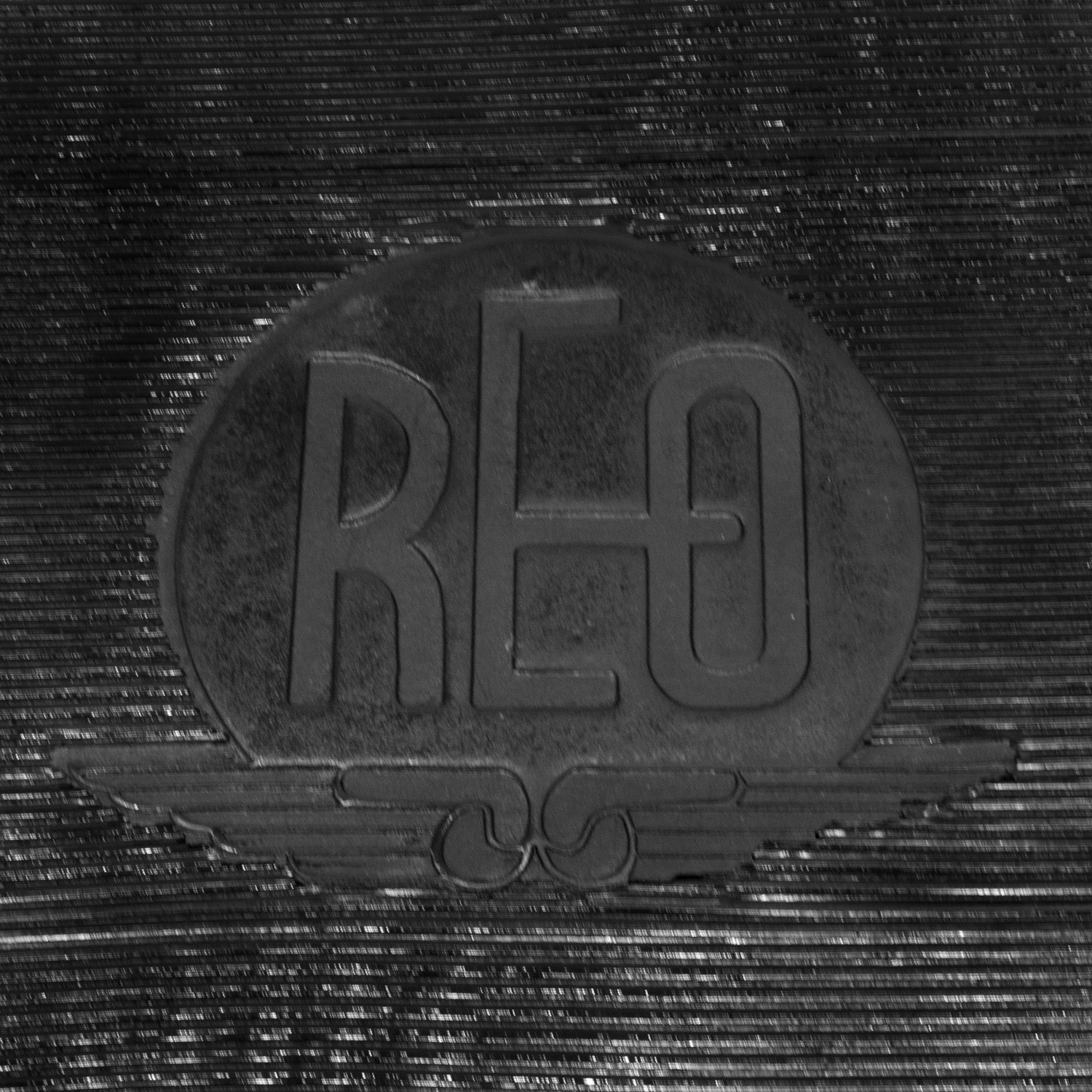 1926 Reo Model T-6 Accessory Floor Mat - 12"X17"-AC 36Accessory Floor Mat - made of high quality black rubber with molded original emblem. Also designed to be sewn into new carpets. 12"X17", Each
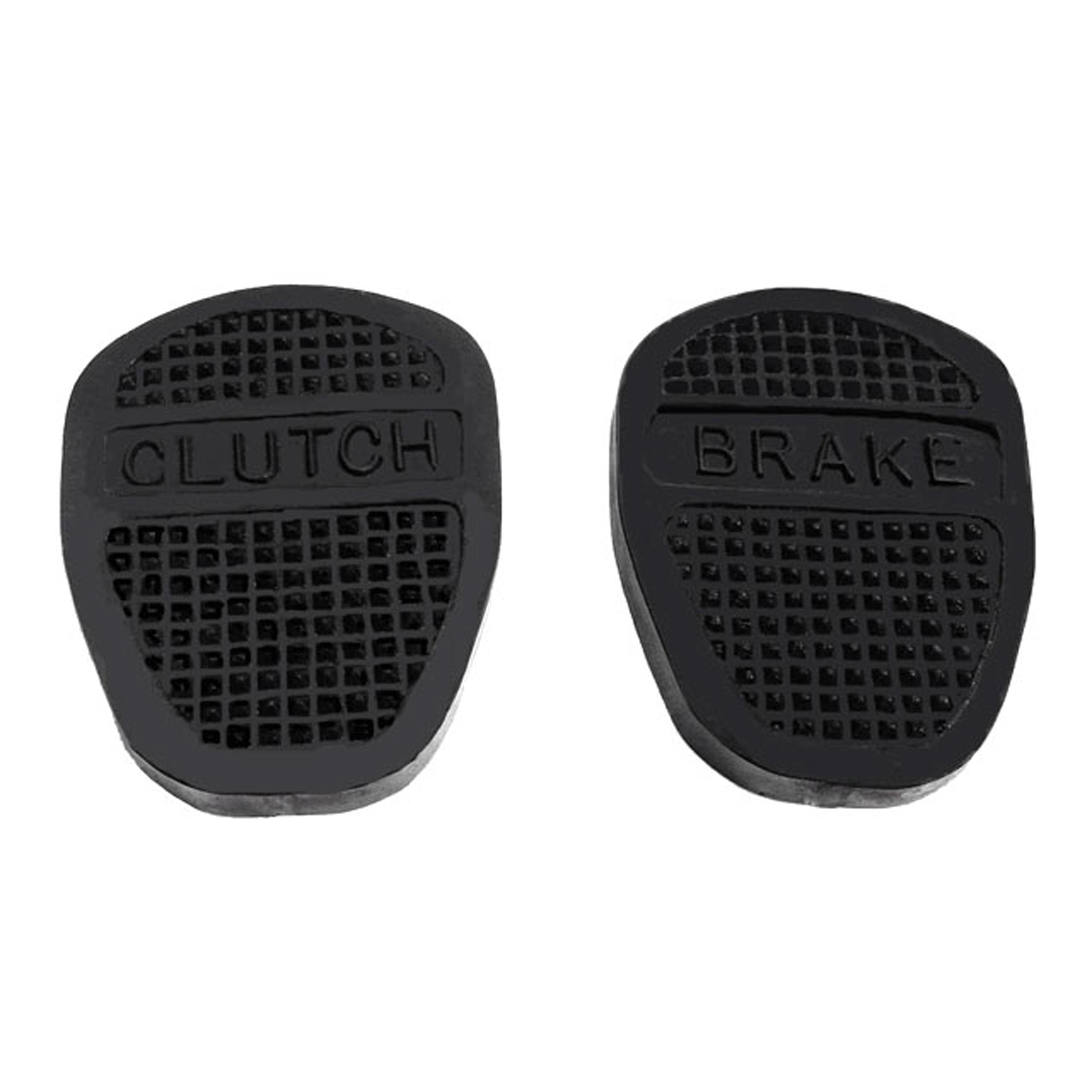 1926 Reo Model T-6 Clutch and Brake Pedal Pads. Lettered "CLUTCH" and "BRAKE"-CB 38Clutch and Brake Pedal Pads. Lettered "CLUTCH" and "BRAKE". 3-1/4" wide X 4-3/8" long. Pair
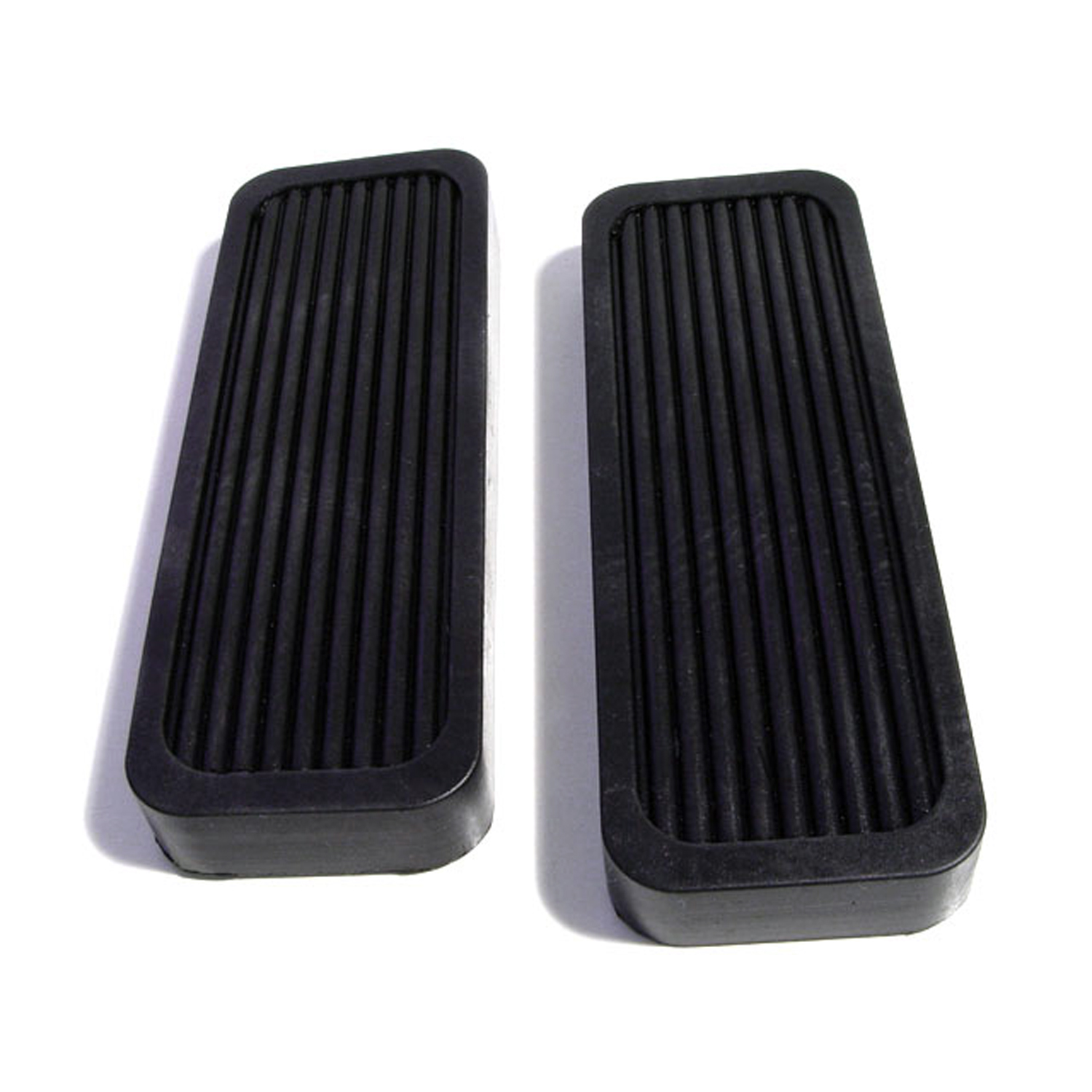 1926 Reo Model T-6 Clutch and Brake Pedal Pads. 1-5/8" wide X 4-1/4" long-CB 39Clutch and Brake Pedal Pads. 1-5/8" wide X 4-1/4" long. Pair
Why Choose Metro?
For over 100 years, Metro Moulded Parts has been the pinnacle of quality in classic car restoration parts. Our commitment to precision and authenticity in every component ensures a perfect fit and an OEM-level appearance.
- Expert Craftsmanship & Quality: Each part is a testament to our dedication to reliability and perfection, crafted from original designs and thoroughly tested.
- Advanced Technology: We use cutting-edge techniques to create flawless, long-lasting parts that surpass others in performance.
- SuperSoft Sponge – The Ultimate Door Seal: Not only are our door seals 30% softer than competitors', but they're also guaranteed to never leak. They effectively reduce wind and road noise, enhancing your classic car's comfort and driving experience.
- Proudly American: Our parts are a product of American craftsmanship, made in the USA with a spirit of excellence and heritage.
- Unrivaled Warranty: We back our products with a 30-year industry-leading warranty, a testament to our confidence in their quality.
Join us in preserving the legacy of classic cars with parts that are crafted for perfection, not just made.