

Image of 1929 Reo Flying Cloud, Note: These illustrations use artistic license and may differ from actual historical models.
Performance Metrics
Fundamental Metrics
Emotional Appeal
MMP Rating
| Engine Specifications | |
|---|---|
| Engine: | Inline 6 |
| Displacement: | 3.7L |
| Horsepower: | Estimated 68-75 HP |
| Torque: | Not available |
| Compression Ratio: | Not available |
| Ignition System: | Distributor and coil |
| Cooling System: | Water-cooled |
| Performance Specifications | |
| 0-60 Time: | Not available |
| 1/4 Mile Time: | Not available |
| Top Speed: | 60-70 mph |
| Transmission and Drive | |
| Drive Type: | Rear-wheel drive |
| Transmission Type: | 3-speed manual |
| Fuel and Efficiency | |
| Fuel System Type: | Carburetor |
| MPG: | Not available |
| Dimensions and Brakes | |
| Brakes: | Mechanical drum brakes |
| Wheelbase: | 115 inches |
| Weight: | Estimated 2,800 lbs |
Note: Specifications for classic cars are given to the best of our ability, considering the limited and variant data available.
1929 REO Flying Cloud: A Refined American Six
The 1929 REO Flying Cloud was built for drivers who wanted a substantial, well-engineered American car without stepping up to a costly luxury marque. Its name promised speed, but the car’s appeal was broader: a smooth six-cylinder engine, roomy bodywork and the confident road presence of a respected independent manufacturer.
REO was founded in Lansing, Michigan, by Ransom E. Olds, the automotive pioneer whose initials gave the company its name. Olds had already helped establish the Oldsmobile business before leaving to form REO Motor Car Company in 1904. The Flying Cloud arrived in the late 1920s as a key model in the company’s lineup. In 1929, it represented a mature, polished approach to the mid-priced automobile just as the American car market was reaching the end of its exuberant pre-Depression boom.
One intriguing detail is the contrast between the Flying Cloud’s evocative name and its practical character. This was not a lightweight sports car. It was a substantial touring machine, designed to cover long distances in comfort and to make its owner feel they had bought something a little more considered than an ordinary mass-market sedan.
Long Lines and Comfortable Cabin
The Flying Cloud wore the upright, formal styling typical of the late 1920s, but with proportions that gave it a purposeful, forward-moving look. A tall radiator shell and bright grillework anchored the nose, while exposed headlamps, flowing front fenders and running boards emphasized its length. The hood stretched ahead of a relatively upright passenger compartment, and the rear bodywork was shaped to suit each body style. Period trim, wire wheels on some versions and carefully placed brightwork added distinction without making the car look overly ornate.
Inside, the emphasis was on space and traditional craftsmanship. A broad bench seat, generous legroom and a large steering wheel made the cabin feel open by the standards of the day. Upholstery materials and trim varied with body style and equipment; cloth or mohair was common, while leather could be offered on certain open or higher-grade models. Owners should expect the restrained, durable finish of a period production car rather than modern levels of sound insulation or luxury.
Equipment was conventional but useful for 1929. The Flying Cloud had a six-cylinder engine, a manual gearbox and four-wheel mechanical brakes, operated without modern power assistance. Its controls were direct and uncomplicated, though learning the clutch, gear lever and brake feel takes more effort than driving a contemporary car. Electrical lighting and a starter motor were part of the modern-car experience, but features such as power steering, automatic transmission and climate control were still far in the future.
REO offered the Flying Cloud in several closed and open configurations during this period. Depending on the exact model and market, buyers could choose from sedans, coupes and open touring-style bodies. The four-door sedan is among the most recognizable and practical versions today, while open phaeton or touring bodies offer the most dramatic period look. Paint choices depended on body and trim combinations, with dark blues, greens, maroons, blacks and two-tone treatments all typical of late-1920s taste. Exact colors should be confirmed against the individual car’s original build information where available.
What Made the Flying Cloud Stand Out
The Flying Cloud’s significance lies less in one revolutionary feature than in the way it brought together comfort, performance and sound engineering. REO was an independent automaker competing against much larger manufacturers, and its cars had to make a persuasive case through build quality and thoughtful design. The Flying Cloud gave buyers a roomy, six-cylinder alternative to smaller four-cylinder cars and helped maintain REO’s reputation for producing capable, well-finished automobiles.
It also captures an important moment in American motoring. By 1929, enclosed cars were becoming increasingly desirable, roads and touring habits were changing, and customers expected more speed and comfort than earlier automobiles could provide. The Flying Cloud belonged to that transition: substantial enough for family travel, yet modern in its six-cylinder power and overall presentation. It did not define a new automotive layout, but it showed how an independent maker could refine the conventional front-engine, rear-wheel-drive formula.
REO’s later history adds another layer to the car’s story. The company eventually became better known for trucks, and its passenger-car business ended in the mid-1930s. That makes the Flying Cloud a reminder of the era when REO was still competing in the American passenger-car market, not just a name associated with commercial vehicles.
Six-Cylinder Performance on the Road
A typical 1929 Flying Cloud is described with a 268-cubic-inch L-head inline-six producing about 60 horsepower. Specifications can vary by model and source, so buyers restoring a car should verify the engine and chassis details against factory literature or the vehicle itself. Power went through a conventional manual transmission, generally a three-speed unit, to the rear wheels.
Period performance figures are not as consistent as modern instrumented tests. A sound, correctly tuned example might reach roughly 60 to 70 mph, depending on body style, gearing, mechanical condition and road conditions. Acceleration from 0 to 60 mph was leisurely by today’s standards. A reasonable estimate is around 25 to 30 seconds, though that should be treated as an approximation rather than a verified factory test result. The Flying Cloud was built for steady travel, not quick launches or high-speed competition.
On the road, the six-cylinder engine delivers a measured, even rhythm. The sound is a low mechanical burble that grows more pronounced under load, accompanied by the whir of the transmission and the wind noise of a car with little modern sealing. The steering is manual and can feel heavy at parking speeds. Once moving, the car settles into a calmer rhythm, rewarding smooth throttle inputs and well-timed gear changes.
Its long, substantial chassis helps it feel composed on ordinary roads, but period suspension and narrow tires make rough surfaces more noticeable than in a modern car. Broken pavement can produce body movement, and a high-sided body may feel affected by crosswinds. On winding roads, the driver needs to plan ahead: the steering is slower, braking distances are longer and the car’s mass encourages a smooth, deliberate style. The pleasure comes from the steady touring experience, not from attacking corners.
Living With a 1929 REO
Today, most Flying Clouds are used as show cars, touring vehicles or occasional weekend drivers. A well-maintained example can take part in vintage-car events and local rallies, but it is not an effortless daily driver. Traffic, modern speeds and the lack of contemporary safety equipment all call for extra care. Keeping a suitable following distance and choosing routes with manageable speeds are sensible habits.
Maintenance is approachable for an owner with mechanical experience, but it is different from servicing a modern car. Ignition, carburetion, lubrication, cooling and mechanical brakes all need regular attention. Parts availability varies: routine service items may be sourced through specialist suppliers or vintage-car networks, while model-specific trim, body panels and certain engine components can take time to find. Repairs are often mechanically straightforward, but age, previous restoration work and the availability of correct parts can make a project challenging.
Reliability depends heavily on condition. A properly rebuilt engine and carefully sorted braking system can make the car dependable for planned touring, while an unrestored or poorly maintained example may need extensive work before it is safe to drive. For the average owner, joining a marque club or connecting with REO specialists is one of the best ways to find technical advice and parts leads.
REO Flying Cloud Facts and Myths
The Flying Cloud name was used across multiple model years, so not every car bearing the badge has the same engine, dimensions or equipment. A 1929 car should be identified by its serial and engine numbers, body details and period documentation rather than by appearance alone. This is especially important when evaluating a restoration or ordering parts.
There is no widely recognized top-speed or endurance record associated specifically with the 1929 Flying Cloud. Its appeal was rooted in practical touring and solid engineering, not headline-grabbing racing achievements. Likewise, celebrity ownership stories should be treated cautiously unless supported by reliable documentation. The more dependable piece of trivia is that the model represents REO’s passenger-car ambitions at a time when independent manufacturers were competing against much larger companies.
A common criticism is that the Flying Cloud lacks the name recognition and parts support of better-known Ford, Chevrolet or Packard models. Some owners also find its manual controls and mechanical brakes demanding in modern traffic. Those drawbacks are balanced by its distinctive identity, substantial construction and the satisfaction of driving a less-common American classic.
Collector Values and Availability
There is no single, authoritative production figure for every 1929 Flying Cloud body style. As a broad estimate rather than a confirmed factory count, production for the model year may have been in the thousands, potentially around 5,000 to 15,000 cars across the range. Surviving examples are much scarcer than that estimate suggests, and specific body styles or cars with documented history can be difficult to locate.
Values depend on body style, originality, restoration quality, mechanical condition and the strength of the documentation. As a general current-market estimate, a project car may fall around $5,000 to $15,000. A usable driver or older restoration might bring roughly $15,000 to $30,000, while a high-quality, correctly restored example could reach about $30,000 to $55,000 or more. These are broad guide ranges, not guaranteed sale prices; rare body styles and exceptional provenance can shift the result substantially.
Prices for lesser-known prewar cars tend to be selective rather than uniformly rising. Well-restored examples with strong documentation can hold their appeal, but restoration costs may exceed the eventual sale price, and the pool of buyers is smaller than for more famous marques. The best prospects are usually cars with sound structure, correct components and a clear history, rather than projects purchased solely in expectation of appreciation.
Why the 1929 Flying Cloud Still Matters
The 1929 REO Flying Cloud combines a smooth six-cylinder engine, formal late-1920s styling and the character of an independent American manufacturer working at the height of the pre-Depression car boom. It was not a record-breaker or a technological revolution, but it offered comfort, substance and a distinctive alternative to the better-known brands of its day.
For today’s enthusiast, the Flying Cloud is a rewarding classic precisely because it tells a broader story: the story of a capable automaker, an evolving American road culture and a time when a well-built touring car could make every journey feel like an occasion.
1929 Reo Flying Cloud Catalog of Parts
 1929 Reo Flying Cloud Accessory Floor Mat - 12"X17"-AC 36Accessory Floor Mat - made of high quality black rubber with molded original emblem. Also designed to be sewn into new carpets. 12"X17", Each
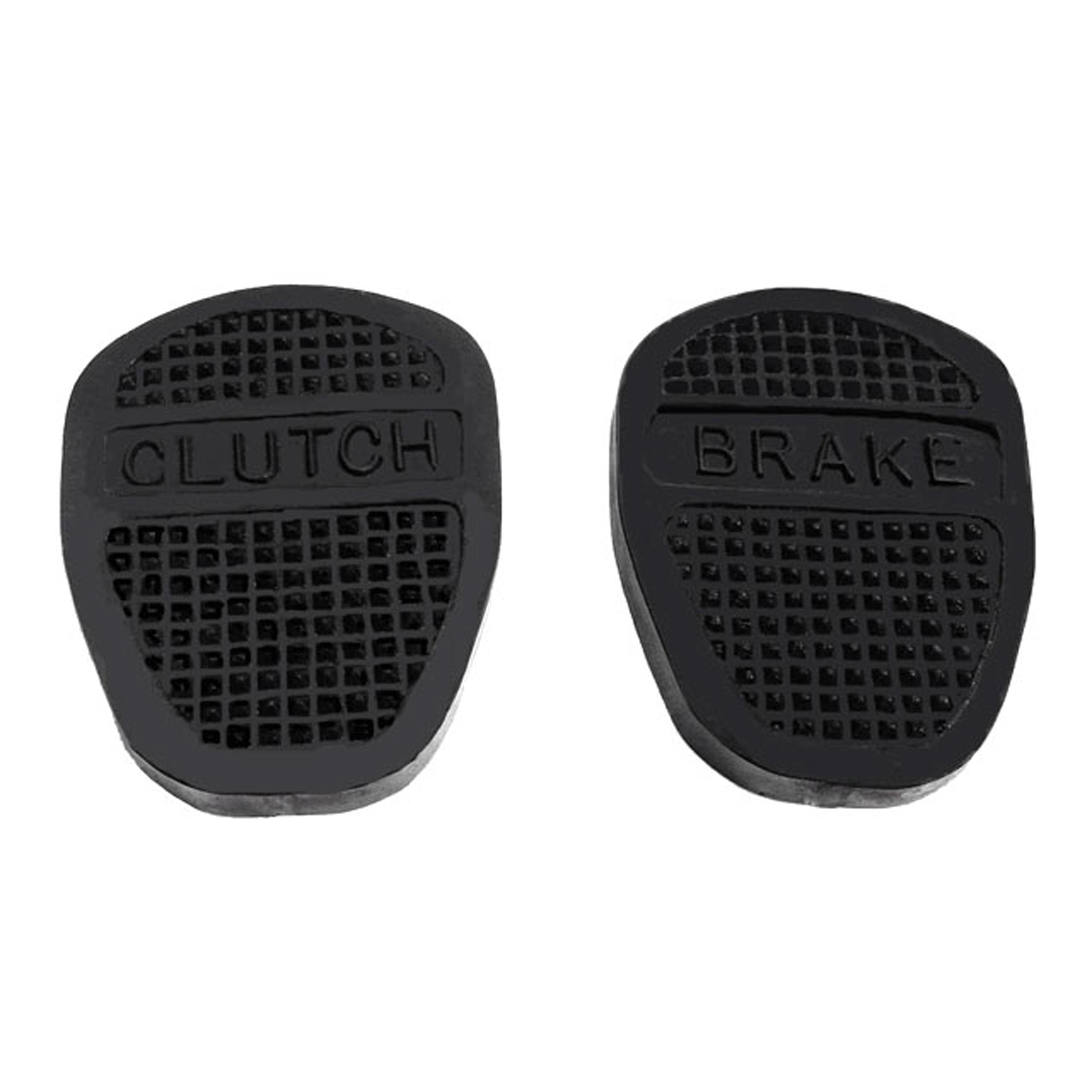 1929 Reo Flying Cloud Clutch and Brake Pedal Pads. Lettered "CLUTCH" and "BRAKE"-CB 38Clutch and Brake Pedal Pads. Lettered "CLUTCH" and "BRAKE". 3-1/4" wide X 4-3/8" long. Pair
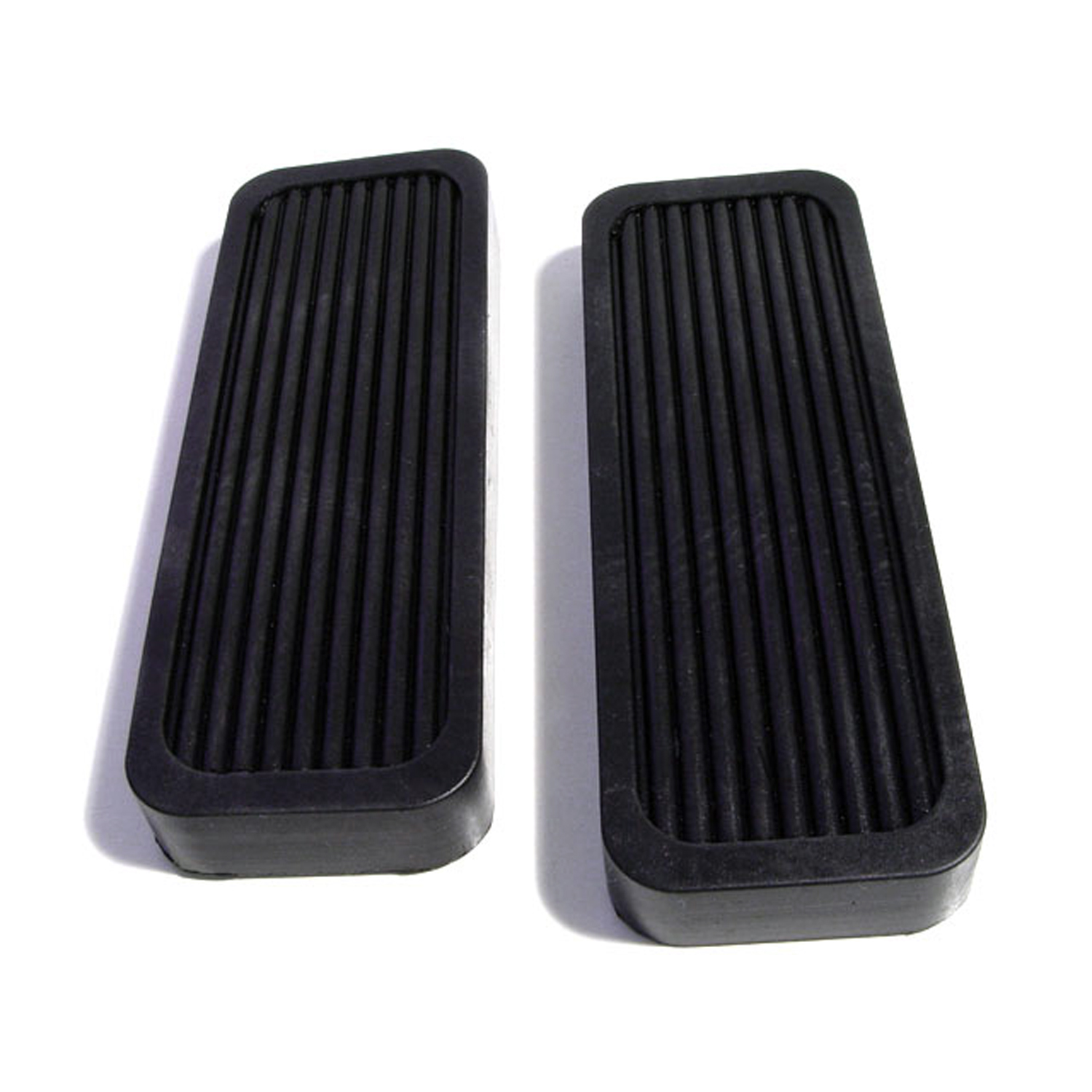 1929 Reo Flying Cloud Clutch and Brake Pedal Pads. 1-5/8" wide X 4-1/4" long-CB 39Clutch and Brake Pedal Pads. 1-5/8" wide X 4-1/4" long. Pair
 1929 Reo Flying Cloud Side Tire Bracket Mounting Pads. 1-1/2" wide X 3-4/8" long-MP 993-CSide Tire Bracket Mounting Pads. 1-1/2" wide X 3-4/8" long. Pair
 1929 Reo Flying Cloud Engine Mount. All rubber. Eight used per car. 2-7/16" O.D-RP 4Engine Mount. All rubber. Eight used per car. 2-7/16" O.D. bottom, 1-7/16" O.D. top, 7/8" I.D. Each
Why Choose Metro?
For over 100 years, Metro Moulded Parts has been the pinnacle of quality in classic car restoration parts. Our commitment to precision and authenticity in every component ensures a perfect fit and an OEM-level appearance.
- Expert Craftsmanship & Quality: Each part is a testament to our dedication to reliability and perfection, crafted from original designs and thoroughly tested.
- Advanced Technology: We use cutting-edge techniques to create flawless, long-lasting parts that surpass others in performance.
- SuperSoft Sponge – The Ultimate Door Seal: Not only are our door seals 30% softer than competitors', but they're also guaranteed to never leak. They effectively reduce wind and road noise, enhancing your classic car's comfort and driving experience.
- Proudly American: Our parts are a product of American craftsmanship, made in the USA with a spirit of excellence and heritage.
- Unrivaled Warranty: We back our products with a 30-year industry-leading warranty, a testament to our confidence in their quality.
Join us in preserving the legacy of classic cars with parts that are crafted for perfection, not just made.