

Image of 1930 Reo Flying Cloud, Note: These illustrations use artistic license and may differ from actual historical models.
Performance Metrics
Fundamental Metrics
Emotional Appeal
MMP Rating
| Engine Specifications | |
|---|---|
| Engine: | Inline 6 |
| Displacement: | 3.7L |
| Horsepower: | Estimated 70-85 HP |
| Torque: | Information not available |
| Compression Ratio: | Information not available |
| Ignition System: | Distributor and coil |
| Cooling System: | Water-cooled |
| Performance Specifications | |
| 0-60 Time: | Information not available |
| 1/4 Mile Time: | Information not available |
| Top Speed: | 70 mph |
| Transmission and Drive | |
| Drive Type: | Rear-wheel drive |
| Transmission Type: | 3-speed manual |
| Fuel and Efficiency | |
| Fuel System Type: | Carburetor |
| MPG: | Information not available |
| Dimensions and Brakes | |
| Brakes: | Mechanical drum brakes |
| Wheelbase: | 115 inches |
| Weight: | Estimated 2,800 lbs |
Note: Specifications for classic cars are given to the best of our ability, considering the limited and variant data available.
1930 REO Flying Cloud: A Six-Cylinder Classic with Quiet Confidence
The 1930 REO Flying Cloud was built for motorists who wanted more than basic transportation: it paired a substantial six-cylinder engine with handsome, carefully finished coachwork at a time when American roads and the car market were both changing quickly. Its maker, the REO Motor Car Company of Lansing, Michigan, was founded by automotive pioneer Ransom Eli Olds. The company name came from Olds’s initials, and its Flying Cloud became one of REO’s best-known passenger cars.
By 1930, REO had years of experience building cars and commercial vehicles. The Flying Cloud sat in the increasingly competitive middle-price field, where buyers expected comfort and dependable performance without paying for a luxury marque. Its timing was challenging: the stock-market crash of 1929 and the gathering Great Depression were beginning to squeeze demand for new automobiles. One intriguing detail is that the Flying Cloud was not simply a one-season nameplate. REO continued using the name into the early 1930s, making the 1930 model part of a well-established line rather than a short-lived experiment.
Art Deco-Era Styling and Cabin Comfort
The Flying Cloud had the upright, substantial look typical of a quality American car at the start of the 1930s. A tall radiator shell and long hood gave the front end an air of importance, while sweeping fenders softened the car’s otherwise formal outline. Headlamps stood proudly beside the radiator, and a broad windshield and generous glass area helped the cabin feel open. Depending on body style, the silhouette could be trim and sporting or more stately and enclosed.
Inside, the emphasis was on comfort and finish rather than minimalism. Owners could expect broad seats, quality upholstery, substantial door panels, and a well-arranged instrument panel. Closed cars commonly used durable woven upholstery, including mohair-type cloth, while open models could be trimmed in leather. Wood or wood-look details and polished metal fittings added warmth to the cabin. Exact materials and trim varied with body style and equipment, so surviving cars may differ from one another.
Paint choices also depended on the body and the market. Dark blue, maroon, green, and black were typical period choices for cars of this class, often complemented by contrasting trim or pinstriping. A deep, restrained color suited the Flying Cloud’s formal lines, while brighter combinations helped open cars and coupes look more youthful. Original paint charts are the best guide when evaluating a particular car, since modern restorations do not always follow factory combinations.
REO offered the Flying Cloud in a range of closed and open body styles. Buyers could find practical sedans and coupes, with open touring or roadster-style bodies available in the broader line depending on the exact model and market. The sedan was the sensible family choice, while a sportier open body is often the most eye-catching today. Model names and availability can vary across catalogs and surviving records, so a specific car’s body tag and period literature are worth checking.
Engineering for the Road Ahead
The Flying Cloud’s appeal was rooted in solid, conventional engineering rather than a single headline-making invention. Its inline six-cylinder engine was a meaningful step up in smoothness and flexibility from the four-cylinder powerplants still found in many lower-priced cars. The engine was a side-valve, or L-head, design, with a displacement of about 268 cubic inches and output generally listed at roughly 75 horsepower for this period. A three-speed manual gearbox sent power to the rear wheels.
That combination gave the REO the kind of easygoing performance buyers valued on long trips. The six did not need to be worked as hard as a smaller engine, and the car’s sturdy construction reflected REO’s broader reputation as a manufacturer of durable vehicles. The Flying Cloud was not a technological revolution, but it represented an important strength of the American industry: making a roomy, capable six-cylinder car available beyond the luxury-car market.
Compared with contemporaries, the REO offered a blend of size, mechanical substance, and finish that helped distinguish it from entry-level cars. Its lasting significance is less about a feature copied across the industry and more about the company’s identity. REO built its reputation on dependable transportation, and the Flying Cloud carried that approach into a period when buyers were increasingly expecting six-cylinder smoothness and enclosed-car comfort.
Performance, Ride, and Driving Feel
Period performance figures are not consistently reported, and condition, gearing, body style, and tires all affect what a surviving car can do. As a practical estimate, a well-tuned 1930 Flying Cloud might reach roughly 65 to 70 mph. A 0-to-60-mph run would be leisurely by modern standards, likely in the neighborhood of 25 to 30 seconds. Those figures should be treated as estimates, not guaranteed factory test results.
On the road, the six-cylinder engine delivers a low, steady growl rather than a sharp, high-revving note. The manual gearbox asks the driver to plan shifts and use the engine’s broad, relaxed character. Steering is unassisted and requires more effort at low speeds than a modern car, while braking relies on period mechanical hardware. Stopping distances and pedal feel are therefore very different from those of a contemporary vehicle.
The Flying Cloud’s traditional chassis and leaf-spring suspension were designed for the roads of its day. It can feel composed on a smooth highway, but broken pavement brings more movement through the body than a modern driver may expect. On a winding road, the car rewards a measured pace: its size, steering effort, and vintage tires favor smooth inputs over quick direction changes. The experience is less about carving corners and more about enjoying the engine’s rhythm, the view over the long hood, and the sense of mechanical connection.
Living with a 1930 REO
Today, most Flying Clouds are enjoyed as touring cars, show entries, or carefully maintained weekend drivers. They are not ideal daily transportation for modern traffic, where faster speeds, contemporary braking, and readily available service parts matter. A well-sorted example can still be used for local outings and vintage-car events, provided its owner respects its age and mechanical limits.
The basic layout is approachable for an experienced hobby mechanic. The engine and drivetrain use straightforward period technology, and many routine jobs do not require specialist electronics or diagnostic equipment. The harder part can be finding correct REO-specific parts, trim, and body components. A pre-purchase inspection should pay close attention to rust, wood structure where applicable, engine condition, cooling system, brakes, and the availability of missing pieces. Mechanical work may be manageable; a complete restoration can become expensive when rare body or interior parts are needed.
REO Flying Cloud Facts and Common Myths
The Flying Cloud is sometimes mistaken for a luxury car simply because of its name and imposing appearance. It was a well-equipped, substantial car, but it was not in the same price class as the most expensive American marques. Nor is the 1930 model widely associated with a famous speed record, racing victory, or celebrity owner. Its story is more representative than sensational: it shows how a respected independent manufacturer competed during a difficult turning point in the automobile business.
There is no widely accepted, model-specific factory production total for the 1930 Flying Cloud. Given the company’s output and the range of body styles, a reasonable broad estimate is somewhere from several thousand to perhaps the low tens of thousands for the model year. A figure around 10,000 to 20,000 is a useful working estimate, but it should not be mistaken for a verified production record. Surviving examples are much less common than cars from major mass-market manufacturers.
One common criticism is that the Flying Cloud lacks the name recognition of a Ford, Chevrolet, or Packard, which can make parts sourcing and resale less straightforward. Another is simply the reality of 1930s motoring: slow acceleration, heavy controls, mechanical brakes, and limited protection compared with modern vehicles. For enthusiasts, those traits are part of the period experience, but they are important considerations for anyone shopping for one.
Collector Values and Availability
Values depend heavily on body style, originality, completeness, and restoration quality. As a broad current-market guide, a project car may fall around $5,000 to $12,000, while a usable driver might bring roughly $15,000 to $30,000. A high-quality restored example could reach approximately $30,000 to $50,000 or more, especially if it has a desirable body style, documented history, and excellent workmanship. These are estimates rather than fixed price guide figures, and an unusual or particularly attractive example can sit outside the range.
Finding a Flying Cloud takes patience. Cars do appear through specialist dealers, auctions, clubs, and private collections, but they are not common inventory. Values tend to reward condition and completeness more than ambitious restoration spending. The market for distinctive prewar cars has remained selective: standout examples can attract strong interest, while projects may be difficult to sell for the full cost of the work. In that sense, the Flying Cloud is best bought because its owner wants the car, not as a guaranteed investment.
A Lasting Piece of REO History
The 1930 REO Flying Cloud brought together a smooth six-cylinder engine, substantial road presence, comfortable bodywork, and the practical engineering of a respected independent automaker. It was not defined by a single record-breaking feat or radical invention. Instead, it stands as a thoughtful example of what a well-made American automobile could be as the industry entered the Depression era.
For today’s enthusiast, the Flying Cloud offers something increasingly rare: a chance to experience a capable, full-sized prewar car from a manufacturer whose legacy reaches back to the earliest days of the American auto industry. Its best feature may be the way it turns an ordinary drive into a reminder that automotive history was built not only by famous mass-market names, but also by determined independents like REO.
1930 Reo Flying Cloud Catalog of Parts
 1930 Reo Flying Cloud Accessory Floor Mat - 12"X17"-AC 36Accessory Floor Mat - made of high quality black rubber with molded original emblem. Also designed to be sewn into new carpets. 12"X17", Each
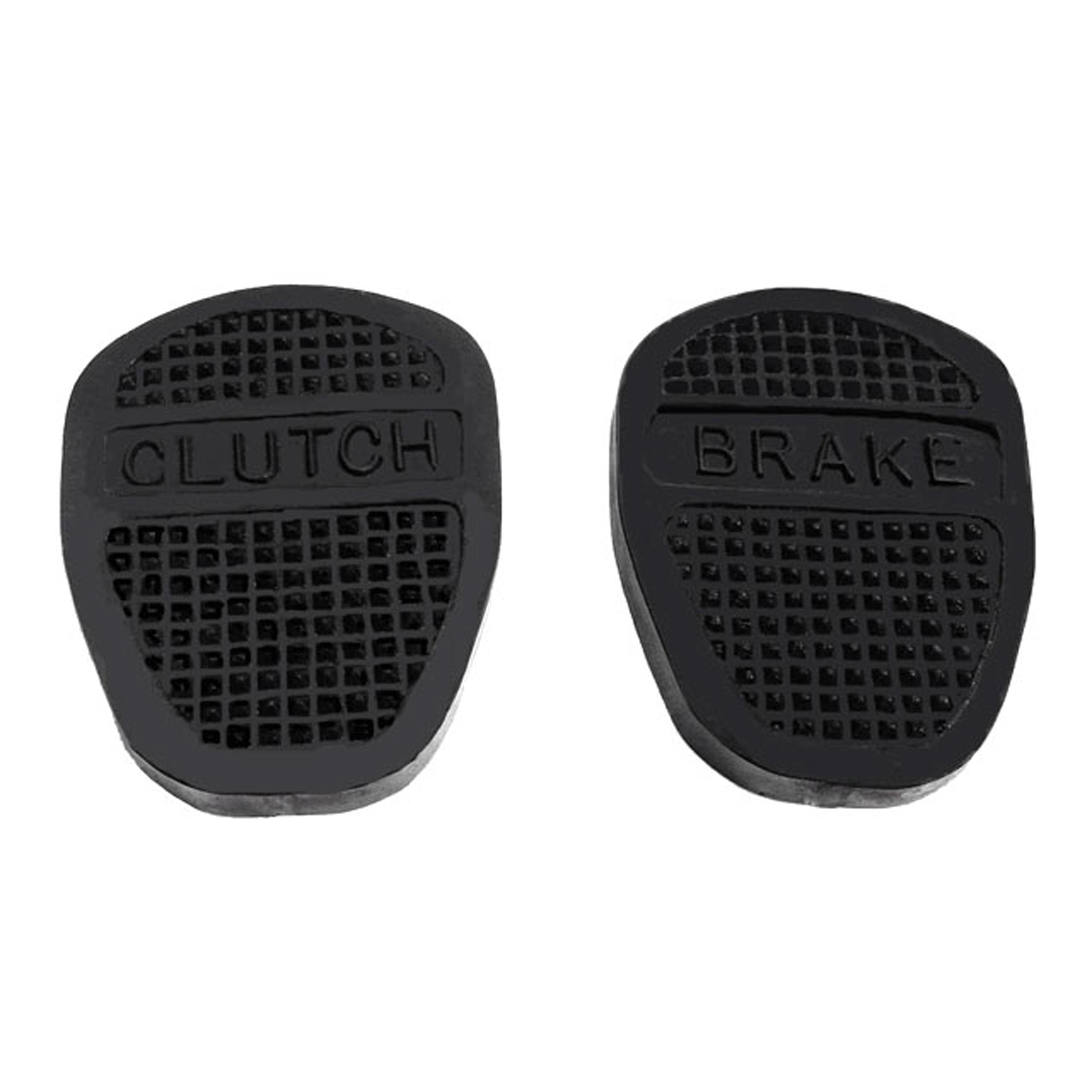 1930 Reo Flying Cloud Clutch and Brake Pedal Pads. Lettered "CLUTCH" and "BRAKE"-CB 38Clutch and Brake Pedal Pads. Lettered "CLUTCH" and "BRAKE". 3-1/4" wide X 4-3/8" long. Pair
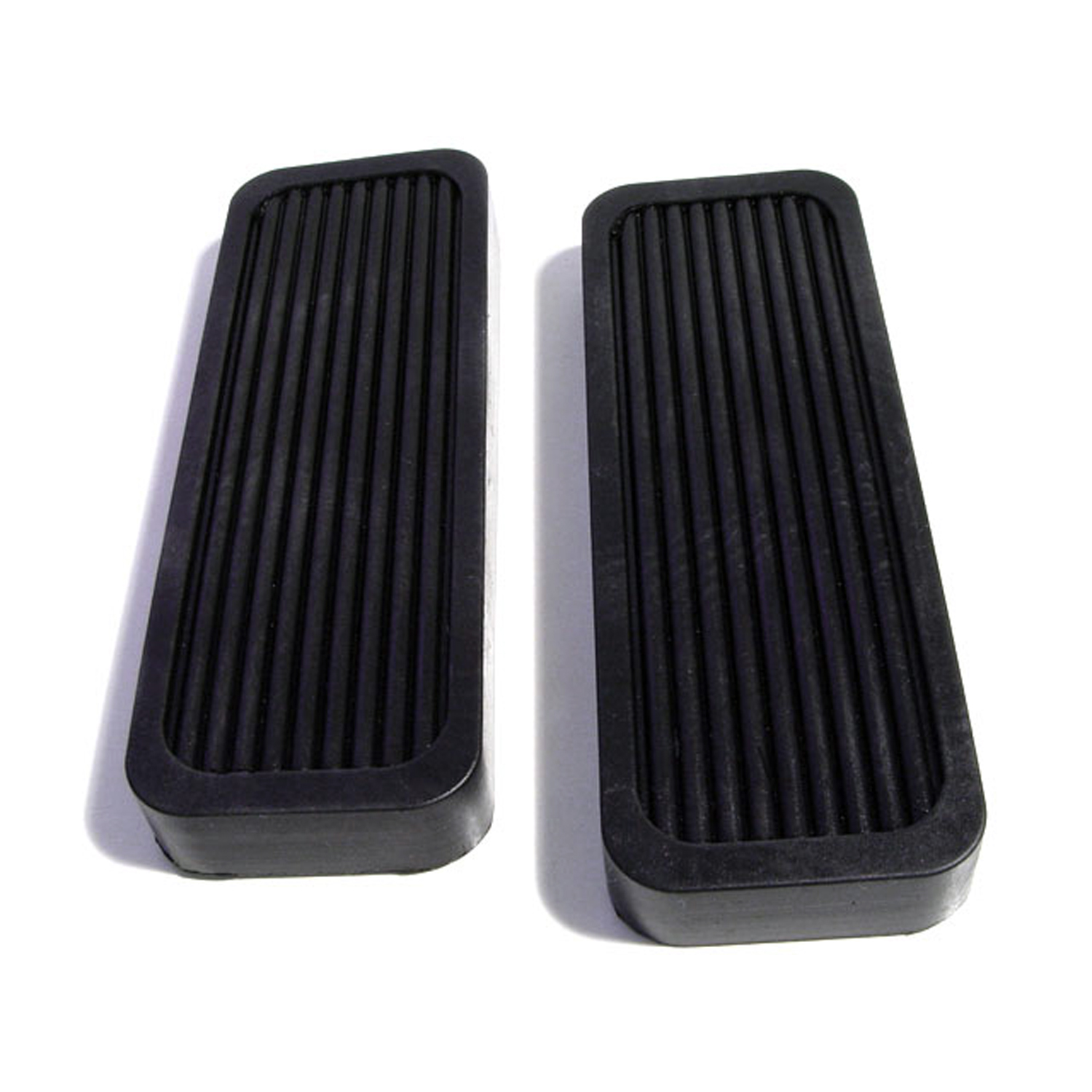 1930 Reo Flying Cloud Clutch and Brake Pedal Pads. 1-5/8" wide X 4-1/4" long-CB 39Clutch and Brake Pedal Pads. 1-5/8" wide X 4-1/4" long. Pair
 1930 Reo Flying Cloud Swing-Out Windshield Seal-LP 97-CSwing-Out Windshield Seal. For both one- and two-piece windshields. Sold by the foot
 1930 Reo Flying Cloud Side Tire Bracket Mounting Pads. 1-1/2" wide X 3-4/8" long-MP 993-CSide Tire Bracket Mounting Pads. 1-1/2" wide X 3-4/8" long. Pair
 1930 Reo Flying Cloud Park Light Pads. 1-3/4" wide X 2-7/8" long. Pair-MP 993-HPark Light Pads. 1-3/4" wide X 2-7/8" long. Pair
Why Choose Metro?
For over 100 years, Metro Moulded Parts has been the pinnacle of quality in classic car restoration parts. Our commitment to precision and authenticity in every component ensures a perfect fit and an OEM-level appearance.
- Expert Craftsmanship & Quality: Each part is a testament to our dedication to reliability and perfection, crafted from original designs and thoroughly tested.
- Advanced Technology: We use cutting-edge techniques to create flawless, long-lasting parts that surpass others in performance.
- SuperSoft Sponge – The Ultimate Door Seal: Not only are our door seals 30% softer than competitors', but they're also guaranteed to never leak. They effectively reduce wind and road noise, enhancing your classic car's comfort and driving experience.
- Proudly American: Our parts are a product of American craftsmanship, made in the USA with a spirit of excellence and heritage.
- Unrivaled Warranty: We back our products with a 30-year industry-leading warranty, a testament to our confidence in their quality.
Join us in preserving the legacy of classic cars with parts that are crafted for perfection, not just made.