

Image of 1931 Reo Flying Cloud, Note: These illustrations use artistic license and may differ from actual historical models.
Performance Metrics
Fundamental Metrics
Emotional Appeal
MMP Rating
| Engine Specifications | |
|---|---|
| Engine: | Inline 6 |
| Displacement: | 3.7L |
| Horsepower: | Estimated 70-85 HP |
| Torque: | Information not available |
| Compression Ratio: | Information not available |
| Ignition System: | Distributor and coil |
| Cooling System: | Water-cooled |
| Performance Specifications | |
| 0-60 Time: | Information not available |
| 1/4 Mile Time: | Information not available |
| Top Speed: | 70 mph |
| Transmission and Drive | |
| Drive Type: | Rear-wheel drive |
| Transmission Type: | 3-speed manual |
| Fuel and Efficiency | |
| Fuel System Type: | Carburetor |
| MPG: | Information not available |
| Dimensions and Brakes | |
| Brakes: | Mechanical drum brakes |
| Wheelbase: | 115 inches |
| Weight: | Estimated 2,800 lbs |
Note: Specifications for classic cars are given to the best of our ability, considering the limited and variant data available.
1931 REO Flying Cloud: A Refined Six-Cylinder from Lansing
The 1931 REO Flying Cloud brought smooth six-cylinder power and handsome, substantial styling to a market being reshaped by the Great Depression. Built by the REO Motor Car Company in Lansing, Michigan, it came from the company founded by Ransom E. Olds after he left Oldsmobile. REO’s name was formed from Olds’ initials, and the firm built a reputation for practical, well-engineered cars and trucks.
The Flying Cloud had been part of REO’s lineup since 1927. By 1931, it occupied the middle ground between ordinary family transportation and the more expensive REO Royale. One intriguing detail is that the Flying Cloud shared its maker’s history with a much more famous name: REO’s Speed Wagon trucks later inspired the name of the rock band REO Speedwagon.
1931 Flying Cloud Design and Body Styles
The Flying Cloud had the balanced proportions expected of a fine American car of its era. A tall, upright radiator and long hood gave it a formal face, while swept front fenders and running boards visually connected the front and rear of the car. Large headlamps, a broad windshield, and bright exterior trim added presence without the excessive ornamentation seen on some more expensive automobiles.
Inside, the cabin emphasized comfort and traditional craftsmanship. Depending on body style and specification, upholstery could be cloth or other period trim, with leather more likely in certain open or higher-trim versions. A wide bench seat, a large steering wheel, clear instrument dials, and a carefully finished dashboard made the car feel substantial. Materials and details varied, so an original car’s trim should be checked against its specific body and factory documentation.
Period equipment was straightforward but useful: electric lighting and starting, a manual transmission, and conventional controls that drivers of the day would have recognized. The Flying Cloud did not rely on modern electronic systems or complicated accessories. Its appeal came instead from a roomy body, a six-cylinder engine, and the engineering required to make a large car comfortable and usable.
REO offered the Flying Cloud in several closed and open body configurations over the model’s run, including sedan and coupe forms, with availability varying by year and market. Four-door sedans were especially practical and are among the body styles most often associated with the model today. Buyers could also choose paint and trim combinations; period colors included a range of dark, restrained shades and brighter options, with two-tone finishes available on some bodies. Exact colors depended on the individual model and order, so a single “standard” palette should not be assumed.
How the Flying Cloud Fit Its Era
In 1931, American manufacturers were competing to offer more comfort, better performance, and greater value as the Depression squeezed household budgets. The Flying Cloud answered with a larger, smoother-running six-cylinder car and a level of finish intended to make it feel like a step above basic transportation. It was not a radical design revolution, but it showed how a respected independent automaker could combine traditional construction with the increasingly polished styling of the early 1930s.
REO’s identity also set the car apart. The company was independent rather than one of the giant Detroit divisions, and it had a long engineering and manufacturing history behind it. The Flying Cloud’s lasting significance is therefore less about a single world-changing invention and more about the kind of thoughtfully engineered, full-size American car that independent firms worked hard to keep competitive.
Six-Cylinder Performance and Road Manners
A typical 1931 Flying Cloud is associated with a side-valve, or L-head, six-cylinder engine of roughly 269 cubic inches, producing about 80 to 85 horsepower depending on specification. A three-speed manual transmission was typical. Exact figures can differ among published sources and individual cars, so engine identification and original records matter when assessing a particular example.
There is no dependable factory 0-to-60 mph figure commonly cited for the 1931 Flying Cloud. Based on its period power, weight, and gearing, a roughly 25-to-30-second run is a reasonable modern estimate, not a guaranteed specification. A healthy car could reach approximately 70 to 75 mph under favorable conditions, though sustained high-speed driving is not what these nearly century-old cars are best suited for.
On the road, the Flying Cloud feels like a substantial prewar automobile. Its long wheelbase and leaf-spring suspension help it settle over ordinary road imperfections, while its solid axles and period tires transmit more movement than a modern car would. On winding roads, the driver needs to plan ahead: steering is unassisted, the body leans, and braking distances are long by today’s standards. Brake design and condition can vary by car, making a thorough inspection essential before driving.
The engine’s sound is a steady, low six-cylinder murmur rather than a sharp performance-car bark. Gear changes require deliberate timing, and the driver remains closely involved in steering, shifting, and braking. That directness is part of the charm, but it also means the Flying Cloud feels most at home on relaxed scenic drives rather than fast modern traffic.
Living with a 1931 REO
Today, Flying Clouds are primarily show cars, touring vehicles, and carefully maintained hobby cars. Some owners take them on organized vintage drives, where their comfortable cabin and dignified pace make more sense than they would in daily commuting. Regular highway use is possible only when the car is properly restored and maintained, and even then it requires patience and defensive driving.
The car’s mechanical layout is comparatively straightforward, which can make routine work accessible to an experienced home mechanic. Ignition, carburetion, lubrication, and chassis service follow familiar prewar principles. The harder part is often finding correct components, body hardware, trim, and interior materials. Specialist clubs, marque enthusiasts, and swap meets can be important resources, especially for cars that need more than ordinary maintenance.
Reliability depends heavily on condition and restoration quality. A sound engine and properly serviced chassis can provide enjoyable touring, but a neglected car may need extensive work before it is safe to drive. Before buying, check the engine, cooling system, transmission, brakes, steering, frame, and wood or metal body structure as applicable. Originality is valuable, but safe operation should come first.
REO Flying Cloud Trivia and Common Criticisms
The Flying Cloud name was already established before 1931, giving the model a recognizable identity within REO’s lineup. REO itself continued beyond passenger-car production: the company eventually concentrated on trucks, a branch of its business that became especially well known. The later REO Speed Wagon truck became a memorable part of American commercial-vehicle history.
No widely documented 1931 Flying Cloud speed, sales, or endurance record defines the model, and celebrity ownership claims should be treated cautiously unless supported by reliable documentation. The car’s appeal is its combination of independent-manufacturer history, classic styling, and usable six-cylinder engineering, rather than a famous race victory or record-setting achievement.
Common criticisms are typical of large prewar cars. The Flying Cloud is heavy, slow by modern standards, and less convenient in traffic than a postwar car. Steering and braking demand more effort, fuel economy is modest, and parts availability can be uneven. Its size and age also make careful storage and regular mechanical attention important.
1931 REO Flying Cloud Values and Rarity
Surviving Flying Clouds are uncommon, but an exact production total for the 1931 model is difficult to establish from readily available model-specific records. A cautious estimate is that production was in the low thousands, perhaps roughly 2,000 to 5,000 cars across the year’s Flying Cloud range. That is a reasoned estimate rather than a confirmed factory total, and surviving examples are considerably scarcer than original production figures suggest.
Collector values depend on body style, condition, completeness, originality, and the quality of any restoration. As a broad current-market guide, a project car may fall around $5,000 to $15,000, while a sound driver or older restoration might bring about $15,000 to $30,000. A high-quality restoration could reach roughly $30,000 to $50,000 or more, with especially desirable or unusually well-documented examples potentially exceeding that range. These are estimates, not appraisals, and actual sale prices vary widely.
Values have generally benefited from growing interest in distinctive prewar cars, but the market remains specialized. REOs do not have the same name recognition or parts network as some mass-produced rivals, which can limit buyer demand and make prices uneven. Over the long term, the best examples are likely to remain more desirable than rough projects, but restoration costs can easily exceed a car’s market value.
Why the 1931 Flying Cloud Still Matters
The 1931 REO Flying Cloud represents an important kind of American classic: a well-built, full-size car from an independent automaker working to deliver comfort, engineering, and character in a difficult economic period. Its six-cylinder power, formal styling, and straightforward mechanical design make it both an engaging historical artifact and a rewarding vintage touring car when properly maintained.
Nearly a century later, the Flying Cloud’s appeal is not about speed or modern convenience. It is about experiencing the craftsmanship and road-going character of a different automotive age, carried forward by a company with a remarkable story of its own.
1931 Reo Flying Cloud Catalog of Parts
 1931 Reo Flying Cloud Accessory Floor Mat - 12"X17"-AC 36Accessory Floor Mat - made of high quality black rubber with molded original emblem. Also designed to be sewn into new carpets. 12"X17", Each
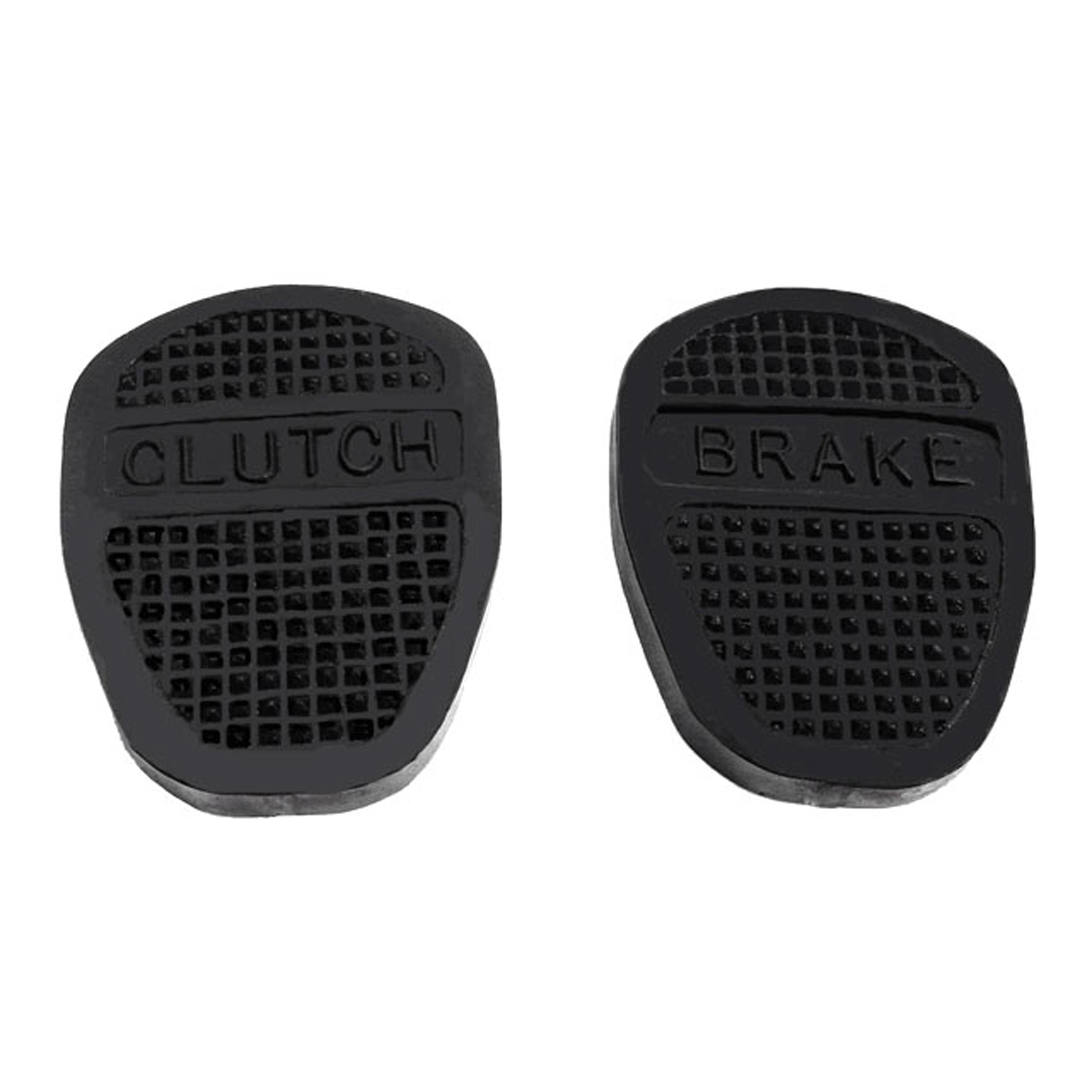 1931 Reo Flying Cloud Clutch and Brake Pedal Pads. Lettered "CLUTCH" and "BRAKE"-CB 38Clutch and Brake Pedal Pads. Lettered "CLUTCH" and "BRAKE". 3-1/4" wide X 4-3/8" long. Pair
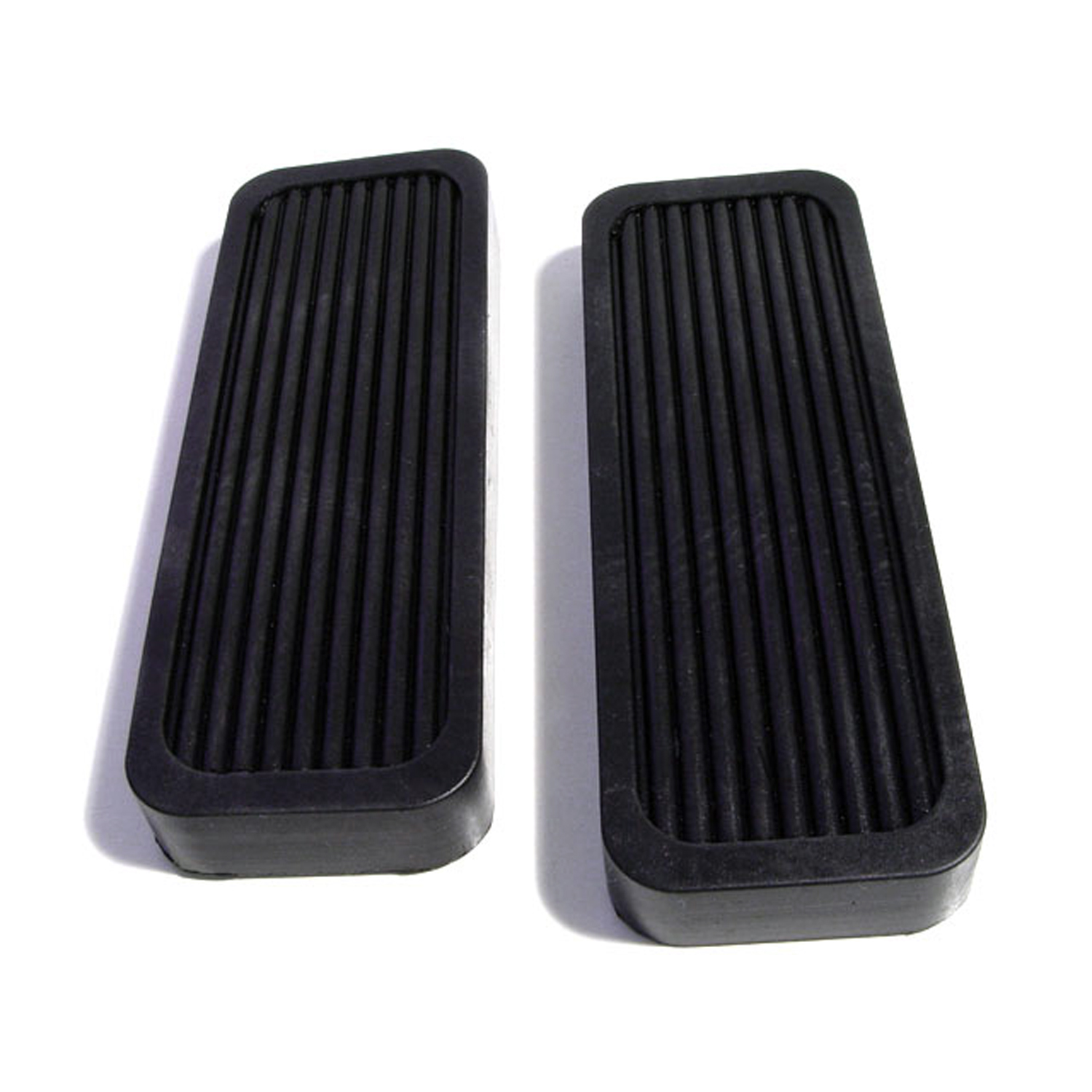 1931 Reo Flying Cloud Clutch and Brake Pedal Pads. 1-5/8" wide X 4-1/4" long-CB 39Clutch and Brake Pedal Pads. 1-5/8" wide X 4-1/4" long. Pair
 1931 Reo Flying Cloud Swing-Out Windshield Seal-LP 97-CSwing-Out Windshield Seal. For both one- and two-piece windshields. Sold by the foot
 1931 Reo Flying Cloud Tail-light Pads. 2-3/4" wide X 4-3/4" long. Pair-MP 993-ATail-light Pads. 2-3/4" wide X 4-3/4" long. Pair
 1931 Reo Flying Cloud Park Light Pads. 2" wide X 2-7/8" long. Pair-MP 993-BPark Light Pads. 2" wide X 2-7/8" long. Pair
 1931 Reo Flying Cloud Side Tire Bracket Mounting Pads. 1-1/2" wide X 3-4/8" long-MP 993-CSide Tire Bracket Mounting Pads. 1-1/2" wide X 3-4/8" long. Pair
Why Choose Metro?
For over 100 years, Metro Moulded Parts has been the pinnacle of quality in classic car restoration parts. Our commitment to precision and authenticity in every component ensures a perfect fit and an OEM-level appearance.
- Expert Craftsmanship & Quality: Each part is a testament to our dedication to reliability and perfection, crafted from original designs and thoroughly tested.
- Advanced Technology: We use cutting-edge techniques to create flawless, long-lasting parts that surpass others in performance.
- SuperSoft Sponge – The Ultimate Door Seal: Not only are our door seals 30% softer than competitors', but they're also guaranteed to never leak. They effectively reduce wind and road noise, enhancing your classic car's comfort and driving experience.
- Proudly American: Our parts are a product of American craftsmanship, made in the USA with a spirit of excellence and heritage.
- Unrivaled Warranty: We back our products with a 30-year industry-leading warranty, a testament to our confidence in their quality.
Join us in preserving the legacy of classic cars with parts that are crafted for perfection, not just made.