

Image of 1932 Reo Royale, Note: These illustrations use artistic license and may differ from actual historical models.
Performance Metrics
Fundamental Metrics
Emotional Appeal
MMP Rating
| Engine Specifications | |
|---|---|
| Engine: | Straight 8 |
| Displacement: | 5.9L (358 cu in) |
| Horsepower: | 125 HP |
| Torque: | Not available |
| Compression Ratio: | Not available |
| Ignition System: | Battery and coil |
| Cooling System: | Water-cooled |
| Performance Specifications | |
| 0-60 Time: | Not available |
| 1/4 Mile Time: | Not available |
| Top Speed: | 90 mph |
| Transmission and Drive | |
| Drive Type: | Rear wheel drive |
| Transmission Type: | 3-speed manual |
| Fuel and Efficiency | |
| Fuel System Type: | Carburetor |
| MPG: | Not available |
| Dimensions and Brakes | |
| Brakes: | 4-wheel hydraulic drum brakes |
| Wheelbase: | 135 in |
| Weight: | 4,700 lbs |
Note: Specifications for classic cars are given to the best of our ability, considering the limited and variant data available.
1932 REO Royale: A Depression-Era Luxury Car
The 1932 REO Royale was a grand touring car built for a world that could no longer easily afford grand touring cars. With its long hood, imposing eight-cylinder engine, and coachwork aimed at the upper end of the market, the Royale represented REO’s bold attempt to compete with established luxury marques during the depths of the Great Depression.
REO was founded in Lansing, Michigan, by automotive pioneer Ransom E. Olds, whose initials formed the company’s name. By the early 1930s, REO had a reputation for sturdy, well-engineered automobiles and commercial vehicles. The Royale was its flagship passenger car, introduced in 1931 and offered into the mid-1930s. The 1932 version is generally identified as the Royale 8-35, a designation associated with its straight-eight engine and high-end chassis.
Its timing was striking. Unemployment and financial hardship were widespread, yet REO invested in a sophisticated luxury car rather than retreating to basic transportation. That contrast is part of the Royale’s appeal today: it is both an elegant automobile and a reminder of how ambitious American manufacturers remained during the Depression.
Royale Styling and Coachbuilt Character
The Royale’s styling makes a strong first impression. Its tall, distinctive grille sits at the front of a long, carefully sculpted hood, while the front fenders sweep back toward the body instead of appearing as separate, boxy panels. Large headlamps, substantial bumpers, and generous proportions give the car the formal presence expected of a luxury automobile. The overall effect is streamlined for its era without sacrificing the dignified, upright look buyers associated with prestige.
REO offered the Royale in several body configurations, including closed sedans and limousine-style models, as well as more open or sporting forms depending on the catalog and coachwork. Body availability could vary by year and specification, and some cars were supplied as chassis for custom coachbuilders. The sedan is among the most recognizable surviving forms, while open cars and unusual custom bodies tend to attract particular interest from collectors.
Inside, the Royale was designed to feel like a proper luxury car. Buyers could expect substantial upholstery, carefully finished trim, and a broad cabin with room for passengers to travel in comfort. Materials and details varied with body style and specification, but leather seating, quality fabrics, polished hardware, and wood-grain or wood trim were appropriate to the car’s class. A well-preserved interior has a warm, handcrafted quality that is very different from the uniform finish of a modern production car.
Period paint choices were influenced by the tastes of luxury-car buyers, who often favored restrained, formal colors and contrasting trim. Dark blues, greens, maroons, blacks, and two-tone combinations would have suited the Royale’s stately lines. Exact combinations depended on the body and order, so a particular surviving car’s original colors should be verified through factory records or paint evidence rather than assumed from a general palette.
Engineering for a Luxury Chassis
At the heart of the 1932 Royale was a large-displacement inline eight. Published specifications commonly associate the Royale 8-35 with a 358-cubic-inch engine producing about 125 horsepower. That was serious power for a passenger car of the period, especially when paired with the Royale’s substantial chassis and bodywork. A conventional manual transmission gave the driver direct control, while the car’s engineering was aimed at smooth, quiet progress rather than sporting agility.
Four-wheel hydraulic brakes were an important practical feature in an era when braking systems were still developing. The Royale also benefited from the broader advances in ride control and chassis design that made early-1930s cars more comfortable and composed than many of their predecessors. Equipment could vary by body and build, so the precise specification of an individual car should be checked against its documentation.
The Royale’s innovation was not a single headline-grabbing device. Its appeal came from combining a powerful eight-cylinder engine, a substantial luxury chassis, and modern body styling in one carefully presented package. That blend helped REO show that it could build more than durable everyday cars and trucks.
Driving a 1932 REO Royale
Exact performance figures for an individual 1932 Royale are difficult to pin down. Body style, gearing, mechanical condition, and test methods all make a difference, and dependable period acceleration figures are not consistently available. As a broad estimate, a healthy, correctly tuned example might reach roughly 80 to 90 mph, while acceleration from 0 to 60 mph could take somewhere around 25 to 30 seconds. These are estimates, not guaranteed factory test results, and should be treated as period-appropriate guidance rather than modern instrumented measurements.
On the road, the Royale’s straight-eight would be expected to deliver its power with a smooth, steady rhythm. Rather than a sharp, high-revving bark, the engine produces the measured mechanical note of a large prewar motor. The driver works a manual gearbox and must plan ahead, particularly when slowing or climbing hills. Steering, braking, and shifting require more effort and anticipation than in a modern car.
The long wheelbase and weight help the Royale settle over ordinary road imperfections, giving it the relaxed, substantial ride luxury buyers wanted. On rough surfaces, however, it still behaves like a car built with 1930s suspension and tires. On winding roads, its size and mass call for a measured pace. The best experience comes from looking well down the road, making smooth inputs, and allowing the chassis to carry its momentum rather than hustling it through corners.
Historical Significance and REO’s Gamble
The Royale was significant because it placed REO in the American luxury-car conversation at a time when the company faced difficult economic conditions and intense competition. It stood apart from ordinary family cars through its straight-eight power, imposing proportions, and more refined presentation. It also gave REO a chance to demonstrate the capabilities of its engineering and styling departments.
Its design reflects a broader shift in American automotive styling. Fenders and bodywork were becoming more integrated, and designers were working toward longer, lower, more flowing forms. The Royale is not a direct blueprint for later cars, but it belongs to the important transition from the upright, separate-fender look of the 1920s toward the more unified bodies of the 1930s.
The car’s lasting influence is closely tied to its rarity and its place in REO history. The company’s name is more familiar today through trucks and commercial vehicles than through luxury automobiles. The Royale therefore preserves a less familiar chapter: REO’s attempt to build a top-tier passenger car just as the market for such vehicles was shrinking.
Ownership, Maintenance, and Reliability
A 1932 Royale is now best suited to touring, historic motoring events, concours displays, and private collections rather than daily transportation. Its size, age, and specialized components make routine modern commuting impractical. A sound example can still be driven, but it deserves careful preparation and a patient owner.
Maintenance is manageable for an experienced vintage-car enthusiast, but the Royale is not an ideal first restoration project. The engine and chassis are mechanical rather than electronically complex, and many repairs follow familiar prewar-car practices. The challenges are locating correct parts, rebuilding components that have been neglected for decades, and finding specialists familiar with REO-specific details. The condition of the engine, brakes, cooling system, tires, and fuel system matters more than a shiny paint job when assessing whether a car is roadworthy.
Reliability depends heavily on preservation and upkeep. A properly restored Royale can be a dependable event car, but age-related issues such as worn bearings, fuel leaks, deteriorated wiring, and brake problems should be expected on an unrestored example. Owners should also plan for limited access to replacement parts and avoid treating modern traffic conditions as a measure of what the car was designed to handle.
Royale Facts and Common Misconceptions
The Royale’s most notable story is its timing: REO launched an ambitious luxury model while the Great Depression was battering the market for expensive automobiles. Rather than being remembered for a major speed record or a famous racing victory, the car is remembered for its engineering ambition and its place as REO’s flagship passenger model.
There is no widely recognized production record or endurance achievement associated specifically with the 1932 Royale. Nor is a single celebrity owner or major historical event central to its reputation. Its significance is quieter but still compelling: it represents the kind of high-quality American luxury car that could be built by a manufacturer better known to later generations for trucks.
A common criticism is that the Royale was an expensive proposition from a company with less prestige and dealer reach than Cadillac, Packard, or Lincoln. Its rarity can also make restoration harder and resale less predictable. Those drawbacks are part of the ownership reality, but they help explain why the car remains an intriguing alternative to better-known luxury classics.
1932 REO Royale Values and Rarity
Exact production totals for the 1932 Royale are not consistently established in commonly available reference material. As a best estimate, production for the model year was likely in the hundreds rather than the thousands, with a reasonable working range of roughly 300 to 700 cars. The number of survivors is much smaller, and particular body styles or coachbuilt examples may be exceptionally scarce. This estimate should not be mistaken for a verified factory total.
Values vary widely according to body style, originality, restoration quality, documentation, and mechanical condition. As a broad current-market estimate, a project or incomplete car might fall around $20,000 to $45,000. A usable, well-presented example could bring roughly $50,000 to $100,000, while an exceptional restoration or especially desirable body could reach $100,000 to $175,000 or more. These are guide ranges rather than a price guarantee; rare custom coachwork and auction competition can move the result substantially.
Like many uncommon prewar cars, the Royale’s market is specialized. Its rarity supports interest, but rarity alone does not ensure rapid appreciation. Over the long term, the best examples have the strongest prospects, while ordinary cars may experience uneven values because the pool of buyers is smaller than for more famous marques. Buyers should prioritize authenticity, condition, and specialist inspection over claims that a car is valuable simply because few were built.
Why the REO Royale Still Matters
The 1932 REO Royale combined a smooth straight-eight engine, formal luxury-car proportions, carefully finished interiors, and forward-looking styling in a package shaped by one of the hardest economic periods in American history. It was not a mass-market success, nor did it become a household name like some of its rivals. Its importance lies in the ambition it represents and in the uncommon perspective it offers on REO’s passenger-car heritage.
For collectors, the Royale is a distinctive alternative to the familiar prewar luxury marques. For enthusiasts, it is a reminder that a great classic is not defined only by sales records or fame. Sometimes its lasting appeal comes from the courage to build something exceptional when the world is telling you to play it safe.
1932 Reo Royale Catalog of Parts
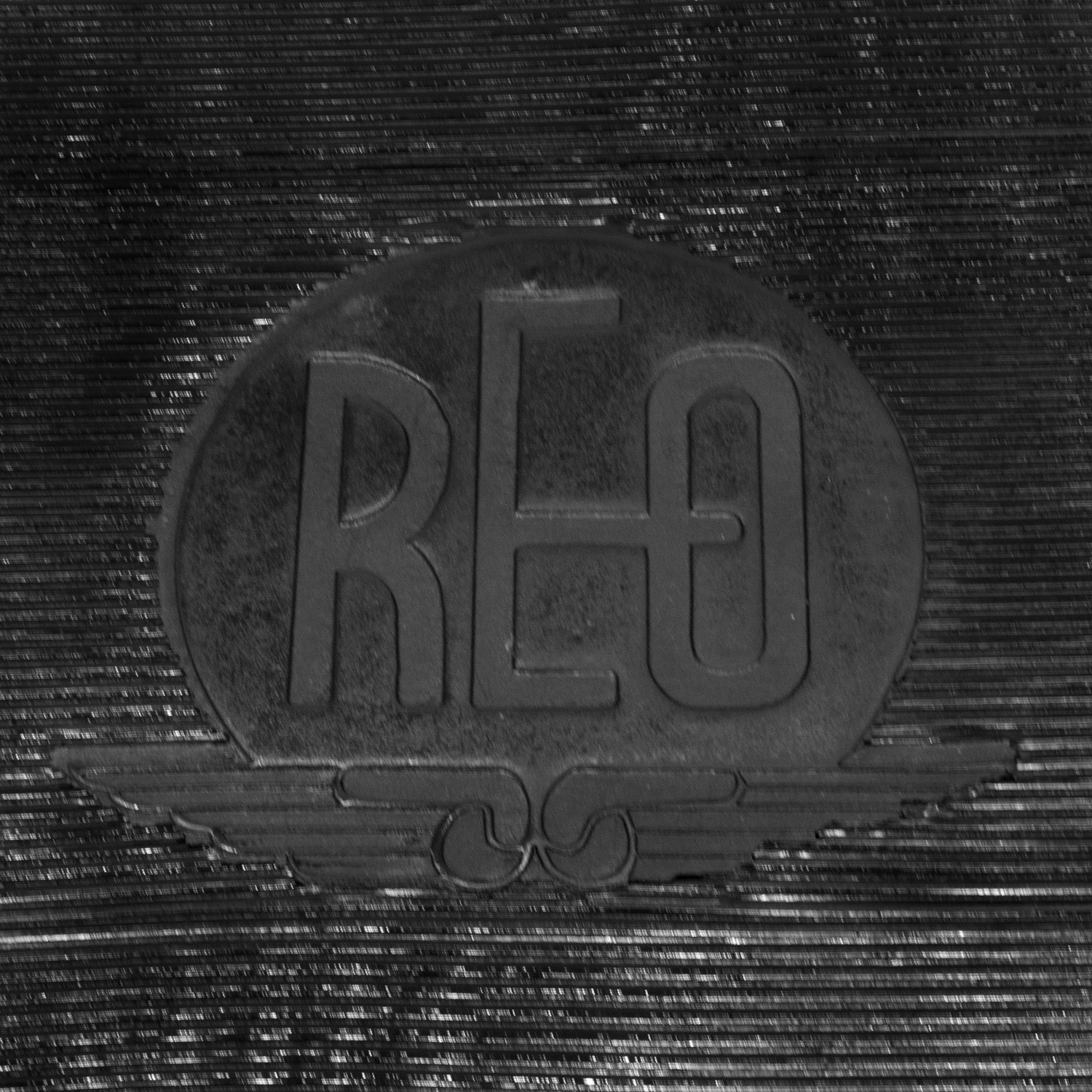 1932 Reo Royale Accessory Floor Mat - 12"X17"-AC 36Accessory Floor Mat - made of high quality black rubber with molded original emblem. Also designed to be sewn into new carpets. 12"X17", Each
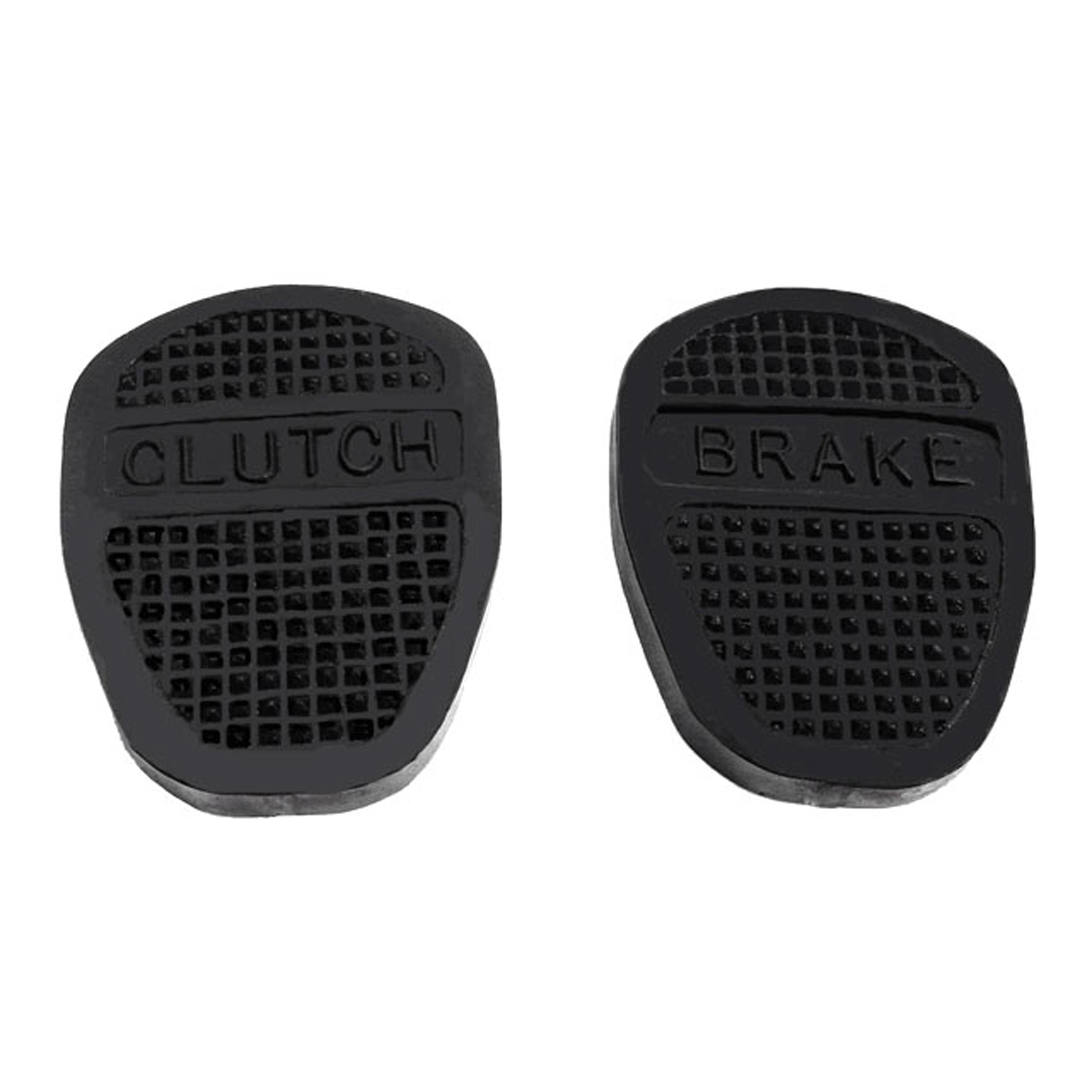 1932 Reo Royale Clutch and Brake Pedal Pads. Lettered "CLUTCH" and "BRAKE"-CB 38Clutch and Brake Pedal Pads. Lettered "CLUTCH" and "BRAKE". 3-1/4" wide X 4-3/8" long. Pair
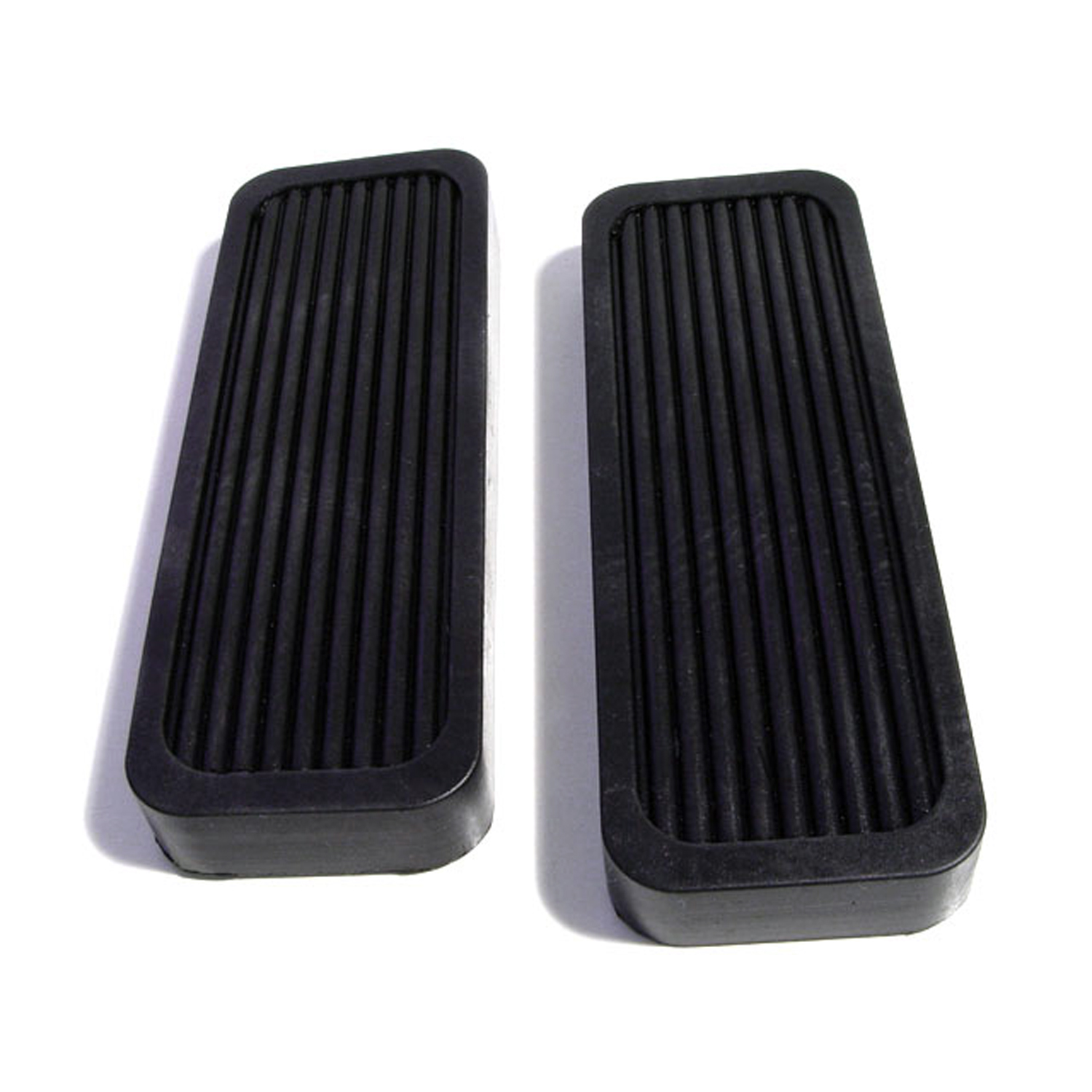 1932 Reo Royale Clutch and Brake Pedal Pads. 1-5/8" wide X 4-1/4" long-CB 39Clutch and Brake Pedal Pads. 1-5/8" wide X 4-1/4" long. Pair
 1932 Reo Royale Tail-light Pads. 2-3/4" wide X 4-3/4" long. Pair-MP 993-ATail-light Pads. 2-3/4" wide X 4-3/4" long. Pair
Why Choose Metro?
For over 100 years, Metro Moulded Parts has been the pinnacle of quality in classic car restoration parts. Our commitment to precision and authenticity in every component ensures a perfect fit and an OEM-level appearance.
- Expert Craftsmanship & Quality: Each part is a testament to our dedication to reliability and perfection, crafted from original designs and thoroughly tested.
- Advanced Technology: We use cutting-edge techniques to create flawless, long-lasting parts that surpass others in performance.
- SuperSoft Sponge – The Ultimate Door Seal: Not only are our door seals 30% softer than competitors', but they're also guaranteed to never leak. They effectively reduce wind and road noise, enhancing your classic car's comfort and driving experience.
- Proudly American: Our parts are a product of American craftsmanship, made in the USA with a spirit of excellence and heritage.
- Unrivaled Warranty: We back our products with a 30-year industry-leading warranty, a testament to our confidence in their quality.
Join us in preserving the legacy of classic cars with parts that are crafted for perfection, not just made.