

Image of 1935 Reo Flying Cloud, Note: These illustrations use artistic license and may differ from actual historical models.
Performance Metrics
Fundamental Metrics
Emotional Appeal
MMP Rating
| Engine Specifications | |
|---|---|
| Engine: | Inline 6 |
| Displacement: | 3.7L |
| Horsepower: | Estimated 90-100 HP |
| Torque: | Information not available |
| Compression Ratio: | Information not available |
| Ignition System: | Distributor and coil |
| Cooling System: | Liquid-cooled |
| Performance Specifications | |
| 0-60 Time: | Information not available |
| 1/4 Mile Time: | Information not available |
| Top Speed: | 70-75 mph |
| Transmission and Drive | |
| Drive Type: | Rear-wheel drive |
| Transmission Type: | 3-speed manual |
| Fuel and Efficiency | |
| Fuel System Type: | Carburetor |
| MPG: | Information not available |
| Dimensions and Brakes | |
| Brakes: | Drum brakes |
| Wheelbase: | 115 inches |
| Weight: | Estimated 3000-3500 lbs |
Note: Specifications for classic cars are given to the best of our ability, considering the limited and variant data available.
1935 REO Flying Cloud: A Distinctive American Classic
The 1935 REO Flying Cloud was a handsome six-cylinder American car from a manufacturer with deep roots in the early automobile industry. Its name belonged to REO Motor Car Company, founded in Lansing, Michigan, by Ransom E. Olds after he left Olds Motor Works. In 1935, the Flying Cloud sat below REO’s more expensive Royale, offering buyers a roomy, well-equipped car from a respected but financially pressured independent automaker.
The timing gives the Flying Cloud much of its appeal today. The Great Depression had squeezed demand, and smaller manufacturers were struggling to compete with giants such as Ford, Chevrolet, and Chrysler. REO’s passenger-car business was nearing its end: the company stopped building cars in 1936 and concentrated on trucks. That makes a 1935 Flying Cloud one of the final chapters in REO’s passenger-car story.
One intriguing detail is that REO was not merely a car company. Its trucks, especially the famous REO Speed Wagon, became an important part of its reputation. The Flying Cloud represents the other side of the marque: a comfortable, carefully engineered automobile built by a company already known for commercial vehicles.
Streamlined Style and Cabin Comfort
The Flying Cloud has the confident proportions of a mid-1930s American car: a tall, upright grille, separate front fenders, rounded hood, and sweeping body lines that lead toward a gently tapered rear. Its headlamps sit prominently beside the grille, while the long hood gives the car a substantial presence. It is less dramatically streamlined than the fully enclosed, all-steel designs that became common later, but its curves and softened edges point toward the more integrated styling of the late 1930s.
Inside, the Flying Cloud was designed for comfort rather than sporting austerity. Buyers could expect a broad bench seat, generous legroom, a large steering wheel, and clear, straightforward instrumentation. Upholstery and trim depended on body style and equipment. Cloth or broadcloth was typical in many closed cars, while leather or richer trim could be found on more expensive versions. Wood-grain finishes and polished metal details gave the cabin a suitably formal character.
Factory paint choices varied by year, body, and order, so there is no single color that defines every 1935 Flying Cloud. Period colors could include dark blue, green, maroon, gray, and black, sometimes paired with contrasting wheels or trim. Dark shades tend to suit the car’s dignified lines, while brighter combinations make its fenders and long profile stand out at shows. Original paint records for an individual car are the best guide to its authentic color.
Flying Cloud body offerings varied across the model range and market. Closed sedans were the practical, family-friendly choice and are among the body styles most associated with the car. Coupe variants offered a shorter, sportier profile, while more open or upscale body configurations were less common. Because model names and availability could differ by market, a car’s identification plate and period sales literature are useful when confirming its exact configuration.
Engineering in a Difficult Era
REO built its reputation on sound engineering, and the Flying Cloud reflected that tradition. The 1935 car is generally associated with a six-cylinder, side-valve engine of roughly 230 cubic inches, paired with a three-speed manual transmission. Published specifications can vary between references and body configurations, but output is commonly placed around 85 to 90 horsepower. Hydraulic brakes were part of the period’s move toward more effective, more consistent braking than older mechanical systems.
The Flying Cloud was not a radical design breakthrough, and it did not establish a new styling trend by itself. Its significance is more representative: it shows how an independent automaker tried to deliver refinement, useful performance, and distinctive styling while competing against manufacturers with far greater production scale. REO’s experience with trucks and commercial vehicles also gave the company a practical engineering identity, rather than relying on appearance alone.
What set the car apart was its combination of substantial construction, six-cylinder smoothness, and a less common badge. A Flying Cloud offered an alternative to the familiar mass-market choices of the day. Its lasting influence is therefore less about a single feature and more about the independent-car tradition it represents: a capable, full-sized automobile from a company that eventually had to leave the passenger-car business.
Road Manners and Performance
Expect relaxed period performance, not modern acceleration. With approximately 85 to 90 horsepower, a healthy Flying Cloud could likely reach around 70 to 80 mph under favorable conditions. A 0-to-60-mph run was probably in the neighborhood of 25 to 30 seconds, although that is an estimate, not a commonly documented factory figure. Actual results depend on engine condition, gearing, tire size, body weight, and how the car is driven.
The six-cylinder engine is best enjoyed at an unhurried pace. It should produce a steady, low-pitched mechanical hum rather than the sharp exhaust note of a sports car. The three-speed manual calls for deliberate shifts, and the driver needs to plan overtaking and hill climbs rather than expect quick bursts of power.
On ordinary roads, the Flying Cloud’s wheelbase and substantial body help it feel composed. Its suspension is designed for comfort, so it can absorb rough pavement more gracefully than a modern car with a firm, sporty setup. On winding roads, however, its size, narrow tires, and period steering geometry call for smooth inputs. Body lean and slower steering response are part of the experience, not a fault to be corrected by aggressive driving. Strong crosswinds can also make a tall, broad-bodied car feel less settled than a modern vehicle.
Behind the wheel, the experience is hands-on. The driver sits high, looks across a long hood, and works a large steering wheel and manual transmission. Braking distances are longer than those of a contemporary car, even when the system is properly maintained. The Flying Cloud is most enjoyable on scenic drives, local tours, and relaxed highway stretches at speeds appropriate to its age.
Ownership, Maintenance, and Reliability
In its day, the Flying Cloud could serve as family transportation, a business car, or a comfortable touring automobile. Today, most examples are maintained as show cars, touring cars, or occasional-use classics. Regular daily use is possible in principle, but it requires careful attention to brakes, tires, cooling, electrical components, and the condition of the engine and drivetrain.
The car’s mechanical layout is relatively straightforward by classic-car standards. An experienced owner or mechanic familiar with prewar vehicles can service many routine items without specialized electronic tools. The harder part is often sourcing correct parts. REO passenger cars are far less common than Ford or Chevrolet models, so restoration may involve specialist suppliers, used parts, fabrication, or patient searching through marque clubs and swap meets.
Reliability depends heavily on the quality of prior restoration and ongoing maintenance. Before purchase, inspect the frame and body for rust, check the engine for oil pressure and cooling problems, and test the brakes carefully. Confirm that the transmission shifts properly and that the car’s electrical system has been repaired safely. A tidy paint job can hide expensive structural or mechanical work, so a pre-purchase inspection by someone familiar with prewar cars is money well spent.
REO Flying Cloud Facts
The Flying Cloud is part of a marque with a wider story than its passenger cars alone. REO’s truck business became central to the company’s identity, and the REO Speed Wagon name later became familiar far beyond the trucking world. The Flying Cloud itself is not known for a widely documented celebrity owner or a headline-grabbing speed record. Its appeal is its place in the story of an independent automaker nearing the end of its car-building era.
A common criticism is that the Flying Cloud lacks the instant recognition and parts availability of a Ford or Chevrolet from the same period. It is also a large, prewar automobile with modest acceleration and period braking, so it is not an ideal choice for someone seeking modern traffic performance. For the right owner, those drawbacks are balanced by rarity, character, and the pleasure of driving something less familiar.
Collector Values and Availability
There is no dependable, widely cited production total for 1935 Flying Clouds by body style. REO’s passenger-car output was small compared with the major manufacturers, and exact model-level figures are difficult to confirm. A reasonable estimate is that production amounted to several thousand cars across the Flying Cloud range, with surviving examples representing only a small portion of that number. Open and unusual body styles are generally harder to find than sedans.
As a broad 2026 market estimate, a project car may fall around $5,000 to $15,000, depending on completeness and rust. A usable driver or older restoration might bring roughly $15,000 to $30,000, while a high-quality, well-documented restoration could reach approximately $30,000 to $50,000 or more. Rare body styles and exceptional condition can command higher prices, but actual values depend strongly on provenance, originality, mechanical quality, and the availability of parts.
The Flying Cloud occupies a niche collector market. It is not as liquid as a popular Ford, and a seller may need to wait for a buyer who specifically wants an REO. Values for well-presented examples have the potential to remain firm or rise gradually as prewar cars become scarcer, but this is not a guaranteed investment. Condition and documentation usually matter more than broad market trends.
Why the 1935 Flying Cloud Matters
The 1935 REO Flying Cloud combines elegant prewar proportions, practical six-cylinder engineering, and the story of a respected independent manufacturer approaching its final year in passenger cars. It is comfortable, distinctive, and refreshingly uncommon, though it asks its owner to accept modest performance and a more involved approach to parts and maintenance.
For collectors who value the story as much as the badge, the Flying Cloud is a memorable piece of American automotive history. Its quiet confidence is exactly what makes it special: a final-generation REO that still carries the ambition and craftsmanship of the company that built it.
1935 Reo Flying Cloud Catalog of Parts
 1935 Reo Flying Cloud Accessory Floor Mat - 12"X17"-AC 36Accessory Floor Mat - made of high quality black rubber with molded original emblem. Also designed to be sewn into new carpets. 12"X17", Each
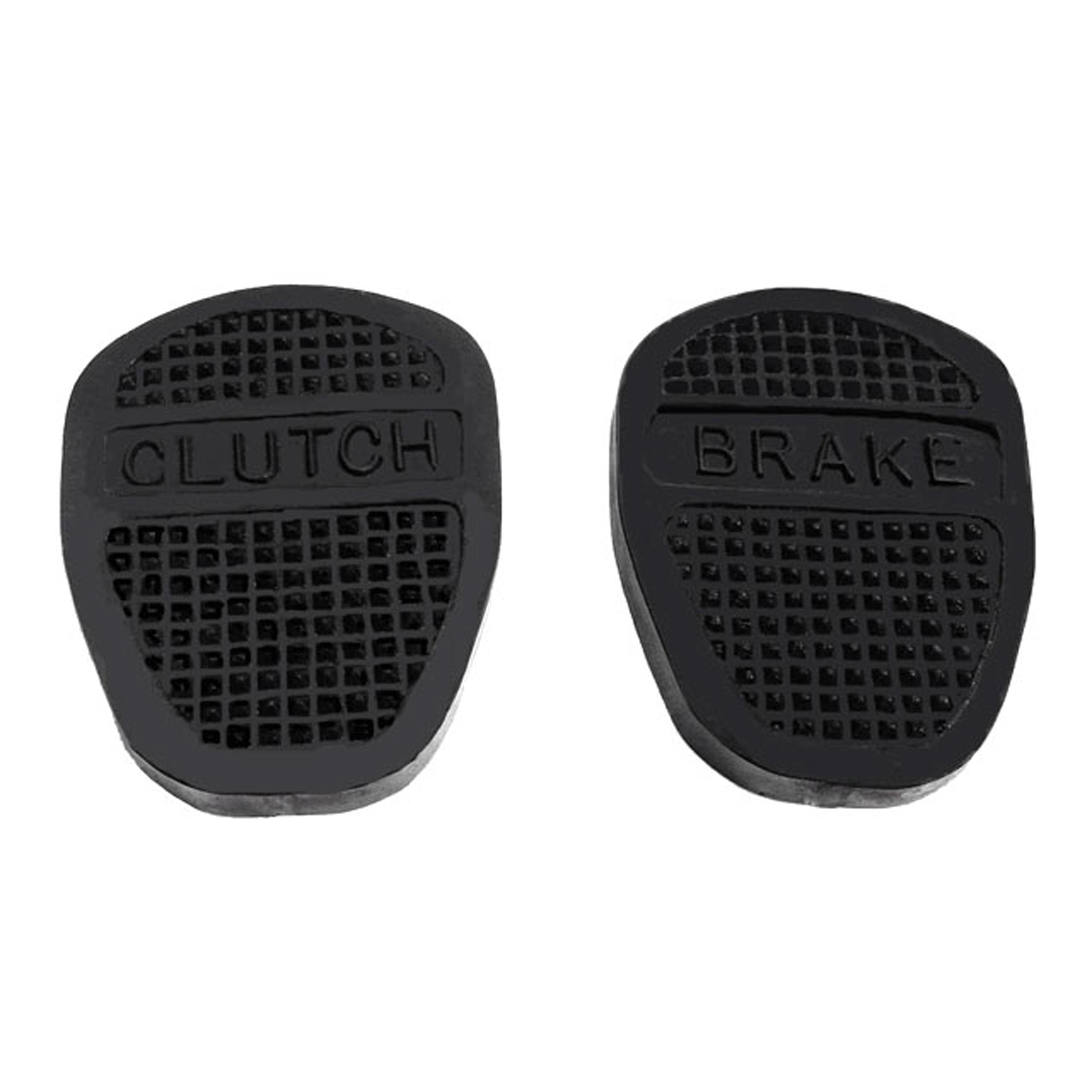 1935 Reo Flying Cloud Clutch and Brake Pedal Pads. Lettered "CLUTCH" and "BRAKE"-CB 38Clutch and Brake Pedal Pads. Lettered "CLUTCH" and "BRAKE". 3-1/4" wide X 4-3/8" long. Pair
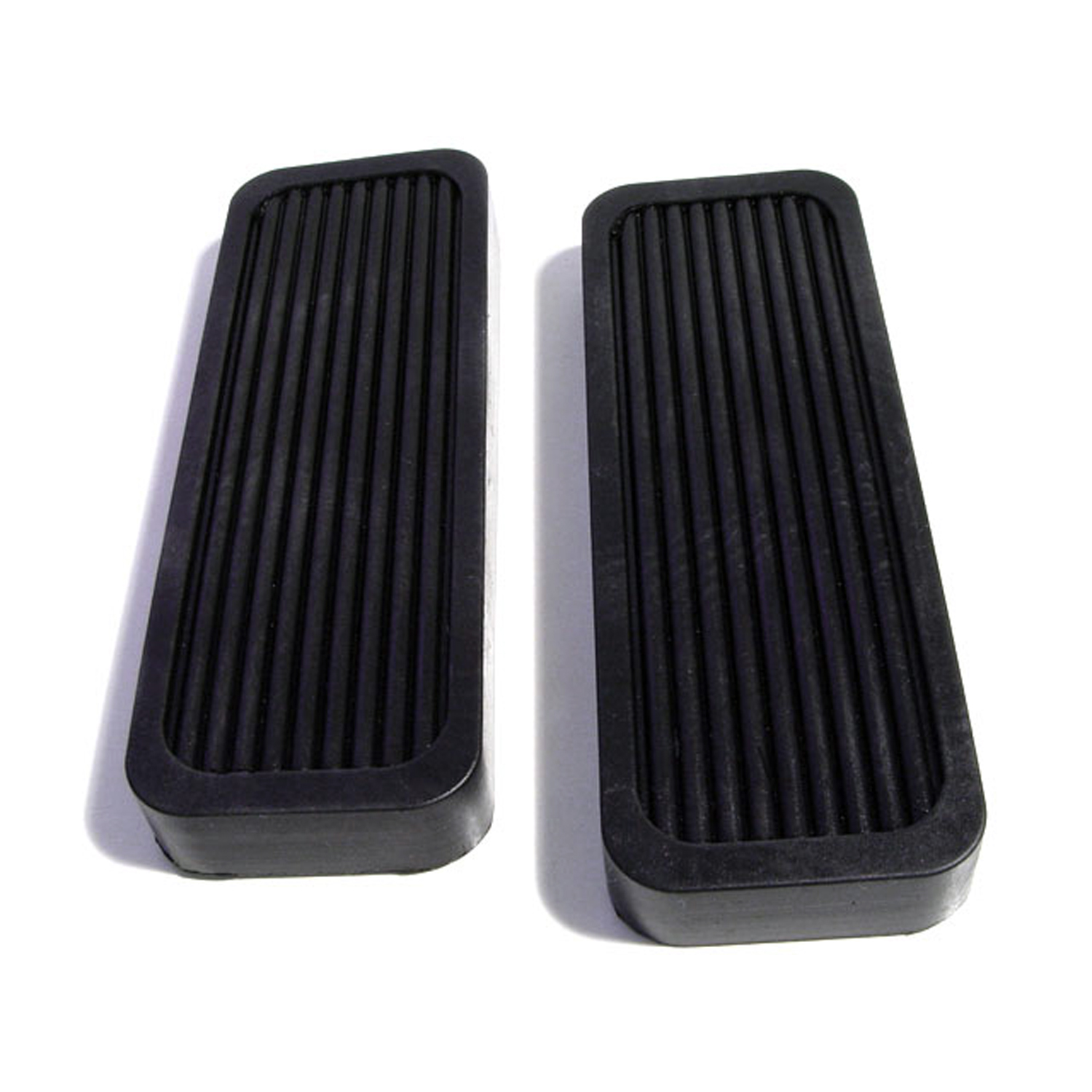 1935 Reo Flying Cloud Clutch and Brake Pedal Pads. 1-5/8" wide X 4-1/4" long-CB 39Clutch and Brake Pedal Pads. 1-5/8" wide X 4-1/4" long. Pair
 1935 Reo Flying Cloud Tail-light Pads. 3-1/2" wide X 7-3/8" long. Pair-MP 993-GTail-light Pads. 3-1/2" wide X 7-3/8" long. Pair
Why Choose Metro?
For over 100 years, Metro Moulded Parts has been the pinnacle of quality in classic car restoration parts. Our commitment to precision and authenticity in every component ensures a perfect fit and an OEM-level appearance.
- Expert Craftsmanship & Quality: Each part is a testament to our dedication to reliability and perfection, crafted from original designs and thoroughly tested.
- Advanced Technology: We use cutting-edge techniques to create flawless, long-lasting parts that surpass others in performance.
- SuperSoft Sponge – The Ultimate Door Seal: Not only are our door seals 30% softer than competitors', but they're also guaranteed to never leak. They effectively reduce wind and road noise, enhancing your classic car's comfort and driving experience.
- Proudly American: Our parts are a product of American craftsmanship, made in the USA with a spirit of excellence and heritage.
- Unrivaled Warranty: We back our products with a 30-year industry-leading warranty, a testament to our confidence in their quality.
Join us in preserving the legacy of classic cars with parts that are crafted for perfection, not just made.