

Image of 1936 Reo Flying Cloud, Note: These illustrations use artistic license and may differ from actual historical models.
Performance Metrics
Fundamental Metrics
Emotional Appeal
MMP Rating
| Engine Specifications | |
|---|---|
| Engine: | Inline 6 |
| Displacement: | 3.7L |
| Horsepower: | Estimated 90-100 HP |
| Torque: | Not available |
| Compression Ratio: | Not available |
| Ignition System: | Distributor and coil |
| Cooling System: | Water-cooled |
| Performance Specifications | |
| 0-60 Time: | Not available |
| 1/4 Mile Time: | Not available |
| Top Speed: | 70-75 mph |
| Transmission and Drive | |
| Drive Type: | Rear-wheel drive |
| Transmission Type: | 3-speed manual |
| Fuel and Efficiency | |
| Fuel System Type: | Carburetor |
| MPG: | Not available |
| Dimensions and Brakes | |
| Brakes: | Drum brakes |
| Wheelbase: | 115 inches |
| Weight: | Estimated 3000-3500 lbs |
Note: Specifications for classic cars are given to the best of our ability, considering the limited and variant data available.
1936 REO Flying Cloud: The Last of REO’s Passenger Cars
The 1936 REO Flying Cloud was a handsome, capable American six-cylinder that arrived just as its maker was preparing to leave the passenger-car business. Built by the REO Motor Car Company of Lansing, Michigan, it carried the name of Ransom E. Olds, the automotive pioneer who had founded the company after leaving Oldsmobile. The Flying Cloud combined substantial engineering with streamlined styling, and its final model year gives it a special place in REO history.
REO had built cars since the early 1900s and was widely respected for its trucks as well as its passenger vehicles. By the mid-1930s, however, the Depression had made competition in the car market increasingly difficult. The 1936 Flying Cloud was among the company’s last passenger-car offerings before REO shifted its attention to trucks. One intriguing detail is that the Flying Cloud name had been around since 1927, making the 1936 model the final chapter in a nameplate that had served the company for nearly a decade.
Streamlined Styling and a Well-Finished Cabin
The 1936 Flying Cloud wore the rounded, increasingly aerodynamic look that was becoming popular in the mid-1930s. Its upright front end was dominated by a tall, carefully shaped grille, with a bright surround and horizontal details that gave the nose a formal, substantial appearance. The headlights sat neatly in the front fenders, while the hood and fenders flowed into the body rather than looking like separate pieces bolted onto a boxy frame. Sweeping fenders, a gently sloped windshield, and a rounded rear helped the car look modern without abandoning the dignified proportions expected of an American family sedan.
Inside, the Flying Cloud offered a roomy cabin with broad bench seating and a traditional, easy-to-read dashboard. Materials and trim depended on the body style and the original equipment ordered, but period cars commonly used cloth upholstery, finished metal fittings, and wood-grain-style dashboard trim. It was built for comfortable travel, not bare-bones economy. The wide seats, generous glass area, and upright driving position made it feel more like a proper touring car than a compact runabout.
Paint choices varied by year, body style, and factory availability. Buyers could choose conservative solid colors, with dark blues, greens, maroons, and black among the period-appropriate choices often seen on surviving cars. Two-tone finishes were also in keeping with the era’s styling, though exact combinations depended on the order and production records. A well-preserved original paint car is especially useful to collectors because it can help confirm the colors offered on a particular example.
Flying Cloud body offerings included sedan and coupe configurations, with availability varying across the model line and market. The four-door sedan is among the most recognizable surviving versions, thanks to its practical layout and the graceful sweep of its roof and rear bodywork. Coupes offered a sportier profile, while sedan versions were the natural choice for families and longer-distance touring.
Engineering at the End of an Era
Under the hood, the 1936 Flying Cloud used a smooth-running inline six with a side-valve, or L-head, design. Commonly listed specifications give the engine displacement as about 268 cubic inches and output at roughly 95 horsepower, though figures can vary with the exact model and source. A conventional three-speed manual transmission sent power to the rear wheels. This was substantial machinery for a family car of its day, intended to deliver relaxed road performance rather than high-revving excitement.
REO had also experimented with transmission technology earlier in the Flying Cloud’s history. The company’s Self-Shifter, offered on earlier models, was an innovative semi-automatic system that reduced the need for conventional gear changes. It was not the same as the fully automatic transmissions that became familiar later, but it showed REO’s willingness to explore easier driving before automatic gearboxes became commonplace.
The Flying Cloud’s broader significance lies in the combination of established engineering and changing design. It was not a radical, mass-market styling breakthrough, nor did it introduce a technology that transformed the industry. Instead, it represented the thoughtful development of a mature American car: a comfortable chassis, a torquey six-cylinder engine, and a body shaped to look more modern than the upright cars of the previous decade. Its rarity today reflects not only its age, but also REO’s decision to end passenger-car production after 1936.
Road Performance and Driving Feel
Factory performance figures are not consistently documented, and results vary with body style, mechanical condition, gearing, and tire choice. A sound 1936 Flying Cloud is generally estimated to reach approximately 70 to 80 mph, with acceleration from 0 to 60 mph likely taking around 20 to 25 seconds. Those are period-car estimates, not modern instrumented test results. The Flying Cloud was designed to cruise comfortably, not to win stoplight contests.
On the road, the inline six delivers its power in a steady, unhurried fashion. The engine’s sound is a mellow mechanical rumble, with the subdued clatter typical of a well-maintained side-valve motor. The manual gearbox calls for deliberate shifts, and the driver works the clutch and gear lever rather than relying on modern conveniences. Steering is heavier at low speeds than a contemporary car’s, while the brakes and suspension require a more attentive driving style.
The long, substantial chassis helps the car settle over ordinary road imperfections, although its period suspension cannot erase sharp bumps or broken pavement. On winding roads, the Flying Cloud feels composed when driven smoothly, but its size, older tires, and comparatively modest braking ability reward planning ahead. Crosswinds can be noticeable, as they are in many tall-bodied cars of the era. The experience is less about carving corners and more about listening to the engine, making measured gear changes, and enjoying the view through the broad windshield.
Living With a 1936 Flying Cloud
Today, most Flying Clouds are used as show cars, parade vehicles, and occasional touring cars rather than daily transportation. A mechanically sound example can take part in club events and relaxed regional drives, but it is not suited to modern traffic at every speed or in every condition. Its original brakes, lighting, tires, and safety equipment are best understood in the context of a car built nearly a century ago.
The mechanical layout is relatively straightforward by vintage-car standards. An experienced owner or traditional repair shop can service the engine, clutch, brakes, and basic electrical system using familiar techniques. The bigger challenge is often sourcing model-specific parts, trim, glass, and body components. REO’s passenger-car production was limited compared with the output of the largest automakers, and surviving cars may need specialist help for restoration work. Before purchase, inspect the frame, body structure, cooling system, engine condition, and availability of hard-to-find trim.
As with any prewar car, reliability depends heavily on maintenance and proper storage. Regular attention to lubrication, cooling, ignition, fuel delivery, and brake adjustment matters more than simply starting the car occasionally. A Flying Cloud with a documented restoration and a healthy cooling system is a much better touring prospect than a shiny example with unknown mechanical history.
Flying Cloud Facts and Common Myths
The 1936 model is especially notable as part of REO’s final passenger-car chapter. After leaving the car market, the company continued to build trucks, which became a major part of its legacy. REO’s truck business later became part of the wider American commercial-vehicle story, even as the passenger cars grew increasingly uncommon.
There is no widely recognized 1936 Flying Cloud land-speed or endurance record, and its appeal does not depend on celebrity ownership. Its most compelling distinction is historical: it represents the end of a respected independent manufacturer’s passenger-car production. Earlier Flying Clouds are also associated with REO’s experimental Self-Shifter transmission, a useful reminder that the company was interested in making motoring easier before fully automatic gearboxes became widely available.
A common criticism is that the Flying Cloud lacks the instant name recognition of a Ford, Chevrolet, or Packard from the same period. Parts availability can also be more difficult than for higher-volume cars. In return, owners get a distinctive, well-engineered automobile that stands out at a show precisely because it is not the usual choice.
Collector Values and Availability
Exact production totals for the 1936 Flying Cloud are difficult to establish from readily available records. As a best estimate, production may have been in the low thousands, perhaps roughly 2,500 to 4,000 cars across the relevant model range. That is an estimate, not a confirmed factory total, and it should not be confused with the number of cars that survive today. The sedan is generally easier to encounter than unusual body styles, but any complete, presentable example is uncommon.
Market values depend greatly on condition, originality, body style, and the quality of any restoration. As a broad current-market guide, a project car might bring about $5,000 to $12,000, a usable or partly restored example around $12,000 to $25,000, and a high-quality restoration roughly $25,000 to $40,000 or more. Exceptional cars with documented history can exceed that range, while a car with major rust, missing parts, or significant mechanical needs can sell for less. These are estimates rather than formal appraisals, and sales of rare cars can vary considerably by location and timing.
Values for prewar American cars have generally been selective rather than uniformly rising. The Flying Cloud’s rarity and final-year significance support collector interest, but its smaller enthusiast base and parts challenges can limit demand compared with better-known marques. Originality, condition, and a traceable restoration are likely to matter more to future value than speculative claims of rarity alone.
Why the 1936 REO Flying Cloud Matters
The 1936 REO Flying Cloud brought together a smooth inline six, comfortable prewar-car proportions, and styling that reflected the era’s shift toward more streamlined bodies. It was a practical touring car from a company with deep automotive roots, and it now stands as a representative of REO’s final passenger-car year. Its modest production, distinctive identity, and links to the company’s engineering experiments make it more than just an old sedan.
For collectors, the Flying Cloud offers a chance to preserve a less familiar piece of American automotive history. It may not be the loudest or fastest car at a show, but its graceful shape and story invite a second look. As the last REO passenger cars rolled out, the Flying Cloud carried a pioneering automaker’s legacy into its next life on the road.
1936 Reo Flying Cloud Catalog of Parts
 1936 Reo Flying Cloud Accessory Floor Mat - 12"X17"-AC 36Accessory Floor Mat - made of high quality black rubber with molded original emblem. Also designed to be sewn into new carpets. 12"X17", Each
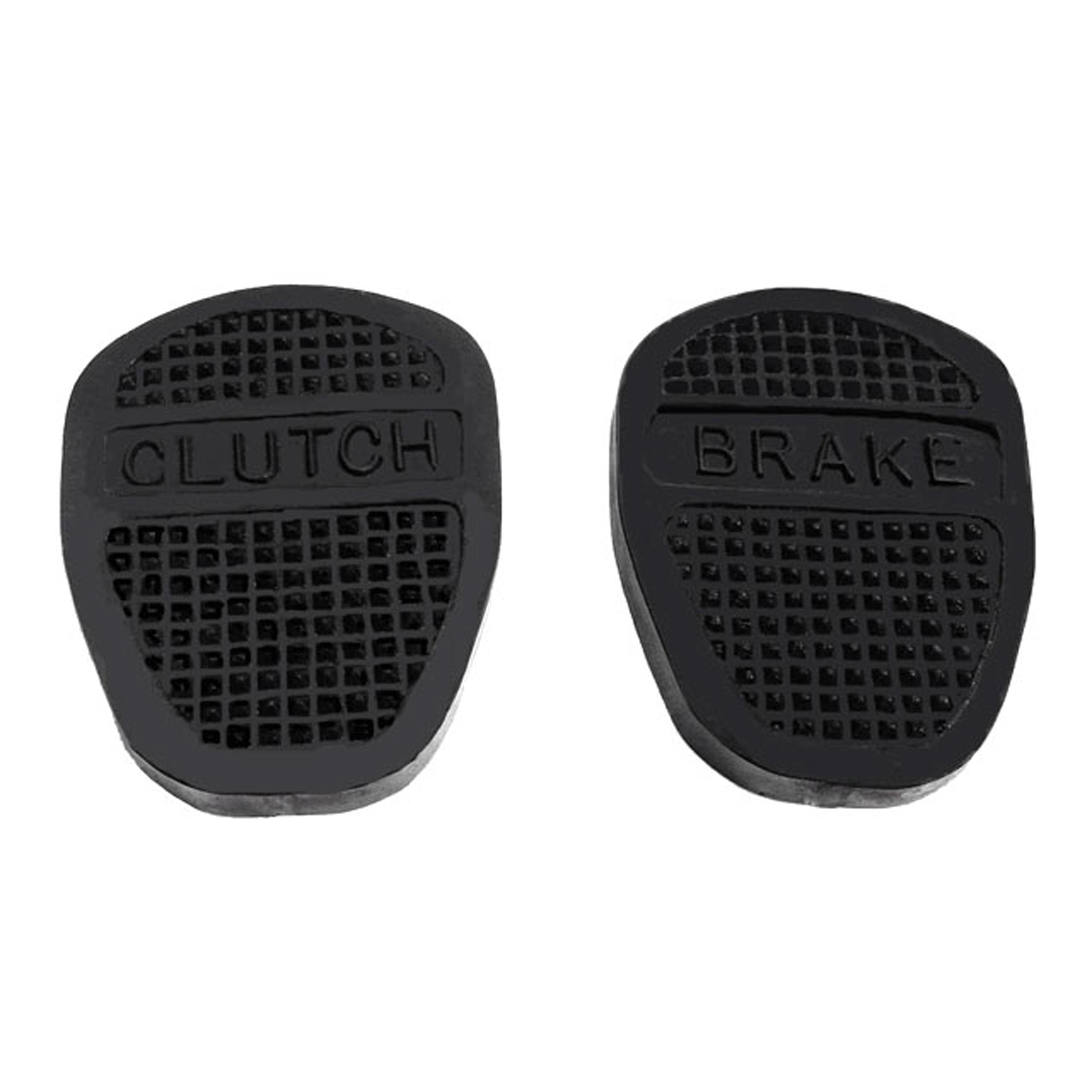 1936 Reo Flying Cloud Clutch and Brake Pedal Pads. Lettered "CLUTCH" and "BRAKE"-CB 38Clutch and Brake Pedal Pads. Lettered "CLUTCH" and "BRAKE". 3-1/4" wide X 4-3/8" long. Pair
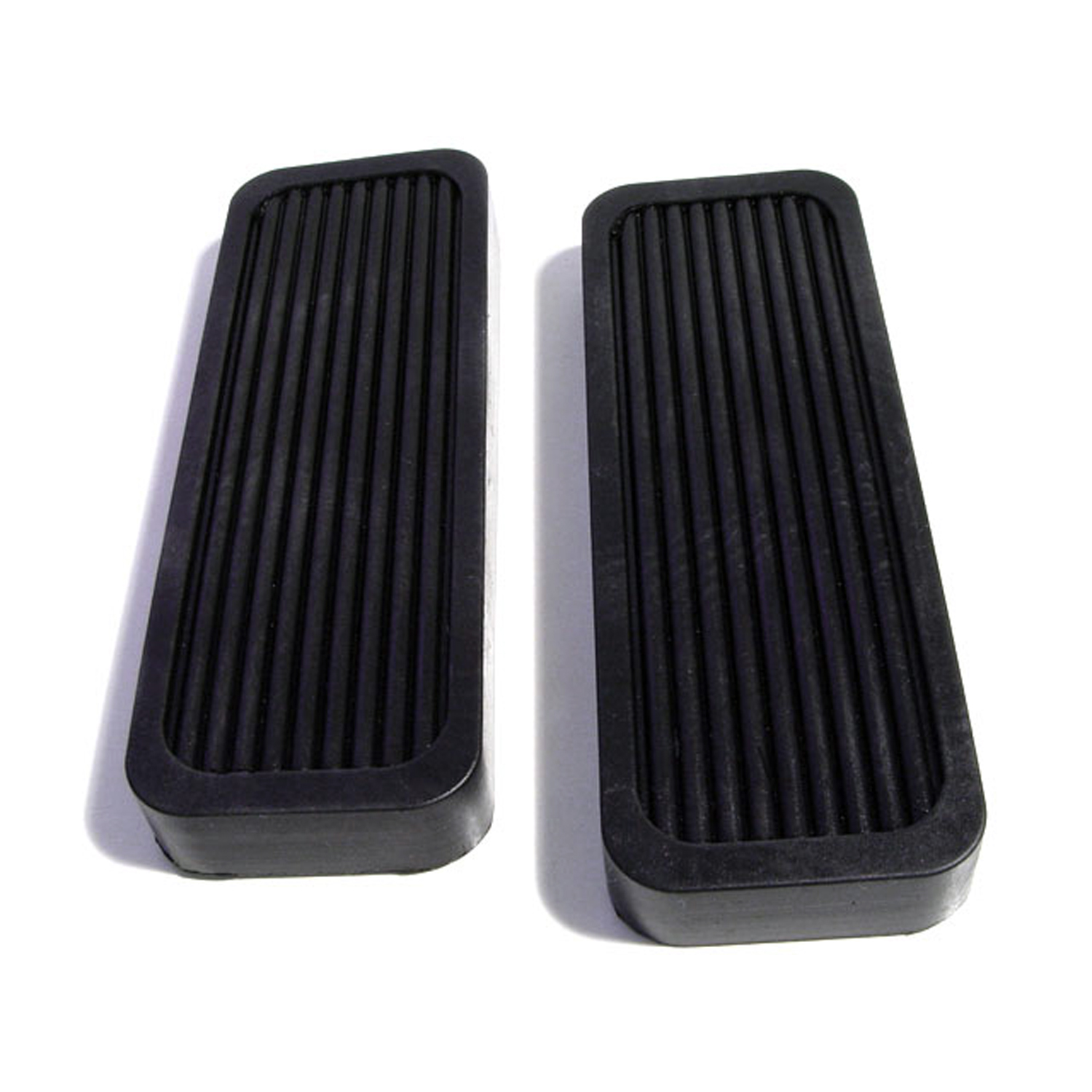 1936 Reo Flying Cloud Clutch and Brake Pedal Pads. 1-5/8" wide X 4-1/4" long-CB 39Clutch and Brake Pedal Pads. 1-5/8" wide X 4-1/4" long. Pair
 1936 Reo Flying Cloud Tail-light Pads. 3-1/2" wide X 7-3/8" long. Pair-MP 993-GTail-light Pads. 3-1/2" wide X 7-3/8" long. Pair
Why Choose Metro?
For over 100 years, Metro Moulded Parts has been the pinnacle of quality in classic car restoration parts. Our commitment to precision and authenticity in every component ensures a perfect fit and an OEM-level appearance.
- Expert Craftsmanship & Quality: Each part is a testament to our dedication to reliability and perfection, crafted from original designs and thoroughly tested.
- Advanced Technology: We use cutting-edge techniques to create flawless, long-lasting parts that surpass others in performance.
- SuperSoft Sponge – The Ultimate Door Seal: Not only are our door seals 30% softer than competitors', but they're also guaranteed to never leak. They effectively reduce wind and road noise, enhancing your classic car's comfort and driving experience.
- Proudly American: Our parts are a product of American craftsmanship, made in the USA with a spirit of excellence and heritage.
- Unrivaled Warranty: We back our products with a 30-year industry-leading warranty, a testament to our confidence in their quality.
Join us in preserving the legacy of classic cars with parts that are crafted for perfection, not just made.