

Image of 1952 Riley 2 1/2 Litre, Note: These illustrations use artistic license and may differ from actual historical models.
Performance Metrics
Fundamental Metrics
Emotional Appeal
MMP Rating
| Engine Specifications | |
|---|---|
| Engine: | 2.5L 4-cylinder |
| Displacement: | 2443cc |
| Horsepower: | 100-110 hp |
| Torque: | Estimated at 130-140 lb-ft |
| Compression Ratio: | 6.8:1 |
| Ignition System: | Coil ignition |
| Cooling System: | Water-cooled |
| Performance Specifications | |
| 0-60 Time: | Estimated at 15-20 seconds |
| 1/4 Mile Time: | Information not available |
| Top Speed: | 90-95 mph |
| Transmission and Drive | |
| Drive Type: | Rear-wheel drive |
| Transmission Type: | 4-speed manual |
| Fuel and Efficiency | |
| Fuel System Type: | Twin SU carburetors |
| MPG: | Estimated at 15-20 mpg |
| Dimensions and Brakes | |
| Brakes: | Drum brakes |
| Wheelbase: | 111 inches |
| Weight: | 3100 lbs |
Note: Specifications for classic cars are given to the best of our ability, considering the limited and variant data available.
1952 Riley 2½ Litre: The Final Flourish of the RM Series
The 1952 Riley 2½ Litre brought a sporting edge to the postwar family saloon, pairing elegant British coachwork with a sophisticated twin-cam six-cylinder engine. Built by the Riley Motor Company, by then part of the Nuffield Organisation, it belonged to the final chapter of Riley’s celebrated RM series. Its blend of craftsmanship and performance made it a distinctive alternative to more conventional British saloons of the era.
The 1952 model is generally identified as the Riley RMF, the last and most powerful of the RM saloons. One intriguing detail is that the RMF arrived just as Riley was moving toward a new corporate future: it was among the final traditional, wood-framed Riley saloons before the marque’s identity and engineering direction changed under the newly formed British Motor Corporation.
RMF Styling and Cabin Craft
The RMF wore Riley’s unmistakable upright grille, with a tall, closely spaced mesh framed by rounded front wings and a sculpted bonnet. Separate headlights, running boards and flowing front fenders gave it a dignified prewar character, while the smoothly integrated rear body and restrained chrome trim kept the design from feeling overly ornate. It looked formal at the kerb, but its proportions hinted at the sporting engineering beneath.
The RMF was principally offered as a four-door saloon. Its body used traditional coachbuilding methods, including a timber framework beneath the metal panels, a construction approach that gave the car a handcrafted feel but requires careful inspection today. Inside, the emphasis was on British comfort and finish: leather upholstery, polished wood trim and a well-appointed dashboard created a warm, club-like cabin. Exact trim and paint combinations could vary, so surviving cars may differ from one another.
Factory color availability depended on market and specification. Period Riley saloons are often seen in dark green, maroon, black and other subdued shades, sometimes with contrasting details. Deep, traditional colors suit the RMF particularly well, but buyers should verify a car’s original finish through its records or layers of paint rather than assume its present color is factory-correct.
Twin-Cam Engineering in a Family Saloon
The RMF’s defining feature was its 2,443 cc inline-six, a Riley design with twin overhead camshafts and hemispherical combustion chambers. Fed by twin SU carburetors, the engine produced about 100 bhp in period specifications. That was a healthy output for a refined saloon, and the twin-cam layout gave Riley a genuine engineering distinction at a time when many family cars relied on simpler pushrod engines.
Power went through a four-speed manual gearbox, while independent front suspension with torsion bars helped set the RM apart from more conventional rivals. The combination of a sophisticated engine, independent front suspension and traditional coachbuilt body made the RMF a curious but compelling mix: mechanically ambitious, yet unmistakably old-school in its construction and appearance.
Why the Riley RMF Matters
The RMF did not revolutionize the industry or become a mass-market bestseller. Its significance lies in how it carried Riley’s sporting identity into the postwar years. The marque had built its reputation on technically advanced engines and competition success before the war; the RMF preserved that sense of engineering individuality in a comfortable, usable saloon.
Against contemporaries such as the Standard Vanguard and larger Wolseley saloons, the Riley offered a more specialized character. It was not simply a transport appliance: the twin-cam six and independent front suspension gave it a more enthusiastic driving personality. Its lasting appeal comes from that combination of craftsmanship, distinctive mechanical design and understated performance, rather than from a single record-setting achievement.
Road Manners, Speed and Driving Feel
Period figures vary with specification and condition, but an RMF could reach roughly 90 mph, with 0 to 60 mph taking around 16 to 18 seconds. Those numbers made it brisk for a substantial early-1950s saloon, though modern traffic will make its acceleration feel measured rather than quick. The engine’s strength is its smooth, flexible delivery, not a sudden rush of power.
On the road, the independent front suspension helps the Riley settle over uneven surfaces, while its long, traditional chassis gives it a composed touring feel. It is still a product of its time: expect body movement over rough roads, steering that asks for more effort at low speed than a modern car, and a need to plan overtaking carefully. On a winding road, a healthy example feels balanced and engaging, rewarding a driver who works the gearbox and keeps the engine in its comfortable range.
The twin-cam six contributes a distinctive mechanical soundtrack, with a smooth hum that rises into a more purposeful note as revs build. The driving experience is hands-on: the driver manages a manual gearbox, reads the road well ahead and feels the car’s weight through the steering and suspension. It is an involving classic, not a silent appliance.
Living with a 1952 Riley
Today, the RMF is most often used for weekend touring, classic-car gatherings and historic motoring events. A well-maintained car can cover meaningful distances, but its age and construction make condition more important than the model’s reputation. The timber frame, body mounting points, chassis, suspension and braking system all deserve close inspection before purchase.
The engine is a specialist design, so routine servicing is manageable for an experienced home mechanic, but major work may call for a Riley specialist. Parts and club knowledge are available, though some components can take time to source. Maintenance is not especially mysterious, but neglect can become expensive: regular attention to lubrication, cooling, ignition and carburetor setup is essential. Reliability depends heavily on restoration quality and ongoing care.
RMF Facts and Common Criticisms
The RMF’s short production run is part of its appeal. Estimates commonly place production at around 1,000 to 1,100 cars, although figures can differ between sources and should be treated as approximate. Unlike some Riley RM models, the RMF is best known as a saloon rather than as a range of widely produced open-body variants.
The model is not famous for a major speed or endurance record, and there is no single celebrity association that defines its story. Its notable place in history is quieter: it represents the end of Riley’s traditional RM saloon line and the continuation of the company’s twin-cam engineering in a postwar luxury car.
Common criticisms are practical rather than romantic. The timber-framed body needs careful preservation, the car is not quick by modern standards, and its age means even a handsome example may need substantial mechanical or structural work. The RMF’s greatest strengths, including its traditional construction and distinctive engine, also demand informed ownership.
Collector Values and Availability
RMFs are uncommon on the open market, and condition has an outsized effect on value. As a broad 2026 guide, a project or heavily worn example might sell for about US$8,000 to US$15,000. A sound, usable car may fall around US$18,000 to US$35,000, while a highly restored or exceptional example could reach roughly US$40,000 to US$55,000 or more. These are estimates, not guaranteed sale prices; location, originality, restoration documentation and exchange rates all matter.
In the UK, comparable asking or sale figures may range from roughly £7,000 for a project to £30,000 or more for a top-quality car. The market for traditional British saloons is selective, but the RMF’s rarity and specialist appeal help support interest. Prices are best described as condition-led, with strong examples holding attention and well-documented restorations generally commanding a premium. Buyers should compare recent completed sales rather than rely on optimistic advertisements.
A Riley Worth Remembering
The 1952 Riley 2½ Litre RMF combined a distinctive twin-cam engine, independent front suspension and carefully crafted saloon bodywork in a package that felt both sporting and suitably dignified. It was not the fastest or most practical car of its day, but it offered an unusual degree of engineering character and a direct connection to Riley’s prewar traditions. For enthusiasts who value individuality as much as outright performance, the RMF remains a memorable final statement from one of Britain’s most distinctive marques.
1952 Riley 2 1/2 Litre Catalog of Parts
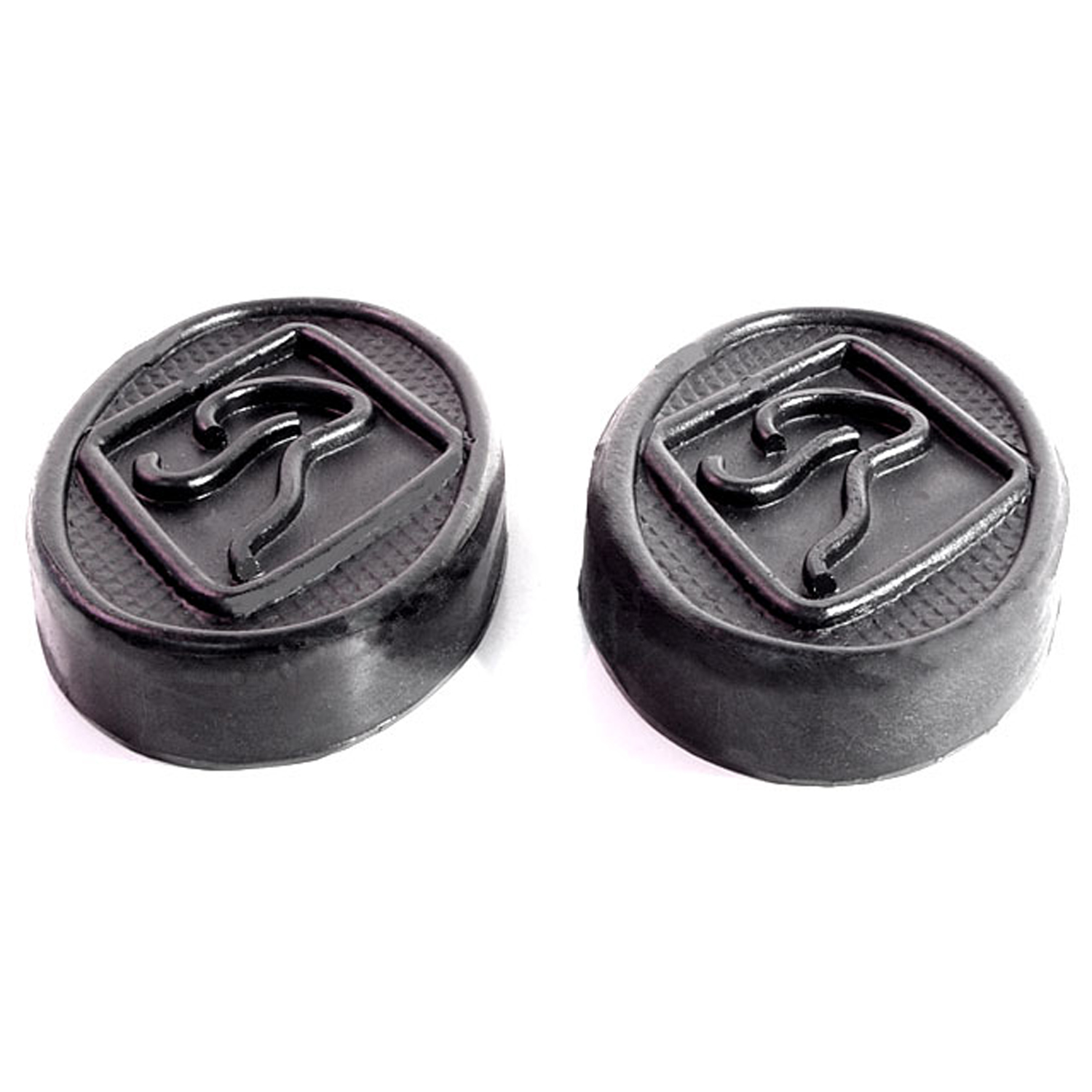 1952 Riley 2 1/2 Litre Clutch and Brake Pedal Pads. 2-1/4" wide X 3-1/2" long-CB 49Clutch and Brake Pedal Pads. 2-1/4" wide X 3-1/2" long. Pair
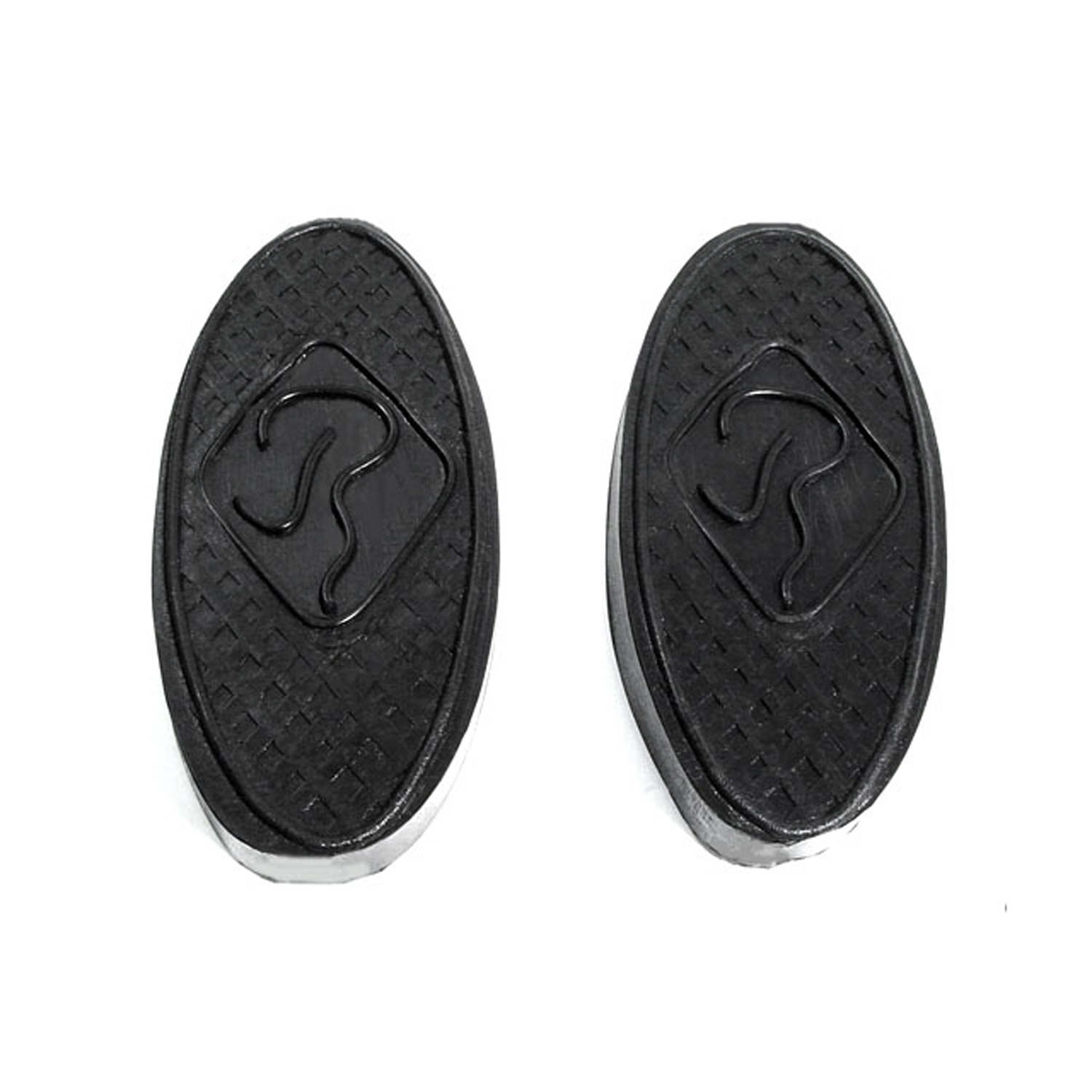 1952 Riley 2 1/2 Litre Clutch and Brake Pedal Pads. 2-1/4" wide X 4-7/8" long-CB 50Clutch and Brake Pedal Pads. 2-1/4" wide X 4-7/8" long. Pair
Why Choose Metro?
For over 100 years, Metro Moulded Parts has been the pinnacle of quality in classic car restoration parts. Our commitment to precision and authenticity in every component ensures a perfect fit and an OEM-level appearance.
- Expert Craftsmanship & Quality: Each part is a testament to our dedication to reliability and perfection, crafted from original designs and thoroughly tested.
- Advanced Technology: We use cutting-edge techniques to create flawless, long-lasting parts that surpass others in performance.
- SuperSoft Sponge – The Ultimate Door Seal: Not only are our door seals 30% softer than competitors', but they're also guaranteed to never leak. They effectively reduce wind and road noise, enhancing your classic car's comfort and driving experience.
- Proudly American: Our parts are a product of American craftsmanship, made in the USA with a spirit of excellence and heritage.
- Unrivaled Warranty: We back our products with a 30-year industry-leading warranty, a testament to our confidence in their quality.
Join us in preserving the legacy of classic cars with parts that are crafted for perfection, not just made.