
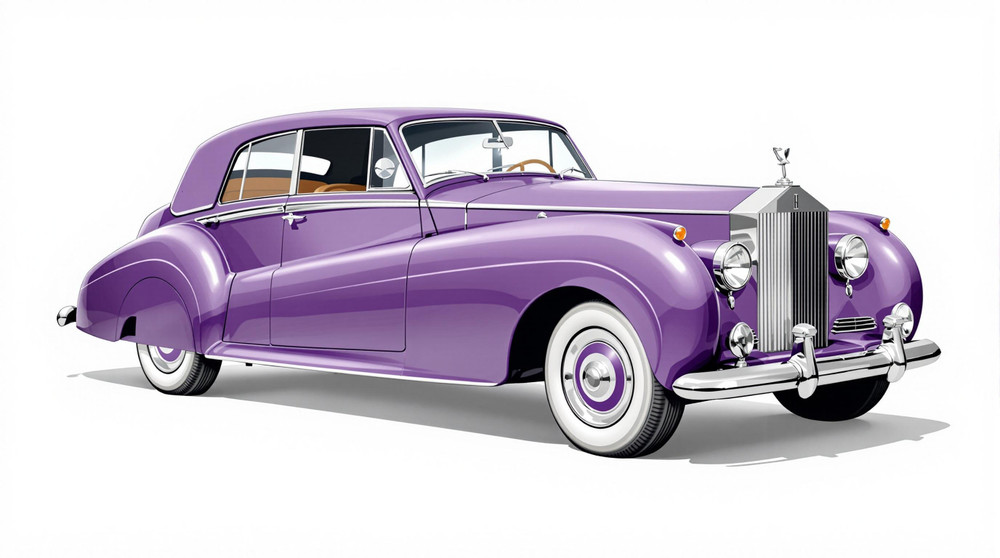
Image of 1949 Rolls-Royce Silver Dawn, Note: These illustrations use artistic license and may differ from actual historical models.
Performance Metrics
Fundamental Metrics
Emotional Appeal
MMP Rating
| Engine Specifications | |
|---|---|
| Engine: | Inline 6 |
| Displacement: | 4.3L |
| Horsepower: | Estimated 130 HP |
| Torque: | Not available |
| Compression Ratio: | Not available |
| Ignition System: | Coil ignition |
| Cooling System: | Water-cooled |
| Performance Specifications | |
| 0-60 Time: | Not available |
| 1/4 Mile Time: | Not available |
| Top Speed: | 94 mph |
| Transmission and Drive | |
| Drive Type: | Rear-wheel drive |
| Transmission Type: | 4-speed manual |
| Fuel and Efficiency | |
| Fuel System Type: | Carburetor |
| MPG: | Not available |
| Dimensions and Brakes | |
| Brakes: | Drum brakes |
| Wheelbase: | 120 inches |
| Weight: | 4100 lbs |
Note: Specifications for classic cars are given to the best of our ability, considering the limited and variant data available.
1949 Rolls-Royce Silver Dawn: A Postwar Classic
The 1949 Rolls-Royce Silver Dawn brought the marque’s famous presence to a more standardized, practical saloon without giving up the craftsmanship and quiet refinement its buyers expected. Introduced in the difficult years after World War II, it paired Rolls-Royce engineering with a factory-built steel body, marking a notable change in how the company made its cars.
Built by Rolls-Royce at its Crewe works in England, the Silver Dawn shared much of its mechanical foundation with the Bentley Mk VI. The two cars were close relatives, but the Silver Dawn wore Rolls-Royce’s upright radiator grille, Spirit of Ecstasy mascot and distinctive badging. One intriguing detail: the model was initially intended mainly for export markets. Buyers in Britain had to wait until 1953 before the Silver Dawn was formally offered there.
Steel Saloon Styling and Coachbuilt Options
The standard Silver Dawn Saloon has a dignified, upright shape rather than the sweeping, low profile of a later luxury car. Its tall grille, long bonnet and separate front wings give it a strong prewar character, while the integrated steel body reflects the more modern direction of postwar production. Early examples have a smaller, separate-looking boot, while later cars gained a more generous rear luggage compartment.
The standard saloon was the best-known body style, but the Silver Dawn was also supplied as a chassis for specialist coachbuilders. Firms including H.J. Mulliner, Park Ward, James Young and Freestone & Webb created individual saloons, coupés and, in small numbers, open cars. These coachbuilt versions are especially sought after today, though condition, provenance and the quality of the bodywork matter more than rarity alone.
Inside, the Silver Dawn is a study in traditional British luxury. Owners found leather upholstery, polished wood trim, deep carpeting and carefully finished metal fittings. The cabin was designed for comfort and dignity rather than flashy ornament. Factory paint choices varied, and coachbuilt cars could be finished to individual tastes. Conservative dark colors, including black, blue and deep green, suited the car’s formal character, while two-tone schemes offered a more distinctive look.
Engineering for a Changing Era
The Silver Dawn’s importance lies less in one revolutionary gadget than in the way it blended established Rolls-Royce standards with postwar manufacturing. Its steel body made production more consistent than the largely hand-built coachwork of earlier generations, helping the company offer a complete luxury saloon rather than relying solely on customer-selected bodywork. It was the first Rolls-Royce offered with a standard factory-built steel saloon body.
Under the bonnet sat a 4,257 cc, overhead-inlet, side-exhaust straight-six, often described as an F-head engine. Rolls-Royce did not emphasize a published horsepower figure in the modern way. The engine was tuned for smooth, dependable progress rather than dramatic acceleration. A four-speed manual gearbox was standard, and an automatic transmission became available later in the model’s run.
The Silver Dawn also benefited from independent front suspension, which helped improve ride comfort and road holding compared with older designs. Its combination of a shared platform, carefully developed engine and refined suspension showed how luxury manufacturers could modernize without abandoning traditional craftsmanship. The model’s influence was part of a broader shift toward complete, factory-produced luxury cars in the postwar period.
Performance and Driving Experience
Exact performance varies with body style, gearing, mechanical condition and period testing methods. A sound standard saloon is generally credited with a top speed in the neighborhood of 90 to 95 mph and a 0-to-60 mph time of roughly 16 to 18 seconds. Those figures make clear that the Silver Dawn was designed for effortless touring, not competition. Its engine delivers steady pulling power, especially when allowed to build speed smoothly.
On the road, the car feels substantial and composed. The suspension takes the edge off ordinary bumps, though the tall body and period chassis remind the driver that this is a large 1940s saloon, not a modern sports sedan. On winding roads, it rewards smooth steering and unhurried inputs. Its weight and relatively modest brakes call for anticipation, especially in traffic or on long descents.
From the driver’s seat, the straight-six is more of a muted mechanical presence than a soundtrack. The car’s appeal is in the measured way it gathers speed, the soft movement of its suspension and the sense of occasion created by the broad bonnet and upright grille. Steering and controls feel more deliberate than those in a contemporary car, and driving one well means looking ahead and working with its pace.
Ownership, Maintenance and Reliability
A Silver Dawn can be used for touring, club events, rallies and classic-car displays. Some owners drive their cars regularly, but it is rarely a sensible everyday commuter. Its size, fuel consumption, age and specialist maintenance needs make it better suited to leisure use than modern stop-start traffic. It was never intended as a racing car, although well-prepared examples can take part in appropriate historic touring events.
These cars can be durable when properly maintained, but age makes careful inspection essential. The engine and chassis are robust by classic-car standards, yet neglected cooling systems, worn suspension, tired brakes, electrical faults and corrosion can turn a bargain into an expensive restoration. Check the steel body carefully, including the floors, sills, wheel arches and boot area. Coachbuilt cars need additional scrutiny because repairs may require specialist skills and bespoke fabrication.
The average owner can handle routine jobs such as basic servicing, but major mechanical work is best entrusted to a Rolls-Royce or vintage-car specialist. Parts availability is generally better than for many rare coachbuilt cars, but components and skilled labor can be costly. A thorough pre-purchase inspection and a clear service history are more valuable than an attractive price alone.
Silver Dawn Facts and Common Criticisms
The Silver Dawn’s closest relative, the Bentley Mk VI, shared its basic engineering, making the distinction between the two cars largely one of identity, presentation and specification. The Rolls-Royce version’s export-focused beginnings are another unusual chapter in the model’s story. Early cars also differ in details such as luggage capacity, so a 1949 example can have features that are not found on later Silver Dawns.
There is no widely recognized speed or endurance record associated with the Silver Dawn. Its achievement was more understated: it helped Rolls-Royce adapt to postwar conditions and offered customers a complete factory saloon in a period when many luxury cars still depended on separate coachbuilders. Celebrity ownership stories are best treated cautiously unless supported by reliable documentation, since attractive histories are often repeated without evidence.
Common criticisms include modest acceleration, heavy controls by modern standards, high fuel use and the expense of restoration. The standard steel body is practical compared with a bespoke coachbuilt design, but it is not immune to rust. Buyers should also remember that a prestigious badge does not make every example mechanically sound or inexpensive to own.
Collector Values and Rarity
Approximately 760 Silver Dawns were built across the model’s production run from 1949 to 1955. That makes the model uncommon, although it is not as scarce as some individually bodied Rolls-Royces. The number of surviving cars in good condition is smaller, and coachbuilt variants are rarer still. A 1949 car’s precise value depends on its body style, originality, restoration quality, history and mechanical condition.
As a broad 2026 estimate in the United States, a project car may sell for around $20,000 to $35,000, while a usable standard saloon could fall in the $40,000 to $80,000 range. Excellent, carefully restored examples may reach roughly $90,000 to $150,000 or more. Desirable coachbuilt cars can exceed those figures substantially, but they are difficult to price with a single range because each body and history is different. These are general estimates, not a formal appraisal.
Silver Dawn values tend to reward quality and documentation more than speculation. Well-preserved cars and exceptional coachbuilt examples can attract strong interest, while cars needing extensive work often remain costly projects. In real terms, the market has been selective rather than uniformly booming. Restoration costs can also exceed the eventual resale value, so buying the best example you can afford is usually the wiser strategy.
Why the 1949 Silver Dawn Matters
The 1949 Rolls-Royce Silver Dawn joined traditional craftsmanship to a new era of factory-built luxury. Its steel saloon body, smooth straight-six and refined road manners made it a significant postwar model, while its shared roots with the Bentley Mk VI reveal how Rolls-Royce adapted its engineering for a changing market.
It is not the fastest or most extravagant Rolls-Royce, and that is precisely part of its appeal. The Silver Dawn stands for quiet confidence: a carefully made British motor car that helped define what a modern postwar luxury saloon could be.
1949 Rolls-Royce Silver Dawn Catalog of Parts
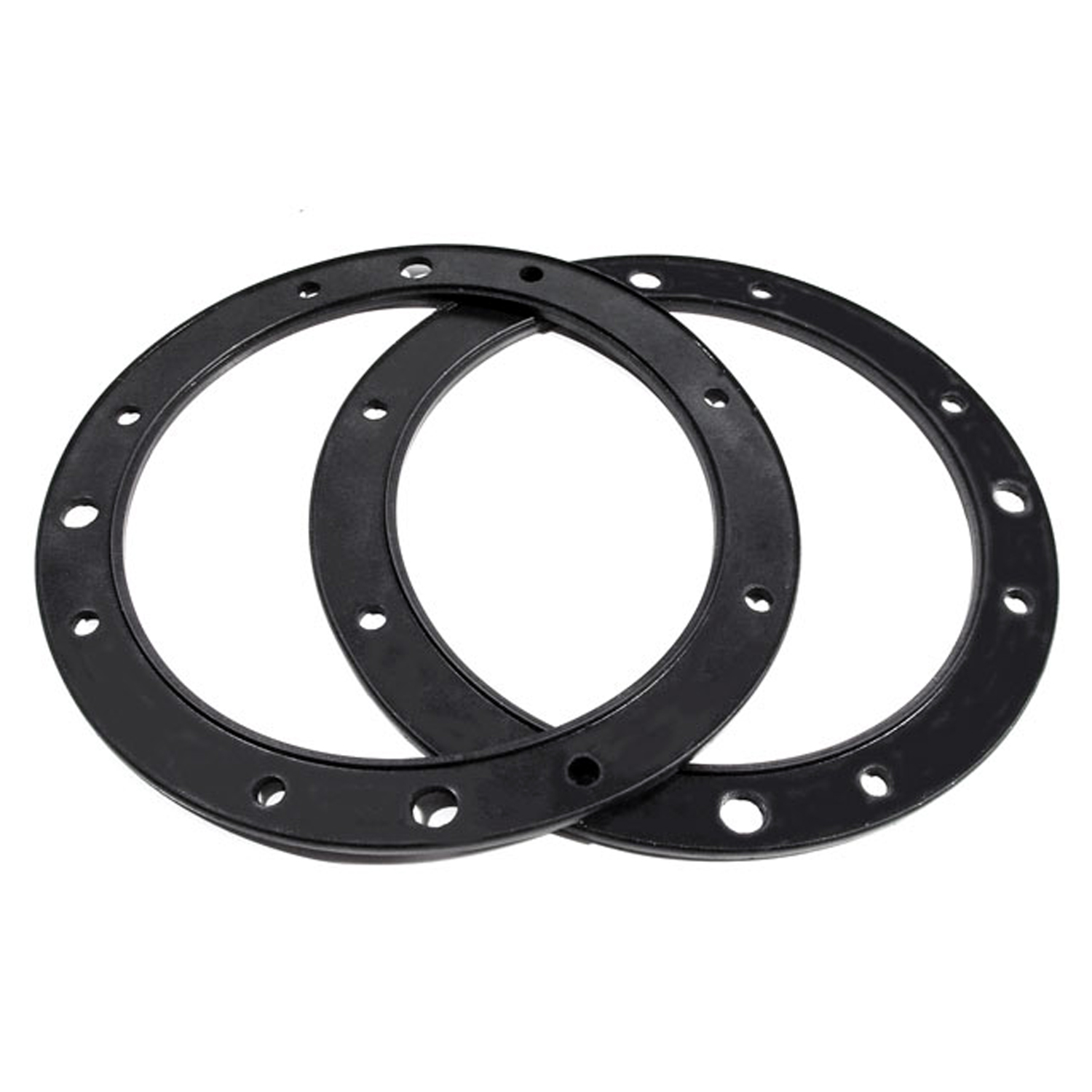 1949 Rolls-Royce Silver Dawn Headlight Ring Seal. 8-1/2" O.D., 6-5/8" I.D. Pair-HR 1Headlight Ring Seal. 8-1/2" O.D., 6-5/8" I.D. Pair
 1949 Rolls-Royce Silver Dawn Heel Pad. Initials "HJM"-RM 16Heel Pad. Initials "HJM". Made of high quality black rubber. 8" X 16". Each
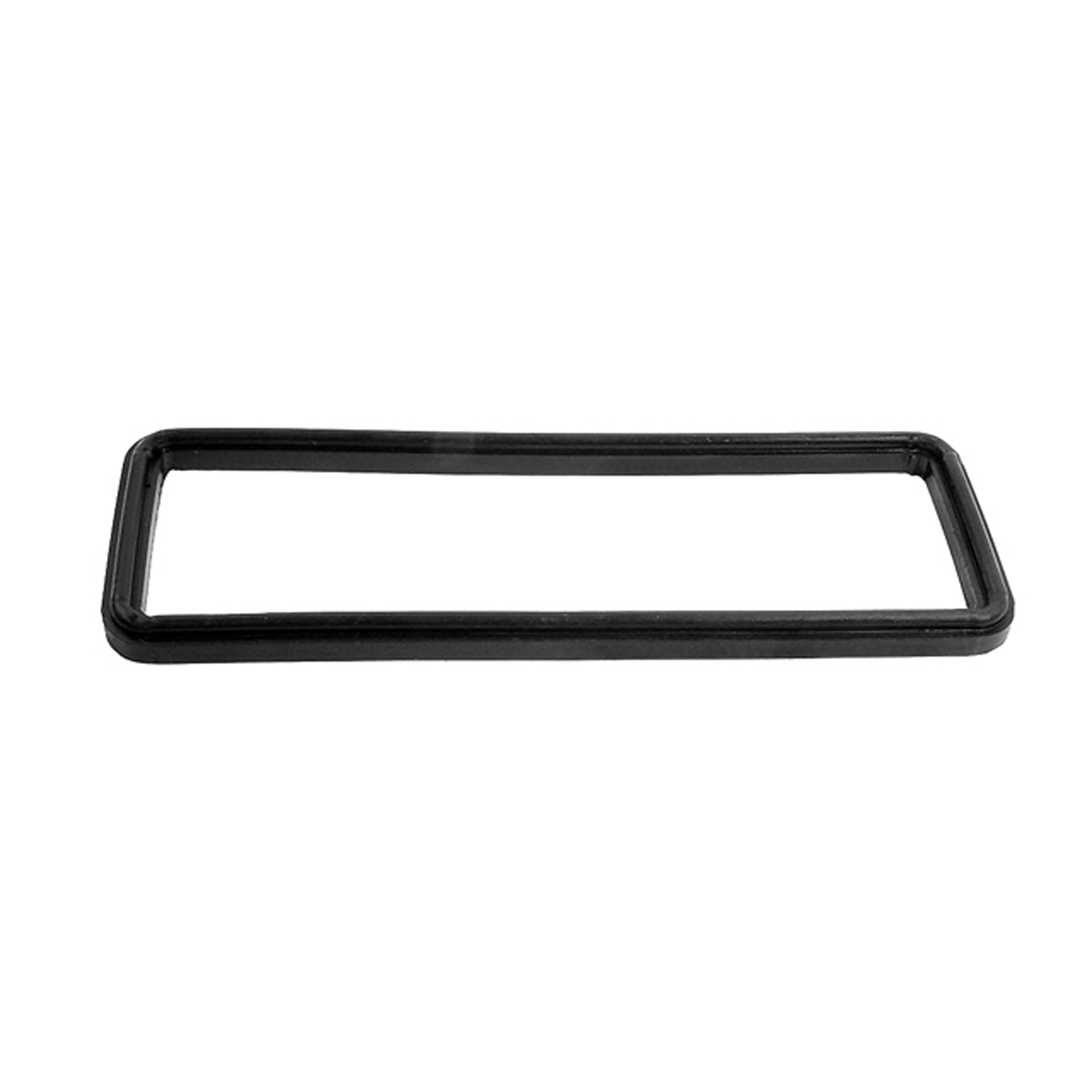 1949 Rolls-Royce Silver Dawn Side Vent Seal. Standard steel saloon-RP 100-FSide Vent Seal. Standard steel saloon. 3" wide X 8-1/2" long. Each
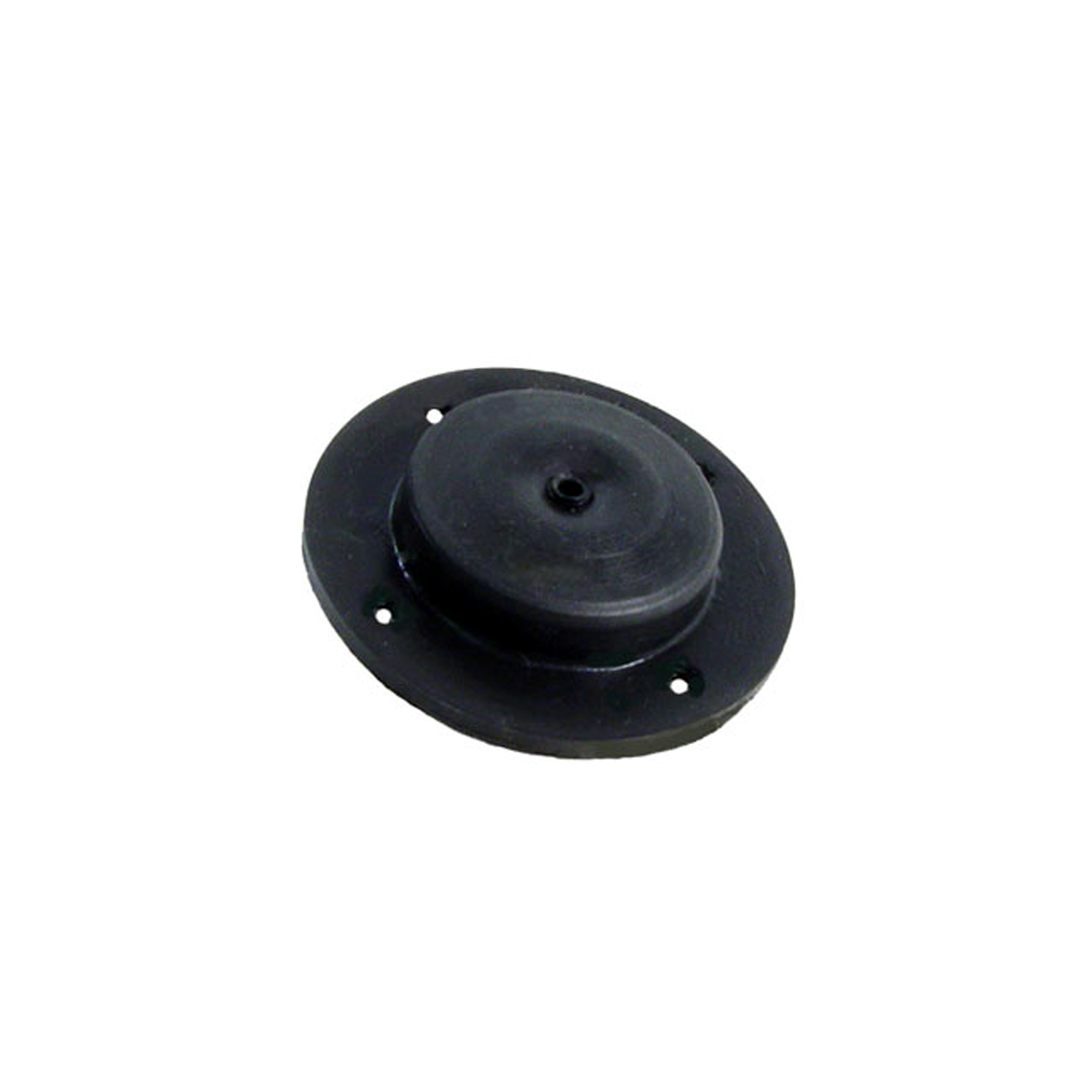 1949 Rolls-Royce Silver Dawn Thermo Tube through Dash Grommet. 2-3/8" O.D. Each-SM 70Thermo Tube through Dash Grommet. 2-3/8" O.D. Each
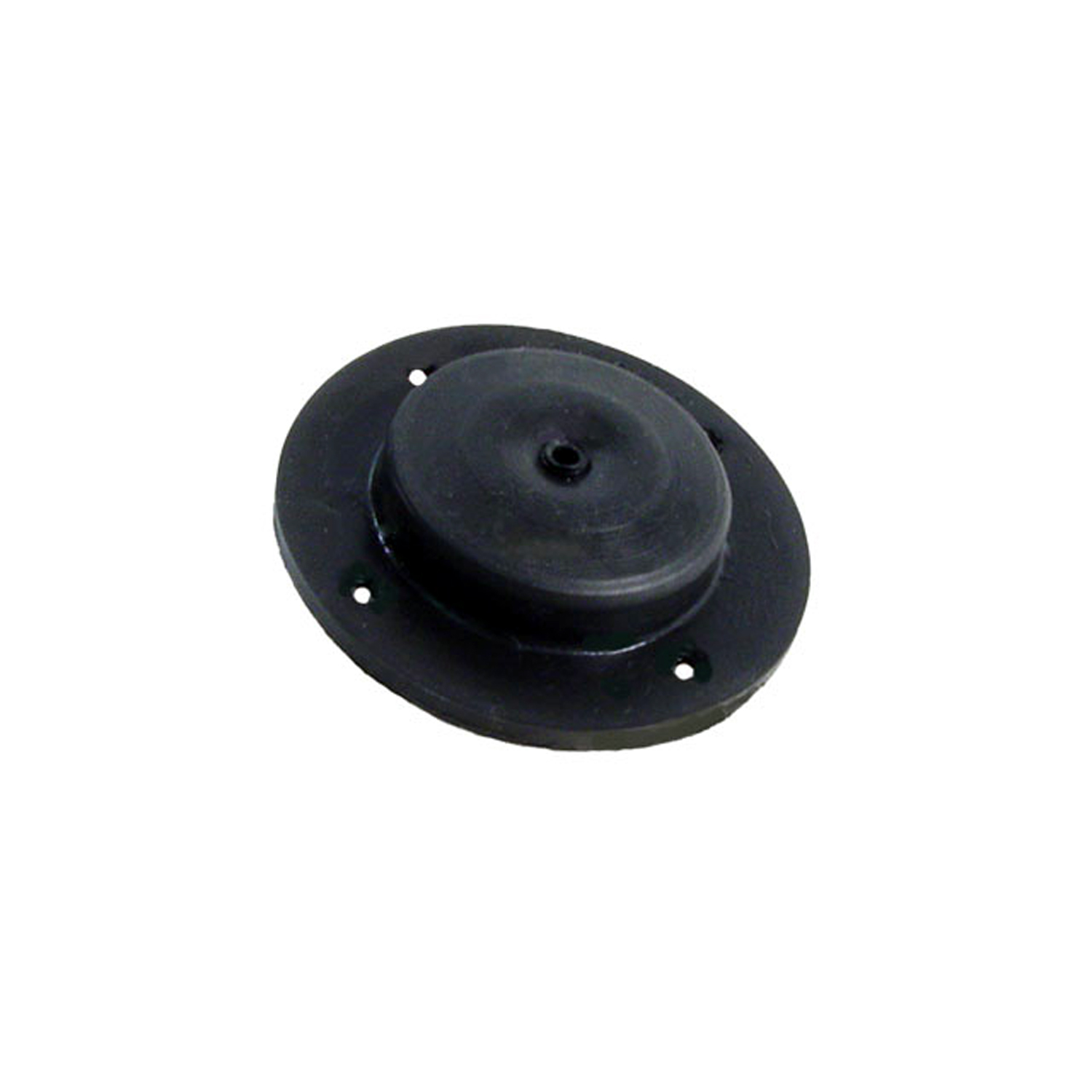 1949 Rolls-Royce Silver Dawn Speedometer Cable through Dash Grommet. 2-3/8" O.D. Each-SM 70-ASpeedometer Cable through Dash Grommet. 2-3/8" O.D. Each
Why Choose Metro?
For over 100 years, Metro Moulded Parts has been the pinnacle of quality in classic car restoration parts. Our commitment to precision and authenticity in every component ensures a perfect fit and an OEM-level appearance.
- Expert Craftsmanship & Quality: Each part is a testament to our dedication to reliability and perfection, crafted from original designs and thoroughly tested.
- Advanced Technology: We use cutting-edge techniques to create flawless, long-lasting parts that surpass others in performance.
- SuperSoft Sponge – The Ultimate Door Seal: Not only are our door seals 30% softer than competitors', but they're also guaranteed to never leak. They effectively reduce wind and road noise, enhancing your classic car's comfort and driving experience.
- Proudly American: Our parts are a product of American craftsmanship, made in the USA with a spirit of excellence and heritage.
- Unrivaled Warranty: We back our products with a 30-year industry-leading warranty, a testament to our confidence in their quality.
Join us in preserving the legacy of classic cars with parts that are crafted for perfection, not just made.