
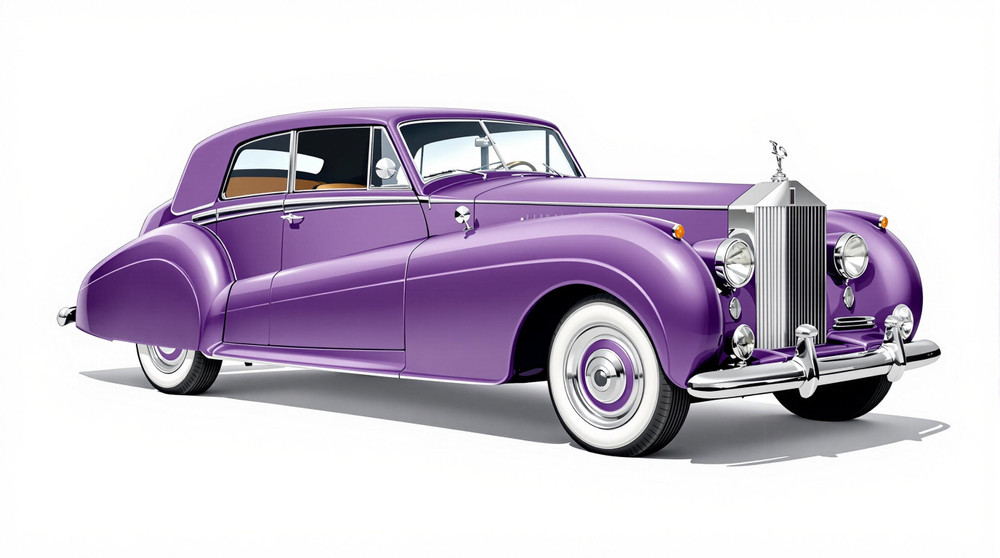
Image of 1949 Rolls-Royce Silver Wraith, Note: These illustrations use artistic license and may differ from actual historical models.
Performance Metrics
Fundamental Metrics
Emotional Appeal
MMP Rating
| Engine Specifications | |
|---|---|
| Engine: | Inline 6 |
| Displacement: | 4.3L - 4.9L |
| Horsepower: | Estimated 125 - 130 HP |
| Torque: | Not available |
| Compression Ratio: | Not available |
| Ignition System: | Coil ignition |
| Cooling System: | Water-cooled |
| Performance Specifications | |
| 0-60 Time: | Not available |
| 1/4 Mile Time: | Not available |
| Top Speed: | 80 - 85 mph |
| Transmission and Drive | |
| Drive Type: | Rear-wheel drive |
| Transmission Type: | 4-speed manual |
| Fuel and Efficiency | |
| Fuel System Type: | Carburetor |
| MPG: | Not available |
| Dimensions and Brakes | |
| Brakes: | Drum brakes |
| Wheelbase: | 133 inches |
| Weight: | 4,600 lbs |
Note: Specifications for classic cars are given to the best of our ability, considering the limited and variant data available.
1949 Rolls-Royce Silver Wraith: A Bespoke Postwar Classic
The 1949 Rolls-Royce Silver Wraith was less a finished car than a finely engineered invitation to create one. Rolls-Royce supplied the chassis and mechanicals; a specialist coachbuilder then shaped the body to the owner’s wishes. The result could be a formal limousine, an elegant saloon or a graceful drophead coupé, with no two commissions necessarily alike.
Built in Crewe, England, the Silver Wraith was Rolls-Royce’s principal postwar luxury model. It carried the company’s prewar reputation into a new era, when materials were scarce and Britain was still recovering from World War II. A memorable detail of its story is that the Silver Wraith was not normally sold as a complete, factory-bodied car. Its chassis was the starting point for an individually commissioned automobile.
Coachbuilt Style and Hand-Finished Comfort
The Silver Wraith’s appearance depended on its coachbuilder, but the underlying design had the stately proportions expected of a Rolls-Royce. A long bonnet led to a tall, upright radiator grille, traditionally topped by the Spirit of Ecstasy. Separate front wings, running boards and large headlamps gave many examples a dignified, prewar character, while individual coachwork could make the car look notably more modern or formal.
Inside, owners could expect carefully finished wood trim, deep carpeting, fine leather upholstery and generous space for passengers. Limousines might include a division between the driver and rear compartment, along with rear-facing occasional seats or other bespoke fittings. Materials, colors and details varied by commission, so the cabin was as much a reflection of its first owner as of Rolls-Royce itself.
There was no single standard paint palette. Buyers could specify solid colors, contrasting roof or body panels, and elaborate two-tone schemes. Dark blue, black, burgundy and deep green suited the car’s formal character, while silver and lighter shades offered a more striking look. The particular color was part of the bespoke process rather than a fixed model-year choice.
Coachbuilt saloons and limousines were among the most familiar Silver Wraith forms, but the chassis could also carry coupé, touring, landaulette and other specialized bodies. Well-known British firms such as H.J. Mulliner, Park Ward, Hooper and James Young produced Silver Wraith coachwork. The grand limousine is perhaps the most iconic expression of the model, though individual coupés and open cars can be especially eye-catching today.
Engineering for Quiet, Confident Progress
The 1949 Silver Wraith used a 4,257 cc inline six-cylinder engine, paired with a four-speed manual gearbox. Rolls-Royce did not make a point of advertising a headline horsepower figure. Instead, the engine was designed to deliver smooth, flexible power and to move a substantial, often heavily bodied car with minimal fuss.
Its engineering was advanced in important ways for a luxury car of the period. Independent front suspension helped improve ride quality, while a live rear axle and leaf springs provided robust support for the body and passengers. Hydraulic braking, assisted by a power mechanism, helped manage the car’s considerable weight. The precise specification could vary across production, but the emphasis remained on refinement, durability and ease of control.
The Silver Wraith’s Place in Automotive History
The Silver Wraith helped preserve the British coachbuilding tradition at a time when mass production was increasingly shaping the car industry. Rather than offering one standardized body, Rolls-Royce continued to supply a separate chassis that customers could commission from specialist firms. That approach made the car a highly personal luxury purchase and gave coachbuilders room to demonstrate their craft.
It also bridged two eras. The Silver Wraith retained the formal proportions and individual construction associated with prewar motoring, yet it was built with postwar engineering and served a new generation of public figures, business leaders and wealthy private owners. Its significance lies less in a single breakthrough feature than in the way it kept bespoke coachwork relevant during a period of rapid industrial change.
Performance, Ride and Driving Feel
Performance figures depend on the weight and shape of the body fitted to each chassis. As a general guide, a 1949 Silver Wraith could reach roughly 85 to 90 mph, with a 0-to-60 mph time in the neighborhood of 20 seconds. These are period-appropriate estimates, not guaranteed figures for every car. A heavy limousine would usually be slower than a lighter, more streamlined body.
On the road, the Silver Wraith was made for measured progress rather than quick acceleration. The six-cylinder engine works quietly at a relaxed pace, and the car’s long wheelbase and substantial mass help it glide over ordinary road imperfections. Sharp bumps can still be felt, especially in an old car with tired springs or worn dampers, but a properly maintained example should feel composed rather than harsh.
Its size and coachbuilt bodywork call for a deliberate driving style. Narrow roads, tight corners and strong crosswinds demand attention, particularly in a tall limousine. The steering is not as light or precise as that of a modern car, and the manual gearbox rewards smooth, unhurried shifts. The experience is less about carving through bends than sensing the engine pull steadily, hearing the muted mechanical note and guiding a substantial piece of craftsmanship along the road.
Owning and Maintaining a Silver Wraith
Today, the Silver Wraith is most often used as a show car, touring car or special-occasion vehicle. Some owners do drive their cars regularly, but it is not a practical choice for most people’s daily commute. Its size, fuel consumption, age and bespoke construction all favor planned outings and careful stewardship.
Maintenance is a specialist undertaking. Mechanical parts can often be serviced by experienced Rolls-Royce or vintage-car technicians, but bodywork and interior restoration may require skills specific to the original coachbuilder. A small mechanical repair can be manageable for an experienced enthusiast; a major engine overhaul, electrical fault or full body restoration is not generally an easy do-it-yourself project. Before buying, inspect the chassis and structure, confirm the engine and gearbox condition, and check that the coachwork is sound and correctly documented.
Reliability depends heavily on maintenance and storage. A well-kept Silver Wraith can be a rewarding touring car, but neglect can turn its complex, aging systems into an expensive chain of repairs. Parts availability, specialist labor and the cost of restoring handcrafted bodywork should all be included in an ownership budget.
Silver Wraith Facts and Common Criticisms
The Silver Wraith’s most unusual “option” was often the body itself. Owners could commission coachwork from different firms, making surviving examples wonderfully varied and sometimes difficult to compare directly. The model also served customers seeking formal transport, including government, diplomatic and ceremonial users, though exact specifications and histories are unique to each car.
Rolls-Royce produced approximately 1,883 Silver Wraith chassis over the model’s full run, from 1946 to 1959. That figure covers the entire production period, not just 1949. The total makes the Silver Wraith uncommon beside mass-produced cars, but examples do appear through specialist dealers and classic-car auctions.
There is no single celebrated speed or endurance record that defines the Silver Wraith. Its reputation was built around refinement, custom construction and prestige rather than competition. Common criticisms today are practical ones: the cars are large, thirsty by modern standards and costly to restore. A worn or poorly repaired example can also ride and drive far below the standard its Rolls-Royce badge suggests.
Collector Values and Market Outlook
Silver Wraith values vary widely because condition, coachbuilder, body style, provenance and restoration quality matter so much. As a broad current-market estimate, a project or heavily deteriorated example might be offered for around $40,000 to $70,000. A sound, usable car may fall roughly between $80,000 and $180,000, while exceptional coachwork, documented history or a high-quality restoration can push a car beyond $200,000. Particularly desirable examples may sell for more, but no range can substitute for examining the individual car.
The market is best described as selective rather than uniformly rising. Well-documented, correctly restored cars with attractive coachwork remain appealing to serious collectors, while cars needing major structural or mechanical work face a much smaller pool of buyers. Because the cost of restoration can exceed the value added, condition and provenance often matter more than simply finding the lowest asking price.
A Rolls-Royce Built Around Its Owner
The 1949 Rolls-Royce Silver Wraith combined a smooth six-cylinder engine, carefully developed chassis engineering and the work of Britain’s finest coachbuilders. Its defining feature was not one body shape or performance statistic, but the freedom to create a car around an owner’s tastes and needs.
More than seven decades later, that individuality is its enduring appeal. Each Silver Wraith tells a slightly different story, and together they preserve a remarkable chapter in the history of luxury motoring: an age when the car could still be commissioned as a personal work of art.
1949 Rolls-Royce Silver Wraith Catalog of Parts
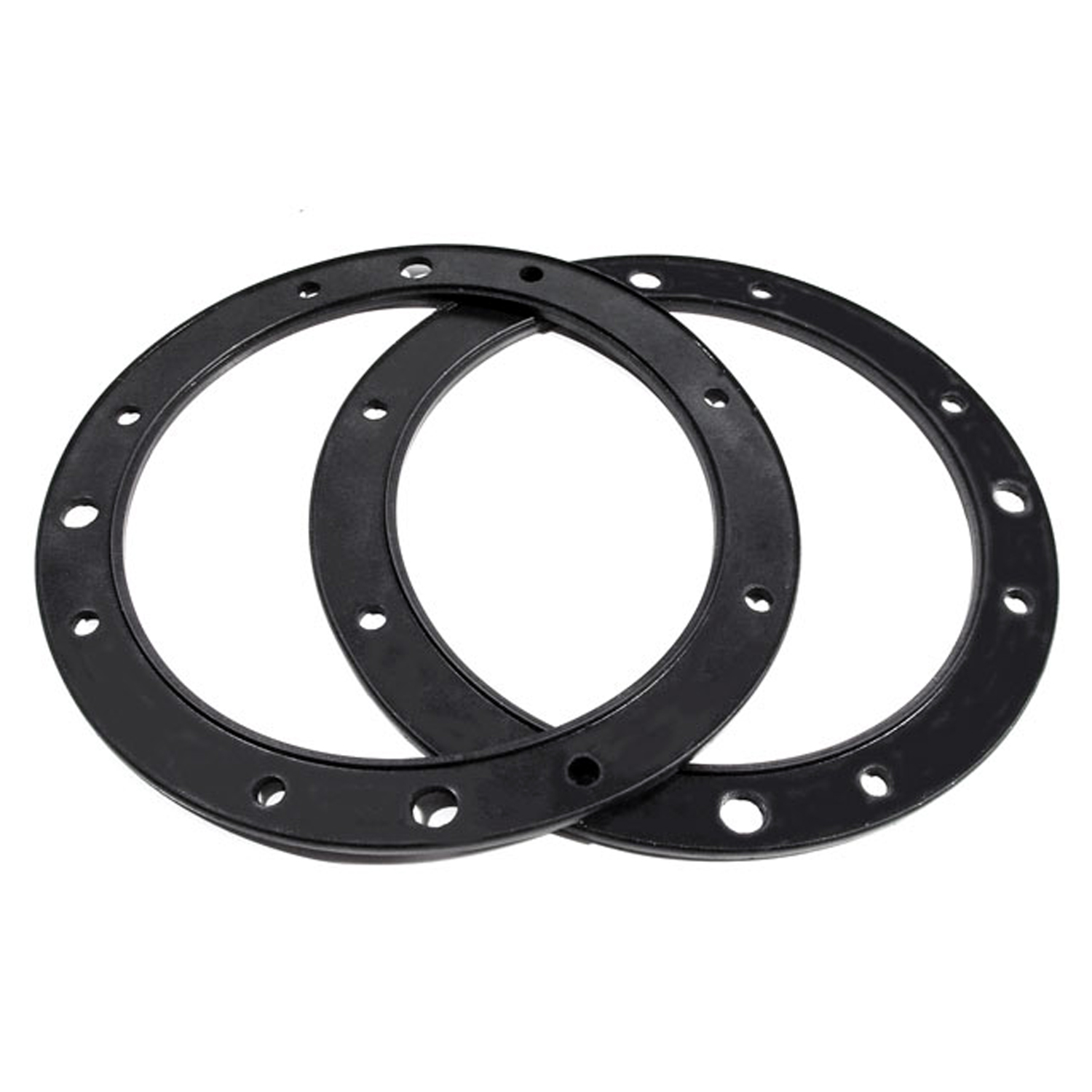 1949 Rolls-Royce Silver Wraith Headlight Ring Seal. 8-1/2" O.D., 6-5/8" I.D. Pair-HR 1Headlight Ring Seal. 8-1/2" O.D., 6-5/8" I.D. Pair
 1949 Rolls-Royce Silver Wraith Heel Pad. Initials "HJM"-RM 16Heel Pad. Initials "HJM". Made of high quality black rubber. 8" X 16". Each
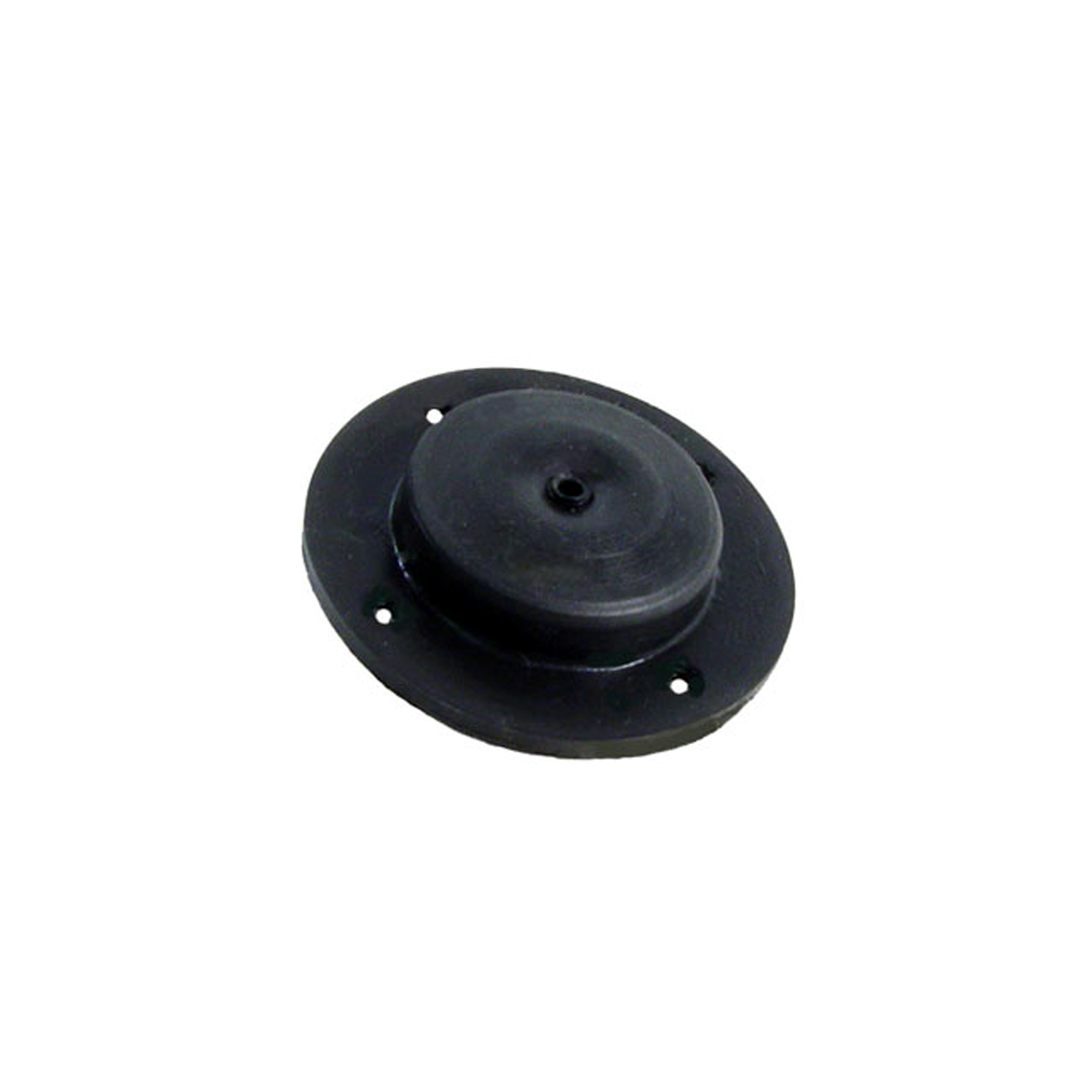 1949 Rolls-Royce Silver Wraith Thermo Tube through Dash Grommet. 2-3/8" O.D. Each-SM 70Thermo Tube through Dash Grommet. 2-3/8" O.D. Each
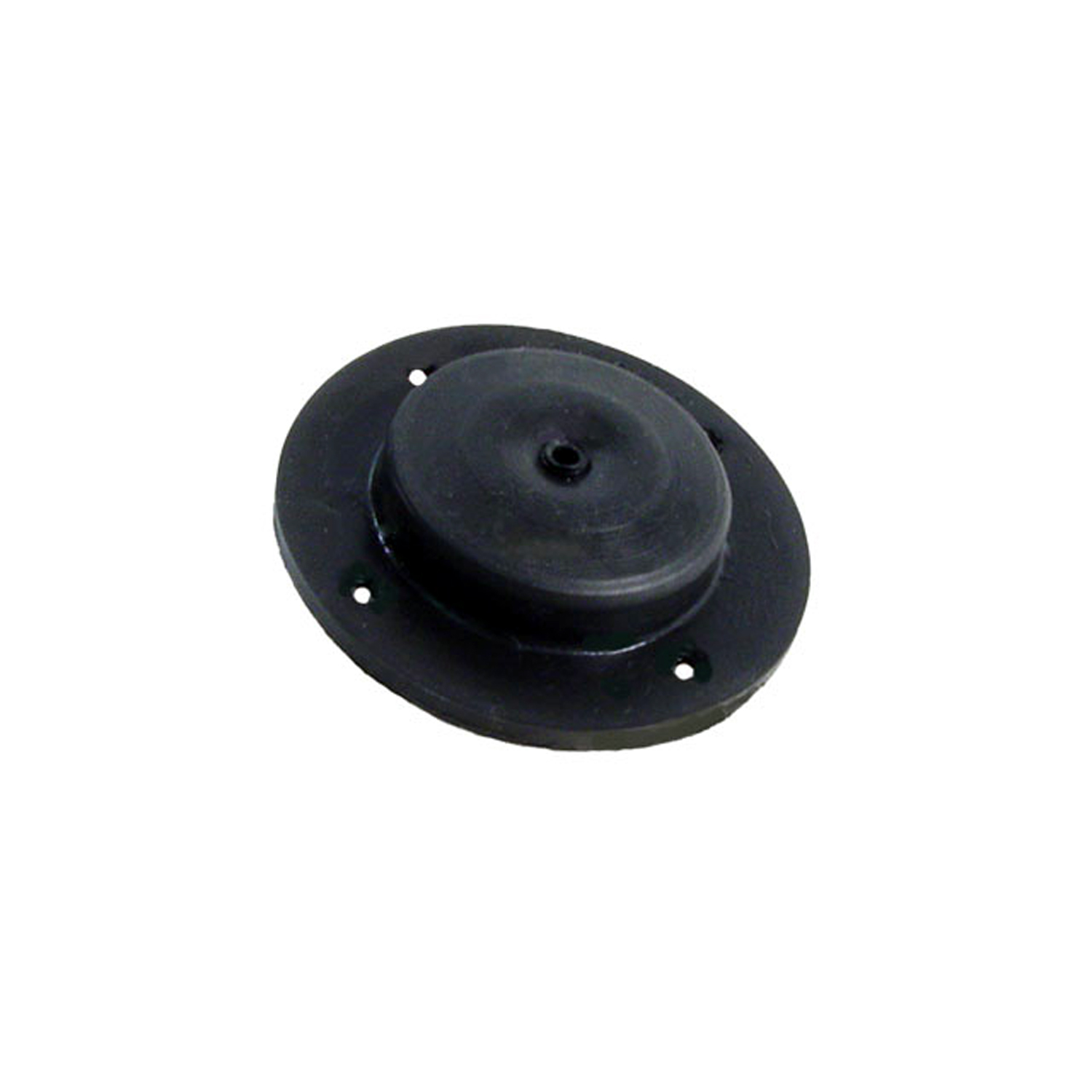 1949 Rolls-Royce Silver Wraith Speedometer Cable through Dash Grommet. 2-3/8" O.D. Each-SM 70-ASpeedometer Cable through Dash Grommet. 2-3/8" O.D. Each
Why Choose Metro?
For over 100 years, Metro Moulded Parts has been the pinnacle of quality in classic car restoration parts. Our commitment to precision and authenticity in every component ensures a perfect fit and an OEM-level appearance.
- Expert Craftsmanship & Quality: Each part is a testament to our dedication to reliability and perfection, crafted from original designs and thoroughly tested.
- Advanced Technology: We use cutting-edge techniques to create flawless, long-lasting parts that surpass others in performance.
- SuperSoft Sponge – The Ultimate Door Seal: Not only are our door seals 30% softer than competitors', but they're also guaranteed to never leak. They effectively reduce wind and road noise, enhancing your classic car's comfort and driving experience.
- Proudly American: Our parts are a product of American craftsmanship, made in the USA with a spirit of excellence and heritage.
- Unrivaled Warranty: We back our products with a 30-year industry-leading warranty, a testament to our confidence in their quality.
Join us in preserving the legacy of classic cars with parts that are crafted for perfection, not just made.