
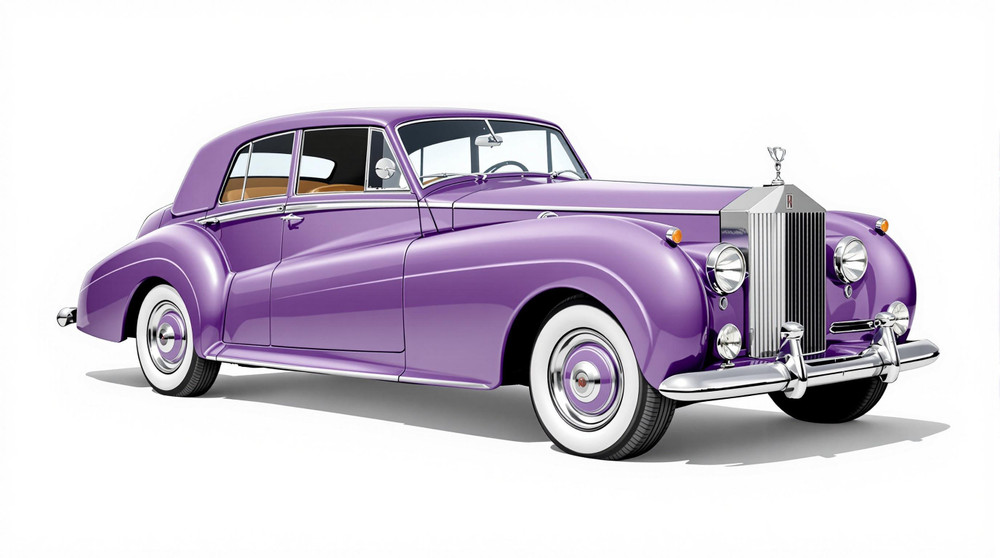
Image of 1950 Rolls-Royce Silver Dawn, Note: These illustrations use artistic license and may differ from actual historical models.
Performance Metrics
Fundamental Metrics
Emotional Appeal
MMP Rating
| Engine Specifications | |
|---|---|
| Engine: | Inline 6 |
| Displacement: | 4.3L - 4.9L |
| Horsepower: | Estimated 130 - 150 HP |
| Torque: | 220 - 240 lb-ft |
| Compression Ratio: | Estimated 7.0:1 |
| Ignition System: | Distributor with points |
| Cooling System: | Liquid cooled |
| Performance Specifications | |
| 0-60 Time: | Estimated 20 seconds |
| 1/4 Mile Time: | Not available |
| Top Speed: | 100 mph |
| Transmission and Drive | |
| Drive Type: | Rear Wheel Drive |
| Transmission Type: | 4-speed manual |
| Fuel and Efficiency | |
| Fuel System Type: | Twin SU carburetors |
| MPG: | Estimated 10 - 15 MPG |
| Dimensions and Brakes | |
| Brakes: | Drum brakes |
| Wheelbase: | 120 inches |
| Weight: | Estimated 4,200 lbs |
Note: Specifications for classic cars are given to the best of our ability, considering the limited and variant data available.
1950 Rolls-Royce Silver Dawn: A Postwar Classic Takes Shape
The 1950 Rolls-Royce Silver Dawn brought traditional luxury into a new era: it paired the marque’s famous craftsmanship with a practical, factory-built steel body suited to the postwar world. Built by Rolls-Royce in Crewe, England, it shared much of its engineering and body structure with the Bentley Mk VI, but its upright radiator grille and Spirit of Ecstasy gave it an unmistakable Rolls-Royce identity.
The Silver Dawn arrived in 1949, when Britain was still rebuilding after World War II and materials remained scarce. Unlike many earlier Rolls-Royces, which were supplied as rolling chassis for independent coachbuilders to clothe, the Dawn was offered primarily as a complete saloon with a standard steel body. It was initially aimed chiefly at export markets, helping Rolls-Royce sell a more accessible, ready-to-drive car overseas.
One detail makes the model especially interesting: the Silver Dawn was among the first Rolls-Royces to make a factory-built steel saloon a central part of the ownership proposition. Buyers could still commission bespoke coachwork, but they no longer had to start with a bare chassis to own a complete Rolls-Royce.
Steel-Saloon Styling and Hand-Finished Luxury
The Silver Dawn’s proportions are formal without looking ponderous. Its tall, narrow grille anchors the front end, while flowing front wings, a long bonnet and gently rounded rear bodywork create the stately profile associated with postwar British luxury cars. The body was produced by Pressed Steel and shared its basic shape with the contemporary Bentley, though the Rolls-Royce grille, mascots and trim made the distinction immediately clear.
Inside, the Dawn balanced factory production with familiar Rolls-Royce finish. The cabin was typically trimmed in supple leather, with polished wood veneers across the dashboard and window surrounds, wool carpets underfoot and carefully finished metal fittings. Upholstery colors, veneer details and other appointments could be specified to suit the buyer, so surviving cars can differ considerably in their presentation.
There was no single fixed palette that defined every Silver Dawn. Buyers could choose from a range of solid and two-tone paint schemes, and bespoke color requests were possible. Conservative combinations such as black, dark blue, maroon and grey suit the car’s formal character, while two-tone finishes emphasize its long wings and rounded body contours.
The standard steel saloon was by far the most familiar body style. A small number of chassis received special coachbuilt bodies, making those cars unusual alternatives to the regular production saloon. The exact body and equipment depended on the individual car and its original specification, so buyers of surviving examples should check chassis records rather than assume every Dawn was identically equipped.
Engineering for a Changing Era
The 1950 Silver Dawn used a 4,257 cc inline six-cylinder engine with overhead inlet valves and side exhaust valves, a layout often described as F-head or inlet-over-exhaust. It was paired with a four-speed manual gearbox. The engine was designed for smooth, quiet torque rather than high-revving excitement, and Rolls-Royce did not promote a headline horsepower figure in the same way many manufacturers did.
Its chassis combined independent front suspension with a live rear axle, giving the car a useful balance of ride comfort and road stability. The Dawn also reflected a shift in luxury-car production: standardized steel bodies and shared components made high-quality cars more practical to build, while still leaving room for individual choices in finish and trim.
The Silver Dawn did not introduce a radical new technology that transformed the industry. Its importance was more measured but lasting: it helped establish the factory-built luxury saloon as a viable Rolls-Royce product. Its close relationship to the Bentley Mk VI also showed how two prestigious marques could share substantial engineering while retaining distinct identities and customers.
Performance and the Silver Dawn Driving Experience
Period performance figures vary with body condition, gearing and test method, but a healthy 1950 Silver Dawn is generally credited with a top speed in the region of 90 to 95 mph. Acceleration from 0 to 60 mph is commonly estimated at roughly 15 to 17 seconds. Those numbers suited a heavy, finely appointed saloon of its era, but they are not the point of the car: relaxed progress is its natural rhythm.
The six-cylinder engine is best enjoyed with a light touch. It delivers a subdued mechanical note and gathers speed smoothly, rather than producing a sharp burst of acceleration. The four-speed manual gearbox asks for deliberate, unhurried shifts. Later Silver Dawns offered an automatic transmission as an option, but a 1950 example is typically encountered with the manual gearbox.
On rough roads, the suspension takes the sting out of bumps and broken surfaces, though the car’s weight and age mean it will not feel as isolated or controlled as a modern luxury vehicle. On winding roads, the steering rewards anticipation. The Dawn is composed when driven smoothly, but it is a substantial car with a tall body, so brisk cornering is not its strongest suit. In crosswinds, its size and upright shape also call for a steady hand.
Behind the wheel, the experience is defined by quiet effort: a long bonnet ahead, substantial controls in hand and an engine that seems happiest when allowed to work without strain. A well-maintained example feels dignified and deliberate. It is a car for covering distance in comfort, not for attacking a road or chasing modern traffic away from the lights.
Ownership, Maintenance and Reliability
Today, a Silver Dawn is most often used for touring, club events, weddings and shows. Some owners drive their cars regularly, but the Dawn is better thought of as a cherished classic than an easy daily driver. Its age, fuel consumption, size and specialist maintenance needs make routine modern use less convenient than its quiet manners might suggest.
Good examples can be dependable when maintained properly, but neglect is expensive. The engine, cooling system, gearbox, suspension, brakes and electrical equipment all deserve careful inspection. Parts and expertise are available through Rolls-Royce and Bentley specialists, although repairs can take time and some components may be costly. The car is not an ideal do-it-yourself project for an average owner without experience, workshop facilities or access to technical information.
Before buying, check for corrosion in the body structure and floor, evidence of previous repairs, engine overheating, oil leaks and worn suspension or steering parts. Confirm that the car’s chassis and engine numbers correspond with its documentation, and arrange a pre-purchase inspection from a specialist familiar with postwar Rolls-Royce models. A low purchase price can quickly be outweighed by deferred maintenance.
Silver Dawn Facts and Common Criticisms
Production figures are commonly given as 761 Silver Dawns built between 1949 and 1955, with some references rounding the total to about 760. That makes the model scarce beside mass-market cars of its day, but it is not so rare that examples never appear on the market. Most were standard steel saloons; special coachbuilt cars are the more unusual finds.
The Silver Dawn is not known for a major speed record or a single defining competition achievement. Its distinction lies in its role within Rolls-Royce history: it helped bring the complete, factory-built saloon into the company’s postwar range. It also shares a family resemblance and much mechanical kinship with the Bentley Mk VI and later R-type, a useful point for enthusiasts comparing the two marques.
Common criticisms are straightforward. The car is heavy and comparatively slow by modern standards, fuel consumption is substantial, and the manual gearbox and steering require more involvement than a modern luxury car. Repair bills can be high, especially if bodywork or major mechanical systems need restoration. For admirers, these drawbacks are part of the trade-off for owning a hand-finished British car from a formative postwar period.
Collector Values and Market Outlook
Values depend heavily on condition, originality, history and the quality of any restoration. As a broad 2026 guide, a project or very tired car might sell for around US$20,000 to US$35,000. A sound, usable example commonly falls in the US$40,000 to US$75,000 range, while a beautifully restored or unusually well-documented car may reach roughly US$80,000 to US$110,000 or more. Exceptional coachbuilt examples can command a premium, but their value is particularly dependent on provenance and workmanship.
These are estimates rather than fixed price rules. Local markets, exchange rates, auction fees and the difference between asking prices and completed sales can all affect the final figure. Over time, the Silver Dawn has tended to reward quality more than mere rarity. The best cars are likely to remain attractive to collectors, while cars needing extensive work can be difficult to justify financially because restoration costs are high. Overall, values are best described as selective and condition-led, with well-preserved examples holding their appeal better than rough projects.
Why the 1950 Silver Dawn Still Matters
The 1950 Rolls-Royce Silver Dawn combined stately styling, a smooth six-cylinder engine and traditional cabin materials with the practical advantages of a factory-built steel body. Its performance is leisurely, its upkeep calls for specialist attention, and its appeal rests less on dramatic innovation than on the way it marks a change in Rolls-Royce production.
For collectors, the Silver Dawn is a distinctive postwar saloon with a close connection to the Bentley Mk VI and a character all its own. It represents a moment when Rolls-Royce began making its craftsmanship available in a more complete, standardized form, without giving up the quiet dignity that made the name famous.
1950 Rolls-Royce Silver Dawn Catalog of Parts
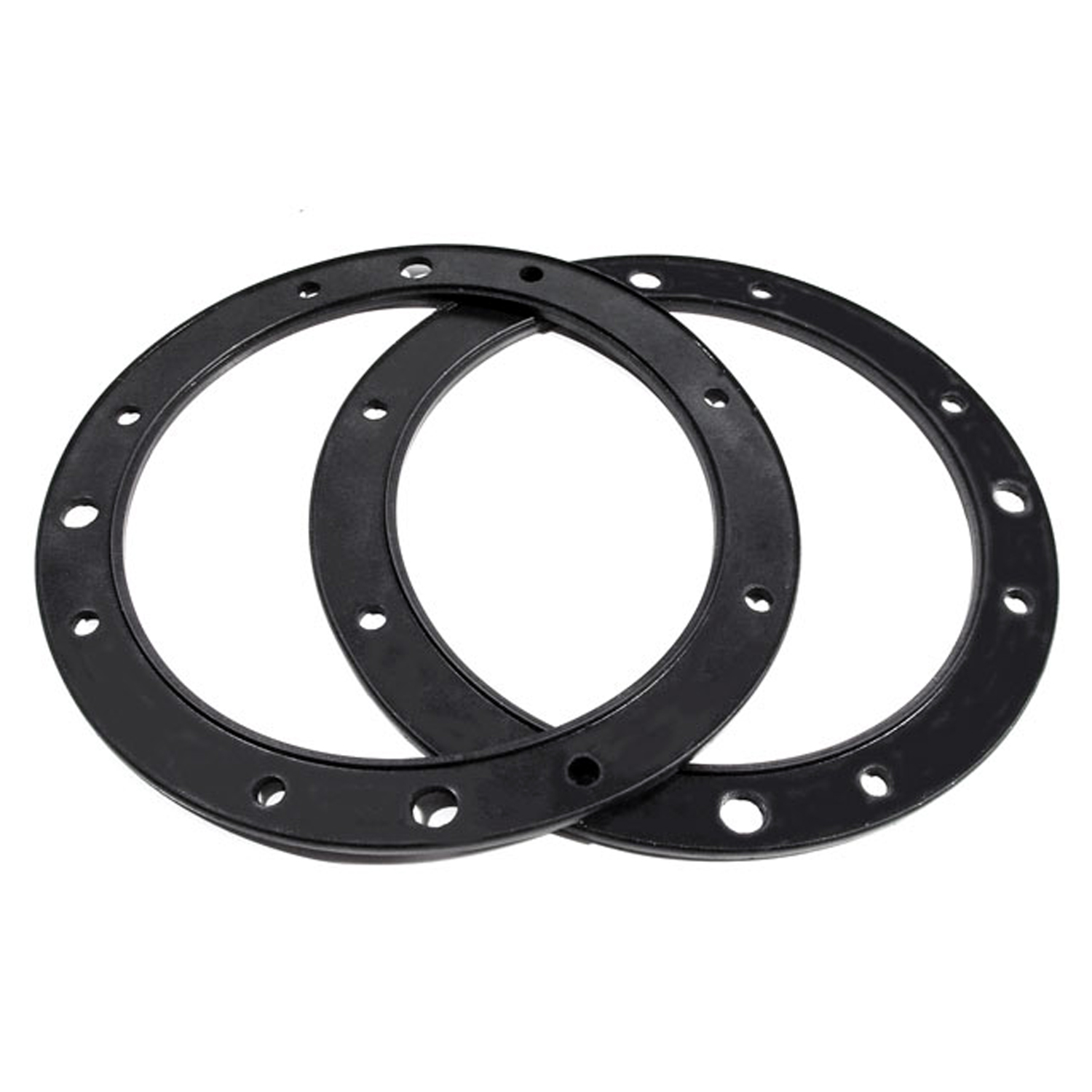 1950 Rolls-Royce Silver Dawn Headlight Ring Seal. 8-1/2" O.D., 6-5/8" I.D. Pair-HR 1Headlight Ring Seal. 8-1/2" O.D., 6-5/8" I.D. Pair
 1950 Rolls-Royce Silver Dawn Heel Pad. Initials "HJM"-RM 16Heel Pad. Initials "HJM". Made of high quality black rubber. 8" X 16". Each
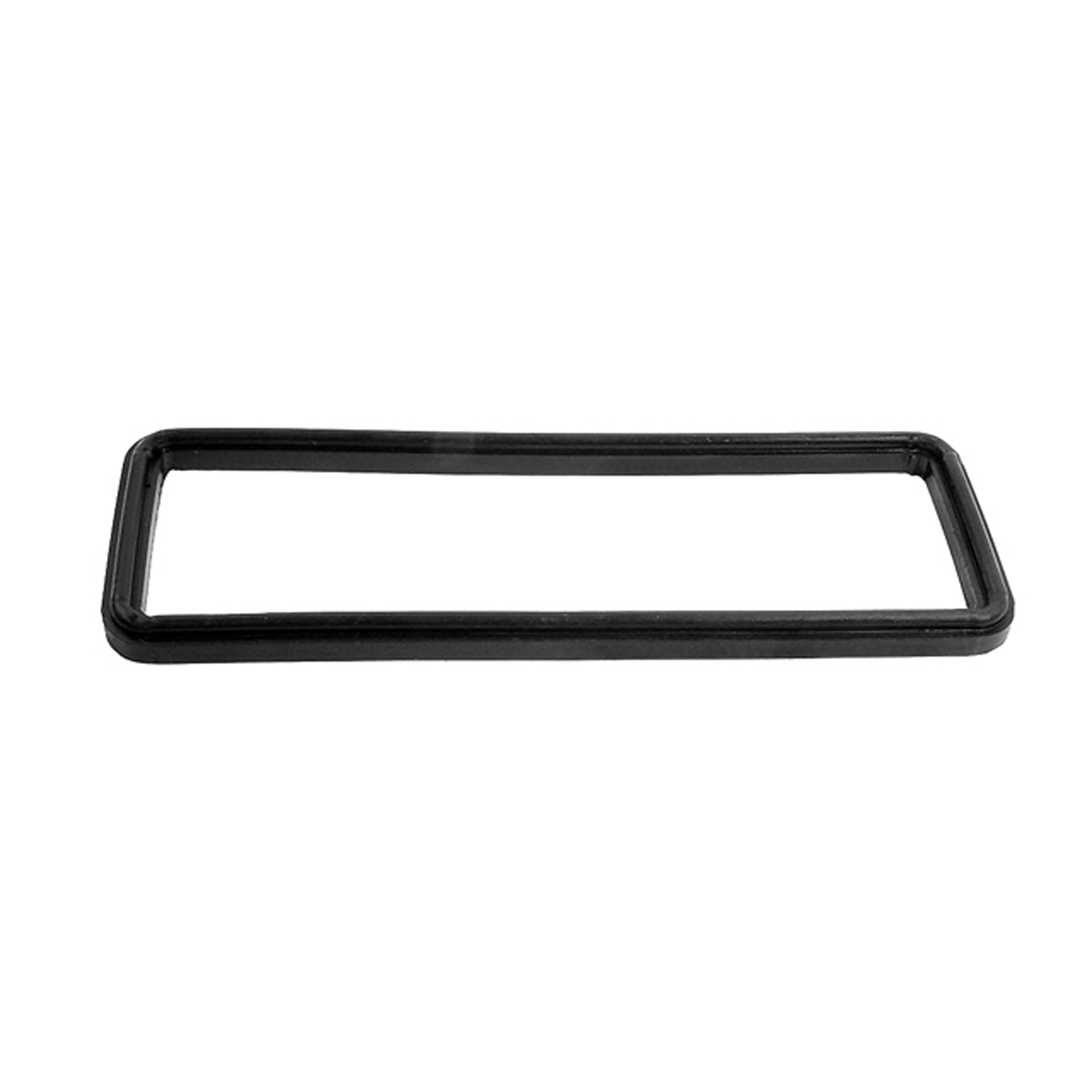 1950 Rolls-Royce Silver Dawn Side Vent Seal. Standard steel saloon-RP 100-FSide Vent Seal. Standard steel saloon. 3" wide X 8-1/2" long. Each
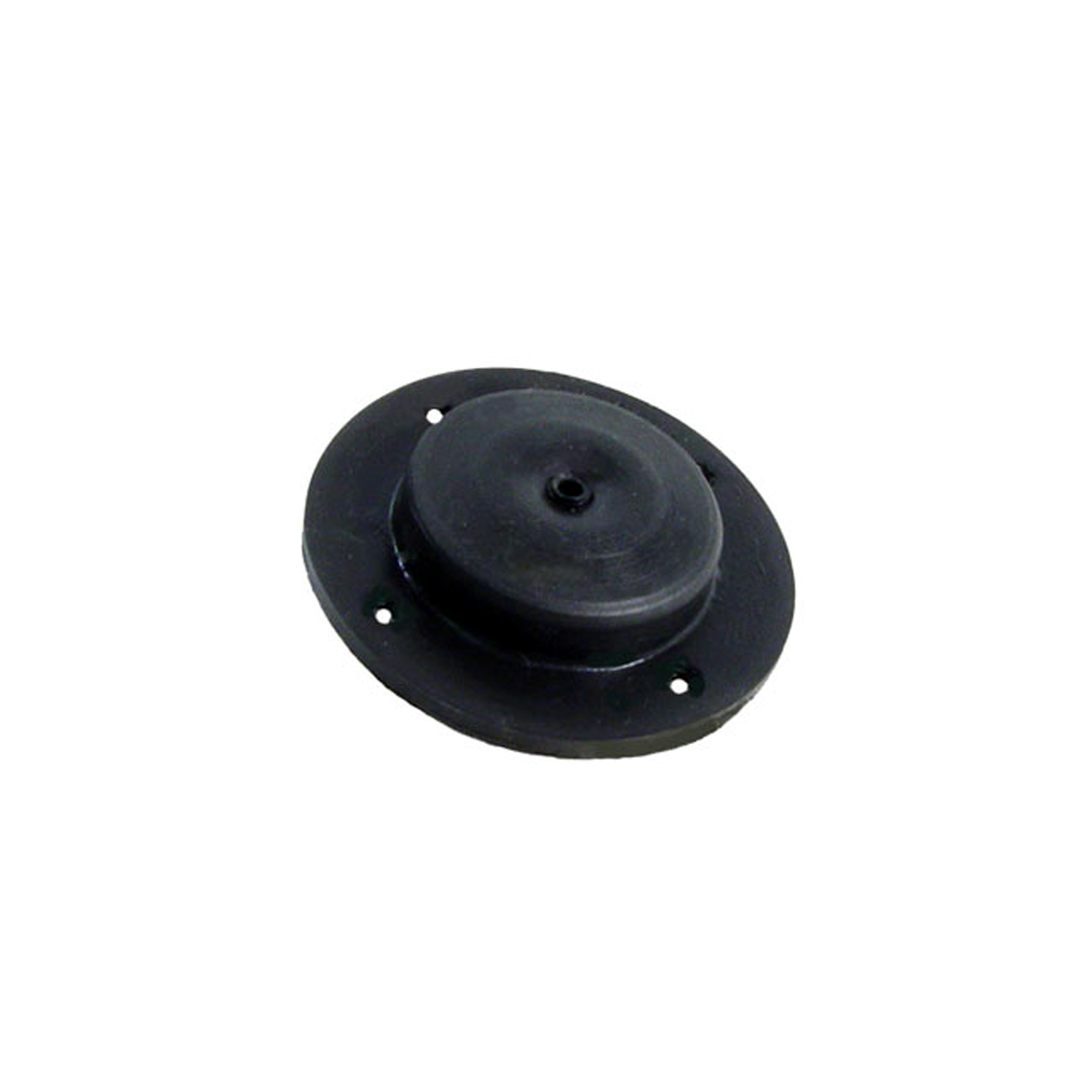 1950 Rolls-Royce Silver Dawn Thermo Tube through Dash Grommet. 2-3/8" O.D. Each-SM 70Thermo Tube through Dash Grommet. 2-3/8" O.D. Each
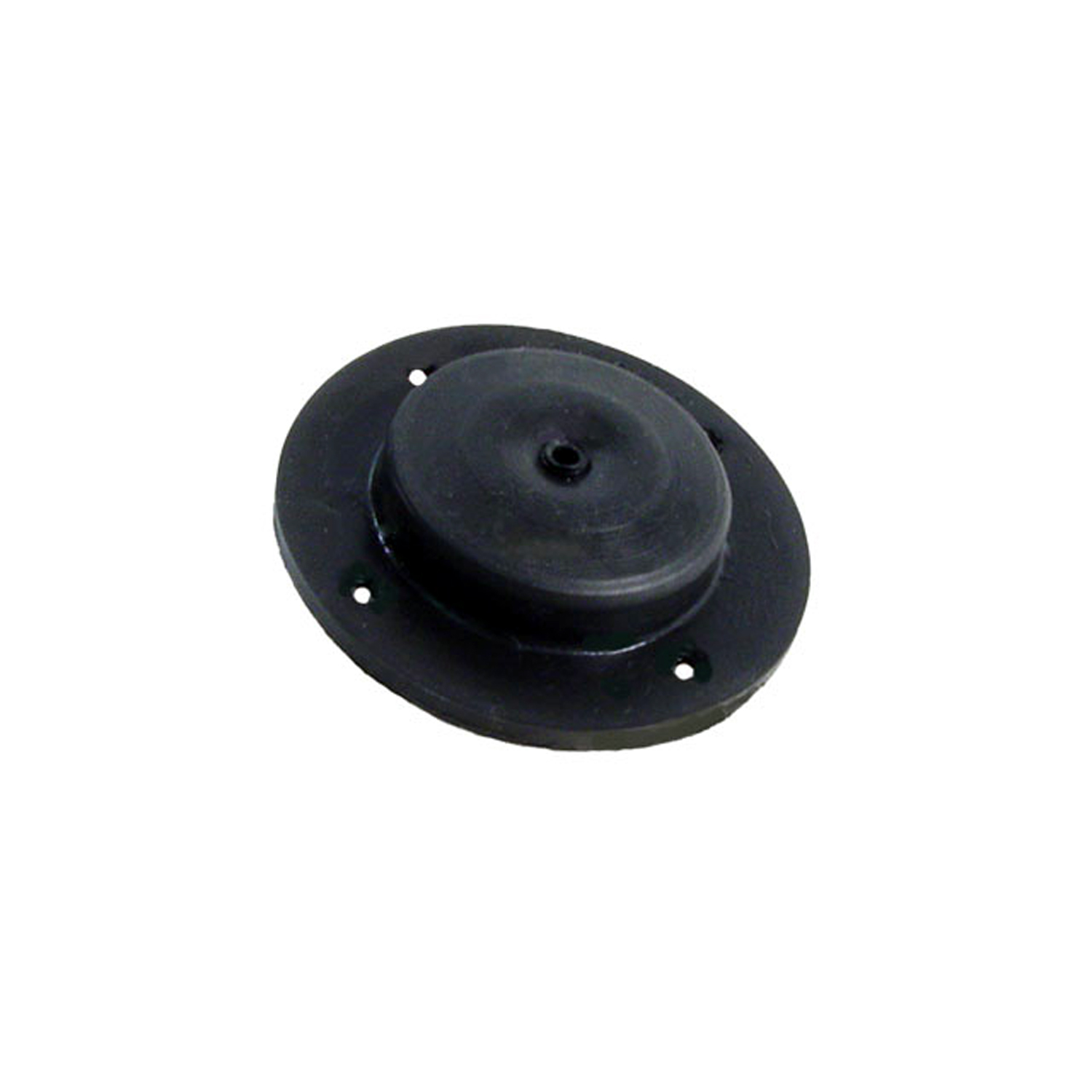 1950 Rolls-Royce Silver Dawn Speedometer Cable through Dash Grommet. 2-3/8" O.D. Each-SM 70-ASpeedometer Cable through Dash Grommet. 2-3/8" O.D. Each
Why Choose Metro?
For over 100 years, Metro Moulded Parts has been the pinnacle of quality in classic car restoration parts. Our commitment to precision and authenticity in every component ensures a perfect fit and an OEM-level appearance.
- Expert Craftsmanship & Quality: Each part is a testament to our dedication to reliability and perfection, crafted from original designs and thoroughly tested.
- Advanced Technology: We use cutting-edge techniques to create flawless, long-lasting parts that surpass others in performance.
- SuperSoft Sponge – The Ultimate Door Seal: Not only are our door seals 30% softer than competitors', but they're also guaranteed to never leak. They effectively reduce wind and road noise, enhancing your classic car's comfort and driving experience.
- Proudly American: Our parts are a product of American craftsmanship, made in the USA with a spirit of excellence and heritage.
- Unrivaled Warranty: We back our products with a 30-year industry-leading warranty, a testament to our confidence in their quality.
Join us in preserving the legacy of classic cars with parts that are crafted for perfection, not just made.