
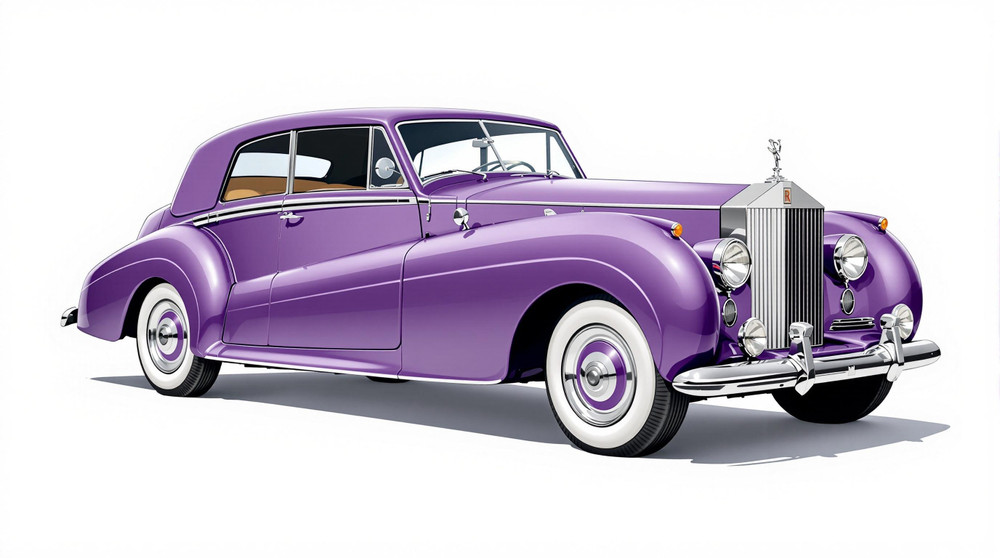
Image of 1950 Rolls-Royce Silver Wraith, Note: These illustrations use artistic license and may differ from actual historical models.
Performance Metrics
Fundamental Metrics
Emotional Appeal
MMP Rating
| Engine Specifications | |
|---|---|
| Engine: | Inline 6 |
| Displacement: | 4.3L - 4.9L |
| Horsepower: | Estimated 125 - 130 HP |
| Torque: | 230 lb-ft |
| Compression Ratio: | Estimated 6.5:1 |
| Ignition System: | Coil ignition |
| Cooling System: | Water-cooled |
| Performance Specifications | |
| 0-60 Time: | Estimated 20 seconds |
| 1/4 Mile Time: | Not available |
| Top Speed: | 100 mph |
| Transmission and Drive | |
| Drive Type: | Rear-wheel drive |
| Transmission Type: | 4-speed manual |
| Fuel and Efficiency | |
| Fuel System Type: | Carburetor |
| MPG: | Estimated 10 - 15 MPG |
| Dimensions and Brakes | |
| Brakes: | Drum brakes |
| Wheelbase: | 133 inches |
| Weight: | Estimated 4,600 lbs |
Note: Specifications for classic cars are given to the best of our ability, considering the limited and variant data available.
1950 Rolls-Royce Silver Wraith: A Coachbuilt Postwar Classic
The 1950 Rolls-Royce Silver Wraith was less a finished car than the beginning of a personal commission: Rolls-Royce supplied the running chassis, and a specialist coachbuilder shaped it into a saloon, limousine, coupé, or other bespoke creation. Built at the company’s Crewe works in England, the Silver Wraith was Rolls-Royce’s first postwar model and a statement that traditional British luxury had survived the disruption of the Second World War.
Its hand-built character makes every example a little different. A notable Silver Wraith is Ireland’s 1947 presidential state car, which has served successive Irish presidents. The model’s long life as a formal and official car reflects its central appeal: it offered dignity, craftsmanship, and the freedom to commission a body tailored to its first owner.
Coachbuilt Styling and Bespoke Interiors
Unlike a modern luxury car with a standard body, a Silver Wraith began as a substantial ladder-frame chassis with its engine, transmission, suspension, and controls. Independent coachbuilders then created the body. The result could range from a restrained four-door saloon to a formal limousine with a high roof, long rear doors, and a chauffeur’s division. Cabriolets, drophead coupés, touring bodies, and landaulets were also produced.
Formal saloons and limousines are among the most recognizable Silver Wraith styles. Coachbuilders such as Hooper, H. J. Mulliner, Park Ward, and James Young gave the model its distinctive variety. Their designs might feature sweeping front wings, a long bonnet, upright radiator grille, and carefully proportioned passenger compartment. The famous Rolls-Royce grille and Spirit of Ecstasy mascot completed the imposing front end.
Paint was generally a matter of customer preference rather than a short, fixed factory palette. Black, dark blue, maroon, deep green, and silver-gray suited the car’s formal character, while cream and two-tone schemes appeared on more individual commissions. Inside, owners could specify fine leather, polished wood veneers, wool carpeting, and carefully finished metal fittings. In a limousine, rear-seat comfort was the priority, with generous legroom and a quiet, private space for passengers.
Engineering for Quiet, Comfortable Travel
The Silver Wraith used a front-mounted straight-six engine, initially displacing about 4.3 litres. Larger versions followed during the model’s production life, including a 4.6-litre engine introduced around 1951. Rolls-Royce did not emphasize a headline horsepower figure. Instead, the engine was engineered to deliver smooth, flexible power with as little noise and vibration as practical.
For 1950, the car’s mechanical specification was sophisticated for a large luxury automobile. It had independent front suspension, a separate chassis, and a four-speed manual gearbox. An automatic transmission became available later in the model’s run. The Silver Wraith also used a servo-assisted braking system, helping a driver manage its considerable weight without excessive pedal effort.
Because the body was supplied by an independent coachbuilder, dimensions and weight varied from one car to another. Buyers could commission a relatively compact saloon or a much longer limousine. That freedom was a defining feature, but it also meant there was no single standard Silver Wraith configuration.
Why the Silver Wraith Mattered
The Silver Wraith helped re-establish Rolls-Royce after the war and kept the British coachbuilding tradition alive at a time when mass production was becoming the industry norm. Its separate chassis allowed coachbuilders to create bodies for individual customers, a level of customization that was already disappearing from mainstream car production.
That approach also set the Silver Wraith apart from many contemporaries. It was not simply a luxury saloon with expensive trim. It was a platform for a commissioned vehicle, shaped around the owner’s needs and taste. The model’s influence is visible in the later prestige market, where long-wheelbase limousines, bespoke interiors, and personalized specifications became familiar ways for luxury manufacturers to distinguish their cars.
Performance and Road Manners
Performance figures depend on engine size, gearing, and coachwork. A 1950 Silver Wraith was generally capable of roughly 80 to 85 mph, while acceleration from 0 to 60 mph took approximately 18 to 20 seconds. Those figures are estimates, not a single factory standard, and a heavy limousine could be slower than a lighter saloon.
The car was designed for measured, unhurried progress rather than rapid acceleration. Its straight-six delivered power smoothly, and the tall gearing helped it settle into an easy cruising rhythm. On rough roads, the suspension favored passenger comfort, softening bumps and broken surfaces. Its size and weight were more apparent on narrow, winding roads, where the driver needed to plan turns and keep momentum under control.
Behind the wheel, the experience is deliberate and engaging. The engine’s subdued six-cylinder note is more a smooth mechanical murmur than a sporty exhaust roar. The ride feels substantial, the steering can be heavy at parking speeds, and the driver works a manual gearbox rather than relying on modern automatic conveniences. In a limousine, the passengers may enjoy the serenity most, but the person driving still has to guide a large, valuable machine with care.
Living with a Silver Wraith
Today, Silver Wraiths are most often found in collections, at classic-car events, or in occasional chauffeur and ceremonial service. They can be driven on suitable roads, but their age, size, and value make them very different from a modern daily driver. A well-maintained example is capable of touring, although regular use requires careful attention to fluids, cooling, brakes, tires, and electrical components.
Maintenance is best handled by a mechanic familiar with prewar and postwar Rolls-Royce engineering. The separate chassis can make some mechanical work more accessible than on a modern integrated-body car, but this is not an easy vehicle for the average owner to repair. Coachbuilt bodywork, interior trim, and scarce components can be expensive to restore. A thorough pre-purchase inspection should include the chassis, engine, gearbox, brakes, suspension, electrical system, and any evidence of past structural repairs.
Silver Wraith Facts and Common Criticisms
Approximately 1,883 Silver Wraith chassis were produced over the model’s full production run, which lasted from 1946 to 1959. That figure covers the entire run, not just 1950, and includes cars with a wide range of body styles and specifications. The model’s low production volume and coachbuilt variations make it uncommon, but condition and provenance matter as much as rarity when assessing an individual car.
The Irish presidential state car is one of the model’s most notable public roles. Other Silver Wraiths served government officials, royal households, and wealthy private owners around the world. The car was not built to set speed records or compete in endurance racing. Its achievement was different: it represented postwar luxury and British craftsmanship at a time when both were being carefully rebuilt.
Common criticisms are practical ones. The Silver Wraith is large, slow by modern standards, and costly to maintain. Its coachbuilt body can make replacement parts and restoration work more complicated, and not every example has the same handling or passenger space. It is also easy to mistake a grand appearance for a guarantee of sound mechanical condition. A beautiful restoration still needs a close inspection underneath.
Collector Values and Market Outlook
Silver Wraith values vary widely according to body style, condition, originality, coachbuilder, and history. As a broad 2026 estimate, a project or driver-quality example might sell for around $40,000 to $100,000. Well-presented, properly maintained cars can fall in the $100,000 to $250,000 range, while exceptional restorations, rare bodies, or cars with significant provenance may exceed $300,000. These are general guide ranges rather than a valuation of any particular car.
Availability is limited, and a buyer may have to wait for the right combination of body style and condition to appear. The market is selective: outstanding, documented cars attract stronger interest, while cars needing major mechanical or coachwork restoration can be difficult to justify financially. Values have generally favored the best examples, but the Silver Wraith is not a guaranteed investment. Restoration costs can outpace the value of a finished car, so ownership makes the most sense when the buyer values the experience as well as the asset.
A Lasting Rolls-Royce Statement
The 1950 Rolls-Royce Silver Wraith brought together quiet engineering, traditional craftsmanship, and a level of personalization that few cars could match. Its coachbuilt bodies make the model a rolling record of postwar British design, while its role in official and ceremonial service gives it a place beyond the collector garage.
More than a luxury car, the Silver Wraith was a commission on wheels. Each example tells a slightly different story, and that is precisely why this stately Rolls-Royce remains so compelling.
1950 Rolls-Royce Silver Wraith Catalog of Parts
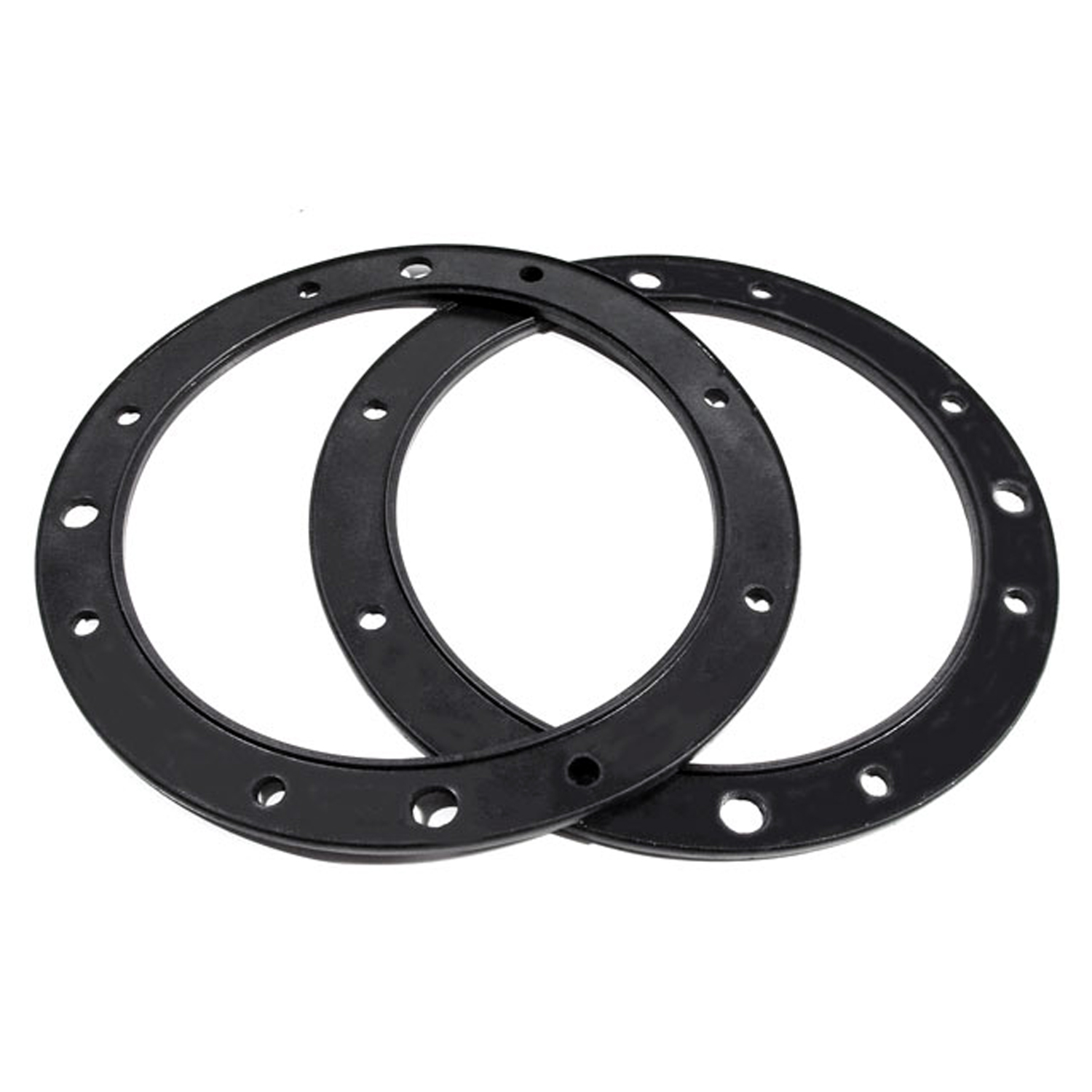 1950 Rolls-Royce Silver Wraith Headlight Ring Seal. 8-1/2" O.D., 6-5/8" I.D. Pair-HR 1Headlight Ring Seal. 8-1/2" O.D., 6-5/8" I.D. Pair
 1950 Rolls-Royce Silver Wraith Heel Pad. Initials "HJM"-RM 16Heel Pad. Initials "HJM". Made of high quality black rubber. 8" X 16". Each
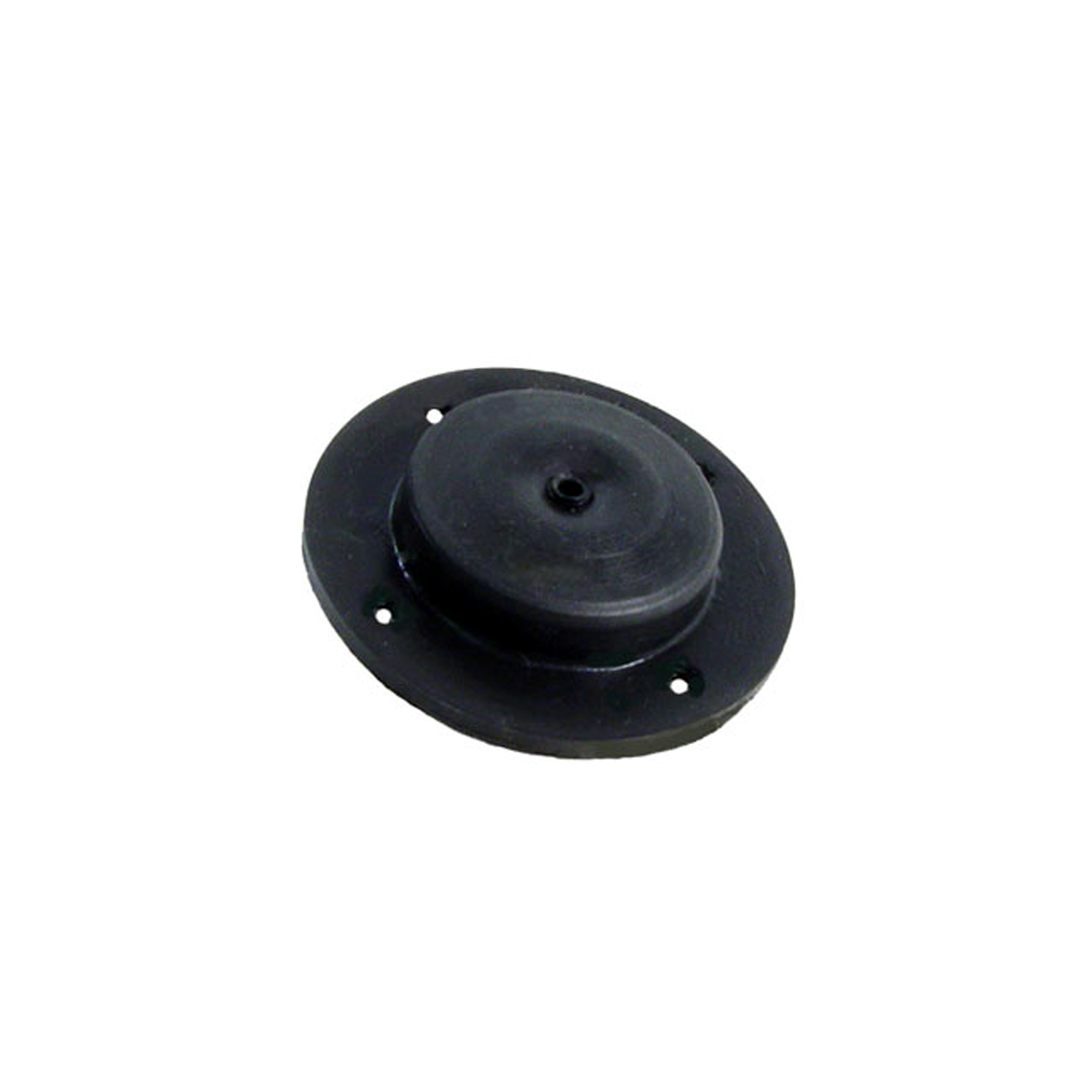 1950 Rolls-Royce Silver Wraith Thermo Tube through Dash Grommet. 2-3/8" O.D. Each-SM 70Thermo Tube through Dash Grommet. 2-3/8" O.D. Each
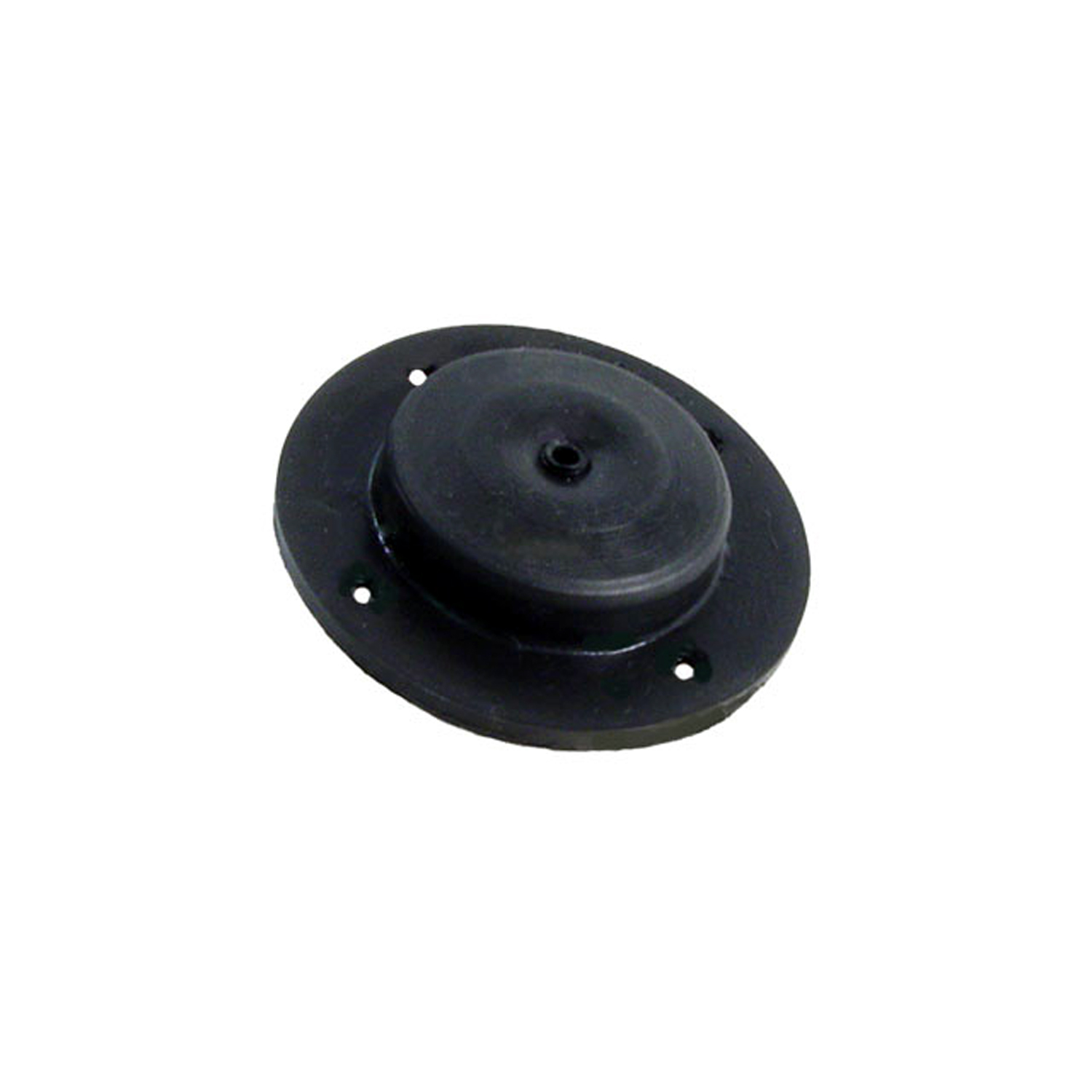 1950 Rolls-Royce Silver Wraith Speedometer Cable through Dash Grommet. 2-3/8" O.D. Each-SM 70-ASpeedometer Cable through Dash Grommet. 2-3/8" O.D. Each
Why Choose Metro?
For over 100 years, Metro Moulded Parts has been the pinnacle of quality in classic car restoration parts. Our commitment to precision and authenticity in every component ensures a perfect fit and an OEM-level appearance.
- Expert Craftsmanship & Quality: Each part is a testament to our dedication to reliability and perfection, crafted from original designs and thoroughly tested.
- Advanced Technology: We use cutting-edge techniques to create flawless, long-lasting parts that surpass others in performance.
- SuperSoft Sponge – The Ultimate Door Seal: Not only are our door seals 30% softer than competitors', but they're also guaranteed to never leak. They effectively reduce wind and road noise, enhancing your classic car's comfort and driving experience.
- Proudly American: Our parts are a product of American craftsmanship, made in the USA with a spirit of excellence and heritage.
- Unrivaled Warranty: We back our products with a 30-year industry-leading warranty, a testament to our confidence in their quality.
Join us in preserving the legacy of classic cars with parts that are crafted for perfection, not just made.