
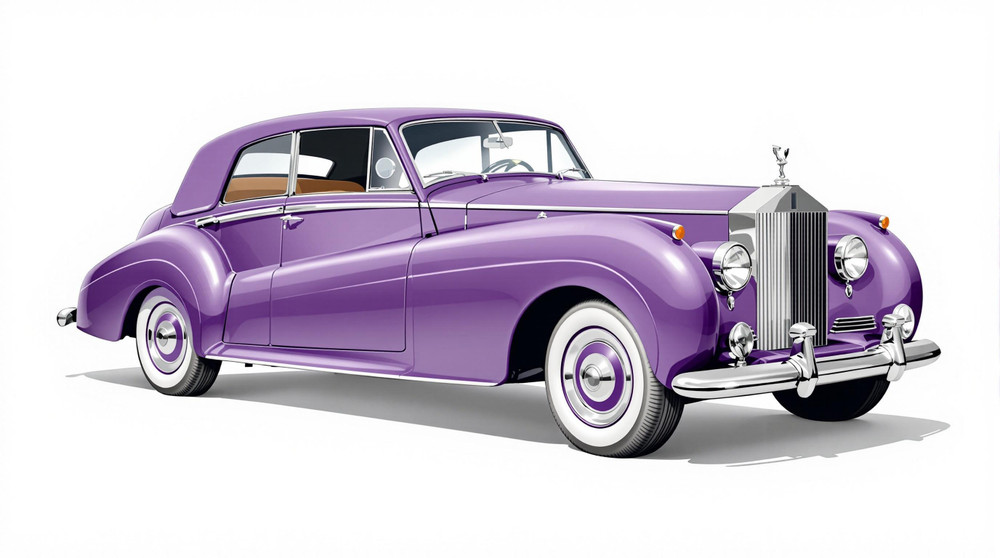
Image of 1951 Rolls-Royce Silver Dawn, Note: These illustrations use artistic license and may differ from actual historical models.
Performance Metrics
Fundamental Metrics
Emotional Appeal
MMP Rating
| Engine Specifications | |
|---|---|
| Engine: | Inline 6 |
| Displacement: | 4.6L |
| Horsepower: | Estimated 130-150 HP |
| Torque: | 230 lb-ft |
| Compression Ratio: | Estimated 6.5:1 |
| Ignition System: | Coil Ignition |
| Cooling System: | Water-cooled |
| Performance Specifications | |
| 0-60 Time: | Estimated 15 seconds |
| 1/4 Mile Time: | Not available |
| Top Speed: | 100 mph |
| Transmission and Drive | |
| Drive Type: | Rear Wheel Drive |
| Transmission Type: | 4-speed manual |
| Fuel and Efficiency | |
| Fuel System Type: | Carburetor |
| MPG: | Estimated 10-15 MPG |
| Dimensions and Brakes | |
| Brakes: | Drum brakes |
| Wheelbase: | 120 inches |
| Weight: | Estimated 4200 lbs |
Note: Specifications for classic cars are given to the best of our ability, considering the limited and variant data available.
1951 Rolls-Royce Silver Dawn: A Postwar Classic Comes of Age
The 1951 Rolls-Royce Silver Dawn paired the marque’s unmistakable presence with a practical innovation: a factory-built steel saloon body. Built by Rolls-Royce at Crewe in England, it shared much of its engineering with the Bentley Mk VI, but distinctive Rolls-Royce details gave it a character all its own. One intriguing detail is that early Silver Dawns were aimed chiefly at export buyers, making the model an uncommon sight on British roads when it was new.
The Silver Dawn arrived in 1949, during a period when British manufacturers were rebuilding production after the Second World War. For Rolls-Royce, it represented a move toward a more standardized, higher-volume car without abandoning the craftsmanship and refinement expected of the name. The 1951 model sits within the early production years, before the Silver Dawn became more widely available to British customers.
Silver Dawn Styling and Coachbuilt Options
The standard saloon has dignified, restrained proportions: a tall, upright grille, long bonnet, rounded front wings, and a gently curving roof that flows into a formal rear end. The grille and Spirit of Ecstasy mascot provide the unmistakable Rolls-Royce face, while the clean, almost architectural bodywork reflects the sober elegance of early-1950s design. It is imposing without relying on excessive chrome or decoration.
Inside, the Silver Dawn feels more like a carefully furnished room than a conventional car cabin. Depending on specification and subsequent restoration, owners could find polished wood veneer across the dashboard and door cappings, leather upholstery, wool carpets, and substantial switchgear. Materials and trim could vary, particularly on coachbuilt cars, but the emphasis was on durable quality and a quiet, comfortable environment rather than fashionable gadgets.
Most Silver Dawns wore the factory-built steel saloon body produced by Pressed Steel. That made the car more standardized than a traditional coachbuilt Rolls-Royce, though it still sat on a separate chassis. Buyers could also commission coachbuilt bodies from firms including H.J. Mulliner, Park Ward, James Young, Hooper, and Freestone & Webb. These special bodies are rarer and can differ markedly in roofline, seating layout, and exterior details. The standard saloon is the model’s best-known and most representative form.
Paint was a matter of specification rather than a short, fixed list of signature colors. Silver Dawn buyers could choose sober formal shades, two-tone combinations, or more individual coachbuilt finishes. Black, dark blue, grey, and maroon suited the model’s understated character, while custom colors gave owners a chance to make a bespoke car more personal. Original paint records, when available, can be valuable to restorers seeking authenticity.
Engineering and Historical Importance
The Silver Dawn’s most important innovation was not a dramatic new styling flourish. It was the availability of a factory-built steel body on a Rolls-Royce. Before this, Rolls-Royce buyers generally purchased a rolling chassis and commissioned a coachbuilder to create the body. The standard saloon offered a more straightforward route to ownership while retaining the marque’s established standards of finish. It also helped establish the more integrated model-building approach that became increasingly important in the postwar luxury-car market.
Under the bonnet is a 4,257cc straight-six engine with Rolls-Royce’s F-head arrangement: overhead inlet valves and side exhaust valves. It was designed to deliver smooth, flexible power rather than a high-revving sporting character. Rolls-Royce traditionally did not publish an official horsepower figure, but period and later estimates commonly put output in the neighborhood of 130 horsepower. A four-speed manual gearbox was typical for a 1951 car, with a column-mounted gear change. Automatic transmission became available on later Silver Dawns, depending on year and market.
The chassis uses independent front suspension with coil springs and a live rear axle supported by semi-elliptic leaf springs. Braking arrangements can be described as a period Rolls-Royce hybrid system, with hydraulic operation at the front and mechanical operation at the rear. Details can vary by specification and later modifications, so a prospective buyer should check the individual car rather than assume every example remains exactly as built.
1951 Silver Dawn Performance and Road Manners
Performance figures vary with body style, gearing, mechanical condition, and the testing method used. A sound standard saloon is generally credited with a top speed around 90 to 95 mph, while 0 to 60 mph takes roughly 15 to 17 seconds. Those numbers were respectable for a heavy luxury car of the period, but the Silver Dawn was never intended to be a sports saloon. Its strength is the way it gathers speed smoothly and quietly.
On a well-maintained road, the car feels composed and substantial. The suspension takes the sting out of rough surfaces, though modern drivers should not expect the controlled body movement of a contemporary luxury sedan. On winding roads, its size, weight, and relatively slow steering reward an unhurried pace. It is best driven with anticipation, using the engine’s broad torque rather than rushing between gears.
Behind the wheel, the straight-six is heard more as a subdued mechanical murmur than a sharp exhaust note. The steering and controls have a weighty, traditional feel, and the high driving position gives a clear view over the long bonnet. The result is an experience built around smooth progress and quiet confidence, not speed or sharp cornering.
Owning and Maintaining a Silver Dawn
Today, the Silver Dawn is most often used for touring, club events, weddings, and concours displays. Some owners drive their cars regularly, but it is not an ideal daily driver for someone expecting modern convenience, fuel economy, or effortless parts-store repairs. Its age, large dimensions, and period systems call for sympathetic use and regular attention.
Maintenance is manageable for a specialist or a knowledgeable owner, but this is a complex luxury car, not a simple do-it-yourself project. Mechanical parts may be shared with related Rolls-Royce and Bentley models, which can help with sourcing, but coachbuilt body panels, trim, and particular fittings may be costly or difficult to find. Before buying, inspect the chassis and body for corrosion, check the engine’s oil pressure and cooling system, test the gearbox and brakes, and review the quality of any restoration. A car with documented specialist care is often a better prospect than a superficially shiny example with hidden mechanical needs.
Silver Dawn Facts and Common Criticisms
The Silver Dawn was produced from 1949 to 1955, and total production is commonly given as approximately 760 cars. Exact counts can vary in published references, especially when body variations and chassis records are categorized differently. The relatively small production run, combined with coachbuilt variations, makes the model a distinctive find today.
Early Silver Dawns were primarily export-market cars, and the model did not become broadly available to British domestic buyers until later in its run. The connection to the Bentley Mk VI is another notable piece of trivia: the two share important engineering and body foundations, yet the Rolls-Royce’s grille, mascot, trim, and presentation give it a separate identity. The Silver Dawn is not especially known for setting a speed or endurance record, nor is it defined by a single celebrity owner. Its historical importance is quieter: it helped bring a factory-bodied Rolls-Royce into the postwar market.
Common criticisms are familiar to owners of many early luxury cars. The Silver Dawn is heavy, thirsty by modern standards, and not especially quick. Its steering and braking feel dated, and repair bills can rise quickly if the car has deferred maintenance. Some enthusiasts also see the shared Bentley underpinnings as less exclusive than a bespoke chassis and body. For others, that engineering relationship is part of the appeal: it combines Rolls-Royce finish with a proven postwar platform.
1951 Rolls-Royce Silver Dawn Values and Rarity
Silver Dawns are scarce compared with mass-produced classics, but they do appear on the collector market. As a broad 2025–26 guide, a project or heavily worn example might be offered around US$25,000 to US$50,000. A usable, well-maintained standard saloon may fall roughly in the US$50,000 to US$110,000 range, while an exceptional restoration or a desirable coachbuilt car can reach US$120,000 to US$200,000 or more. These are general estimates, not a live appraisal: provenance, originality, body style, restoration quality, and local market conditions all make a substantial difference.
Values tend to reward condition and history more than the year alone. Well-restored, documented cars remain attractive to collectors, while neglected examples can be expensive to bring back to standard. The model’s appeal is supported by its Rolls-Royce identity and limited production, though its size, maintenance demands, and relatively understated profile can limit the pool of buyers compared with more famous classics.
Why the Silver Dawn Still Matters
The 1951 Rolls-Royce Silver Dawn occupies an important place between traditional coachbuilt luxury and the more standardized postwar motor car. Its stately steel-saloon styling, carefully finished cabin, smooth straight-six, and limited production make it a rewarding classic for an owner who values refinement over outright performance. More than seven decades on, it remains a reminder that progress in luxury motoring is not always loud or dramatic. Sometimes it arrives as a quieter, more practical way to build a Rolls-Royce.
1951 Rolls-Royce Silver Dawn Catalog of Parts
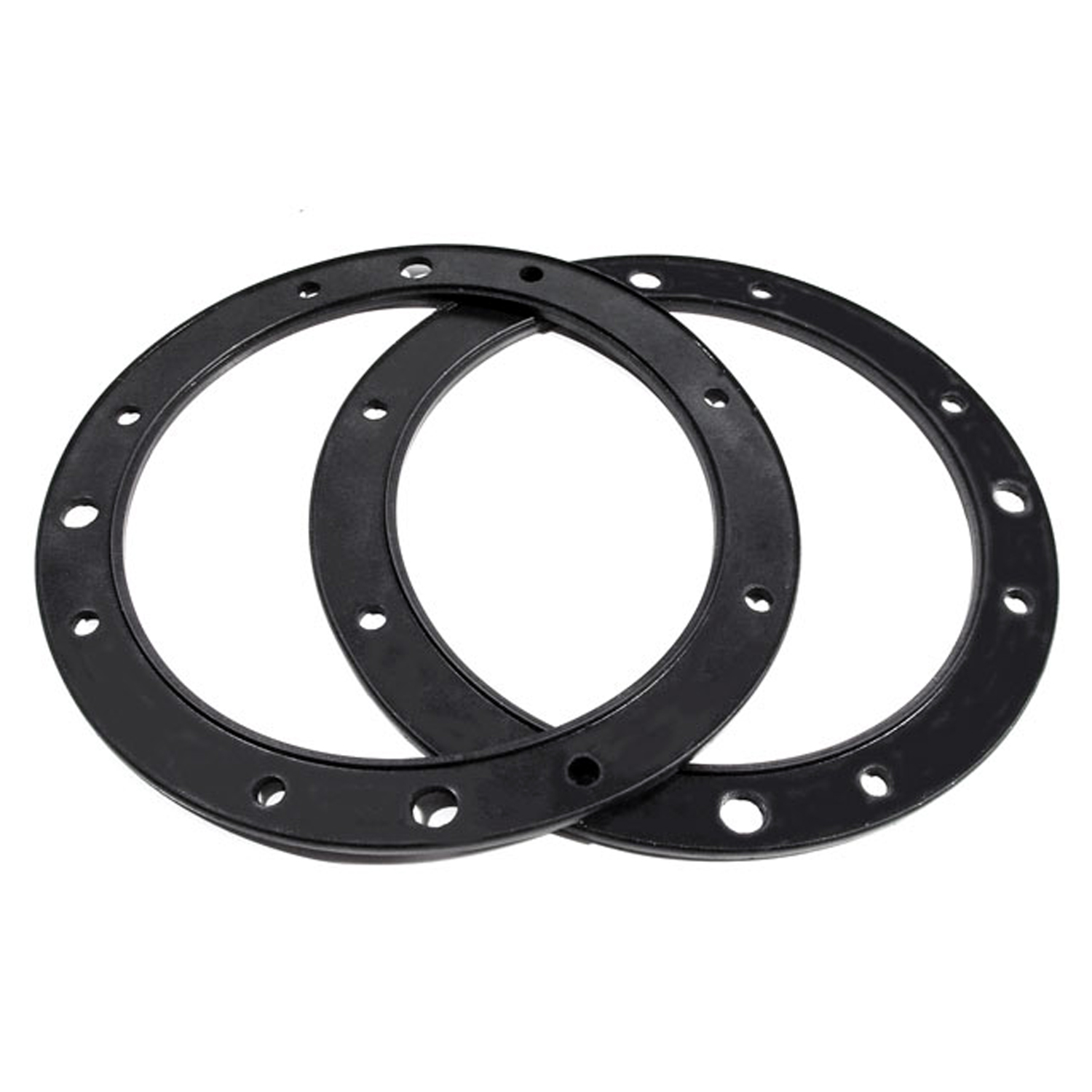 1951 Rolls-Royce Silver Dawn Headlight Ring Seal. 8-1/2" O.D., 6-5/8" I.D. Pair-HR 1Headlight Ring Seal. 8-1/2" O.D., 6-5/8" I.D. Pair
 1951 Rolls-Royce Silver Dawn Heel Pad. Initials "HJM"-RM 16Heel Pad. Initials "HJM". Made of high quality black rubber. 8" X 16". Each
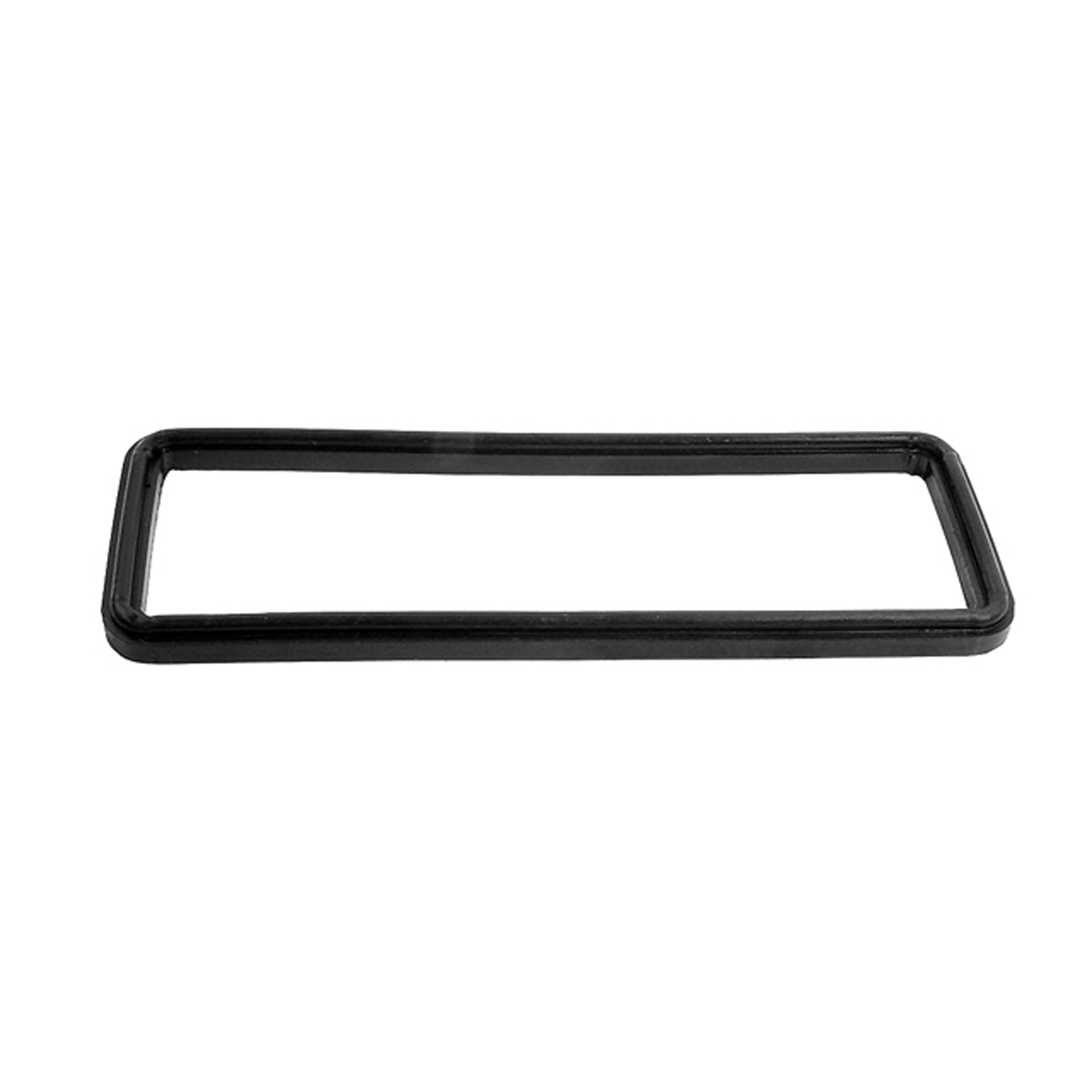 1951 Rolls-Royce Silver Dawn Side Vent Seal. Standard steel saloon-RP 100-FSide Vent Seal. Standard steel saloon. 3" wide X 8-1/2" long. Each
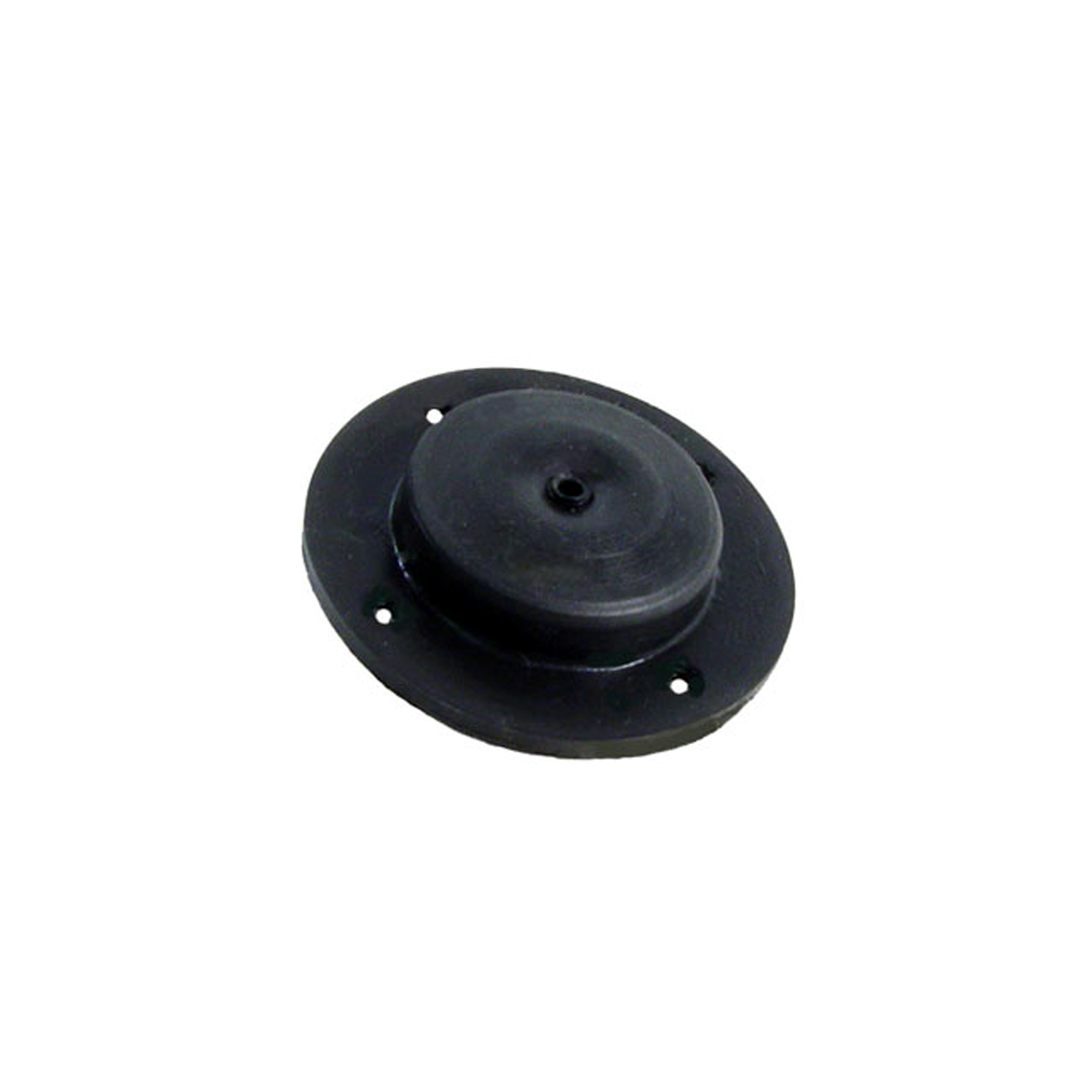 1951 Rolls-Royce Silver Dawn Thermo Tube through Dash Grommet. 2-3/8" O.D. Each-SM 70Thermo Tube through Dash Grommet. 2-3/8" O.D. Each
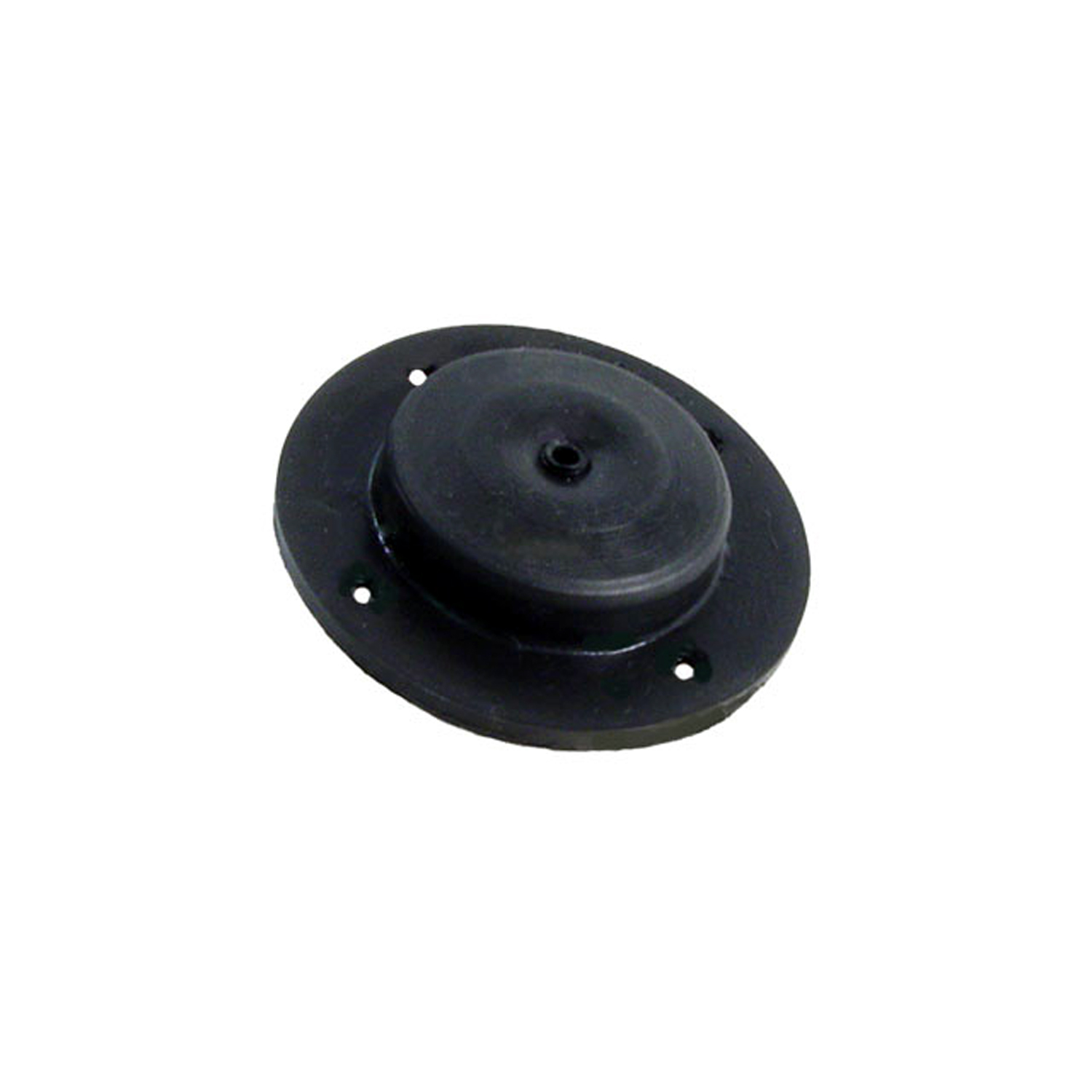 1951 Rolls-Royce Silver Dawn Speedometer Cable through Dash Grommet. 2-3/8" O.D. Each-SM 70-ASpeedometer Cable through Dash Grommet. 2-3/8" O.D. Each
Why Choose Metro?
For over 100 years, Metro Moulded Parts has been the pinnacle of quality in classic car restoration parts. Our commitment to precision and authenticity in every component ensures a perfect fit and an OEM-level appearance.
- Expert Craftsmanship & Quality: Each part is a testament to our dedication to reliability and perfection, crafted from original designs and thoroughly tested.
- Advanced Technology: We use cutting-edge techniques to create flawless, long-lasting parts that surpass others in performance.
- SuperSoft Sponge – The Ultimate Door Seal: Not only are our door seals 30% softer than competitors', but they're also guaranteed to never leak. They effectively reduce wind and road noise, enhancing your classic car's comfort and driving experience.
- Proudly American: Our parts are a product of American craftsmanship, made in the USA with a spirit of excellence and heritage.
- Unrivaled Warranty: We back our products with a 30-year industry-leading warranty, a testament to our confidence in their quality.
Join us in preserving the legacy of classic cars with parts that are crafted for perfection, not just made.