
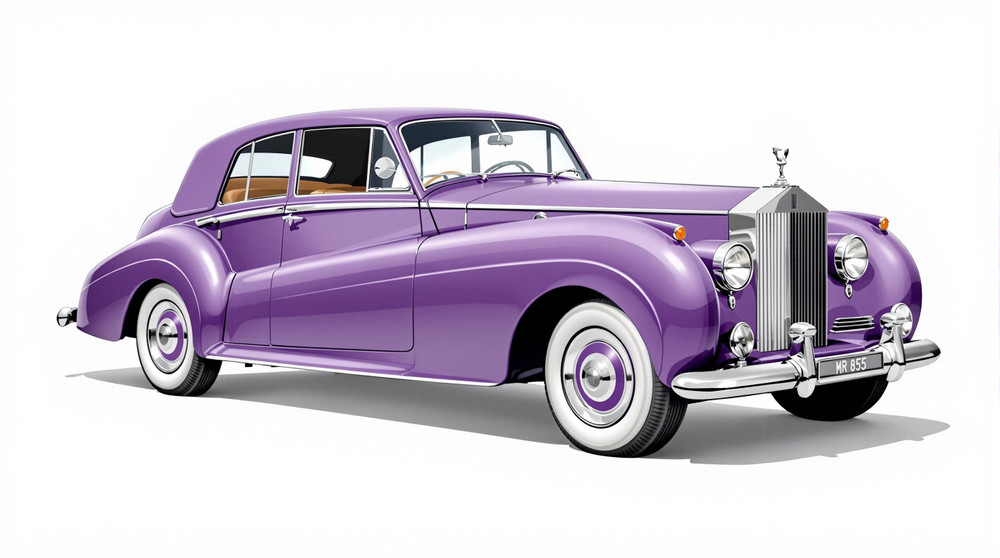
Image of 1952 Rolls-Royce Silver Dawn, Note: These illustrations use artistic license and may differ from actual historical models.
Performance Metrics
Fundamental Metrics
Emotional Appeal
MMP Rating
| Engine Specifications | |
|---|---|
| Engine: | Inline 6 |
| Displacement: | 4.6L |
| Horsepower: | Estimated 130-150 HP |
| Torque: | 220-240 lb-ft |
| Compression Ratio: | Estimated 6.5:1 |
| Ignition System: | Distributor and coil |
| Cooling System: | Water-cooled |
| Performance Specifications | |
| 0-60 Time: | Estimated 15-20 seconds |
| 1/4 Mile Time: | Not available |
| Top Speed: | 100 mph |
| Transmission and Drive | |
| Drive Type: | Rear-wheel drive |
| Transmission Type: | 4-speed manual |
| Fuel and Efficiency | |
| Fuel System Type: | Carburetor |
| MPG: | Estimated 10-15 mpg |
| Dimensions and Brakes | |
| Brakes: | Drum brakes |
| Wheelbase: | 120 inches |
| Weight: | Estimated 4000 lbs |
Note: Specifications for classic cars are given to the best of our ability, considering the limited and variant data available.
1952 Rolls-Royce Silver Dawn: A Quietly Important Classic
The 1952 Rolls-Royce Silver Dawn paired the marque’s traditional craftsmanship with a more standardized, modern approach to building luxury cars. Produced by Rolls-Royce at its Crewe factory in England, it offered the familiar presence of a hand-finished motor car while sharing much of its basic body construction with the Bentley Mark VI and R-Type.
The Silver Dawn arrived in 1949 during Britain’s postwar recovery, when materials and manufacturing capacity were still constrained. It was initially aimed primarily at export markets, with sales to British buyers following in 1953. One intriguing detail is that a 1952 Silver Dawn could be ordered with an automatic transmission, an unusual convenience in a British luxury car of the period. Like many features on these cars, exact equipment depended on the individual build and market.
Silver Dawn Styling and Coachbuilt Details
The Silver Dawn has a formal, upright silhouette: a tall radiator grille, long bonnet, gently rounded front wings and a dignified cabin set well back from the nose. The Spirit of Ecstasy mascot and polished grille give it unmistakable Rolls-Royce character, while its overall proportions are more restrained than those of some grand, coachbuilt prewar cars. The standard body is a four-door saloon, with a generous boot and broad doors that make entry and exit easy.
Most Silver Dawns wore a factory-built steel saloon body made by Pressed Steel. Its shared foundations with the Bentley Mark VI and R-Type were a practical postwar decision, but Rolls-Royce gave the car its own identity through the grille, trim, badges and detailing. A small number received special coachbuilt bodies from firms such as H.J. Mulliner, Park Ward or James Young. These individually styled cars are especially distinctive, though they are far less common than the standard saloon.
Paintwork was ordered to suit the buyer rather than limited to a short modern-style palette. Black, dark blue, maroon and other deep colors suited the car’s formal character, while two-tone schemes could emphasize the sweeping wings and window line. Many surviving examples have been repainted, so original color documentation can add real interest to a collector’s inspection.
Inside, the Silver Dawn was built for long-distance comfort. Buyers could expect generous leather seating, polished wood veneers, wool carpeting and carefully finished metal fittings. The cabin’s appeal is in its workmanship and calm atmosphere rather than gadgets or visual flash. Equipment and trim varied, particularly on coachbuilt cars, where owners could specify additional details to their taste.
Postwar Engineering with a Rolls-Royce Touch
The Silver Dawn’s importance lies partly in how it adapted Rolls-Royce standards to postwar production. Its standardized steel body made the model more repeatable to build than a car requiring a completely bespoke coachbuilt body, while preserving the marque’s emphasis on refinement and finish. The approach also connected Rolls-Royce and Bentley more closely in their shared production environment, without making the two cars identical in character.
Under the bonnet is a straight-six engine of approximately 4.6 litres in 1952 specification. It uses an inlet-over-exhaust valve layout, often called an F-head arrangement. Rolls-Royce was famously reluctant to promote a headline horsepower figure, preferring to describe the engine’s output as “adequate.” Period and later estimates commonly put it in the region of 150 to 155 horsepower, but figures can vary with specification and source.
A four-speed manual gearbox was standard on many cars. An automatic gearbox became available during the model’s production life, making some later Silver Dawns particularly easy to drive in traffic. The car also had independent front suspension and servo-assisted drum brakes, technologies intended to make a substantial luxury saloon more composed and manageable. By modern standards, however, it lacks electronic driver aids, disc brakes and the convenience features expected in a contemporary car.
Performance and the Driving Experience
Performance figures should be treated as period-style estimates rather than guaranteed results for every surviving car. A healthy Silver Dawn can reach roughly 90 to 95 mph, with 0 to 60 mph taking around 15 to 17 seconds. Its mission was not rapid acceleration. The engine delivers its power smoothly, and the gearbox encourages a measured driving style rather than hurried shifts.
On the road, the Silver Dawn feels substantial and deliberate. Its suspension takes the edge off ordinary bumps, giving the car a comfortable long-distance ride, while its size and weight are always present on narrow roads or in tight parking spaces. On winding routes, it rewards steady steering inputs and careful anticipation. Low-speed steering can demand more effort than a modern driver may expect, and the drum brakes call for sensible following distances.
The engine is best heard as a subdued mechanical murmur rather than a sporty bark. From the driver’s seat, the experience is defined by the smooth six-cylinder motor, the quiet cabin and the stately view over the long bonnet. A well-maintained example should feel composed, not effortless in every situation: the driver still has to work with the car’s weight, period controls and leisurely pace.
Owning and Maintaining a 1952 Silver Dawn
Today, the Silver Dawn is most often used as a show car, touring car or special-occasion classic. Some owners drive their cars regularly, but it is not an ideal modern daily driver for someone who needs dependable, low-cost transport in all weather. Its size, age, fuel consumption and lack of modern safety equipment are practical considerations.
Reliability depends heavily on condition and maintenance history. A sound engine and gearbox can provide satisfying service, but neglected cooling systems, worn suspension, tired brakes and aging electrical components can turn a bargain purchase into a costly restoration. The steel body should be checked carefully for corrosion, especially around structural areas and lower panels. Coachbuilt examples may also need specialist attention to their body construction and trim.
Routine servicing is not especially mysterious, but this is not a car that most owners should approach as a simple do-it-yourself project. Access to a Rolls-Royce specialist, accurate service records and a proper pre-purchase inspection are valuable. Parts and expertise remain available through the classic-car trade, though specialist labor and restoration-quality materials can be expensive. The best ownership advice is simple: buy condition and provenance, not just a low asking price.
Silver Dawn Facts and Common Criticisms
Rolls-Royce built approximately 760 Silver Dawns between 1949 and 1955, making the model uncommon today. The 1952 cars sit within the early part of that production run, when the Silver Dawn was still primarily an export-oriented model. Its shared body lineage with the Bentley Mark VI and R-Type is one of its most useful pieces of trivia: beneath the different badges and front-end styling, the cars were close relatives.
The Silver Dawn is not known for holding a major speed or endurance record, and its significance is more about design and production than competition. It represents Rolls-Royce’s transition into a postwar era of more standardized bodies and broader international sales. Its period use was the work of private owners and formal transport, rather than racing or mass public service.
Common criticisms are tied to its age and purpose. It is heavy, relatively slow by modern standards and can be demanding to maneuver. Steel-body corrosion, restoration costs and the need for specialist care are further concerns. Those drawbacks are balanced by its imposing presence, fine cabin materials and unusually smooth, unhurried character.
Collector Value and Market Outlook
Values vary widely according to originality, mechanical condition, restoration quality, history and body style. As a broad current-market estimate, a project or substantially worn standard saloon might fall around $25,000 to $45,000 USD. A presentable, usable car may bring roughly $50,000 to $90,000, while a carefully restored example can reach $100,000 to $150,000 or more. Rare coachbuilt cars may command higher prices, but their value depends greatly on the maker, quality and documentation.
With only about 760 Silver Dawns produced in total, examples do not appear on the market in large numbers. They are available often enough for patient buyers to compare cars, but finding one with excellent history and sound, largely original condition can take time. Prices are not guaranteed to rise: the market is selective, and restoration costs can exceed the increase in resale value. The strongest cars tend to hold attention, while average examples can be sensitive to broader classic-car market shifts.
Why the 1952 Silver Dawn Still Matters
The 1952 Rolls-Royce Silver Dawn brought together a refined six-cylinder engine, a carefully finished cabin and a practical postwar steel body. It was neither a sporting car nor a technological showpiece. Its achievement was quieter: making traditional Rolls-Royce luxury fit a changing era of production and international motoring.
More than seven decades later, the Silver Dawn remains a distinctive way to experience that transition. Its long bonnet, calm mechanical character and dignified presence make it memorable on the road, while its limited production gives it genuine collector appeal. It is a Rolls-Royce built not to hurry, but to make every mile feel considered.
1952 Rolls-Royce Silver Dawn Catalog of Parts
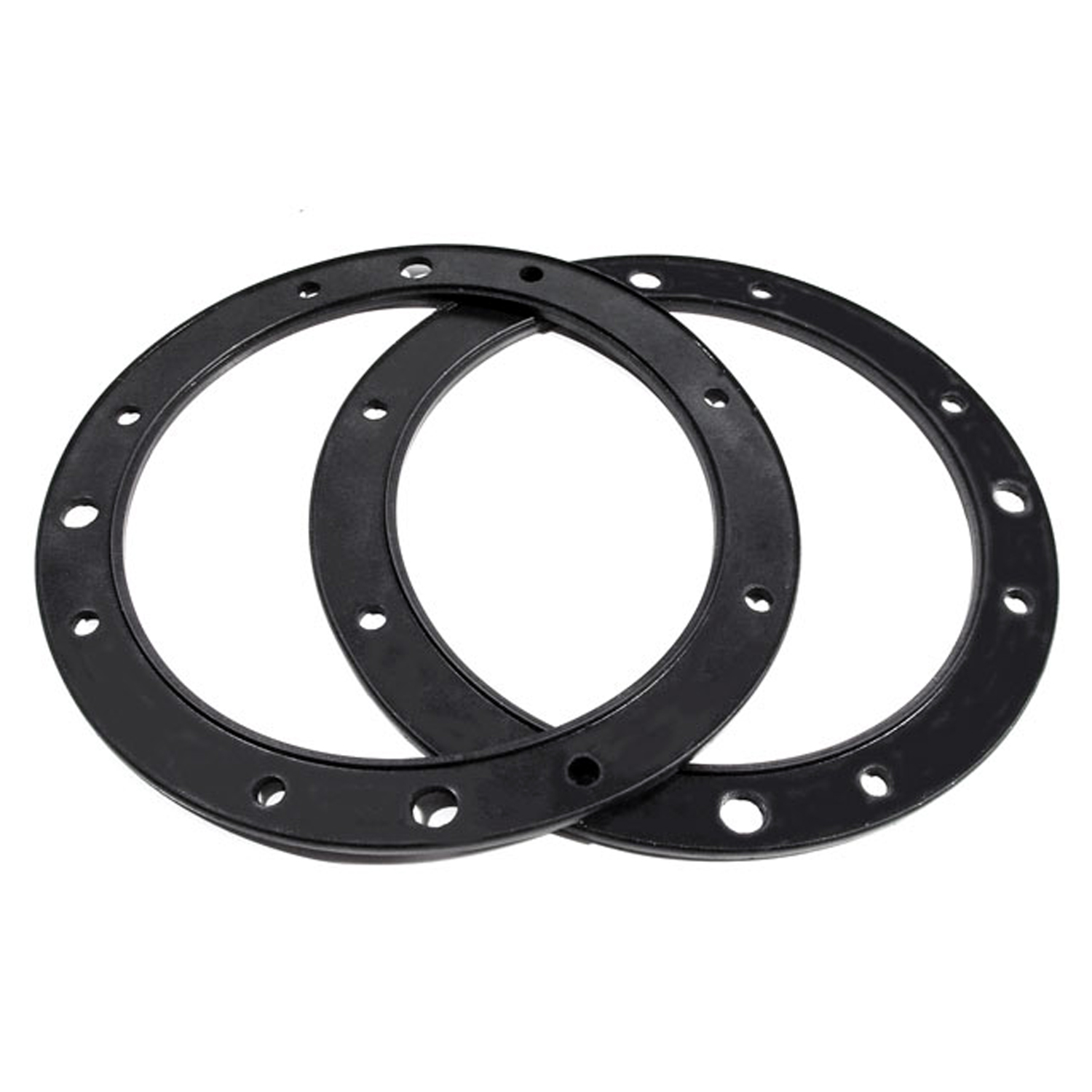 1952 Rolls-Royce Silver Dawn Headlight Ring Seal. 8-1/2" O.D., 6-5/8" I.D. Pair-HR 1Headlight Ring Seal. 8-1/2" O.D., 6-5/8" I.D. Pair
 1952 Rolls-Royce Silver Dawn Heel Pad. Initials "HJM"-RM 16Heel Pad. Initials "HJM". Made of high quality black rubber. 8" X 16". Each
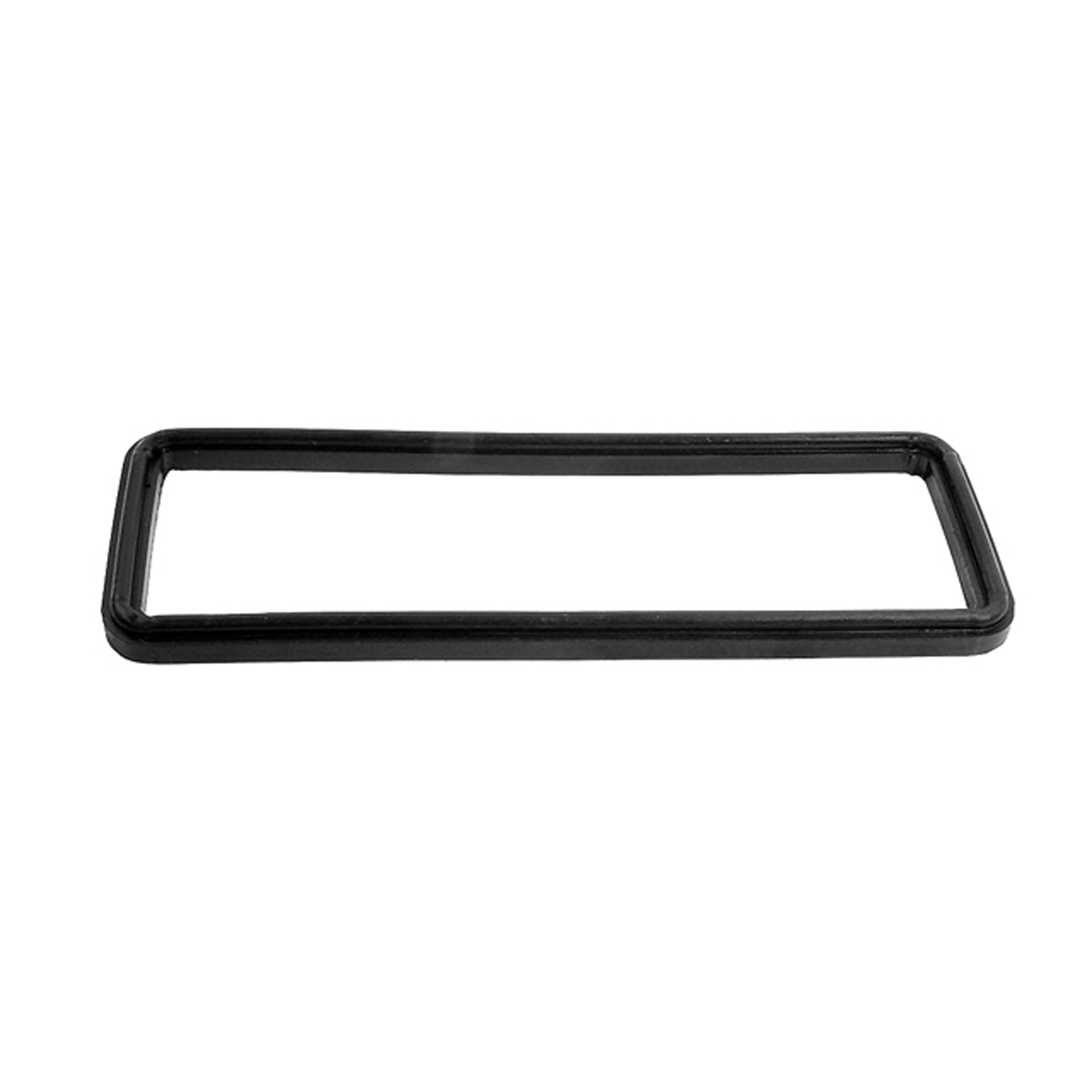 1952 Rolls-Royce Silver Dawn Side Vent Seal. Standard steel saloon-RP 100-FSide Vent Seal. Standard steel saloon. 3" wide X 8-1/2" long. Each
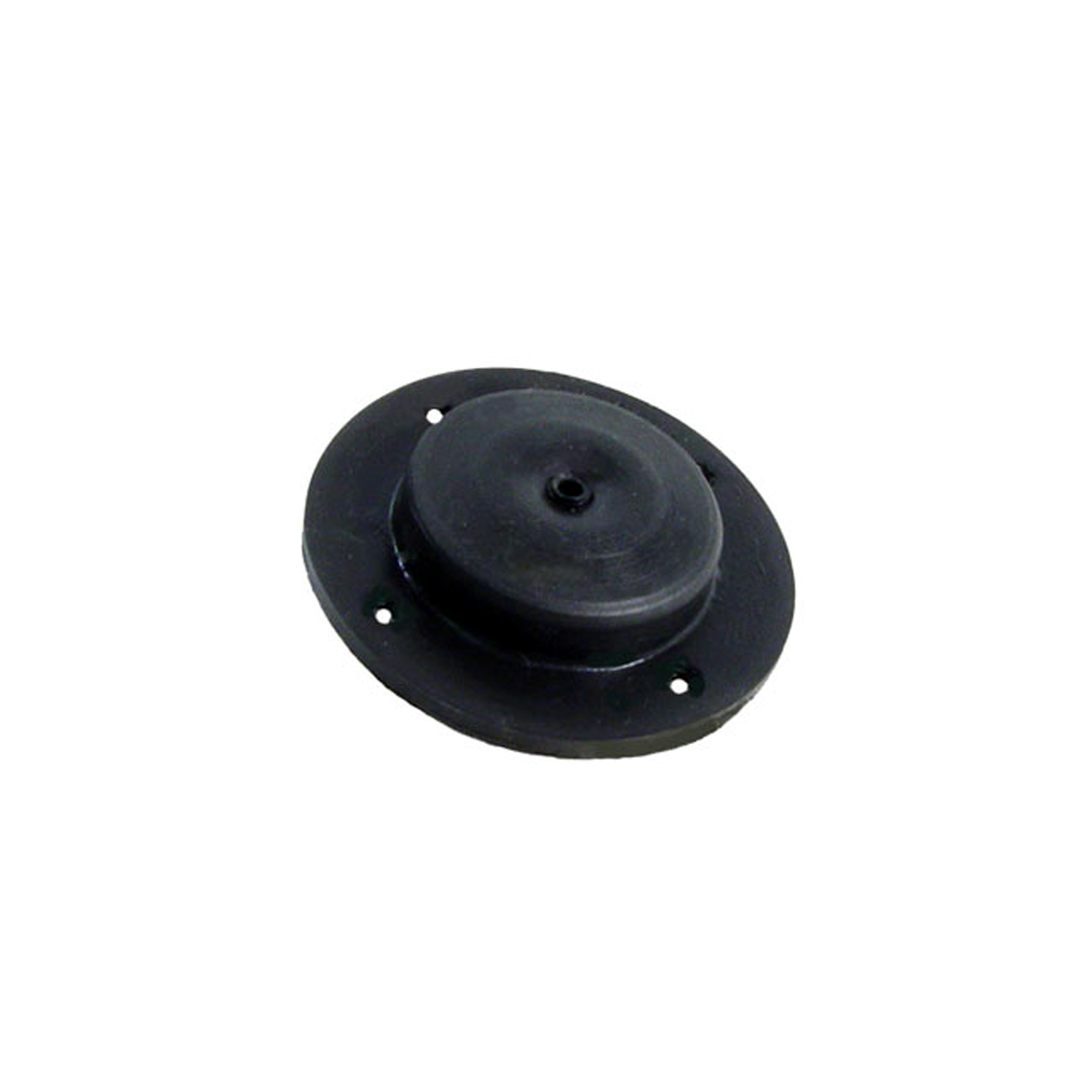 1952 Rolls-Royce Silver Dawn Thermo Tube through Dash Grommet. 2-3/8" O.D. Each-SM 70Thermo Tube through Dash Grommet. 2-3/8" O.D. Each
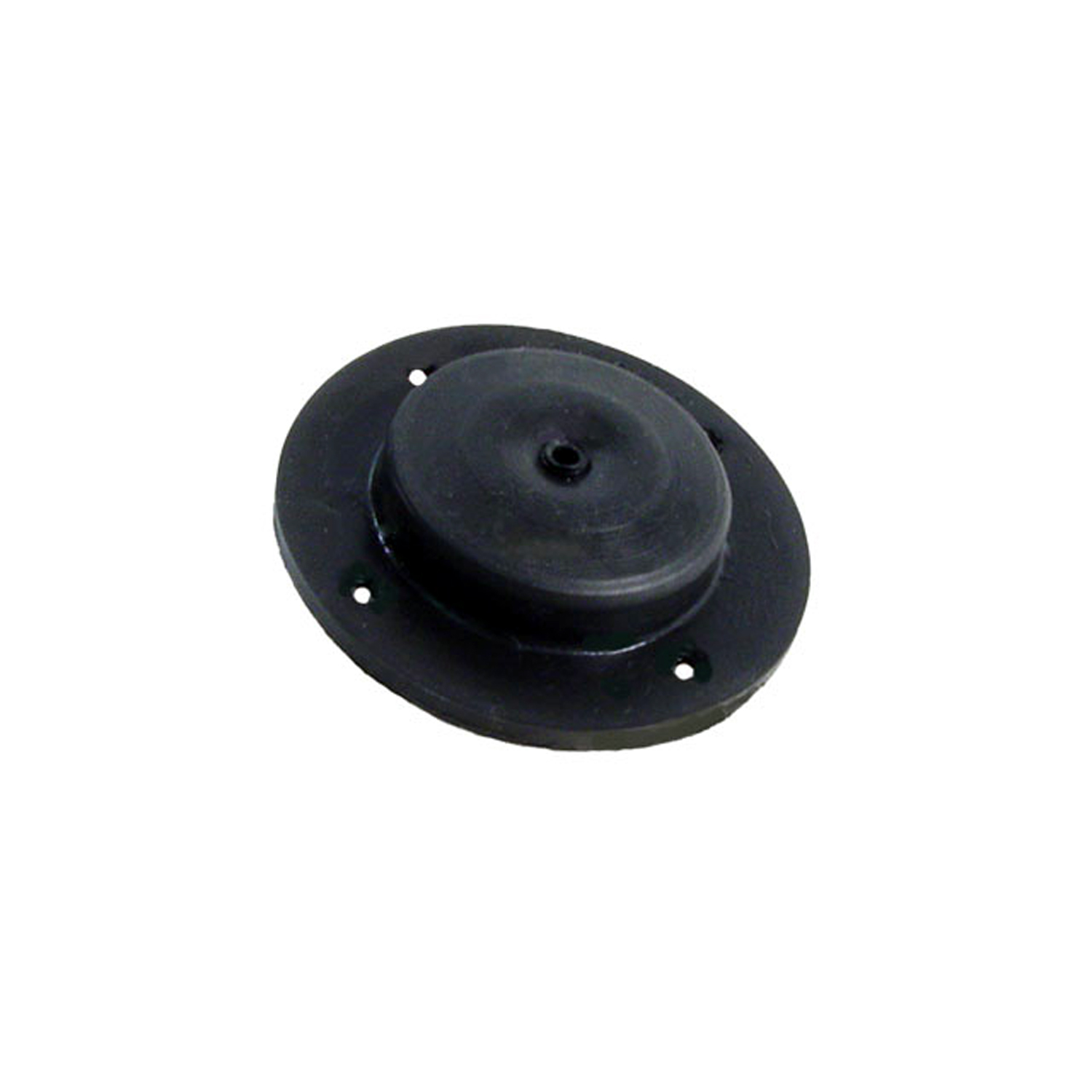 1952 Rolls-Royce Silver Dawn Speedometer Cable through Dash Grommet. 2-3/8" O.D. Each-SM 70-ASpeedometer Cable through Dash Grommet. 2-3/8" O.D. Each
Why Choose Metro?
For over 100 years, Metro Moulded Parts has been the pinnacle of quality in classic car restoration parts. Our commitment to precision and authenticity in every component ensures a perfect fit and an OEM-level appearance.
- Expert Craftsmanship & Quality: Each part is a testament to our dedication to reliability and perfection, crafted from original designs and thoroughly tested.
- Advanced Technology: We use cutting-edge techniques to create flawless, long-lasting parts that surpass others in performance.
- SuperSoft Sponge – The Ultimate Door Seal: Not only are our door seals 30% softer than competitors', but they're also guaranteed to never leak. They effectively reduce wind and road noise, enhancing your classic car's comfort and driving experience.
- Proudly American: Our parts are a product of American craftsmanship, made in the USA with a spirit of excellence and heritage.
- Unrivaled Warranty: We back our products with a 30-year industry-leading warranty, a testament to our confidence in their quality.
Join us in preserving the legacy of classic cars with parts that are crafted for perfection, not just made.