
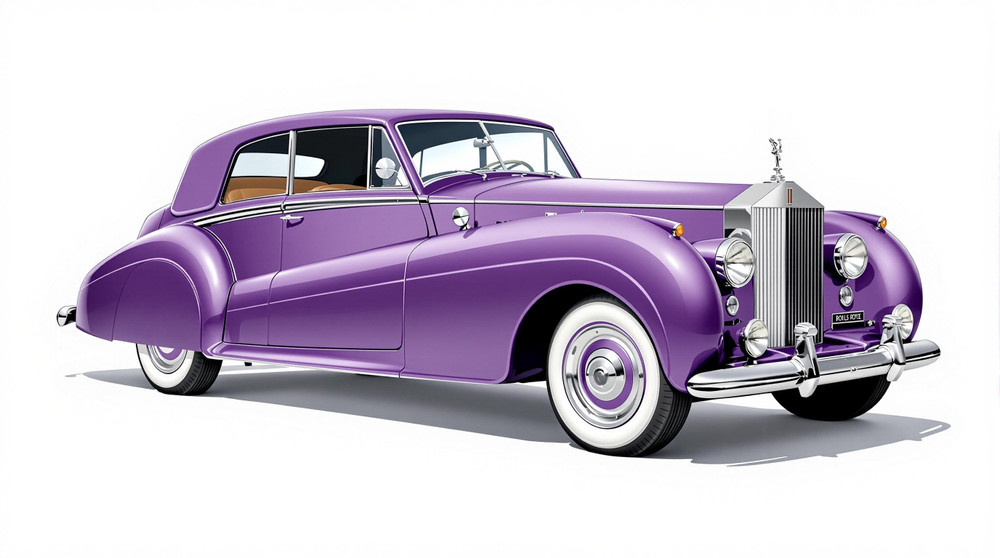
Image of 1952 Rolls-Royce Silver Wraith, Note: These illustrations use artistic license and may differ from actual historical models.
Performance Metrics
Fundamental Metrics
Emotional Appeal
MMP Rating
| Engine Specifications | |
|---|---|
| Engine: | Inline 6 |
| Displacement: | 4.3L to 4.9L |
| Horsepower: | Estimated 125-150 HP |
| Torque: | Information not available |
| Compression Ratio: | 7:1 |
| Ignition System: | Coil ignition |
| Cooling System: | Water-cooled |
| Performance Specifications | |
| 0-60 Time: | Information not available |
| 1/4 Mile Time: | Information not available |
| Top Speed: | 100 mph |
| Transmission and Drive | |
| Drive Type: | Rear-wheel drive |
| Transmission Type: | 4-speed manual |
| Fuel and Efficiency | |
| Fuel System Type: | Carburetor |
| MPG: | Information not available |
| Dimensions and Brakes | |
| Brakes: | Drum brakes |
| Wheelbase: | 133 inches |
| Weight: | 4,600 lbs |
Note: Specifications for classic cars are given to the best of our ability, considering the limited and variant data available.
1952 Rolls-Royce Silver Wraith: A Handbuilt Postwar Classic
In a Silver Wraith, luxury was not a package of factory options: it was a chassis, an engine and a promise that a coachbuilder could turn them into something unmistakably personal. Rolls-Royce introduced the Silver Wraith after the Second World War, building it at its Crewe works in England. The 1952 model belongs to the era when the company supplied the mechanical foundation and specialist coachbuilders created the finished car.
The Silver Wraith was Rolls-Royce’s first postwar passenger-car model and the successor to the prewar Wraith. Unlike a modern luxury sedan, it was usually delivered as a rolling chassis, then fitted with a body commissioned by its owner. That approach made every example distinctive, from restrained saloons to imposing state limousines. A notable point of difference from later Rolls-Royces is that the Silver Wraith remained available with bespoke coachwork long after mass-produced bodies had become the industry norm.
Coachbuilt Styling and Fine Materials
There is no single body shape that defines every 1952 Silver Wraith. Its long bonnet, upright radiator grille and Spirit of Ecstasy mascot provided a familiar Rolls-Royce face, while the body behind the grille depended on its coachbuilder. Some cars had formal, square-shouldered profiles, with separate front and rear compartments. Others wore softer, more flowing lines, sweeping wings or a convertible roof. The long wheelbase gave many versions a dignified, almost architectural stance.
Well-known coachbuilders included H.J. Mulliner, Park Ward, Hooper, James Young and Freestone & Webb. They built saloons, limousines, landaulets, coupés and drophead coupés, among other commissions. For customers seeking the grandest traditional appearance, the formal limousine was a particularly iconic choice, often featuring a glass division, generous rear legroom and a chauffeur’s compartment.
Inside, the workmanship mattered as much as the layout. Depending on the commission, owners could expect fine leather upholstery, polished wood veneers, thick carpeting, carefully fitted trim and substantial fittings. Rear-seat comfort was often the priority, especially in chauffeur-driven cars. Paint was similarly personal: solid dark shades such as black, navy and deep green suited formal limousines, while two-tone combinations and lighter colors appeared on more individual commissions. There was no universal 1952 color palette because the finished car was tailored to its buyer.
Engineering for Quiet, Dignified Travel
The 1952 Silver Wraith used a 4,566 cc (4.6-litre) inline six-cylinder engine. Its F-head arrangement placed the inlet and exhaust valves in different positions, a design Rolls-Royce had developed for smooth running and dependable service. Power output was not promoted in the usual way; the company’s famous description of its engines as having “adequate” power reflected its preference for refinement over headline figures.
A four-speed manual gearbox sent power to the rear wheels. The chassis combined independent front suspension with a live rear axle, and the braking system used hydraulic operation with servo assistance. For its time, the independent front suspension was an important part of the car’s comfort-oriented engineering. It helped the front wheels respond to uneven surfaces without transmitting every sharp jolt directly into the cabin.
These features were not intended to make the Silver Wraith a sports car. They supported quiet, controlled progress in a large, often heavy, handbuilt automobile. Its mechanical specification was only one part of the experience: body style, coachwork and equipment could all affect the final weight and behavior.
Historical Significance: The Chassis as a Canvas
The Silver Wraith represented a postwar return to high-end motoring and helped Rolls-Royce re-establish its reputation in a changing automotive world. Its separate chassis gave customers unusual freedom at a time when many manufacturers were increasingly adopting standardized, factory-built bodies. For wealthy buyers, that meant commissioning a car shaped around personal taste, practical needs and social standing.
The model also shows the final flowering of the traditional coachbuilding system. That system produced remarkable variety, but it was expensive and labor-intensive. As manufacturing moved toward unitary construction and more standardized production, bespoke bodies became harder to justify. The Silver Wraith is therefore significant not because it introduced a single revolutionary technology, but because it preserved an older idea of luxury: a car made to order, with its engineering and bodywork treated as separate crafts.
Its influence is most visible in the enduring appeal of coachbuilt automobiles. The Silver Wraith helped keep the tradition of individually commissioned luxury cars alive in the postwar years, while its combination of a strong chassis, smooth engine and formal presence became a reference point for chauffeur-driven transport.
Performance and Road Manners
Performance figures vary with body style, gearing, condition and passenger load. As a guide, a 1952 Silver Wraith might reach roughly 85 to 90 mph, with a 0-to-60 mph time in the region of 20 to 25 seconds. These are estimates rather than universal factory figures, and a heavy limousine would generally be slower than a lighter body. Its strengths were steady acceleration, relaxed cruising and the ability to carry passengers in comfort.
On broken roads, the chassis aims to soften the harshest impacts rather than deliver sporty sharpness. The independent front suspension helps take the sting out of surface irregularities, while the rear axle and leaf springs reflect the robust construction of the period. On a winding road, the driver has to account for the car’s size, weight and relatively deliberate steering. It rewards smooth inputs and sensible speed, not quick direction changes.
From behind the wheel, the engine should feel unhurried, pulling with a subdued mechanical note rather than a dramatic roar. The view over the long bonnet and upright grille emphasizes the car’s size, and the ride favors calm progress. A well-maintained example can feel composed and surprisingly quiet for its age, but it remains a large 1950s car with period brakes, steering and road-holding. It asks for anticipation and respect, especially in modern traffic.
Living with a Silver Wraith
Most Silver Wraiths today are collector cars, show cars or occasional-use tourers rather than everyday transport. Their scale, age and bespoke construction make routine commuting impractical for many owners. A carefully chosen example can still be driven to events and on suitable longer journeys, but regular use depends on the car’s mechanical condition and access to specialist support.
Maintenance is not a casual do-it-yourself project for the average owner. The engine and chassis are durable when properly serviced, but age, low use and decades of repairs can create complex problems. Mechanical work may be manageable for a skilled enthusiast with appropriate tools and workshop information, while the handbuilt body, interior trim and coachwork often require experienced specialists. Rust, wood structure in the body, electrical repairs and hard-to-reproduce trim deserve particular attention during inspection.
Parts availability varies. Some mechanical components can be sourced or repaired through marque specialists, but coachbuilt details may be unique to one car and expensive to restore. A thorough pre-purchase inspection should cover chassis corrosion, engine condition, gearbox operation, brakes, suspension, cooling system, coachwork and documentation. On a car this individual, provenance and evidence of careful restoration can be as important as a low odometer reading.
Silver Wraith Facts and Common Criticisms
Rolls-Royce built approximately 1,883 Silver Wraith chassis over the model’s full production run, from 1946 to 1959. That figure includes all years, not just 1952, and does not mean every car survives in its original configuration. The number of 1952 examples is much smaller, but exact model-year totals are not consistently reported in commonly available production summaries.
Silver Wraiths were built for prominent private owners and official use, including ceremonial and state transport in different countries. Their formal appearance made them well suited to those roles, though specific histories vary from car to car and should be verified through chassis records and provenance. The model is not chiefly remembered for a speed or endurance record; its achievement was delivering bespoke luxury on a significant scale in the difficult postwar period.
Common criticisms are practical ones. The cars are heavy, slow by modern standards and costly to restore. Coachbuilt bodies can make parts and repairs more complicated than on a standardized production saloon, and the driving position or visibility may feel unfamiliar to modern drivers. Those compromises are part of the Silver Wraith’s character, but they should be understood before buying one.
Collector Values and Availability
Values depend heavily on condition, coachbuilder, body style, originality, restoration quality and documented history. As a broad 2026 estimate, a project or car needing substantial work may fall around US$30,000 to US$60,000. A usable, presentable example might be in the US$60,000 to US$120,000 range, while a highly restored, especially desirable or unusually well-documented car can reach roughly US$120,000 to US$250,000 or more. Exceptional provenance and rare coachwork can push a car beyond those guide ranges. These are estimates, not guaranteed sale prices.
Silver Wraiths are scarce compared with mass-produced classics, but they do appear on the international market through specialist dealers and auctions. The collector market is selective: a famous coachbuilder, beautiful proportions and strong history can add considerable appeal, while neglected mechanicals or costly body repairs can limit a car’s value. Prices have generally favored the best examples rather than rising uniformly across the model. Buyers should budget for maintenance and restoration, not just the purchase price.
Why the 1952 Silver Wraith Still Matters
The 1952 Rolls-Royce Silver Wraith combined a smooth 4.6-litre six-cylinder engine and a comfort-focused chassis with the freedom of bespoke coachwork. It was a luxury car in the fullest sense of the word: not simply a prestigious badge, but a vehicle whose shape, materials and details could be commissioned to suit its owner. Its slow, deliberate performance and demanding upkeep are real, yet so are its craftsmanship and historical importance.
As one of the great postwar coachbuilt Rolls-Royces, the Silver Wraith captures a moment when a car could be ordered as an individual creation. More than seventy years later, its lasting appeal lies in that combination of engineering, artistry and personal choice.
1952 Rolls-Royce Silver Wraith Catalog of Parts
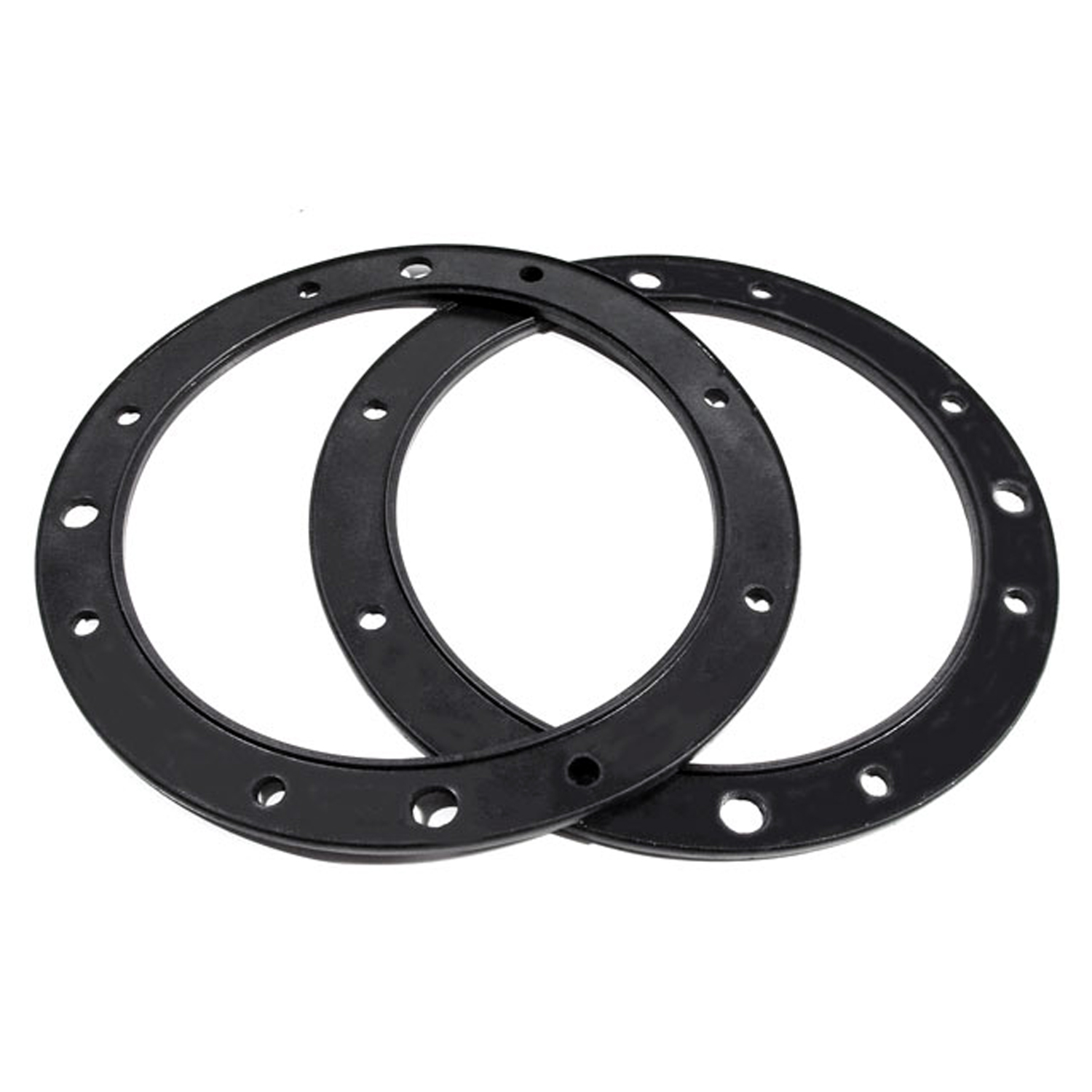 1952 Rolls-Royce Silver Wraith Headlight Ring Seal. 8-1/2" O.D., 6-5/8" I.D. Pair-HR 1Headlight Ring Seal. 8-1/2" O.D., 6-5/8" I.D. Pair
 1952 Rolls-Royce Silver Wraith Heel Pad. Initials "HJM"-RM 16Heel Pad. Initials "HJM". Made of high quality black rubber. 8" X 16". Each
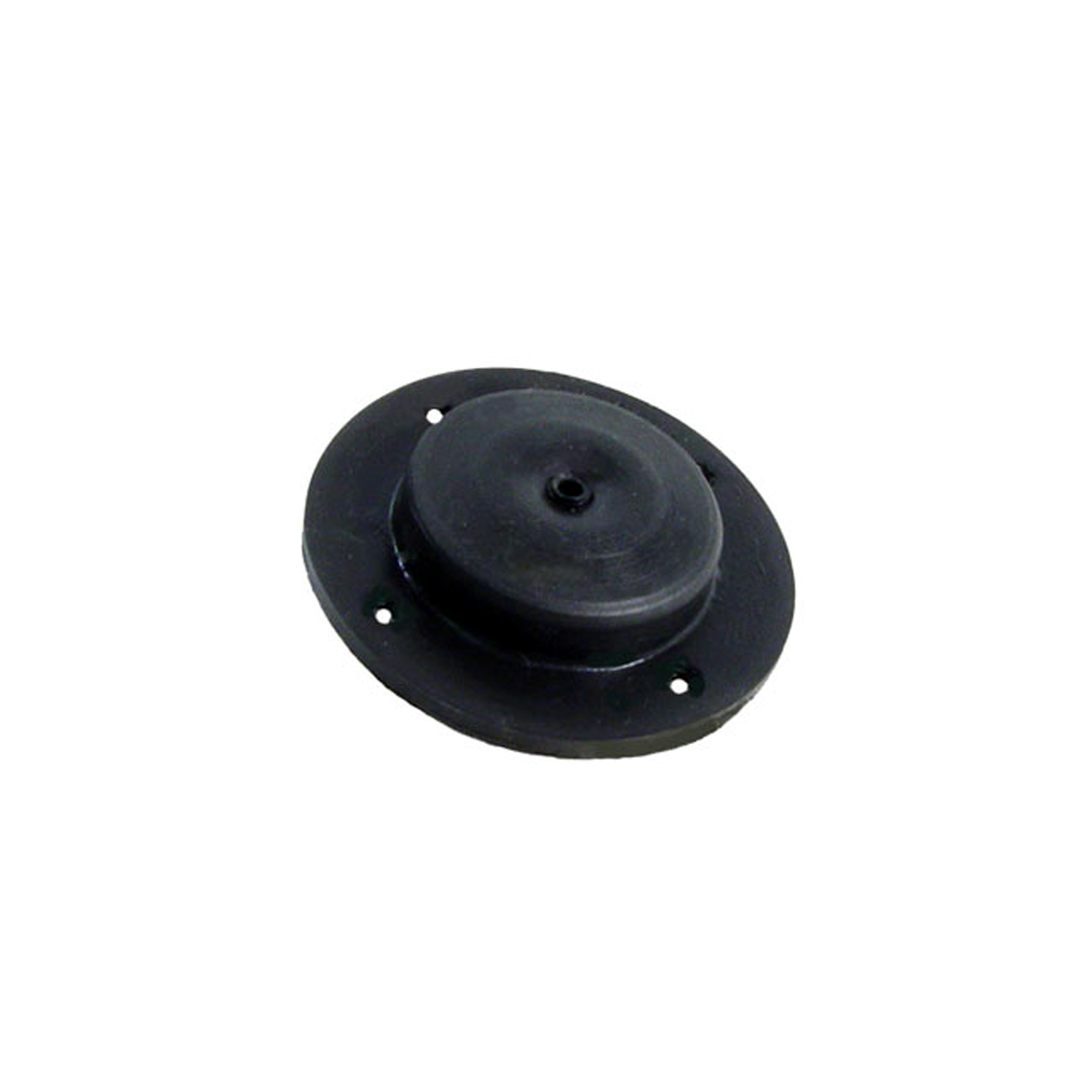 1952 Rolls-Royce Silver Wraith Thermo Tube through Dash Grommet. 2-3/8" O.D. Each-SM 70Thermo Tube through Dash Grommet. 2-3/8" O.D. Each
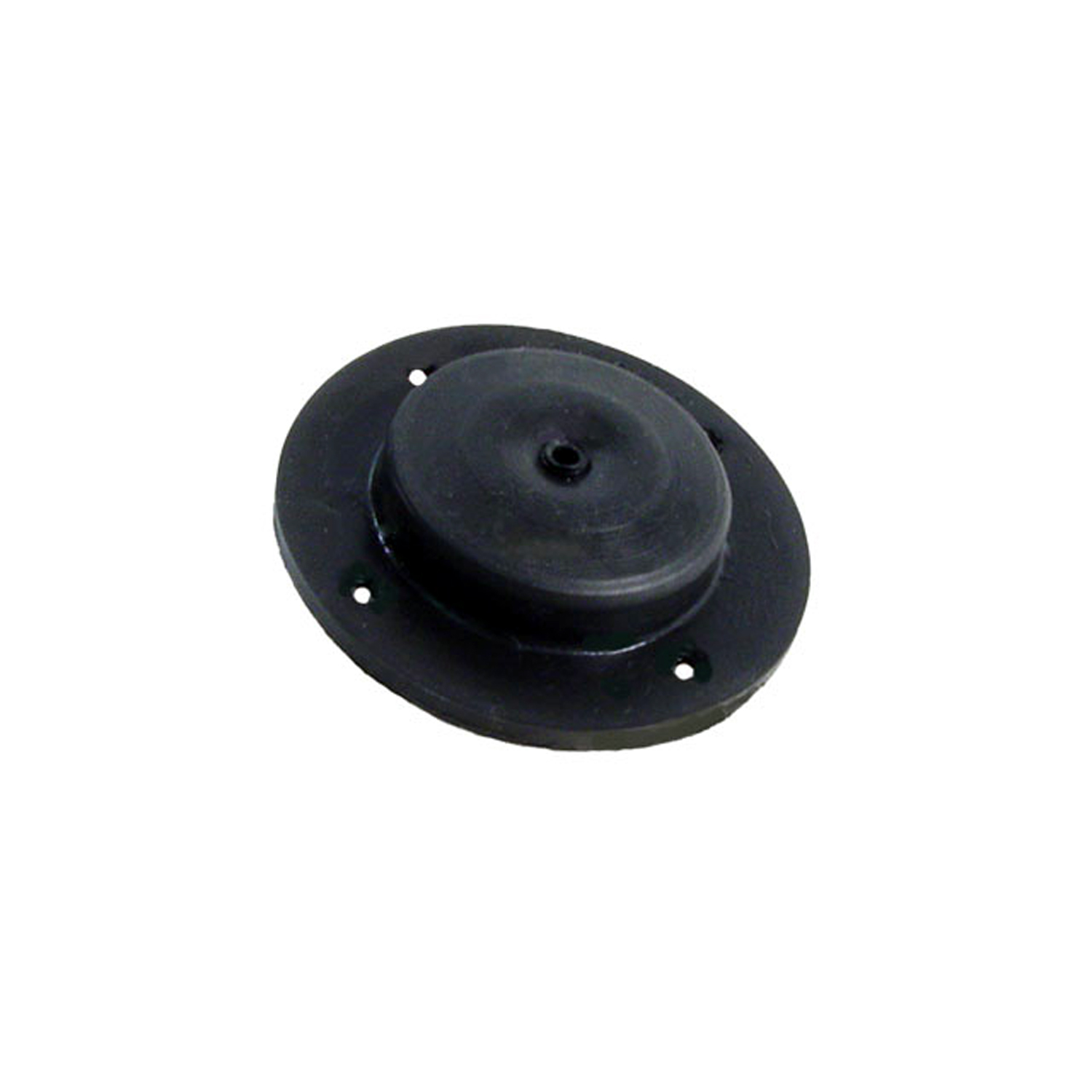 1952 Rolls-Royce Silver Wraith Speedometer Cable through Dash Grommet. 2-3/8" O.D. Each-SM 70-ASpeedometer Cable through Dash Grommet. 2-3/8" O.D. Each
Why Choose Metro?
For over 100 years, Metro Moulded Parts has been the pinnacle of quality in classic car restoration parts. Our commitment to precision and authenticity in every component ensures a perfect fit and an OEM-level appearance.
- Expert Craftsmanship & Quality: Each part is a testament to our dedication to reliability and perfection, crafted from original designs and thoroughly tested.
- Advanced Technology: We use cutting-edge techniques to create flawless, long-lasting parts that surpass others in performance.
- SuperSoft Sponge – The Ultimate Door Seal: Not only are our door seals 30% softer than competitors', but they're also guaranteed to never leak. They effectively reduce wind and road noise, enhancing your classic car's comfort and driving experience.
- Proudly American: Our parts are a product of American craftsmanship, made in the USA with a spirit of excellence and heritage.
- Unrivaled Warranty: We back our products with a 30-year industry-leading warranty, a testament to our confidence in their quality.
Join us in preserving the legacy of classic cars with parts that are crafted for perfection, not just made.