
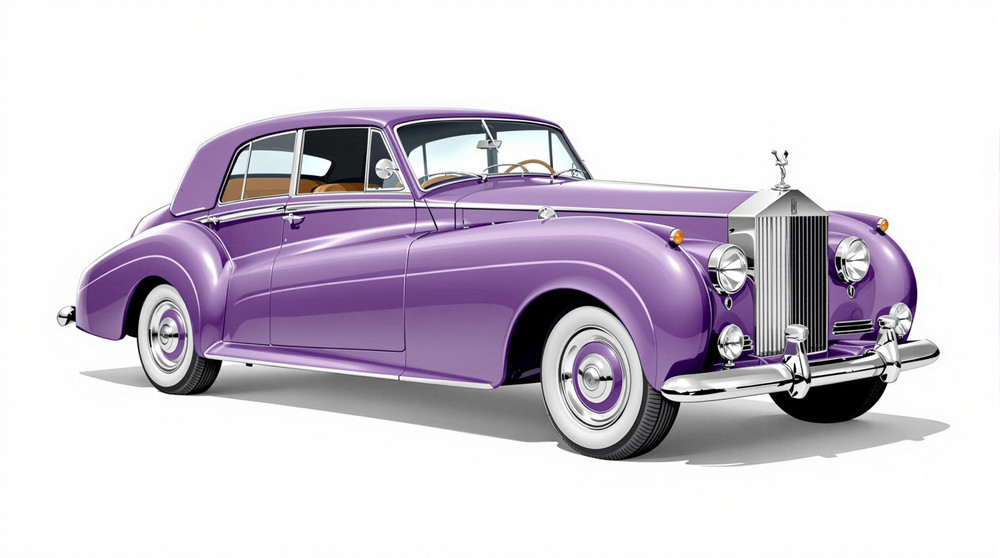
Image of 1953 Rolls-Royce Silver Dawn, Note: These illustrations use artistic license and may differ from actual historical models.
Performance Metrics
Fundamental Metrics
Emotional Appeal
MMP Rating
| Engine Specifications | |
|---|---|
| Engine: | Inline 6-cylinder |
| Displacement: | 4.6 L |
| Horsepower: | Estimated 130-150 HP |
| Torque: | Information not available |
| Compression Ratio: | Information not available |
| Ignition System: | Standard for the period (likely distributor and points) |
| Cooling System: | Liquid-cooled |
| Performance Specifications | |
| 0-60 Time: | Information not available |
| 1/4 Mile Time: | Information not available |
| Top Speed: | 100 mph |
| Transmission and Drive | |
| Drive Type: | Rear-wheel drive |
| Transmission Type: | 4-speed manual |
| Fuel and Efficiency | |
| Fuel System Type: | Carburetor |
| MPG: | Information not available |
| Dimensions and Brakes | |
| Brakes: | Drum brakes |
| Wheelbase: | 120 inches |
| Weight: | 4,200 lbs |
Note: Specifications for classic cars are given to the best of our ability, considering the limited and variant data available.
1953 Rolls-Royce Silver Dawn: A Postwar Classic
The 1953 Rolls-Royce Silver Dawn brought the marque’s quiet luxury into a new era, pairing traditional craftsmanship with a body designed for more standardized production. Built by Rolls-Royce at Crewe in England, it shared much of its engineering with the Bentley Mk VI and later R-Type, but wore the unmistakable Rolls-Royce radiator grille and its own carefully finished cabin.
The Silver Dawn arrived in 1949, when Britain’s motor industry was rebuilding after the Second World War. In its early years, the model was primarily intended for export, reflecting both postwar restrictions and Rolls-Royce’s effort to serve overseas customers. One notable milestone came in 1953, when the Silver Dawn became available to British buyers with the factory-built steel saloon body. It was a significant shift for a company long associated with bespoke coachwork.
Elegant Styling and Silver Dawn Interiors
The Silver Dawn’s exterior is formal without feeling cumbersome. Its tall, upright radiator grille, polished surround, and Spirit of Ecstasy mascot give the front end an unmistakably Rolls-Royce presence. Rounded front wings flow into a restrained, upright saloon body, while the broad bonnet and balanced proportions make the car look substantial rather than flashy. The factory steel body was produced by Pressed Steel and finished at Crewe.
Inside, the emphasis is on quiet quality. Depending on specification, owners could expect fine leather upholstery, polished wood trim, deep carpeting, and carefully fitted brightwork. The cabin is spacious and traditionally laid out, with large, legible instruments and substantial switchgear. It feels more like a finely furnished room than a modern cockpit, though the driving position and controls are distinctly of their era.
Paint and trim could be specified in a wide range of colors, and two-tone combinations suited the Silver Dawn’s formal lines especially well. Dark greens, black, maroon, and deep blues are often seen on surviving examples, but there was no single defining color. Buyers could coordinate the exterior, leather, and wood to their taste, subject to the choices offered for their market and year.
The standard and most recognizable form was the four-door steel saloon. Rolls-Royce’s move toward a standard body did not entirely end the world of special coachwork, but the Silver Dawn is best known as a factory-bodied saloon. It was not a model with a large range of regular body styles in the way some luxury chassis were.
Engineering Ahead of Tradition
The Silver Dawn’s importance lies less in radical styling than in how it helped Rolls-Royce adapt. Its standard steel body made production more consistent than individually commissioned coachwork, while still allowing the company to maintain a high level of finish. Sharing major components with Bentley models also brought practical advantages, including a more common engineering foundation and easier parts support than a fully bespoke design would have offered.
Under the bonnet is a straight-six engine with overhead inlet valves and side exhaust valves, a layout often called an F-head. By 1953, the engine had a displacement of 4,566 cc. Rolls-Royce did not emphasize published horsepower figures in the modern way, but period and later estimates commonly place output in the neighborhood of 130 to 135 bhp. A four-speed manual gearbox was typical, while an automatic transmission was available on later cars.
That combination helped define the postwar luxury saloon: substantial but not ostentatious, engineered for smooth progress, and built around refinement rather than outright speed. The Silver Dawn’s influence was part of a broader industry move toward production-built luxury cars, where a factory body could reach more buyers without giving up the marque’s standards.
Road Performance and Ride Quality
A 1953 Silver Dawn is not quick by modern standards, but it has enough power to keep pace with period traffic when properly maintained. Depending on condition, gearing, and transmission, a representative top speed is around 90 to 95 mph, with 0 to 60 mph taking roughly 15 to 17 seconds. These are estimates rather than guaranteed factory figures, and individual cars can vary considerably.
The car’s character is best understood at a relaxed cruising speed. The six-cylinder engine works with a subdued, steady note, and the long-wheelbase chassis takes the edge off many road imperfections. Its suspension combines independent front suspension with a live rear axle, giving it a composed, comfortable ride on ordinary roads. Sharp bumps can still unsettle the rear, as they can in many cars of this period, and worn suspension components can make the ride feel loose or floaty.
On winding roads, the Silver Dawn rewards smooth inputs rather than hurried cornering. It is a large, heavy saloon with period steering and drum brakes, so it asks for more planning than a modern car. Steering effort is noticeable at low speeds, and braking distances demand respect. The experience is not about attacking a corner; it is about feeling the car settle into a measured rhythm, with the engine quietly pulling and the cabin insulating occupants from much of the road’s activity.
Owning and Maintaining a Silver Dawn
Most Silver Dawns today are used for touring, club events, and classic-car displays rather than daily commuting. A well-sorted example can cover distance comfortably, but its age and size make it less convenient for tight parking, heavy traffic, and modern urban driving. It is a classic to be enjoyed at an unhurried pace, not a vintage racer.
Maintenance is manageable for an experienced classic-car owner, but this is not an inexpensive car to neglect. Routine service includes attention to the engine, cooling system, brakes, steering, suspension, and lubrication points. Parts shared with the Bentley Mk VI and R-Type can help with mechanical repairs, while Silver Dawn-specific trim, body panels, and interior details may be harder or costlier to source. A specialist inspection before purchase is wise, particularly for rust, prior repairs, engine condition, and the operation of any automatic transmission.
Reliability depends heavily on maintenance history. These cars were engineered for long service, but decades of storage, improvised repairs, or infrequent use can create expensive problems. The average owner can handle basic upkeep with the right tools and knowledge, but major mechanical or coachwork repairs are best left to a specialist familiar with postwar Rolls-Royce and Bentley models.
Silver Dawn Facts and Common Criticisms
The Silver Dawn was an important bridge between Rolls-Royce’s coachbuilt past and the more standardized luxury cars that followed. Total production is commonly cited at about 760 cars, with 761 often given as the figure. That makes it uncommon, though not impossibly rare by the standards of prewar Rolls-Royce models. The 1953 model is especially interesting to enthusiasts because it represents the point when the car became available to British buyers with its factory steel saloon body.
It does not hold a widely recognized speed or endurance record, and its reputation rests instead on refinement, craftsmanship, and historical importance. A common criticism is that the standard steel body and its close relationship to Bentley models make it less individually distinctive than a coachbuilt Rolls-Royce. Others point to modest acceleration, heavy low-speed steering, and the cost of specialist maintenance. For many owners, those limitations are part of the period experience rather than deal-breakers.
Collector Values and Market Outlook
Silver Dawn values depend strongly on originality, condition, history, and the quality of restoration. As a broad estimate, a project car may sell for roughly $20,000 to $35,000, while a sound driver-quality example might fall in the $40,000 to $75,000 range. Excellent, well-documented cars can reach approximately $80,000 to $120,000 or more, particularly when restoration quality and provenance are exceptional. These are general USD ranges, not a substitute for checking current sales and local market conditions.
With only around 760 built, finding one requires patience, but examples do appear on the collector market. Values have generally been supported by the enduring appeal of the Rolls-Royce name and growing interest in postwar classics. They are not guaranteed to rise: restoration costs can exceed market value, and condition is often more important than a seller’s estimate. Over the long term, the best-presented and most authentic cars are likely to remain the most desirable.
A Rolls-Royce at a Turning Point
The 1953 Silver Dawn combines the stately presence and careful finishing expected of Rolls-Royce with a more practical, factory-built approach to luxury-car production. Its steel saloon body, Bentley-related mechanicals, smooth straight-six engine, and composed ride make it both a significant postwar model and an appealing classic to tour in.
More than a handsome old saloon, the Silver Dawn marks a turning point in how Rolls-Royce built and sold its cars. It carries the quiet confidence of a traditional luxury car while pointing toward a more modern era, one carefully crafted mile at a time.
1953 Rolls-Royce Silver Dawn Catalog of Parts
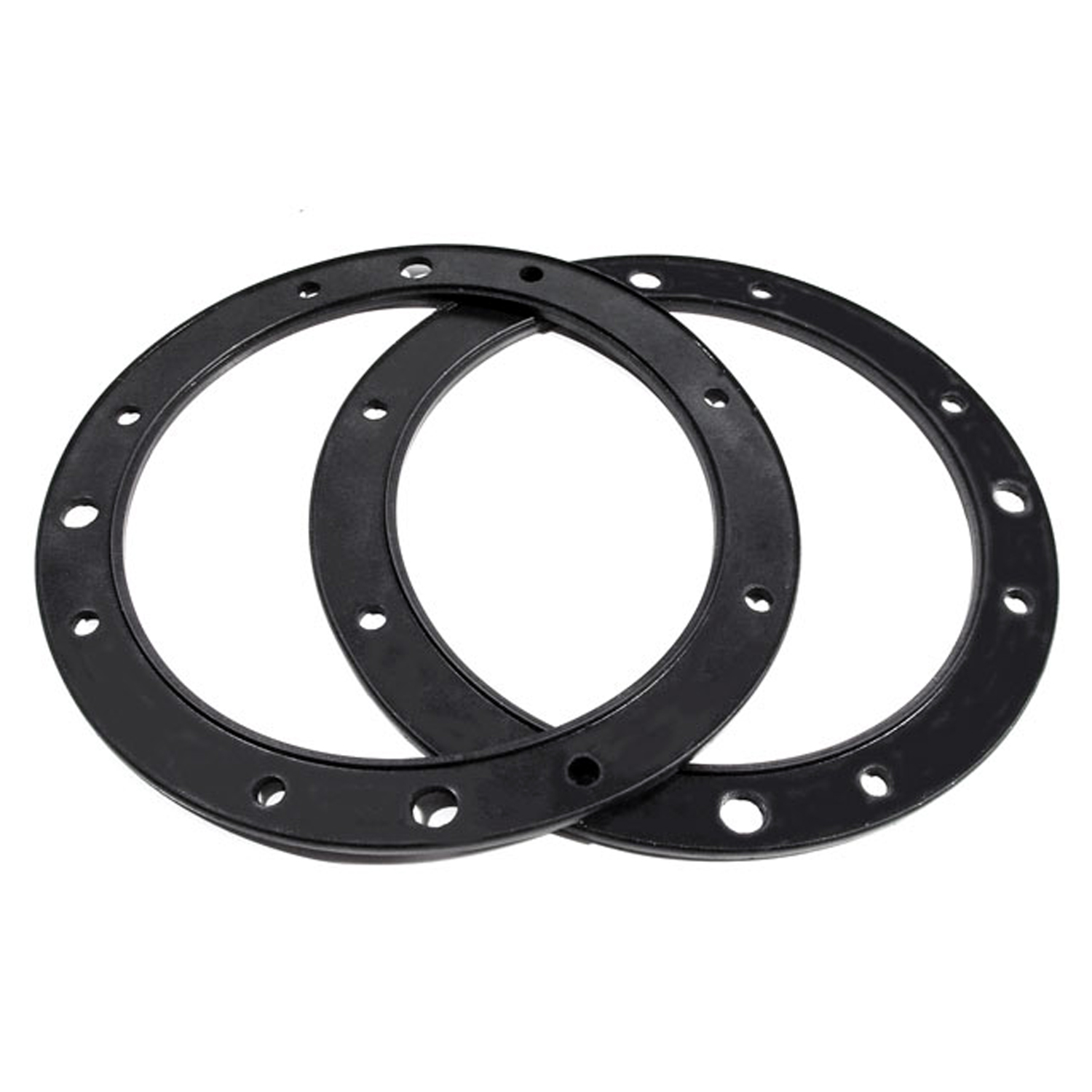 1953 Rolls-Royce Silver Dawn Headlight Ring Seal. 8-1/2" O.D., 6-5/8" I.D. Pair-HR 1Headlight Ring Seal. 8-1/2" O.D., 6-5/8" I.D. Pair
 1953 Rolls-Royce Silver Dawn Heel Pad. Initials "HJM"-RM 16Heel Pad. Initials "HJM". Made of high quality black rubber. 8" X 16". Each
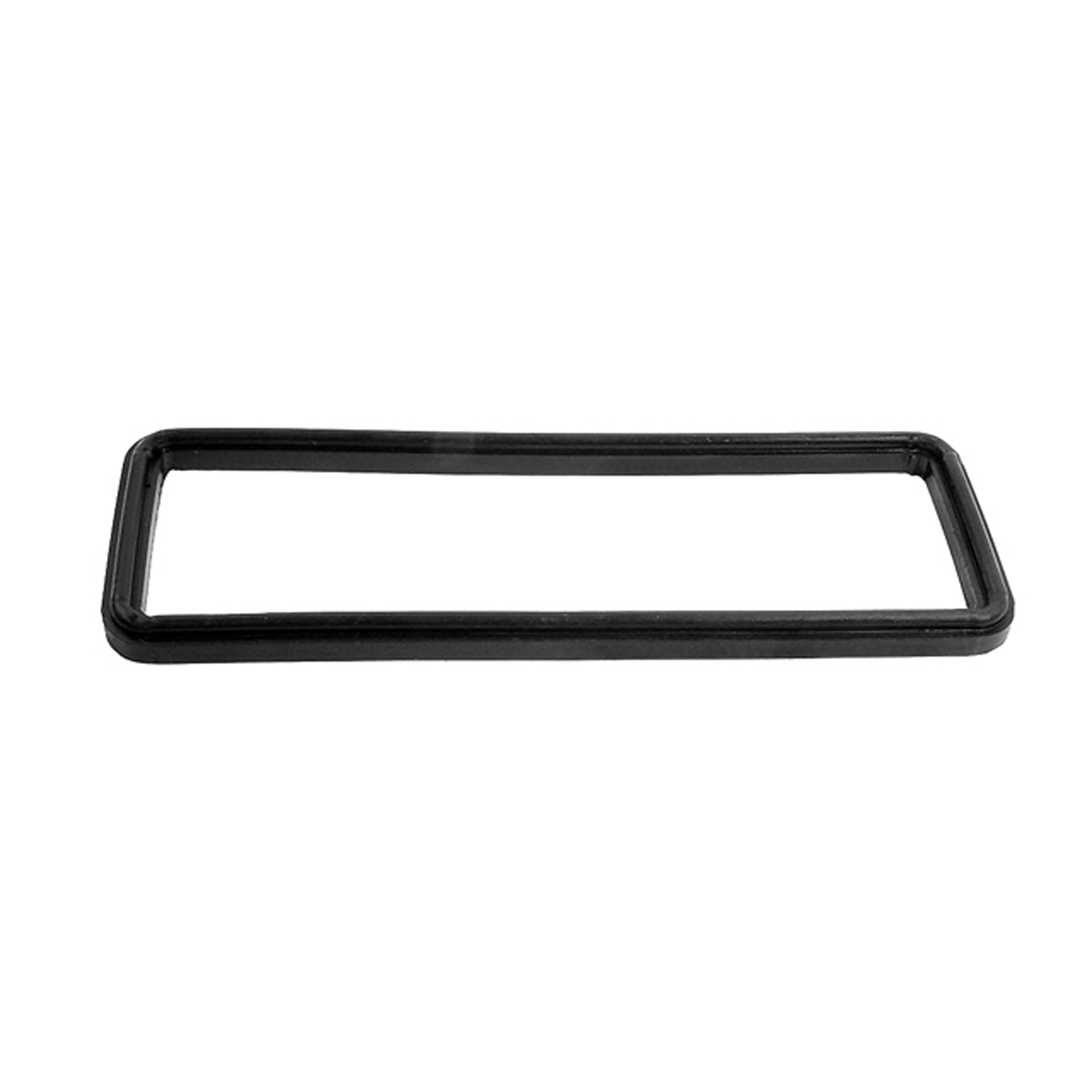 1953 Rolls-Royce Silver Dawn Side Vent Seal. Standard steel saloon-RP 100-FSide Vent Seal. Standard steel saloon. 3" wide X 8-1/2" long. Each
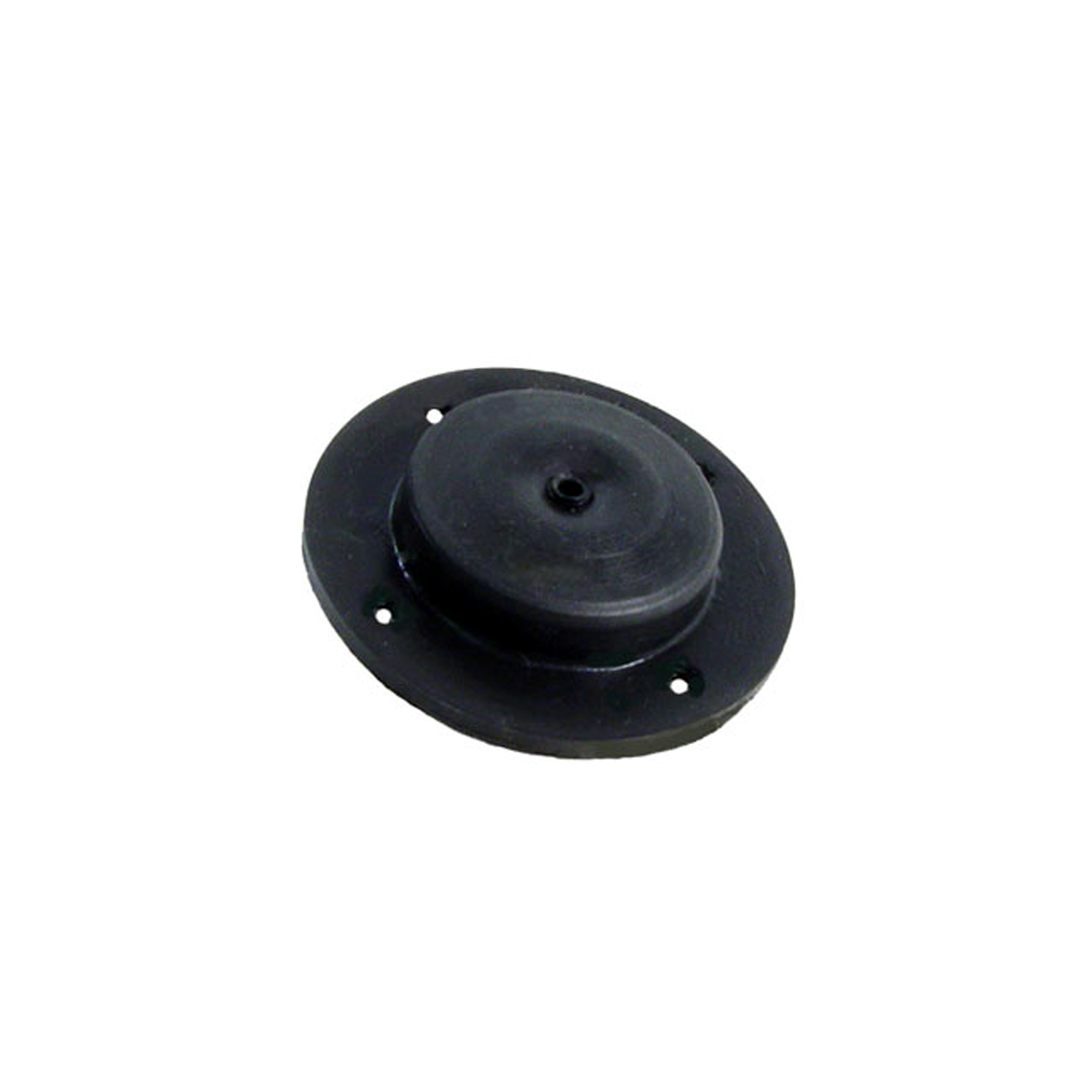 1953 Rolls-Royce Silver Dawn Thermo Tube through Dash Grommet. 2-3/8" O.D. Each-SM 70Thermo Tube through Dash Grommet. 2-3/8" O.D. Each
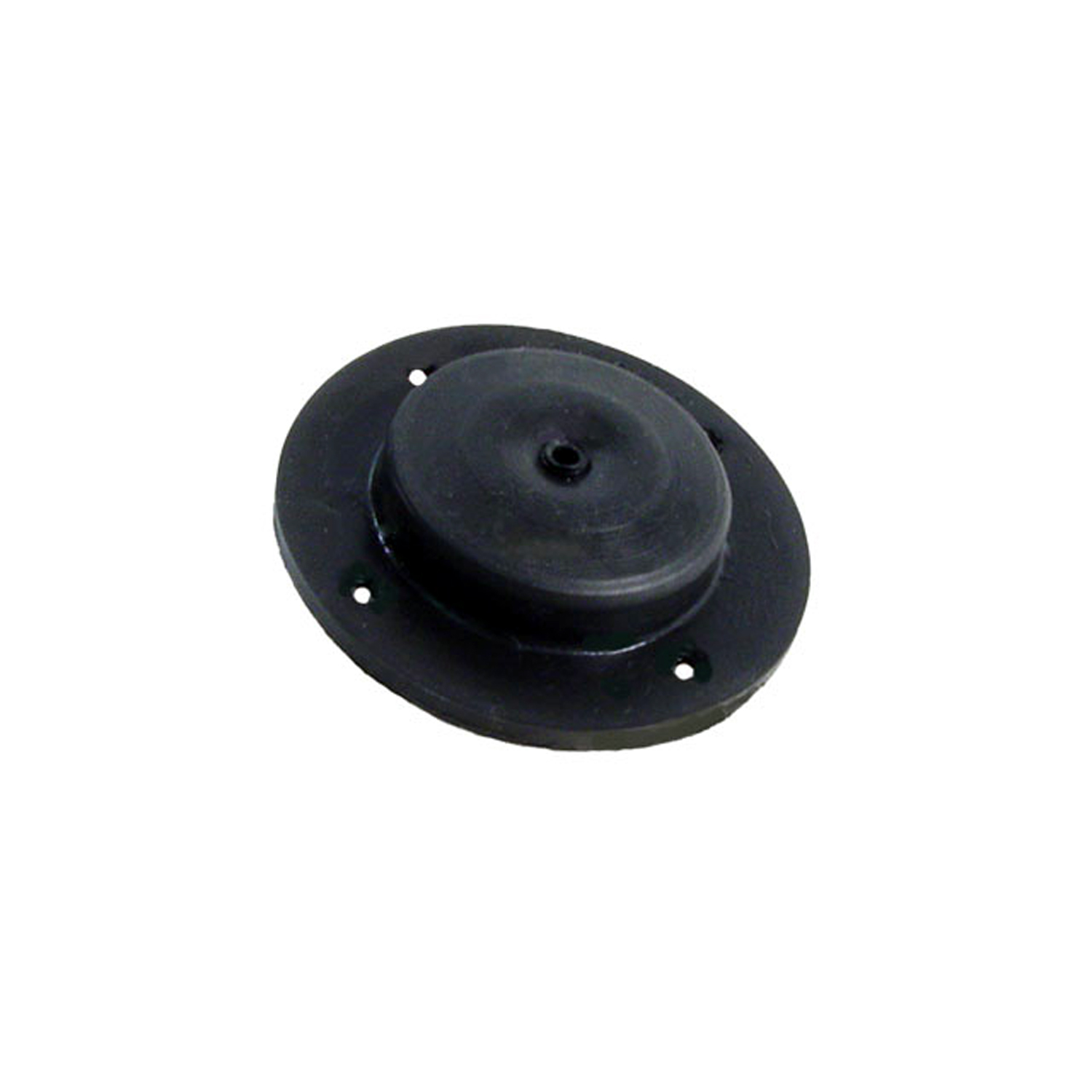 1953 Rolls-Royce Silver Dawn Speedometer Cable through Dash Grommet. 2-3/8" O.D. Each-SM 70-ASpeedometer Cable through Dash Grommet. 2-3/8" O.D. Each
Why Choose Metro?
For over 100 years, Metro Moulded Parts has been the pinnacle of quality in classic car restoration parts. Our commitment to precision and authenticity in every component ensures a perfect fit and an OEM-level appearance.
- Expert Craftsmanship & Quality: Each part is a testament to our dedication to reliability and perfection, crafted from original designs and thoroughly tested.
- Advanced Technology: We use cutting-edge techniques to create flawless, long-lasting parts that surpass others in performance.
- SuperSoft Sponge – The Ultimate Door Seal: Not only are our door seals 30% softer than competitors', but they're also guaranteed to never leak. They effectively reduce wind and road noise, enhancing your classic car's comfort and driving experience.
- Proudly American: Our parts are a product of American craftsmanship, made in the USA with a spirit of excellence and heritage.
- Unrivaled Warranty: We back our products with a 30-year industry-leading warranty, a testament to our confidence in their quality.
Join us in preserving the legacy of classic cars with parts that are crafted for perfection, not just made.