
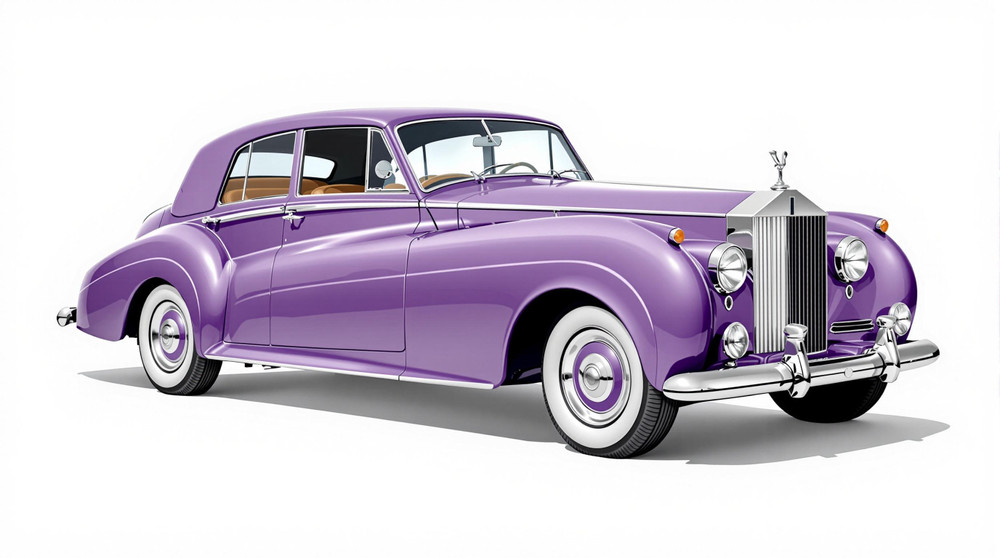
Image of 1954 Rolls-Royce Silver Dawn, Note: These illustrations use artistic license and may differ from actual historical models.
Performance Metrics
Fundamental Metrics
Emotional Appeal
MMP Rating
| Engine Specifications | |
|---|---|
| Engine: | Inline 6 |
| Displacement: | 4.6L |
| Horsepower: | Estimated 130-150 HP |
| Torque: | 230 lb-ft |
| Compression Ratio: | Estimated 6.5:1 |
| Ignition System: | Coil ignition |
| Cooling System: | Water-cooled |
| Performance Specifications | |
| 0-60 Time: | Estimated 15 seconds |
| 1/4 Mile Time: | Not available |
| Top Speed: | 100 mph |
| Transmission and Drive | |
| Drive Type: | Rear-wheel drive |
| Transmission Type: | 4-speed automatic |
| Fuel and Efficiency | |
| Fuel System Type: | Carburetor |
| MPG: | Estimated 10-15 mpg |
| Dimensions and Brakes | |
| Brakes: | Drum brakes |
| Wheelbase: | 120 inches |
| Weight: | Estimated 4,200 lbs |
Note: Specifications for classic cars are given to the best of our ability, considering the limited and variant data available.
1954 Rolls-Royce Silver Dawn: A Refined Postwar Classic
The 1954 Rolls-Royce Silver Dawn made quiet luxury feel newly accessible without giving up the craftsmanship expected of the marque. Built by Rolls-Royce at its Crewe works in England, it combined a carefully finished, factory-built saloon body with the smooth six-cylinder power and stately road manners that defined the company’s postwar cars.
The Silver Dawn arrived in 1949, during a period when Britain was rebuilding its economy and urgently needed export income. It was initially aimed mainly at overseas buyers, with sales to British customers following later. Its most notable distinction was its standard steel body: unlike the more individually bodied Rolls-Royces of the period, the Silver Dawn was offered in a consistent factory-built saloon form. That made it a practical, relatively streamlined way to own a new Rolls-Royce, though it remained a costly luxury car.
Here is a memorable detail: the Silver Dawn shared its basic engineering with the Bentley Mark VI and later R-Type. The two marques offered different styling and character, but beneath the separate grilles and badges they had closely related mechanical foundations. The Rolls-Royce version gave buyers a more formal presentation, including the famous upright grille and Spirit of Ecstasy mascot.
Elegant Styling and Hand-Finished Comfort
The Silver Dawn’s exterior is formal without being heavy-handed. Its tall, polished radiator grille gives the front end its unmistakable Rolls-Royce presence, while the long bonnet, rounded front wings and gently curved roofline create a graceful, flowing profile. The body has the restrained proportions of a postwar luxury saloon: no dramatic fins or exaggerated chrome, just balanced lines and carefully finished details.
Most 1954 Silver Dawns were four-door saloons with the factory-built steel body. A smaller number of cars were supplied as chassis for specialist coachbuilders, including firms such as Hooper, Park Ward and James Young. These bespoke cars could have different rooflines, window arrangements and interior layouts, and are generally rarer than the standard saloon. For most buyers, though, the elegant factory body is the defining Silver Dawn shape.
Inside, the emphasis was on quality and quiet comfort rather than gadgets. Depending on the car’s specification, occupants would find Connolly leather upholstery, polished burr walnut trim, deep carpeting and carefully fitted wool or cloth headlining. Buyers could choose from a range of exterior paints and interior finishes, and two-tone combinations were available. Dark, dignified colors such as black, deep blue and maroon suited the car’s formal character, while lighter or two-tone finishes gave it a more individual look. Original specifications varied, so surviving cars can differ considerably.
Technology was deliberately discreet. The Silver Dawn used a separate chassis, a proven approach that suited a heavy luxury car and allowed the body and mechanical components to be serviced independently. Front wheels were independently suspended, while the rear used a live axle with leaf springs. The cabin was designed to isolate occupants from road noise and vibration, and an optional automatic transmission made relaxed motoring easier for owners who preferred not to shift manually.
Why the Silver Dawn Mattered
The Silver Dawn was significant less for introducing a revolutionary new mechanism than for adapting Rolls-Royce’s established standards to postwar production. Its factory-built steel body was an important departure from the coachbuilt tradition associated with many earlier Rolls-Royces. Standardization helped make production more efficient, while the car still received the detailed finishing and quality control expected of the marque.
Its close relationship to the Bentley Mark VI and R-Type also shows how the two brands shared engineering while maintaining distinct identities. The Bentley was generally presented as the sportier choice; the Rolls-Royce emphasized ceremony, refinement and a more formal appearance. The Silver Dawn helped establish a model for later factory-built Rolls-Royce saloons, including the Silver Cloud, which would make the familiar combination of standard bodywork and traditional luxury even more prominent.
In its own era, the Silver Dawn stood out as a thoroughly prestigious car that could also be used for ordinary transport. It was not a racing machine or a technological showpiece. Its achievement was to make long-distance comfort, a quiet cabin and a carefully composed ride the central features of the driving experience.
Six-Cylinder Power and Road Manners
The 1954 Silver Dawn used a 4,566 cc inline-six, often described as a 4.6-litre engine. Rolls-Royce did not routinely advertise a simple official horsepower figure for its cars, but contemporary and later estimates commonly place output around 135 bhp, depending on specification. A four-speed manual gearbox was available, and an automatic transmission could also be specified.
Performance figures vary with transmission, condition and body specification. As a useful period-car estimate, a healthy example can reach roughly 90 to 95 mph, with a 0-60 mph time in the neighborhood of 15 to 17 seconds. Those numbers make clear that the Silver Dawn was built for smooth progress, not rapid acceleration. Its six-cylinder engine delivers power in a calm, unhurried way, and the car feels most at home cruising rather than being hurried away from a stop.
On a smooth road, the Silver Dawn feels composed and substantial. Its suspension softens the impact of ordinary bumps, though the car’s age, tire choice and condition of the springs and dampers make a major difference today. On winding roads, the long wheelbase and considerable weight encourage a measured pace. Steering is more work at low speeds than in a modern power-assisted car, and the driver must allow for the car’s size when placing it through a bend.
The sound is part of the appeal: a restrained six-cylinder murmur rather than a dramatic exhaust note. The steering, pedals and gearshift provide a more direct connection to the car than a modern luxury vehicle, while the high seating position and broad bonnet make it feel imposing from behind the wheel. A well-maintained Silver Dawn does not float over every imperfection, but it delivers the steady, insulated ride its designers intended.
Living with a Silver Dawn
Today, most Silver Dawns are used for touring, special occasions, vintage-car events and private collections. Some see regular road use, but they are not inexpensive daily drivers. Their size, fuel consumption, age and specialist servicing needs make them better suited to an owner who enjoys maintaining and exercising a classic car.
Mechanical repair is possible for a capable enthusiast, but the Silver Dawn is not a simple project for the average owner. Parts and specialist knowledge remain available through established Rolls-Royce and Bentley suppliers, yet labor can be costly and some components are difficult to source. The car’s condition matters more than a shiny exterior: inspect the chassis and body for corrosion, check the engine and gearbox carefully, and confirm that the cooling, braking and electrical systems work properly. A thorough pre-purchase inspection by a marque specialist is strongly recommended.
Reliability depends heavily on maintenance history. These cars were engineered to last, but they are now more than seven decades old. Deferred servicing, old rubber components, neglected fuel systems and previous repairs can quickly turn a handsome purchase into an expensive restoration. A car with documented maintenance and a sound chassis is usually a better buy than a cheaper example with uncertain history.
Silver Dawn Facts and Common Criticisms
Production ran from 1949 to 1955, and estimates commonly put total Silver Dawn output at about 760 cars, though figures can vary slightly by source and by how chassis are counted. That makes the model scarce, but it is not as difficult to find as some individually coachbuilt Rolls-Royces. The standard saloon is the most frequently encountered version; bespoke coachbuilt examples are much rarer.
The Silver Dawn’s shared engineering with the Bentley Mark VI and R-Type is sometimes cited by critics as evidence that it was not a wholly separate Rolls-Royce design. It is a fair observation, but it overlooks the model’s distinctive presentation and its role in bringing a factory-built body into the Rolls-Royce range. Other common criticisms are more practical: fuel economy is modest, the car is large for modern streets, and repairs can be expensive. It was also never designed to offer the acceleration or cornering ability of a sports saloon.
There is no widely recognized speed or endurance record associated with the Silver Dawn. Its lasting reputation rests instead on workmanship, comfort and its place in the transition from traditional coachbuilding toward more standardized luxury-car production. Coachbuilt versions add another layer of interest for collectors, but their value depends on the quality and history of the individual body.
Collector Values and Availability
Values vary widely according to originality, mechanical condition, restoration quality, provenance and body style. As a broad current-market estimate, a Silver Dawn in need of substantial work might sell for around $25,000 to $50,000. A sound, usable example could fall roughly in the $50,000 to $100,000 range, while a beautifully restored or exceptional car may reach $100,000 to $175,000 or more. Rare coachbuilt examples can command higher prices, especially when their design and history are well documented.
These are broad guide figures, not a substitute for comparing recent sales in the relevant market. The Silver Dawn has generally been less expensive than the more widely celebrated Silver Cloud, and its values can be sensitive to restoration costs. In nominal terms, strong, high-quality cars have held interest and may appreciate gradually, but the market is selective. A poor restoration or a car with serious structural problems can be difficult to sell regardless of its badge.
A Rolls-Royce at a Turning Point
The 1954 Rolls-Royce Silver Dawn brought traditional marque values into a more standardized postwar form. Its formal styling, well-appointed cabin, smooth 4.6-litre six and measured road manners make it a distinctive classic, while its shared underpinnings and factory-built body reveal an important shift in how luxury cars were produced.
For collectors, it offers a compelling balance of rarity and usability, especially when supported by sound maintenance and a well-documented history. The Silver Dawn may not shout about its performance or technology, but that is precisely its charm: it moves with quiet authority, carrying a piece of Rolls-Royce history in every carefully finished detail.
1954 Rolls-Royce Silver Dawn Catalog of Parts
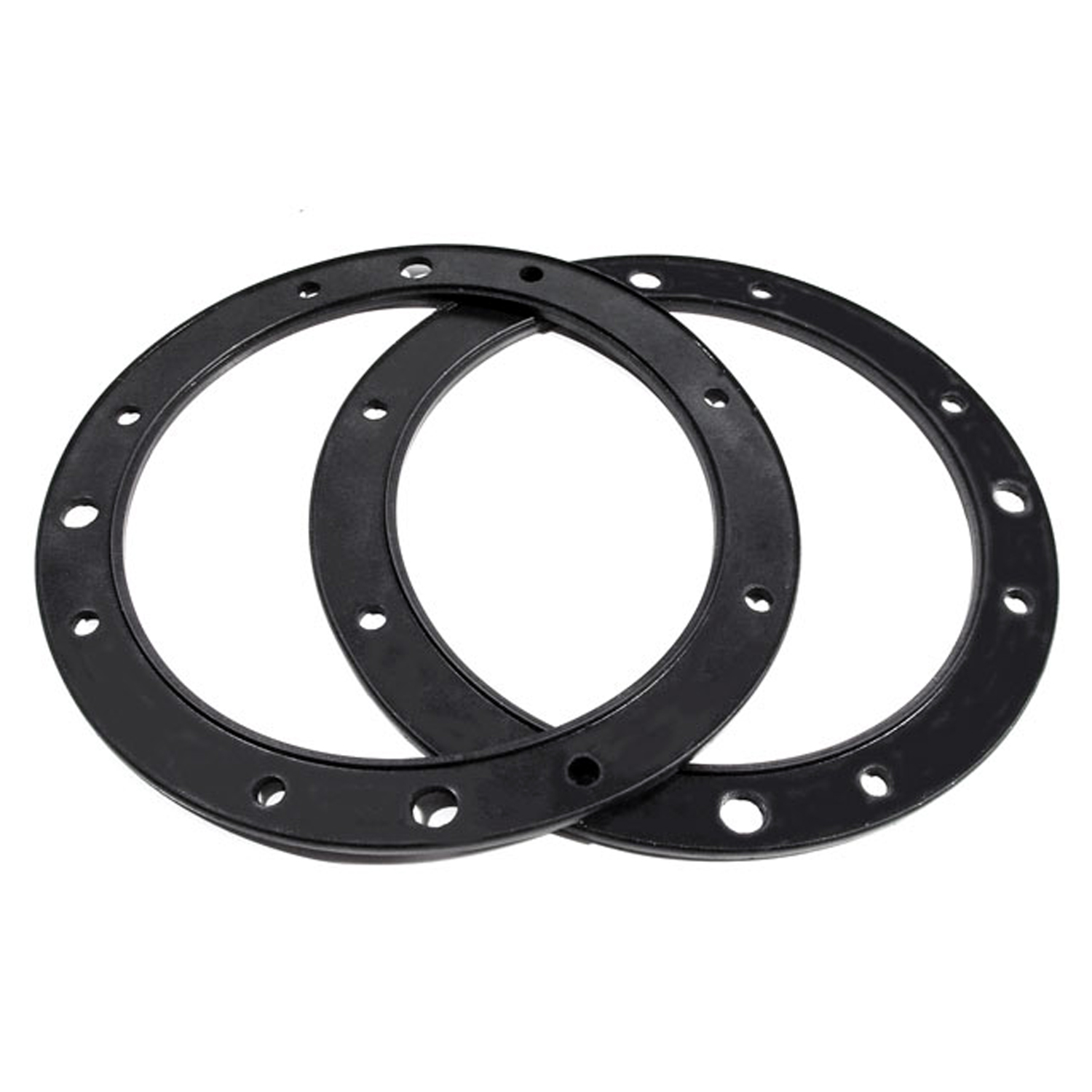 1954 Rolls-Royce Silver Dawn Headlight Ring Seal. 8-1/2" O.D., 6-5/8" I.D. Pair-HR 1Headlight Ring Seal. 8-1/2" O.D., 6-5/8" I.D. Pair
 1954 Rolls-Royce Silver Dawn Heel Pad. Initials "HJM"-RM 16Heel Pad. Initials "HJM". Made of high quality black rubber. 8" X 16". Each
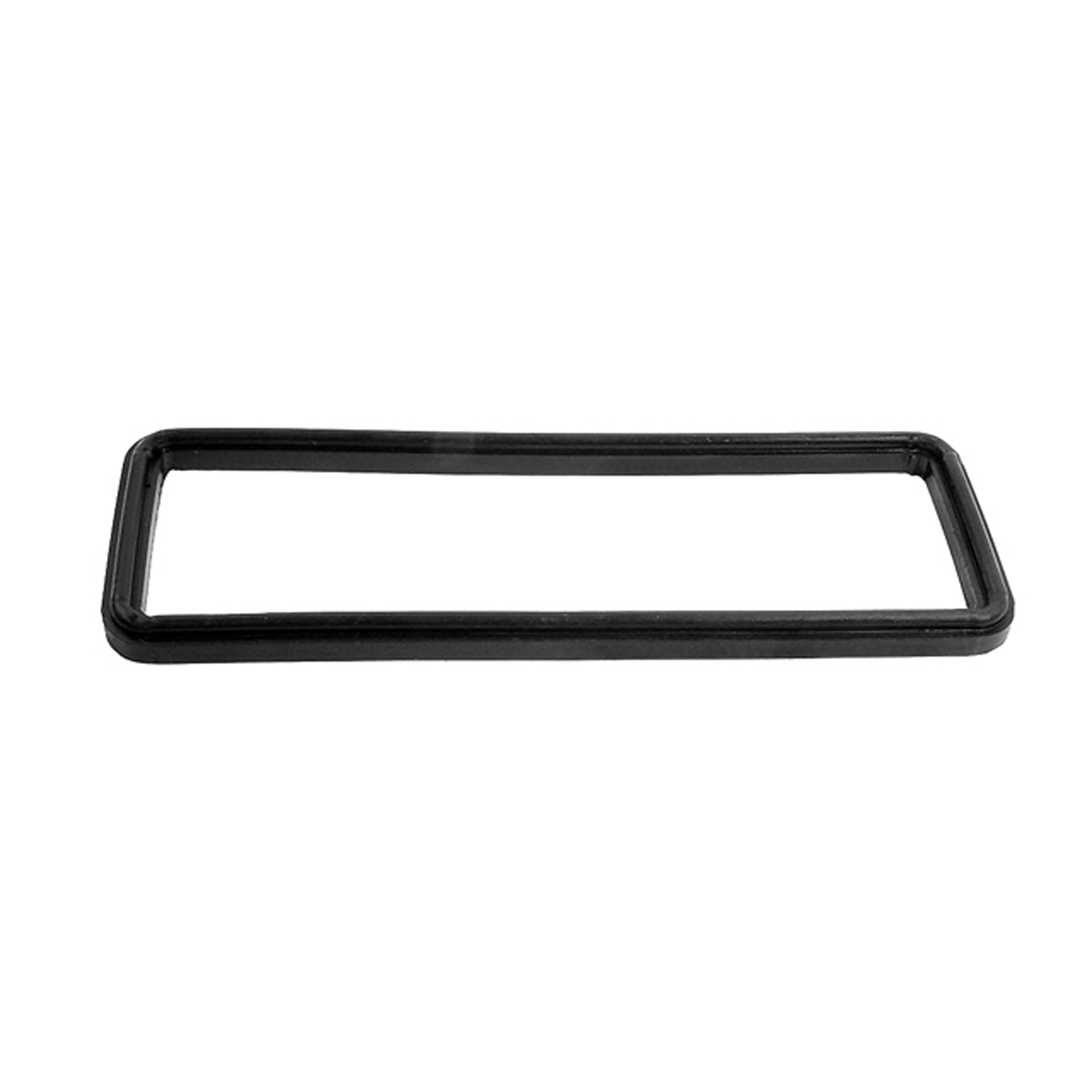 1954 Rolls-Royce Silver Dawn Side Vent Seal. Standard steel saloon-RP 100-FSide Vent Seal. Standard steel saloon. 3" wide X 8-1/2" long. Each
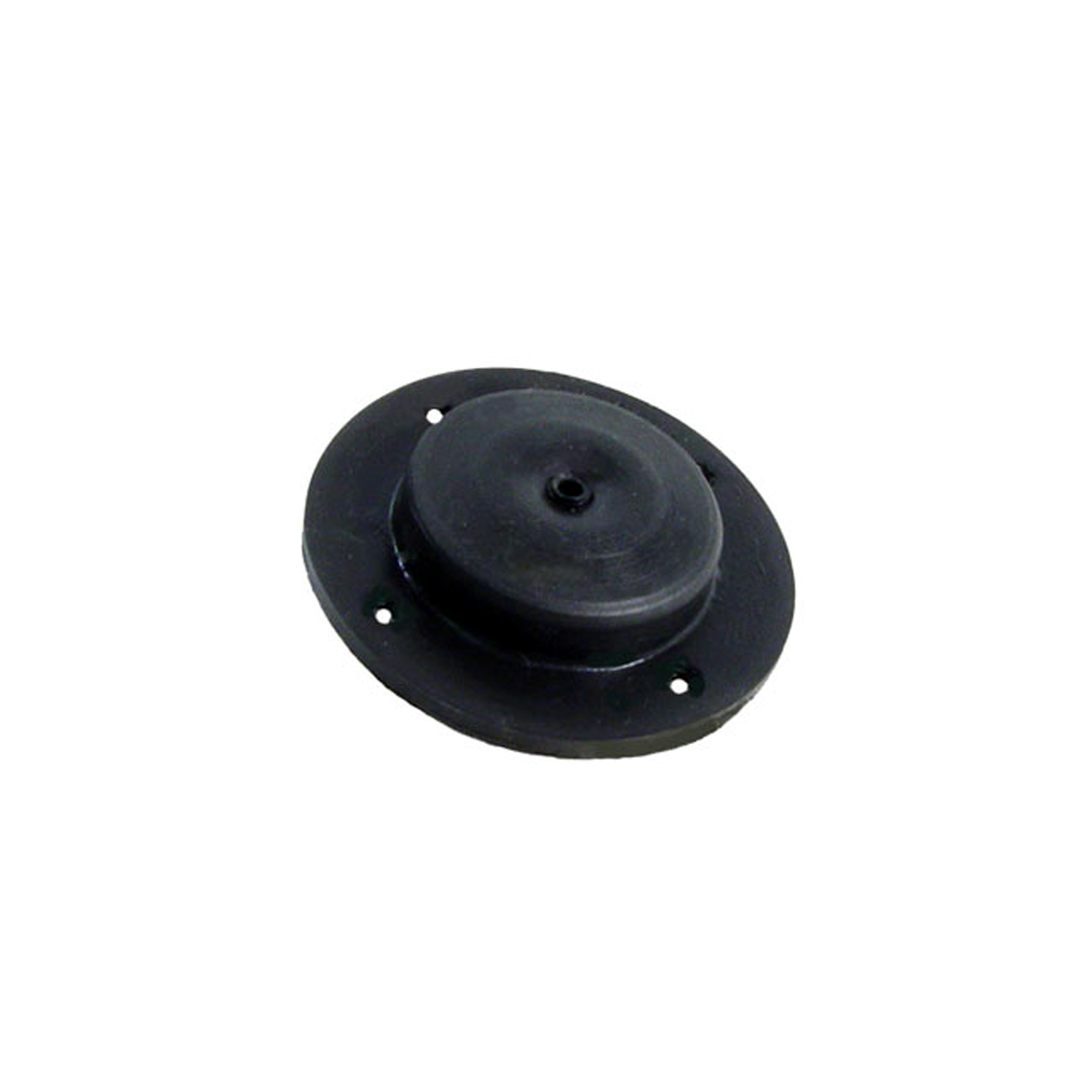 1954 Rolls-Royce Silver Dawn Thermo Tube through Dash Grommet. 2-3/8" O.D. Each-SM 70Thermo Tube through Dash Grommet. 2-3/8" O.D. Each
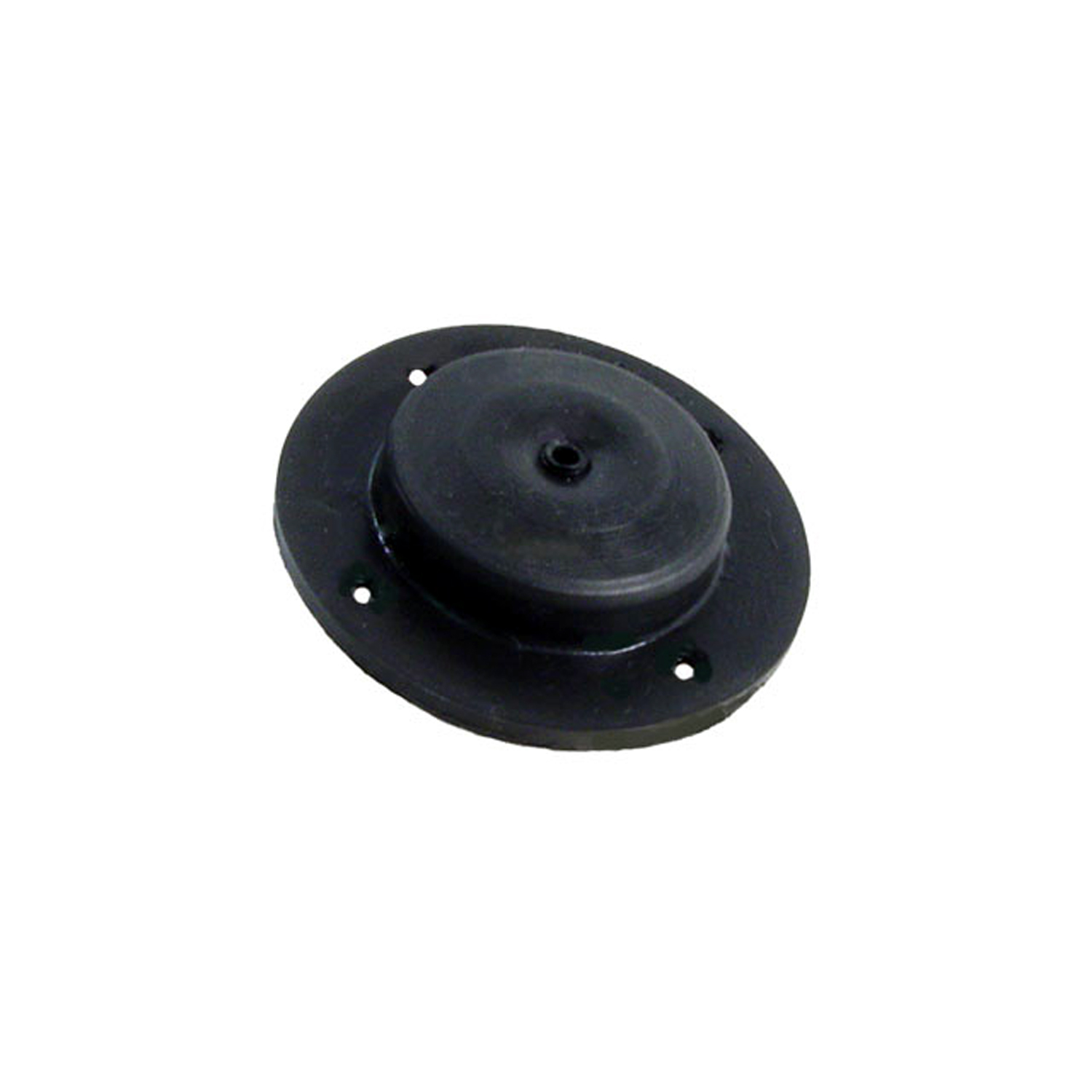 1954 Rolls-Royce Silver Dawn Speedometer Cable through Dash Grommet. 2-3/8" O.D. Each-SM 70-ASpeedometer Cable through Dash Grommet. 2-3/8" O.D. Each
Why Choose Metro?
For over 100 years, Metro Moulded Parts has been the pinnacle of quality in classic car restoration parts. Our commitment to precision and authenticity in every component ensures a perfect fit and an OEM-level appearance.
- Expert Craftsmanship & Quality: Each part is a testament to our dedication to reliability and perfection, crafted from original designs and thoroughly tested.
- Advanced Technology: We use cutting-edge techniques to create flawless, long-lasting parts that surpass others in performance.
- SuperSoft Sponge – The Ultimate Door Seal: Not only are our door seals 30% softer than competitors', but they're also guaranteed to never leak. They effectively reduce wind and road noise, enhancing your classic car's comfort and driving experience.
- Proudly American: Our parts are a product of American craftsmanship, made in the USA with a spirit of excellence and heritage.
- Unrivaled Warranty: We back our products with a 30-year industry-leading warranty, a testament to our confidence in their quality.
Join us in preserving the legacy of classic cars with parts that are crafted for perfection, not just made.