
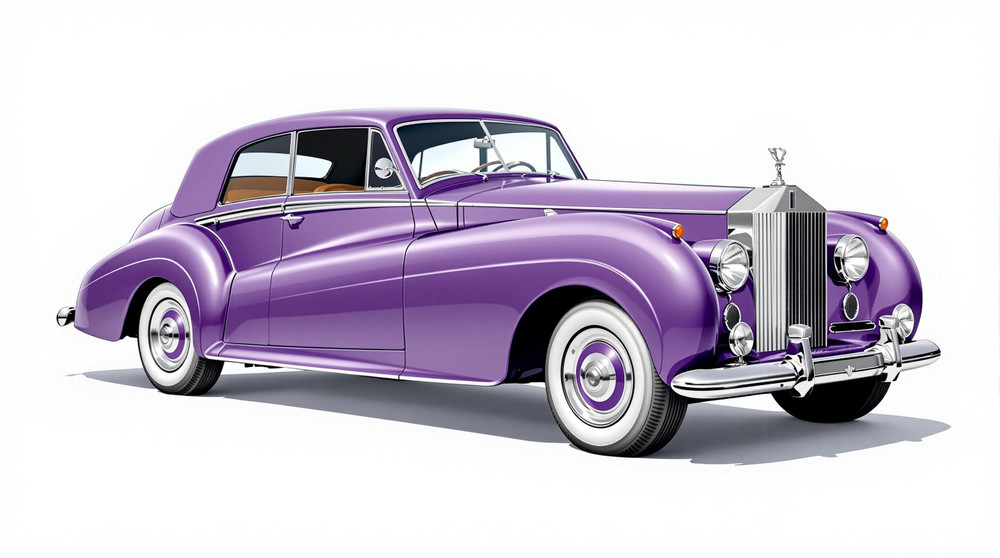
Image of 1954 Rolls-Royce Silver Wraith, Note: These illustrations use artistic license and may differ from actual historical models.
Performance Metrics
Fundamental Metrics
Emotional Appeal
MMP Rating
| Engine Specifications | |
|---|---|
| Engine: | Inline 6 |
| Displacement: | 4.6L - 4.9L |
| Horsepower: | Estimated 130 - 150 HP |
| Torque: | 230 lb-ft |
| Compression Ratio: | Estimated 7.0:1 |
| Ignition System: | Distributor with points |
| Cooling System: | Liquid cooled |
| Performance Specifications | |
| 0-60 Time: | 20 seconds |
| 1/4 Mile Time: | Estimated 22 seconds |
| Top Speed: | 100 mph |
| Transmission and Drive | |
| Drive Type: | Rear Wheel Drive |
| Transmission Type: | 4-speed automatic |
| Fuel and Efficiency | |
| Fuel System Type: | Carburetor |
| MPG: | Estimated 10 - 12 MPG |
| Dimensions and Brakes | |
| Brakes: | Drum brakes |
| Wheelbase: | 133 inches |
| Weight: | Estimated 4,600 lbs |
Note: Specifications for classic cars are given to the best of our ability, considering the limited and variant data available.
1954 Rolls-Royce Silver Wraith: A Handcrafted British Classic
In a Silver Wraith, the journey was designed to feel as important as the destination. The 1954 Rolls-Royce Silver Wraith combined a powerful, smooth-running six-cylinder engine with a bespoke body created to its owner’s taste, making each car a distinctive expression of postwar British craftsmanship.
Built by Rolls-Royce at its Crewe factory in England, the Silver Wraith was introduced in 1946 as the marque’s first postwar model. Unlike a modern production car, it was supplied as a rolling chassis: Rolls-Royce provided the mechanical foundations, while independent coachbuilders fashioned the body. The model continued through 1959, and its long production run bridged the old coachbuilt tradition and the more standardized luxury cars that followed.
One especially intriguing feature of the Silver Wraith is that there was no single definitive body shape. Two cars from the same year could look entirely different, depending on the owner’s requirements and the coachbuilder chosen. That individuality is central to the Silver Wraith’s appeal today.
Coachbuilt Style and Bespoke Luxury
The Silver Wraith’s exterior began with a long, substantial chassis, a tall bonnet, and the upright Rolls-Royce grille. Its proportions were imposing rather than sporty. Depending on the body, the car might have flowing front wings, a formal upright rear cabin, a sweeping fastback roofline, or the enclosed, stately profile of a chauffeur-driven limousine. The Spirit of Ecstasy, when specified, completed the familiar Rolls-Royce presence at the front.
Bodywork came from respected British firms including H.J. Mulliner, Park Ward, Hooper, James Young, and Freestone & Webb. Buyers could commission saloons, limousines, touring cars, and drophead coupes. Among the most recognizable configurations was the formal limousine, often fitted with a division between the driver and rear passengers. This layout suited the Silver Wraith’s role as a luxury car for business leaders, public figures, and chauffeur-driven owners.
Inside, the brief was comfort and craftsmanship. Depending on the body and commission, cabins featured leather upholstery, polished wood veneers, deep carpeting, and carefully finished metal fittings. Limousines could include rear-facing seats, privacy glass, reading lights, and a fitted writing surface. These were not necessarily standard features across every car: the coachbuilder and customer shaped the final specification.
Paint was similarly personal. There was no short, fixed palette that defined every Silver Wraith. Owners could choose traditional colors such as black, dark green, maroon, navy, or silver, as well as cream and two-tone schemes. Formal black limousines suited ceremonial work, while discreet dark shades were popular for private and diplomatic use. Many cars were painted to an individual order.
Engineering Beneath the Coachwork
By 1954, the Silver Wraith used Rolls-Royce’s 4,887 cc inline-six engine. It had an inlet-over-exhaust valve arrangement, a layout sometimes called an F-head, and was engineered for smooth, quiet pulling power rather than high-revving performance. Rolls-Royce famously avoided publishing a headline horsepower figure, describing the output instead as “adequate.”
A four-speed manual gearbox was typical, while an automatic transmission became available on later cars. The chassis used independent front suspension with coil springs, helping the large car ride more comfortably over uneven roads. At the rear was a live axle with leaf springs, a traditional arrangement suited to a heavy car designed for durability and a composed ride. Drum brakes with servo assistance provided the stopping power.
These features were not a technological revolution in isolation. Their importance lay in how Rolls-Royce combined them: a quiet engine, a carefully developed chassis, and a coachbuilt body intended to deliver dignified comfort. The Silver Wraith was a high-end automobile shaped around refinement, not a list of performance claims.
How the Silver Wraith Drives
Performance figures vary because body styles, weight, gearing, and condition differ from car to car. A sound 1954 Silver Wraith is often estimated to reach about 90 to 100 mph, with a 0-to-60 mph time in the region of 17 to 20 seconds. A heavy limousine with a long-wheelbase body may be slower than a lighter saloon or touring car.
On the road, the engine’s character matters more than the stopwatch. It delivers its power in a measured, unhurried way, making steady progress feel effortless. The cabin is well insulated by the standards of its era, so the six-cylinder engine tends to make a subdued mechanical murmur rather than a dramatic roar. There is no need to drive it hard; smooth, deliberate inputs suit the car best.
The suspension is at its happiest on ordinary, imperfect roads, where it can soften bumps and keep the body settled. On a winding road, the Silver Wraith’s length and weight become obvious. Steering is slower and less precise than that of a modern car, and brisk cornering is not its purpose. A confident driver looks ahead, leaves room, and guides the car rather than hustling it.
It is also worth remembering that a Silver Wraith’s road manners depend on its coachwork and upkeep. A limousine, a drophead coupe, and a saloon can feel quite different from behind the wheel. So can a well-maintained example compared with one carrying worn suspension, tired brakes, or neglected steering components.
Historical Importance and Lasting Influence
The Silver Wraith stands out because it preserved the traditional coachbuilt Rolls-Royce at a time when mass production and standardized bodies were becoming the norm. The chassis-and-coachbuilder system gave customers unusual freedom, but it also made the model expensive and relatively slow to build. Each commission could reflect a different balance of privacy, passenger space, sporting style, or ceremonial presence.
That approach set the Silver Wraith apart from many contemporaries. Other luxury manufacturers also offered exclusive coachwork, but Rolls-Royce’s reputation for mechanical refinement and its close relationship with leading British bodybuilders made the combination especially prestigious. The car’s legacy is not a single styling cue or breakthrough device. It is the idea that a luxury automobile could be tailored almost as a piece of commissioned furniture.
The Silver Wraith also captures a turning point in the marque’s history. It kept the bespoke tradition alive while the industry moved toward factory-built bodies. The Silver Cloud, introduced in the 1950s, represented a more integrated production approach, although Rolls-Royce continued to offer coachbuilt cars beyond the Silver Wraith era.
Ownership, Maintenance, and Reliability
Today, a Silver Wraith is most commonly used for touring, concours events, weddings, private collections, and occasional show appearances. It can be driven on public roads, but its size, age, and value make it a poor choice for most owners’ everyday commuting. A long-wheelbase limousine also needs more room to maneuver and park than a modern saloon.
These cars can be durable when properly maintained, but they are not simple or inexpensive vehicles to keep. Routine work calls for a mechanic familiar with prewar and postwar Rolls-Royce engineering, and coachwork repairs can be highly specialized. Parts availability varies: some mechanical items can be sourced through marque specialists, while body fittings, interior trim, and components unique to a particular coachbuilder may require restoration or careful fabrication.
Before buying, inspect the chassis for corrosion, check the engine and gearbox thoroughly, and assess the brakes, suspension, steering, and electrical system. The condition of the body is equally important. Because each car was coachbuilt, restoration costs can differ dramatically from one example to another. A pre-purchase inspection by a Rolls-Royce specialist is money well spent.
Silver Wraith Facts and Common Criticisms
The Silver Wraith’s production total is generally cited at about 1,883 chassis for the 1946–1959 model run. That makes it scarce compared with high-volume classics, although availability depends on body style, condition, and location. A surviving car may be a formal limousine, a touring body, or a one-off design, and those differences strongly affect its appeal.
Silver Wraiths served private owners as well as institutions and diplomatic households, where their quiet presence and spacious rear cabins were useful. Their bespoke nature is a point of fascination for collectors, but it can also make research challenging: the coachbuilder, original specification, and subsequent ownership history all matter. There is no single “standard” Silver Wraith against which every example can be judged.
Common criticisms are practical rather than mysterious. The cars are large, fuel consumption is high by modern standards, and acceleration is leisurely. Their brakes and steering require a different rhythm from those of a contemporary car, and a neglected example can quickly become an expensive project. The Silver Wraith rewards patience and careful upkeep, not hurried ownership.
Collector Values and Market Outlook
Silver Wraith values vary widely with condition, provenance, coachbuilder, body style, and restoration quality. As a broad current estimate in the United States, a usable but imperfect example may sell for roughly $40,000 to $80,000. Well-presented cars often fall around $80,000 to $150,000, while exceptional restorations or particularly desirable coachbuilt examples can reach approximately $150,000 to $250,000 or more. These are guide ranges, not guaranteed sale prices.
There are enough surviving cars to make patient searching possible, but the best examples are not always available publicly. Buyers should look beyond a polished exterior and consider documentation, mechanical condition, coachwork integrity, and the quality of any restoration. A rare body style or notable history can raise interest, but poor condition can outweigh an impressive nameplate.
The market is best described as selective rather than uniformly rising. Strong, well-documented cars remain desirable, while cars needing major mechanical or coachwork work can be difficult to sell at restoration-level prices. Over the long term, the Silver Wraith’s coachbuilt character supports collector interest, but purchase price is only part of the ownership equation.
Why the 1954 Silver Wraith Still Matters
The 1954 Rolls-Royce Silver Wraith brought together a smooth 4.9-liter six-cylinder engine, a refined chassis, and bodywork shaped to individual commissions. It was stately rather than fast, bespoke rather than standardized, and created for owners who valued craft as much as transportation.
More than seven decades later, its appeal lies in that individuality. Each Silver Wraith tells a slightly different story through its coachbuilder, body style, and details. It remains a remarkable expression of the moment when the traditional coachbuilt motorcar was giving way to the modern luxury car.
1954 Rolls-Royce Silver Wraith Catalog of Parts
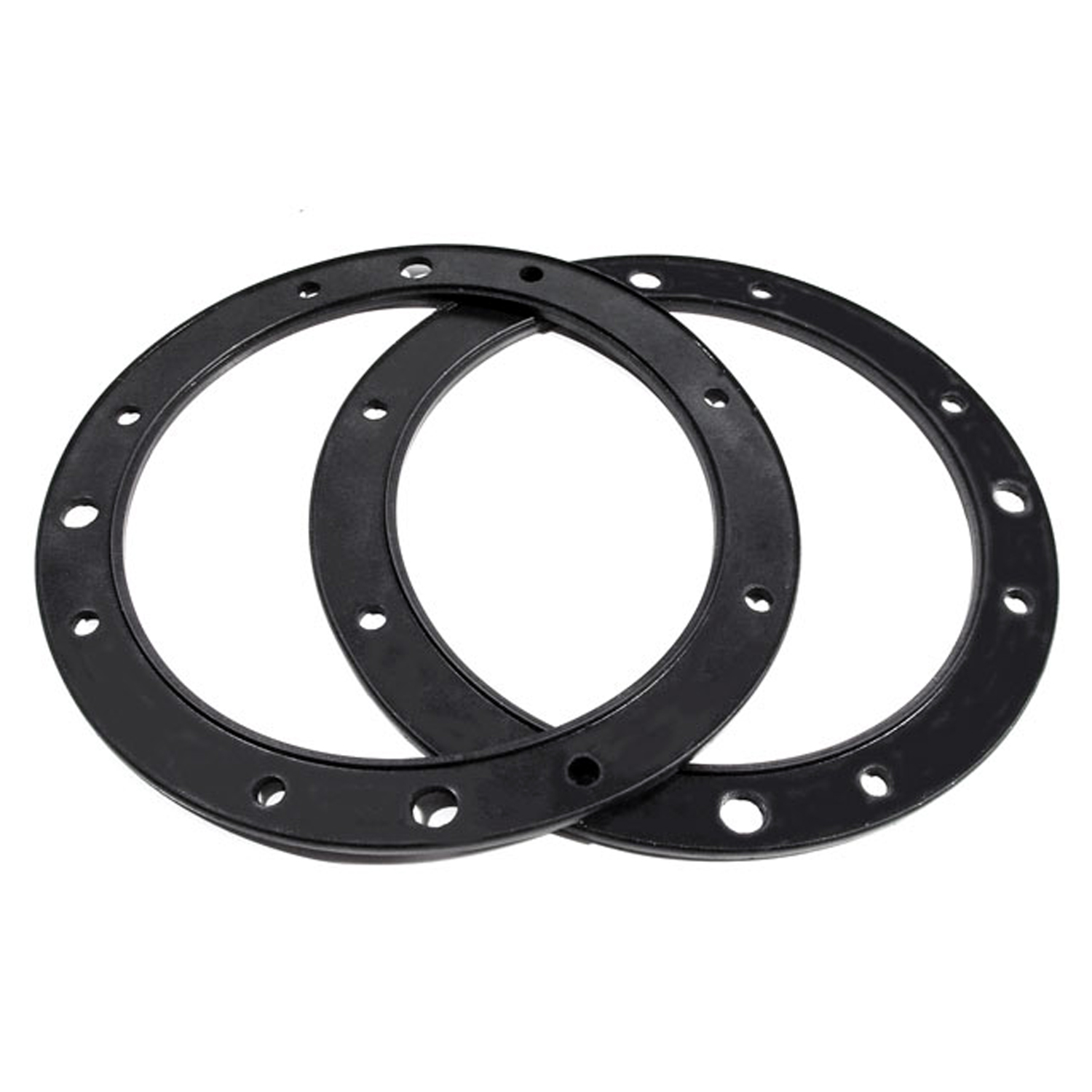 1954 Rolls-Royce Silver Wraith Headlight Ring Seal. 8-1/2" O.D., 6-5/8" I.D. Pair-HR 1Headlight Ring Seal. 8-1/2" O.D., 6-5/8" I.D. Pair
 1954 Rolls-Royce Silver Wraith Heel Pad. Initials "HJM"-RM 16Heel Pad. Initials "HJM". Made of high quality black rubber. 8" X 16". Each
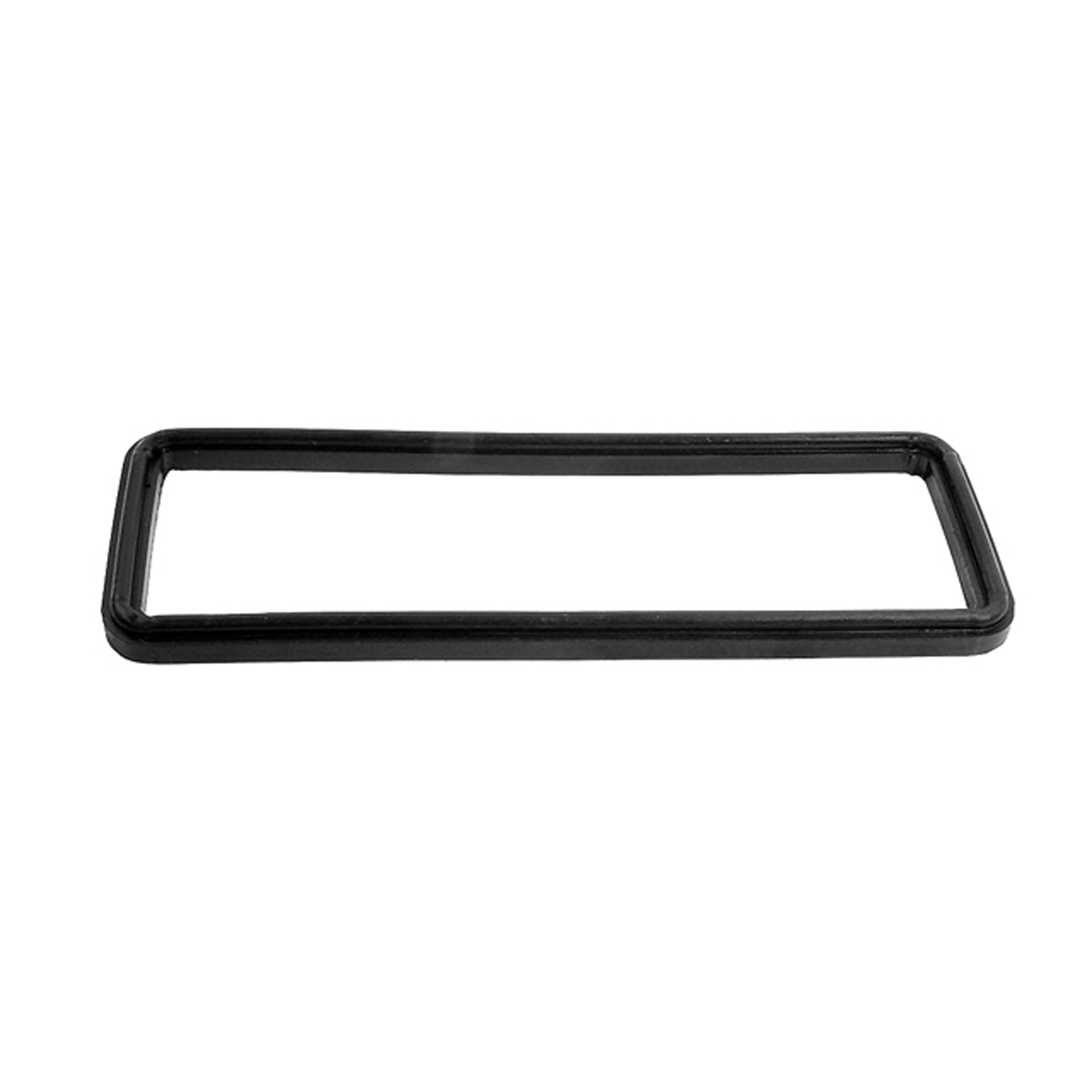 1954 Rolls-Royce Silver Wraith Side Vent Seal. Standard steel saloon-RP 100-FSide Vent Seal. Standard steel saloon. 3" wide X 8-1/2" long. Each
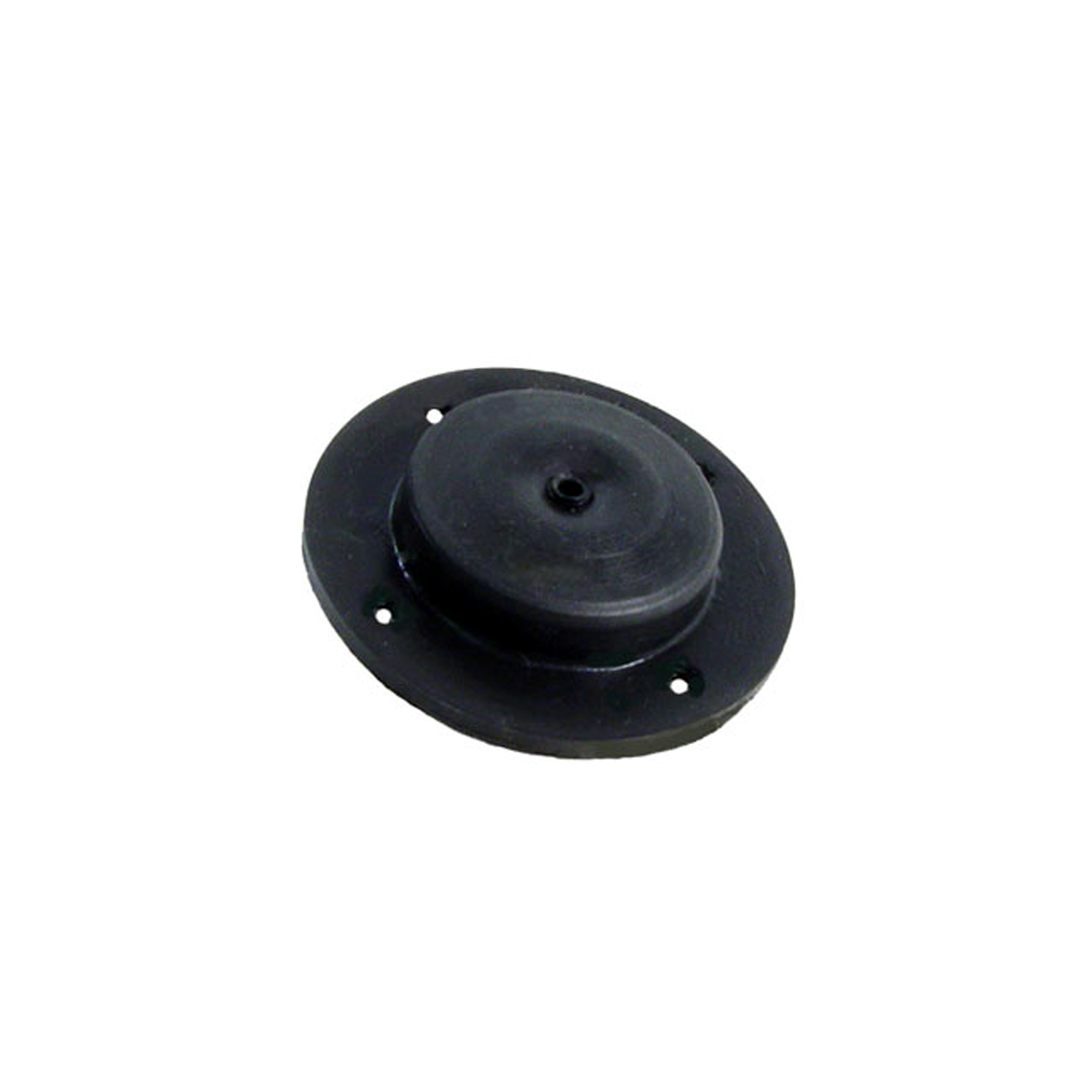 1954 Rolls-Royce Silver Wraith Thermo Tube through Dash Grommet. 2-3/8" O.D. Each-SM 70Thermo Tube through Dash Grommet. 2-3/8" O.D. Each
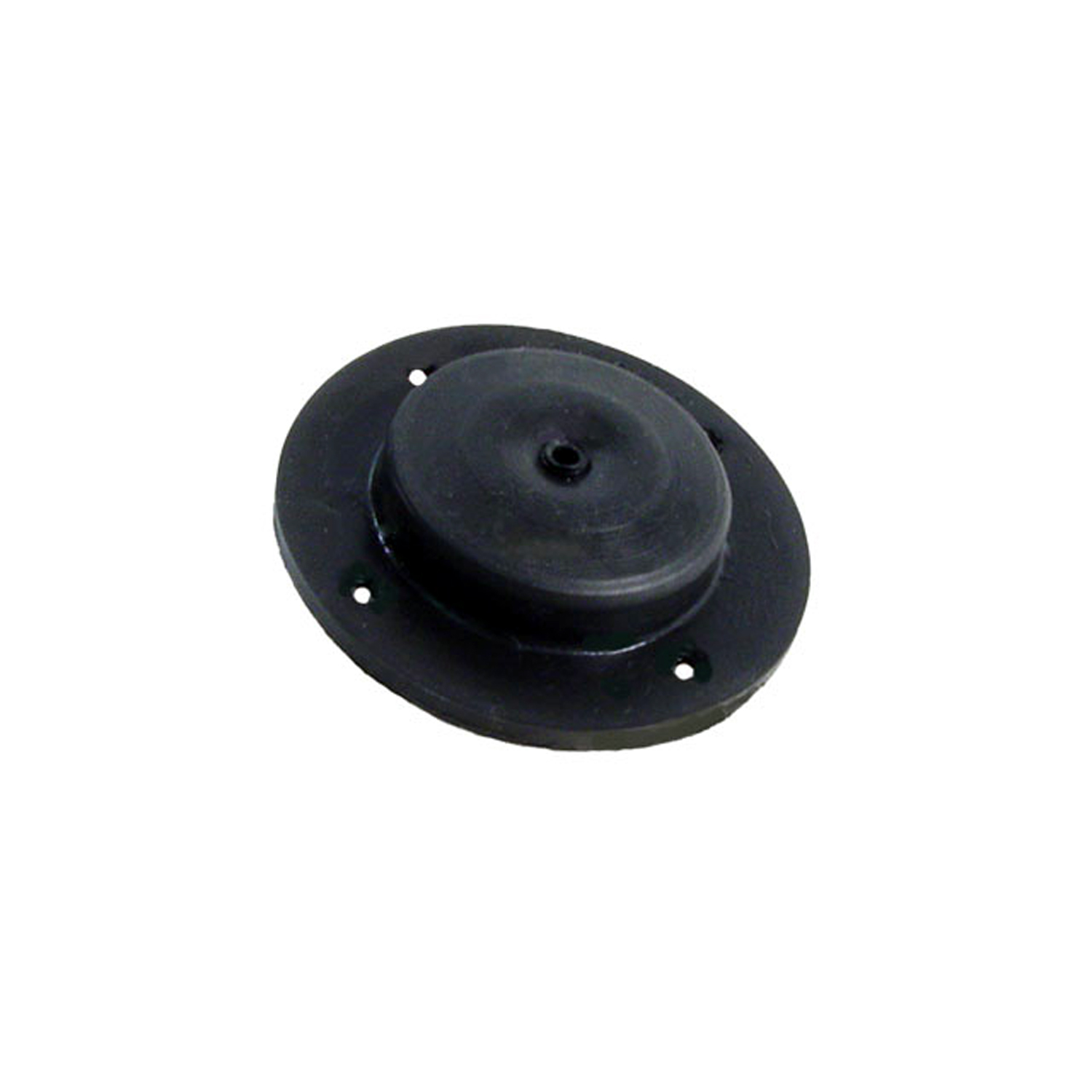 1954 Rolls-Royce Silver Wraith Speedometer Cable through Dash Grommet. 2-3/8" O.D. Each-SM 70-ASpeedometer Cable through Dash Grommet. 2-3/8" O.D. Each
Why Choose Metro?
For over 100 years, Metro Moulded Parts has been the pinnacle of quality in classic car restoration parts. Our commitment to precision and authenticity in every component ensures a perfect fit and an OEM-level appearance.
- Expert Craftsmanship & Quality: Each part is a testament to our dedication to reliability and perfection, crafted from original designs and thoroughly tested.
- Advanced Technology: We use cutting-edge techniques to create flawless, long-lasting parts that surpass others in performance.
- SuperSoft Sponge – The Ultimate Door Seal: Not only are our door seals 30% softer than competitors', but they're also guaranteed to never leak. They effectively reduce wind and road noise, enhancing your classic car's comfort and driving experience.
- Proudly American: Our parts are a product of American craftsmanship, made in the USA with a spirit of excellence and heritage.
- Unrivaled Warranty: We back our products with a 30-year industry-leading warranty, a testament to our confidence in their quality.
Join us in preserving the legacy of classic cars with parts that are crafted for perfection, not just made.