
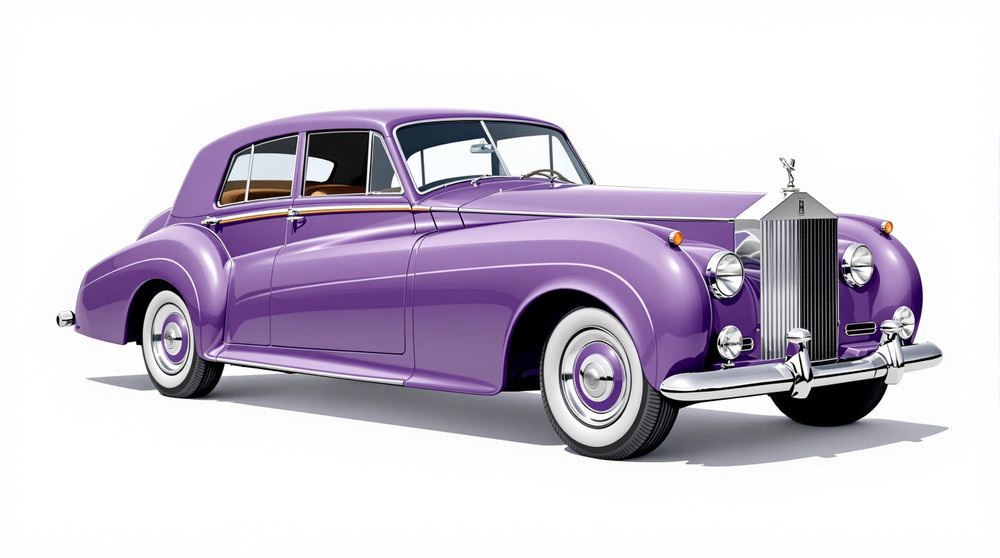
Image of 1955 Rolls-Royce Silver Cloud, Note: These illustrations use artistic license and may differ from actual historical models.
Performance Metrics
Fundamental Metrics
Emotional Appeal
MMP Rating
| Engine Specifications | |
|---|---|
| Engine: | Inline 6-cylinder engine |
| Displacement: | 4.9L |
| Horsepower: | Estimated 155-178 hp |
| Torque: | 230-250 lb-ft |
| Compression Ratio: | Estimated 6.6:1 |
| Ignition System: | Coil ignition |
| Cooling System: | Water-cooled |
| Performance Specifications | |
| 0-60 Time: | 13.5 seconds |
| 1/4 Mile Time: | Estimated 19.2 seconds |
| Top Speed: | 102 mph |
| Transmission and Drive | |
| Drive Type: | Rear-wheel drive |
| Transmission Type: | 4-speed automatic |
| Fuel and Efficiency | |
| Fuel System Type: | Twin SU carburetors |
| MPG: | Estimated 10-15 mpg |
| Dimensions and Brakes | |
| Brakes: | Drum brakes |
| Wheelbase: | 123 inches |
| Weight: | 4,700 lbs |
Note: Specifications for classic cars are given to the best of our ability, considering the limited and variant data available.
1955 Rolls-Royce Silver Cloud: A New Standard of Luxury
The 1955 Rolls-Royce Silver Cloud made effortless travel look like an art form. Introduced in April 1955, it was built by Rolls-Royce in Crewe, England, as the successor to the Silver Dawn and the first model in a family that would become one of the marque’s defining postwar designs. Elegant without being ostentatious, the Silver Cloud paired traditional hand-finished luxury with more modern construction and the power assistance expected of a top-tier car.
Its arrival also marked a new chapter for Rolls-Royce styling. The Silver Cloud’s body was designed under the direction of John Blatchley, and its clean, balanced shape gave the company’s formal image a smoother, more contemporary expression. A memorable detail: despite the name, Silver Cloud buyers were not limited to silver paint. The car could be ordered in a wide range of colors, including two-tone combinations.
Silver Cloud Styling and Coachbuilt Options
The standard Silver Cloud was a four-door saloon with a long bonnet, upright grille, crisp wings and gently rounded roofline. At the front, the familiar Rolls-Royce grille and Spirit of Ecstasy mascot provided unmistakable presence. The body looked substantial, but its restrained lines avoided the visual heaviness of some luxury cars of the era. Much of the standard steel body was produced by Pressed Steel and then finished and assembled by Rolls-Royce.
Inside, the emphasis was on comfort and craftsmanship rather than gadgetry. Buyers could expect fine leather upholstery, polished wood veneers, deep carpeting and carefully finished metal fittings. The rear compartment was especially inviting, with generous legroom and a quiet, cosseting atmosphere. Personal touches and bespoke trim choices made each example feel individual, even when it wore the standard factory body.
The four-door saloon was by far the most common and remains the iconic Silver Cloud I shape. Rolls-Royce also supplied chassis for specialist coachbuilders, including H.J. Mulliner, Park Ward and James Young. These firms created special saloons, drophead coupés and other coachbuilt bodies to individual customer commissions. A long-wheelbase version joined the range later in the Cloud I’s production run, offering extra rear-seat space.
Factory paint choices were extensive, and customers could request special colors. Deep greens, dark blues, black and subdued metallic shades suited the car’s formal character, while two-tone paintwork offered a more distinctive look. Silver was an obvious choice, but it was only one possibility among many.
Engineering Behind the Quiet Ride
Under the bonnet, the Silver Cloud I used Rolls-Royce’s 4,887 cc, or 4.9-litre, F-head straight-six engine. Its design placed the intake valves in the cylinder head and the exhaust valves in the block, a layout Rolls-Royce had developed over many years. The company did not promote a headline horsepower figure in the way many manufacturers did. Contemporary estimates commonly put output at around 155 horsepower, though the engine’s smoothness and flexibility mattered more than its peak number.
A four-speed automatic transmission was available and became the characteristic pairing for the car. Power steering and power-assisted braking helped make the large saloon easier to manage in everyday traffic. The Silver Cloud retained a separate chassis, a traditional construction method that also suited the model’s specialist coachbuilt versions. Independent front suspension and a well-developed suspension setup helped deliver its famously composed ride.
Air conditioning and other comfort equipment could be specified, depending on market and customer requirements. These features were expensive options rather than universal equipment. The car’s most important technological achievement was less about a single headline innovation than about integrating power assistance, automatic transmission and careful chassis tuning into a refined, easy-to-drive luxury package.
Why the Silver Cloud Mattered
The Silver Cloud helped define what a modern Rolls-Royce should feel like: imposing, beautifully finished and remarkably easy to operate. Its styling was more unified and contemporary than that of the Silver Dawn it replaced, while remaining unmistakably formal. It also shared its basic engineering and much of its appearance with the Bentley S1, giving the two marques closely related but subtly differentiated luxury saloons.
Compared with many contemporaries, the Silver Cloud stood out for its combination of build quality, quietness and customizability. It was not a sports saloon, and Rolls-Royce did not intend it to be. Instead, it offered a measured, smooth form of performance and a calm cabin that made long-distance travel feel unhurried. The Cloud name continued through later generations, and the original car’s proportions helped establish the visual language associated with Rolls-Royce luxury for years afterward.
Performance and the Driving Experience
Period performance figures vary with body style, specification and test conditions, but a healthy Silver Cloud I could reach roughly 100 to 103 mph. Acceleration from 0 to 60 mph generally took about 13 to 14 seconds. Those figures were respectable for a large luxury saloon of the mid-1950s, particularly one built for quietness and comfort rather than hard-edged speed.
On the road, the straight-six delivers power smoothly, with little fuss and a subdued mechanical note. The automatic transmission encourages relaxed progress, while power steering reduces the effort required at low speeds. The car is not silent, of course, but its engine, transmission and cabin are designed to keep noise from dominating the experience.
The suspension softens ordinary bumps and uneven pavement, making the Silver Cloud especially appealing on long journeys. Its size and weight are always apparent, and the body leans through corners more than a modern performance car. On winding roads, the best approach is a smooth one: look ahead, steer progressively and let the car settle rather than rushing it from turn to turn. In crosswinds, the broad body calls for attention, but the car’s stable, unhurried character suits open-road cruising.
Owning and Maintaining a Silver Cloud
Today, most Silver Clouds are used as collector cars, weekend tourers and show vehicles rather than daily transportation. A well-maintained example can still cover meaningful distances, but regular use depends on careful servicing and a realistic budget. These cars reward consistent attention to lubrication, cooling, brakes, suspension and electrical systems.
The Silver Cloud is not especially easy for an average owner to repair. Its mechanical systems are well engineered, but specialist knowledge, correct parts and experience with Rolls-Royce practices are valuable. Leather, woodwork and coachbuilt body panels also require the right restoration skills. Before purchase, a thorough inspection by a marque specialist is wise, with particular attention to chassis condition, corrosion, engine health, transmission operation, brake assistance and the quality of any previous restoration.
Fuel consumption is another ownership reality. Depending on condition, driving style and traffic, owners may see roughly 10 to 14 miles per gallon. Parts and labor can be costly, and neglected examples can require substantial investment. The upside is that a properly maintained Silver Cloud offers a uniquely comfortable and dignified way to enjoy classic motoring.
Silver Cloud Facts and Common Criticisms
Rolls-Royce built approximately 2,238 Silver Cloud I cars between 1955 and 1959. That makes the model uncommon, but not so scarce that examples never appear on the market. Standard saloons are the easiest versions to find; coachbuilt cars and unusual specifications are rarer and can command a premium.
The Silver Cloud was a bespoke luxury car, not a racing machine, and it was not designed to set speed or endurance records. Its distinction lies in the standard of comfort and finish it brought to road travel. The model’s many special-order details also mean that two cars can differ considerably in trim, colors and equipment.
Common criticisms are practical rather than romantic: the Silver Cloud is large, thirsty and expensive to maintain. Its soft suspension and body roll can feel old-fashioned to drivers accustomed to modern cars, and some examples have been altered or restored poorly over the decades. As with any classic, condition and maintenance history matter more than a polished exterior or an impressive badge.
Collector Values and Availability
As a broad guide for the 2026 collector market, a Silver Cloud I needing significant work might sell for around $20,000 to $40,000. A sound, usable standard saloon often falls in the $45,000 to $100,000 range, while excellent or concours-quality examples can reach roughly $120,000 to $200,000 or more. Rare coachbuilt bodies, exceptional provenance and high-quality restorations may bring higher prices. These estimates are in U.S. dollars and vary by country, condition and specification.
Silver Cloud values tend to be selective rather than uniformly rising. Desirable, well-documented cars have held collector interest, while tired examples remain costly projects and may be difficult to resell. Over the long term, top-quality cars may appreciate, but restoration expenses can exceed the difference between a project and a finished car. Buyers should choose for condition and enjoyment, not assume every Silver Cloud is a guaranteed investment.
A Lasting Rolls-Royce Classic
The 1955 Rolls-Royce Silver Cloud brought together graceful styling, traditional craftsmanship and genuinely usable comfort. Its smooth straight-six, automatic transmission and composed ride made it an accomplished long-distance saloon, while coachbuilt versions gave customers room to express their own tastes. It asks for careful maintenance and a generous fuel budget, but rewards its owner with a driving experience unlike that of an ordinary classic car.
Nearly seven decades after its introduction, the Silver Cloud still looks and feels like a Rolls-Royce should: calm, confident and unmistakably special. Its greatest achievement was not simply arriving in style, but making the journey itself feel like the occasion.
1955 Rolls-Royce Silver Cloud Catalog of Parts
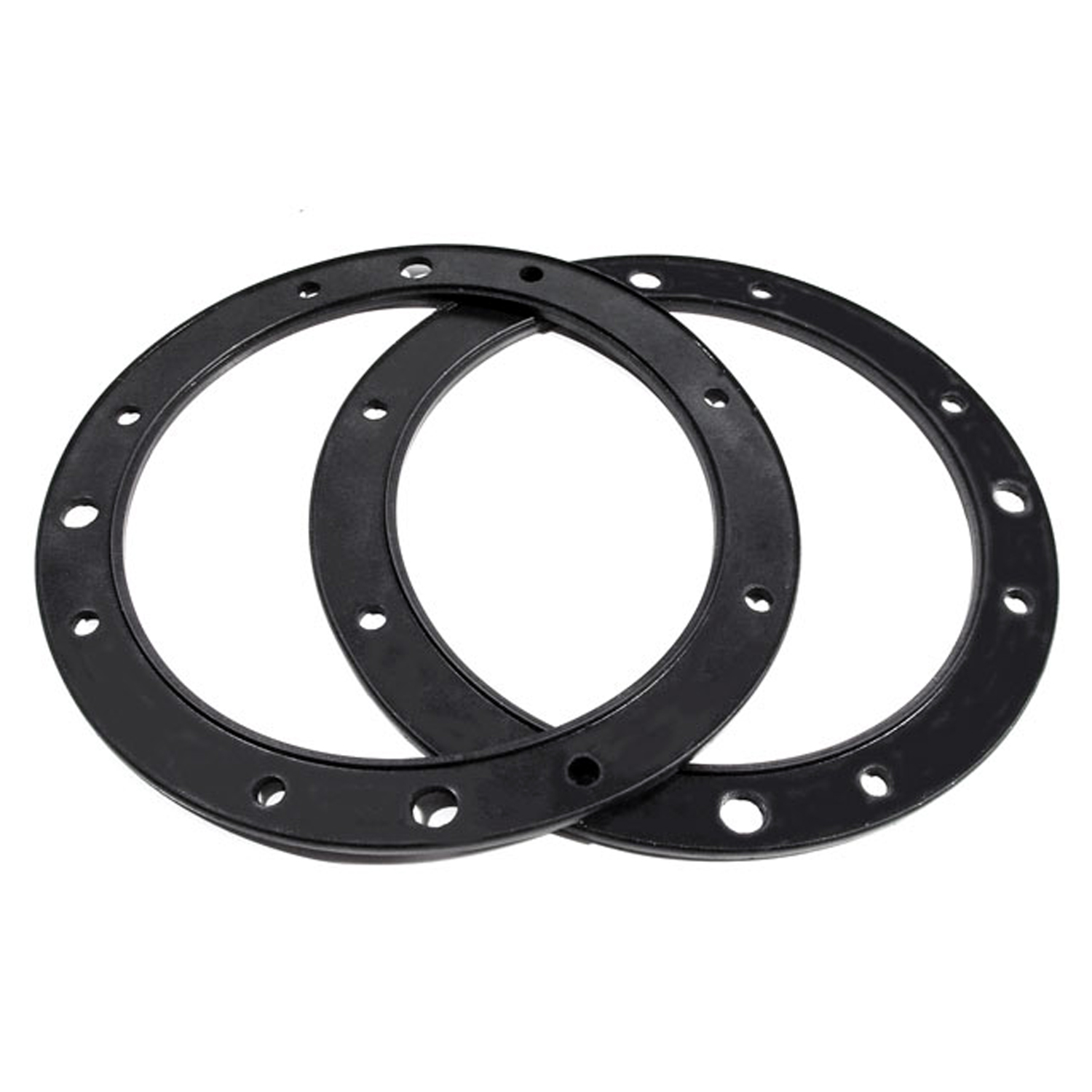 1955 Rolls-Royce Silver Cloud Headlight Ring Seal. 8-1/2" O.D., 6-5/8" I.D. Pair-HR 1Headlight Ring Seal. 8-1/2" O.D., 6-5/8" I.D. Pair
 1955 Rolls-Royce Silver Cloud Heel Pad. Initials "HJM"-RM 16Heel Pad. Initials "HJM". Made of high quality black rubber. 8" X 16". Each
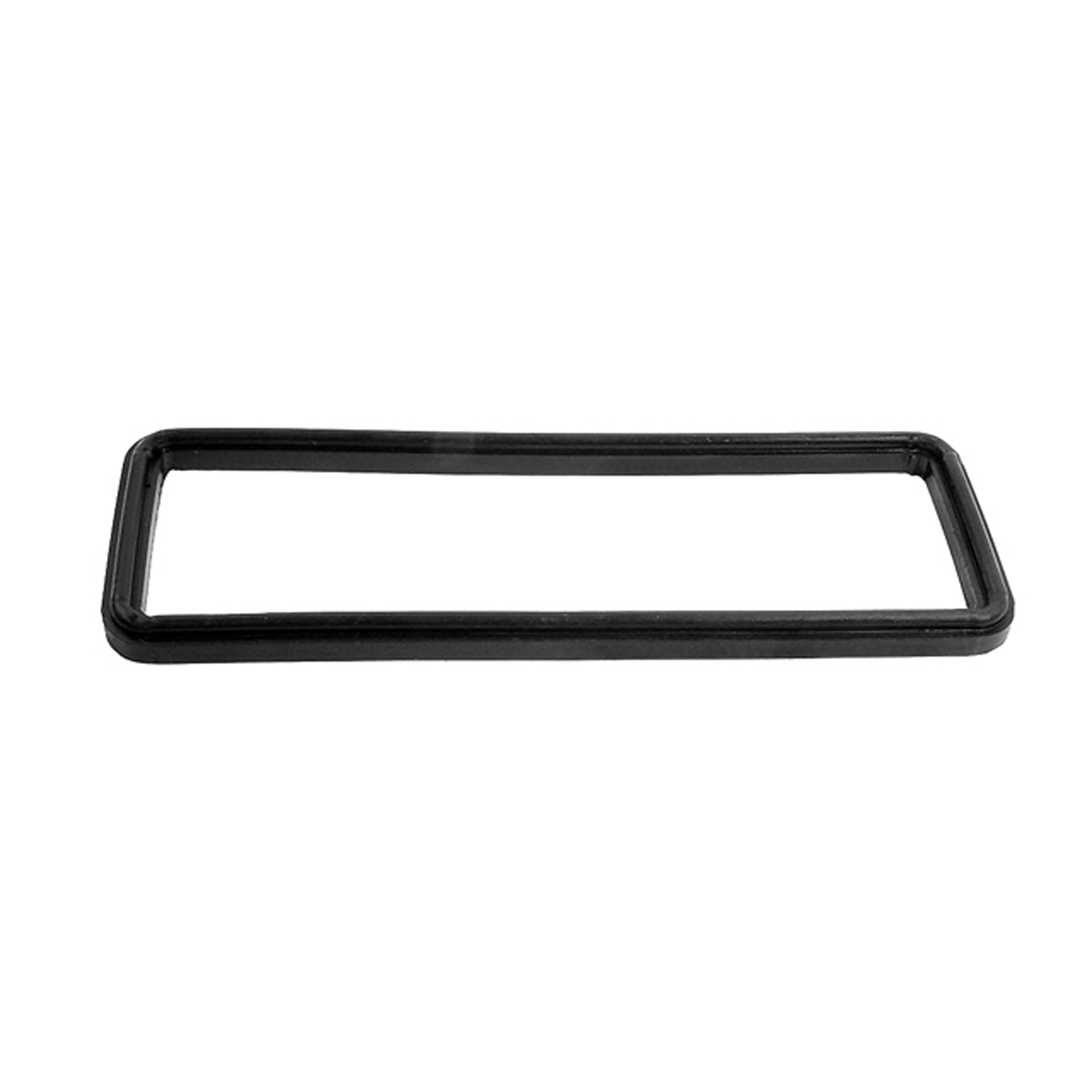 1955 Rolls-Royce Silver Cloud Side Vent Seal. Standard steel saloon-RP 100-FSide Vent Seal. Standard steel saloon. 3" wide X 8-1/2" long. Each
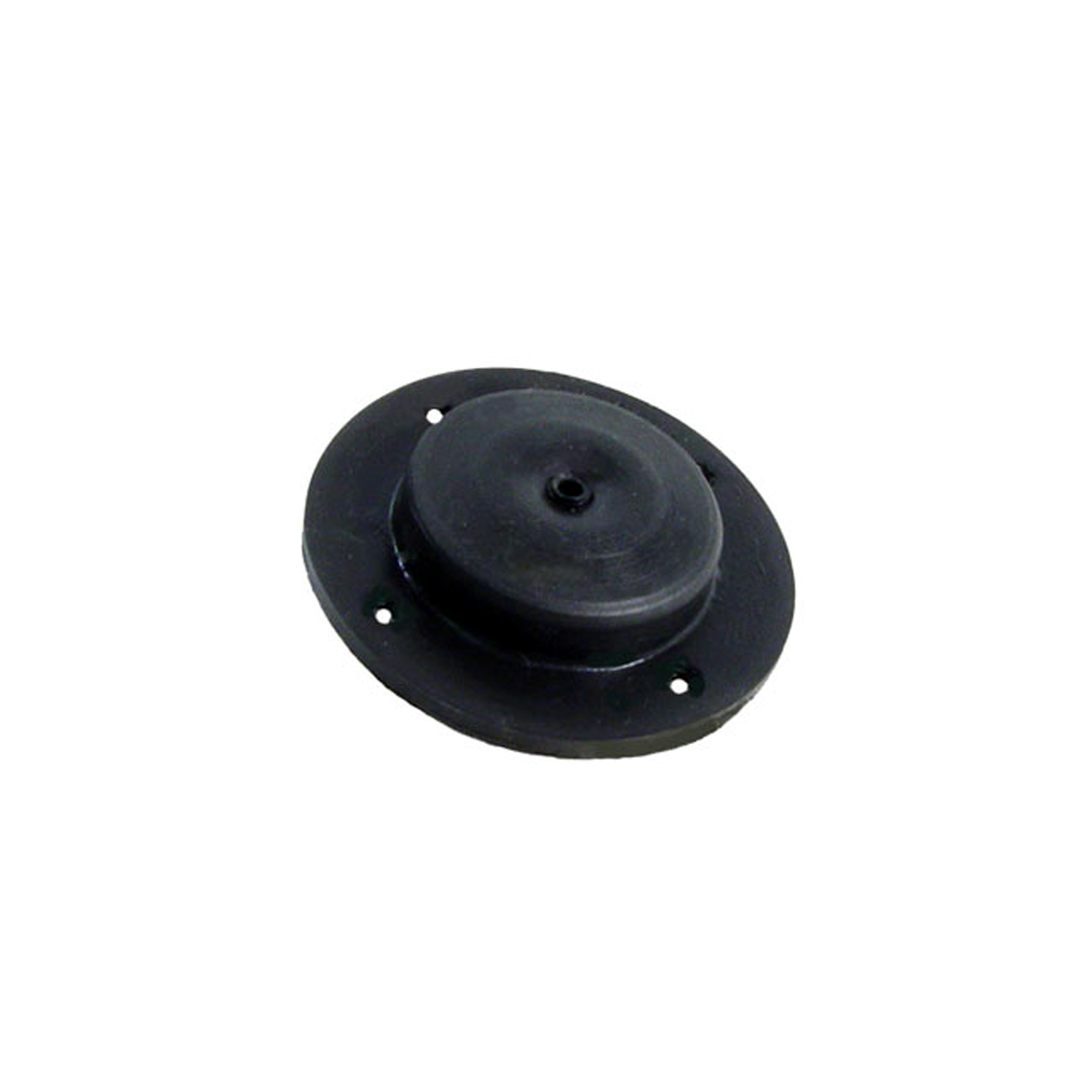 1955 Rolls-Royce Silver Cloud Thermo Tube through Dash Grommet. 2-3/8" O.D. Each-SM 70Thermo Tube through Dash Grommet. 2-3/8" O.D. Each
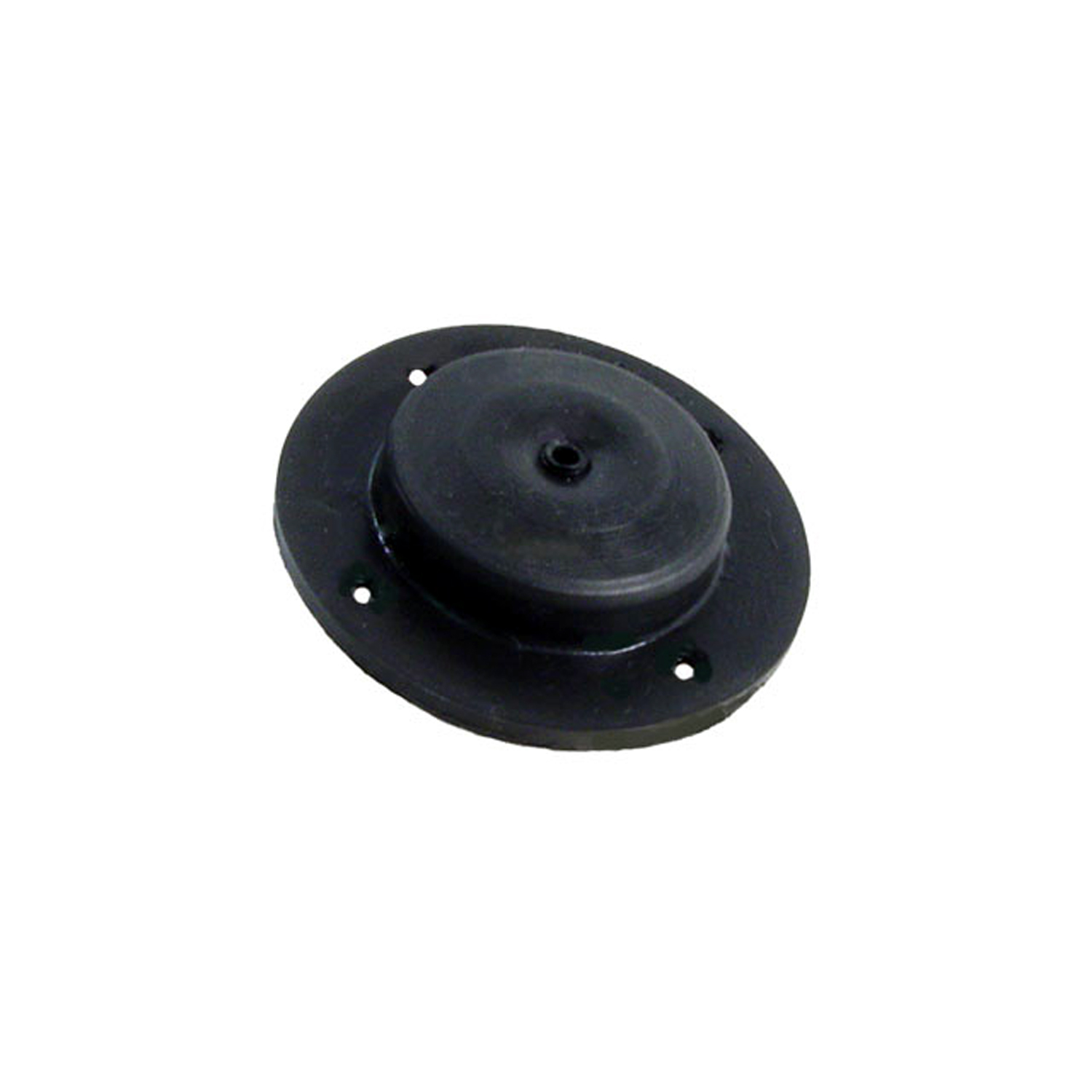 1955 Rolls-Royce Silver Cloud Speedometer Cable through Dash Grommet. 2-3/8" O.D. Each-SM 70-ASpeedometer Cable through Dash Grommet. 2-3/8" O.D. Each
Why Choose Metro?
For over 100 years, Metro Moulded Parts has been the pinnacle of quality in classic car restoration parts. Our commitment to precision and authenticity in every component ensures a perfect fit and an OEM-level appearance.
- Expert Craftsmanship & Quality: Each part is a testament to our dedication to reliability and perfection, crafted from original designs and thoroughly tested.
- Advanced Technology: We use cutting-edge techniques to create flawless, long-lasting parts that surpass others in performance.
- SuperSoft Sponge – The Ultimate Door Seal: Not only are our door seals 30% softer than competitors', but they're also guaranteed to never leak. They effectively reduce wind and road noise, enhancing your classic car's comfort and driving experience.
- Proudly American: Our parts are a product of American craftsmanship, made in the USA with a spirit of excellence and heritage.
- Unrivaled Warranty: We back our products with a 30-year industry-leading warranty, a testament to our confidence in their quality.
Join us in preserving the legacy of classic cars with parts that are crafted for perfection, not just made.