
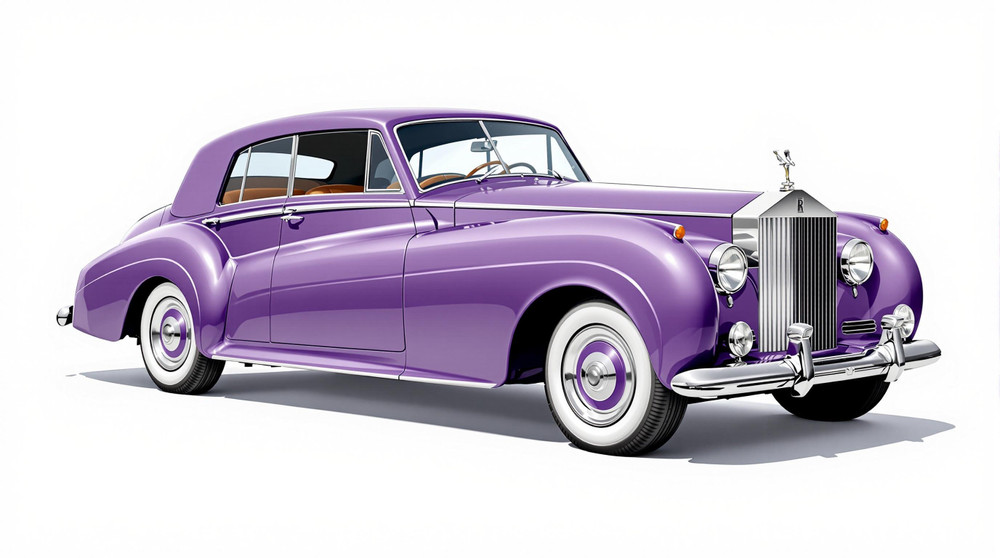
Image of 1955 Rolls-Royce Silver Wraith, Note: These illustrations use artistic license and may differ from actual historical models.
Performance Metrics
Fundamental Metrics
Emotional Appeal
MMP Rating
| Engine Specifications | |
|---|---|
| Engine: | Inline 6 |
| Displacement: | 4.9L |
| Horsepower: | Estimated 130-150 HP |
| Torque: | Not specified for this model |
| Compression Ratio: | Not specified for this model |
| Ignition System: | Coil ignition |
| Cooling System: | Water-cooled |
| Performance Specifications | |
| 0-60 Time: | Not specified for this model |
| 1/4 Mile Time: | Not specified for this model |
| Top Speed: | 100 mph |
| Transmission and Drive | |
| Drive Type: | Rear-wheel drive |
| Transmission Type: | 4-speed automatic |
| Fuel and Efficiency | |
| Fuel System Type: | Carburetor |
| MPG: | Not specified for this model |
| Dimensions and Brakes | |
| Brakes: | Drum brakes |
| Wheelbase: | 133 inches |
| Weight: | 4,600 lbs |
Note: Specifications for classic cars are given to the best of our ability, considering the limited and variant data available.
1955 Rolls-Royce Silver Wraith: The Coachbuilt Classic
In 1955, a Rolls-Royce Silver Wraith was less a finished car than the beginning of a collaboration between its owner and a master coachbuilder. Rolls-Royce supplied the engineering, chassis and imposing mechanical presence; a specialist firm then created a body to suit the buyer. The result was a hand-built luxury car with a character rarely shared by two examples.
The Silver Wraith was built in England by Rolls-Royce from 1946 to 1959. It was the company’s postwar flagship chassis, aimed at buyers who wanted traditional coachbuilt luxury. In 1955, the streamlined Silver Cloud joined the range as a more standardized, factory-bodied saloon, but the Silver Wraith continued to offer a distinctly bespoke alternative.
One detail makes the 1955 model especially interesting: it sits near the end of the classic coachbuilt era at Rolls-Royce. Its chassis was designed to accept bodies from independent firms, preserving a tradition that was already becoming increasingly rare in the modern car industry.
Silver Wraith Styling and Coachbuilt Bodies
The Silver Wraith’s appearance depended on its coachbuilder, but its proportions were unmistakably grand. A long bonnet, upright radiator grille, sculpted front wings and separate running boards gave it a formal, prewar silhouette. The famous Rolls-Royce radiator grille and Spirit of Ecstasy mascot supplied a recognizable focal point, while the bodywork behind them could vary dramatically from car to car.
Buyers could choose a dignified saloon, a formal limousine, a drophead coupé, a landaulette or other special-purpose designs. Coachbuilders including H.J. Mulliner, Park Ward, Hooper, James Young and Freestone & Webb produced Silver Wraith bodies. Limousines and stately saloons were among the most familiar configurations, while open cars and unusually elaborate designs were made in smaller numbers. The long-wheelbase chassis offered extra room for rear passengers and suited chauffeur-driven use.
Paint and trim were often selected to order, so there was no single definitive factory palette. Black, dark blue, maroon and other deep, formal colors suited the car’s ceremonial role; two-tone finishes also appeared on some bodies. Inside, owners could specify rich leather, polished wood veneers, thick carpeting and carefully finished metal fittings. The exact materials and layout depended on the body and commission, but the aim was always quiet refinement rather than fashion-driven decoration.
Engineering for Quiet Luxury
A 1955 Silver Wraith used a 4,887 cc inline six-cylinder engine. Like other Rolls-Royce engines of the period, it used an inlet-over-exhaust valve arrangement, with the inlet valves in the cylinder head and the exhaust valves in the block. Rolls-Royce did not generally promote a published horsepower figure, preferring to describe power as “adequate.” Independent estimates commonly place output in the neighborhood of 150 to 165 horsepower, though specifications and performance could vary with the body fitted.
Transmission arrangements also varied by year and specification. Four-speed manual gearboxes were available, while the four-speed automatic, derived from General Motors’ Hydra-Matic design, became an increasingly common choice. The Silver Wraith paired its engine and transmission with independent front suspension, a live rear axle and power assistance for its braking system. These features were intended to make a large, heavy car feel composed and manageable, not sporty.
The separate chassis was central to the Silver Wraith’s identity. It allowed a coachbuilder to create a body suited to a specific customer, but it also meant that dimensions, weight and performance differed between examples. A stately limousine and a lighter coupé could share the same basic mechanical foundation yet feel quite different on the road.
Historical Significance and Lasting Influence
The Silver Wraith helped Rolls-Royce preserve bespoke coachbuilding after the Second World War. At a time when mass production was becoming the norm, the company continued to offer a chassis that could be tailored by specialist firms. That approach gave wealthy customers an unusual level of choice and kept traditional coachbuilders at the heart of luxury motoring for another generation.
Its importance is also clear in the contrast with the 1955 Silver Cloud. The Silver Cloud arrived as a complete, factory-bodied saloon, reflecting the industry’s move toward integrated production and more standardized luxury cars. The Silver Wraith, meanwhile, maintained the older formula of a Rolls-Royce chassis finished by an independent coachbuilder. It was not simply the more expensive-looking option; it represented a different way of building and buying a car.
That tradition eventually faded as coachbuilt bodies became costly and production methods changed. The Silver Wraith was the last Rolls-Royce model range to offer this kind of broad, independent body-building opportunity. Its legacy is therefore found not in a single styling cue, but in the idea that a luxury car could be commissioned as an individual object.
Performance, Ride and Road Manners
Performance figures should be treated as estimates because body weight, gearing and condition varied. A typical 1955 Silver Wraith could reach around 95 to 100 mph, with a 0-to-60-mph time often estimated at roughly 20 to 25 seconds. Those figures suited a large luxury car of its period. Its real talent was covering distance calmly, not delivering rapid acceleration.
On a smooth road, the Silver Wraith feels substantial and unhurried. The engine’s low-key note, the softly delivered power and the car’s long wheelbase encourage a relaxed pace. The cabin is separated from much of the commotion outside, and the driver can make steady progress without needing to work the car hard. Automatic-equipped examples are especially suited to gentle touring.
On broken pavement, the suspension softens the sharpest impacts, though the car’s weight and age mean it should not be expected to float over every bump. On winding roads, the Silver Wraith is composed but deliberate. Its size, body roll and relatively slow steering response call for anticipation, while tight bends and narrow lanes demand respect. A well-maintained example feels reassuring; a worn one can feel vague or unsettled.
Owning and Maintaining a Silver Wraith
Most Silver Wraiths today are preserved as collector cars, shown at concours events or used for occasional touring. Some serve in weddings and other formal events, where their chauffeur-friendly layout and imposing presence are especially appealing. Regular daily use is possible for a committed owner, but it is rarely the practical choice for a car of this age, size and value.
Maintenance is specialized rather than simple. The engine and chassis are durable when correctly serviced, but decades of wear, long periods in storage and imperfect past repairs can create expensive problems. Brakes, suspension, cooling, electrical systems and the transmission all deserve careful inspection. Coachbuilt bodies add another layer: wood framing, metalwork, trim and bespoke fittings may require the skills of a specialist restorer.
Parts and expertise are available through marque specialists, but repairs are not usually easy or inexpensive for the average owner. The best starting point is a thorough pre-purchase inspection by a Rolls-Royce specialist, followed by a realistic maintenance budget. On a Silver Wraith, originality and good workmanship matter as much as a glossy exterior.
Silver Wraith Facts and Common Criticisms
Across the entire Silver Wraith production run from 1946 to 1959, approximately 1,883 chassis were built. That figure covers all years, not just the 1955 model, and each coachbuilt body makes the surviving cars unusually diverse. The number of examples with any one body style or specification is smaller still.
There is no widely recognized speed or endurance record that defines the Silver Wraith. Its distinction is instead its role as a bespoke flagship and its association with chauffeur-driven luxury. Silver Wraiths served wealthy private owners and official or diplomatic users in several countries, though the details of any individual car’s history should be verified through documentation rather than assumed from its model name.
Common criticisms are straightforward: the car is large, thirsty, slow by modern standards and expensive to restore. Its bespoke construction can make seemingly simple body repairs complicated, and its formal character is not to everyone’s taste. Those drawbacks are part of the bargain. The Silver Wraith offers craftsmanship and individuality that a mass-produced luxury car cannot easily reproduce.
Collector Values and Market Outlook
Silver Wraith values depend heavily on condition, provenance, coachbuilder, body style and the quality of any restoration. As a broad 2026 market estimate in U.S. dollars, a project or heavily worn example might sell for around $25,000 to $60,000. A usable, presentable car could fall in the $60,000 to $150,000 range, while an exceptional, well-documented example may reach $150,000 to $300,000 or more. Rare bodies and outstanding provenance can push prices higher; these are estimates, not guaranteed sale prices.
Availability is limited, but buyers do encounter Silver Wraiths through specialist dealers, auctions and private sales. The market tends to reward quality and history rather than treating every example as equally valuable. Over time, the best cars have generally proved more resilient than projects, while rising restoration costs can make neglected examples difficult to justify. The model is best viewed as a long-term collectible whose appeal rests on rarity, craftsmanship and condition, rather than as a quick investment.
Why the 1955 Silver Wraith Still Matters
The 1955 Rolls-Royce Silver Wraith brought together a powerful six-cylinder engine, a substantial chassis and the work of Britain’s finest coachbuilders. It offered a level of personal choice that was already disappearing, while providing the quiet, formal ride expected of the Rolls-Royce name.
Today, its appeal lies in the fact that it is both a car and a record of its original owner’s taste. No two coachbuilt Silver Wraiths need look quite alike, and every well-preserved example carries a piece of automotive history from the final age of bespoke luxury.
1955 Rolls-Royce Silver Wraith Catalog of Parts
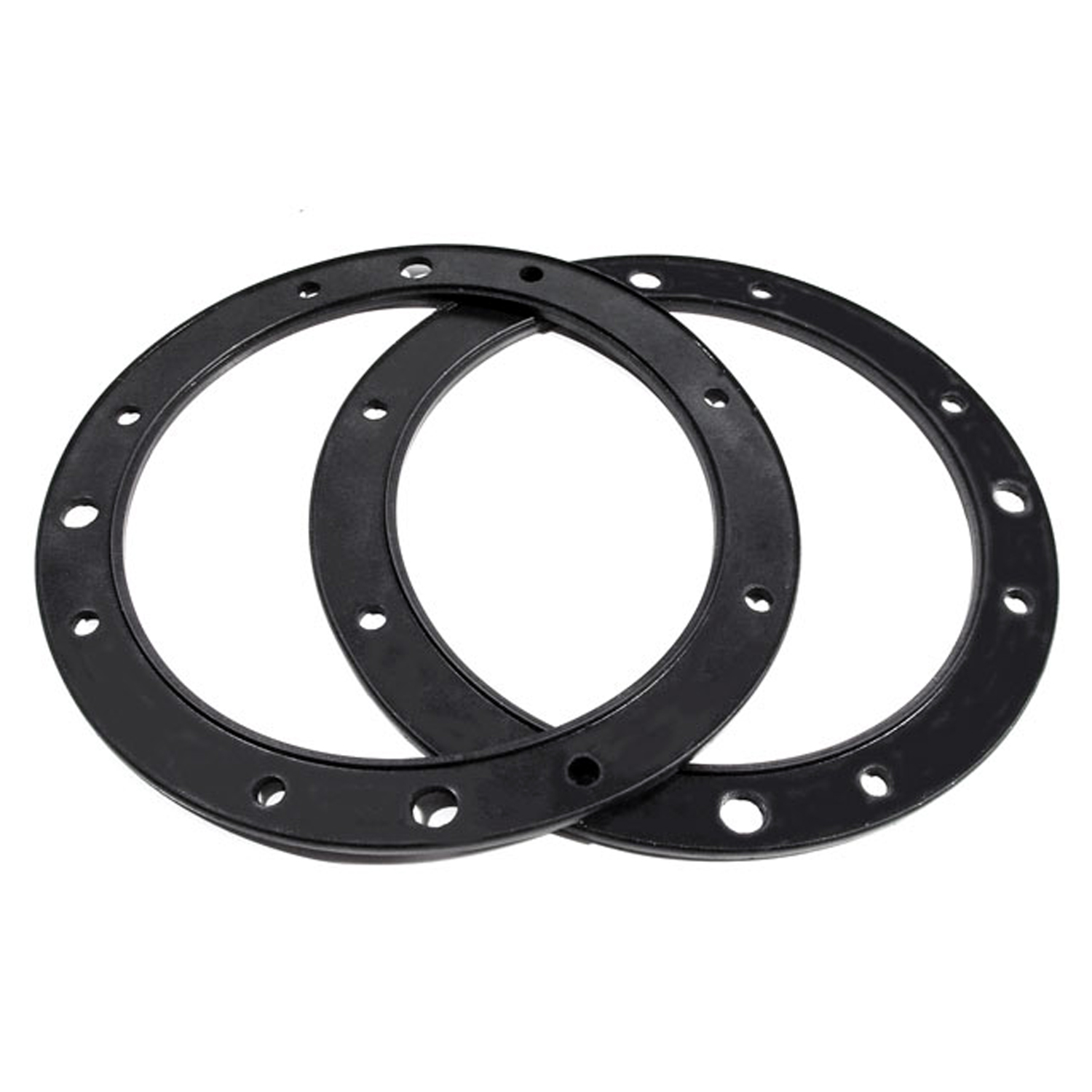 1955 Rolls-Royce Silver Wraith Headlight Ring Seal. 8-1/2" O.D., 6-5/8" I.D. Pair-HR 1Headlight Ring Seal. 8-1/2" O.D., 6-5/8" I.D. Pair
 1955 Rolls-Royce Silver Wraith Heel Pad. Initials "HJM"-RM 16Heel Pad. Initials "HJM". Made of high quality black rubber. 8" X 16". Each
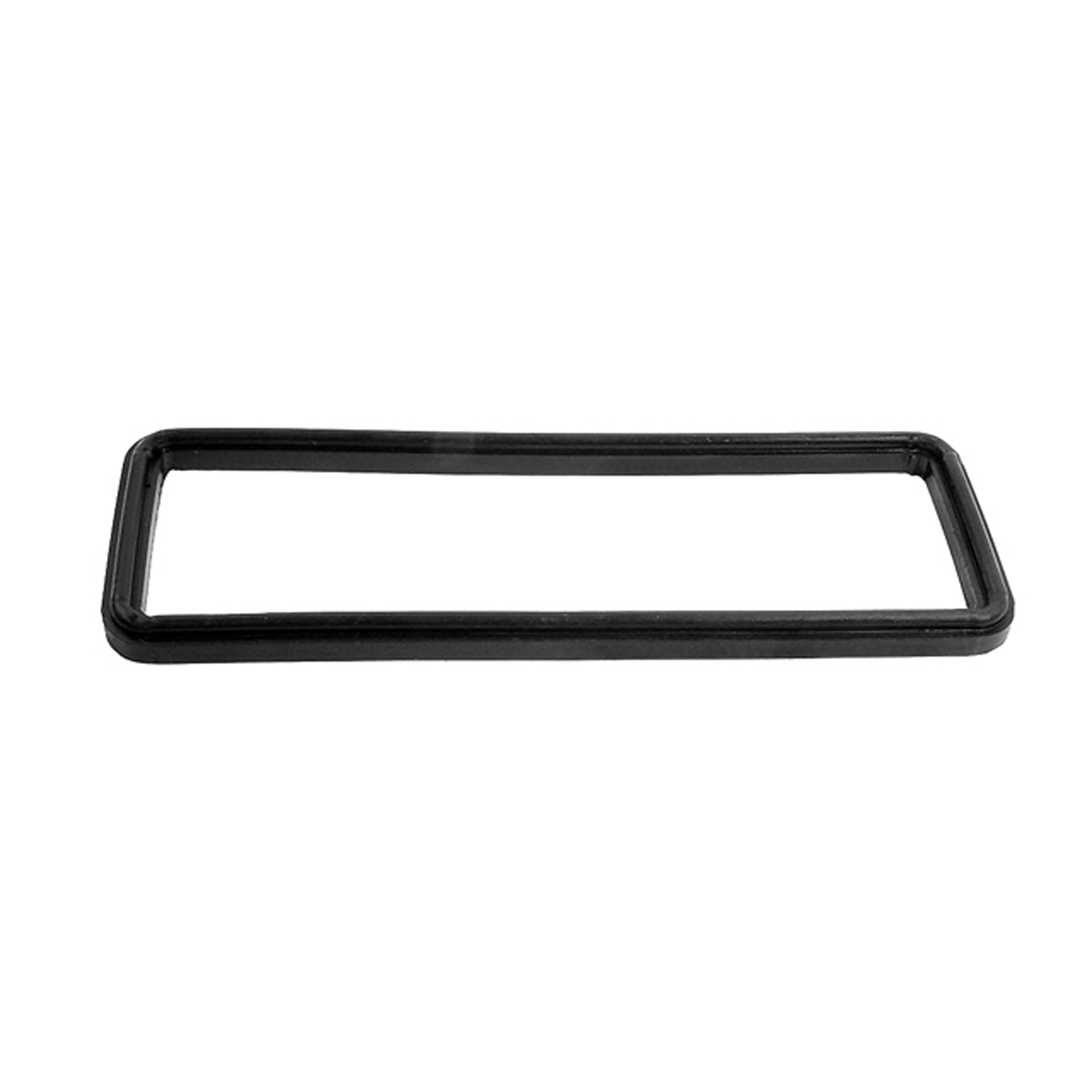 1955 Rolls-Royce Silver Wraith Side Vent Seal. Standard steel saloon-RP 100-FSide Vent Seal. Standard steel saloon. 3" wide X 8-1/2" long. Each
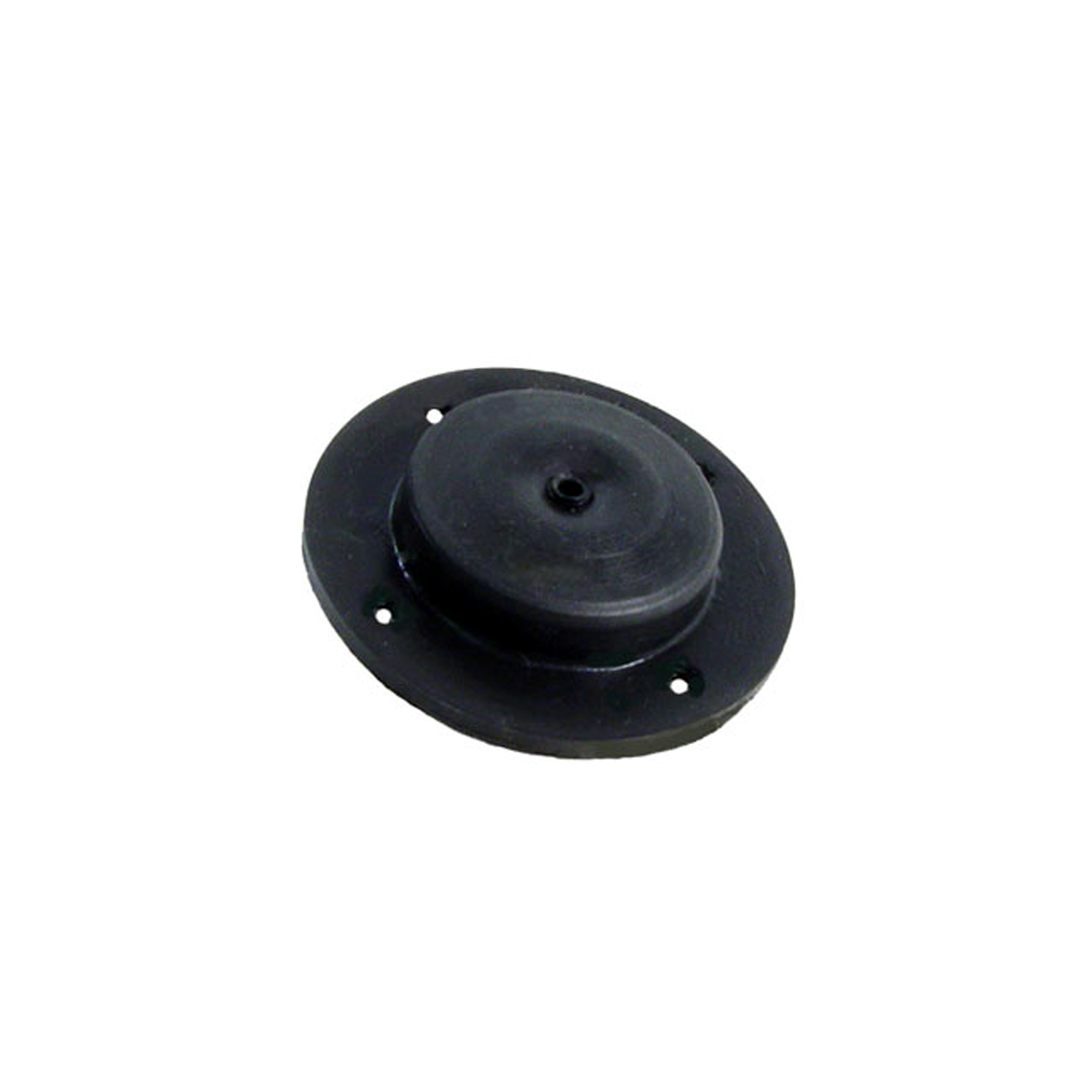 1955 Rolls-Royce Silver Wraith Thermo Tube through Dash Grommet. 2-3/8" O.D. Each-SM 70Thermo Tube through Dash Grommet. 2-3/8" O.D. Each
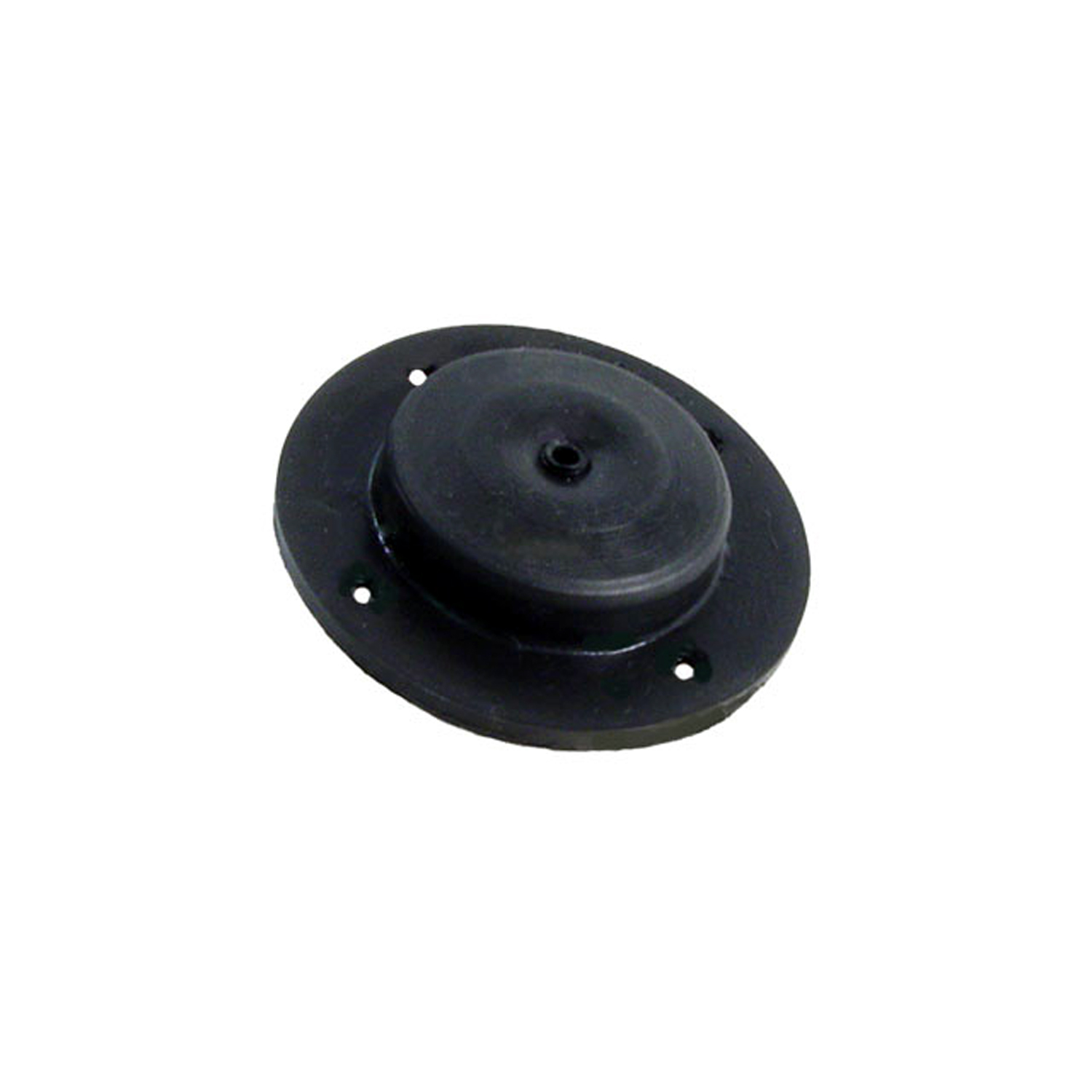 1955 Rolls-Royce Silver Wraith Speedometer Cable through Dash Grommet. 2-3/8" O.D. Each-SM 70-ASpeedometer Cable through Dash Grommet. 2-3/8" O.D. Each
Why Choose Metro?
For over 100 years, Metro Moulded Parts has been the pinnacle of quality in classic car restoration parts. Our commitment to precision and authenticity in every component ensures a perfect fit and an OEM-level appearance.
- Expert Craftsmanship & Quality: Each part is a testament to our dedication to reliability and perfection, crafted from original designs and thoroughly tested.
- Advanced Technology: We use cutting-edge techniques to create flawless, long-lasting parts that surpass others in performance.
- SuperSoft Sponge – The Ultimate Door Seal: Not only are our door seals 30% softer than competitors', but they're also guaranteed to never leak. They effectively reduce wind and road noise, enhancing your classic car's comfort and driving experience.
- Proudly American: Our parts are a product of American craftsmanship, made in the USA with a spirit of excellence and heritage.
- Unrivaled Warranty: We back our products with a 30-year industry-leading warranty, a testament to our confidence in their quality.
Join us in preserving the legacy of classic cars with parts that are crafted for perfection, not just made.