

Image of 1949 Singer Nine, Note: These illustrations use artistic license and may differ from actual historical models.
Performance Metrics
Fundamental Metrics
Emotional Appeal
MMP Rating
| Engine Specifications | |
|---|---|
| Engine: | 1074 cc 4-cylinder side-valve |
| Displacement: | 1074 cc |
| Horsepower: | Estimated 35-40 hp |
| Torque: | Not available |
| Compression Ratio: | Not available |
| Ignition System: | Coil ignition |
| Cooling System: | Water-cooled |
| Performance Specifications | |
| 0-60 Time: | Not available |
| 1/4 Mile Time: | Not available |
| Top Speed: | 65 mph |
| Transmission and Drive | |
| Drive Type: | Rear-wheel drive |
| Transmission Type: | 4-speed manual |
| Fuel and Efficiency | |
| Fuel System Type: | Carburetor |
| MPG: | Not available |
| Dimensions and Brakes | |
| Brakes: | Hydraulic drum brakes |
| Wheelbase: | 90 inches |
| Weight: | 1800 lbs |
Note: Specifications for classic cars are given to the best of our ability, considering the limited and variant data available.
1949 Singer Nine: A Small British Sports Car with Big Character
The 1949 Singer Nine turns modest power and elegant proportions into a distinctly British kind of motoring pleasure. Built by Singer Motors in Coventry, England, it belonged to a marque with roots stretching back to the 19th century and a reputation for bringing sporting engineering to relatively accessible cars.
Singer began as a bicycle manufacturer before moving into motor vehicles around the turn of the 20th century. By the 1930s, its Nine models had helped establish the company as a maker of compact cars with lively overhead-cam engines. The postwar Nine Roadster carried that sporting identity into a period when British manufacturers were rebuilding production and looking to export cars abroad.
One point of distinction is easy to miss: the 1949 Nine Roadster was not the famous prewar Singer Nine Le Mans racer, though it shared the marque’s sporting heritage. The Roadster was a more relaxed, usable open car, with room for passengers and luggage as well as a willingness to tackle a country road.
Roadster Styling and Cabin Details
The Nine Roadster had the upright, unmistakably prewar-influenced look of a small British tourer. Its long bonnet, separate front wings, vertical grille and round headlamps gave it a purposeful face, while running boards and a compact rear end emphasized its narrow, nimble proportions. The folding fabric hood and removable side screens made it adaptable to changing weather, though neither offered the quiet or weather sealing of a modern convertible.
The body was generally arranged as a two-door, four-seat roadster, with the rear seats best suited to children or occasional adult use. The dashboard was straightforward and functional, with clear instruments set within easy view. Depending on specification and restoration, the cabin might feature leather upholstery, painted metal surfaces, wood trim and a large steering wheel. The materials were appealingly tactile, but the finish was more practical than luxurious.
Period paint choices varied by market and production batch, and there was no single color that defines every 1949 example. Dark green, red, blue, black and cream are all familiar shades on surviving cars and restorations. A deep green or rich red body with contrasting upholstery is a particularly popular presentation today, but buyers should check a car’s history before assuming its current paint is original.
The open Roadster is the body style most closely associated with the postwar Singer Nine. Singer also sold other models in its wider range, including saloons, but those should not be confused with the Nine Roadster itself. Trim and equipment could vary, and surviving cars may have period accessories or later additions such as upgraded lighting and modern safety equipment.
Engineering Ahead of Its Size
The Nine’s most notable engineering feature was its 972 cc, four-cylinder overhead-camshaft engine. Overhead-cam layouts were not exclusive to Singer, but they gave the company’s small cars a strong sporting identity and helped the engine breathe freely at higher revs. In a class where many cars used more conventional side-valve designs, the arrangement was an appealing technical talking point.
Power was modest by modern standards, generally quoted at about 38 horsepower, but the car paired it with a four-speed manual gearbox and a light body. The result was not outright speed so much as an eager, responsive character. The chassis and controls reflected traditional British construction of the era, with a firm, direct feel that suited narrow roads and moderate cruising speeds.
The Nine also represented an important part of Singer’s approach: engineering with a sporting flavor was not reserved for expensive, high-performance machinery. The car offered enthusiasts a smaller, more attainable way into open-air motoring. That philosophy connected the road-going Nine to Singer’s prewar competition image without making the 1949 Roadster a dedicated racing car.
Performance on Real Roads
A healthy, correctly tuned 1949 Singer Nine Roadster can reach roughly 60 to 65 mph, depending on gearing, body condition, load and engine health. Period performance figures and modern test results vary, but a 0-to-60 mph time in the region of 30 to 35 seconds is a reasonable estimate. These figures are best treated as broad guidance rather than a guarantee for every surviving car.
The engine rewards a driver who uses the gearbox and lets it work. Acceleration is measured, not forceful, and hills or headwinds call for sensible gear selection. At its best, the car feels lively at the speeds where country-road driving is most enjoyable, rather than built for sustained high-speed travel.
On a smooth road, the light steering and compact dimensions make the Singer feel nimble. On broken surfaces, its period suspension and short wheelbase can transmit bumps more sharply than a modern car. The narrow body and modest mass are assets on winding lanes, though the driver should expect more body movement and less grip than in a contemporary sports car. In strong crosswinds, the open body and fabric hood can also make the car feel exposed.
The soundtrack is part of the appeal: a busy four-cylinder note rises as the revs build, accompanied by wind noise around the side screens and hood. The steering, clutch and gear lever all ask for more deliberate input than modern controls. Driving a Nine is an active experience, with the driver involved in managing momentum, engine speed and road surface rather than simply relying on power.
Living with a Singer Nine
Today, most Nines are enjoyed as weekend classics, touring cars, club-event entries or show vehicles. A well-maintained example can take part in local runs and short rallies, but regular high-speed commuting is not its natural role. The small cabin, limited weather protection and lack of modern crash protection make careful route planning part of ownership.
Routine work is generally approachable for an owner with basic mechanical skills. The engine bay is compact but not overly complicated by modern standards, and many repairs can be handled by a competent classic-car mechanic. Regular attention to ignition timing, carburetion, lubrication, cooling and the charging system helps keep the car dependable. Parts availability is supported by Singer and British-car enthusiast networks, though some body, trim and model-specific components can take time to source.
Reliability depends heavily on condition and maintenance. A neglected car may suffer from worn engine components, overheating, electrical faults, tired suspension or corrosion in its structure and bodywork. Before purchase, inspect the chassis, floor, sills, suspension mounting points and any previous repairs carefully. A road test should include checks for hot starting, oil pressure, gearbox behavior and brake performance.
Notable Details and Common Criticisms
The Nine Roadster’s appeal rests partly on its connection to a much broader Singer story. Singer’s prewar Nine Le Mans models built the marque’s sporting reputation, while the postwar Roadster offered an accessible open car during Britain’s recovery. The two are related by name and engineering tradition, but the roadster should not be presented as a Le Mans competition model.
There is no widely recognized speed or endurance record associated specifically with the 1949 Nine Roadster, and celebrity ownership claims are not a defining part of its history. Its more meaningful claim to fame is that it carried Singer’s overhead-cam sporting character into the postwar market in a compact, comparatively usable form.
Common criticisms are predictable for a car of its age: limited weather protection, modest acceleration, a small rear seat and relatively little safety equipment. Some owners also find the controls demanding in modern traffic. Those limitations are part of the car’s period character, but they are important considerations for anyone expecting a comfortable daily driver.
Collector Values and Availability
Production figures for individual postwar Nine Roadster years are not consistently published, so a precise 1949 total is difficult to establish. As a broad estimate, the Nine Roadster’s full production run may have amounted to roughly 10,000 to 12,000 cars across its versions and years. That is a model-family estimate, not a confirmed count for 1949, and only a fraction survive in usable condition.
As of 2026, a project car or one needing substantial work might sell for about US$7,000 to US$15,000. A presentable, roadworthy example could fall around US$15,000 to US$30,000, while a high-quality restoration with strong documentation may reach roughly US$30,000 to US$45,000 or more. In the United Kingdom, broad equivalents might run from about £5,500 to £12,000 for a project, £12,000 to £24,000 for a good driver, and higher for an exceptional restoration. Actual prices vary with originality, condition, provenance and market location.
The market is relatively specialized, so a Singer Nine may take longer to sell than a more widely known British sports car. Values have generally been supported by the appeal of prewar-style engineering and open-top motoring, but they are not guaranteed to rise steadily. Excellent, correctly restored cars are likely to hold interest best, while poorly documented or heavily modified examples can be harder to value.
Why the 1949 Singer Nine Still Matters
The 1949 Singer Nine Roadster combines graceful prewar styling, a distinctive overhead-cam engine and an engaging, hands-on driving experience. It was not a fast car by modern standards, nor was it a luxury tourer, but it gave drivers a compact open sports car with genuine engineering character at a time when Britain was rebuilding its motor industry.
For collectors, the Nine is a rewarding choice for its individuality and connection to Singer’s sporting past. For drivers, its charm lies in the details: the rising engine note, the direct controls and the pleasure of making modest power count. The 1949 Singer Nine may be small, but it carries a substantial piece of British motoring history.
1949 Singer Nine Catalog of Parts
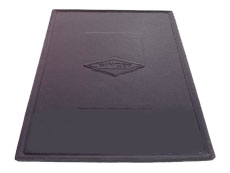 1949 Singer Nine Accessory Floor Mat - 12"X17"-AC 48Accessory Floor Mat - made of high quality black rubber with molded original emblem. Also designed to be sewn into new carpets. 12"X17", Each
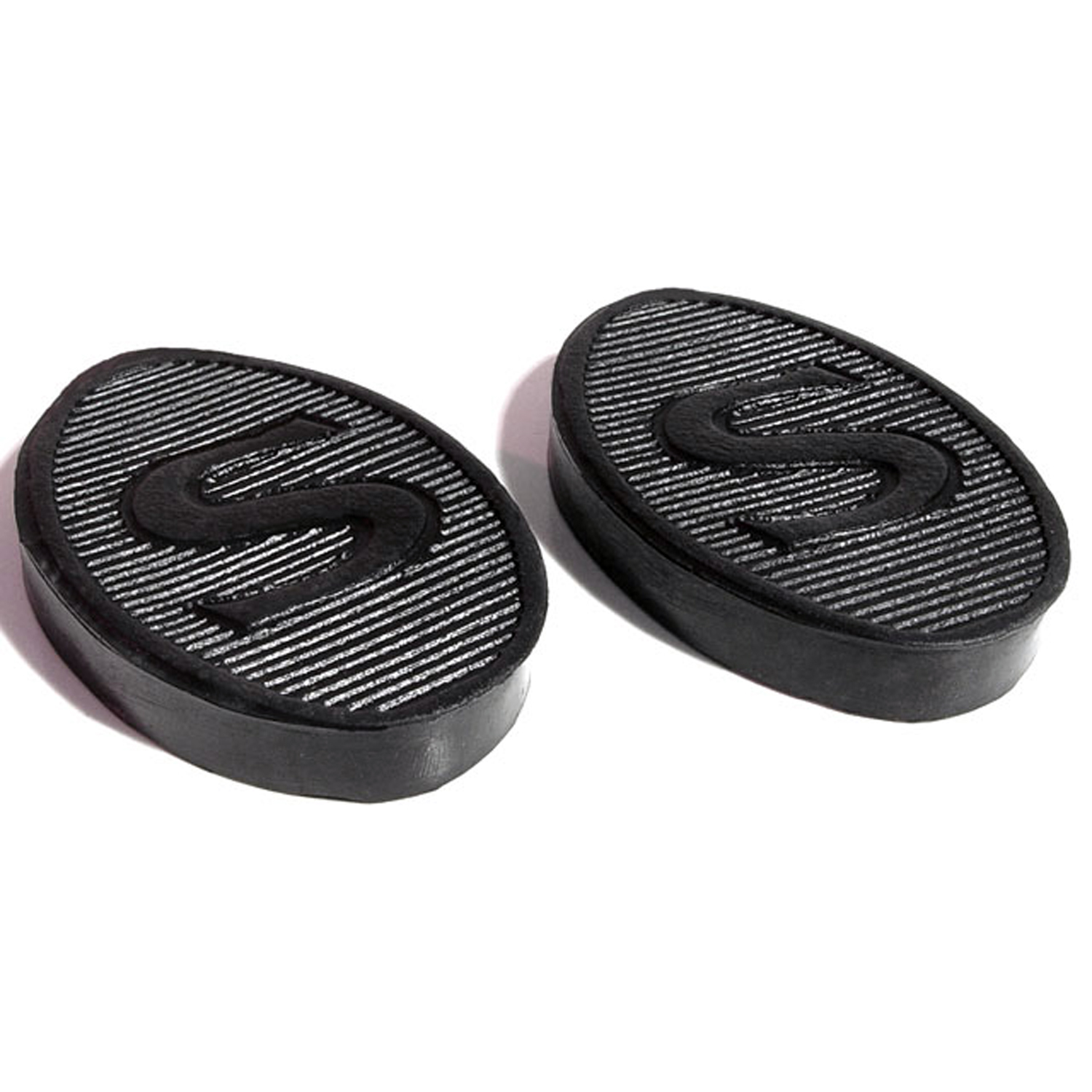 1949 Singer Nine Clutch and Brake Pedal Pads. 1-3/4" wide X 3" long. Pair-CB 98Clutch and Brake Pedal Pads. 1-3/4" wide X 3" long. Pair
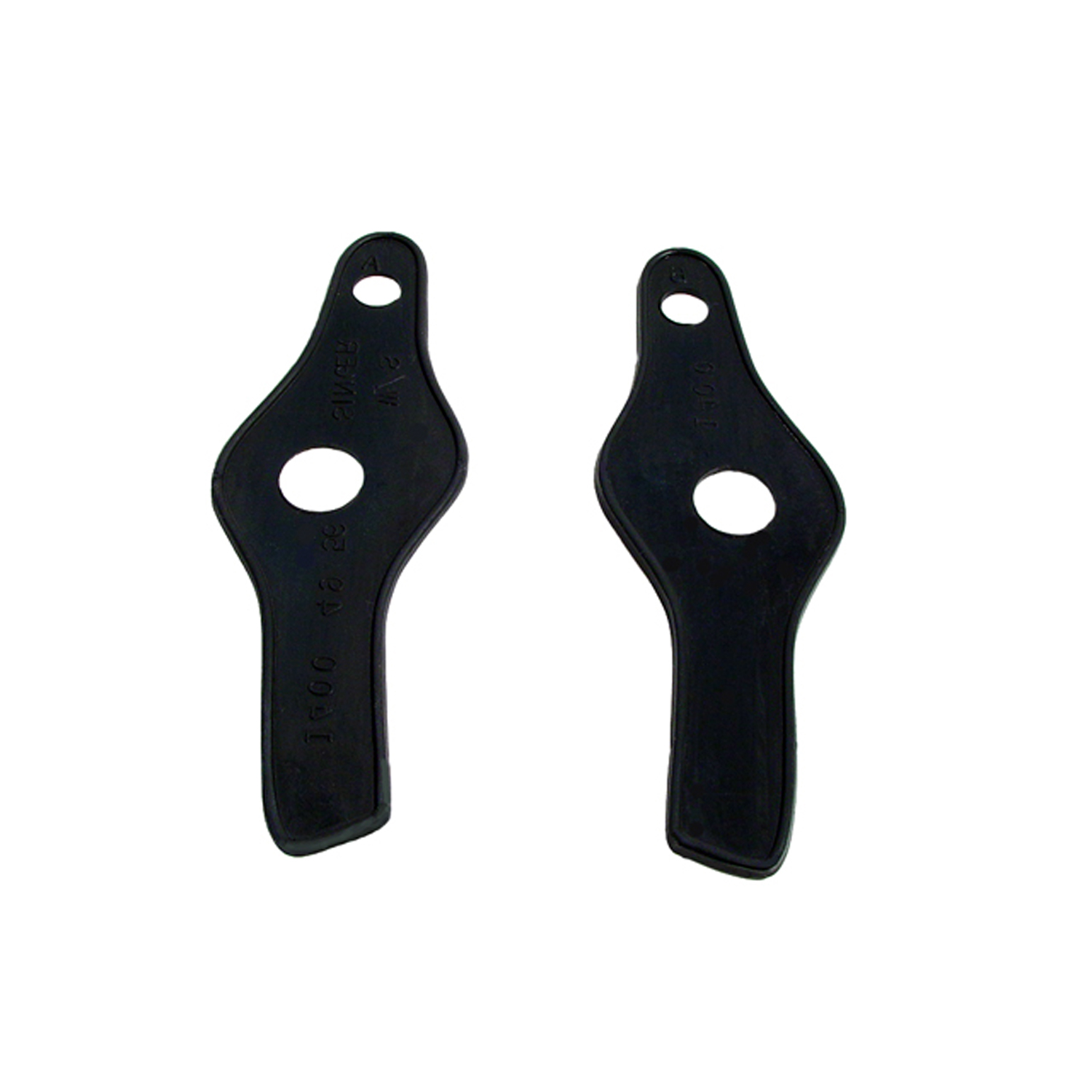 1949 Singer Nine Windshield Post Pads. 2-3/8" wide X 6-3/4" long. Pair-MP 1400Windshield Post Pads. 2-3/8" wide X 6-3/4" long. Pair
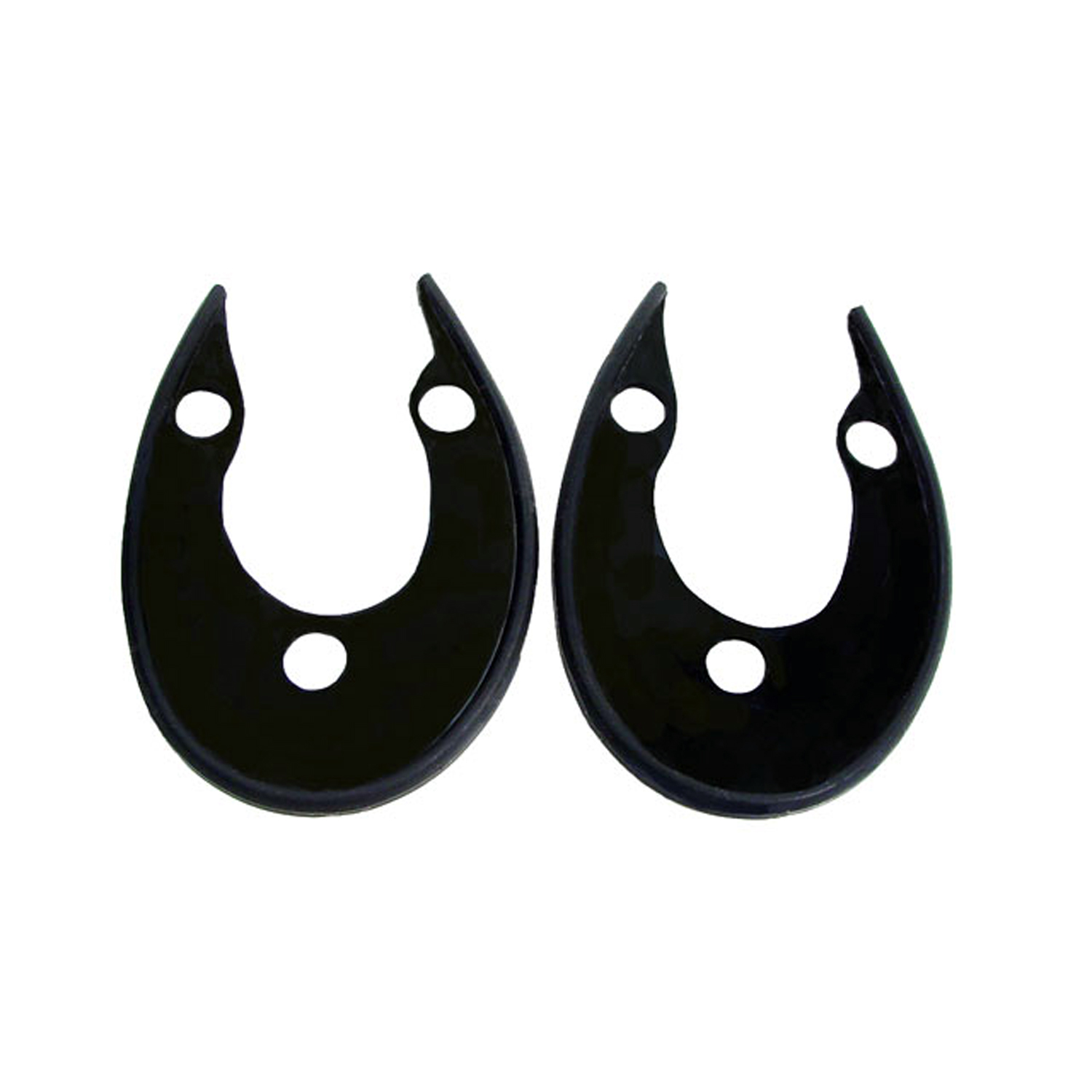 1949 Singer Nine Tail-light Pads. 2-3/4" wide X 4" long. Pair-MP 1401Tail-light Pads. 2-3/4" wide X 4" long. Pair
 1949 Singer Nine Park Light Pads. 1-1/4" wide X 2-3/4" long. Pair-MP 1402Park Light Pads. 1-1/4" wide X 2-3/4" long. Pair
 1949 Singer Nine Trunk Lock Pad. 1-3/8" wide X 1-1/2" long. Each-MP 1403Trunk Lock Pad. 1-3/8" wide X 1-1/2" long. Each
 1949 Singer Nine Door Handle Pads. 1-1/2" wide X 2-5/8" long. Pair-MP 1404Door Handle Pads. 1-1/2" wide X 2-5/8" long. Pair
 1949 Singer Nine Headlight Pads. 3" wide X 4-1/4" long. Pair-MP 1405Headlight Pads. 3" wide X 4-1/4" long. Pair
Why Choose Metro?
For over 100 years, Metro Moulded Parts has been the pinnacle of quality in classic car restoration parts. Our commitment to precision and authenticity in every component ensures a perfect fit and an OEM-level appearance.
- Expert Craftsmanship & Quality: Each part is a testament to our dedication to reliability and perfection, crafted from original designs and thoroughly tested.
- Advanced Technology: We use cutting-edge techniques to create flawless, long-lasting parts that surpass others in performance.
- SuperSoft Sponge – The Ultimate Door Seal: Not only are our door seals 30% softer than competitors', but they're also guaranteed to never leak. They effectively reduce wind and road noise, enhancing your classic car's comfort and driving experience.
- Proudly American: Our parts are a product of American craftsmanship, made in the USA with a spirit of excellence and heritage.
- Unrivaled Warranty: We back our products with a 30-year industry-leading warranty, a testament to our confidence in their quality.
Join us in preserving the legacy of classic cars with parts that are crafted for perfection, not just made.