

Image of 1950 Singer 4a, Note: These illustrations use artistic license and may differ from actual historical models.
Performance Metrics
Fundamental Metrics
Emotional Appeal
MMP Rating
| Engine Specifications | |
|---|---|
| Engine: | 1.5L I4 |
| Displacement: | 1500cc |
| Horsepower: | Estimated 48-50 hp |
| Torque: | Not available |
| Compression Ratio: | Not available |
| Ignition System: | Distributor and coil |
| Cooling System: | Water-cooled |
| Performance Specifications | |
| 0-60 Time: | Not available |
| 1/4 Mile Time: | Not available |
| Top Speed: | 75 mph |
| Transmission and Drive | |
| Drive Type: | Rear-wheel drive |
| Transmission Type: | 4-speed manual |
| Fuel and Efficiency | |
| Fuel System Type: | Carburetor |
| MPG: | Not available |
| Dimensions and Brakes | |
| Brakes: | Drum brakes |
| Wheelbase: | 97 inches |
| Weight: | 2100 lbs |
Note: Specifications for classic cars are given to the best of our ability, considering the limited and variant data available.
1950 Singer 4A: A British Roadster with Sporting Roots
The 1950 Singer 4A brings prewar sports-car character to the open-road motoring of postwar Britain. Built by the Coventry-based Singer Motor Company, it was a compact roadster with a distinctive upright grille, a lively overhead-cam engine and just enough practicality for a spirited weekend tour. It was part of Singer’s Nine Roadster family, a line that carried the company’s sporting ambitions into an era when Britain was rebuilding its industries and finding new customers at home and abroad.
Singer was an established British manufacturer long before the 4A appeared. Founded by George Singer in the 19th century, the company began with bicycles before becoming known for cars. It was not connected to the sewing-machine brand. By 1950, Singer was drawing on decades of engineering experience, including its use of overhead-cam engines in relatively accessible cars.
One detail that makes the 4A especially interesting is its engine: a modest-capacity four-cylinder unit with an overhead camshaft, a layout more often associated with sporting machinery than everyday family cars of the period. The 4A was not a high-volume performance legend, but it gave drivers a more distinctive and technically ambitious alternative to many small postwar tourers.
Classic Roadster Styling and Cabin Details
The 4A’s shape is unmistakably prewar in spirit. Its tall, narrow radiator grille gives the nose a formal, almost miniature touring-car look, while separate front wings sweep back toward the rear bodywork. Exposed headlamps, running boards and a long bonnet complete the traditional roadster profile. The result is less streamlined than a modern sports car, but full of the visual detail that makes a 1950 British open car so appealing.
The cabin is simple and purpose-built. Expect a body-coloured or painted metal dashboard, a clear arrangement of analogue instruments and a thin-rimmed steering wheel. Leather upholstery was typical of the model’s sporting character, although condition and specification can vary on surviving examples. There is little in the way of sound insulation or modern convenience equipment. The driver sits close to the mechanical parts of the car, with the engine, gearbox and road surface all making themselves known.
Factory paint choices depended on market and production period, and surviving records do not provide a dependable universal palette for every 4A. British racing green, dark blue, red, maroon and cream are all popular choices on restored cars. Buyers should distinguish an attractive period-inspired color from a verified factory-original finish, particularly if originality matters to them.
The signature configuration was an open roadster, generally with seating for two and provision for occasional rear passengers on some cars. A folding hood and side screens helped make it usable in poor weather, while tonneau covers and other touring accessories could make longer trips more comfortable. The open two-seat roadster is the most recognizable and desirable form of the 4A today.
Engineering Ahead of Its Class
The 4A’s main technical talking point was its 1,074 cc four-cylinder engine with overhead-camshaft valve operation. Period specifications vary between sources and individual cars, but output is commonly quoted at around 36 to 38 horsepower. A four-speed manual gearbox is associated with the model. That combination gave the Singer a more sporting personality than its modest displacement might suggest.
Overhead-cam engines were not unique to Singer, but they were still an unusual feature in an inexpensive British roadster. The design reflected the company’s engineering identity and its interest in efficient, responsive engines. The 4A was not a technological revolution, yet it helped keep Singer’s sporting reputation visible in the postwar market.
Its historical importance is best understood as part of a broader transition. British manufacturers were adapting prewar designs and production methods to serve a new generation of motorists. The 4A offered an engaging open car at a time when lightweight sports cars were becoming an appealing alternative to larger, heavier vehicles. It also formed part of the bridge between Singer’s earlier Nine models and later, larger-engined versions of the roadster.
Performance and Open-Road Handling
Period performance figures are not consistent, and results depend heavily on the car’s condition, gearing and test method. A well-maintained 4A is generally estimated to reach roughly 70 to 75 mph, with 0 to 60 mph taking around 25 to 30 seconds. Those figures are estimates, not a promise of modern-test performance. The Singer’s appeal lies less in outright speed than in the way it delivers its modest power.
The engine rewards a driver who keeps it working through the gears. It has a purposeful mechanical note rather than a deep, high-powered sports-car roar, and the overhead-cam design gives the car a lively character for its size. The four-speed gearbox encourages active driving, while the relatively low power means momentum matters. On a winding road, smooth gear changes and thoughtful use of the throttle are more effective than rushing from corner to corner.
The separate-wing body and traditional chassis construction give the 4A a classic, upright feel. Expect more body movement over bumps than in a modern car, along with steering that requires attention on uneven or cambered roads. On a smooth country lane, however, the car feels light, direct and engaging. Wind protection is limited, and the hood and side screens are basic by modern standards, so a fast, wet journey can be an invigorating experience in more ways than one.
Living with a Singer 4A
Today, the 4A is most often used for club events, local touring, historic displays and occasional sunny-day drives. It can be driven regularly by an owner prepared to maintain it, but it is not an ideal modern commuter. Traffic speeds, limited weather protection, modest braking performance and the absence of contemporary safety equipment all call for a measured approach.
Like many British cars of the period, the Singer is mechanically straightforward in principle. A capable home mechanic can handle routine servicing and many repairs, but parts availability and specialist knowledge vary. The engine’s overhead-cam arrangement makes correct maintenance important, and neglected examples may need more than a basic tune-up. Before buying, inspect the chassis and body structure carefully for corrosion, check the engine for oil leaks and unusual noises, and confirm that the gearbox, brakes and steering operate properly.
Reliability depends greatly on restoration quality and ongoing care. A well-sorted 4A can be enjoyable and dependable for touring, while a tired car can quickly become a rolling restoration project. Joining a Singer or British-car club is a practical advantage: experienced owners can help identify correct parts, locate specialists and separate normal period quirks from serious faults.
Four Singer Facts Worth Knowing
The Singer name began in bicycle manufacturing before moving into automobiles, giving the company a long mechanical history by the time the 4A reached the road. Singer’s use of overhead-cam engines also predated the postwar roadster, so the 4A’s engine was part of a longer engineering tradition rather than a one-off novelty.
The 4A should not be confused with the later Singer 4AD. The 4AD used a larger 1.5-litre engine and is often more familiar in export markets. Model names and specifications can be muddled in advertisements, so buyers should verify a car’s identity through its chassis and engine details rather than relying on a badge alone.
There is no widely accepted record of the 4A setting a major speed, sales or endurance milestone. Its appeal is more personal than record-breaking: it represents the approachable, enthusiast-minded side of postwar British motoring. Common criticisms include limited performance by modern standards, sparse weather protection, modest luggage space and the need for regular mechanical attention.
Collector Values and Rarity
Reliable production totals for the Singer 4A are difficult to establish, and published figures are not consistent enough to treat as definitive. A reasonable estimate is that several thousand were built, with perhaps roughly 2,000 to 5,000 4A examples produced. That is a broad estimate, not a confirmed factory total. Surviving cars are far less common than the estimate might suggest, especially in sound, well-documented condition.
As a general 2026 market guide, a project car may sell for about US$5,000 to US$10,000, while a usable driver could fall around US$12,000 to US$22,000. A high-quality restoration with strong provenance may reach approximately US$25,000 to US$35,000 or more, depending on originality, condition and location. These are broad estimates; auction results and asking prices can differ significantly between countries.
Values have tended to reward quality rather than simply age. The 4A is a niche classic, so it is unlikely to follow the market for famous high-performance sports cars. Well-restored cars with correct details and clear history should remain the most desirable, while incomplete projects can be expensive to finish. Treat it as an enthusiast purchase first and a financial investment second.
Why the Singer 4A Still Charms
The 1950 Singer 4A combines traditional British roadster styling, a distinctive overhead-cam engine and an involving, low-speed driving experience. It was not the fastest or most influential car of its era, but it offered technical character in a compact, accessible package and preserved Singer’s sporting identity in the postwar years.
For today’s collector, the 4A is a chance to own something less familiar than the usual MG or Triumph, with the same open-air appeal and a character all its own. Keep one maintained, take it down a winding road, and its modest numbers and old-fashioned manners become part of the pleasure.
1950 Singer 4a Catalog of Parts
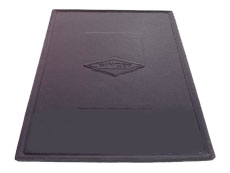 1950 Singer 4A Accessory Floor Mat - 12"X17"-AC 48Accessory Floor Mat - made of high quality black rubber with molded original emblem. Also designed to be sewn into new carpets. 12"X17", Each
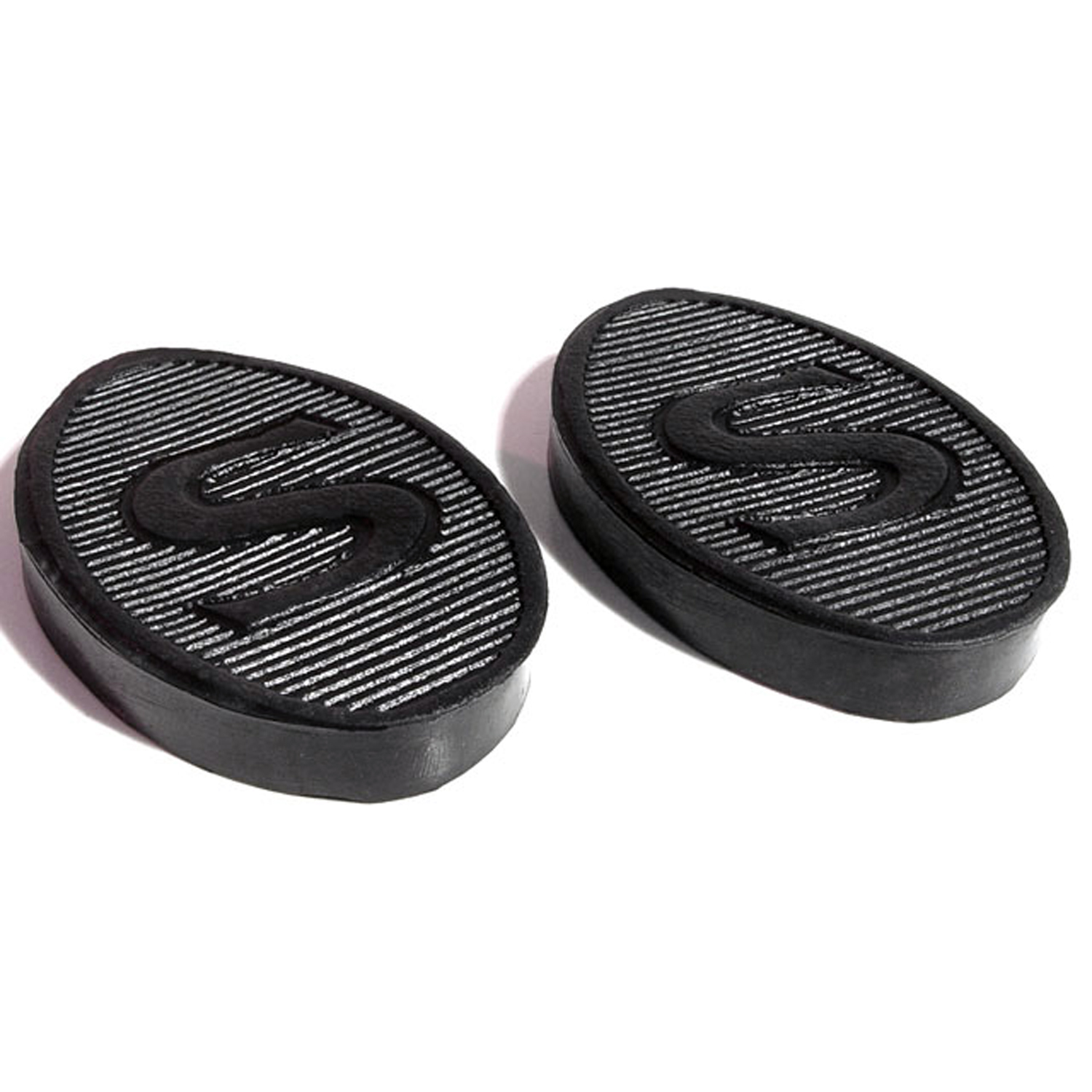 1950 Singer 4A Clutch and Brake Pedal Pads. 1-3/4" wide X 3" long. Pair-CB 98Clutch and Brake Pedal Pads. 1-3/4" wide X 3" long. Pair
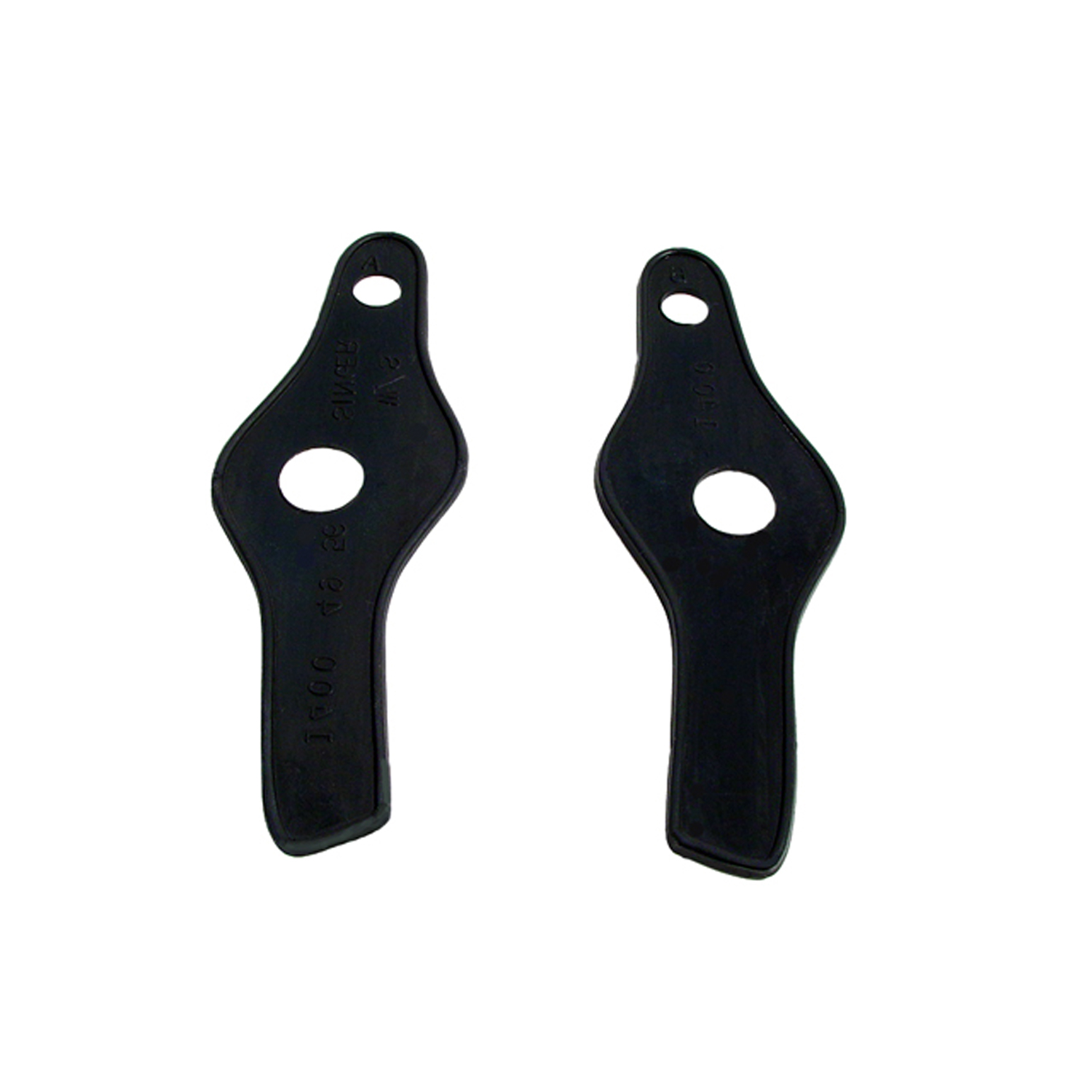 1950 Singer 4A Windshield Post Pads. 2-3/8" wide X 6-3/4" long. Pair-MP 1400Windshield Post Pads. 2-3/8" wide X 6-3/4" long. Pair
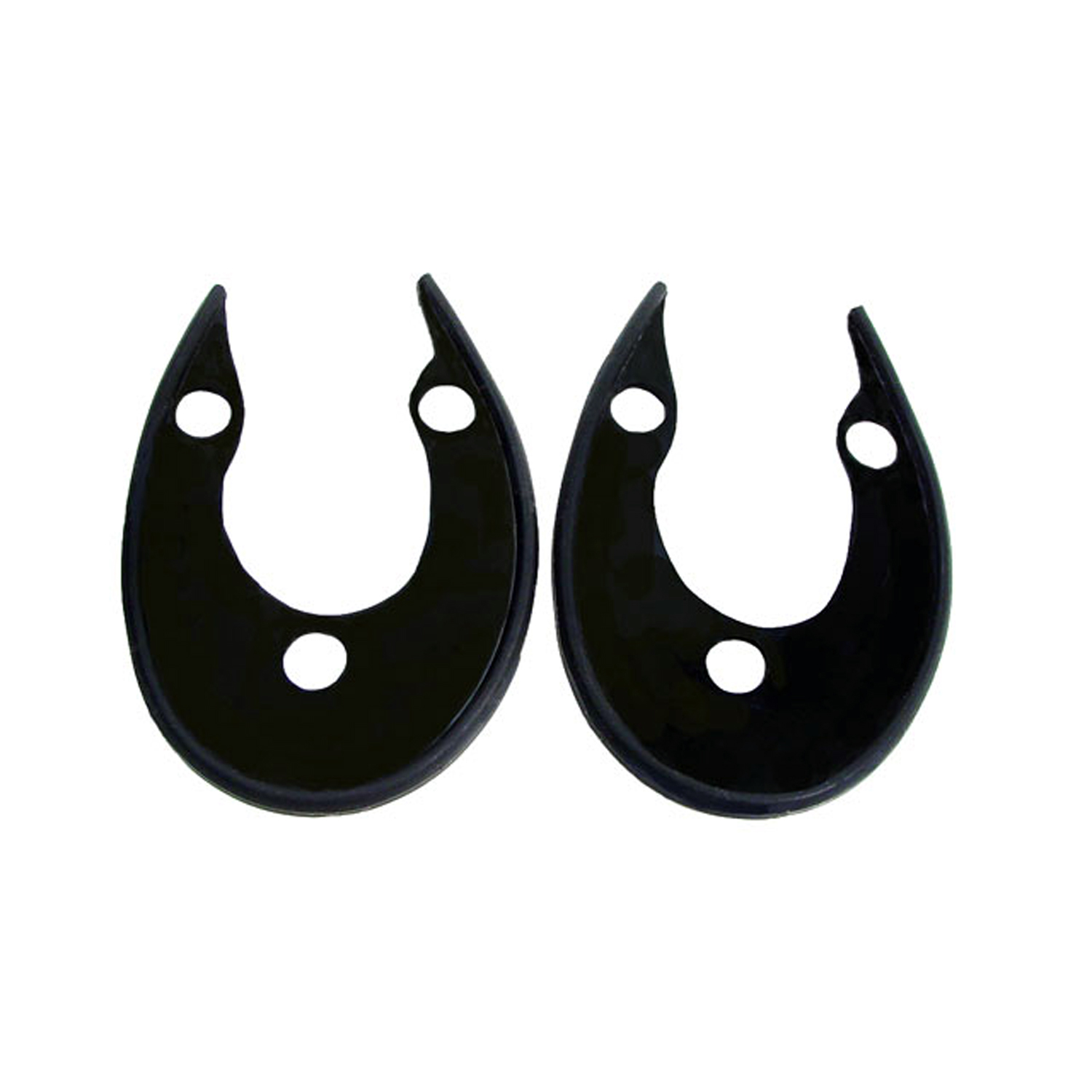 1950 Singer 4A Tail-light Pads. 2-3/4" wide X 4" long. Pair-MP 1401Tail-light Pads. 2-3/4" wide X 4" long. Pair
 1950 Singer 4A Park Light Pads. 1-1/4" wide X 2-3/4" long. Pair-MP 1402Park Light Pads. 1-1/4" wide X 2-3/4" long. Pair
 1950 Singer 4A Trunk Lock Pad. 1-3/8" wide X 1-1/2" long. Each-MP 1403Trunk Lock Pad. 1-3/8" wide X 1-1/2" long. Each
 1950 Singer 4A Door Handle Pads. 1-1/2" wide X 2-5/8" long. Pair-MP 1404Door Handle Pads. 1-1/2" wide X 2-5/8" long. Pair
 1950 Singer 4A Headlight Pads. 3" wide X 4-1/4" long. Pair-MP 1405Headlight Pads. 3" wide X 4-1/4" long. Pair
Why Choose Metro?
For over 100 years, Metro Moulded Parts has been the pinnacle of quality in classic car restoration parts. Our commitment to precision and authenticity in every component ensures a perfect fit and an OEM-level appearance.
- Expert Craftsmanship & Quality: Each part is a testament to our dedication to reliability and perfection, crafted from original designs and thoroughly tested.
- Advanced Technology: We use cutting-edge techniques to create flawless, long-lasting parts that surpass others in performance.
- SuperSoft Sponge – The Ultimate Door Seal: Not only are our door seals 30% softer than competitors', but they're also guaranteed to never leak. They effectively reduce wind and road noise, enhancing your classic car's comfort and driving experience.
- Proudly American: Our parts are a product of American craftsmanship, made in the USA with a spirit of excellence and heritage.
- Unrivaled Warranty: We back our products with a 30-year industry-leading warranty, a testament to our confidence in their quality.
Join us in preserving the legacy of classic cars with parts that are crafted for perfection, not just made.